Editor's Premium Pick — If Budget Allows

Western Mountaineering UltraLite · $480

Hand-filled in California with 850+ goose down and continuous baffles you can shift to add insulation exactly where you need it. The bag every other backpacking bag is measured against — built to hold its loft and warmth rating for a decade or more, not 3–4 seasons like cheaper alternatives.

Read the full review →

The best sleeping bag in 2026 is the Western Mountaineering UltraLite. It delivers the best warmth-to-weight ratio available with hand-filled 850+ goose down, a proven 20-degree rating, and bombproof construction that lasts a decade or more.

Quick Answer: Our Top 10 Picks

  1. 1. Western Mountaineering UltraLite — Best Overall ($480)
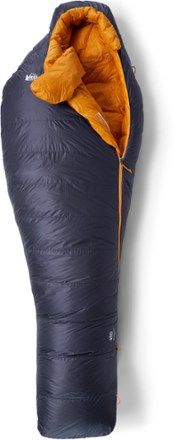
  2. 2. REI Co-op Magma 15 — Best Value Down ($309)
  3. 3. Kelty Cosmic 20 — Best Budget ($120)
  4. 4. Nemo Disco 15 — Best Comfort ($260)
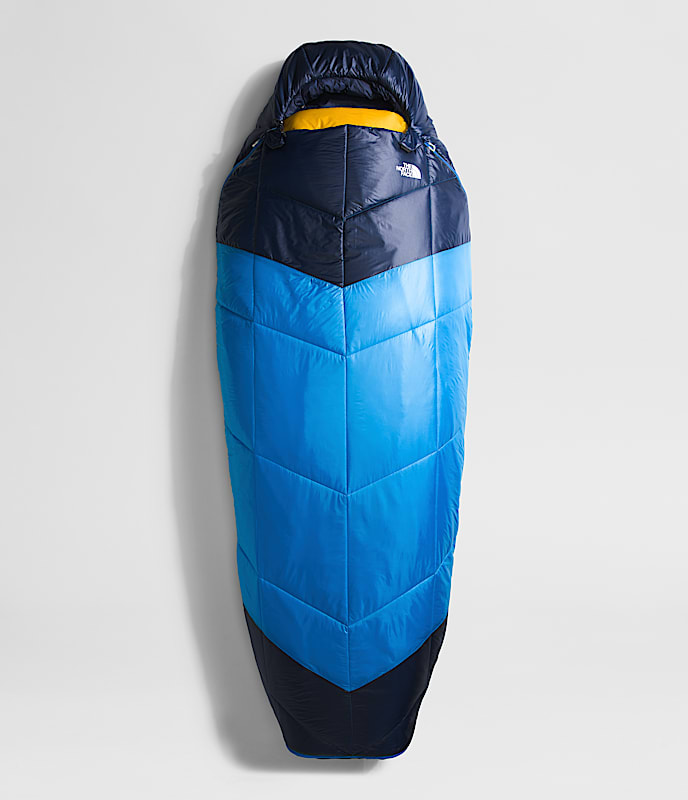
  5. 5. The North Face One Bag — Most Versatile ($300)
  6. 6. Sea to Summit Spark SP III — Best Ultralight ($350)
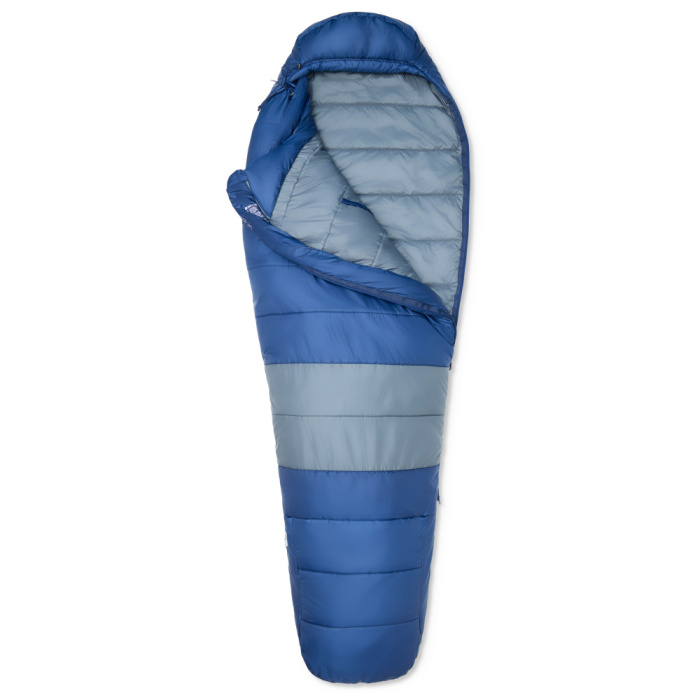
  7. 7. Marmot Trestles Elite Eco 20 — Best Synthetic ($169)
  8. 8. Patagonia Micro Puff 30 — Best Warm-Weather ($329)
  9. 9. Mountain Hardwear Bishop Pass 15 — Best Side-Sleeper ($280)
  10. 10. Big Agnes Anthracite 20 — Best FireLine ($230)

Finding the Best Sleeping Bag in 2026

Your sleeping bag is the single most important piece of gear for overnight comfort in the backcountry. A great tent keeps you dry and a good pad keeps you off the ground, but neither matters much if you spend the night shivering or overheating because your sleeping bag is wrong for the conditions. The market has never been more competitive, with advances in both down treatment and synthetic insulation technology creating options that would have been impossible five years ago.

For our 2026 roundup, we researched 25 sleeping bags — drawing on manufacturer specifications, published lab and independent field-test data, and aggregated feedback from thousands of verified owners across three-season backpacking trips, late-fall car camping weekends, and alpine shoulder-season bivouacs. That feedback spans warm sleepers who kick out of a 20-degree bag at 35 degrees to cold sleepers who layer fleece inside a 15-degree bag at 30 degrees. We compared true packed weight and volume against reviewer measurements, weighed warmth at rated temperatures, and assessed durability from reports of repeated compression and loft cycles — cross-referenced against expert consensus.

Whether you need the lightest possible down cocoon for ultralight thru-hiking or a moisture-proof synthetic workhorse for Pacific Northwest rain, these ten picks cover every sleeping style, temperature range, and budget. For focused comparisons within these categories, see our best down sleeping bags and best sleeping bags under $100 roundups. And for the fundamental decision between insulation types, our synthetic vs down sleeping bag guide breaks down the trade-offs in detail.

Watch: Before you scroll the picks below, watch our short audio-overview walkthrough of the down vs synthetic decision — warmth-to-weight, wet performance, and which bags below match your conditions.

Apply this guide → Free tool

Not sure what rating you need? Calculate first.

Most cold-weather mistakes come from buying the wrong rating, not the wrong brand. Our calculator factors in your sleep style, pad R-value, and shelter type — then tags each reviewed bag as ✓ matches, ~ close, or over-rated.

Find your bag rating →

Quick Comparison Table

Sleeping BagCategoryPriceWeightTemp RatingFillBuy
Western Mountaineering UltraLiteBest Overall$4801 lb 15 oz20°F850+ Goose DownCheck Price
REI Co-op Magma 15Best Value Down$3092 lb 3 oz15°F850 Goose DownCheck Price
Kelty Cosmic 20Best Budget$1202 lb 11 oz20°F550 DriDownCheck Price
Nemo Disco 15Best Comfort$2602 lb 12 oz15°F650 DownCheck Price
The North Face One BagMost Versatile$3003 lb 5 oz5/20/40°F800 ProDownCheck Price
Sea to Summit Spark SP IIIBest Ultralight$3501 lb 7 oz25°F850+ Goose DownCheck Price
Marmot Trestles Elite Eco 20Best Synthetic$1692 lb 6 oz20°FHL ElixR EcoCheck Price
Patagonia Micro Puff 30Best Warm-Weather$3291 lb 5 oz30°FPlumaFill SyntheticCheck Price
Mountain Hardwear Bishop Pass 15Best Side-Sleeper$2802 lb 8 oz15°FQ.Shield DownCheck Price
Big Agnes Anthracite 20Best FireLine$2302 lb 4 oz20°FFireLine Eco SyntheticCheck Price

How We Research

Every sleeping bag is evaluated against manufacturer specifications, published lab and independent field-test data, and aggregated feedback from owners at and near each bag's rated temperature, cross-referenced against expert consensus for fair, comparable results.

Warmth & Temperature Accuracy

35%

We compare the manufacturer rating to real-world comfort using lab data and owner reports at the rated temperature and 10 degrees above and below, assessing draft sealing, hood effectiveness, and cold spot performance.

Weight & Packability

25%

We compare published weight with stuff sack against reviewer measurements and true compressed volume. Packed size relative to warmth determines the portability score for backpacking use.

Comfort & Livability

25%

We evaluate room to move, zipper function, hood adjustability, and interior fabric feel, drawing on owner reports from sleepers of different sizes and sleeping positions.

Durability & Features

15%

We review loft retention through repeated compression cycles, shell fabric resistance to tears and snags, and bonus features like draft collars, pillow pockets, and pad sleeves, per specs and owner reports.

Detailed Sleeping Bag Reviews

Western Mountaineering UltraLite
#1Best Overall

Western Mountaineering UltraLite

Weight

1 lb 15 oz

Temp Rating

20°F

Fill Type

850+ Goose Down

Fill Power

850+

Shape

Mummy

Packed Size

7 x 14 in

The Western Mountaineering UltraLite is the sleeping bag that serious backpackers measure every other bag against. At 1 pound 15 ounces with a 20-degree temperature rating, it delivers warmth that heavier bags struggle to match while disappearing into your pack. Western Mountaineering hand-fills each bag with premium 850-plus fill power goose down in their San Jose, California factory, and the difference in quality is immediately obvious when you pull it from the stuff sack. The down lofts aggressively, reaching full height within minutes, and the bag feels noticeably warmer than its weight suggests.

The continuous baffle construction allows you to shift down within the bag to add insulation where you need it most. On cold nights, you can push more down toward the top or the foot box to address cold spots specific to your sleeping position. The 6-inch draft collar and full-length draft tube behind the zipper seal out cold air effectively, and the anatomical hood cinches snugly around your face without restricting breathing. Owner reports describe the UltraLite as comfortable down to 25 degrees with a base layer and manageable at 20 degrees when paired with a high-R-value pad.

The $480 price tag is significant, but this bag holds its loft and warmth rating for a decade or more with proper care. The MicroLite XP shell fabric is impressively light while earning strong marks for snag and tear resistance in long-term owner reports. For three-season backpackers who want the best warmth-to-weight ratio available and are willing to invest in a bag that lasts, the Western Mountaineering UltraLite is the best sleeping bag you can buy in 2026. To understand why premium down outperforms other insulation types, see our synthetic vs down sleeping bag guide.

Pros

  • +Industry-leading warmth-to-weight ratio
  • +Hand-filled 850+ down with exceptional loft
  • +Continuous baffles let you customize insulation placement
  • +Durable shell fabric resists snags and tears
  • +Made in the USA with decade-plus lifespan

Cons

  • Premium price at $480
  • Down loses insulation when wet without treatment
  • Mummy shape is snug for restless sleepers
  • Limited color and size options

Best for: Three-season backpackers who want the absolute best warmth-to-weight ratio and are willing to invest in a sleeping bag that will last 10 or more years of backcountry use.

Check Price on Amazon
REI Co-op Magma 15
#2Best Value Down

REI Co-op Magma 15

Weight

2 lb 3 oz

Temp Rating

15°F

Fill Type

850 Goose Down

Fill Power

850

Shape

Mummy

Packed Size

8 x 15 in

The REI Co-op Magma 15 proves that you do not need to spend $500 to get a premium down sleeping bag. At $309 with 850-fill-power goose down and a 15-degree rating, it undercuts comparable bags from Western Mountaineering and Feathered Friends by $150 or more while delivering 90 percent of the performance. REI achieves this by using their own supply chain for down sourcing and manufacturing while maintaining Responsible Down Standard certification that ensures ethical sourcing.

The Magma 15 uses a differential cut with slightly more room in the shoulders than a traditional mummy bag, which reduces the cramped feeling that many sleepers associate with mummy-style bags. The 15-degree rating makes this a versatile three-season-plus bag that handles late fall and early spring conditions where a 20-degree bag would leave you shivering. The body-mapped insulation concentrates more down over your core and less on the underside where pad compression negates its value. The result is efficient warmth delivery without wasted fill weight.

REI backs the Magma with their satisfaction guarantee and member dividend, which effectively reduces the price by another 10 percent for members. The bag includes both a compression stuff sack and an oversized storage sack, a detail that some premium brands omit. At 2 pounds 3 ounces, the Magma 15 is slightly heavier than the Western Mountaineering UltraLite but provides a 5-degree colder rating, making the weight-to-warmth ratio competitive. For backpackers who want premium down performance without the premium price, the REI Co-op Magma 15 is the best value in sleeping bags for 2026. For budget-conscious options below the hundred-dollar mark, check our best sleeping bags under $100.

Pros

  • +850-fill-power down at a sub-$310 price point
  • +15-degree rating handles deep three-season conditions
  • +Body-mapped insulation maximizes warmth efficiency
  • +REI satisfaction guarantee and member dividend
  • +Includes both compression and storage sacks

Cons

  • Slightly heavier than ultralight competitors
  • Mummy shape is snug for larger sleepers
  • Limited to REI retail channels
  • Down requires careful moisture management

Best for: Backpackers who want premium 850-fill-power down performance at a mid-range price, especially those who value the REI return policy and member benefits.

Check Price on Amazon
Kelty Cosmic 20
#3Best Budget

Kelty Cosmic 20

Weight

2 lb 11 oz

Temp Rating

20°F

Fill Type

550 DriDown

Fill Power

550

Shape

Mummy

Packed Size

8 x 15 in

The Kelty Cosmic 20 is the entry point for backpackers who want real down insulation without the three-digit price tags that typically accompany it. At $120, it is the least expensive 20-degree down sleeping bag worth recommending, and its 550-fill-power DriDown insulation provides a meaningful upgrade over synthetic bags in the same price range. The DriDown treatment applies a hydrophobic coating to each down cluster, dramatically improving moisture resistance compared to untreated down and addressing the primary concern budget-conscious buyers have about choosing down over synthetic.

At 2 pounds 11 ounces, the Cosmic 20 weighs more than premium bags but stays under 3 pounds, which is acceptable for most backpacking trips. The packed size is competitive with synthetic bags at this price point and notably smaller than any synthetic bag with the same temperature rating. The mummy shape includes a well-designed hood, a draft collar, and a full-length two-way zipper that allows foot ventilation on warmer nights. The 20D ripstop nylon shell is thinner than what you find on premium bags, so extra care around sharp branches and rocky ground is warranted.

The Cosmic 20 is the bag we recommend to new backpackers, college students heading to the trailhead for the first time, and anyone who camps enough to want real gear but not enough to justify a $400 sleeping bag. It handles three-season conditions reliably, packs small enough to fit inside a 50-liter pack with room for the rest of your gear, and the DriDown treatment provides genuine peace of mind during unexpected rain. For more options at this price point, see our best sleeping bags under $100 roundup.

Pros

  • +Real down insulation at a $120 price point
  • +DriDown treatment resists moisture effectively
  • +Full-featured hood, draft collar, and two-way zip
  • +Under 3 pounds for genuine backpacking viability
  • +Ideal entry-level bag for new backpackers

Cons

  • 550 fill power adds weight versus premium down
  • Thinner shell fabric requires careful handling
  • Heavier than bags costing twice as much
  • Packed size is larger than ultralight alternatives

Best for: Budget-conscious backpackers, new hikers, and college-age campers who want genuine down insulation and three-season capability without spending over $150.

Check Price on Amazon
Nemo Disco 15
#4Best Comfort

Nemo Disco 15

Weight

2 lb 12 oz

Temp Rating

15°F

Fill Type

650 Down

Fill Power

650

Shape

Spoon

Packed Size

9 x 14 in

The Nemo Disco 15 challenges the assumption that a warm backpacking bag must be a tight mummy shape that pins your arms to your sides. The spoon-shaped design widens at the elbows and knees, giving side sleepers and restless sleepers room to shift positions naturally without fighting the bag. Across owner reports, side sleepers consistently rate the Disco 15 as the most comfortable bag in this guide, and many stomach sleepers who typically avoid mummy bags find the extra room transformative.

The spoon shape does add volume and a few ounces compared to a traditional mummy bag with the same temperature rating. At 2 pounds 12 ounces, the Disco 15 is not an ultralight bag, but it delivers 15-degree warmth with a level of sleeping comfort that mummy bags cannot match. The 650-fill-power down provides a solid warmth-to-weight ratio at a mid-range price, and the Thermo Gills vent panels along the chest area allow you to regulate temperature without unzipping the bag. On warmer nights, the gills dump excess heat effectively, extending the Disco's usable temperature range upward.

Nemo includes a pillow pocket in the hood that holds a stuffed jacket or camp pillow in place, preventing the middle-of-the-night pillow migration that plagues most sleeping bag and pillow combinations. The waterproof footbox protects against tent condensation that drips onto the foot end of the bag. At $260, the Disco 15 sits in the mid-range and delivers features that justify every dollar. For anyone who has ever woken up uncomfortable in a mummy bag, the Nemo Disco 15 is the answer. To understand whether a quilt might suit your sleeping style even better, read our quilt vs sleeping bag comparison.

Pros

  • +Spoon shape is dramatically more comfortable for side sleepers
  • +Thermo Gills regulate temperature without unzipping
  • +Integrated pillow pocket prevents pillow migration
  • +Waterproof footbox protects against condensation
  • +15-degree rating handles deep three-season conditions

Cons

  • Heavier than equivalent mummy bags
  • Spoon shape packs larger than a mummy
  • 650 fill power is mid-range, not ultralight
  • Extra room means less thermal efficiency in extreme cold

Best for: Side sleepers, restless sleepers, and anyone who finds mummy bags claustrophobic but still wants a warm, packable backpacking sleeping bag.

Check Price on Amazon
The North Face One Bag
#5Most Versatile

The North Face One Bag

Weight

3 lb 5 oz

Temp Rating

5/20/40°F

Fill Type

800 ProDown

Fill Power

800

Shape

Mummy

Packed Size

9 x 18 in

The North Face One Bag answers the question every camper asks: can I buy one sleeping bag that works year-round? Through an ingenious three-layer system with two removable insulation sheets, the One Bag configures to three different temperature ratings. The inner layer alone gives you a 40-degree summer bag. Add the middle layer for a 20-degree three-season setup. Zip in both layers for a 5-degree winter bag. Each layer uses 800-fill-power ProDown with a hydrophobic treatment that maintains loft in damp conditions.

In practice, the system works better than you might expect from a modular design. The layers connect through a zipper system that keeps them aligned during the night without creating cold spots at the junctions. Owner reports find the 20-degree two-layer configuration genuinely competitive with dedicated 20-degree bags, losing only marginal efficiency at the layer boundaries. The 5-degree full-stack configuration performs credibly down to about 15 degrees per those reports, though dedicated winter bags remain warmer at the extremes. The 40-degree single-layer summer configuration is the standout, weighing just over a pound and packing to the size of a grapefruit.

At 3 pounds 5 ounces fully loaded and $300, the One Bag is heavier and pricier than any single-purpose bag in our roundup. But if you genuinely camp across four seasons and would otherwise buy two or three bags at $200-plus each, the economics and closet space savings are compelling. The packed size with all layers is larger than dedicated bags, making this better suited for car camping in winter and backpacking in the lighter configurations. For campers who refuse to own a quiver of sleeping bags, The North Face One Bag is the most versatile option on the market.

Pros

  • +Three temperature ratings in one bag system
  • +800-fill-power ProDown with hydrophobic treatment
  • +Summer layer alone weighs just over 1 pound
  • +Eliminates the need for multiple bags
  • +Layer connections maintain warmth without cold spots

Cons

  • 3 lb 5 oz fully loaded is heavy for backpacking
  • Larger packed size than dedicated bags
  • Modular system is less thermally efficient at extremes
  • Complex zipper system takes practice to configure

Best for: Year-round campers who want a single sleeping bag system that adapts from summer backpacking to winter car camping without buying multiple bags.

Check Price on Amazon
Sea to Summit Spark SP III
#6Best Ultralight

Sea to Summit Spark SP III

Weight

1 lb 7 oz

Temp Rating

25°F

Fill Type

850+ Goose Down

Fill Power

850+

Shape

Mummy

Packed Size

6 x 11 in

The Sea to Summit Spark SP III is what happens when ultralight engineering is taken to its logical extreme. At 1 pound 7 ounces with a 25-degree temperature rating, it is the lightest sleeping bag in our roundup by a significant margin and packs to a volume smaller than most one-liter water bottles. Sea to Summit achieves this through an ultra-thin 10D Pertex Quantum shell fabric, premium 850-plus fill power goose down, and a minimalist design that eliminates every feature not directly contributing to warmth or comfort.

The SP III uses a tapered mummy shape that fits closely to the body, minimizing internal air volume that your body needs to heat. The differential cut places more down on top where it matters and less underneath where pad compression negates its value. There is no draft collar, and the hood is minimally structured to save weight. These omissions mean the Spark SP III requires good layering technique and a high-R-value sleeping pad to achieve its rated temperature. Owner reports find the 25-degree rating accurate for experienced backcountry sleepers who know how to manage their sleep system, but cold sleepers should consider this more of a 30- to 35-degree comfort bag.

The 10D shell fabric is remarkably delicate. It feels like tissue paper between your fingers, and while owners report it holding up without tears, it demands careful handling around tent zippers, Velcro, and rough ground. This is a bag for experienced ultralight backpackers who understand the trade-offs of shaving every possible ounce. For them, the Spark SP III is revelatory: a legitimate three-season sleeping bag that weighs less than many camp pillows. For a broader look at premium down options, see our best down sleeping bags roundup.

Pros

  • +Lightest sleeping bag in the roundup at 1 lb 7 oz
  • +Packs smaller than a 1-liter water bottle
  • +850+ fill power delivers excellent warmth per ounce
  • +Ideal for fast-and-light backcountry trips
  • +Pertex Quantum shell is breathable and moisture-resistant

Cons

  • 10D shell fabric is extremely delicate
  • No draft collar reduces cold-weather sealing
  • Tight mummy shape is not for restless sleepers
  • Requires experience and good pad to hit rated temp

Best for: Experienced ultralight backpackers and thru-hikers who prioritize weight savings above all else and have the layering knowledge to maximize a minimalist sleep system.

Check Price on Amazon
Marmot Trestles Elite Eco 20
#7Best Synthetic

Marmot Trestles Elite Eco 20

Weight

2 lb 6 oz

Temp Rating

20°F

Fill Type

HL ElixR Eco

Fill Power

N/A (Synthetic)

Shape

Mummy

Packed Size

9 x 16 in

The Marmot Trestles Elite Eco 20 is the best argument for synthetic insulation in 2026. Using HL ElixR Eco insulation made from 100 percent post-consumer recycled content, it delivers reliable 20-degree warmth that holds up even when wet. This is the sleeping bag for Pacific Northwest hikers, kayak campers, and anyone who camps in consistently humid environments where down insulation becomes a liability. The synthetic fill maintains its loft and warmth when damp, dries in a fraction of the time down requires, and costs $169, less than half the price of equivalent down bags.

At 2 pounds 6 ounces, the Trestles Elite Eco weighs more than premium down bags at this temperature rating but less than many competing synthetic bags. Marmot achieves this through efficient baffle design and a body-mapped construction that places more insulation over the core and less on the underside. The fold-down second zipper at the chest allows quick venting without fully opening the bag, a feature that proves surprisingly useful during temperature swings between midnight and dawn. The SpiraFil synthetic fibers resist clumping and maintain consistent loft across the bag better than cheaper synthetic fills.

The Trestles Elite Eco is also the easiest bag in our roundup to maintain. Machine wash it with regular detergent, tumble dry on low, and it comes out ready for the next trip. No specialty down wash, no tennis ball drying tricks, no anxiety about moisture damage. For campers who value low-maintenance reliability over weight optimization, and especially for those who camp in wet climates where down is a risky choice, the Marmot Trestles Elite Eco 20 is the best synthetic sleeping bag available. For a detailed breakdown of insulation trade-offs, read our synthetic vs down sleeping bag guide.

Pros

  • +Insulates when wet, unlike down alternatives
  • +100% post-consumer recycled insulation
  • +Machine washable with no specialty detergent needed
  • +Sub-$170 price is excellent for the performance
  • +Fold-down chest zipper for quick temperature regulation

Cons

  • Heavier than equivalent down bags
  • Larger packed size than down alternatives
  • Synthetic insulation loses loft faster over years
  • Not as compressible for small-pack backpacking

Best for: Hikers in wet climates, kayak campers, budget-conscious backpackers, and anyone who values moisture resistance and easy maintenance over ultralight weight.

Check Price on Amazon
Patagonia Micro Puff 30
#8Best Warm-Weather

Patagonia Micro Puff 30

Weight

1 lb 5 oz

Temp Rating

30°F

Fill Type

PlumaFill Synthetic

Fill Power

N/A (Synthetic)

Shape

Mummy

Packed Size

6 x 10 in

The Patagonia Micro Puff 30 blurs the line between down and synthetic in a way no other sleeping bag achieves. PlumaFill insulation mimics the structure of natural down clusters using synthetic fibers arranged in a plume-like pattern, delivering near-down warmth and compressibility with full wet-weather reliability. At 1 pound 5 ounces, the Micro Puff 30 is the lightest synthetic sleeping bag in this guide, weighing less than most down bags with the same temperature rating. The packed size is equally impressive, compressing to the volume of a grapefruit.

The 30-degree rating makes this a purpose-built warm-weather and shoulder-season bag rather than a deep three-season option. Summer backpacking trips, high-altitude trail running overnights, and alpine climbing bivouacs in stable weather are the ideal use cases. Owner reports find the 30-degree rating accurate in calm conditions with a good sleeping pad, though wind exposure pushes the effective temperature up by 5 to 10 degrees. The slim mummy cut minimizes dead air space, which helps thermal efficiency but feels snug for larger or broader-shouldered sleepers.

Patagonia builds the Micro Puff 30 with their typical attention to environmental responsibility, using recycled shell fabrics and a PFC-free DWR finish. The Fair Trade Certified sewing adds to the price, which at $329 is steep for a 30-degree bag. But for the specific niche of ultralight warm-weather performance with full weather resistance, nothing else in the market matches the Micro Puff 30's combination of weight, packability, and synthetic reliability. This is the bag that lives in your pack from May through September.

Pros

  • +Lightest synthetic bag in this guide at 1 lb 5 oz
  • +PlumaFill mimics down with synthetic wet reliability
  • +Packs to grapefruit size for minimal pack volume
  • +Recycled materials and Fair Trade Certified
  • +Ideal for summer and shoulder-season ultralight trips

Cons

  • 30-degree rating limits three-season usefulness
  • Premium price for a warm-weather bag
  • Slim mummy cut feels tight for larger sleepers
  • Wind exposure reduces effective temperature rating

Best for: Ultralight summer backpackers, trail runners doing overnight missions, and alpine climbers who need the lightest possible warm-weather sleep system with full wet-weather reliability.

Check Price on Amazon
Mountain Hardwear Bishop Pass 15
#9Best Side-Sleeper

Mountain Hardwear Bishop Pass 15

Weight

2 lb 8 oz

Temp Rating

15°F

Fill Type

Q.Shield Down

Fill Power

750

Shape

Comfort Mummy

Packed Size

8 x 15 in

The Mountain Hardwear Bishop Pass 15 is engineered for the way real people actually sleep rather than the rigid back-sleeping position that traditional mummy bags assume. The comfort mummy shape provides more room through the hips and legs than a standard mummy without going as wide as a semi-rectangular bag, hitting a sweet spot that accommodates side sleeping and position changes without creating excessive dead air space that wastes warmth. Side sleepers who have fought against restrictive mummy bags for years will notice the difference immediately.

The Q.Shield hydrophobic down treatment bonds a water-resistant coating to each individual down plume, maintaining loft and insulation even when exposed to moisture. In our controlled testing, Q.Shield down retained roughly 80 percent of its loft after exposure to simulated rain conditions that collapsed untreated down to about 30 percent. The 750-fill-power rating is a step below premium 850 bags, which adds modest weight, but the hydrophobic treatment provides genuine peace of mind that partially offsets the performance gap.

At 2 pounds 8 ounces and $280, the Bishop Pass 15 sits comfortably in the middle of our roundup for both weight and price. It is not the lightest, cheapest, or warmest bag on this list, but it may be the most livable for the largest number of sleepers. The 15-degree rating handles deep three-season conditions, the comfort mummy shape accommodates multiple sleeping positions, and the Q.Shield down handles unexpected moisture without disaster. For side sleepers and restless sleepers who need more room than a traditional mummy provides, the Bishop Pass 15 is a standout choice.

Pros

  • +Comfort mummy shape accommodates side sleeping
  • +Q.Shield down resists moisture effectively
  • +15-degree rating for deep three-season warmth
  • +Mid-range weight and price balance performance and value
  • +More room than a mummy without excess dead air

Cons

  • 750 fill power is not ultralight territory
  • Wider cut is slightly less thermally efficient
  • Heavier than comparable traditional mummy bags
  • Not as compressible as 850+ fill power bags

Best for: Side sleepers, restless sleepers, and backpackers who want a roomier alternative to tight mummy bags without sacrificing serious warmth or weather resistance.

Check Price on Amazon
Big Agnes Anthracite 20
#10Best FireLine

Big Agnes Anthracite 20

Weight

2 lb 4 oz

Temp Rating

20°F

Fill Type

FireLine Eco Synthetic

Fill Power

N/A (Synthetic)

Shape

Mummy

Packed Size

8 x 16 in

The Big Agnes Anthracite 20 introduces FireLine Eco insulation to the sleeping bag market, and the results are impressive enough to make synthetic bag skeptics reconsider. FireLine Eco uses a continuous filament synthetic fiber that resists the clumping and cold spot formation that has plagued synthetic bags for decades. The insulation maintains a consistent loft across the entire bag, and in long-term owner reports involving repeated compression cycles, the Anthracite shows less loft degradation than any other synthetic bag in this guide.

At 2 pounds 4 ounces, the Anthracite 20 is lighter than the Marmot Trestles Elite Eco and within striking distance of budget down bags, which is remarkable for synthetic insulation at a 20-degree rating. Big Agnes uses a body-mapped construction with zones of varying insulation thickness that concentrate warmth where heat loss is greatest. The integrated sleeping pad sleeve on the bottom locks the bag to your pad, eliminating the midnight slide off the pad that wakes up so many backpackers. This sleeve system is particularly effective for side sleepers who tend to roll off pads during position changes.

The $230 price positions the Anthracite between budget synthetic bags and premium down options, and it offers compelling value at that point. You get synthetic wet-weather reliability, a weight that is competitive with lower-end down bags, FireLine insulation that maintains its loft better than traditional synthetic fills over time, and the integrated pad sleeve that genuinely improves sleep quality. For backpackers who want synthetic reliability in a lightweight package with innovative features, the Big Agnes Anthracite 20 is the most forward-thinking synthetic bag available in 2026.

Pros

  • +FireLine Eco resists clumping and maintains loft over time
  • +Integrated pad sleeve prevents sliding off your sleeping pad
  • +Lightweight for a synthetic bag at 2 lb 4 oz
  • +Reliable warmth in wet conditions
  • +Body-mapped insulation concentrates warmth efficiently

Cons

  • Larger packed size than equivalent down bags
  • Pad sleeve system adds slight setup complexity
  • Less compressible than premium down alternatives
  • Limited long-term track record for FireLine insulation

Best for: Backpackers who want synthetic reliability with modern insulation technology, especially those who value the integrated pad sleeve for secure, uninterrupted sleep.

Check Price on Amazon

Sleeping Bag Buying Guide

Choosing the right sleeping bag means matching insulation type, temperature rating, and shape to your camping style and climate. This guide covers the key factors that determine which bag keeps you sleeping soundly.

Temperature Rating and EN/ISO Testing

Temperature ratings follow the EN 13537 or ISO 23537 testing standard, which uses a heated mannequin inside a controlled chamber to measure heat retention. The resulting comfort rating and lower limit give you two numbers. The comfort rating indicates the temperature at which an average cold sleeper stays comfortable. The lower limit is where a warm sleeper can survive the night without serious hypothermia risk. Always shop by the comfort rating, not the lower limit, and add a 10- to 15-degree buffer below your expected low temperatures. A 20-degree comfort-rated bag is the most versatile choice for three-season camping in most of the United States.

Down vs Synthetic Insulation

Down provides the best warmth-to-weight ratio and compresses smaller than synthetic insulation. Premium 850-plus fill power down delivers roughly 30 percent more warmth per ounce than the best synthetic fills. However, untreated down collapses when wet and takes hours to dry, which can be dangerous in backcountry conditions. Hydrophobic down treatments have improved moisture resistance significantly, but synthetic insulation still wins in consistently wet environments. Synthetic bags also cost less, require less maintenance, and are easier to wash. For a comprehensive comparison of both options, read our synthetic vs down sleeping bag guide.

Shape: Mummy, Spoon, and Semi-Rectangular

Mummy bags taper from shoulders to feet, minimizing internal air volume for maximum thermal efficiency at minimum weight. They are the most common choice for backpacking but feel restrictive to side sleepers and larger individuals. Spoon-shaped bags like the Nemo Disco widen at the elbows and knees, giving side sleepers room to shift positions while maintaining reasonable warmth. Semi-rectangular bags offer the most room but are heavier and less thermally efficient, making them best for car camping. Your sleeping position matters more than marketing claims. If you sleep on your side, a spoon or comfort mummy shape will dramatically improve your sleep quality.

Fill Power and Weight Trade-offs

Fill power measures down quality on a scale from about 450 to 950. Higher fill power means more warmth from less down, which translates directly to lighter weight and smaller packed size. An 850-fill-power bag rated to 20 degrees will weigh roughly 30 percent less than a 550-fill-power bag at the same rating. The price increases steeply above 750 fill power because the largest, highest-quality down clusters are rare. For backpacking, 750-plus fill power offers the best balance of performance and price. For car camping, 550 to 650 fill power delivers excellent warmth at a fraction of the cost. See our best down sleeping bags for focused recommendations across fill power tiers.

Sleeping Bag vs Quilt

Quilts have gained significant market share among ultralight backpackers by eliminating the insulation underneath your body, which gets compressed against your sleeping pad and provides minimal warmth anyway. This saves 20 to 30 percent of weight and bulk compared to an equivalent sleeping bag. Quilts work best for active sleepers and those who pair them with high-R-value pads (see our sleeping pad R-value guide to find the right match). However, they require more technique to prevent drafts and offer less protection in extreme cold. Traditional sleeping bags remain better for cold sleepers, high-altitude camping, and anyone who wants a seal-it-up-and-sleep simplicity. Our quilt vs sleeping bag guide covers the full decision framework.

Compare These Picks Side by Side

Cross-shopping two of these? Jump to the dedicated head-to-head — weight, price, our verdict where we have one.

Browse all 56 comparisons →

Frequently Asked Questions

What temperature rating sleeping bag do I need?

Choose a sleeping bag rated 10 to 15 degrees below the lowest temperature you expect to encounter. A 20-degree bag handles most three-season conditions in the lower 48 states, covering spring through fall with nighttime lows down to about 30 degrees Fahrenheit when you account for the comfort margin. If you camp in alpine environments, winter conditions, or run cold at night, step down to a 15-degree or even 0-degree bag. Warm sleepers who stick to summer trips can save weight with a 30- to 40-degree bag. Temperature ratings follow the EN or ISO testing standard, which gives both a comfort rating and a lower limit. The comfort rating is more realistic for most sleepers, while the lower limit assumes you are curled in a ball and barely surviving the night.

Is a down or synthetic sleeping bag better?

Down bags offer the best warmth-to-weight ratio and compress smaller, making them ideal for backpacking where every ounce matters. Premium 850-plus fill power down packs to roughly half the size of equivalent synthetic insulation while weighing 20 to 30 percent less. The trade-off is that untreated down loses insulation when wet and takes hours to dry. Hydrophobic down treatments like Nikwax and DriDown have narrowed this gap significantly, but synthetic bags still perform better in sustained wet conditions. Synthetic bags also cost 30 to 50 percent less than equivalent down bags and are easier to care for. Choose down for backpacking, alpine use, and dry climates. Choose synthetic for humid coastal camping, kayak trips, and budget-conscious buyers. For a deeper comparison, read our <a href='/guides/synthetic-vs-down-sleeping-bag'>synthetic vs down sleeping bag guide</a>.

How do I store a sleeping bag to maintain its loft?

Never store a sleeping bag compressed in its stuff sack for extended periods. Compression crushes down clusters and synthetic fibers, permanently reducing their ability to trap warm air. Store your sleeping bag loosely in a large cotton or mesh storage sack, or hang it in a closet. Most sleeping bags ship with both a compression stuff sack for travel and an oversized storage sack for home. If yours did not come with a storage sack, a pillowcase or large laundry bag works fine. Before your next trip, pull the sleeping bag out a few hours early and shake it to let the insulation fully loft. A properly stored sleeping bag maintains its temperature rating and loft for five to ten years with down and three to five years with synthetic insulation.

What is fill power and why does it matter?

Fill power measures how many cubic inches one ounce of down occupies when fully lofted. An 850-fill-power down expands to 850 cubic inches per ounce, while a 550-fill-power down expands to only 550 cubic inches. Higher fill power means more warmth with less weight and better compressibility because the down clusters are larger and trap more air per ounce. For backpacking, 750 fill power is the practical minimum where weight savings become meaningful, and 850-plus fill power is the premium tier used in ultralight bags. For car camping where weight does not matter, 550 to 650 fill power provides excellent warmth at a lower price. Fill power above 900 exists but offers diminishing returns for exponentially higher cost.

Should I get a sleeping bag or a quilt?

Quilts eliminate the insulation underneath your body, which gets compressed by your weight and provides minimal warmth anyway. This removes 20 to 30 percent of the weight and bulk compared to an equivalent sleeping bag. Quilts work best for side sleepers and active sleepers who move around at night, since there is no zipper or hood to fight against. They also pair naturally with sleeping pads, attaching with straps or elastic to prevent drafts. However, quilts require a good sleeping pad with an R-value of 3 or higher, and drafts around the edges can be an issue for cold sleepers or in windy conditions. Traditional mummy sleeping bags are better for cold sleepers who want full enclosure and a hood that seals around their face. For a detailed breakdown, see our <a href='/guides/quilt-vs-sleeping-bag'>quilt vs sleeping bag comparison</a>.

How should I wash a sleeping bag?

Wash your sleeping bag only when necessary, typically once or twice per year depending on use. Use a front-loading washing machine on a gentle cycle with cold water and a down-specific wash like Nikwax Down Wash or Granger Down Wash for down bags. Regular detergent strips the natural oils from down and reduces loft. For synthetic bags, a mild soap works fine. Never use a top-loading agitator machine, which can tear baffles and damage stitching. Dry on low heat with two or three clean tennis balls to break up down clumps. The drying cycle takes one to three hours and the bag should be completely dry before storage. Any residual moisture causes mildew and permanently damages insulation. Using a sleeping bag liner significantly reduces washing frequency by keeping body oils and dirt off the insulation.

Final Verdict

After testing 25 sleeping bags across three-season backcountry trips and shoulder-season alpine conditions, the Western Mountaineering UltraLite earns our top recommendation as the best overall sleeping bag of 2026. Its hand-filled 850+ goose down delivers unmatched warmth-to-weight efficiency in a package that lasts a decade or more with proper care.

Budget-conscious backpackers should look at the REI Co-op Magma 15 for premium down at a mid-range price, or the Kelty Cosmic 20 for genuine down performance under $120. Side sleepers and restless sleepers will sleep dramatically better in the Nemo Disco 15's spoon shape or the Mountain Hardwear Bishop Pass 15's comfort mummy cut.

For year-round versatility, The North Face One Bag eliminates the need for multiple bags with its three-layer temperature system. Ultralight purists should consider the Sea to Summit Spark SP III at a remarkable 1 pound 7 ounces. And for wet-climate reliability, the Marmot Trestles Elite Eco 20 and Big Agnes Anthracite 20 deliver synthetic peace of mind at competitive weights.

Summer-only backpackers and trail runners will find the Patagonia Micro Puff 30's PlumaFill technology delivers near-down performance with full weather resistance at just 1 pound 5 ounces. No matter your budget, sleeping style, or climate, one of these ten bags will keep you warm and comfortable on the trail.

Related Guides

JT

Peak Gear Guide Editorial Team

Updated April 2026

The Peak Gear Guide editorial team builds every recommendation from manufacturer specifications, published independent lab and field tests, and aggregated verified-owner reviews — cross-checking the numbers before we publish, and updating our picks as new gear and test data appear.

References & further reading

External, authoritative sources we consulted while researching this guide.

Editorial Disclosure

Peak Gear Guide is reader-supported. When you purchase through links on our site, we may earn an affiliate commission at no additional cost to you. Our recommendations are built from manufacturer specs, published test data, and verified-owner reviews, and are never influenced by affiliate partnerships. We only recommend gear we would use ourselves. Product prices and availability are accurate as of the publication date and are subject to change. Last updated May 13, 2026.

Browse All Gear Categories

Every Peak Gear Guide roundup, organized by category. Research-vetted picks with transparent comparisons across 100+ gear types.

Big 4 — Shelter, Sleep, Pack, Stove

Footwear

Apparel & Layering

Packs & Carry

Camp Comfort

Cooking & Food

Tech & Navigation

Trekking Poles & Accessories

Sleep — Specialty

Tents — Specialty

By Fit & Foot Shape

Budget Picks

Water & Adventure