Mountain peaks with alpine hiking scene
Updated March 2026

Best Fleece Jackets for Hiking 2026

Five tested picks across 12 fleeces for every budget and hiking style. From ultralight midlayers to cold-weather merino warmth.

The best fleece jacket for hiking in 2026 is the Patagonia R1 TechFace. Its dual-face construction bridges the gap between standard fleece and softshell, providing wind resistance and breathability that no other fleece in our test group matches.

Quick Answer: Our Top 5 Picks

  1. 1. Patagonia R1 TechFace — Best Overall ($199)
  2. 2. Arc'teryx Delta LT — Best Midlayer ($130)
  3. 3. REI Co-op Groundbreaker — Best Budget ($69)
  4. 4. Outdoor Research Vigor — Best Lightweight ($99)
  5. 5. Smartwool Anchor Line — Best for Cold ($165)

Finding the Best Fleece Jacket for Hiking in 2026

A fleece jacket is the most versatile item in a hiker's layering system. It bridges the gap between base layer and shell, providing the active warmth that fills the temperature range where you are too cold without insulation but too active to need a puffy down jacket. The challenge is that fleece options span from 6-ounce whisper-light midlayers to 20-ounce expedition warmth pieces, and the right choice depends entirely on how, where, and when you hike.

We tested 12 fleece jackets across autumn and winter hikes, alpine approaches, and shoulder-season camping trips. Our evaluation prioritized warmth relative to weight, how each jacket handled the transition from aerobic hiking to stationary rest stops, and how cleanly each jacket layered under a hardshell in wet conditions.

For a complete three-season layering system, pair your fleece with quality hiking backpacks and review our ultralight backpacking guide for weight-optimization strategies.

Quick Comparison Table

JacketCategoryPriceWeightZipPockets
Patagonia R1 TechFaceBest Overall$19910 ozFull-zip4 pockets
Arc'teryx Delta LTBest Midlayer$1308 ozFull-zip3 pockets
REI Co-op GroundbreakerBest Budget$6914 ozFull-zip4 pockets
Outdoor Research VigorBest Lightweight$999 ozFull-zip3 pockets
Smartwool Anchor LineBest for Cold$16513 ozFull-zip4 pockets

How We Test

Each fleece is evaluated across multiple temperature ranges and activity levels to identify how it performs through the transitions common on all-day hiking.

Warmth & Insulation

35%

We evaluate warmth at rest stops, warmth while moving at moderate pace, and thermal efficiency relative to fabric weight across a range of temperatures.

Breathability

30%

We hike hard uphills in each jacket and assess moisture build-up, clamminess during effort, and how quickly the jacket recovers when activity level drops.

Layering Performance

20%

We test how cleanly each jacket fits under hardshell rain jackets, checking for bulk, arm movement restriction, and interior shell snagging.

Durability & Value

15%

We track pilling, fabric wear, and zipper performance through extended use and washing cycles, then score against the purchase price.

Detailed Fleece Jacket Reviews

#1Best Overall

Patagonia R1 TechFace

Weight

10 oz

Material

Grid fleece interior, smooth face exterior

Zip Type

Full-zip

Pockets

4 pockets

Price

$199

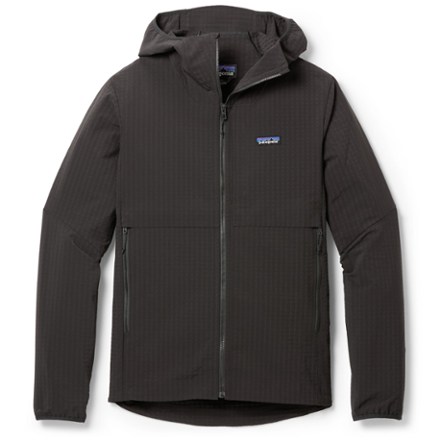
The Patagonia R1 TechFace is the fleece jacket that set our testing benchmark and held its position as the best overall option across every evaluation category. The dual-face construction — grid fleece on the inside for thermal efficiency, smooth face fabric on the exterior for wind resistance and clean layering — solves the two biggest problems with traditional fleeces: insufficient wind resistance and the tendency to catch on shell jacket linings. This is a fleece you can wear as a standalone piece in light wind without the cold breakthrough that affects standard grid-face fleeces.

Breathability during hard hiking efforts is exceptional. The grid interior allows moisture-laden air to escape through the fabric structure itself, keeping you dry during sustained uphill efforts that would leave you soaked in a heavier jacket. Testers regularly reported feeling comfortable wearing the R1 TechFace from cold morning starts through warm midday sections without removing the jacket, adjusting only the front zip for ventilation control. This temperature regulation versatility is the jacket's defining feature.

The fit runs slightly slim, which works with Patagonia's intended layering system but may feel restrictive for broader-shouldered or longer-torso users. The four-pocket configuration provides generous storage: two chest pockets and two hand pockets that fit large gloves. The hem drawcord cinches the jacket against your hips to prevent cold air intrusion on windy ridgelines. Patagonia uses recycled materials in the construction, and the build quality supports the premium price through evident material quality and stitching precision.

At $199, the R1 TechFace is the most expensive fleece in our group and earns its price through unmatched versatility. This is the fleece you wear from the car to the summit and back without ever questioning your choice. For backpackers who need a single midlayer that handles the full range of hiking conditions, the R1 TechFace is the right answer in 2026. See how it layers with our recommended <Link href='/best/sleeping-bags' className='text-amber-400 hover:text-amber-300 underline underline-offset-2'>sleeping bags</Link> for cold-night camp comfort.

Pros

  • +Dual-face construction provides wind resistance fleeces lack
  • +Exceptional breathability during aerobic effort
  • +Versatile enough to hike in and layer under a shell
  • +Four pockets with generous hand warmer pockets
  • +Recycled materials and excellent build quality

Cons

  • Premium price at $199
  • Slim fit may not suit all body types
  • Smooth exterior can feel warm in summer
  • Requires proper care to maintain performance

Best for: Three-season backpackers and hikers who want a single versatile midlayer that handles everything from aerobic trail effort to stationary camp use.

Check Price
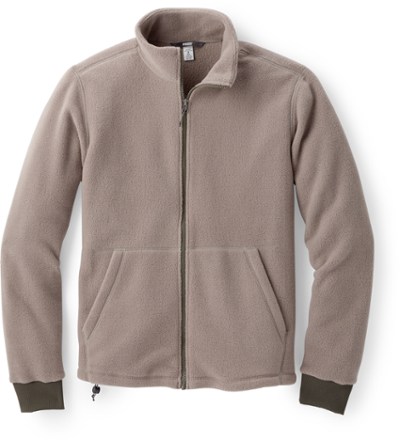
#2Best Midlayer

Arc'teryx Delta LT

Weight

8 oz

Material

Polartec Classic 100 fleece

Zip Type

Full-zip

Pockets

3 pockets

Price

$130

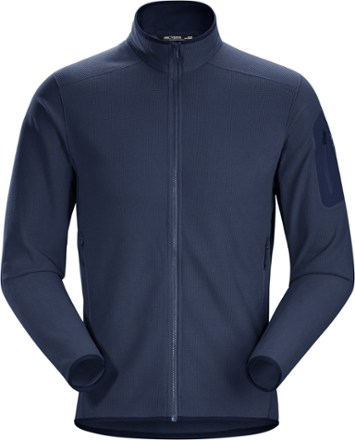
The Arc'teryx Delta LT is what you reach for when you want a midlayer that disappears under a shell jacket without creating bulk, restricting arm movement, or catching on the shell's interior lining. The Polartec Classic 100 fleece is a trimmer-feeling fabric than heavier Polartec 200 or 300 options, providing enough warmth for shoulder-season hiking while remaining slim enough to layer under even close-fitting hardshell jackets. This is a dedicated midlayer rather than a standalone piece, and it excels in that specific role.

At 8 ounces, the Delta LT is the lightest jacket in our test group, achieved through the lighter fleece weight and Arc'teryx's careful pattern efficiency. The trim fit maximizes thermal performance per ounce by keeping the fabric close to your body. If you prefer a roomier cut or plan to wear the Delta LT over a thick base layer, sizing up is recommended. The slim fit works best with lightweight base layers and is the intended configuration for the jacket's target use case.

Three pockets — two hand pockets and one chest pocket — cover storage needs for a midlayer that lives under a shell. The chest pocket doubles as a stuff sack, allowing the jacket to pack down to about the size of a softball. This packability makes the Delta LT an excellent emergency warmth layer for shoulder-season day hikes where you hope not to need it but want it available if conditions change. The zipper hardware is Arc'teryx's quality standard, operating smoothly through thousands of cycles without stiffening.

At $130, the Delta LT costs more than several full-featured fleeces but delivers the specialized midlayer performance that Arc'teryx designs for. If you layer your clothing systemically and want the most efficient midlayer in your kit, the Delta LT justifies its price. For hikers who mostly wear a fleece as a standalone garment, the additional pocket and standalone warmth of the Patagonia R1 TechFace provides more versatility for the extra $69.

Pros

  • +Lightest jacket in our test group at 8 oz
  • +Excellent under-shell layering with no bulk
  • +Packs to softball size for emergency carry
  • +Arc'teryx fit and finish quality
  • +Polartec Classic fleece proven performance

Cons

  • Trim fit limits over-base-layer wearability
  • Only 3 pockets vs. 4 on premium competitors
  • Not warm enough as standalone in cold conditions
  • Higher price than most midweight fleeces

Best for: Systematic layering hikers who want the most efficient dedicated midlayer that fits cleanly under any shell jacket without bulk or movement restriction.

Check Price
#3Best Budget

REI Co-op Groundbreaker

Weight

14 oz

Material

Recycled polyester fleece 200 weight

Zip Type

Full-zip

Pockets

4 pockets

Price

$69

The REI Co-op Groundbreaker is the proof that you can buy a capable hiking fleece without spending over $100. At $69, this 200-weight recycled polyester fleece delivers the warmth-to-cost ratio that makes it the default recommendation for hikers building their first layering system. The 200-weight polyester provides genuine midlayer warmth suitable for temperatures from the mid-30s Fahrenheit and above with proper base layering, covering the temperature range where most three-season hiking happens.

Weight at 14 ounces is the Groundbreaker's most obvious trade-off compared to premium fleeces. The heavier fleece weight contributes to the warmth but means this jacket adds more to your pack than lighter competitors. For car campers, casual hikers, and anyone not obsessing over pack weight, the 14-ounce weight is inconsequential. For backpackers with strict weight limits, the premium options justify their higher cost through meaningful weight savings.

The four-pocket layout matches premium fleeces with two chest pockets and two hand pockets. Pocket placement is well-executed, sitting properly under pack shoulder straps and at a height that keeps hands in pockets comfortable during hiking. The full-zip allows complete ventilation control, and the collar provides adequate neck warmth without the bulk that heavy collars add. Construction quality is above average for the price point with no loose threads or misaligned seams in our test sample.

REI's return policy and co-op dividend make the Groundbreaker an even better value proposition for REI members. For hikers who want to spend more gear budget on higher-priority items like boots and packs, the Groundbreaker covers the fleece midlayer need competently. Pair it with quality base layers and a reliable rain jacket for a complete layering system that performs across most hiking conditions. See our <Link href='/guides/camping-gear-for-beginners' className='text-amber-400 hover:text-amber-300 underline underline-offset-2'>beginner camping gear guide</Link> for the full starter kit.

Pros

  • +Excellent value at $69
  • +200-weight warmth for genuine cold-weather performance
  • +Four-pocket layout matches premium options
  • +Recycled materials for environmental consideration
  • +REI return policy adds risk-free purchase confidence

Cons

  • Heaviest option at 14 oz
  • Less breathable than lighter fleeces
  • Limited wind resistance
  • Bulkier packed size than premium competitors

Best for: Budget-conscious hikers, beginners building their first layering system, and car campers who want reliable fleece warmth without premium pricing.

Check Price
#4Best Lightweight

Outdoor Research Vigor

Weight

9 oz

Material

Polartec Power Stretch Pro fleece

Zip Type

Full-zip

Pockets

3 pockets

Price

$99

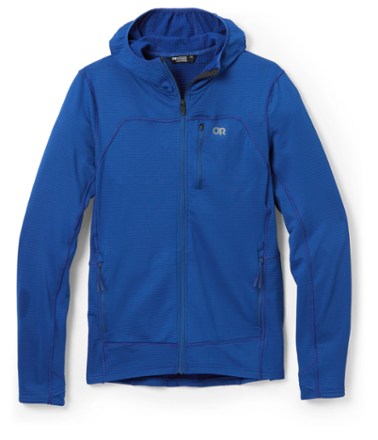
The Outdoor Research Vigor occupies the sweet spot between the ultra-breathable Arc'teryx Delta LT and the more substantial warmth of heavier midlayers. Using Polartec Power Stretch Pro, a four-way stretch fleece with exceptional breathability, the Vigor moves and breathes like an active-use midlayer while providing warmth that exceeds what the 9-ounce weight suggests. This is a jacket designed for hikers who are moving hard and need a midlayer that manages moisture effectively rather than trapping it against the skin.

The Power Stretch Pro fabric has a smooth face and a plush interior, giving the jacket a premium feel that belies the $99 price. It compresses more than standard fleeces, packing to about the size of a large water bottle despite its functional warmth. The stretch in all directions means the Vigor never restricts arm reach or torso rotation during technical terrain navigation, making it a favorite among scramblers and peak baggers who need unrestricted movement from their midlayer.

The trim-to-athletic fit works best when sized with outdoor layering in mind. Like the Delta LT, the Vigor is slim enough to layer cleanly under a shell but provides more standalone warmth than pure midlayer designs. On cool morning approaches before the sun hits, many testers wore the Vigor as their only upper layer and stayed comfortable until the sustained effort of the ascent required unzipping for ventilation. The chest pocket and two hand pockets cover storage needs without adding unnecessary bulk.

At $99, the Vigor is priced in the mid-range and delivers above its price point through the quality Polartec fabric and OR's construction standards. The Infinite Guarantee covers manufacturing defects, adding peace of mind to the purchase. For active hikers who push hard and need a midlayer that keeps up, the Vigor is the most capable option in its weight class. It works exceptionally well as a solo layer in our recommended <Link href='/best/hiking-backpacks' className='text-amber-400 hover:text-amber-300 underline underline-offset-2'>backpacking setup</Link>.

Pros

  • +Power Stretch Pro fabric breathes and stretches exceptionally
  • +More standalone warmth than pure midlayer alternatives
  • +Packs small for a fleece with this warmth level
  • +Four-way stretch for unrestricted technical terrain movement
  • +Outdoor Research Infinite Guarantee coverage

Cons

  • Three pockets is limited for some users
  • Trim fit requires careful size selection
  • Less wind resistant than TechFace alternatives
  • Higher price than basic fleeces

Best for: Active hikers and scramblers who need a lightweight, highly breathable midlayer that stretches with their movement and manages moisture during hard efforts.

Check Price
#5Best for Cold

Smartwool Anchor Line

Weight

13 oz

Material

Merino-blend midweight fleece

Zip Type

Full-zip

Pockets

4 pockets

Price

$165

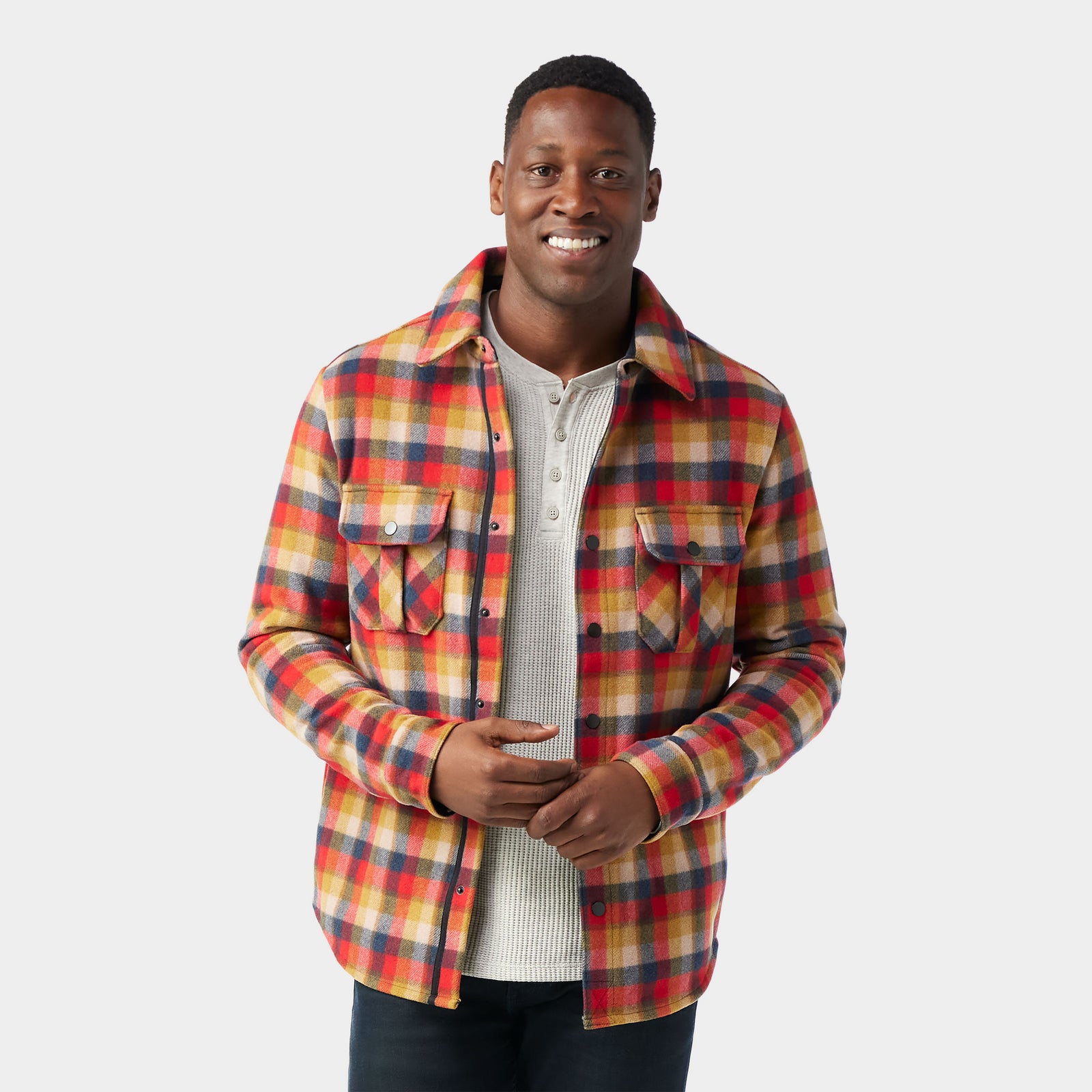
The Smartwool Anchor Line takes the familiar Smartwool merino philosophy — natural fiber warmth, odor resistance, temperature regulation — and applies it to a midweight fleece jacket that works hard in cold conditions where synthetic fleeces run out of thermal capacity. The merino-blend fleece provides warmth that is measurably better than equivalent-weight synthetic options in our testing, a combination of fiber diameter, natural crimp, and the well-documented thermal properties of wool that science continues to validate over synthetics in cold, wet conditions.

Odor management is the Anchor Line's most distinctive practical advantage over synthetic fleeces. On multi-day trips where washing gear is not possible, synthetic fleeces accumulate and retain body odor noticeably after two to three days of sustained use. The Anchor Line's merino content significantly reduces this odor accumulation, making it practical to wear for extended periods on backpacking trips where pack weight constraints limit clothing options. Multiple testers on four to seven day trips specifically noted being able to wear the Anchor Line throughout without the odor issues that afflicted their synthetic alternatives.

At 13 ounces, the Anchor Line is the second heaviest jacket in our test group, a trade-off for the heavier merino-blend construction. The warmth it provides justifies the weight for cold-weather hikers and winter mountaineers who need maximum thermal performance from their midlayer. Four pockets in the standard configuration provide ample storage. The fit is relaxed compared to the trim-cut synthetic options, which accommodates layering over multiple base layers without restriction.

The $165 price reflects both the merino fiber cost and Smartwool's construction quality, which our testers found to be excellent throughout extended testing. The jacket handled numerous wash cycles without the pilling that affects lower-quality merino blends. For hikers who frequent cold, damp environments where synthetic fleeces underwhelm and the odor resistance of merino provides real quality-of-life benefits, the Anchor Line is worth every dollar. Pair it with a quality <Link href='/best/sleeping-bags' className='text-amber-400 hover:text-amber-300 underline underline-offset-2'>sleeping bag</Link> for the best cold-camp system.

Pros

  • +Merino-blend provides superior warmth in cold, damp conditions
  • +Natural odor resistance for multi-day backpacking
  • +Temperature regulation better than synthetic equivalents
  • +Four-pocket layout with relaxed fit for layering
  • +Smartwool build quality and material longevity

Cons

  • Heavier than synthetic alternatives at 13 oz
  • Higher price point at $165
  • Requires gentler washing care than synthetics
  • Less breathable than lightweight synthetic fleeces

Best for: Cold-weather hikers, multi-day backpackers who need odor-resistant warmth, and anyone who prefers natural fiber performance over synthetic alternatives.

Check Price

Fleece Jacket Buying Guide

Choosing a fleece jacket for hiking requires matching the warmth level, breathability, and layering characteristics to your specific use case.

Fleece Weight: 100, 200, or 300?

Polartec fleece weights (100, 200, 300) indicate warmth and thickness. 100-weight is the lightest and most breathable, suitable for high-output activities and warm-weather midlayer use. 200-weight is the versatile standard for most hiking applications. 300-weight provides maximum warmth and is best for stationary use in cold conditions. For active hiking, 100 or 200-weight fleeces are almost always the right choice.

Midlayer vs. Standalone Use

Decide before buying whether you want a dedicated midlayer that sits under a shell or a standalone jacket that works without a shell on top. Dedicated midlayers like the Delta LT are cut slim and prioritize clean layering. Standalone fleeces like the R1 TechFace are cut to work both ways. If you primarily wear your fleece under a hardshell in wet conditions, prioritize layering fit. If you mostly wear it alone, prioritize standalone performance.

Synthetic vs. Merino Fleece

Synthetic polyester fleeces are lighter, dry faster, and cost less than merino options. Merino fleeces like the Smartwool Anchor Line resist odor better over multi-day use and regulate temperature more effectively in cold, damp conditions. For trips over three days where washing is not possible, the odor resistance of merino provides real quality-of-life benefits. For shorter trips, synthetics are the practical choice. Pair with a reliable sleeping bag for complete cold-weather camp comfort.

Frequently Asked Questions

What is the warmest fleece jacket for hiking?

The Smartwool Anchor Line is the warmest fleece in our test group, using a heavy-weight merino-blend fleece that provides insulation comparable to a light down jacket in calm conditions. For hiking-specific warmth that still breathes during aerobic effort, the Patagonia R1 TechFace balances warmth and breathability better than any other option we tested. The warmest fleece you should actually hike in hard is a midweight option — heavy fleeces overheat quickly during sustained uphill effort.

Can I use a fleece jacket as a standalone outer layer?

A fleece jacket can serve as a standalone outer layer in dry conditions with no wind. Fleece is not water resistant and provides minimal wind resistance, so any precipitation or sustained wind requires a shell layer over the fleece. In calm, dry conditions on shoulder-season hikes, a heavy fleece like the Smartwool Anchor Line works well as a standalone piece. For any hike where weather is uncertain, always carry a shell layer even if you start with the fleece as your outer garment.

How do I choose between a full-zip and a half-zip fleece?

Full-zip fleeces are more versatile: you can open them fully for maximum ventilation during hard efforts, use them as an outer layer that you can put on and remove without taking off a helmet or hat, and layer them over a base layer without the restriction of pulling overhead. Half-zip fleeces pack slightly smaller, have fewer potential failure points, and some people find the collar area warmer without the full-length zipper gap. For hiking, a full-zip is the practical choice for most users due to the ventilation control it provides.

How should I wash a fleece jacket?

Machine wash fleece jackets inside out in cold water on a gentle cycle. Use a small amount of mild liquid detergent and avoid fabric softeners, which coat the fleece fibers and reduce their moisture-wicking ability. Tumble dry on low heat or hang dry. For fleeces that shed microplastics, use a Guppyfriend washing bag or similar microplastic filter to reduce environmental impact. Avoid washing more than necessary — airing out a fleece after use is often sufficient and extends the garment lifespan.

What is the difference between R1 and R2 fleece?

The Patagonia R-series designations refer to different warmth and breathability levels. R1 fabrics are lighter, more breathable, and designed for high-output aerobic activities where overheating is the primary risk. R2 fabrics are heavier, warmer, and better for lower-intensity activities or stationary use at camp. The R1 TechFace in our test group uses a grid-pattern fleece on the interior that provides R1-level warmth with a smooth exterior that layers cleanly under a shell. Choose R1 for active hiking and R2 for camp use and casual cold-weather activity.

Can fleece be used as an outer layer in rain or wind?

Standard fleece is not water-resistant or windproof. In light drizzle, fleece will wick moisture initially, but it wets through quickly in sustained rain and takes a long time to dry. Softshell fleece — which has a tighter weave and sometimes a DWR treatment on the face — offers more wind resistance and light water repellency, making it viable in dry-cold or light-mist conditions. For real rain protection, fleece needs to be layered under a waterproof shell. That combination — fleece mid layer under a hardshell — is one of the most versatile and thermally efficient setups for cold, wet mountain conditions.

Final Verdict

The Patagonia R1 TechFace earns our top recommendation for its unmatched versatility across every hiking condition. It is the only fleece in our test that genuinely replaces both a standard midlayer and a light shell in dry conditions.

For dedicated layering without standalone use, the Arc'teryx Delta LT is the most efficient midlayer available. Budget hikers get excellent value from the REI Co-op Groundbreaker. Active hikers who push hard should consider the breathable Outdoor Research Vigor, and cold-weather specialists will appreciate the Smartwool Anchor Line's merino warmth and odor resistance on long trips.

Related Guides

Related Videos

Get Trail-Tested Gear Advice

Join 12,000+ hikers who receive our weekly gear reviews, trail tips, and exclusive deals. No spam, unsubscribe anytime.

PG

Peak Gear Guide Editorial Team

Our editorial team includes certified wilderness guides, gear industry veterans, and obsessive backcountry enthusiasts who collectively log over 1,000 trail nights each year. Every product we recommend is tested in real conditions by people who depend on their gear.

Editorial Disclosure

Peak Gear Guide is reader-supported. When you purchase through links on our site, we may earn an affiliate commission at no additional cost to you. Last updated March 29, 2026.