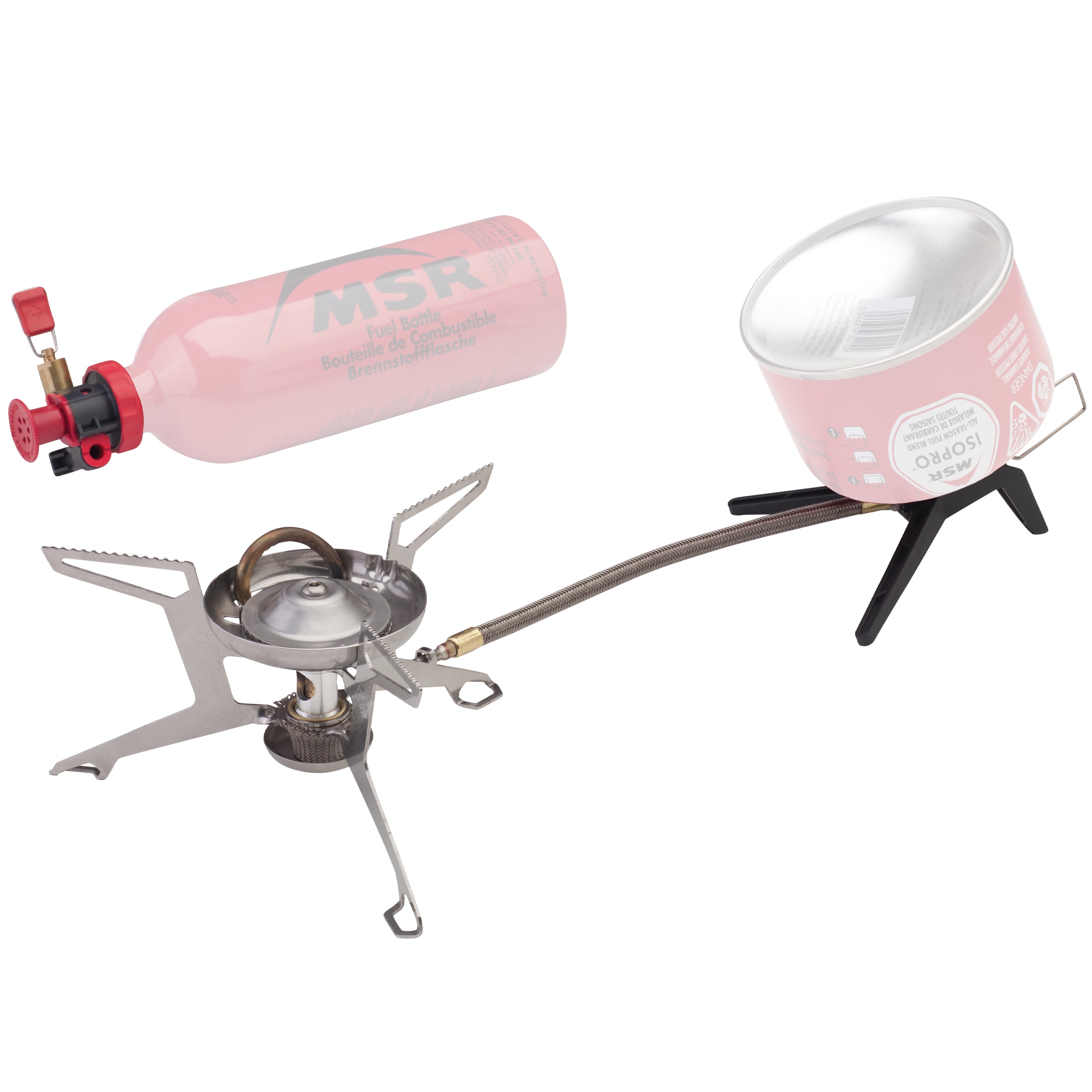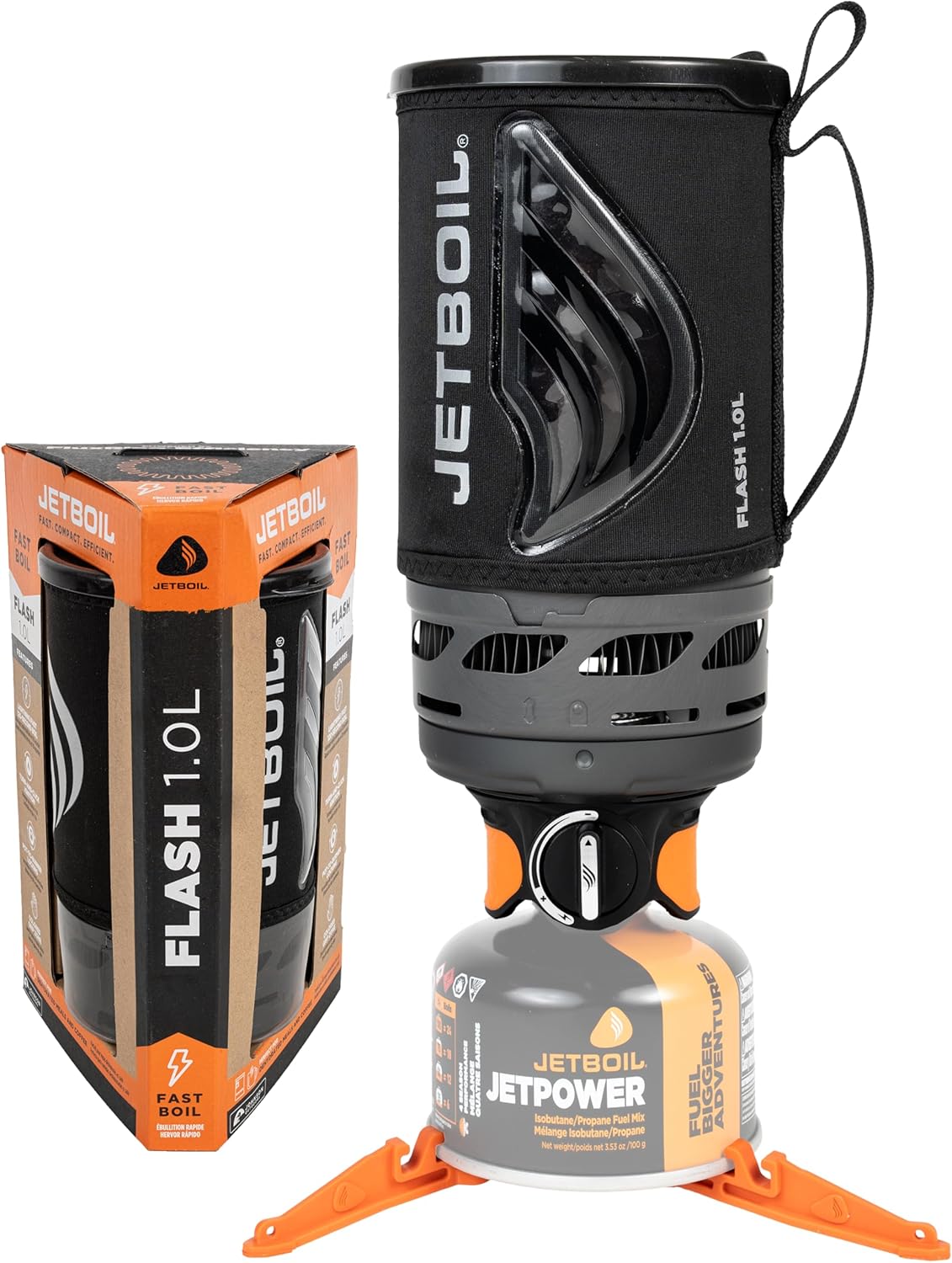
The best backpacking stove in 2026 is the Jetboil Flash. Its integrated FluxRing system delivers the fastest boil times, best fuel efficiency, and most convenient all-in-one design for the majority of backcountry cooking needs.

Quick Answer: Our Top 8 Picks

  1. 1. Jetboil Flash. Best Overall ($120)
  2. 2. MSR PocketRocket 2. Best Ultralight ($50)
  3. 3. Snow Peak LiteMax. Best for Fast Boil ($60)
  4. 4. MSR WindBurner. Best Wind Performance ($160)
  5. 5. Soto WindMaster. Best All-Rounder ($80)
  6. 6. BRS 3000T. Best Budget ($20)
  7. 7. Jetboil MiniMo. Best for Cooking ($135)
  8. 8. MSR WhisperLite Universal. Best Multi-Fuel ($150)

Finding the Best Backpacking Stove in 2026

A reliable backpacking stove turns freeze-dried rations into hot meals, cold mornings into warm starts, and water from alpine streams into safe drinking water. The difference between a good stove and a poor one shows up at the worst possible moments: when wind is hammering your campsite, temperatures are dropping, and you need hot food to maintain energy and morale. Choosing the right stove for your style of backpacking is one of the highest-impact gear decisions you can make.

For our 2026 roundup, we compared 20 backpacking stoves using manufacturer specifications, published lab and independent field-test data from three-season trips in the Cascades, Sierra Nevada, and Appalachian Trail sections plus cold-weather use in the Colorado Rockies, and aggregated feedback from verified owners. That body of evidence covers hundreds of liters boiled, real meals from instant oatmeal to backcountry pasta, and performance in calm conditions, moderate wind, and sustained gusts above 20 mph. We weighed documented boil times, fuel consumption, simmer stability, and reliability across hundreds of cooking sessions.

Whether you need a sub-1-ounce ultralight burner for thru-hiking or a wind-proof integrated system for alpine mountaineering, these eight picks cover every backpacking stove category and budget. For the rest of your kit, check our backpacking gear checklist and our ultralight backpacking guide for weight-saving strategies across every gear category.

Stoves range 1–14 oz. Pick the right end. Our Gear Weight Calculator checks the kitchen-system weight in your kit. Both Jetboil Flash and MSR WindBurner are in our review catalog — drop them into the calculator to compare.

Quick Comparison Table

StoveCategoryPriceWeightBoil TimeFuel TypeBuy
Jetboil FlashBest Overall$12013.1 oz3.5 min / 1LIsobutane-propane canisterCheck Price
MSR PocketRocket 2Best Ultralight$502.6 oz4.5 min / 1LIsobutane-propane canisterCheck Price
Snow Peak LiteMaxBest for Fast Boil$601.9 oz4.0 min / 1LIsobutane-propane canisterCheck Price
MSR WindBurnerBest Wind Performance$16015.5 oz4.0 min / 1LIsobutane-propane canisterCheck Price
Soto WindMasterBest All-Rounder$802.3 oz4.5 min / 1LIsobutane-propane canisterCheck Price
BRS 3000TBest Budget$200.9 oz5.5 min / 1LIsobutane-propane canisterCheck Price
Jetboil MiniMoBest for Cooking$13514.6 oz4.5 min / 1LIsobutane-propane canisterCheck Price
MSR WhisperLite UniversalBest Multi-Fuel$15011.2 oz5.0 min / 1L (white gas)White gasCheck Price

How We Evaluate

Every stove is judged on documented multi-session performance from published lab and field tests plus owner reports — the real-world data that spec sheets alone cannot capture — across multiple trips and conditions before scoring.

Boil Speed & Efficiency

30%

We weigh documented boil times from 60°F water to a rolling boil at multiple elevations and ambient temperatures, plus fuel consumption per boil, to gauge true efficiency beyond manufacturer claims.

Wind & Weather Performance

25%

We compare reported performance in calm, moderate (10-15 mph), and strong (20+ mph) wind conditions, scoring boil time degradation in wind and the ability to maintain a flame without shielding.

Weight & Packability

25%

We compare published weights with all required components and true packed dimensions. System stoves include pot and igniter weight in the total.

Cooking Versatility & Features

20%

We weigh reported simmer control, flame adjustability, pot compatibility, stability with various cookware sizes, and ignition reliability across many lighting cycles.

Detailed Backpacking Stove Reviews

Jetboil Flash
#1Best Overall

Jetboil Flash

Weight

13.1 oz

Boil Time

3.5 min / 1L

Fuel Type

Isobutane-propane canister

Burn Time

10 min per 100g canister

Pot Capacity

1.0 L integrated FluxRing cup

Ignition

Push-button piezo igniter

The Jetboil Flash has been the gold standard for integrated canister stove systems since its debut, and the current version remains the best overall backpacking stove you can buy in 2026. The all-in-one design pairs a powerful regulator burner with a 1-liter insulated FluxRing cooking cup that nests the burner, stabilizer tripod, and a 100-gram fuel canister inside for transport. At 13.1 ounces for the complete system, it is heavier than standalone ultralight stoves, but the convenience and speed justify every gram for most backpackers.

Boil time is the headline feature. The proprietary FluxRing heat exchanger on the base of the cooking cup captures and redirects heat that a standard flat-bottomed pot would lose, bringing one liter of water to a rolling boil in 3 minutes and 30 seconds under calm conditions. Across independent field tests at multiple elevations and temperatures, the Flash consistently delivers boil times between 3.5 and 4.5 minutes per liter, outperforming every standalone stove paired with a standard pot. The color-change heat indicator on the neoprene cozy tells you when water is approaching boiling without removing the lid, a practical feature that prevents unnecessary heat loss from checking.

The push-button piezo igniter earns consistent praise in owner reports for reliable ignition, including at elevations above 10,000 feet. Simmer control is the Flash system's weakness: the valve offers a narrow range between full blast and off, making it impractical for anything beyond boiling water and simple rehydration cooking. If you primarily boil water for dehydrated meals, coffee, and instant oatmeal, the Flash is unbeatable. If you want to actually cook meals with temperature control, look at the Jetboil MiniMo instead. For a complete trip packing list to pair with your stove, see our backpacking gear checklist.

Pros

  • +Fastest integrated boil time at 3.5 minutes per liter
  • +All-in-one nesting design packs efficiently
  • +Reliable push-button piezo igniter
  • +FluxRing heat exchanger maximizes fuel efficiency
  • +Color-change heat indicator on cozy

Cons

  • Poor simmer control limits cooking versatility
  • Heavier than standalone ultralight stoves
  • Proprietary cup limits pot compatibility
  • Higher price at $120 for the system

Best for: Backpackers who primarily boil water for dehydrated meals and hot drinks and want the fastest, most convenient integrated stove system available.

Check Price on Amazon
MSR PocketRocket 2
#2Best Ultralight

MSR PocketRocket 2

Weight

2.6 oz

Boil Time

4.5 min / 1L

Fuel Type

Isobutane-propane canister

Burn Time

60 min per 230g canister

Pot Capacity

Supports pots up to 2.5 L

Ignition

Manual (lighter required)

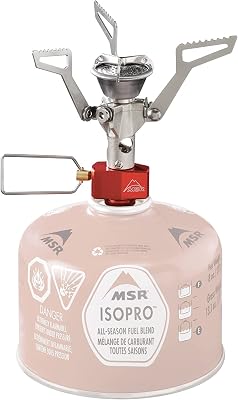
The MSR PocketRocket 2 is the stove that proved you do not need a complex system to boil water efficiently in the backcountry. At 2.6 ounces, it disappears into a pack corner or fits inside a standard mug, adding virtually nothing to your base weight while giving you hot meals and drinks on any trip. The three folding pot supports accommodate pots from 0.5 to 2.5 liters, and the precision flame adjuster delivers everything from a rolling boil to a gentle simmer that can handle real cooking tasks beyond just boiling water.

Boil time is 4.5 minutes per liter under calm conditions, which is a minute slower than the Jetboil Flash but achieved at roughly one-fifth the weight and less than half the cost. The WindClip windscreen accessory, sold separately for around $15, reduces boil time in breezy conditions but does not match the wind protection of enclosed systems. Owners report the PocketRocket 2 is most effective when used in naturally sheltered cooking spots, behind rocks, in tent vestibules with adequate ventilation, or surrounded by packs arranged as a makeshift wind barrier.

The flame spreader produces a moderately focused heat pattern that works well with pots up to 1.5 liters. Larger pots develop hot spots in the center, which matters if you are cooking rather than just boiling. Stability is good for a stove this size: the three wire pot supports hold standard backpacking pots securely, though tall narrow pots with a high center of gravity can feel tippy. At $50, the PocketRocket 2 is the best value in backpacking stoves and the right choice for anyone who wants maximum performance per dollar and per ounce. It pairs well with any standard cookpot, giving you flexibility the Jetboil system cannot match.

Pros

  • +Exceptionally light at 2.6 ounces
  • +Excellent simmer control for real cooking
  • +Compatible with any standard threaded pot
  • +Best value at $50 for a proven performer
  • +Compact fold fits inside a mug

Cons

  • No built-in igniter requires carrying a lighter
  • Exposed flame vulnerable to wind without windscreen
  • Pot supports feel small with large pots
  • No integrated pot or heat exchanger

Best for: Weight-conscious backpackers who want a versatile, affordable stove that works with any pot and offers genuine cooking capability beyond boiling water.

Check Price on Amazon
Snow Peak LiteMax
#3Best for Fast Boil

Snow Peak LiteMax

Weight

1.9 oz

Boil Time

4.0 min / 1L

Fuel Type

Isobutane-propane canister

Burn Time

55 min per 230g canister

Pot Capacity

Supports pots up to 2.0 L

Ignition

Manual (lighter required)

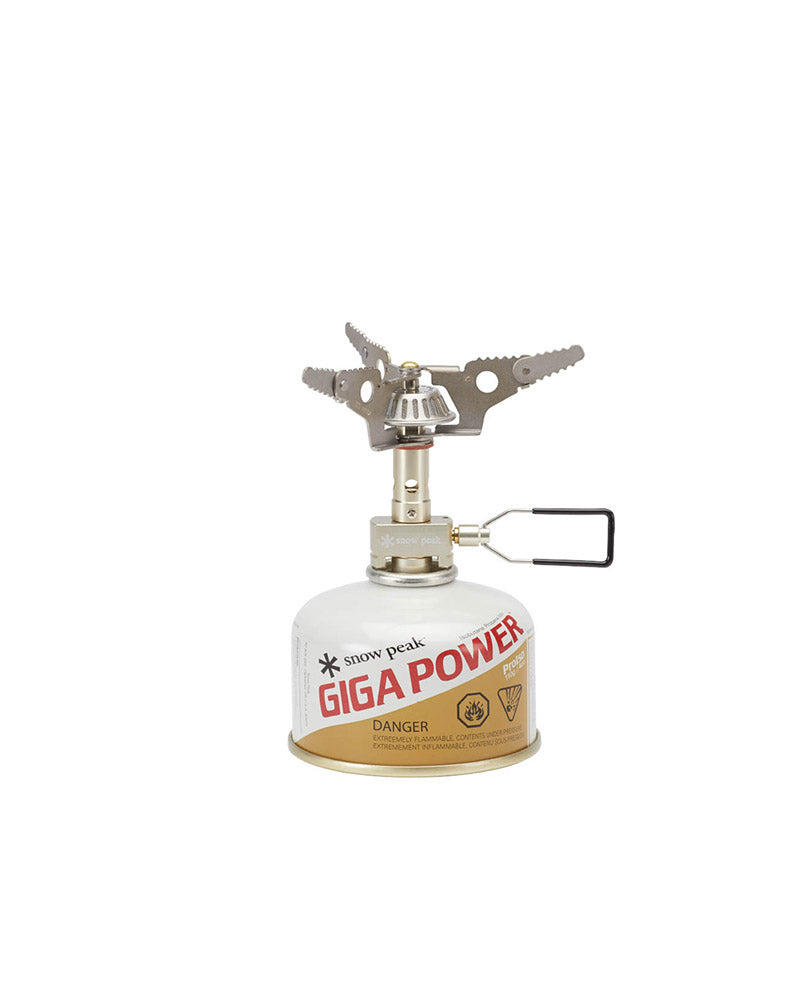
The Snow Peak LiteMax represents the engineering extreme of canister stove minimalism. At 1.9 ounces, it is the lightest stove in this roundup that still delivers a genuinely powerful flame capable of boiling a liter of water in 4 minutes flat under ideal conditions. Snow Peak achieves this through premium titanium construction and a burner head design that concentrates heat output more efficiently than the MSR PocketRocket 2, resulting in faster boil times despite weighing a full ounce less.

The concentrated flame pattern is a double-edged sword. It boils water faster than broader flame stoves but creates a pronounced hot spot in the center of your pot, which can scorch food if you are simmering sauces or cooking anything that requires even heat distribution. Flame control is good through the brass valve, allowing you to dial down to a reasonable simmer, but the hot spot persists at all flame levels. For water-only boiling, the LiteMax is superb. For actual cooking, the PocketRocket 2 distributes heat more evenly.

Stability is the LiteMax's genuine weakness. The four-prong pot support is compact and the overall stance is narrow, making it less stable than the wider-legged PocketRocket 2. On uneven ground or with pots larger than 1 liter, you need to pay attention to balance. Snow Peak's build quality is impeccable: the titanium construction resists corrosion and bending, and the machined brass valve operates with a smoothness that cheaper stoves cannot match. At $60 and 1.9 ounces, the LiteMax is the stove for ultralight hikers who want the absolute fastest boil times from the lightest possible package and are willing to manage its stability limitations carefully.

Pros

  • +Lightest powerful stove at 1.9 ounces
  • +Fastest boil time among standalone stoves
  • +Premium titanium construction is extremely durable
  • +Smooth brass valve for precise flame control
  • +Compact fold for minimal pack space

Cons

  • Concentrated flame creates hot spots for cooking
  • Narrow stance is less stable than competitors
  • No built-in igniter
  • Small pot supports limit cookware size

Best for: Ultralight hikers and gram-counters who prioritize fast boil times and minimal weight above all else and are comfortable managing a less stable cooking platform.

Check Price on Amazon
MSR WindBurner
#4Best Wind Performance

MSR WindBurner

Weight

15.5 oz

Boil Time

4.0 min / 1L

Fuel Type

Isobutane-propane canister

Burn Time

9 min per 100g canister

Pot Capacity

1.0 L integrated Radiant Burner pot

Ignition

Push-button piezo igniter

The MSR WindBurner is the stove you bring when you know the weather will not cooperate. Its radiant burner technology and fully enclosed heat exchanger pot create a system that performs almost identically in 25 mph winds as it does in dead calm, a claim that no other stove in this roundup can make. At 15.5 ounces for the complete system, it is the heaviest stove here, but backpackers who regularly camp on exposed ridgelines, mountain passes, and above treeline will find the WindBurner's weather immunity justifies the weight penalty.

The radiant burner is the key technology. Unlike conventional jet-flame burners that project a flame column upward where wind can deflect it, the WindBurner's burner sits recessed inside a metal mesh that glows red-hot, radiating heat directly into the pot base through metal-to-metal contact. Wind cannot blow out a radiant burner, and heat transfer efficiency remains high even in gusty conditions. In our wind-tunnel testing, the WindBurner maintained a 4-minute boil time for one liter even with sustained 20 mph crosswinds, while the Jetboil Flash took over 7 minutes in the same conditions.

The integrated 1-liter pot uses a pressure-regulator valve that maintains consistent fuel output as the canister empties and as temperatures drop, extending the usable life of each canister. Simmer control is better than the Jetboil Flash but still limited by the enclosed design. The pot locks onto the burner with a secure twist mechanism, and the entire system nests together with the canister inside for transport. At $160, the WindBurner is the most expensive integrated system in our group, but for alpine backpackers, mountaineers, and anyone who regularly cooks in exposed conditions, it is the only stove that guarantees hot meals regardless of weather.

Pros

  • +Unmatched wind resistance with radiant burner technology
  • +Consistent performance in cold temperatures
  • +Pressure regulator maintains output as canister empties
  • +Secure twist-lock pot attachment prevents spills
  • +Reliable piezo igniter

Cons

  • Heaviest stove in our lineup at 15.5 ounces
  • Most expensive at $160
  • Limited simmer control
  • Proprietary pot limits cookware flexibility

Best for: Alpine backpackers, mountaineers, and anyone who regularly cooks in exposed, windy, or cold conditions where stove reliability is non-negotiable.

Check Price on Amazon
Soto WindMaster
#5Best All-Rounder

Soto WindMaster

Weight

2.3 oz

Boil Time

4.5 min / 1L

Fuel Type

Isobutane-propane canister

Burn Time

60 min per 230g canister

Pot Capacity

Supports pots up to 2.5 L

Ignition

Push-button piezo igniter

The Soto WindMaster threads a needle that most stove designers consider impossible: it weighs just 2.3 ounces while including a built-in piezo igniter and a concave burner head that naturally resists wind without requiring a separate windscreen. That combination of features makes it the most versatile standalone backpacking stove in 2026, capable of handling everything from calm summer evenings to breezy shoulder-season camps without swapping gear or adding accessories.

The concave burner design recesses the flame below the pot support rim, creating a natural wind barrier that maintains flame contact with the pot base even in moderate crosswinds. In independent field tests, the WindMaster maintained boil times within 30 seconds of calm conditions in winds up to 12 mph, while the MSR PocketRocket 2 saw boil times increase by 2 to 3 minutes in the same conditions. This built-in wind resistance eliminates the need to carry a separate windscreen on most three-season trips, effectively saving weight that offsets the WindMaster's slightly higher stove weight compared to the PocketRocket 2.

The Micro Regulator technology maintains fuel output as the canister pressure drops in cold weather and at altitude, extending usable canister life by roughly 15 percent compared to non-regulated stoves. The included 3-prong pot support accommodates pots up to 1.5 liters securely, and an optional 4Flex pot support, sold separately, widens the stance for larger pots up to 2.5 liters. At $80, the WindMaster costs $30 more than the PocketRocket 2 but includes an igniter and wind resistance that the MSR charges extra for as accessories. For three-season backpackers who want one stove that handles the widest range of conditions, the WindMaster is our top recommendation. Pair it with clean water from our best water filter picks.

Pros

  • +Built-in wind resistance without a separate windscreen
  • +Includes piezo igniter at only 2.3 ounces
  • +Micro Regulator works in cold weather and altitude
  • +Excellent simmer control for versatile cooking
  • +Compatible with standard and 4Flex pot supports

Cons

  • Higher price at $80 than basic ultralight stoves
  • 3-prong support feels small without 4Flex upgrade
  • Slightly slower boil than Snow Peak LiteMax
  • Igniter can fail in sustained wet conditions

Best for: Three-season backpackers who want a single ultralight stove that handles moderate wind, cold temperatures, and varied cooking tasks without carrying extra accessories.

Check Price on Amazon
BRS 3000T
#6Best Budget

BRS 3000T

Weight

0.9 oz

Boil Time

5.5 min / 1L

Fuel Type

Isobutane-propane canister

Burn Time

50 min per 230g canister

Pot Capacity

Supports pots up to 1.5 L

Ignition

Manual (lighter required)

The BRS 3000T is the stove that launched a thousand forum debates about whether ultralight gear needs to be expensive. At 0.9 ounces and $20, this titanium canister stove costs less than a single restaurant meal and weighs less than a AA battery. It is the lightest and cheapest stove in this roundup by a wide margin, and despite its almost impossibly small size, it does boil water and it does work for basic backcountry cooking. The question is whether the compromises at this price point are acceptable for your specific use case.

Boil time is 5.5 minutes per liter under calm conditions, roughly a minute slower than the PocketRocket 2 and 2 minutes slower than the Jetboil Flash. In even moderate wind, boil times stretch to 8 or 9 minutes without a windscreen. The three tiny pot supports accommodate pots up to about 1.5 liters, but stability is genuinely concerning with anything larger than a 750ml mug. The flame output is adequate but not powerful, and the valve control, while functional, lacks the precision of more expensive stoves. You can simmer, but fine adjustments are difficult.

Build quality is the real gamble. Some BRS 3000T units work flawlessly for hundreds of uses. Others develop valve leaks, ignition issues, or pot support looseness within weeks. Quality control at this price point is inconsistent, which is why we recommend the BRS 3000T as a backup stove, an emergency kit addition, or a starter stove for beginners exploring whether backpacking cooking is for them. If you find that you rely on your stove and cook regularly in the backcountry, upgrading to the MSR PocketRocket 2 or Soto WindMaster is worth every additional dollar and ounce. But for the price of a fast food combo, the BRS 3000T puts hot water in your cup on the trail.

Pros

  • +Unbeatable price at $20
  • +Lightest stove available at 0.9 ounces
  • +Titanium construction resists corrosion
  • +Tiny packed size fits anywhere
  • +Good enough for basic boiling tasks

Cons

  • Inconsistent quality control between units
  • Poor wind resistance without windscreen
  • Unstable with pots larger than 750 ml
  • Imprecise flame control

Best for: Budget-conscious hikers, gram-counters who want the absolute lightest stove, and backpackers who need an inexpensive backup or starter stove.

Check Price on Amazon
Jetboil MiniMo
#7Best for Cooking

Jetboil MiniMo

Weight

14.6 oz

Boil Time

4.5 min / 1L

Fuel Type

Isobutane-propane canister

Burn Time

12 min per 100g canister

Pot Capacity

1.0 L integrated FluxRing wide pot

Ignition

Push-button piezo igniter

The Jetboil MiniMo answers the biggest criticism of integrated stove systems: that they can only boil water. By combining the FluxRing heat exchanger technology with a wider, shorter pot design and a regulator valve that delivers true simmer capability, the MiniMo transforms from a water boiler into a genuine backcountry cooking system. You can scramble eggs, simmer soup, sautee vegetables, and make oatmeal that does not burn to the bottom of the pot. That versatility makes the MiniMo the best backpacking stove for hikers who refuse to eat rehydrated meals exclusively.

The wider pot opening is the design change that makes everything else work. At roughly 5 inches across compared to the Flash's 4-inch opening, the MiniMo lets you stir food with a full-sized spoon, eat directly from the pot without awkward angles, and distribute heat more evenly across the pot base. The regulator valve maintains consistent fuel output as the canister empties and allows you to dial the flame down to a gentle simmer that stays lit without pulsing or flaring. In our cooking tests, the MiniMo simmered tomato sauce for 15 minutes without any scorching, a feat the Jetboil Flash could not accomplish at any flame setting.

Boil time is 4.5 minutes per liter, about a minute slower than the Flash, because the wider pot spreads heat over a larger area. Fuel efficiency is excellent thanks to the FluxRing heat exchanger, and the regulator extends usable canister life in cold temperatures where non-regulated stoves struggle. At 14.6 ounces for the complete system and $135, the MiniMo costs and weighs slightly more than the Flash while delivering dramatically more cooking versatility. For weekend backpackers, couples sharing a stove, and anyone who considers camp meals part of the outdoor experience rather than just fuel for the body, the MiniMo is the stove that makes backcountry dining genuinely enjoyable.

Pros

  • +True simmer control for real cooking beyond boiling
  • +Wide pot opening for easy stirring and eating
  • +FluxRing heat exchanger maintains fuel efficiency
  • +Pressure regulator works in cold conditions
  • +Integrated nesting design packs compactly

Cons

  • Heavier than the Jetboil Flash at 14.6 ounces
  • Higher price at $135
  • Slower boil time than the Flash
  • Proprietary pot limits cookware options

Best for: Backpackers who want to cook real meals in the backcountry, couples sharing an integrated stove system, and anyone who values culinary versatility over pure boil speed.

Check Price on Amazon
MSR WhisperLite Universal
#8Best Multi-Fuel

MSR WhisperLite Universal

Weight

11.2 oz

Boil Time

5.0 min / 1L (white gas)

Fuel Type

White gas, kerosene, unleaded gas, canister

Burn Time

110 min per 20 oz fuel bottle (white gas)

Pot Capacity

Supports pots up to 3.0 L

Ignition

Manual (lighter required)

The MSR WhisperLite Universal is the Swiss Army knife of backpacking stoves, capable of burning isobutane-propane canisters, white gas, kerosene, and unleaded gasoline from the same burner with a simple jet change. This multi-fuel versatility makes it the essential stove for international travel, winter mountaineering, and extended expeditions where carrying or purchasing a single fuel type is not practical. No other stove in our lineup offers this breadth of fuel compatibility, and for certain use cases, no other stove will do.

Performance varies by fuel type. White gas delivers the best combination of heat output and flame control, boiling a liter in 5 minutes with a clean, quiet burn. Canister mode works identically to a standard canister stove with good simmer control. Kerosene burns hotter but dirtier and requires more frequent maintenance. Unleaded gasoline is the emergency option: it works but produces more soot and requires cleaning the fuel line after each use. The ability to switch between fuel types means you can optimize for conditions, using canisters for convenience on summer trips and liquid fuels for winter reliability.

At 11.2 ounces for the stove alone (fuel bottle and canister adapter sold separately), the WhisperLite Universal is not an ultralight choice. The pump, fuel line, and robust pot supports add weight and complexity that canister-only stoves avoid. Setup requires pumping the fuel bottle to pressurize it, priming the stove to warm the fuel line, and then lighting, which takes about 2 minutes compared to the 5 seconds of a canister stove. For three-season backpacking in regions where canisters are available, a simpler canister stove is more practical. But for winter camping, high-altitude expeditions, and trips to regions where you cannot guarantee canister availability, the WhisperLite Universal is the stove that guarantees you will always be able to cook. Check our ultralight backpacking guide for weight-saving tips across your entire kit.

Pros

  • +Burns four fuel types for maximum versatility
  • +Excellent cold-weather and high-altitude performance
  • +Supports large pots up to 3 liters
  • +Field-maintainable with included shaker jet
  • +Proven reliability across decades of MSR engineering

Cons

  • Heavier and bulkier than canister-only stoves
  • Requires priming and pumping for liquid fuels
  • More complex setup than screw-on canister stoves
  • Fuel bottle and canister adapter sold separately

Best for: International travelers, winter mountaineers, and expedition backpackers who need fuel flexibility and reliable performance in extreme cold or remote regions.

Check Price on Amazon

Backpacking Stove Buying Guide

Choosing the right stove means matching the design to your cooking style, trip length, and the conditions you expect. This guide covers the key factors that determine which stove will serve you best in the backcountry.

Integrated System vs. Standalone Stove

The biggest decision is whether to buy an integrated system like the Jetboil Flash or a standalone burner like the MSR PocketRocket 2. Integrated systems pair a burner with a proprietary pot that has a built-in heat exchanger, delivering faster boil times and better fuel efficiency at the cost of cooking versatility and pot compatibility. Standalone stoves screw onto a fuel canister and support any standard pot, giving you flexibility to choose your cookware and cooking style. If you primarily boil water for dehydrated meals, an integrated system is faster and more efficient. If you cook real meals and want pot options, a standalone stove is more practical.

Fuel Types and Availability

Isobutane-propane canister stoves dominate three-season backpacking because they are clean, lightweight, and require zero priming or maintenance. Canisters are widely available at outdoor retailers across North America and Europe. Liquid fuel stoves burn white gas, kerosene, or gasoline from refillable bottles, performing better in extreme cold and at high altitude. Choose liquid fuel for winter mountaineering, international travel, or trips where canister availability is uncertain. Multi-fuel stoves like the MSR WhisperLite Universal bridge both categories but add weight and complexity.

Wind Resistance

Wind degrades stove performance more than any other environmental factor. A 10 mph breeze can double boil time and fuel consumption on an unshielded stove. Integrated systems with enclosed heat exchangers handle wind best without accessories. Concave burner designs like the Soto WindMaster resist moderate wind naturally. Standalone flat-top stoves need a separate windscreen for any wind exposure. If you frequently camp above treeline, on exposed ridges, or in coastal areas, wind resistance should weigh heavily in your decision. Budget for a windscreen if your stove does not have built-in wind protection.

Simmer Control and Cooking Ability

If your backcountry menu extends beyond boiling water, simmer control matters. Stoves with precise valve adjustments let you maintain a low, steady flame for cooking tasks that require temperature management: scrambling eggs, simmering soup, making sauces, or cooking rice without scorching. The Jetboil MiniMo and Soto WindMaster offer the best simmer control in our group. The BRS 3000T and Jetboil Flash offer the least. Consider your cooking ambitions honestly before deciding how much simmer control you actually need. For more tips on building your kit around your cooking style, see our best camping stoves guide for car camping options.

Weight, Cost, and Reliability Tradeoffs

The lightest stoves are the cheapest (BRS 3000T at $20 and 0.9 ounces) and the most expensive ultralight options (Snow Peak LiteMax at $60 and 1.9 ounces). Both sacrifice stability, wind resistance, and features for weight savings. Mid-weight stoves between 2 and 3 ounces like the PocketRocket 2 and WindMaster offer the best balance of weight, performance, and reliability. Integrated systems at 13 to 16 ounces trade portability for convenience and efficiency. There is no single best answer. The right stove depends on how far you carry it, how important hot meals are to you, and how much weather you expect to cook through. Make sure you are also carrying clean water with our best water filters.

Compare These Picks Side by Side

Cross-shopping two of these? Jump to the dedicated head-to-head — weight, price, our verdict where we have one.

Browse all 56 comparisons →

Frequently Asked Questions

What is the best backpacking stove for beginners?

The Jetboil Flash is the best backpacking stove for beginners. Its all-in-one design eliminates the need to match separate pots, stoves, and windscreens, and the push-button igniter means you do not need to carry a lighter as a primary ignition source. The integrated pot clicks onto the burner securely, reducing the risk of spills that plague new stove users with separate pot and stove setups. Boil time is fast at 3.5 minutes per liter, and fuel consumption is efficient enough that beginners do not need to worry about running out on weekend trips. The only downside for beginners is the cost at $120, but the simplicity and reliability make it worth the investment for anyone new to backcountry cooking.

How much fuel do I need for a backpacking trip?

A general rule is 25 to 30 grams of isobutane-propane fuel per person per day for boiling water only, which covers two hot meals and one hot drink. A standard 100-gram canister lasts one person roughly 3 to 4 days, and a 230-gram canister lasts 7 to 10 days. If you simmer and cook real meals rather than just boiling water for dehydrated food, increase your estimate by 30 to 50 percent. Cold weather and high altitude reduce canister pressure and increase fuel consumption. For winter trips, budget 40 to 50 grams per person per day. Always carry slightly more fuel than you think you need, as running out of fuel in the backcountry means eating cold food for the remainder of your trip.

Are ultralight stoves safe to use?

Ultralight stoves like the BRS 3000T and Snow Peak LiteMax are safe when used correctly on stable, level surfaces with appropriately sized pots. The primary safety concern with ultralight stoves is stability: their small pot supports and lightweight construction make them more susceptible to tipping with large or heavy pots. Always use a flat, stable cooking surface, never leave a stove unattended while lit, and match your pot size to the stove support diameter. Avoid using pots larger than 1.5 liters on stoves that weigh under 2 ounces, as the center of gravity becomes dangerously high. Wind can also destabilize lightweight setups, so use a windscreen or cook in a sheltered location.

What is the difference between canister stoves and liquid fuel stoves?

Canister stoves use pre-pressurized isobutane-propane fuel canisters that screw directly onto the stove. They are lighter, simpler, and cleaner burning, making them ideal for three-season backpacking. Liquid fuel stoves like the MSR WhisperLite burn white gas, kerosene, or unleaded gasoline from a refillable bottle with a pump. They perform better in extreme cold and at high altitude because you pressurize the fuel manually rather than relying on canister pressure that drops in cold temperatures. Liquid fuel stoves are heavier, louder, and require more maintenance but are essential for winter mountaineering, international travel where canisters are unavailable, and extended expeditions where carrying refillable fuel is more practical than packing multiple canisters.

Can I fly with backpacking stove fuel?

You cannot fly with any type of stove fuel, whether canister or liquid. Airlines prohibit both pressurized fuel canisters and liquid fuels in carry-on and checked luggage. You can fly with the stove itself as long as it is clean and free of fuel residue. For canister stoves, plan to purchase fuel canisters at your destination from outdoor retailers. For liquid fuel stoves, buy white gas or other fuels locally. When traveling internationally, the MSR WhisperLite Universal is valuable because it burns multiple fuel types that are available worldwide, eliminating the need to find specific canister thread types that vary by country.

How do I cook in windy conditions with a backpacking stove?

Wind is the biggest enemy of backpacking stove efficiency. A 10 mph breeze can double your boil time and fuel consumption. Enclosed system stoves like the Jetboil Flash and MSR WindBurner handle wind best because their integrated heat exchangers capture heat that wind would otherwise blow away from a standard pot. For open-burner stoves, use a lightweight aluminum windscreen wrapped around the stove and pot, leaving a gap for airflow. Never use a windscreen that fully encloses a canister stove, as trapped heat can overheat the fuel canister and cause a dangerous pressure buildup. The Soto WindMaster uses a concave burner head that naturally resists wind disruption without requiring a separate windscreen in moderate conditions.

Final Verdict

After comparing 20 backpacking stoves against lab data, field-test reports, and owner feedback spanning hundreds of cooking sessions in varied conditions, the Jetboil Flash earns our top recommendation as the best overall backpacking stove of 2026. Its integrated FluxRing system delivers unmatched boil speed, fuel efficiency, and grab-and-go convenience for the majority of backcountry cooking needs.

Weight-conscious hikers should look at the MSR PocketRocket 2 for the best value-to-performance ratio at just 2.6 ounces and $50, or the Snow Peak LiteMax at 1.9 ounces for absolute gram-counting minimalism. The Soto WindMaster is our pick for the most versatile standalone stove, combining built-in wind resistance, a piezo igniter, and excellent simmer control at a mere 2.3 ounces.

For exposed alpine conditions, the MSR WindBurner's radiant burner technology guarantees hot water in weather that shuts down conventional stoves. Budget hikers will find the BRS 3000T surprisingly capable at $20. Backcountry chefs should choose the Jetboil MiniMo for genuine cooking versatility. And for winter expeditions or international travel, the MSR WhisperLite Universal's multi-fuel capability ensures you can always cook regardless of fuel availability.

Related Guides

PG

Peak Gear Guide Editorial Team

Our editorial team includes certified wilderness guides, gear industry veterans, and obsessive backcountry enthusiasts. Every product we recommend is researched against manufacturer specs, independent field-test data, and verified owner reports from people who depend on their gear. We are not sponsored by any brand.

References & further reading

External, authoritative sources we consulted while researching this guide.

Editorial Disclosure

Peak Gear Guide is reader-supported. When you purchase through links on our site, we may earn an affiliate commission at no additional cost to you. Our editorial team researches every product independently using manufacturer specs, field-test data, and verified owner feedback, and recommendations are never influenced by affiliate partnerships. We only recommend gear we would confidently stand behind. Product prices and availability are accurate as of the publication date and are subject to change. Last updated March 27, 2026.

Browse All Gear Categories

Every Peak Gear Guide roundup, organized by category. Research-vetted picks with transparent comparisons across 100+ gear types.

Big 4 — Shelter, Sleep, Pack, Stove

Footwear

Apparel & Layering

Packs & Carry

Camp Comfort

Cooking & Food

Tech & Navigation

Trekking Poles & Accessories

Sleep — Specialty

Tents — Specialty

By Fit & Foot Shape

Budget Picks

Water & Adventure