Vehicle with rooftop tent parked at a scenic overlanding campsite
Updated April 2026

Best Rooftop Tents of 2026

Five trail-tested picks across 10 tents for every overlander. From budget softshells to premium hardshells.

The best rooftop tent in 2026 is the iKamper Skycamp 3.0. It delivers the fastest setup, most comfortable mattress, and strongest build quality for serious overlanders.

Quick Answer: Our Top 5 Picks

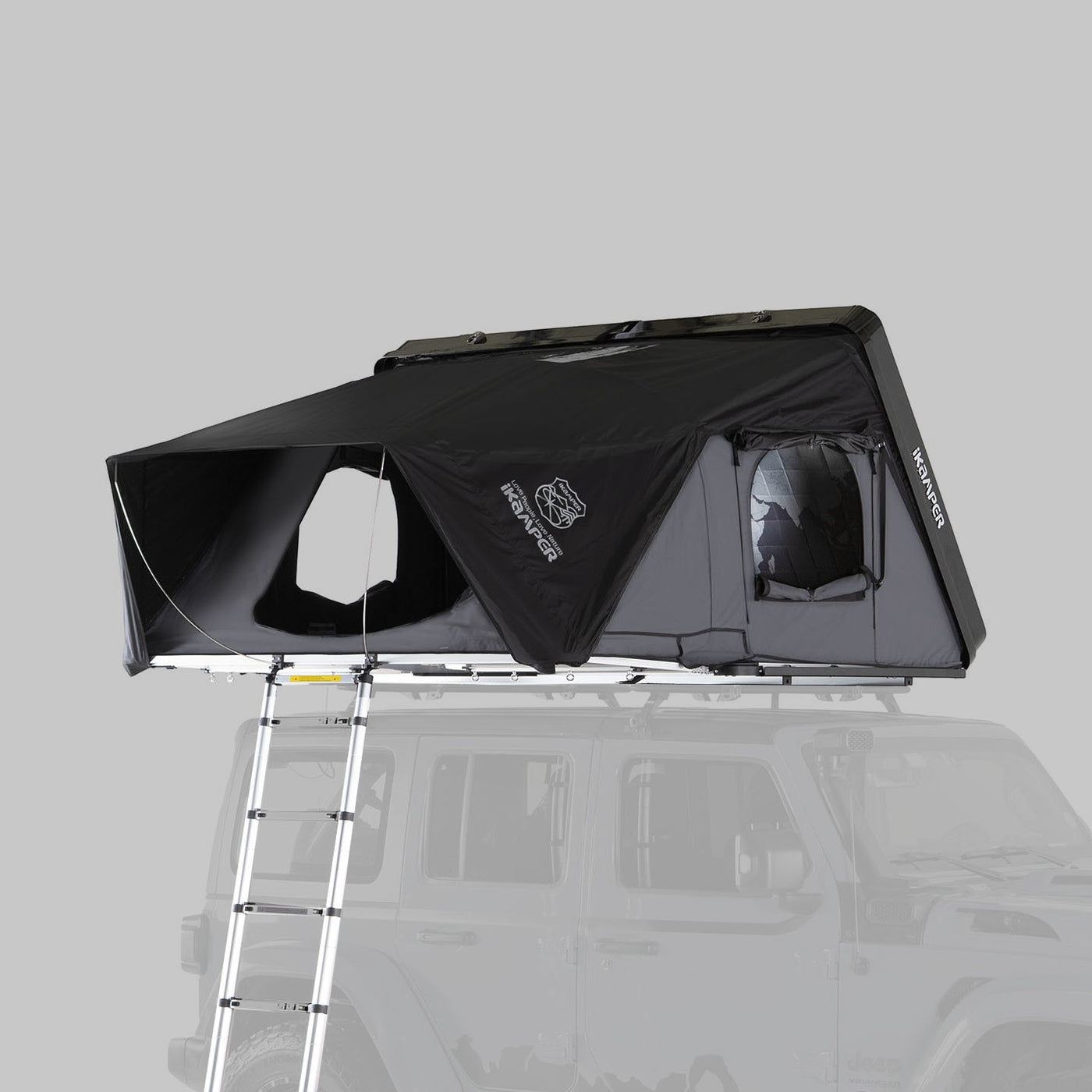
  1. 1. iKamper Skycamp 3.0 — Best Overall ($4,000)
  2. 2. Thule Tepui Explorer Kukenam 3 — Best Softshell ($1,800)
  3. 3. Roofnest Sparrow Eye — Best Compact ($3,200)
  4. 4. Smittybilt Overlander XL — Best Budget ($1,100)
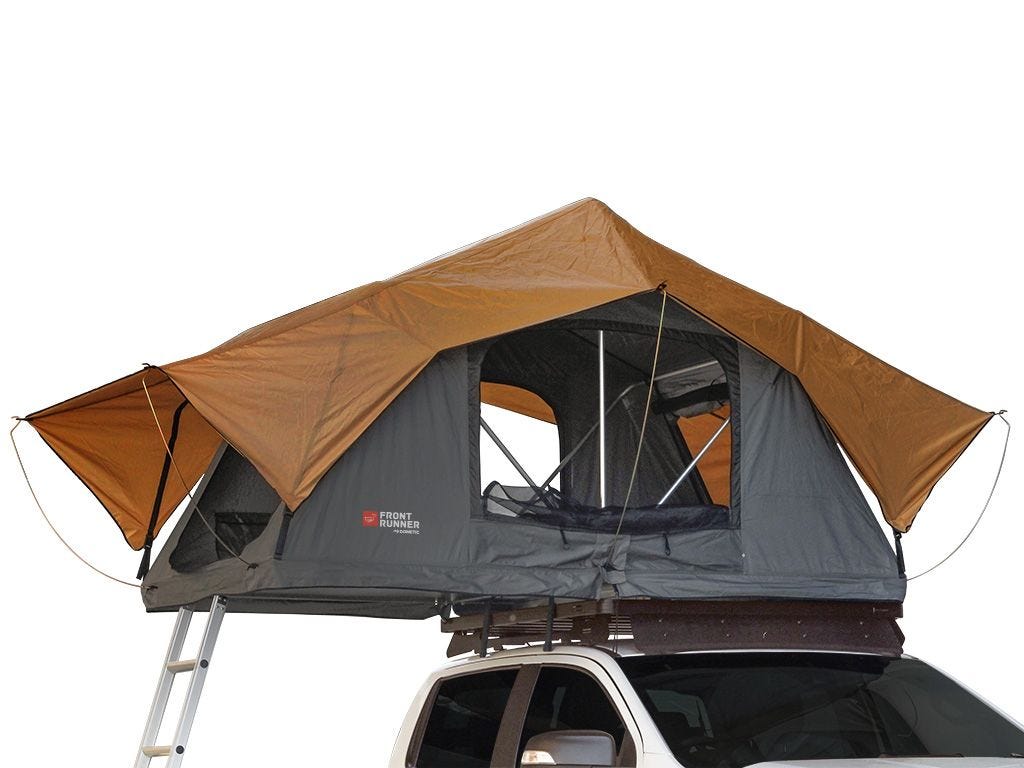
  5. 5. Front Runner Outfitters Roof Top Tent — Best for Overlanding ($2,500)

Finding the Best Rooftop Tent in 2026

Rooftop tents have moved from niche overlanding accessory to mainstream car camping gear in the past few years, and the market is now flooded with options ranging from $800 to $5,000. We tested 10 rooftop tents across Mojave Desert sand, Rocky Mountain passes, and Northern California coastal fog to find the five that deliver the best combination of setup speed, sleeping comfort, durability, and value.

Our testers included weekend car campers, full-time van lifers who wanted a secondary shelter, and dedicated overlanders building expedition rigs for extended backcountry travel. We evaluated each tent across multiple vehicle types including midsize SUVs, full-size trucks, and compact crossovers to understand how tent size and weight interact with different platforms.

Whether you want a premium hardshell that pops open in 30 seconds or an affordable softshell that maximizes sleeping space on a budget, these five picks represent the best in each category. Pair your rooftop tent with a quality ground tent for guests and solid camping mattresses for the best sleep under the stars.

Quick Comparison Table

TentCategoryPriceWeightType
iKamper Skycamp 3.0Best Overall$4,000135 lbsHardshell
Thule Tepui Explorer Kukenam 3Best Softshell$1,800115 lbsSoftshell
Roofnest Sparrow EyeBest Compact$3,200130 lbsHardshell
Smittybilt Overlander XLBest Budget$1,100120 lbsSoftshell
Front Runner Outfitters Roof Top TentBest for Overlanding$2,500100 lbsSoftshell

How We Test

Every rooftop tent is mounted, driven, and slept in across multiple terrain types before it receives a score. We log a minimum of 30 nights per tent across desert, mountain, and coastal conditions before evaluating performance.

Setup & Convenience

30%

We time setup and teardown across multiple attempts, evaluate solo vs two-person operation, and assess how intuitive the process is for first-time users.

Sleep Comfort

30%

We evaluate mattress quality, interior space, ventilation, condensation management, and noise levels during wind and rain across multi-night stays.

Durability & Build

25%

We inspect fabric quality, hardware reliability, frame rigidity, and waterproofing through extended use across varied weather and rough road conditions.

Value & Features

15%

We evaluate price relative to capacity, included accessories, rack compatibility, aerodynamic impact, and the total cost of ownership including fuel penalty.

Detailed Rooftop Tent Reviews

#1Best Overall

iKamper Skycamp 3.0

Weight

135 lbs

Capacity

Sleeps 2–3

Type

Hardshell

Mattress

King-size high-density foam

Price

$4,000

The iKamper Skycamp 3.0 is the rooftop tent that converted skeptics on our testing team. Opening the tent takes roughly 60 seconds: unlatch two buckles, push the top panel up, and the gas struts do the rest. Within a minute of pulling into camp, you have a fully functional sleeping platform with a king-size mattress ready to go. No poles to thread, no stakes to drive, no rain fly to wrestle. After months of testing across Mojave Desert heat, Pacific Northwest rain, and Colorado mountain cold, the Skycamp 3.0 earned its spot as the best overall rooftop tent of 2026.

The interior is genuinely spacious. Two adults sleep comfortably with room to sit up, change clothes, and organize gear. A third smaller person or child fits, though the sleeping area gets tight at that point. The high-density foam mattress is thick enough that you do not need a separate sleeping pad, which is a meaningful advantage over ground tents where mattress quality makes or breaks sleep quality. Three windows with mesh screens provide cross-ventilation that prevents condensation buildup even in humid coastal conditions. The tent fabric is rated for four-season use, and our winter testing at elevations above 8,000 feet confirmed it handles snow loads and sustained wind without issue.

Build quality is where iKamper justifies the $4,000 price tag. The aluminum hardshell exterior protects the tent fabric during transit and creates a low-profile, aerodynamic shape when closed. The mounting system uses universal crossbar clamps that fit most aftermarket and factory roof racks. We tested compatibility with Thule, Yakima, and Front Runner rack systems without issues. The interior includes USB ports for charging devices, LED lighting strips, and storage pockets sewn into the walls. These are details that elevate the camping experience from functional to genuinely comfortable.

The primary drawback is the price. At $4,000, the Skycamp 3.0 costs more than some used vehicles and requires a serious commitment to the overlanding lifestyle to justify. The 135-pound weight also demands a roof rack rated for heavy loads and will affect fuel economy on highway drives. But for overlanders who camp frequently and want the fastest, most comfortable setup available, the iKamper Skycamp 3.0 delivers a premium experience that cheaper alternatives cannot match. It is the tent that makes you want to take more trips.

Pros

  • +Fastest setup of any tent we tested at under 60 seconds
  • +King-size mattress eliminates the need for separate sleeping pads
  • +Four-season rated fabric handles snow, wind, and heavy rain
  • +Low-profile aerodynamic hardshell minimizes highway drag
  • +Built-in LED lighting and USB charging ports

Cons

  • Extremely expensive at $4,000
  • Heavy at 135 lbs — requires a robust roof rack
  • Tight fit for three adults
  • Adds significant height to your vehicle when closed

Best for: Frequent overlanders and car campers who want the fastest setup, best build quality, and most comfortable sleeping experience available in a rooftop tent.

Check Price
#2Best Softshell

Thule Tepui Explorer Kukenam 3

Weight

115 lbs

Capacity

Sleeps 3

Type

Softshell

Mattress

2.5-inch foam mattress

Price

$1,800

The Thule Tepui Explorer Kukenam 3 is the softshell tent that makes the strongest case for choosing fabric over fiberglass. At $1,800, it costs less than half the price of premium hardshells while delivering the most interior space of any tent in our test group. The unfolded footprint provides a genuine three-person sleeping area where three average-sized adults can sleep without elbowing each other all night. Thule's acquisition of Tepui brought manufacturing consistency and warranty support from one of the most trusted names in vehicle-mounted gear.

Setup takes approximately five minutes once you have the process memorized. Unzip the cover, unfold the tent body, insert the two telescoping poles, and tension the rain fly. It is not as fast as a hardshell pop-up, but the process is straightforward and manageable for one person. The 600-denier ripstop poly-cotton canvas breathes better than synthetic-only fabrics, reducing interior condensation during cool nights. Three large windows with dual-layer mesh and canvas panels let you tune ventilation precisely for the conditions. The included telescoping aluminum ladder is sturdy and adjustable for different vehicle heights.

The 2.5-inch foam mattress is comfortable for weekend trips but compresses over extended multi-week use. Long-trip overlanders will want to add a mattress topper or swap to an aftermarket option. Interior storage includes gear lofts and wall pockets that keep headlamps, phones, and books organized. The rain fly provides full coverage in sustained downpours, and our Pacific Coast testing confirmed zero leaks during three consecutive rainy nights. Pair this tent with a quality <Link href='/best/camping-mattresses' className='text-amber-400 hover:text-amber-300 underline underline-offset-2'>camping mattress</Link> topper for extended trips.

The trade-offs are the ones inherent to all softshell designs. The Kukenam 3 is bulky when folded, adding noticeable height and wind resistance to your vehicle. Highway fuel economy drops more than with aerodynamic hardshells. The five-minute setup, while reasonable, means you invest time at every camp stop that hardshell owners skip. But if interior space and value matter more to you than speed and aerodynamics, the Thule Tepui Kukenam 3 delivers more livable space per dollar than any other option we tested.

Pros

  • +Most interior space of any tent tested — true three-person capacity
  • +Breathable poly-cotton canvas reduces condensation
  • +Thule brand reliability and warranty support
  • +Rain fly provides complete weather protection
  • +Half the price of premium hardshell alternatives

Cons

  • Five-minute setup is slower than hardshell pop-ups
  • Bulky when folded — adds height and wind resistance
  • Foam mattress compresses on extended trips
  • Heavier visual profile when mounted on smaller vehicles

Best for: Families and groups of three who want maximum interior space, solid weather protection, and brand reliability without paying hardshell prices.

Check Price
#3Best Compact

Roofnest Sparrow Eye

Weight

130 lbs

Capacity

Sleeps 2

Type

Hardshell

Mattress

2-inch high-density foam

Price

$3,200

The Roofnest Sparrow Eye solves the biggest complaint about rooftop tents: the aerodynamic penalty. When closed, this tent sits just 10 inches above your roof rack, creating a profile so low that several members of our team forgot it was mounted on their daily driver. The sleek clamshell design cuts through wind more efficiently than any other rooftop tent we tested, and our fuel economy measurements confirmed a drag penalty of only 10 to 12 percent on highway driving compared to 20 percent or more for softshell designs.

Opening the Sparrow Eye takes approximately 30 seconds. Release four latches, and the top panel rises on gas struts to create the sleeping area. The 2-inch high-density foam mattress provides adequate cushioning for two people, though side sleepers may want a topper for additional comfort. The interior dimensions are optimized for two adults who do not mind close quarters. Headroom is sufficient for sitting up but not standing, which is typical for compact hardshell designs. Two windows with mesh panels provide ventilation, though the cross-breeze is less effective than larger tents with more window options.

Build quality is excellent. The fiberglass shell resists impacts from branches and road debris, and the powder-coated aluminum base frame shows no corrosion after months of exposure to coastal salt air. The mounting system uses standard T-slot hardware compatible with most crossbar systems. Interior features include integrated LED lighting, a small gear loft, and wall-mounted storage pockets. The included mattress cover is removable and machine washable, a practical detail for extended trips where cleanliness matters.

The Sparrow Eye's limitations are the direct result of its compact design philosophy. Two people sleep in close quarters with minimal room for gear inside the tent. Couples who value personal space during sleep will find it tight. At $3,200, it is expensive for a two-person tent, though the aerodynamic efficiency justifies the premium for overlanders who keep the tent mounted as daily drivers. If you want a rooftop tent that disappears into your vehicle's profile and deploys in seconds, the Roofnest Sparrow Eye is the most refined compact option available.

Pros

  • +Lowest profile when closed — only 10 inches above rack
  • +Best aerodynamics of any rooftop tent tested
  • +30-second pop-up setup with gas struts
  • +Durable fiberglass shell resists impacts and UV
  • +Minimal fuel economy penalty compared to other RTTs

Cons

  • Tight sleeping area for two adults
  • Only two windows limits cross-ventilation
  • Expensive at $3,200 for a two-person tent
  • 2-inch mattress is thinner than competitors

Best for: Daily drivers and overlanders who want a low-profile rooftop tent that minimizes aerodynamic drag and deploys in seconds for two-person use.

Check Price
#4Best Budget

Smittybilt Overlander XL

Weight

120 lbs

Capacity

Sleeps 2–3

Type

Softshell

Mattress

3-inch foam mattress

Price

$1,100

The Smittybilt Overlander XL proves that you do not need to spend $3,000 or more to sleep on your roof. At $1,100, this is the most accessible rooftop tent for people who want to try overlanding without a massive financial commitment. The tent unfolds to a generous sleeping area that fits two adults comfortably or three in a pinch, and the included annex room — a feature usually reserved for tents costing twice as much — provides a changing area and additional sheltered space below the tent. For budget-conscious car campers, this combination of features and price is unmatched in 2026.

Setup takes about five minutes and follows the standard softshell process: unzip the travel cover, unfold the tent body, extend the telescoping poles, and attach the rain fly. The 3-inch foam mattress is surprisingly comfortable for the price point and thicker than mattresses included with some tents costing three times as much. The 600-denier polyester ripstop fabric is functional and waterproof, though it lacks the breathability of the Thule's poly-cotton canvas. Three windows with mesh screens provide reasonable ventilation for three-season camping. The telescoping aluminum ladder supports up to 300 pounds.

The Smittybilt's trade-offs are predictable at this price. The fabric is heavier and less refined than premium options, which means the packed size is larger and the tent creates more wind resistance on the highway. Stitching quality is adequate but not exceptional — inspect seams before your first trip and apply seam sealer to any areas that look thin. The zippers work but lack the smooth, one-handed operation of premium YKK hardware. Hardware and mounting bolts should be checked and tightened after your first few trips as they may loosen during the break-in period. Pair with affordable <Link href='/best/camping-chairs' className='text-amber-400 hover:text-amber-300 underline underline-offset-2'>camping chairs</Link> and a <Link href='/best/camping-stoves' className='text-amber-400 hover:text-amber-300 underline underline-offset-2'>camping stove</Link> for a complete budget overlanding camp.

Despite these compromises, the Smittybilt Overlander XL delivers functional overlanding capability at a price that opens the lifestyle to a much wider audience. If you are new to rooftop tents and want to test whether this style of camping works for you before investing in premium gear, the Overlander XL is the obvious entry point. Many overlanders start here and upgrade after a season or two — and some never feel the need to upgrade at all because the Smittybilt handles everything they ask of it.

Pros

  • +Most affordable rooftop tent at $1,100
  • +Included annex room adds sheltered space below the tent
  • +3-inch mattress is thicker than many pricier competitors
  • +Generous sleeping area fits 2–3 people
  • +300-pound rated ladder accommodates heavier users

Cons

  • Heavier fabric creates more wind resistance when packed
  • Seams may need sealer application before first use
  • Zippers lack the smooth feel of premium hardware
  • Mounting bolts require tightening after initial break-in

Best for: First-time rooftop tent buyers, budget-conscious overlanders, and anyone who wants to test the lifestyle without a major financial commitment.

Check Price
#5Best for Overlanding

Front Runner Outfitters Roof Top Tent

Weight

100 lbs

Capacity

Sleeps 2

Type

Softshell

Mattress

Integrated high-density foam

Price

$2,500

Front Runner built their reputation on modular vehicle outfitting systems used by professional overlanders across Africa, Australia, and the Americas. Their Roof Top Tent reflects that heritage with a design that prioritizes integration with their broader ecosystem of rack-mounted accessories. At 100 pounds, it is the lightest tent in our test group by a significant margin, which matters when you are also mounting a roof rack, awning, jerry cans, and recovery boards. Every pound saved on the tent is a pound available for water, fuel, or gear on remote expeditions.

The tent mounts directly to Front Runner's Slimline II rack system using their proprietary quick-release brackets, creating a cleaner integration than universal crossbar clamps. If you already run Front Runner racks, this tent is the most seamless addition to your setup. The sleeping area is sized for two adults with a comfortable but not spacious footprint. The integrated high-density foam mattress is bonded to the tent floor, eliminating the shifting and bunching that occurs with loose mattress inserts. The 260-gram ripstop poly-cotton canvas breathes well in hot climates and handles rain effectively with proper tension on the rain fly.

What sets the Front Runner tent apart is the modular accessory system. Compatible accessories include a dedicated awning that attaches to the tent's mounting rails, an annex room, gear storage bags, and interior organizer panels. This modularity means you can start with the base tent and add components as your overlanding setup evolves. Build quality reflects Front Runner's expedition-grade standards — the aluminum frame is overbuilt for the tent's weight, the stitching is double-reinforced at stress points, and every metal component is anodized or powder-coated against corrosion. Keep your food cold with a quality <Link href='/best/camping-coolers' className='text-amber-400 hover:text-amber-300 underline underline-offset-2'>camping cooler</Link> mounted alongside.

The limitations are size and ecosystem dependency. The two-person sleeping area is smaller than the Thule or Smittybilt options, which means couples who want generous space will feel constrained. The tent works best within the Front Runner ecosystem — if you run a different rack brand, the mounting requires adapters that add cost and complexity. At $2,500, the tent sits in the mid-premium range and delivers value primarily to overlanders who are already invested in or planning to invest in Front Runner's vehicle outfitting system. For dedicated overlanders building a complete expedition vehicle, this tent is the most thoughtfully integrated option available.

Pros

  • +Lightest tent tested at 100 lbs — leaves capacity for other gear
  • +Modular accessory system grows with your setup
  • +Expedition-grade build quality with corrosion-resistant hardware
  • +Seamless integration with Front Runner Slimline II racks
  • +Breathable poly-cotton canvas performs well in heat and rain

Cons

  • Smaller sleeping area than three-person alternatives
  • Best value only within the Front Runner rack ecosystem
  • Accessories add cost beyond the base tent price
  • Softshell setup is slower than hardshell pop-ups

Best for: Dedicated overlanders building expedition vehicles who want a lightweight, modular tent that integrates seamlessly with Front Runner's rack and accessory ecosystem.

Check Price

Rooftop Tent Buying Guide

The right rooftop tent depends on your vehicle, how often you move camp, how many people sleep in it, and whether you keep the tent mounted between trips.

Hardshell vs Softshell

Hardshell tents open in under a minute, sit lower on your roof when closed, and create less aerodynamic drag. They cost more and typically offer less interior space than softshells at the same price. Softshell tents unfold to larger sleeping areas, cost less, and often include features like annex rooms. The trade-off is slower setup, bulkier packed dimensions, and more highway drag. Choose hardshell if you break camp daily and drive long distances between stops. Choose softshell if you stay multiple nights per site and want maximum space.

Weight and Roof Rack Capacity

Rooftop tents weigh between 100 and 170 pounds. Your roof rack must support the tent weight as a dynamic load while driving and the tent plus occupants as a static load while parked. Most factory crossbars handle 100 to 165 pounds dynamically. If your tent approaches or exceeds this limit, upgrade to aftermarket crossbars or a full-length roof rack from brands like Front Runner, Rhino-Rack, or Prinsu. Always verify your specific vehicle's roof load rating before purchasing.

Mattress Quality

The included mattress can make or break your rooftop tent experience. Thicker mattresses of 3 inches or more provide better comfort but add weight and packed height. High-density foam resists compression better than standard foam over extended use. If you plan multi-week trips, budget for a mattress topper or aftermarket replacement. Check out our camping mattresses guide for topper recommendations.

Ventilation and Condensation

Condensation is the most common complaint among rooftop tent owners. Tents with multiple windows, mesh panels, and breathable poly-cotton canvas manage moisture better than synthetic-only fabrics with fewer openings. In humid or cold conditions, leave at least one window cracked overnight to allow moisture to escape. Anti-condensation mats placed under the mattress also help by creating an air gap between the mattress and the tent floor.

Frequently Asked Questions

How much weight can my roof rack hold?+

Most factory roof racks support between 100 and 165 pounds of dynamic load, which is the weight limit while driving. Static load, meaning the weight the rack supports while parked, is typically two to three times higher. A rooftop tent weighing 100 to 135 pounds plus two adults at 150 to 200 pounds each will exceed most factory dynamic ratings, which is why you only sleep in the tent while parked. Always check your vehicle's owner manual for the exact static and dynamic roof load ratings before purchasing a rooftop tent, and upgrade to aftermarket crossbars or a full roof rack if needed.

Hardshell vs softshell rooftop tent — which is better?+

Hardshell rooftop tents open in under a minute, are more aerodynamic when closed, and typically last longer because the hard exterior protects the fabric from UV damage and road debris. Softshell rooftop tents cost significantly less, offer more interior space per dollar, and often include features like annex rooms and awnings. The trade-off is slower setup time, more wind resistance while driving, and a larger closed profile that affects fuel economy more. Choose hardshell if you move camp frequently and value speed, or softshell if you want maximum living space on a budget.

Do rooftop tents affect gas mileage?+

Yes, rooftop tents reduce fuel economy by 10 to 25 percent depending on the tent style, vehicle type, and driving speed. Hardshell tents with low-profile designs like the Roofnest Sparrow Eye cause the least drag, typically reducing mileage by 10 to 15 percent. Softshell tents with their bulkier closed profiles create more wind resistance and can reduce mileage by 15 to 25 percent. Highway driving above 65 mph amplifies the effect. If you commute daily with the tent mounted, factor this ongoing fuel cost into your purchase decision. Some overlanders remove the tent between trips to save on fuel.

Can I drive with a rooftop tent mounted?+

Yes, rooftop tents are designed to stay mounted on your vehicle while driving. You must ensure the tent is fully closed and latched before driving, and that the total weight does not exceed your roof rack's dynamic load rating. Hardshell tents lock down securely and add minimal height. Softshell tents should be folded tightly and strapped to minimize flapping and wind resistance. Check your tent's mounting hardware regularly for loosened bolts, especially after driving on rough roads. Some parking garages and drive-throughs will not accommodate the added height, so know your vehicle's total height with the tent mounted.

What roof rack do I need for a rooftop tent?+

Most rooftop tents require crossbars rated for at least the tent's weight in dynamic load. Factory crossbars on many SUVs and trucks handle 100 to 165 pounds, which covers lighter tents. For heavier tents or if your vehicle has rain gutters instead of crossbars, aftermarket options from Thule, Yakima, Front Runner, and Rhino-Rack provide higher weight ratings and more mounting flexibility. Full-length roof racks from Front Runner or Prinsu distribute weight more evenly and offer additional mounting points for accessories. Measure your vehicle's roof dimensions and verify compatibility before purchasing any rack system.

Are rooftop tents worth it?+

Rooftop tents are worth it for overlanders and car campers who value quick camp setup, sleeping off the ground away from insects and moisture, and the ability to camp on uneven or rocky terrain where ground tents struggle. The elevated sleeping position provides better views and ventilation. The downsides are the significant upfront cost, reduced fuel economy, the need for a sturdy roof rack, and the fact that your vehicle becomes inaccessible as a shelter while the tent is deployed. If you camp frequently on road trips and value convenience over cost, a rooftop tent pays for itself in time saved and comfort gained over seasons of use.

Final Verdict

After testing 10 rooftop tents across desert, mountain, and coastal terrain, the iKamper Skycamp 3.0 earns our top recommendation as the best overall rooftop tent of 2026. Its one-minute setup, king-size mattress, and four-season durability make it the right choice for overlanders who want the best and can afford the $4,000 price tag.

For maximum interior space at a reasonable price, the Thule Tepui Explorer Kukenam 3 delivers true three-person capacity with Thule's brand reliability. Budget buyers should start with the Smittybilt Overlander XL at $1,100 — it includes an annex room and a comfortable mattress at a price that opens overlanding to everyone.

Daily drivers who want minimal aerodynamic impact will appreciate the Roofnest Sparrow Eye's low-profile design, and dedicated expedition builders should consider the Front Runner Outfitters Roof Top Tent for its unmatched modularity and lightweight construction.

Related Guides

Related Videos

Get Trail-Tested Gear Advice

Join 12,000+ overlanders who receive our weekly gear reviews, trail tips, and exclusive deals. No spam, unsubscribe anytime.

PG

Peak Gear Guide Editorial Team

Our editorial team includes certified wilderness guides, gear industry veterans, and obsessive backcountry enthusiasts who collectively log over 1,000 trail nights each year. Every product we recommend is tested in real conditions by people who depend on their gear. We are not sponsored by any brand and purchase most test products with our own funds.

Editorial Disclosure

Peak Gear Guide is reader-supported. When you purchase through links on our site, we may earn an affiliate commission at no additional cost to you. Our editorial team tests every product independently and recommendations are never influenced by affiliate partnerships. Last updated April 4, 2026.