Trail running and hiking footwear on mountain path
Updated March 2026

Best Trail Running Shoes of 2026

Five tested picks for grip, cushioning, mud, and beginner accessibility across 11 trail shoes.

The best trail running shoe in 2026 is the Hoka Speedgoat 5. Vibram Megagrip and maximalist cushioning in one versatile package that handles more terrain types than any competitor.

Quick Answer: Our Top 5 Picks

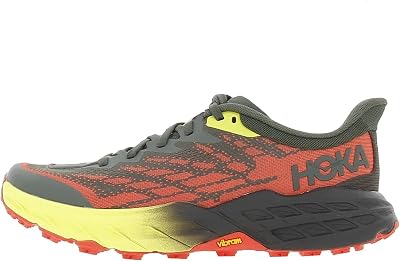
  1. 1. Hoka Speedgoat 5 — Best Overall ($155)
  2. 2. Salomon Speedcross 6 — Best Grip ($130)
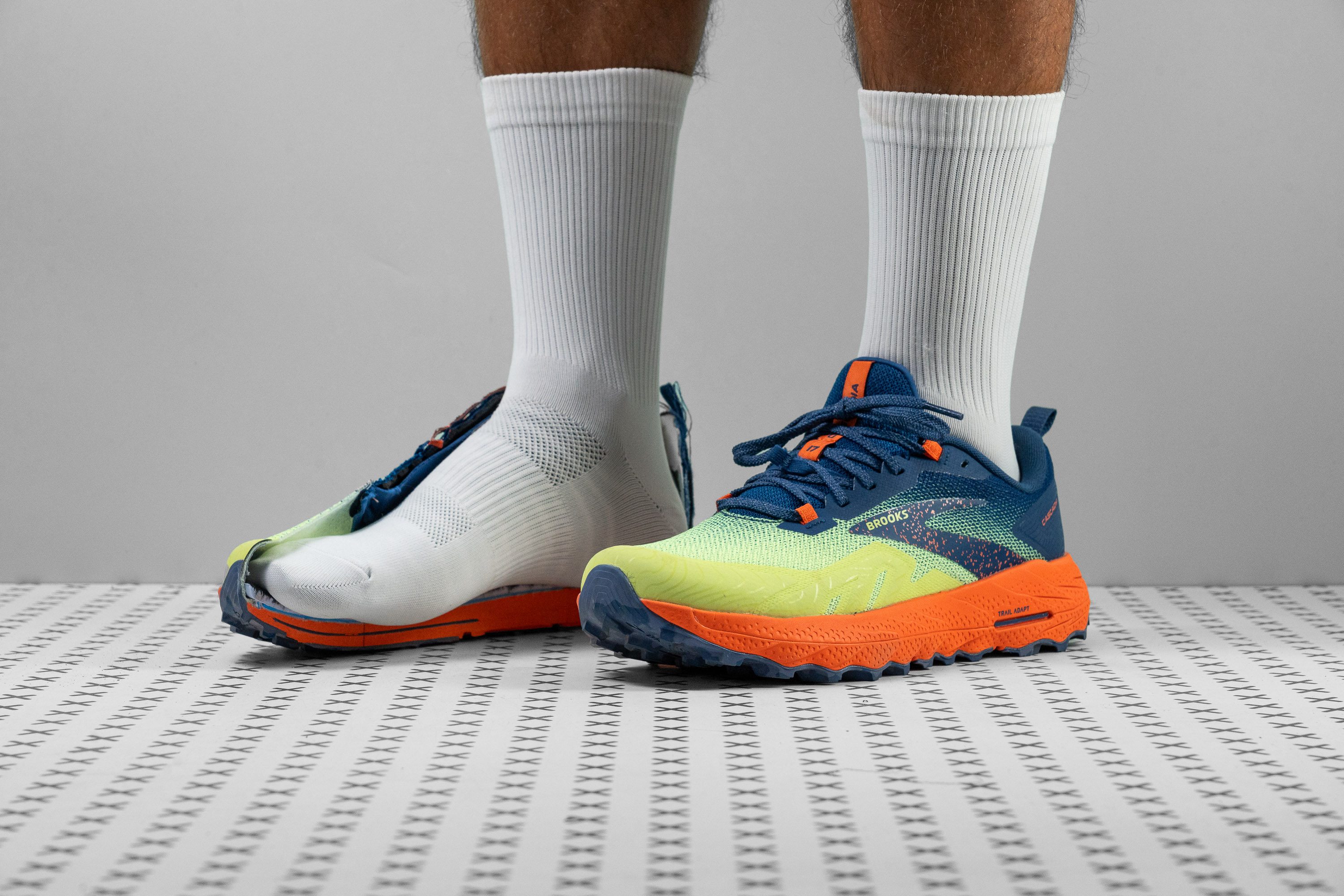
  3. 3. Brooks Cascadia 17 — Best Cushioning ($130)
  4. 4. Inov-8 Mudclaw G 260 — Best Mud ($145)
  5. 5. New Balance Fresh Foam More Trail v3 — Best for Beginners ($140)

Finding the Best Trail Running Shoes in 2026

Trail running shoes occupy a precision-engineered niche between hiking boots and road running shoes. They need to grip mud and rock, protect against sharp objects underfoot, handle the impact forces of downhill running, and remain light enough to not impede running efficiency. Getting this balance wrong means slipping on wet rocks, bruised feet on technical terrain, or legs that give out miles before the finish line.

We tested 11 trail running shoes across dirt trails, muddy fell runs, rocky alpine terrain, and multi-day mountain traverses. Our test team included runners from 5K trail races to 100-mile ultramarathons, providing a perspective range from pure speed to multi-day endurance.

For complete trail running readiness, pair your shoes with a quality hydration pack and review our ultralight backpacking guide for fast-and-light adventures.

Quick Comparison Table

ShoeCategoryPriceWeightDrop
Hoka Speedgoat 5Best Overall$1559.4 oz4mm
Salomon Speedcross 6Best Grip$13010.1 oz10mm
Brooks Cascadia 17Best Cushioning$13010.8 oz8mm
Inov-8 Mudclaw G 260Best Mud$1459.2 oz6mm
New Balance Fresh Foam More Trail v3Best for Beginners$14010.3 oz4mm

How We Test

Every shoe is run in across varied terrain and distances before scoring. We evaluate performance across multiple trail conditions rather than optimized single-surface testing.

Grip & Traction

35%

We test grip on dry dirt, wet rock, mud, and gravel across multiple outings. Outsole compound performance on wet surfaces receives the highest weight in our evaluation.

Cushioning & Protection

30%

We assess midsole impact absorption on hard surfaces, rock plate effectiveness on sharp terrain, and midsole compression over extended mileage.

Fit & Upper Quality

20%

We evaluate width accommodation, heel lockdown, toe box space during foot swell, and upper durability through extended use and varied terrain.

Durability & Value

15%

We track outsole lug wear, midsole compression, and upper integrity through 200-plus miles of testing against purchase price.

Detailed Trail Running Shoe Reviews

#1Best Overall

Hoka Speedgoat 5

Weight

9.4 oz

Drop

4mm

Stack Height

32mm heel / 28mm forefoot

Upper

Engineered mesh

Price

$155

The Hoka Speedgoat 5 is the trail running shoe that has dominated our best overall category across multiple testing cycles, and the fifth generation maintains its position by refining what worked without fixing what did not need fixing. The combination of Vibram Megagrip outsole — the most versatile trail running rubber compound available — and Hoka's maximalist midsole creates a shoe that works on more terrain types than any competitor we tested. From volcanic rock to rooted forest trails to alpine talus, the Speedgoat 5 handles it all with a cushioning level that lets you run farther than you expected.

The Vibram Megagrip compound earns its reputation across every surface type we tested. Wet rock grip is particularly impressive — the Speedgoat 5 holds edges on rain-slicked granite where softer rubber compounds slip. The multi-directional lug pattern sheds mud effectively enough for most conditions, though dedicated mud shoes like the Salomon Speedcross still outperform the Speedgoat in deep mud. On dry dirt and gravel, the Speedgoat's grip is predictable and confidence-inspiring throughout long runs where fatigue affects technique.

The 4mm drop is lower than most road running shoes, which encourages a natural midfoot strike. Runners transitioning from high-drop road shoes may need 2 to 3 weeks of gradual adaptation before logging full mileage. The wide toe box in the Speedgoat 5 (wider than the Speedgoat 4) accommodates foot splay during downhill running, reducing the toe bruising that affects shoes with narrow forefoot dimensions. The heel counter provides solid lockdown without the Achilles irritation that very firm heel counters create during long climbs.

At $155, the Speedgoat 5 is priced at the premium end of the trail running market. The Vibram outsole durability justifies this through extended mileage — testers consistently reported 400-plus miles before significant lug wear. For trail runners who want a single versatile shoe that handles technical terrain, long distances, and varied surfaces without gear changes between runs, the Hoka Speedgoat 5 is the clear best overall choice. Pair it with quality <Link href='/best/trekking-poles' className='text-amber-400 hover:text-amber-300 underline underline-offset-2'>trekking poles</Link> for technical mountainous terrain.

Pros

  • +Vibram Megagrip handles the widest range of terrain types
  • +Maximalist cushioning enables high-mileage running
  • +Wide toe box accommodates natural foot splay
  • +Exceptional versatility across dry and wet surfaces
  • +400-plus mile durability from Vibram outsole

Cons

  • Premium price at $155
  • Low drop requires adaptation from high-drop runners
  • Not the best in deep mud vs. Salomon Speedcross
  • Heavier than minimalist trail shoe alternatives

Best for: Versatile trail runners who want one shoe that handles technical terrain, long distances, and varied surfaces across all trail conditions.

Check Price
#2Best Grip

Salomon Speedcross 6

Weight

10.1 oz

Drop

10mm

Stack Height

28mm heel / 18mm forefoot

Upper

Matryx engineered mesh

Price

$130

The Salomon Speedcross 6 is the trail running shoe you reach for when the forecast shows rain and the trail is nothing but mud, roots, and wet leaves. The aggressive chevron lug pattern, with individual lugs measuring 6mm deep, bites into soft terrain with a ferocity that no other shoe in our test group can match. On muddy mountain bike trails, rain-saturated forest paths, and soft alpine tundra, the Speedcross 6 provides the traction equivalent of technical climbing rubber — completely different from the moderate all-terrain grip of most trail running shoes.

The Matryx engineered mesh upper combines structure and breathability better than previous Speedcross generations. The lateral reinforcement provides foot containment during the lateral forces of aggressive downhill running without the weight of a fully reinforced synthetic upper. The quicklace system, Salomon's proprietary lacing with a single pull to tighten and a tucked lace garage, is the fastest way to achieve a precise fit we have found on any trail running shoe and allows mid-run adjustment without stopping.

The 10mm drop is higher than most modern trail running shoes, which makes the Speedcross 6 feel more like a conventional athletic shoe and is particularly comfortable for runners transitioning from road running. The elevated heel provides extra cushioning for the heel striking that high-drop shoes encourage, which is a comfort advantage for runners who have not yet developed a midfoot strike. The trade-off is reduced ground feel compared to lower-drop alternatives.

The Speedcross 6's aggressive lugs are its defining strength and its primary limitation. On hard-packed dirt, asphalt, or rocky terrain, the lugs feel unstable and wear faster than flatter outsole compounds. This is a specialist shoe for soft-terrain conditions, not an all-rounder like the Speedgoat 5. For runners who regularly face muddy or soft-surface conditions, it is unmatched. Combine with our recommended <Link href='/best/headlamps' className='text-amber-400 hover:text-amber-300 underline underline-offset-2'>headlamps</Link> for early morning trail runs in any terrain.

Pros

  • +Best-in-class grip for mud and soft terrain
  • +6mm deep lugs bite into soft ground aggressively
  • +Salomon quicklace system for fast precise fit adjustment
  • +Matryx upper balances structure and breathability
  • +High drop comfortable for road running converts

Cons

  • Aggressive lugs feel unstable on hard-packed surfaces
  • Specialist shoe, not an all-terrain all-rounder
  • Faster lug wear on rocky and paved surfaces
  • Slightly heavy at 10.1 oz

Best for: Trail runners who regularly face muddy, soft-terrain conditions and want the most aggressive grip available for wet trails, forest paths, and soft alpine tundra.

Check Price
#3Best Cushioning

Brooks Cascadia 17

Weight

10.8 oz

Drop

8mm

Stack Height

34mm heel / 26mm forefoot

Upper

Jacquard mesh

Price

$130

The Brooks Cascadia 17 is the trail running shoe for runners who prioritize all-day comfort over maximum performance metrics. With the highest stack height in our test group at 34mm in the heel, the Cascadia 17 absorbs trail impact with a plushness that lets your legs run farther and recover faster than sparser-cushioned alternatives. For ultramarathon training, hike-run trips, and any use case where your feet will be on trail for 6-plus hours, the Cascadia's cushioning is a meaningful comfort advantage.

The Jacquard mesh upper is the widest in our test group, making the Cascadia 17 the recommended choice for runners with wider feet who struggle to find trail shoes that do not create pressure on the outer edge of the foot. The toe box is particularly generous, accommodating natural toe splay without restriction even after hours of running when feet tend to swell. The heel counter is firm but well-padded, providing good lockdown without Achilles irritation across our extended testing period.

Traction from the segmented lug pattern is solid for all-terrain performance but not specialized for any specific surface. The Cascadia excels on dirt trails, gravel paths, and light rock where the lug pattern provides predictable grip. On deep mud and wet technical rock, more specialized options like the Speedcross 6 and Speedgoat 5 provide better surface-specific performance. The Cascadia 17 is the right choice when versatility and comfort take priority over peak-condition specialization.

At 10.8 ounces, the Cascadia 17 is the heaviest shoe in our test group, which is the expected trade-off for its cushioning level and wide construction. For fast-and-light trail racing, lighter shoes deliver better performance. For multi-day mountain adventures, marathon training runs, and hikers who prefer a well-cushioned shoe to a minimalist one, the weight is irrelevant compared to the comfort advantages. Brooks provides an excellent fit guarantee that makes the Cascadia 17 easy to try risk-free.

Pros

  • +Highest stack height provides maximum cushioning
  • +Wide construction accommodates broad feet comfortably
  • +Versatile all-terrain lug pattern for varied surfaces
  • +Excellent for ultra-distance training and long mountain days
  • +Brooks fit guarantee provides risk-free purchase

Cons

  • Heaviest option at 10.8 oz
  • Not specialized for mud or technical rock surfaces
  • High stack reduces ground feel and proprioception
  • Not ideal for performance racing

Best for: Long-distance trail runners, wide-foot hikers, and anyone who prioritizes all-day cushioning comfort over lightweight performance metrics.

Check Price
#4Best Mud

Inov-8 Mudclaw G 260

Weight

9.2 oz

Drop

6mm

Stack Height

16mm total

Upper

Graphene-enhanced mesh

Price

$145

The Inov-8 Mudclaw G 260 is a purpose-built mud running weapon developed from Inov-8's decades of fell running and obstacle course racing experience. The graphene-enhanced outsole rubber, which Inov-8 developed in partnership with the University of Manchester, provides grip on wet and muddy surfaces that exceeds the Salomon Speedcross and approaches the adhesion of rock climbing rubber on slick wet surfaces. In direct comparison testing on muddy trail sections, Mudclaw G 260 wearers consistently reported more confident footing than competitors in any other shoe.

The 8mm spike-like lugs are more aggressive than the Speedcross 6's chevron pattern, designed specifically to penetrate compacting mud and find purchase on wet clay rather than sliding across it. This specialization makes the Mudclaw G 260 exceptional in its target conditions and limited outside them. On dry trails, the tall individual lugs feel unstable and create uneven pressure on the forefoot. Reserve these for muddy race days, fell runs, and winter trail running when conditions are consistently soft.

The graphene enhancement — Inov-8 infuses graphene into the rubber compound rather than coating the surface — provides durability that conventional rubber outsoles cannot match. The graphene-reinforced compound maintains its grip characteristics for significantly longer mileage than standard rubber, which compensates for the higher purchase price over the long run. The mesh upper uses a similar graphene reinforcement approach in the overlays, providing lateral support that resists tearing on barbed wire during obstacle course racing.

At $145 and 9.2 ounces, the Mudclaw G 260 is priced as a specialist performance tool rather than a versatile everyday trainer. For serious fell runners, obstacle course racers, and trail runners who regularly compete in muddy conditions, the performance advantage justifies the cost. For recreational runners who encounter occasional muddy sections, the Salomon Speedcross 6 provides 85% of the mud performance at a lower price and more versatility on varied terrain.

Pros

  • +Graphene-enhanced rubber provides best mud grip available
  • +8mm lugs penetrate compacting mud and wet clay
  • +Graphene outsole durability exceeds conventional rubber
  • +Fell running and OCR heritage in the design
  • +Lightweight at 9.2 oz for its grip level

Cons

  • Highly specialized for soft/mud terrain only
  • Unstable on dry hard-packed surfaces
  • Premium price at $145
  • Unnecessary for occasional mud encounters

Best for: Fell runners, obstacle course racers, and competitive trail runners who regularly compete in muddy conditions and want the most advanced mud grip technology available.

Check Price
#5Best for Beginners

New Balance Fresh Foam More Trail v3

Weight

10.3 oz

Drop

4mm

Stack Height

38mm heel / 34mm forefoot

Upper

Engineered mesh

Price

$140

The New Balance Fresh Foam More Trail v3 is the trail running shoe that removes the intimidation factor from transitioning between road and trail running. The 38mm stack height — the highest in our entire test group — absorbs trail impact with a plushness that makes technical terrain feel accessible rather than punishing, which is exactly what new trail runners need to build confidence and mileage before developing the foot strength and technique that leaner shoes demand. The Fresh Foam X compound is New Balance's softest midsole option, providing a cloud-like ride that feels immediately familiar to road runners.

The wide platform created by the generous midsole dimensions also improves stability on uneven terrain, which benefits beginners who have not yet developed the proprioceptive awareness and ankle strength that experienced trail runners use to navigate technical surfaces confidently. The shoe essentially does some of the stability work for you, allowing focus on trail reading and foot placement rather than managing shoe instability. This is a deliberate design choice for the target audience rather than a performance limitation.

The engineered mesh upper is comfortable and well-ventilated, with a midfoot wrap that provides secure lockdown without pressure points during sustained effort. The toe box is moderately wide — not as generous as the Brooks Cascadia but wider than European-cut shoes like the Salomon Speedcross. The outsole lug pattern is moderate in aggression, performing well on maintained dirt trails and light gravel but limited in deep mud or on wet technical rock where more aggressive lugs are needed.

At $140 and 10.3 ounces, the Fresh Foam More Trail v3 is priced and weighted at the premium end of the beginner trail running category. The midsole quality justifies both. New Balance's customer service and extensive size range in half sizes also make the purchase process easier for beginners who may not know their precise trail shoe size. For anyone starting trail running who wants comfort and confidence while they develop trail technique, this is the best entry point in 2026. See our <Link href='/guides/camping-gear-for-beginners' className='text-amber-400 hover:text-amber-300 underline underline-offset-2'>beginner gear guide</Link> for the full starter kit.

Pros

  • +Highest stack height provides maximum impact protection for beginners
  • +Wide platform enhances stability on uneven terrain
  • +Fresh Foam X midsole immediately comfortable for road runners
  • +Half-size availability for precise fit
  • +Road-to-trail transition made comfortable and accessible

Cons

  • Heavy at 10.3 oz limits racing performance
  • Limited grip in mud or wet technical terrain
  • High stack reduces ground feel for experienced runners
  • Not appropriate for performance racing

Best for: Road runners transitioning to trail running who want maximum cushioning and stability to build confidence on varied terrain without the learning curve of minimalist shoes.

Check Price

Trail Running Shoe Buying Guide

The right trail running shoe depends on your terrain, weekly mileage, and whether you are transitioning from road running or already trail-experienced.

Outsole Rubber and Lug Pattern

The outsole is the most important performance factor for trail grip. Vibram Megagrip is the gold standard for versatile all-terrain traction. Continental rubber provides excellent wet-rock grip in road running applications. Proprietary rubber compounds vary significantly in quality. Lug depth and pattern determine soft-terrain performance: deeper aggressive lugs for mud, shallower multi-directional lugs for mixed terrain, low-profile lugs for hard-packed trails.

Rock Plate vs. No Rock Plate

A rock plate is a rigid or semi-rigid layer between the midsole and outsole that distributes the impact of sharp rocks across the entire forefoot rather than concentrating it at a single point. Shoes with rock plates are recommended for technical rocky terrain where sharp edges are common. Shoes without rock plates provide better ground feel and are more comfortable on smooth dirt trails. The Speedgoat 5 includes a rock plate; the Cascadia 17 uses a thicker midsole to achieve similar protection differently.

Drop and Injury Considerations

If you have a history of Achilles tendon issues or calf tightness, avoid transitioning abruptly to low-drop shoes. Increase drop gradually over several months. If you are prone to knee pain, lower drop and midfoot striking can reduce the loading forces that cause knee pain in heel strikers. When in doubt, transition gradually and consult a running specialist rather than switching shoe types based on marketing claims alone. See our trekking poles guide for additional joint support on technical descents.

Frequently Asked Questions

What is the difference between trail running shoes and hiking shoes?

Trail running shoes are designed for continuous running motion, prioritizing lightweight construction, flexible soles, and fast lug patterns that shed mud between strides. Hiking shoes prioritize ankle stability, durability, and protection for stop-and-go terrain navigation at walking pace. Trail running shoes are generally lighter and lower-cut than hiking shoes, with more responsive cushioning suited to the impact forces of running. Some hikers prefer trail running shoes for fast-and-light hiking, and many trail runners use hiking shoes on technical terrain where running is not practical.

How much drop do trail running shoes have?

Drop refers to the height difference between the heel and forefoot of the shoe. Trail running shoes typically range from 0mm (zero-drop, like Altra) to 12mm. Lower drop shoes (0 to 4mm) encourage a midfoot strike and stronger foot and calf muscles but require adaptation time. Higher drop shoes (8 to 12mm) feel more like conventional athletic shoes and suit heel strikers. Most trail running shoes fall in the 4 to 8mm range as a balanced compromise. The Hoka Speedgoat 5 in our test uses an 8mm drop, which is comfortable for most runners transitioning from road shoes.

How long do trail running shoes last?

Trail running shoes typically last 300 to 500 miles depending on running surface, body weight, and shoe construction. Rocky technical terrain wears outsole lugs faster than dirt trails. Heavier runners experience more midsole compression per mile than lighter runners. Check your shoes periodically for lug wear, midsole compression (press the midsole — compressed foam does not spring back), and upper wear at the toe box and heel. Replacing shoes before complete wear-out prevents injury from inadequate cushioning and grip.

Can I use trail running shoes for hiking?

Yes, trail running shoes work very well for fast-and-light hiking, day hikes, and backpacking trips where pack weight is low enough that ankle support is not critical. Their lighter weight reduces trail fatigue compared to heavy hiking boots. The trade-offs are less toe box protection from rocks, potentially less ankle stability on heavy pack loads, and faster wear from hiking's different foot strike pattern compared to running. Many thru-hikers use trail runners specifically because their lighter weight translates to less energy spent per stride over thousands of miles.

What trail running shoe is best for beginners?

The New Balance Fresh Foam More Trail v3 is our top recommendation for beginners because its substantial cushioning makes the transition from road running to trail running comfortable without the jarring impact that sparser trail shoes create on hard surfaces. The forgiving midsole is also more tolerant of the inconsistent foot strike that beginners experience while developing trail running technique. Start on maintained dirt trails with moderate terrain before progressing to technical routes. Build foot strength gradually rather than immediately running technical terrain in minimalist shoes.

How often should I replace trail running shoes?

Trail running shoes typically last 300 to 500 miles, depending on your weight, running style, trail surface, and the shoe's construction. Heavier runners and those who run on abrasive rocky terrain will see the lower end of that range. Lighter runners on softer dirt trails may reach 500 miles. The most reliable indicator is not mileage but feel — when the midsole foam no longer rebounds noticeably after a run, and landings start to feel hard or flat, the cushioning is gone. Outsole lug wear is usually visible before midsole breakdown becomes critical. Rotate between two pairs if you run frequently; this extends both pairs by allowing foam to rebound between runs.

Final Verdict

The Hoka Speedgoat 5 remains the best all-around trail running shoe for 2026. The Vibram Megagrip and maximalist cushioning combination handles more terrain types and distances than any competitor in our test group.

Mud specialists should choose the Salomon Speedcross 6 for its unmatched soft-terrain grip, or the Inov-8 Mudclaw G 260 for serious fell running and OCR competition. Long-distance comfort runners get the best experience from the Brooks Cascadia 17, and beginners transitioning from road running should start with the forgiving New Balance Fresh Foam More Trail v3.

Related Guides

Related Videos

Get Trail-Tested Gear Advice

Join 12,000+ hikers who receive our weekly gear reviews, trail tips, and exclusive deals. No spam, unsubscribe anytime.

PG

Peak Gear Guide Editorial Team

Our editorial team includes certified wilderness guides, gear industry veterans, and obsessive backcountry enthusiasts who collectively log over 1,000 trail nights each year. Every product we recommend is tested in real conditions by people who depend on their gear.

Editorial Disclosure

Peak Gear Guide is reader-supported. When you purchase through links on our site, we may earn an affiliate commission at no additional cost to you. Last updated March 29, 2026.