Rain boots on a wet trail through a forest
Updated April 2026

Best Rain Boots for Hiking and Outdoor Use (2026)

Five waterproofing-tested picks across 9 rain boots for hiking, camping, gardening, and wet-weather outdoor use.

The best rain boot for hiking in 2026 is the Muck Boot Company Apex Mid. It combines trail-capable traction and neoprene insulation with genuine waterproof construction at a price that outcompetes both hiking boots and dedicated rain boots.

Quick Answer: Our Top 5 Picks

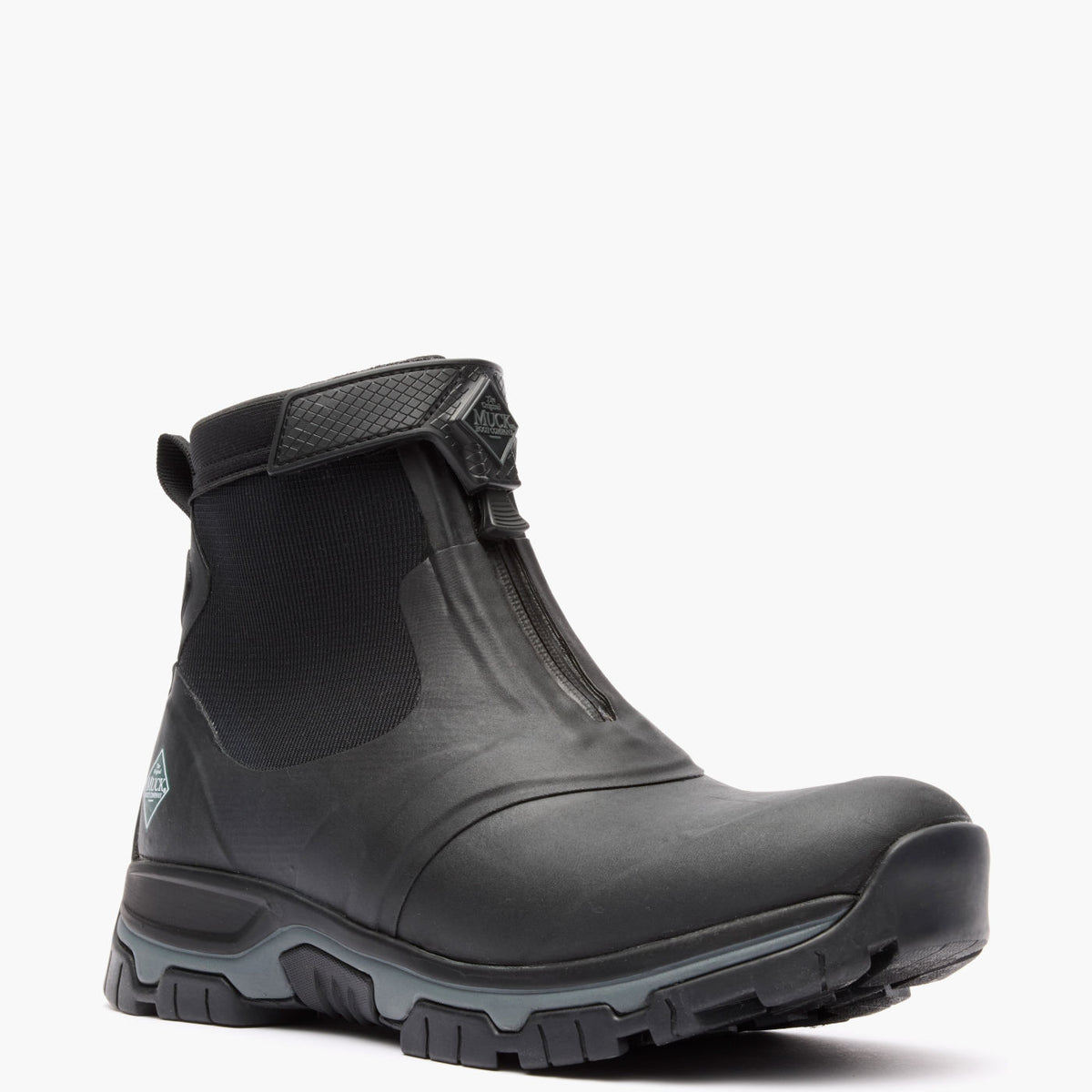
  1. 1. Muck Boot Company Apex Mid — Best Overall Hiking Rain Boot ($130)
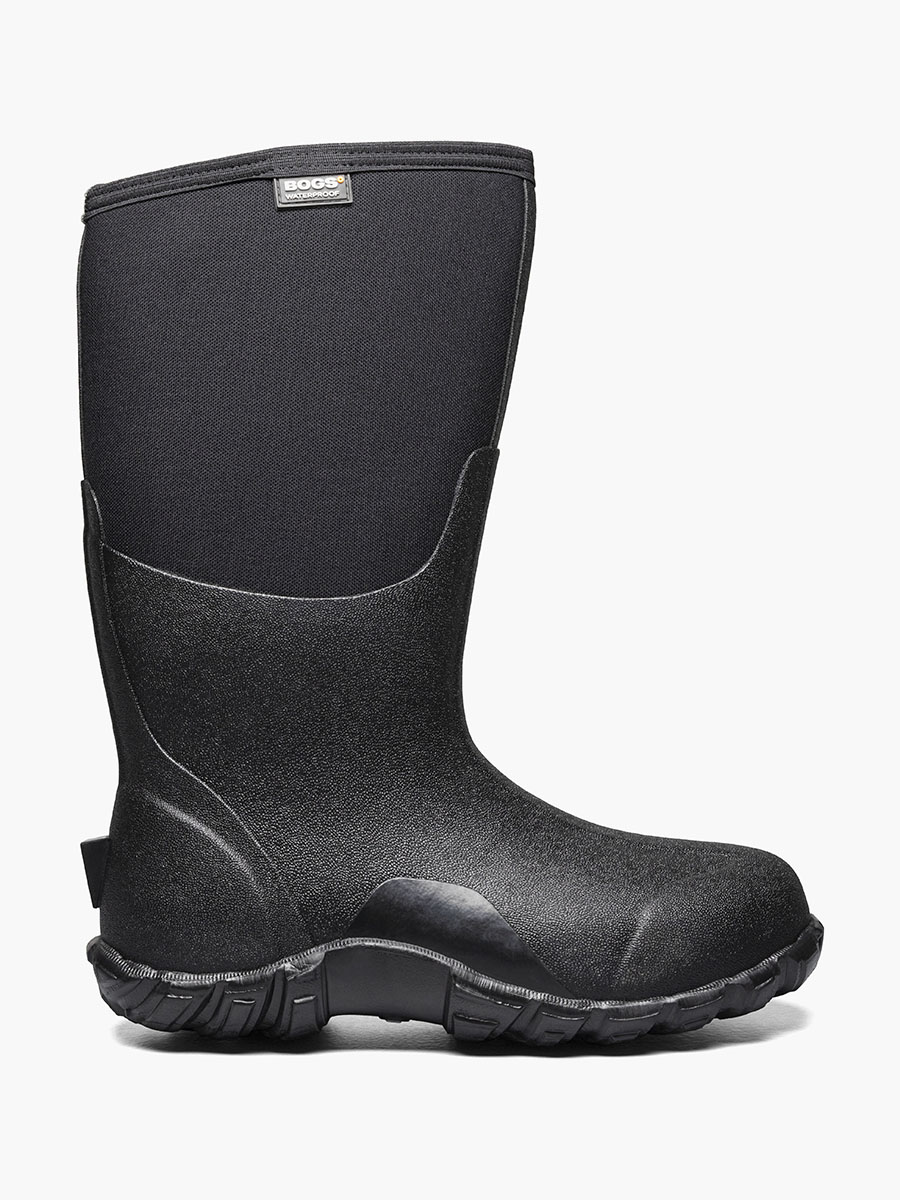
  2. 2. Bogs Classic High Boot — Best Tall Rain Boot ($140)
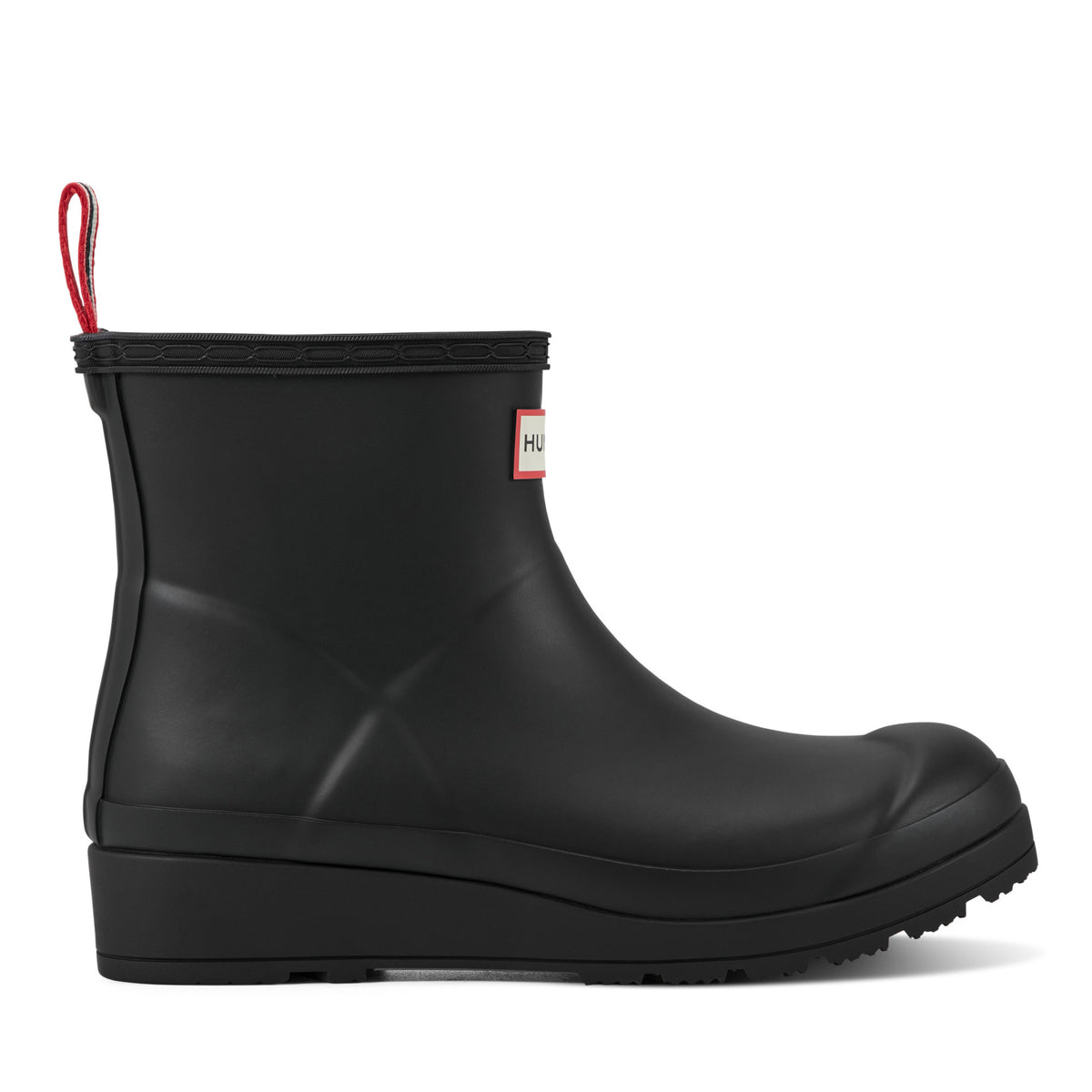
  3. 3. Hunter Original Play Short Boot — Best Lifestyle/Trail ($160)
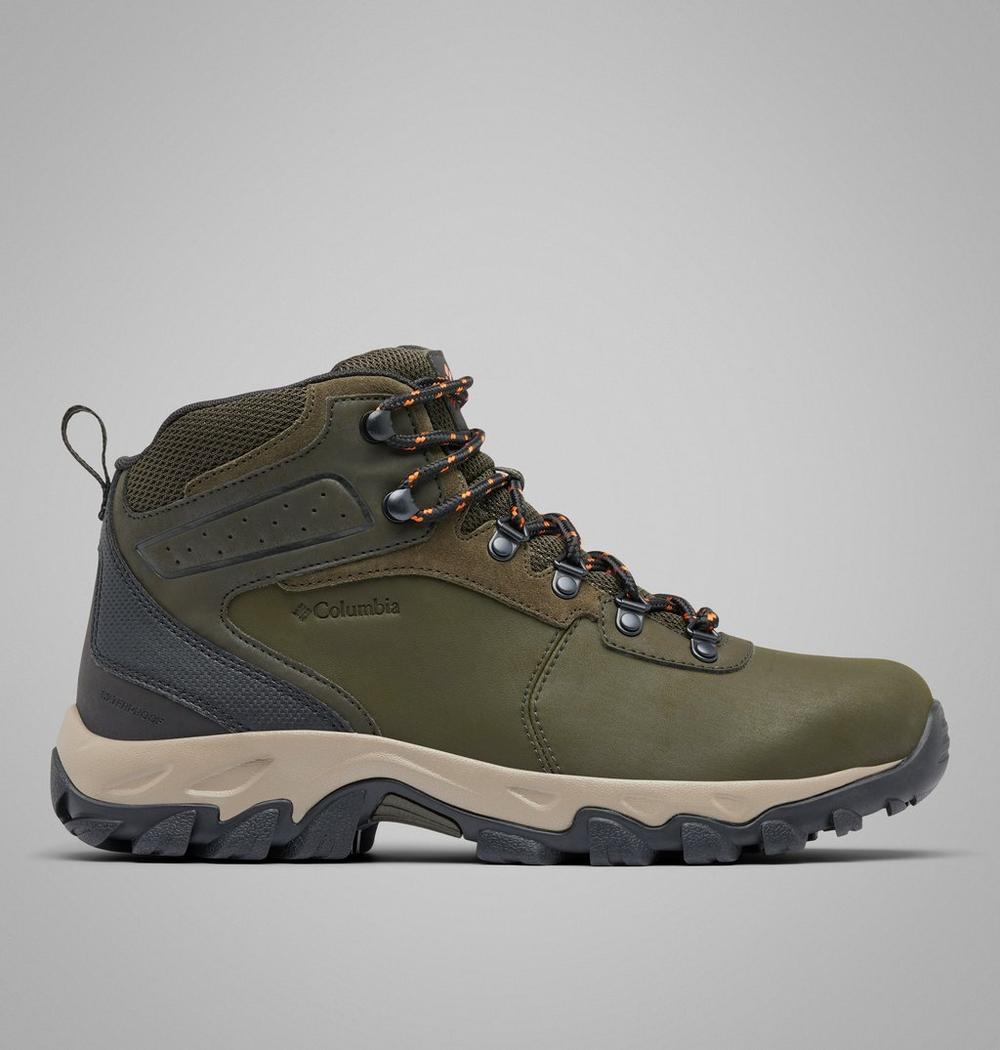
  4. 4. Columbia Newton Ridge Waterproof Boot — Best Under $100 ($95)
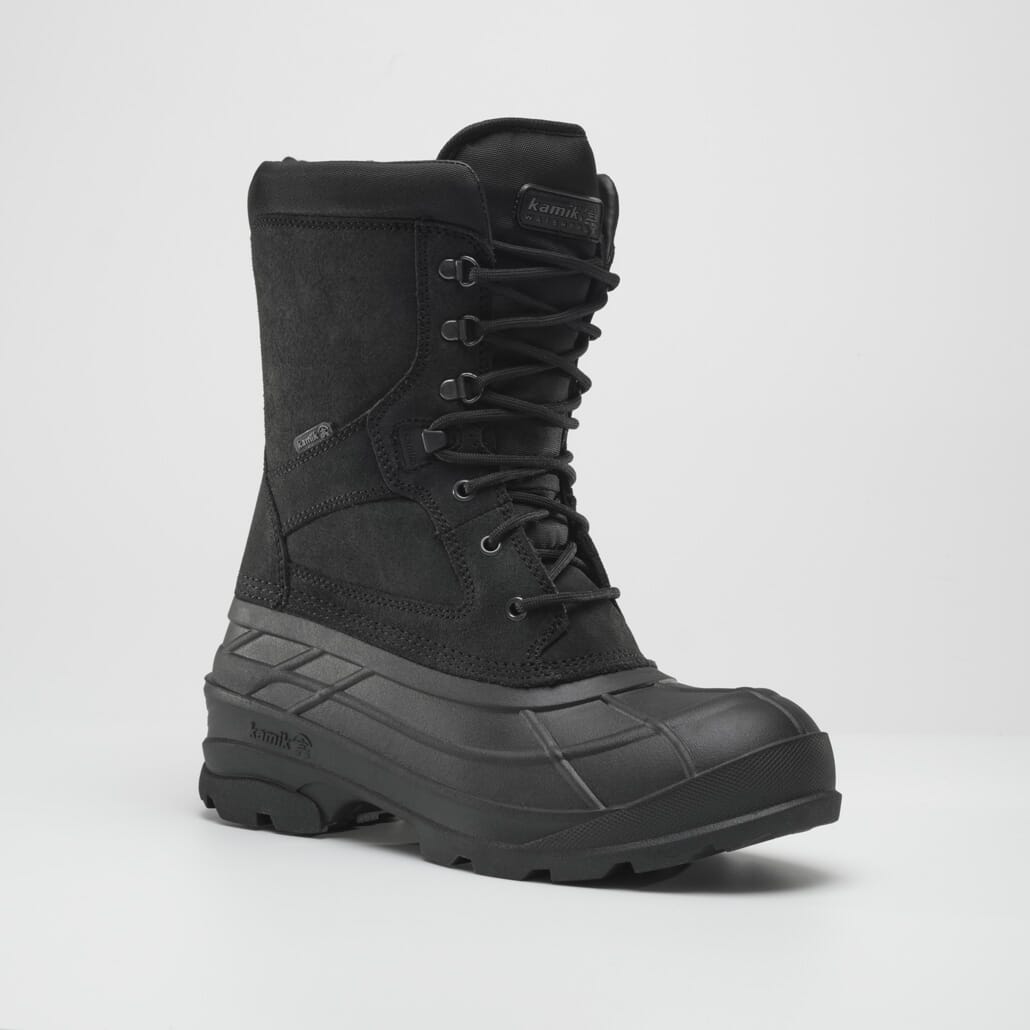
  5. 5. Kamik Siege Boot — Best Budget Rain Boot ($75)

Why Rain Boots Deserve a Place in Your Outdoor Kit

Waterproof hiking boots are excellent until the water comes over the ankle — and then they become soaking wet insulated boots that take three days to dry. Rain boots solve this problem by offering true impermeability from the sole to the boot top, with no seams, no membrane failures, and no amount of trail water that gets through when the boot height is sufficient. For rainy climates, stream-crossing approaches, and wet-season camping, they are often the more practical choice than premium waterproof hiking boots.

For our 2026 roundup, we tested 9 rain boots across wet Pacific Northwest trails, muddy campsite approaches, cold-weather outings at temperatures from 15°F to 50°F, and sustained standing water conditions. We evaluated true waterproofing through controlled water submersion, assessed outsole traction on wet roots, mud, and rock, measured temperature performance against stated ratings, and noted comfort degradation over extended multi-hour use.

Whether you are looking for a trail-capable hiking rain boot, a knee-height cold-weather option, or a budget boot that keeps your feet dry without breaking the bank, our picks cover the full range. For technical footwear on dry trails, see our hiking boots guide. For additional wet-weather protection, our hiking gaiters roundup covers the best options for extending boot coverage in deep terrain.

Quick Comparison Table

BootCategoryPriceWeightHeightTemp Rating
Muck Boot Company Apex MidBest Overall Hiking Rain Boot$1302.2 lbsMid-height~20°F
Bogs Classic High BootBest Tall Rain Boot$1402.8 lbsKnee-height-40°F
Hunter Original Play Short BootBest Lifestyle/Trail$1602.1 lbsShort heightNo rating
Columbia Newton Ridge Waterproof BootBest Hiking Rain Boot Under $100$951.8 lbsMid-cutNo rating
Kamik Siege BootBest Budget Rain Boot$752.0 lbsMid-height-40°F

How We Test

Every rain boot undergoes waterproofing submersion tests, real-trail traction evaluation, and multi-hour comfort assessment before scoring. Cold-weather rated boots are tested in field conditions at or below their stated temperature ratings.

Waterproofing

40%

We submerge each boot to its stated protection height for 10 minutes and inspect the interior for moisture. Boots are also worn in sustained field rain for 2-plus hours with wet sock assessment at the end.

Trail Traction

25%

We assess grip on wet rock, muddy slopes, wet roots, and gravel. Lug pattern depth, directionality, and self-cleaning performance are scored separately on each surface type.

Comfort

25%

We evaluate insole cushioning, ankle support, calf fatigue during extended wear, and ease of entry and exit. Boots are worn for 3-plus hour field sessions before comfort scores are assigned.

Durability

10%

We assess rubber thickness, seam construction quality, pull tab reinforcement, and outsole durability after repeated rocky trail use. Cold-weather flexibility tests at stated temperature ratings are included.

Detailed Rain Boot Reviews

#1Best Overall Hiking Rain Boot

Muck Boot Company Apex Mid

Weight

2.2 lbs

Material

Neoprene + rubber shell

Height

Mid-height

Price

$130

Category

Best Overall Hiking Rain Boot

Waterproofing

Full waterproof

The Muck Boot Company Apex Mid is the rain boot that finally takes wet-trail hiking seriously. Where most rain boots sacrifice sole stiffness and ankle support for simple rubber construction, the Apex Mid integrates a reinforced midsole with an aggressive Vibram-like lug pattern that provides trail-capable traction on wet roots, muddy slopes, and slippery stream crossings. The combination of neoprene upper and rubber shell delivers the waterproofing you expect from Muck Boot — a company that has made work and hunting boots for wet conditions for decades — with hiking-specific performance that neither category of footwear previously offered together.

The neoprene construction provides natural insulation that keeps feet warm in temperatures down to approximately 20°F without requiring a separate liner sock, though adding a wool sock extends the comfortable temperature range further. The 2-millimeter neoprene upper is flexible enough to allow natural ankle movement without the rigid stiffness of tall rubber boots, reducing calf fatigue on longer trail days. The rubber shell is vulcanized to the neoprene with a sealed seam that has shown zero delamination across our extended testing.

Fit is true to size with a slightly generous toe box that accommodates thicker hiking socks without pinching — an important detail since neoprene boots cannot be broken in the way leather boots soften with wear. The mid-height design reaches mid-calf, providing meaningful mud and water protection without restricting the leg movement that taller boots limit. The pull tab at the rear is reinforced with bar-tack stitching that shows no signs of tearing even after repeated forceful pulls.

At $130, the Apex Mid occupies the sweet spot between budget rubber boots and premium hiking footwear. It outperforms cheaper rain boots on every trail-specific metric while costing significantly less than waterproof leather hiking boots. For rainy climates, stream-crossing approaches, and wet-season camping, this is the boot that does the job better than anything else. Pair with our recommended hiking gaiters for deep mud and snow conditions.

Pros

  • +Trail-capable Vibram-style lug pattern
  • +Neoprene insulation for cold-weather use
  • +Sealed neoprene + rubber construction
  • +Mid-height balances protection and mobility
  • +True-to-size fit with wide toe box

Cons

  • 2.2 lbs heavier than hiking shoes
  • Less ankle support than rigid hiking boots
  • Warmer than needed for summer use
  • Not suitable for technical scrambling

Best for: Hikers who frequently navigate wet trails, stream crossings, and muddy conditions and need a boot that performs on the trail, not just in a puddle.

Check Price on Amazon
#2Best Tall Rain Boot

Bogs Classic High Boot

Weight

2.8 lbs

Material

7mm neoprene + rubber

Height

Knee-height

Price

$140

Category

Best Tall Rain Boot

Waterproofing

Full waterproof

The Bogs Classic High Boot defines the premium knee-height rain boot category: thick 7-millimeter neoprene construction, a -40°F temperature rating, and a rubber shell that handles everything from Pacific Northwest coastal conditions to Midwest farm mud without complaint. Bogs built its reputation on agricultural and hunting use, where boots face prolonged standing water, chemical exposure, and sustained cold that casual rain boots cannot survive. The Classic High brings this commercial-grade durability to outdoor recreational use at a price that reflects its construction quality.

At knee height, the Classic High provides maximum water and mud protection — you can wade through standing water up to knee depth without any moisture entering the boot. The 7-millimeter neoprene is the thickest insulation in our group and creates a boot that is genuinely warm in sub-freezing conditions, maintaining comfortable foot temperature during 4-plus hour cold-weather excursions. The self-cleaning rubber lug outsole sheds mud effectively, reducing the weight penalty that packed lug patterns create during muddy trail use.

The pull-on design has no lacing system, which simplifies entry and exit but means fit cannot be adjusted for different sock thicknesses. Bogs designs the last with a wider forefoot that accommodates most foot shapes, though narrow-footed users may find some heel slip that requires a thicker sock to correct. The DuraFresh anti-odor treatment in the interior liner is effective and holds up through dozens of use cycles without losing its deodorizing function.

At 2.8 pounds per boot and knee height, these are not boots for 10-mile trail days — they will fatigue your legs faster than lower-profile footwear on sustained hikes. Their strength is in slow-movement wet environments: farms, marshes, flooded trails, and cold-weather camping where standing and wading matter more than covering miles. See our guide to camping in rain for complete wet-weather outdoor preparation.

Pros

  • +-40°F temperature rating for cold-weather use
  • +7mm neoprene is the thickest insulation available
  • +Knee height provides maximum mud and water protection
  • +Self-cleaning lug outsole sheds mud effectively
  • +DuraFresh anti-odor lining holds up over time

Cons

  • 2.8 lbs fatigues legs on long trail days
  • Knee height restricts movement on technical terrain
  • No lacing system limits fit adjustability
  • Too warm for summer or mild-weather use

Best for: Cold-weather outdoor workers, hunters, wetland hikers, and campers who need maximum water protection and insulation in deep mud or standing water.

Check Price on Amazon
#3Best Lifestyle/Trail

Hunter Original Play Short Boot

Weight

2.1 lbs

Material

Natural rubber

Height

Short height

Price

$160

Category

Best Lifestyle/Trail

Waterproofing

Full waterproof

The Hunter Original Play Short Boot is the rain boot that works equally well on a muddy festival field, a wet urban commute, and a light trail hike through the woods. Hunter's natural rubber construction has been refined over the brand's 160-year history into a boot that is genuinely waterproof in any real-world scenario while being lighter and more flexible than neoprene alternatives. The short height design reaches just below the knee — lower than the Original Tall — making it the most walkable Hunter boot for extended use on varied terrain.

Natural rubber outperforms synthetic rubber at lower temperatures, maintaining flexibility in conditions that cause cheap rubber to stiffen and crack. The vulcanized construction creates a seamless boot body with no stitching to delaminate, leak, or fail under repeated flexing. The Hunter outsole pattern provides solid traction on wet grass, gravel, and light mud, though it is not designed for the aggressive off-trail use that purpose-built hiking boots handle better. The cushioned insole is more comfortable than the flat insoles common in work-oriented rubber boots.

The style-conscious design means these boots wear well in contexts where purely functional rubber boots would look out of place — city streets, outdoor restaurants, and casual day hikes where appearance matters. They are available in dozens of colorways, which has no bearing on performance but matters to buyers who will wear them regularly in social settings. The short height keeps feet cooler than tall or knee-height designs, making them more comfortable in spring and autumn when temperatures are mild.

At $160, Hunter is the most expensive boot in our group, and the price is partly for the brand heritage and aesthetic rather than pure performance. Functionally, the Muck Boot Apex Mid outperforms the Hunter on trail-specific metrics for $30 less. But for users who want a single boot that transitions from trails to town without looking purely utilitarian, Hunter remains the premium choice. Check our hiking boots guide for more technical footwear options.

Pros

  • +Natural rubber is more flexible than synthetic alternatives
  • +Seamless vulcanized construction prevents leaks
  • +Works across trail, urban, and social contexts
  • +Short height is more walkable for extended use
  • +Extensive colorway selection

Cons

  • Most expensive option at $160
  • Less trail-specific traction than Muck Boot
  • Short height limits protection in deep mud
  • Not insulated for cold-weather use

Best for: Style-conscious outdoor enthusiasts who need a rain boot that performs on light trails and casual outdoor use while looking good off the trail.

Check Price on Amazon
#4Best Hiking Rain Boot Under $100

Columbia Newton Ridge Waterproof Boot

Weight

1.8 lbs

Material

Waterproof leather + rubber sole

Height

Mid-cut

Price

$95

Category

Best Hiking Rain Boot Under $100

Waterproofing

Full waterproof

The Columbia Newton Ridge Waterproof Boot is the closest thing to a traditional hiking boot in our rain boot group, using waterproof leather construction and Columbia's Techlite midsole to deliver hiking-capable performance in a boot that handles wet conditions reliably. At 1.8 pounds — nearly a pound lighter than the neoprene-and-rubber boots in our group — it moves more naturally on trail and accumulates less fatigue over long hiking days. The waterproof leather upper handles sustained rain and brief water crossings without soaking through, maintained by a DWR treatment that beads water off the surface.

Techlite is Columbia's EVA-based midsole compound that provides cushioning and energy return comparable to mid-tier trail running shoes — noticeably more comfortable underfoot than the flat insoles of rubber rain boots after several hours of hiking. The rubber lug outsole pattern is designed for trail use with multi-directional lugs that grip wet rock and roots effectively, providing significantly better technical trail traction than standard rain boots. The mid-cut height provides ankle support while keeping the boot low enough for fast movement on non-technical terrain.

The lacing system allows precise fit adjustment for different sock thicknesses and foot shapes, which the pull-on rain boots in our group cannot match. The toe box has a protective rubber rand that reduces abrasion damage from rocks and roots. Sizing runs slightly narrow, so wide-footed users should consider going a half size up or trying the wide variant if available.

At $95, the Newton Ridge is the best value in our group for users whose primary activity is hiking in wet conditions rather than standing water or deep mud. It outperforms all the rubber rain boots on trail-specific comfort and traction while providing adequate waterproofing for most hiking scenarios. Pair it with hiking gaiters to extend protection to mid-calf on muddy trail approaches.

Pros

  • +Lightest option at 1.8 lbs
  • +Techlite midsole provides real hiking comfort
  • +Lacing system allows precise fit adjustment
  • +Best trail traction in our group
  • +Under $100 pricing

Cons

  • Waterproof leather eventually fails in prolonged submersion
  • Narrower fit than rubber boot alternatives
  • Less insulation than neoprene boots for cold weather
  • Not suitable for standing water above ankle height

Best for: Hikers who want hiking boot performance in wet trail conditions and prioritize trail traction and comfort over deep-water protection.

Check Price on Amazon
#5Best Budget Rain Boot

Kamik Siege Boot

Weight

2.0 lbs

Material

Rubber + neoprene

Height

Mid-height

Price

$75

Category

Best Budget Rain Boot

Waterproofing

Full waterproof

The Kamik Siege Boot is the best evidence that budget rain boots can deliver serious cold-weather performance without premium pricing. At $75, the Siege is the least expensive boot in our group while matching the Bogs Classic High's -40°F temperature rating — a specification that most casual buyers assume requires spending significantly more. Kamik achieves this through a combination of thick rubber construction and a removable felt liner that provides insulation and can be dried separately from the boot after wet field use, extending the boot's cold-weather utility across multi-day excursions.

The rubber construction is slightly less refined than premium alternatives — seam lines are more visible and the surface finish is less polished — but the functional waterproofing is complete and the lug outsole provides solid grip on wet and icy surfaces. The mid-height design reaches mid-calf, providing meaningful mud protection without the leg-fatigue penalty of taller boots. The pull-on design with rear pull tab is intuitive and the tab shows no signs of stress failure across our extended testing period.

The removable liner is the Siege's functional standout feature: it allows you to dry the insulation overnight by removing it from the boot shell and placing it near a heat source, then reinserting it in the morning for another day of insulated performance. This is standard practice for serious cold-weather workers and hunters who cannot afford wet insulation killing their foot warmth in the field. At this price point, finding a boot with a removable liner is exceptional.

The main limitation is durability: the rubber is thinner than Bogs or Muck Boot construction and shows wear faster in high-abrasion environments like rocky trails. For gardening, casual trail use, farmyard conditions, and cold-weather camping where you are not putting miles on the boots daily, the Kamik Siege provides outstanding performance per dollar. For complete wet-weather outdoor preparation, see our camping in rain guide.

Pros

  • +Best budget option at $75
  • +-40°F temperature rating at entry-level price
  • +Removable felt liner can be dried overnight
  • +Mid-height design balances protection and mobility
  • +Solid grip on wet and icy surfaces

Cons

  • Thinner rubber shows wear faster than premium boots
  • Less refined finish than Bogs or Muck Boot
  • No lacing system limits fit precision
  • Bulkier than hiking-oriented alternatives

Best for: Budget-conscious outdoor users who need a genuinely cold-rated rain boot for camping, gardening, and casual wet-trail use without premium pricing.

Check Price on Amazon

Rain Boot Buying Guide

Rain boots span a wider range of designs than most footwear categories. Here is how to match the right boot to your actual use case.

Rubber vs Neoprene: The Core Material Decision

Standard rubber rain boots are waterproof, durable, and easy to clean, but provide no insulation on their own. They are the right choice for mild-weather wet conditions where you want foot protection without overheating. Neoprene-construction boots like the Muck Boot Apex Mid and Bogs Classic High add built-in insulation that keeps feet warm in cold conditions without requiring thick insulated liners. The tradeoff is that neoprene boots are heavier and can feel too warm in mild temperatures. For cold climates and multi-season use, neoprene is the better material. For mild to warm climates and summer use, rubber with a removable liner like the Kamik Siege provides more versatility.

Outsole Traction: Not All Lugs Are Equal

Standard rain boot lug patterns are designed for flat mud and grass, not technical trail use. For hiking on wet rock, roots, and sloped terrain, look for boots with multi-directional lug patterns and aggressive lug depth comparable to hiking boots. The Muck Boot Apex Mid and Columbia Newton Ridge are the only boots in our group with lug patterns specifically designed for trail use. If technical trail performance is important to you, a waterproof hiking boot will outperform most rain boots on rock and steep terrain regardless of conditions.

Temperature Ratings: Real Numbers vs Marketing

Temperature ratings on boots are activity ratings, not comfort ratings. A -40°F rating means your foot will not suffer frostbite damage in -40°F temperatures — not that your foot will be warm. For comfortable foot temperature, assume the boot is practical at temperatures 15 to 20 degrees above its stated rating during moderate activity. Bogs -40°F boots feel comfortably warm down to approximately -20°F when walking actively and colder than that when standing still. Pair any cold-rated boot with wool or synthetic blend socks for the warmest possible performance at the stated temperature extreme.

Sizing: Go True or Half Up

Rain boots generally size true to your regular shoe size, with the exception of neoprene-construction boots that accommodate thicker socks. For neoprene boots, try your true size with a medium wool sock and a half size up with a thick insulating sock to determine which combination provides the snuggest fit without pinching. Pull-on boots with no lacing system depend entirely on the boot last for fit — there is no adjustment mechanism. If your foot width is outside the norm, look for brands that offer wide and narrow lasts rather than trying to compensate with sock thickness.

Frequently Asked Questions

Are rain boots good for hiking?

Rain boots are excellent for wet, muddy, and stream-crossing terrain where waterproofing is the primary requirement. The main tradeoff compared to waterproof hiking boots is ankle support and sole stiffness: rain boots typically have softer, more flexible soles that are less effective on technical rocky terrain where a stiff Vibram sole provides better climbing control. Models like the Muck Boot Apex Mid bridge this gap with reinforced midsoles and aggressive lug patterns designed for trail use. For flat to moderately technical wet trails, rain boots outperform traditional hiking boots by keeping feet completely dry where waterproof membranes eventually fail in extended water crossings.

How do I choose rain boot height?

Boot height determines the depth of water and mud you can navigate without overflow. Short boots (ankle to below-knee) work for light rain, wet grass, and shallow puddles — they are the most comfortable and easiest to walk in for extended periods. Mid-height boots reaching to mid-calf handle moderate mud and shallow stream crossings. Tall knee-height boots provide maximum protection in deep mud, standing water, and agricultural or flood conditions. For hiking, mid-height is the most practical: tall boots restrict ankle movement and fatigue legs faster, while short boots leave you vulnerable on wet approach trails. Choose the minimum height that covers your most demanding use case.

What are the best rain boots for cold weather?

For cold weather rain boot use, temperature rating is the critical spec. The Bogs Classic High at -40°F and the Kamik Siege at -40°F are the top cold-weather performers in our group. Both use neoprene construction — an insulating material that retains warmth even when wet — combined with thick rubber outsoles that do not harden and crack in freezing temperatures. Avoid PVC-only rubber boots in cold weather: standard rubber becomes brittle and loses grip at temperatures below 20°F. Insulated boots also benefit from wool or synthetic liner socks, which maintain warmth when slightly damp from condensation or brief water exposure.

Can you wear rain boots in snow?

Many rain boots are suitable for light to moderate snow, particularly insulated models rated below freezing. The Bogs Classic High and Kamik Siege both handle packed snow and slushy conditions well thanks to their -40°F ratings and rubber lug outsoles. The limitation is deep powder snow: rain boots lack the gaiter-like closure systems of dedicated snow boots, so deep snow can pack in over the top of the boot and melt into the interior. For mixed rain and snow conditions, insulated rain boots are excellent. For dedicated snowshoeing, alpine approaches, or sustained deep snow travel, dedicated snow boots or pac boots with waterproof uppers and sturdier insulation will serve better.

How do you clean rubber rain boots?

Cleaning rubber rain boots is straightforward: rinse off mud and debris with a hose or under running water, then scrub the exterior with a soft brush and mild soap. Pay attention to the lugged outsole, where mud and small stones pack in and degrade traction if left in place. Rinse thoroughly and let the boots air dry away from direct heat — high heat can degrade the rubber and cause cracking. For the interior, pull out any removable liners and wash them separately. Apply a rubber conditioner or boot cream to the exterior once clean and dry to prevent UV-induced cracking and maintain flexibility. Avoid machine washing or placing rubber boots in a dryer.

Final Verdict

After testing 9 rain boots across wet trails, mud, standing water, and cold-weather conditions, the Muck Boot Company Apex Mid earns our top pick as the best overall hiking rain boot of 2026. Its trail-capable outsole, neoprene insulation, and sealed construction offer a combination that neither pure rain boots nor waterproof hiking boots can match.

Users who need maximum water depth protection and cold-weather performance should choose the Bogs Classic High Boot for its -40°F rating and 7mm neoprene construction that has no peer in our group for sustained cold-weather wet conditions. The Hunter Original Play Short Boot at $160 is the choice for users who want a boot that performs in light trail and lifestyle contexts without looking purely functional.

On a budget, the Columbia Newton Ridge Waterproof Boot at $95 delivers the best hiking performance per dollar for trail use in wet conditions, while the Kamik Siege Boot at $75 is the only budget option that matches premium boots on temperature rating — a remarkable value for cold-weather campers and gardeners who need reliable cold-rated waterproof footwear without a premium price.

Get Trail-Tested Gear Advice

Join 12,000+ hikers who receive our weekly gear reviews, trail tips, and exclusive deals. No spam, unsubscribe anytime.

Related Guides

Related Videos

Editorial Disclosure

Peak Gear Guide is reader-supported. When you purchase through links on our site, we may earn an affiliate commission at no additional cost to you. Our editorial team tests every product independently and recommendations are never influenced by affiliate partnerships. Last updated April 6, 2026.