Hiker in bright sunny conditions on an exposed trail
Updated April 2026

Best Hiking Sunglasses 2026

Eight tested picks across 14 pairs for every trail type, face width, and budget. Polarized, photochromic, and glass lens options compared.

The best hiking sunglasses in 2026 are the Julbo Monterosa Reactiv. Photochromic lenses that adapt from 8% to 45% VLT automatically cover every lighting condition from dense forest to open glacier in one pair.

Quick Answer: Our Top 8 Picks

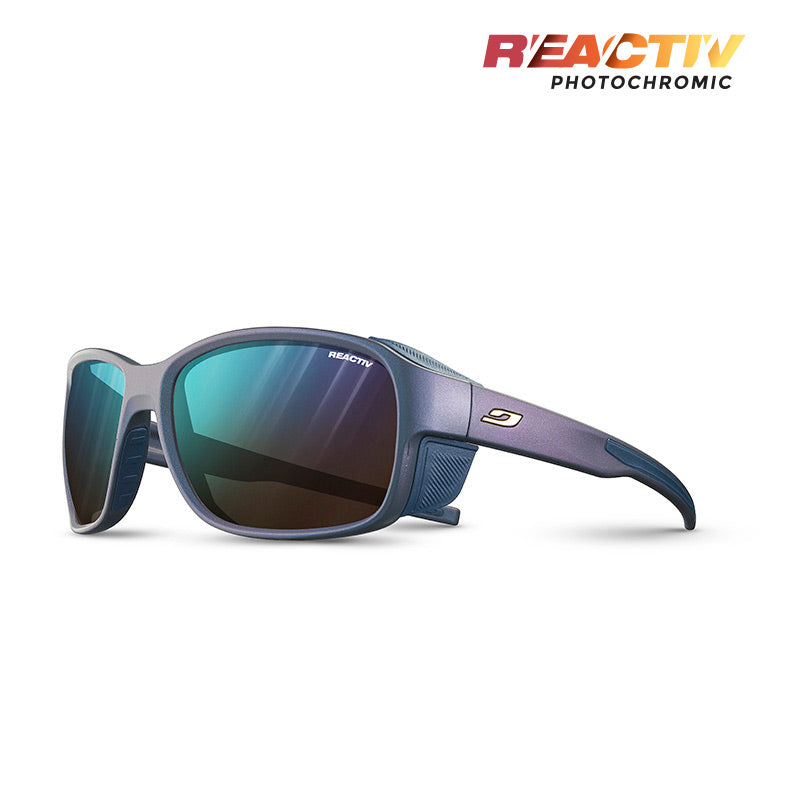
  1. 1. Julbo Monterosa Reactiv — Best Overall ($199)
  2. 2. Oakley Sutro Lite Sweep — Best for Bright Conditions ($179)
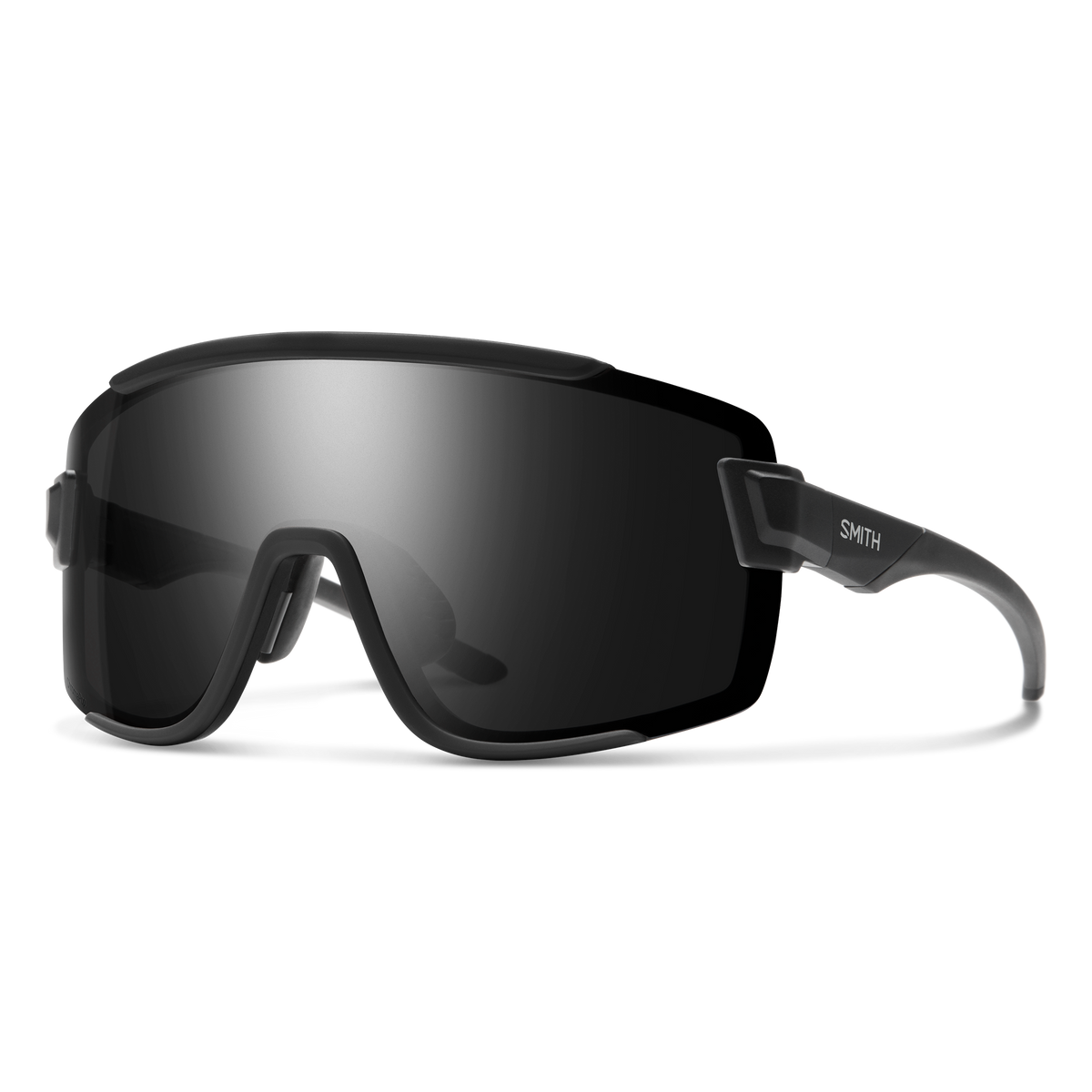
  3. 3. Smith Wildcat — Best Polarized ($149)
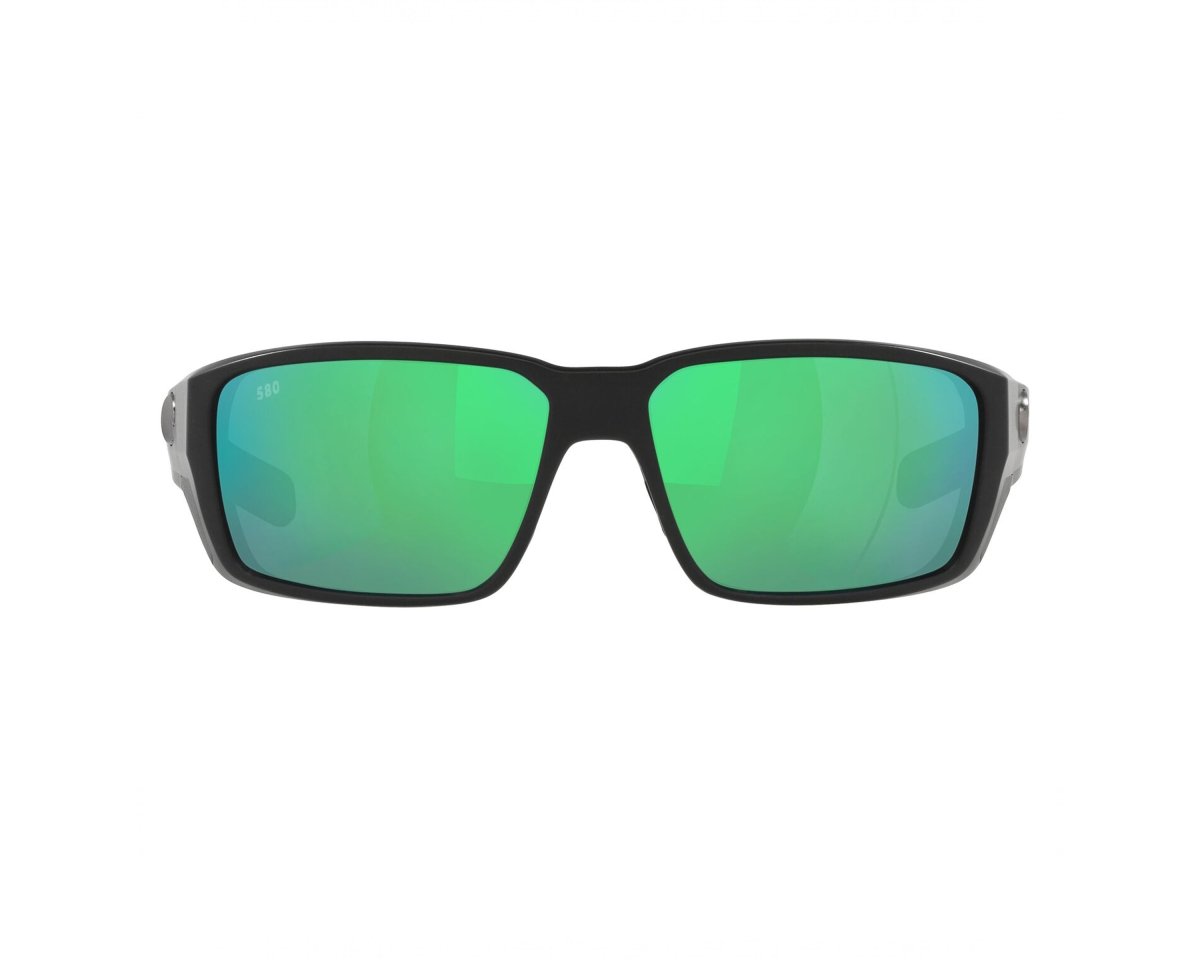
  4. 4. Costa Fantail Pro — Best Lens Clarity ($239)
  5. 5. Goodr OG — Best Budget ($35)
  6. 6. Tifosi Alliant — Best Mid-Range ($89)
  7. 7. Native Eyewear Newton — Best for Wide Faces ($119)
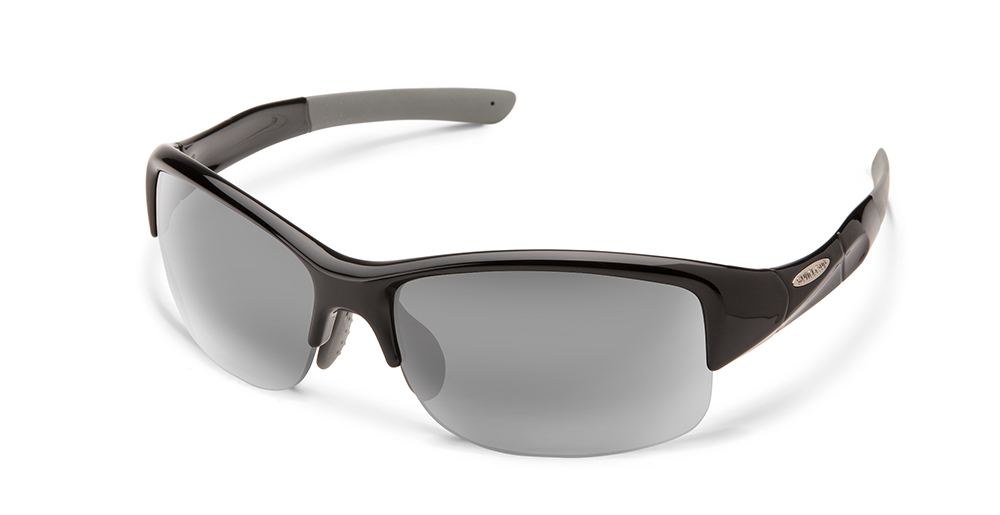
  8. 8. Suncloud Torque — Best Lightweight ($64)

Finding the Best Hiking Sunglasses in 2026

Eye protection on the trail is not optional. UV radiation increases approximately 4% for every 1,000 feet of altitude gain, which means an 8,000-foot alpine hike exposes your eyes to roughly 30% more UV than a sea-level walk — before accounting for snow and water reflection that can double UV exposure. The long-term consequences of chronic UV exposure without protection include cataracts, macular degeneration, and photokeratitis. The right sunglasses prevent all of these without adding meaningful weight to your kit.

The hiking sunglass market spans from $35 budget options to $240 glass-lens premium pairs, and the right choice depends on your typical terrain, how long you hike, and whether you spend time on snow. We tested 14 pairs across three seasons, evaluating optical quality, UV protection, fit security, and coverage across diverse conditions from shaded forest trails to open alpine ridges.

For a complete sun protection system on exposed terrain, combine good sunglasses with a quality hiking pack that keeps your gear accessible and organized through long days.

Quick Comparison Table

SunglassesCategoryPriceWeightLens TypeVLT
Julbo Monterosa ReactivBest Overall$1991.1 ozPhotochromic (Reactiv 2-4)8-45%
Oakley Sutro Lite SweepBest for Bright Conditions$1790.9 ozPrizm Trail Torch (fixed tint)22%
Smith WildcatBest Polarized$1491.1 ozChromaPop Polarized (fixed tint)17%
Costa Fantail ProBest Lens Clarity$2391.2 oz580G Glass Polarized12%
Goodr OG Running SunglassesBest Budget$351.0 ozPolarized polycarbonate (fixed tint)15%
Tifosi AlliantBest Mid-Range$891.0 ozFototec Photochromic17-73%
Native Eyewear NewtonBest for Wide Faces$1191.1 ozPolarized Gloffset (fixed tint)14%
Suncloud Optics TorqueBest Lightweight$640.8 ozPolarized polycarbonate (fixed tint)20%

How We Test

Each pair was worn for full hiking days across varied terrain and lighting conditions, evaluated on the factors that matter most for sustained trail use.

UV Protection & Lens Quality

35%

We verify UV400 compliance and assess optical distortion, chromatic aberration, and edge-to-center consistency that determines all-day comfort.

Fit & Security

30%

We evaluate nose pad grip when sweating, temple pressure over 8-hour wear, and whether the frame stays positioned during dynamic movement.

Coverage & Glare Control

20%

We assess peripheral light intrusion, polarization effectiveness on water and snow, and lens coverage area relative to face geometry.

Durability & Value

15%

We track lens scratch resistance, frame flex durability, and case protection quality, then score against the purchase price.

Detailed Hiking Sunglasses Reviews

#1Best Overall

Julbo Monterosa Reactiv

Weight

1.1 oz

Lens Type

Photochromic (Reactiv 2-4)

VLT

8-45%

UV Protection

UV400

Frame

Nylon wrap-around

Price

$199

The Julbo Monterosa with Reactiv photochromic lenses is the most versatile hiking sunglass in our test group, adapting automatically from dense forest to open snowfield without the need to swap lenses or carry a second pair. The Reactiv 2-4 technology adjusts VLT from 45% in low light down to 8% in full alpine sun, covering the complete range that a full hiking day demands. French eyewear brand Julbo has specialized in mountain optics for over a century, and that expertise is evident in the optical quality of the Reactiv lens system.

Lens clarity is exceptional. The optical purity of Julbo's polycarbonate lenses eliminates the subtle distortion that causes eye fatigue on long days — a quality difference that becomes apparent after six or more hours of wear when your eyes remain comfortable rather than strained. The polarized coating on this version eliminates glare from reflective surfaces without the color distortion that affects lower-quality polarized lenses. Contrast enhancement makes it easier to read terrain texture — a practical benefit when evaluating footing on rocky trails.

The nylon frame wraps cleanly around the face, covering peripheral light intrusion from above and the sides without creating pressure points during full-day wear. Rubber nose pads and temple grips keep the glasses in place during sustained uphill effort even when you're sweating. At 1.1 ounces, the Monterosa adds almost nothing to your pack weight. The case is a semi-rigid design that protects the lenses without taking up significant pack space.

At $199, the Monterosa is the most expensive option in our test group and earns its price through the convenience of a single pair that handles every lighting condition from forest trail to glacier. If you spend full days outdoors across variable terrain and lighting conditions, the automatic lens adaptation eliminates every tradeoff you'd otherwise make with fixed-tint lenses. See our recommended gear in our <Link href='/best/hiking-backpacks' className='text-amber-400 hover:text-amber-300 underline underline-offset-2'>best hiking backpacks</Link> guide for a complete kit.

Pros

  • +Photochromic lenses adapt from 8-45% VLT automatically
  • +Exceptional optical clarity with no edge distortion
  • +Polarized coating for glare elimination
  • +Secure rubber nose and temple grips
  • +Lightweight at 1.1 oz

Cons

  • Premium price at $199
  • Photochromic adaptation takes 20-30 seconds when conditions change
  • Semi-rigid case adds some bulk
  • Limited color frame options

Best for: All-day hikers who move through variable lighting conditions and want one pair that handles everything without lens swapping.

Check Price
#2Best for Bright Conditions

Oakley Sutro Lite Sweep

Weight

0.9 oz

Lens Type

Prizm Trail Torch (fixed tint)

VLT

22%

UV Protection

UV400

Frame

O-Matter nylon, full wrap

Price

$179

The Oakley Sutro Lite Sweep with Prizm Trail Torch lenses is the highest-performing fixed-tint sunglass for trail use in our test group. Oakley's Prizm lens technology tuned specifically for trail and outdoor terrain enhances contrast across the browns, reds, and ochres of natural trail surfaces — making it genuinely easier to read ground texture and footing compared to standard tinted lenses. The result is not a marketing claim but a measurable optical improvement that makes navigation on rocky and rooted terrain less mentally taxing.

At 0.9 ounces, the Sutro Lite Sweep is the lightest sunglass in our test group, an achievement of Oakley's O-Matter frame material and the swept design that extends peripheral coverage without adding frame weight. The coverage area is generous — the frame wraps high enough to block light from above the lens and curves far enough to the sides to eliminate peripheral glare. This is the coverage level you want for extended exposed-ridge hiking and alpine travel where the sun comes at unusual angles.

The single-piece lens design simplifies construction and eliminates the frame sections that can catch and retain debris on traditional frame designs. The unobtainium rubber nose pads increase grip as they get wet, a feature that performs exactly as promised during sweaty uphill efforts. Fit is optimized for medium to large face sizes; smaller faces may find the wrap too pronounced. The Prizm Trail Torch tint works best in full sun — in deep shade or dawn light, the 22% VLT feels slightly dark.

At $179, the Sutro Lite Sweep sits at the premium end of hiking sunglasses. The Prizm lens enhancement is the key differentiator and worth the investment if you hike primarily in bright, open conditions. For mixed-light hiking in forests, the fixed tint limitation makes the Julbo Monterosa's photochromic system the more practical choice despite the $20 higher price.

Pros

  • +Prizm Trail Torch lens enhances terrain contrast meaningfully
  • +Lightest frame in test group at 0.9 oz
  • +Excellent peripheral coverage from swept full-wrap design
  • +Unobtainium nose pads increase grip when wet
  • +Single-piece lens construction

Cons

  • Fixed tint is too dark for low-light forest hiking
  • Larger face fit — may not suit smaller faces
  • Premium price with no photochromic option at this weight
  • Limited frame adjustment for fit customization

Best for: Hikers and trail runners who spend most of their time on exposed ridges and open alpine terrain where bright sun is the consistent condition.

Check Price
#3Best Polarized

Smith Wildcat

Weight

1.1 oz

Lens Type

ChromaPop Polarized (fixed tint)

VLT

17%

UV Protection

UV400

Frame

Evolve bio-based nylon

Price

$149

The Smith Wildcat earns the best polarized category through ChromaPop lens technology that filters two specific wavelengths of light to maximize color definition and contrast. In practical trail use, this translates to sharper edge definition on rocks and roots, more accurate color reading of terrain ahead, and significantly reduced glare from water crossings and wet rock faces. The polarization on ChromaPop lenses is among the cleanest available at this price point — tested against reflective water surfaces, the glare suppression was complete without the color shifting that affects less sophisticated polarized lenses.

The Wildcat frame is constructed from Evolve bio-based nylon, Smith's sustainable frame material that achieves the flex resistance and durability of conventional petroleum-based nylon with a reduced environmental footprint. The fit is medium-to-large and sits closer to the face than the Oakley Sutro, which improves seal for dust and wind on exposed terrain but may feel warmer on hot days due to reduced airflow. The temples are adjustable for length, a useful feature for precise fit customization.

Coverage is excellent — the lens extends far enough into the cheek region to block upward-reflected glare from snow, water, and light rock. At 1.1 ounces, the weight matches the Julbo Monterosa without the photochromic system, which is a fair trade at $50 less. The hard-shell case is protective and appropriately sized. Smith provides a two-year warranty on manufacturing defects, which is above average for sunglasses at this price.

The 17% VLT fixed tint is appropriate for bright conditions but limits use in shaded forest sections or dawn and dusk hiking. Hikers who routinely transition between bright open sections and shaded tree cover will find the ChromaPop polarized lens performing well in sun but feeling slightly dim in shadow. For alpine and open-terrain hiking in full sun, the Smith Wildcat is the best polarized option under $150.

Pros

  • +ChromaPop polarization provides clean glare suppression
  • +Excellent color contrast and terrain definition
  • +Sustainable bio-based nylon frame construction
  • +Adjustable temple length for precise fit
  • +Two-year manufacturer warranty

Cons

  • Fixed tint too dark for shaded forest hiking
  • Closer face fit can feel warm in summer heat
  • No photochromic option in this frame style
  • Hard case is bulkier than semi-rigid alternatives

Best for: Alpine hikers and backpackers who frequently cross water and snow and want maximum polarized glare suppression with excellent lens clarity.

Check Price
#4Best Lens Clarity

Costa Fantail Pro

Weight

1.2 oz

Lens Type

580G Glass Polarized

VLT

12%

UV Protection

UV400

Frame

Bio-resin wrap-around

Price

$239

The Costa Fantail Pro is the only glass-lens option in our test group, and glass lenses remain the optical clarity standard against which all polycarbonate and trivex alternatives are measured. Costa's 580G glass filters specific wavelengths that cause visual fatigue and enhances the contrast range that the human eye perceives most sensitively. On a back-to-back comparison with polycarbonate lenses, the glass lens difference is immediately perceptible: sharper edges, more natural color rendering, and a depth of field that makes distant terrain appear more detailed.

The polarization on 580G glass is seamlessly integrated into the lens matrix rather than applied as a surface coating, making it more durable and optically neutral than film-polarized alternatives. Costa's 580 wavelength filtering blocks the specific light spectrum at 580 nanometers that causes the most glare and color muddiness — this is the technology that made Costa popular among fly-fishing guides who need to see through water surfaces, and the same optical advantage applies on reflective mountain terrain.

At 1.2 ounces, the glass lens adds marginal weight compared to polycarbonate. The bio-resin wrap-around frame is rigid enough to maintain lens alignment under impact without being brittle. The tradeoff versus polycarbonate is impact resistance — glass shatters rather than bending. For trail hiking where drops and compression forces are rare, this is acceptable. For climbing and scrambling where equipment takes more abuse, polycarbonate is the safer lens material.

The $239 price is the highest in our test group. The optical quality justifies it for hikers who spend extended time in demanding visual conditions — glacier travel, high-altitude ridge hiking, canyon environments with complex reflected light. For standard trail hiking in less extreme conditions, the $149-179 polycarbonate options provide 90% of the visual quality at 60-75% of the cost.

Pros

  • +Glass lens provides the best optical clarity available
  • +580G wavelength filtering reduces fatigue more than standard polarization
  • +Integrated polarization is more durable than surface-applied film
  • +Natural color rendering without polarization-induced color shift
  • +Bio-resin sustainable frame construction

Cons

  • Highest price in test group at $239
  • Glass shatters on impact — not ideal for scrambling
  • Slightly heavier than polycarbonate alternatives
  • Fixed dark tint limits low-light use

Best for: Serious alpine hikers and backpackers who prioritize optical quality above all else and spend long days in demanding bright and reflective conditions.

Check Price
#5Best Budget

Goodr OG Running Sunglasses

Weight

1.0 oz

Lens Type

Polarized polycarbonate (fixed tint)

VLT

15%

UV Protection

UV400

Frame

Plastic, no-slip coating

Price

$35

The Goodr OG proves that the core requirements for hiking sunglasses — UV400 protection, polarization, secure fit, and adequate coverage — do not require a premium price. At $35, the Goodr OG provides genuine UV400 protection with polarized lenses that eliminate reflective surface glare at a price point where losing or breaking a pair does not represent a significant financial setback. For budget-conscious hikers, beginning backpackers, and anyone who wants a reliable backup pair, the Goodr OG is the obvious recommendation.

The no-slip coating on the nose pads and temple tips is surprisingly effective. During sweaty trail runs and humid hiking conditions, the Goodr OG stayed in place more reliably than expected from a $35 sunglass. The coverage area is adequate for most trail conditions, though not as comprehensive as the premium wrap-around designs in our test group. Peripheral light intrusion is noticeable from steep upper angles — a limitation on open ridgelines where sun comes from directly overhead.

Lens optical quality is acceptable rather than impressive. Under close inspection, the polycarbonate lenses show the mild edge distortion that is characteristic of budget-tier optical grinding. This distortion is not apparent during casual use but becomes noticeable during extended wear when your visual system has to compensate subtly for the imperfection. After four to six hours of hiking, the Goodr OG lenses cause more eye fatigue than premium alternatives — a real cost that does not appear in the purchase price.

For day hikes under four to five hours, occasional use, and situations where cost is the primary constraint, the Goodr OG is perfectly competent. The honest limitation is long-day performance: on full backpacking days over eight hours, the optical quality difference from premium lenses becomes a meaningful fatigue factor. The Goodr OG serves its budget role well and is far better than no eye protection at all.

Pros

  • +Exceptional value at $35
  • +Genuine UV400 protection and polarization
  • +No-slip coating works better than expected
  • +Low financial risk if lost or damaged
  • +Wide variety of colorful frame options

Cons

  • Lens optical quality causes fatigue on long days
  • Limited peripheral coverage versus premium wrap-arounds
  • Frame durability is not comparable to premium alternatives
  • No adjustability for fit fine-tuning

Best for: Budget-conscious hikers, beginners, backup pair buyers, and anyone doing day hikes under five hours who wants UV and glare protection without premium cost.

Check Price
#6Best Mid-Range

Tifosi Alliant

Weight

1.0 oz

Lens Type

Fototec Photochromic

VLT

17-73%

UV Protection

UV400

Frame

Grilamid TR90 nylon

Price

$89

The Tifosi Alliant is the best-value photochromic hiking sunglass in our test group. At $89, it costs less than half the price of the Julbo Monterosa while delivering the core photochromic benefit — automatic VLT adjustment from 17% in bright sun to 73% in low light — that makes a single pair work across all lighting conditions on the trail. Tifosi's Fototec photochromic technology responds quickly compared to budget photochromic alternatives, transitioning from full dark to fully clear in approximately 35-45 seconds.

The Grilamid TR90 nylon frame is the hiking sunglass frame material standard for good reason: it is lightweight, flexible enough to resist cracking under impact, and dimensional stable across temperature extremes (important for use in cold alpine conditions). The Alliant's frame design is less aggressively wrapped than premium options but provides adequate peripheral coverage for most trail conditions. The nose piece is adjustable for width, accommodating a wider range of face types than fixed-bridge designs.

Lens optical quality sits between the budget Goodr OG and the premium Julbo and Oakley options. Distortion is minimal and practically invisible during trail use — the lenses perform well enough that eye fatigue is not a notable issue even on full-day hikes. The wide VLT range of 17-73% covers more lighting variation than the Julbo Monterosa's 8-45%, making the Alliant particularly useful for hikers who transition between deep forest and open alpine terrain in the same day.

For hikers who want photochromic convenience without premium pricing, the Tifosi Alliant is the clear recommendation. The coverage is adequate, the frame is durable, and the optical quality is sufficient for all-day use without significant eye fatigue. The 73% clear end of the VLT range also makes the Alliant usable for dawn starts and evening hikes where darker fixed-tint lenses become impractical.

Pros

  • +Photochromic 17-73% VLT range covers all lighting conditions
  • +Best value photochromic option at $89
  • +Adjustable nose piece for wider face compatibility
  • +Grilamid TR90 frame is durable across temperature extremes
  • +Fast photochromic transition time

Cons

  • Less optical clarity than premium alternatives
  • Less comprehensive wrap coverage than premium wrap-arounds
  • Photochromic performance degrades over several years of UV exposure
  • Limited to one frame style in photochromic configuration

Best for: All-day hikers who transition between shaded and sunny terrain and want photochromic adaptation at mid-range cost rather than premium pricing.

Check Price
#7Best for Wide Faces

Native Eyewear Newton

Weight

1.1 oz

Lens Type

Polarized Gloffset (fixed tint)

VLT

14%

UV Protection

UV400

Frame

Grivory nylon wrap-around, wide fit

Price

$119

The Native Eyewear Newton is the only sunglass in our test group specifically designed for wide-face geometry. Most hiking sunglass frames assume a narrow-to-medium face width, creating pressure points on the temples and insufficient coverage on the cheeks for wider faces. The Newton's frame geometry provides 5-7mm additional width at the temples and across the lens bridge compared to standard-width frames, eliminating the chronic temple pressure that makes long hiking days uncomfortable for wider-faced users.

Native's Gloffset polarization technology uses a lens thickness taper that accounts for the way polarized filters interact with curved lens surfaces — eliminating the color fringing and distortion that affects curved lenses with flat polarized films. On curved wrap-around frames, standard film polarization creates subtle color anomalies at the lens edges. The Gloffset approach integrates the polarization geometry with the lens curvature, resulting in edge-to-edge optical consistency that matches the center-of-lens quality.

The Grivory nylon frame is durable and maintains its shape in cold temperatures better than standard Grilamid alternatives. The temple tips include wrap-around rubber ear hooks that lock the glasses in position during high-movement activity — valuable for trail running, scrambling, and any hiking where head position changes rapidly. Nose pads are rubber and adjustable, accommodating different nose bridge heights.

At $119, the Newton is priced in the mid-range and delivers specialized wide-face performance that justifies the cost for users who have historically struggled with standard-width frames. For narrow and medium faces, the Newton's extra width creates a poor seal and allows peripheral light intrusion, making it unsuitable as a general recommendation. For wide-faced hikers who have dealt with ill-fitting sunglasses for years, the Newton is a specific solution to a real problem.

Pros

  • +Specifically designed wide-face geometry eliminates temple pressure
  • +Gloffset polarization provides edge-to-edge optical consistency
  • +Wrap-around ear hooks for high-movement security
  • +Grivory frame maintains shape in cold conditions
  • +Adjustable rubber nose pads for fit customization

Cons

  • Wide fit creates poor seal and peripheral light gaps on narrow faces
  • Fixed dark tint limits low-light use
  • Less brand recognition than Julbo, Oakley, or Smith
  • Limited lens tint options in wide-face frame

Best for: Wide-faced hikers who have experienced chronic temple pressure and poor coverage from standard-width sunglass frames.

Check Price
#8Best Lightweight

Suncloud Optics Torque

Weight

0.8 oz

Lens Type

Polarized polycarbonate (fixed tint)

VLT

20%

UV Protection

UV400

Frame

TR90 nylon, semi-rimless

Price

$64

The Suncloud Optics Torque is the lightest sunglass in our test group at 0.8 ounces, achieved through a semi-rimless frame design that eliminates the upper frame bar and reduces frame material throughout. For ultralight-focused hikers and trail runners who count every gram, the Torque provides legitimate UV400 polarized protection at a pack weight that is effectively negligible. The Suncloud brand is Smith Optics' value line, which means the lens quality benefits from Smith's optical manufacturing standards at a substantially lower price.

At 0.8 ounces, the weight difference between the Torque and a typical 1.1-ounce sunglass is 0.3 ounces — not a pack-weight breakthrough, but noticeable during all-day wear as reduced nose fatigue and temple pressure. The semi-rimless design also creates a more open visual field than fully rimmed frames, which some hikers prefer for peripheral awareness on technical terrain. The TR90 frame is flexible and durable, with enough memory to return to shape after the light compression of a pack pocket.

Optical quality is above average for the $64 price point. The polarization reduces glare effectively, and lens distortion is minimal in the center of the lens — where most of your visual attention is during hiking. At the edges, the distortion characteristic of budget polycarbonate grinding is detectable under close examination, but not practically noticeable during trail use. Extended wear over eight-plus hours generates mild eye fatigue compared to premium lenses, but less than the budget Goodr OG.

The Torque represents a quality jump from pure budget options like the Goodr OG while staying well below mid-range pricing. For ultralight backpackers who want competent polarized protection at minimal weight and cost, the Torque is the most practical option in this test group. Pair it with our recommended pack in our <Link href='/best/hiking-backpacks' className='text-amber-400 hover:text-amber-300 underline underline-offset-2'>hiking backpacks guide</Link> for a lightweight kit.

Pros

  • +Lightest option in test group at 0.8 oz
  • +Semi-rimless design provides open peripheral visual field
  • +Above-average optical quality for price from Smith manufacturing
  • +Genuine UV400 and polarization protection
  • +TR90 flex-memory frame survives pack compression

Cons

  • Semi-rimless design is less durable than full-frame alternatives
  • Fixed tint not suitable for low-light conditions
  • Less coverage than full wrap-around designs
  • Optical quality below premium lenses for all-day wear

Best for: Ultralight backpackers and trail runners who want competent polarized UV protection at minimum possible weight without paying premium prices.

Check Price

Hiking Sunglasses Buying Guide

Choosing the right hiking sunglasses means matching lens technology, tint level, and frame fit to the terrain and lighting conditions you most commonly encounter.

Lens Tint: VLT and Category

VLT (Visible Light Transmission) determines how dark your lenses are. Category S1 (43-80% VLT) is for overcast and low-light conditions. Category S2 (18-43% VLT) works for variable cloud cover and forest hiking. Category S3 (8-18% VLT) is the standard for bright sun and open terrain. Category S4 (below 8% VLT) is for glacier and snowfield use only — too dark for general trail hiking. For most hikers, a Category S3 fixed tint or a photochromic lens covering S2-S4 range provides the best all-conditions performance.

UV Protection: Non-Negotiable UV400

Every hiking sunglass should be rated UV400, meaning it blocks wavelengths up to 400 nanometers (covering both UVA and UVB). This rating is independent of lens tint — a light-tinted lens can be UV400 compliant, and a dark lens is not automatically fully protective. UV radiation damages the eye cumulatively and invisibly. Never accept a sunglass without verified UV400 certification for outdoor use, regardless of cost.

Lens Type: Fixed, Photochromic, or Interchangeable

Fixed tint lenses are optimized for a specific lighting range and are the lightest and most affordable option. Photochromic lenses adapt automatically and eliminate the need to swap lenses or carry two pairs — the right choice for hikers covering varied terrain in a single day. Interchangeable lens systems (common in ski goggles) allow manual swapping between tints but add weight and complexity that most hikers find impractical. For most trail use, choose between a quality fixed tint for your primary conditions or a photochromic lens for maximum versatility.

Frame Fit: Coverage, Security, and Face Width

A properly fitting sunglass frame provides peripheral coverage without pressure points. Wrap-around frames reduce light intrusion from the sides and above — important on exposed ridges where the sun angle changes throughout the day. Rubber nose pads and temple grips are essential for keeping glasses in place during sweaty effort. Wide-face hikers should seek out frames specifically designed for wider geometry — standard-width frames create pressure points and inadequate side coverage on wider faces. Try frames with a hat on if you hike in a sun hat, as the combination can alter how the temples and brim interact.

Frequently Asked Questions

What UV protection level do I need for hiking sunglasses?

All hiking sunglasses should provide 100% UVA and UVB protection, often labeled as UV400. This is non-negotiable. UV radiation increases significantly at elevation — roughly 4% for every 1,000 feet of altitude gain — so sunglasses that pass minimum requirements at sea level are still being tested in harder conditions in the mountains. Lens darkness (VLT percentage) is separate from UV protection. A light-tinted lens can still block 100% UV; a darker lens does not automatically mean better UV protection. Always verify UV400 compliance on any pair you consider.

Should hiking sunglasses be polarized?

Polarized lenses reduce glare from reflective surfaces — snow, water, wet rock — which makes them valuable for alpine hiking, glacier travel, and waterside trails. The tradeoff is that polarization can make it harder to read icy terrain, because it reduces the surface glare that reveals ice patches. For most trail hiking, polarized lenses are a clear benefit. For technical mountaineering on snow and ice, some experienced alpinists prefer non-polarized lenses that preserve surface texture cues.

What is VLT and what percentage is right for hiking?

VLT stands for Visible Light Transmission — the percentage of light that passes through the lens. Lower VLT means a darker lens. For hiking in bright sun and open alpine terrain, lenses with 10-20% VLT (categories S3-S4) are appropriate. For mixed-light trail hiking under tree canopy, 25-40% VLT (category S2) provides better visibility without sacrificing glare protection. Some photochromic lenses automatically adjust VLT, covering the full range with one pair. Category S4 (VLT below 8%) is for glacier and high-alpine conditions only — too dark for most trail use.

What frame style is best for hiking?

Wrap-around or semi-rimless frames with a slight curved fit reduce peripheral light intrusion and stay on your face during active movement. Frames should hold securely without pressure points during long wear. Lightweight materials — nylon, TR90, or titanium — reduce fatigue. Rubber nose pads and temple tips prevent slipping when you sweat. Full-rimless designs save weight but sacrifice some frame durability. For most hikers, a lightweight semi-rimless wrap-around with rubber grips is the practical sweet spot between protection, comfort, and durability.

Are expensive hiking sunglasses worth it?

Lens quality is where spending more pays dividends. Premium lenses from brands like Julbo, Oakley, and Smith use optically pure lens materials with anti-reflective coatings that eliminate distortion and fatigue-inducing chromatic aberration. Cheap lenses create subtle distortions that cause eye strain over long days. Frame durability and coverage area also improve at higher price points. For day hikes, a mid-range option around $80-120 is usually sufficient. For multi-day backpacking and alpine use, the optical clarity and durability of $150-200 lenses is worth the investment.

Can I wear hiking sunglasses over prescription glasses or contacts?

Most hiking sunglasses are designed for use over contacts rather than prescription glasses. If you wear prescription glasses, you have three practical options: wear contacts under standard hiking sunglasses, purchase prescription inserts that clip inside specific sunglass frames (Julbo and Smith offer this system), or invest in prescription hiking sunglasses from an optician. Wraparound frames with prescription inserts provide the best combination of full coverage and corrected vision for hikers who cannot or prefer not to wear contacts. Over-the-glasses (OTG) sunglass designs exist but are bulkier and less common for trail-specific applications.

Final Verdict

The Julbo Monterosa Reactiv earns our top recommendation for its photochromic versatility that covers every lighting condition from forest floor to open snowfield in a single pair. For hikers who primarily hike in bright, consistent sunlight, the Oakley Sutro Lite Sweep provides the best fixed-tint performance with Prizm terrain contrast enhancement.

Budget-conscious hikers get solid UV protection from the Goodr OG at $35 or the better optical quality of the Suncloud Torque at $64. The Smith Wildcat is the best polarized choice for water and snow environments, and the Costa Fantail Pro provides the ultimate in glass lens optical clarity for demanding alpine conditions.

Related Guides

Related Videos

Get Trail-Tested Gear Advice

Join 12,000+ hikers who receive our weekly gear reviews, trail tips, and exclusive deals. No spam, unsubscribe anytime.

PG

Peak Gear Guide Editorial Team

Our editorial team includes certified wilderness guides, gear industry veterans, and obsessive backcountry enthusiasts who collectively log over 1,000 trail nights each year. Every product we recommend is tested in real conditions by people who depend on their gear.