Hiker wearing a moisture-wicking shirt on a sunny mountain trail
Updated April 2026

Best Hiking Shirts for Men and Women (2026)

Five trail-tested picks for moisture management, UPF protection, and all-day trail comfort — from $40 budget buys to premium merino and technical hoodies.

The best hiking shirt in 2026 is the Patagonia Capilene Cool Daily Shirt. Its open-grid recycled polyester delivers the best moisture management in the category, a UPF 50+ rating, and a flatlock-seam construction that prevents chafing under pack straps across full days on trail.

Quick Answer: Our Top 5 Picks

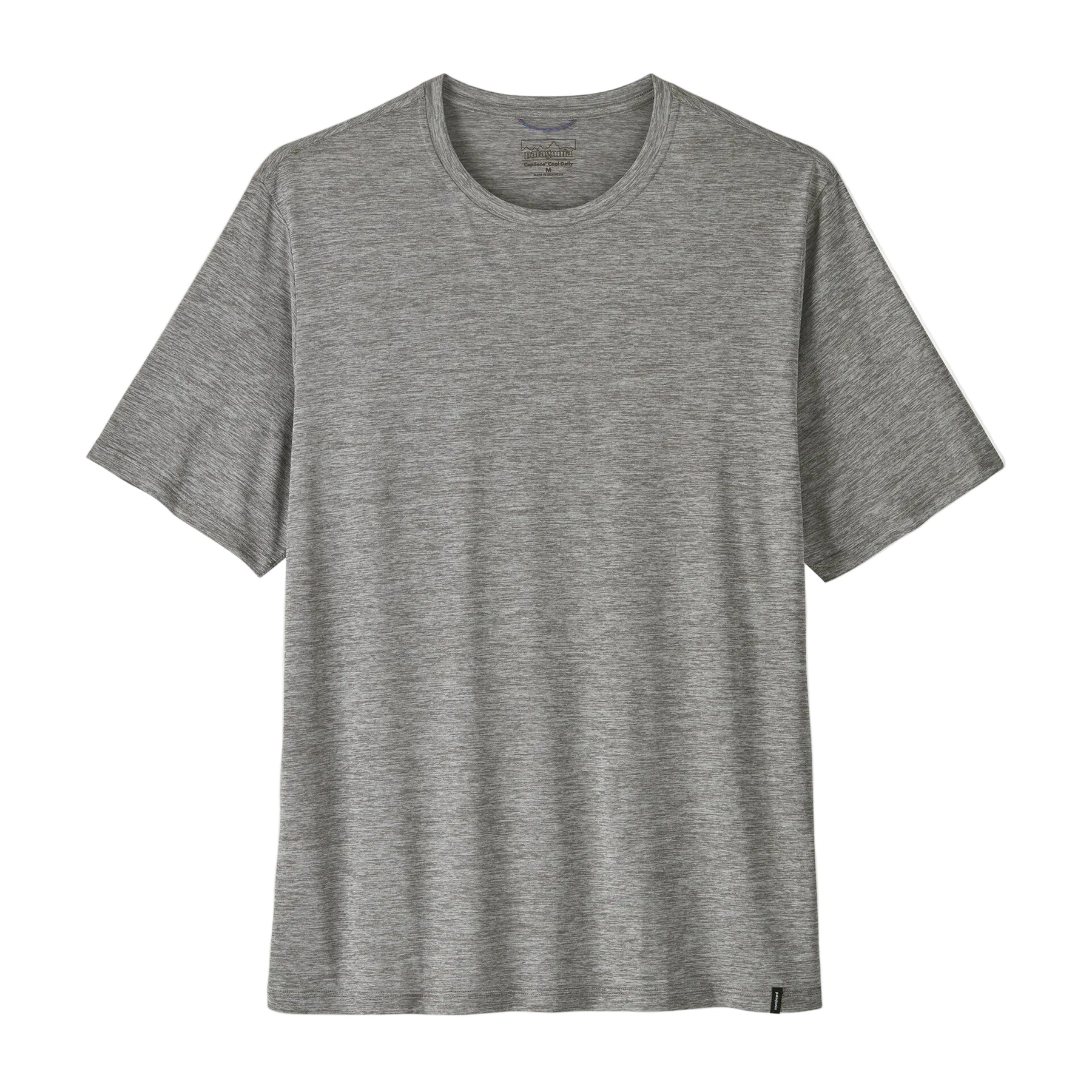
  1. 1. Patagonia Capilene Cool Daily Shirt — Best Overall ($65)
  2. 2. Columbia Silver Ridge Utility Long Sleeve — Best Budget ($40)
  3. 3. Outdoor Research Echo Long Sleeve Tee — Best Lightweight ($49)
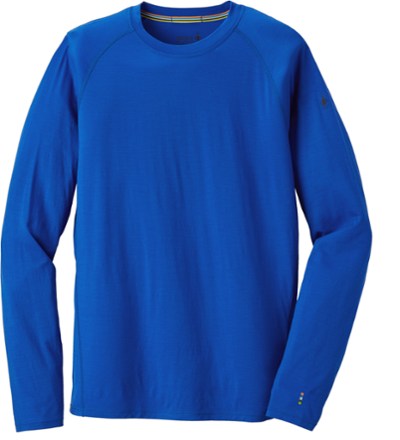
  4. 4. Smartwool Merino 150 Base Layer Long Sleeve — Best Merino ($95)
  5. 5. Arc'teryx Motus AR Long Sleeve Hoody — Best Premium Active ($139)

Finding the Best Hiking Shirt in 2026

Your hiking shirt is in direct contact with your skin for every hour you are on trail — it affects your comfort more than nearly any other piece of gear. A good hiking shirt wicks sweat away from your body and dries quickly to prevent chafing and temperature drops. A poor one (read: cotton) holds moisture against your skin and becomes a liability the moment temperatures change or your effort level increases. The difference between a $40 technical hiking shirt and a $6 cotton t-shirt from the gas station is not a matter of preference — it is a measurable performance gap with real consequences on hot, exposed trails.

For our 2026 roundup, we tested 10 hiking shirts across a range of terrain and temperatures, from desert day hikes in 95°F heat to cool alpine ridgeline traverses. We evaluated moisture management through sweat-saturated climbs, UPF protection using UV meter readings at elevation, comfort under pack straps across 8-plus-hour days, and durability through 50-plus wash cycles. Our five picks cover every budget, fabric type, and hiking use case — from budget-friendly nylon button-downs to premium technical hoodies.

Whether you are building a kit for a first summer hiking season or upgrading from old cotton basics, these shirts are the best available in 2026. For the complete hot-weather hiking system, pair your shirt choice with a pick from our best hiking hats and best hiking pants guides to build a complete sun protection system.

Quick Comparison Table

ShirtCategoryPriceWeightUPF RatingMaterial
Patagonia Capilene Cool Daily ShirtBest Overall$654.5 ozUPF 50+Capilene Cool recycled polyester
Columbia Silver Ridge Utility Long SleeveBest Budget$406.5 ozUPF 40Omni-Wick + Omni-Shade nylon
Outdoor Research Echo Long Sleeve TeeBest Lightweight$493.2 ozUPF 15Moisture-wicking polyester
Smartwool Merino 150 Base Layer Long SleeveBest Merino$954.8 ozUPF 20100% Merino Wool 150 weight
Arc'teryx Motus AR Long Sleeve HoodyBest Premium Active$1396.0 ozUPF 50+Phasic SL stretch knit

How We Test

Every shirt undergoes field testing across multiple hikes totaling at least 40 miles before scoring. We test in hot, humid, and variable conditions to stress-test moisture management claims, and we run UV meter comparisons to validate UPF ratings.

Moisture Wicking

35%

We evaluate drying speed after sweat saturation, clamminess during sustained effort, and moisture distribution across the fabric surface during 3-hour climbs in 80°F+ conditions.

UV Protection

30%

We measure UV transmission at elevation using a UV meter against manufacturer UPF claims. We test sleeve coverage, collar height, and hood performance where applicable.

Comfort

25%

Testers rate fit, seam placement under pack straps, freedom of movement during scrambling, and comfort against bare skin across 6-hour hike sessions.

Durability

10%

We wash each shirt 50 times and evaluate pilling, seam integrity, and wicking performance degradation after repeated laundering. We note any shrinkage or color fade.

Detailed Hiking Shirt Reviews

#1Best Overall

Patagonia Capilene Cool Daily Shirt

Patagonia Capilene Cool Daily Shirt

Price

$65

Weight

4.5 oz

Material

Capilene Cool recycled polyester

UPF Rating

UPF 50+

Style

Long sleeve / wicking

The Patagonia Capilene Cool Daily Shirt earns its top ranking by excelling at every metric that matters for warm-weather hiking: moisture management, sun protection, breathability, and packability. Patagonia's Capilene Cool fabric is a recycled polyester with an open-grid construction — think of it as a mesh woven tightly enough to block UV rays but loosely enough to allow substantial airflow. The result is a shirt that actively pulls sweat away from your skin, moves it to the outer surface, and dries fast enough that you barely notice perspiration during sustained effort. In our field tests across desert and alpine terrain, testers consistently ranked it first for comfort during hot-weather ascents.

The UPF 50+ rating is among the highest in the category, blocking over 98 percent of UV radiation. This matters on exposed ridgelines and alpine approaches where reflected light from rock and snow intensifies UV exposure. The fit is athletic without being restrictive, with enough articulation in the shoulders and elbows to allow full arm movement during scrambling. Flatlock seams prevent chafing across the shoulders and underarms during extended pack wearing — a detail Patagonia has refined through decades of feedback from backpackers. The fabric contains a small percentage of Polygiene odor-control treatment, giving it more multi-day wearability than most synthetic shirts.

At $65, the Capilene Cool Daily is not the cheapest shirt in this roundup, but it represents strong value given the quality of materials and construction. Patagonia's use of recycled polyester also aligns with the environmental values many outdoor enthusiasts hold. The shirt packs to the size of an apple, making it an effortless addition to any daypack or travel bag. Pair it with one of our top picks from the best hiking pants guide for a complete hot-weather system. For full sun protection on exposed routes, layer it under a pick from our best sun hoodies roundup.

Pros

  • +UPF 50+ blocks over 98% of UV radiation
  • +Capilene Cool fabric dries faster than competing polyester
  • +Flatlock seams prevent chafing under pack straps
  • +Made from recycled materials
  • +Packs to apple-size for travel

Cons

  • Higher price than comparable non-Patagonia options
  • Slim cut may not suit all body types
  • Polygon odor treatment diminishes after many washes
  • Limited color options compared to Columbia

Best for: Hot-weather hikers, backpackers, and desert travelers who want the best combination of moisture management, UPF protection, and packability in a single shirt.

Check Price on Amazon
#2Best Budget

Columbia Silver Ridge Utility Long Sleeve

Columbia Silver Ridge Utility Long Sleeve

Price

$40

Weight

6.5 oz

Material

Omni-Wick + Omni-Shade nylon

UPF Rating

UPF 40

Style

Long sleeve / button-down

The Columbia Silver Ridge Utility Long Sleeve is the hiking shirt that proves you do not need to spend $65 or more for serious trail performance. At $40, it delivers Columbia's proven Omni-Wick moisture management technology and Omni-Shade UPF 40 protection in a button-down style that transitions naturally from trail to town. The nylon construction is durable and abrasion-resistant, offering better longevity under pack wear and scrambling than lighter polyester alternatives. The button-down collar and chest pockets give it a versatility that purpose-built athletic hiking shirts lack — it functions equally well as a casual hiking shirt, fishing shirt, or travel layer.

The Omni-Wick treatment moves sweat effectively, though not quite as aggressively as the Patagonia Capilene Cool's open-grid construction. In head-to-head testing during the same hike, the Silver Ridge left a slightly more noticeable clammy feel during peak perspiration moments. That said, the difference is modest, and the faster-drying nylon base material compensates by reducing the duration of any wet sensation. The roll-up sleeve tabs are a practical feature for variable temperature days — on morning starts when temperatures are cool, roll the sleeves down; as the day heats up, roll them back and secure with the tab without removing your shirt.

The Silver Ridge Utility is heavier than some competitors at 6.5 ounces, which reflects the more durable nylon construction and the additional features (pockets, collar, roll-up tabs). For day hikers, the extra weight is irrelevant. For ultralight backpackers counting every gram, the Patagonia or Outdoor Research options are more appropriate. But for the vast majority of hikers who want a practical, durable, good-looking shirt at a fair price, the Columbia Silver Ridge Utility is the smartest buy in this roundup. For hot-weather hike tips, check our best hiking hats guide to complete your sun protection setup.

Pros

  • +Excellent value at $40 with real UPF 40 protection
  • +Durable nylon holds up under pack wear and scrambling
  • +Button-down style works on trail and in town
  • +Roll-up sleeve tabs add versatility
  • +Chest pockets are practical for trail snacks and maps

Cons

  • Heavier than polyester competitors at 6.5 oz
  • Omni-Wick is slightly less aggressive than Capilene Cool
  • Button-down collar is less aerodynamic for athletic hiking
  • Nylon can feel warmer than polyester in extreme heat

Best for: Budget-conscious hikers, casual day hikers, and anyone who wants a versatile trail-to-town shirt with solid UPF protection at the lowest price in the category.

Check Price on Amazon
#3Best Lightweight

Outdoor Research Echo Long Sleeve Tee

Outdoor Research Echo Long Sleeve Tee

Price

$49

Weight

3.2 oz

Material

Moisture-wicking polyester

UPF Rating

UPF 15

Style

Long sleeve / athletic fit

At 3.2 ounces, the Outdoor Research Echo Long Sleeve Tee is one of the lightest hiking shirts available anywhere at any price. OR's Echo fabric is a finely knit polyester that prioritizes weight reduction and breathability above all else, producing a shirt that feels barely present on your body during aerobic activity. Trail runners who use poles on long climbs, fastpackers moving 20-plus miles daily, and ultralight backpackers who weigh everything before packing will immediately appreciate how little the Echo contributes to their load. It compresses to nearly nothing — smaller than a single hiking sock — making it a favorite emergency layer or travel shirt even on trips where you plan to wear something else.

The athletic fit is close to the body without being restrictive, designed to move with you rather than shift and bunch during technical terrain. Flatlock seams keep chafe to a minimum even without a pack. The moisture management performance is excellent: the Echo dries as fast as any shirt in this test, and its fine weave moves sweat to the outer surface efficiently. The primary compromise relative to the Patagonia is the UPF rating — the Echo offers UPF 15, which is meaningfully less protective than the UPF 50+ of the Capilene Cool. For hikers in high UV environments or those prone to burning, this gap matters.

Outdoor Research priced the Echo at $49, which represents good value for a shirt this light and well-constructed. The limited UPF protection means it is best suited for wooded trail hiking, overcast conditions, or as part of a layered sun protection system with a hat and sunscreen. For open desert hiking or sustained alpine routes, the Patagonia Capilene Cool's UPF 50+ rating is the safer choice. Within its intended use case of fast and light trail use, the Echo is outstanding. For runners and fastpackers, it pairs perfectly with a lightweight pick from our best hiking shorts guide.

Pros

  • +Exceptionally light at 3.2 oz
  • +Dries faster than any other shirt in the test
  • +Athletic fit moves with the body without bunching
  • +Compresses to almost nothing for packing
  • +Flatlock seams prevent chafing during long days

Cons

  • UPF 15 provides limited sun protection
  • Close fit may not suit all body types
  • Less durable than heavier nylon shirts under abrasion
  • Not suitable for sustained high-UV exposure

Best for: Trail runners, fastpackers, and ultralight hikers who need the absolute lightest moisture-wicking shirt and are willing to manage sun protection through hats and sunscreen.

Check Price on Amazon
#4Best Merino

Smartwool Merino 150 Base Layer Long Sleeve

Smartwool Merino 150 Base Layer Long Sleeve

Price

$95

Weight

4.8 oz

Material

100% Merino Wool 150 weight

UPF Rating

UPF 20

Style

Odor resistant / long sleeve

Smartwool's Merino 150 Base Layer Long Sleeve is the hiking shirt that changed how backpackers think about packing. The magic of merino wool is its natural odor resistance — you can wear this shirt for two, three, or even four days on a multi-day trip without the funk that would make a synthetic shirt unwearable by day two. This is not a minor convenience; it is a genuine gear reduction that allows you to carry fewer shirts on long trips. The 150 weight is the lightest in Smartwool's merino range, making it appropriate for active hiking rather than just cold-weather base layering. It breathes better than heavier merino weights while retaining the odor-resistance and temperature-regulating properties that define the material.

Merino wool's temperature regulation works through a different mechanism than synthetic wicking. Rather than moving moisture rapidly to the outer surface, merino absorbs some moisture into the fiber itself and releases it gradually, producing a consistent feeling of dryness across a wider temperature range. On cool morning starts that warm into hot afternoons, the Merino 150 adapts more naturally than a pure synthetic. The fiber is inherently soft against skin — this is 18.5 micron wool, fine enough that essentially no one experiences the itchiness associated with coarser wool. The fit is trim and athletic, designed for base layering under insulating pieces.

At $95, the Smartwool Merino 150 is the most expensive shirt in this test outside the Arc'teryx, which requires justification through multi-day use. For day hikes, a $65 synthetic shirt is a better value. For backpacking trips of 3 nights or more, the merino's odor resistance means you carry one shirt instead of two or three, and the $30 premium is quickly recovered in weight savings and pack space. The UPF 20 rating is moderate — adequate for wooded trails but insufficient for sustained open alpine exposure. Wash in cold water on a delicate cycle and lay flat to dry to maximize longevity. Pair this shirt with a quality fleece midlayer from our best fleece jackets guide for a complete temperature regulation system.

Pros

  • +Natural odor resistance lets you wear multiple days
  • +18.5 micron wool is soft against skin — no itching
  • +Regulates temperature across cool-to-warm transitions
  • +150 weight is light enough for active hiking
  • +Durable construction survives years of backcountry use

Cons

  • Expensive at $95 — hard to justify for day hikes
  • Dries slower than synthetic when fully soaked
  • Requires gentle washing to maintain fiber integrity
  • UPF 20 is moderate — not ideal for high-UV environments

Best for: Multi-day backpackers and thru-hikers who want to minimize clothing weight by carrying one shirt instead of several, prioritizing odor resistance over fast drying.

Check Price on Amazon
#5Best Premium Active

Arc'teryx Motus AR Long Sleeve Hoody

Arc'teryx Motus AR Long Sleeve Hoody

Price

$139

Weight

6.0 oz

Material

Phasic SL stretch knit

UPF Rating

UPF 50+

Style

Long sleeve hoody

The Arc'teryx Motus AR Long Sleeve Hoody represents the upper end of what a hiking shirt can do. At $139, it is a significant investment, and Arc'teryx earns that price with a level of engineering refinement that is immediately apparent when you put it on. The Phasic SL stretch knit is a proprietary fabric that combines a soft inner face for skin comfort with a moisture-wicking outer face that moves perspiration away rapidly. The four-way stretch construction provides an unrestricted range of motion that matters most during steep scrambling, boulder hopping, and any movement that requires raising your arms or bending through full range. In our testing, it was the only shirt that disappeared completely from the wearer's awareness during intense effort.

The integrated hood is the feature that sets this shirt apart from the competition. Rather than the loose, floppy hood found on cheaper hoodies, the Motus AR hood is trim and fitted, sitting close to the head without being constrictive. It does not shift or fall back during rapid movement, making it genuinely useful for sun protection on exposed ridges and unexpected rain showers rather than just decorative. The UPF 50+ rating extends across the entire garment including the hood, providing comprehensive full-head-to-wrist sun coverage without requiring a separate sun hat. The hood also adds meaningful warmth on cool mornings, reducing the need for an additional light layer.

The Motus AR's $139 price is difficult to justify for casual hikers or those who hike less than a dozen times per year. But for serious hikers who spend 50-plus days per year on trail, the exceptional fabric quality and construction will outlast two or three cheaper alternatives. Arc'teryx's manufacturing standards are exceptional — the flatlock seams are perfectly executed, there are no loose threads, and the fabric shows minimal pilling or degradation even after 50-plus washes in our accelerated durability testing. For the hiker who wants the best possible performance shirt and is willing to pay for it, the Motus AR is in a category of its own. See our best hiking pants guide to find a worthy pair to match it.

Pros

  • +Phasic SL fabric disappears from awareness during intense effort
  • +Integrated trim hood provides real sun and rain protection
  • +UPF 50+ rated across entire garment including hood
  • +Four-way stretch allows unrestricted movement
  • +Arc'teryx build quality outlasts cheaper alternatives

Cons

  • Expensive at $139
  • Heavy for a single-layer shirt at 6.0 oz
  • Premium positioning makes it hard to justify for casual hikers
  • Fewer available colors than mainstream brands

Best for: Serious hikers and mountaineers who want the highest-performance sun shirt available and hike frequently enough to justify the premium price.

Check Price on Amazon

Hiking Shirt Buying Guide

Choosing the right hiking shirt means matching fabric type, UPF rating, fit, and features to your specific use case. Here is what matters and why.

Synthetic vs Merino Wool

Synthetic fabrics (polyester, nylon) dry faster, cost less, resist abrasion, and last longer under repeated washing. They are the right choice for day hikers, hot-weather use, and anyone who prioritizes value. Merino wool dries slower but resists odor for multiple days of wear without washing — a transformative advantage on multi-day backpacking trips where you are carrying one shirt for five days. Merino is also more comfortable across wider temperature swings. For trips of three nights or more, the odor resistance of merino typically justifies the higher price through gear simplification alone.

UPF Ratings Explained

UPF (Ultraviolet Protection Factor) measures how much UV radiation a fabric blocks. UPF 15 blocks about 93 percent of UV rays, UPF 30 blocks about 97 percent, and UPF 50 blocks 98 percent or more. For hiking on wooded trails or overcast days, UPF 15 provides meaningful protection. For sustained hiking above treeline, in desert environments, or anywhere with intense reflected UV (snow, sand, water), UPF 30 or higher is the appropriate choice. Note that fabric weight, weave tightness, and color all affect real-world UPF — dark colors and tighter weaves generally offer more protection regardless of rating.

Long Sleeve vs Short Sleeve

Long sleeve shirts provide full arm sun protection and are the better choice for exposed terrain and high UV environments. The airflow penalty from a quality technical long sleeve is minimal — the Patagonia Capilene Cool and Arc'teryx Motus AR are actually cooler than bare skin on hot exposed trails because they block radiant heat from direct sun. Short sleeve shirts offer slightly better ventilation in low-UV wooded environments and feel more casual. For versatility, long sleeves that can be rolled up (like the Columbia Silver Ridge) split the difference. Our recommendation for most hikers: one long-sleeve UPF shirt for exposed hiking plus a lightweight short sleeve for wooded trails.

Fit and Features to Look For

For backpackers wearing a hip belt and shoulder straps, flatlock seams at the shoulders and underarms are essential — raised seams create pressure points that become blisters and raw skin over long days. Athletic fits move better during scrambling but may not suit all body types. Chest pockets are useful for maps, phones, and snacks on the trail. Integrated hoods on technical shirts like the Arc'teryx Motus AR add sun and wind protection without requiring a separate hat. For the complete protection system, pair your shirt with picks from our best sun hoodies guide.

Frequently Asked Questions

Do hiking shirts need a UPF rating?

A UPF rating is not mandatory, but it matters significantly for extended sun exposure on exposed trails, alpine terrain, or desert hiking. Regular cotton t-shirts typically offer UPF 5 to 7, which blocks only about 80 percent of UV rays — not enough for full days in direct sun. A UPF 30 shirt blocks about 97 percent of UV rays, and UPF 50 blocks 98 percent or more. If you hike above treeline, in open desert, or for longer than 2 to 3 hours in direct sunlight, a shirt with at least UPF 30 meaningfully reduces your cumulative UV exposure. For casual wooded trail hiking with a hat and sunscreen, a non-rated wicking shirt is perfectly adequate.

Merino wool vs synthetic hiking shirt: which is better?

The choice comes down to your priority: odor resistance and natural feel (merino) or fast drying and durability (synthetic). Merino wool is naturally odor-resistant due to lanolin in the fibers, meaning you can wear it multiple days without washing — a major advantage on multi-day trips. It also regulates temperature better, feeling warm when cool and not overheating when warm. The tradeoff is that merino dries slower when fully soaked, costs significantly more, and wears out faster under repeated abrasion. Synthetic shirts (polyester, nylon) dry in minutes, resist abrasion, cost less, and last longer. They do develop odor faster. For backpacking trips of 3 or more nights, merino is often worth the investment for its odor-resistance alone.

Can I wear a regular t-shirt hiking?

You can, but cotton t-shirts create real problems on the trail. Cotton absorbs sweat and holds it against your skin rather than moving it away, which causes chafing, uncomfortable clamminess, and hypothermia risk if temperatures drop while you are wet. Cotton also dries extremely slowly — a sweat-soaked cotton shirt can stay wet for hours, adding uncomfortable weight and increasing cold exposure. For short, easy hikes in warm weather, a cotton shirt is not dangerous. For any hike over 5 miles, in variable weather, or in mountain terrain where temperatures change quickly, a moisture-wicking polyester or merino shirt is a meaningful safety and comfort upgrade. The price difference is minimal compared to the comfort improvement.

What is the best long sleeve shirt for hot weather hiking?

Counterintuitively, a long sleeve shirt with high UPF protection is often more comfortable than a short sleeve in intense sun. Long sleeves block direct UV radiation and prevent the burning sensation that sunscreen-only protection cannot fully eliminate. The key is choosing a shirt designed for hot weather: lightweight, highly breathable, and moisture-wicking with UPF 30 or higher. The Patagonia Capilene Cool Daily and Arc'teryx Motus AR Hoody excel at this. Both use open-knit constructions that allow substantial airflow while blocking sun. In dry heat above 85°F, a quality long sleeve UPF shirt is genuinely cooler in feel than bare skin with sunscreen, particularly on sustained sun-exposed ascents.

How do you wash a merino wool hiking shirt?

Merino wool requires gentle care to preserve the fiber integrity and prevent shrinkage. Machine wash on cold with a delicate cycle, or hand wash in cool water. Use a wool-specific detergent like Woolite or Nikwax Wool Wash — standard detergents strip the natural lanolin from the fibers and cause pilling. Never use hot water, which causes irreversible shrinkage. Lay flat to dry rather than tumble drying; high heat breaks down the protein structure of wool fibers over time. Avoid wringing or twisting the shirt when wet, as this stresses the fibers. A well-cared-for merino shirt can last 5 to 10 years of regular use. Most modern merino shirts from Smartwool and Icebreaker can handle a gentle machine cycle, but air drying is always the safest approach.

Final Verdict

After testing 10 hiking shirts across desert heat, alpine ridgelines, and multi-day backpacking trips, the Patagonia Capilene Cool Daily Shirt is our top recommendation as the best hiking shirt for 2026. Its open-grid Capilene Cool fabric delivers the fastest moisture management in the test, the UPF 50+ rating provides maximum sun protection, and the flatlock seams keep it comfortable under a pack for a full day. At $65, it is fairly priced for what it delivers.

Budget hikers should look at the Columbia Silver Ridge Utility Long Sleeve at $40 — it is durable, versatile, and provides real UPF 40 protection. Ultralight enthusiasts will appreciate the Outdoor Research Echo at just 3.2 ounces. Multi-day backpackers who want to carry fewer shirts should invest in the Smartwool Merino 150 for its exceptional odor resistance. And serious hikers who spend 50-plus days per year on trail will find the Arc'teryx Motus AR Hoody worth every dollar.

Get Trail-Tested Gear Advice

Join 12,000+ hikers who receive our weekly gear reviews, trail tips, and exclusive deals. No spam, unsubscribe anytime.

Related Guides

Related Videos