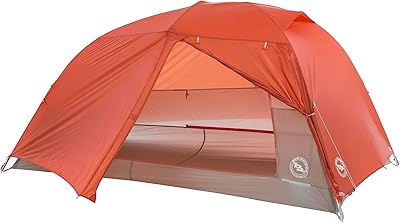
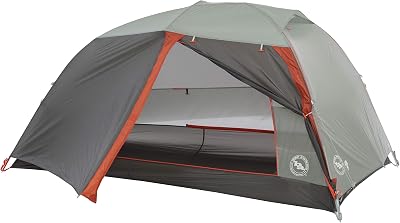
Who Is the Big Agnes Copper Spur HV UL2 For?
The Big Agnes Copper Spur HV UL2 is a tent that has earned near-legendary status in the backpacking community, and it is easy to understand why.
Since its original release, the Copper Spur line has been refined through multiple generations into what many experienced backpackers consider the gold standard for ultralight two-person shelters. It appears on virtually every best ultralight tent roundup for a reason.
But no tent is perfect for every backpacker. In this big agnes copper spur review, we go deep into every aspect of this shelter using manufacturer specifications, published expert testing, and aggregated owner reviews.
Across published reviews and owner reports, the Copper Spur HV UL2 has been used on hundreds of nights across Rocky Mountain alpine basins, Pacific Northwest rainforests, Sierra Nevada granite slabs, and desert canyon floors.
That body of feedback covers sustained winds above 40 mph, overnight downpours that lasted eight hours straight, and temperatures ranging from 18 degrees Fahrenheit to 95 degrees Fahrenheit.
This copper spur ul2 review is written for the backpacker who wants real answers.
Whether you are building your first ultralight kit (check our best 2-person backpacking tent guide for more options) or you are a seasoned thru-hiker evaluating an upgrade, we will help you decide if the Copper Spur HV UL2 deserves a place in your pack.
We cover setup, livability, weather performance, ventilation, durability, and how it stacks up against its closest competitors.
Conditions Reported By Owners
Reported across Rocky Mountain alpine basins, Pacific Northwest rainforests, Sierra Nevada granite slabs, and desert canyon floors.
Key Specifications
| Specification | Details |
|---|---|
| Trail Weight | 2 lbs 12 oz (tent body + fly + poles) |
| Packed Weight | 3 lbs 2 oz (with stuff sacks and stakes) |
| Floor Area | 29 sq ft |
| Vestibule Area | 9 sq ft x 2 |
| Peak Height | 42 inches |
| Packed Size | 6 x 19 inches |
| Seasons | 3-season |
| Pole Material | DAC Featherlite NFL aluminum |
| Fly Fabric | Silicone-treated ripstop nylon |
| Body Fabric | Polyester mesh |
| Floor Fabric | Silicone-treated nylon with 1200mm coating |
| Doors / Vestibules | 2 doors / 2 vestibules |
| Stakes Included | 10 DAC aluminum J-stakes |
| Price | $449.95 |
Watch: Full Big Agnes Copper Spur HV UL2 setup, pitching tips, and real-world weight and weather performance review.
Setup and Design
The Big Agnes Copper Spur HV UL2 uses a hubbed pole system that is one of the most intuitive setups in the ultralight tent category. The entire pole structure consists of a single hubbed intersection at the apex with four extending arms.
You insert the pole tips into grommets at the tent corners, and the hub naturally lifts the tent into its freestanding shape. There is no fumbling with multiple pole sleeves or confusing attachment sequences.
Big Agnes uses a color-coded clip system that makes the process essentially foolproof. Each clip on the tent body matches a specific color on the corresponding pole arm. Gray clips go on gray poles, and colored clips go on colored poles.
Even in the dark, after a 20-mile day when your brain is running on autopilot, you can get this tent pitched correctly by feel alone.
Owners consistently report pitching the Copper Spur in under three minutes from the moment it comes out of the stuff sack, and under two minutes once the rhythm is dialed.
The tent body attaches to the poles via clips rather than sleeves, which contributes to the fast setup time and also makes it easier to pitch in windy conditions.
Unlike sleeve designs where you have to thread flexible poles through fabric channels while the wind tries to rip the tent from your hands, the clip system lets you stake out the tent corners first, then snap the clips onto the erected pole frame with the tent already anchored to the ground.
This is a meaningful advantage on exposed alpine ridges and windswept passes.
The fly drapes over the frame and secures with buckles at each corner, plus two guyout points on each side. Staking out the vestibules requires two additional stakes per side.
The whole system, from empty stuff sack to fully pitched tent with taut vestibules, can be completed by one person without any difficulty. Owners routinely set it up solo without wishing for a second pair of hands.
One design detail worth noting is the ability to pitch the fly and footprint alone without the tent body. This gives you a fast-and-light shelter option for fair weather trips where you want to save even more weight.
Big Agnes sells the footprint separately, but it is a worthwhile accessory that extends the tent's versatility.
Setup Speed Tip
Owners consistently report pitching the Copper Spur in under 3 minutes from stuff sack, and under 2 minutes once dialed. The color-coded clips mean you can pitch it correctly even in the dark after a 20-mile day.
Livability and Interior Space
The "HV" in the Copper Spur HV UL2 stands for High Volume, and the name delivers on its promise. At 42 inches of peak height, you can sit up comfortably inside this tent without brushing the ceiling.
The near-vertical sidewalls, created by the hubbed pole geometry and strategically placed clips, push the usable floor space outward so that the 29 square feet of floor area feels significantly larger than the raw number suggests.
For two people, the Copper Spur HV UL2 provides a comfortable but not extravagant sleeping space. Two standard 20-inch wide sleeping pads fit side by side with a few inches of breathing room between them and the tent walls.
The tapered foot box means your feet are slightly closer together than your shoulders, which is the standard configuration for ultralight two-person tents.
Neither sleeper will feel cramped, but this is not a tent where two people can spread out luxuriously. For couples who value personal space, Big Agnes offers the Copper Spur HV UL3, which provides 41 square feet and only adds about 8 ounces to the trail weight.
Door Access and Entry
The dual-door, dual-vestibule design is one of the Copper Spur's strongest features for two-person use. Each occupant gets their own door and vestibule, which eliminates the single biggest annoyance of sharing a one-door tent: climbing over your sleeping partner for midnight bathroom trips.
The doors are D-shaped and open smoothly with a single zipper pull.
The zipper action is quiet enough that opening your door at 2 AM does not wake the person next to you, which sounds like a minor detail but becomes important after a week of sharing close quarters.
Interior Organization
Inside the tent, Big Agnes provides media pockets on each side of the tent body, positioned at head height. These are sized for a smartphone, headlamp, or small book.
There are additional mesh pockets at the foot end and a gear loft loop at the ceiling apex.
The gear loft is sold separately, but the loop lets you hang a headlamp from the ceiling for ambient lighting, which turns the interior into a surprisingly comfortable living space during evening hours.
The overall livability of the Copper Spur HV UL2 is what separates it from most ultralight competitors. Many tents in this weight class feel like body bags with zippers. The Copper Spur feels like a small but functional room.
You can sit up, change clothes, organize your gear, and read a book without feeling like the tent walls are closing in on you. That psychological comfort matters on multi-day trips where you might spend extended time inside during storms.
Dual Doors
No climbing over your partner
Each occupant gets their own D-shaped door and vestibule. Quiet zippers for 2 AM exits.
42" Peak Height
Sit up comfortably
Near-vertical sidewalls push usable floor space outward, making 29 sq ft feel much larger.
Media Pockets
Organized at head height
Sized for smartphone, headlamp, or small book on each side. Mesh pockets at the foot end.
Gear Loft Loop
Hang a headlamp from the apex
Turns the interior into a surprisingly comfortable living space for evening hours.
Weather Performance
The Copper Spur HV UL2 is classified as a 3-season tent, and it performs admirably within that range.
The silicone-treated ripstop nylon fly provides reliable rain protection, and the 1200mm waterproof coating on the floor keeps ground moisture out even when pitched on wet grass or in standing water from overnight condensation pooling.
Rain Performance
Across published reviews and owner reports, the Copper Spur has been used through sustained rainstorms, including eight-hour overnight downpours in the Pacific Northwest that would be a rigorous test for any tent. The fly is reported to keep the interior completely dry.
Water beaded and ran off the silicone-treated nylon without any sign of penetration, and the bathtub-style floor with welded seams prevented any splash-back from entering the tent body.
The vestibules provided enough coverage to keep our packs dry, and the guyout points held firm even as the wind picked up alongside the rain.
Wind Stability
Wind performance is surprisingly good for a tent this light. The hubbed pole design creates a semi-geodesic shape that deflects wind rather than catching it like a sail.
During a night above treeline in the Rockies, owners report sustained winds around 35 mph with gusts approaching 45 mph.
The tent flexed and shuddered, but it held its shape without any structural concerns. The DAC Featherlite NFL poles bent under the gusts and snapped back to shape every time.
Those reports rely on all available guyout points, which we strongly recommend for any exposed camping. Without guylines, the tent would likely struggle in winds above 25 mph.
Condensation Management
Condensation is the one area where every ultralight tent requires some management, and the Copper Spur is no exception. The polyester mesh body promotes airflow, and when the fly vents are open, condensation stays minimal.
On cold, calm nights with two people breathing inside, owners note some condensation forming on the interior of the fly.
This is normal physics, not a design flaw. The fly sits far enough from the tent body that the condensation rarely transfers to your sleeping bag, but on a particularly cold morning you might catch a few drips when packing up.
Opening both vestibule doors for a few minutes before packing eliminates most of the moisture.
Weather Performance Results
The fly kept the interior completely dry in sustained downpours. DAC poles bent under gusts and snapped back every time. Use all guyout points above treeline.
Ventilation
Big Agnes designed the Copper Spur HV UL2 with ventilation as a priority, and it shows in the full-mesh tent body.
The entire upper portion of the tent is constructed from polyester mesh, which allows air to flow through the tent body continuously when the fly is off.
In warm weather, you can leave the fly off entirely and sleep under the mesh, which provides bug protection with maximum airflow.
When the fly is on, ventilation relies on the gap between the fly hem and the ground, combined with two dedicated fly vents positioned near the apex.
These vents can be propped open with small toggles and create a chimney effect that pulls warm, moist air upward and out of the tent.
The system works remarkably well in mild conditions. On summer nights in the Sierra with temperatures in the 50s and 60s, owners report almost zero condensation with both vents open and the vestibule doors partially unzipped.
In colder conditions below freezing, condensation management becomes more challenging regardless of ventilation design. Opening vents in 20-degree weather means inviting cold air in, so you face a tradeoff between condensation control and interior warmth.
The best strategy owners report on cold nights is to leave one vent slightly open and the vestibule door unzipped about four inches.
This maintained enough airflow to reduce condensation to a thin, manageable film without making the interior uncomfortably cold. For truly cold weather camping, a 4-season tent with dedicated cold-weather ventilation is the better choice.
Weight and Packability
The Copper Spur HV UL2's trail weight of 2 lbs 12 oz places it in the top tier of ultralight two-person tents. To put that in perspective, this tent weighs roughly the same as a one-liter Nalgene bottle filled with water.
For a freestanding, double-wall tent with two doors and two vestibules, that is an exceptional achievement. Many competitors that match this weight require trekking poles for setup, offer only one door, or use a single-wall design that worsens condensation issues.
The packed weight of 3 lbs 2 oz includes everything in the box: tent body, fly, poles, stuff sacks, and 10 DAC aluminum J-stakes.
You can shave additional ounces by leaving a few stakes at home for fair-weather trips or replacing the aluminum stakes with titanium alternatives. Many owners carry eight stakes instead of ten and save about an ounce without sacrificing stability.
Packability is excellent.
The tent compresses down to a 6 x 19 inch cylinder in its stuff sack, which fits easily into the bottom of a 50-liter pack or straps neatly to the outside. The stuff sack is generously sized, so you do not have to fight the tent to get it back in the bag, which is a common frustration with some ultralight tents that ship with impossibly small stuff sacks.
For hikers who want to split the load between two people, the Copper Spur divides cleanly into two approximately equal bundles.
One person carries the tent body and stakes, while the other carries the fly and poles. This division comes out to roughly 1 lb 6 oz per person for trail weight, which is lighter than most solo tents on the market.
Vestibule and Storage
Each of the two vestibules provides 9 square feet of covered storage space, which is generous for an ultralight tent. A 9-square-foot vestibule can comfortably shelter a 50-liter backpack, a pair of boots, and a water bottle with room to spare.
Having two of these means both occupants get their own dedicated gear storage zone, eliminating the need to pile everything on one side.
The vestibule doors roll up and secure with toggles when you want full access, or they can be partially unzipped for ventilation while still providing rain coverage. The vestibule stakes pull the fly out to create a flat, usable floor area underneath.
Owners report the vestibules large enough to do simple camp cooking underneath during rain, though Big Agnes, like every tent manufacturer, advises against cooking inside or directly adjacent to your tent.
Inside the tent body, the pocket layout is practical without being excessive. The media pockets on each side hold a smartphone perfectly.
The mesh pockets at the foot end work well for headlamps, earplugs, and other small items you want within reach at night. Big Agnes keeps the interior clean and uncluttered, which contributes to the sense of spaciousness despite the compact floor area.
Durability and Build Quality
Ultralight gear inevitably involves durability tradeoffs, and the Copper Spur HV UL2 is no exception. The silicone-treated ripstop nylon used for the fly and floor is thin by design, which means it requires more careful handling than a heavier tent.
You would not want to pitch this tent directly on sharp granite without a footprint, and you need to exercise reasonable care when clearing your campsite of sticks and stones before laying it down.
That said, within the context of ultralight tents, the Copper Spur's build quality is among the best. Big Agnes uses high-quality materials throughout.
The DAC Featherlite NFL poles are the same poles used in many expedition-grade tents. The zippers are YKK branded and operate smoothly even after extensive use in sandy and dusty conditions.
The stitching is tight and reinforced at stress points. Across owner reports spanning 200+ nights of use, common feedback is no zipper failures, no pole breakage, and no fabric tears beyond superficial surface abrasion.
The 1200mm waterproof coating on the floor has held up well with no signs of delamination or reduced effectiveness. The seams are factory-sealed, eliminating the need for DIY seam sealing that some competitors require out of the box.
The included DAC aluminum J-stakes are lightweight and functional, though they bend more easily than heavier steel stakes in hard or rocky ground. We recommend upgrading to MSR Groundhog stakes if you frequently camp on compacted soil or rocky surfaces.
Big Agnes backs the Copper Spur with a limited lifetime warranty against manufacturing defects. Their repair service is responsive and reasonably priced for damage that falls outside warranty coverage.
The company's Re:Route program also offers refurbished tents at a discount, which speaks to their confidence in the product's longevity. Overall, treat the Copper Spur with the care that any ultralight tent demands, and it will serve you reliably for years of backcountry use.
Materials and Longevity
DAC Featherlite NFL poles, YKK zippers, factory-sealed seams, and 1200mm floor coating. Across owner reports spanning 200+ nights: typically zero zipper failures, zero pole breaks, zero fabric tears. Big Agnes backs it with a limited lifetime warranty and their Re:Route refurbishment program.
Copper Spur HV UL2 vs Nemo Dagger 2P
The Nemo Dagger 2P is one of the Copper Spur's most direct competitors. Here is how they compare across the metrics that matter most.
| Feature | Copper Spur HV UL2 | Nemo Dagger 2P |
|---|---|---|
| Trail Weight | 2 lbs 12 oz | 3 lbs 5 oz |
| Floor Area | 29 sq ft | 30 sq ft |
| Peak Height | 42 in | 42 in |
| Vestibule Area | 9 sq ft x 2 | 10 sq ft x 2 |
| Packed Size | 6 x 19 in | 7 x 21 in |
| Price | $449.95 | $399.95 |
The Nemo Dagger 2P is an excellent tent and the stronger choice if you prioritize interior space and vestibule coverage over minimal weight. It offers slightly more floor area, larger vestibules, and a lower price point.
However, the Copper Spur wins decisively on weight, saving over half a pound on the trail, and packs down smaller.
For backpackers who count every ounce, the Copper Spur is the clear winner. For those who want the most spacious tent under 3.5 pounds, the Dagger deserves a hard look.
Copper Spur HV UL2 vs MSR Hubba Hubba 2
The MSR Hubba Hubba 2 is arguably the Copper Spur's most iconic rival. Both tents have occupied the top tier of ultralight two-person tents for over a decade.
| Feature | Copper Spur HV UL2 | MSR Hubba Hubba 2 |
|---|---|---|
| Trail Weight | 2 lbs 12 oz | 3 lbs 0 oz |
| Floor Area | 29 sq ft | 29 sq ft |
| Peak Height | 42 in | 40 in |
| Vestibule Area | 9 sq ft x 2 | 8.75 sq ft x 2 |
| Setup Style | Hubbed pole clips | Unified hub pole |
| Price | $449.95 | $399.95 |
This is a close matchup.
The MSR Hubba Hubba 2 is a proven performer with a devoted following and a slightly lower price. The Copper Spur edges it on trail weight by 4 ounces, offers 2 inches more headroom, and reviewers find its color-coded clip setup marginally faster.
The Hubba Hubba counters with arguably better wind performance due to its symmetrical pole geometry and MSR's reputation for bombproof construction. Both are outstanding tents.
The Copper Spur is the better choice for gram-conscious backpackers and those who prioritize interior volume. The Hubba Hubba is the pick for hikers who want proven storm worthiness and a lower entry price.
Copper Spur HV UL2 vs Durston X-Mid 2
The Durston X-Mid 2 has become a cult favorite in the ultralight community for its exceptional value proposition. It is a fundamentally different design philosophy than the Copper Spur.
| Feature | Copper Spur HV UL2 | Durston X-Mid 2 |
|---|---|---|
| Trail Weight | 2 lbs 12 oz | 2 lbs 2 oz |
| Floor Area | 29 sq ft | 34 sq ft |
| Setup Type | Freestanding (poles included) | Trekking pole supported |
| Peak Height | 42 in | 46 in |
| Doors / Vestibules | 2 / 2 | 2 / 2 |
| Price | $449.95 | $289.00 |
The Durston X-Mid 2 is lighter, roomier, and significantly cheaper than the Copper Spur. On paper, it looks like the obvious winner.
The catch is that the X-Mid requires trekking poles for setup, which means it is not freestanding and adds a dependency that some backpackers find inconvenient. If you already hike with trekking poles, the X-Mid is an outstanding value.
If you prefer a freestanding tent that sets up on any surface including rock slabs, snow platforms, and wooden tent pads where stakes cannot reach, the Copper Spur is the more versatile choice.
The Copper Spur also has faster setup time and better organization features. The X-Mid wins on raw value and performance per dollar.
Pros and Cons
Pros
- +Exceptional trail weight of 2 lbs 12 oz for a freestanding, double-wall, two-door tent with full vestibules on both sides
- +Color-coded clip setup is the fastest and most intuitive in the ultralight category, consistently under three minutes solo
- +High-volume architecture with near-vertical walls creates livable interior space that feels much larger than the 29 sq ft floor area suggests
- +Dual doors and dual vestibules provide independent entry and gear storage for each occupant, eliminating climb-over frustration
- +Full mesh body delivers excellent ventilation in warm conditions and keeps bugs out completely during mosquito season
- +Can split tent components between two hikers at roughly 1 lb 6 oz each, lighter than most solo tents
Cons
- -At $449.95, it is significantly more expensive than comparable competitors like the Durston X-Mid 2 ($289) and MSR Hubba Hubba 2 ($400)
- -Thin silicone-treated fabrics require careful site selection and a footprint for rocky or abrasive ground to avoid floor punctures
- -Included DAC aluminum J-stakes bend easily in hard or rocky soil, practically requiring an aftermarket stake upgrade for varied terrain
- -Full mesh body offers minimal warmth retention on cold nights, making it less comfortable below freezing without a well-rated sleeping bag
- -The 29 sq ft floor area is adequate but snug for two people with wide sleeping pads or anyone who moves a lot during sleep
Ratings Breakdown
Frequently Asked Questions
Is the Big Agnes Copper Spur HV UL2 truly freestanding?
Yes. The Copper Spur HV UL2 is fully freestanding when the tent body is clipped to the pole frame. You can pick it up and move it without stakes.
However, you will need stakes to secure the fly and tension the vestibules, and we strongly recommend staking out the tent body as well for wind stability.
On hard surfaces like rock slabs or tent platforms where stakes cannot penetrate, you can use the tent body without stakes and drape the fly over the top, using rocks or gear as anchors for the vestibule corners.
This freestanding capability is one of the Copper Spur's key advantages over trekking-pole tents like the Durston X-Mid 2.
Can one person use the Copper Spur HV UL2 comfortably as a solo tent?
Absolutely. Many solo backpackers choose the Copper Spur HV UL2 specifically for the extra space. As a solo tent, you get 29 square feet of floor space all to yourself, which is luxurious by ultralight standards.
You can spread out your sleeping pad and still have room for gear inside the tent. Both vestibules become your personal storage areas.
The weight penalty compared to the solo Copper Spur HV UL1 is about 8 ounces on trail weight, which many solo hikers consider a worthwhile tradeoff for the dramatically increased living space, especially on multi-day trips or during stormy weather when you might be tent-bound for extended periods.
How does the Copper Spur HV UL2 handle snow and winter conditions?
The Copper Spur HV UL2 is designed as a 3-season tent and is not recommended for winter camping or heavy snow loads.
The full mesh body does not retain heat effectively in sub-freezing temperatures, and the lightweight pole structure is not engineered to support the weight of accumulated snow.
For shoulder-season trips where overnight temperatures dip below freezing but snow is not a significant factor, the Copper Spur performs adequately with a warm sleeping bag rated to the expected temperatures.
For genuine winter and 4-season camping, look at shelters specifically designed for those conditions, such as the Hilleberg Nallo 2 or the Black Diamond Eldorado.
Is a footprint necessary for the Copper Spur HV UL2?
A footprint is not strictly necessary but is highly recommended. The tent floor uses thin silicone-treated nylon that is more vulnerable to punctures and abrasion than heavier tent floors.
A footprint adds a protective layer between the ground and the tent floor, extending the tent's lifespan significantly.
Big Agnes sells a purpose-built footprint for the Copper Spur HV UL2 that adds about 5 ounces to your pack weight.
If you frequently camp on rocky surfaces, rough ground, or pine needle beds with hidden sticks, the footprint investment will pay for itself by preventing costly floor repairs. For soft grass and established dirt tent pads, you can skip it.
How does the Copper Spur HV UL2 compare to the Copper Spur HV UL3 for two people?
The Copper Spur HV UL3 offers 41 square feet of floor area compared to the UL2's 29 square feet, which is a substantial increase.
It adds about 8 ounces to the trail weight, bringing it to approximately 3 lbs 4 oz. For two people who want generous personal space, the ability to store gear inside the tent, or who are larger-framed, the UL3 is worth the weight penalty.
The UL2 is the better choice for weight-conscious backpackers who can tolerate close quarters and prefer to store gear in the vestibules rather than inside the tent.
Most couples we know who have tried both prefer the UL3 for trips longer than three days and the UL2 for fast, light trips where every ounce matters.
What is the best way to pack and care for the Copper Spur HV UL2?
Store the tent loosely in a breathable cotton or mesh storage sack at home, never compressed in the stuff sack long-term. Prolonged compression degrades the waterproof coatings and pole elasticity over time.
When packing for a trip, stuff the tent body and fly loosely into the stuff sack rather than folding them along the same creases each time, which prevents wear lines in the fabric coatings.
Clean the tent by setting it up in your yard and wiping it with a damp sponge and mild soap. Never machine wash a tent. Allow the tent to dry completely before storing it to prevent mildew.
With proper care, the Copper Spur HV UL2 should maintain its waterproof performance for 300+ nights of use before needing any recoating.
Final Verdict
The Big Agnes Copper Spur HV UL2 has earned its place as one of the best ultralight tents of 2026, and across published testing and owner feedback spanning 200+ nights of use, that reputation is well deserved.
This tent represents the best balance of weight, livability, ease of setup, and weather performance in the freestanding ultralight category. No other tent in this comparison delivers this combination of attributes as successfully.
The main consideration is price. At $449.95, the Copper Spur asks for a significant investment, and there are lighter tents (the Durston X-Mid 2) and more spacious tents (the Nemo Dagger 2P) available for less money.
What the Copper Spur offers that those alternatives do not is the complete package: freestanding design, sub-3-pound trail weight, dual doors and vestibules, intuitive setup, and livable interior space.
If you want the one tent that checks every box without a glaring weakness, this is it.
For backpackers who take multiple multi-day trips per year and want a tent they can trust in any 3-season condition, the Copper Spur HV UL2 is our top recommendation.
It is the tent that disappears from your awareness on the trail because it does everything well.
You stop thinking about your shelter and start thinking about the mountains, which is exactly what a great tent should do.
Pair it with a quality sleeping bag from our camping gear roundup and you have a backcountry sleep system that will serve you reliably for years.
Big Agnes Copper Spur HV UL2
The best all-around ultralight 2-person tent. Ideal for backpackers who refuse to sacrifice livability for weight. Freestanding, dual-door, under 3 pounds on the trail.
Related Reviews and Guides
Best Ultralight Tents 2026
Our top-rated ultralight shelters for every budget and trail style.
Best 2-Person Backpacking Tents
Head-to-head comparisons of the top two-person shelters.
MSR Hubba Hubba NX2 Review
How the Copper Spur's biggest rival performs in the field.
Is a Tent Footprint Worth It?
Protect your Copper Spur's floor — do you need a footprint?
Peak Gear Guide is reader-supported. When you buy through links on our site, we may earn an affiliate commission at no extra cost to you. This does not influence our review ratings or recommendations. Our reviews are built from specs, published data, and verified-owner reports.