Quick Answer

For most narrow feet, the Salomon X Ultra 5 Mid GORE-TEX ($185) is the best pick: a trim, precision last that RunRepeat's user poll says runs slightly small, with a midfoot wrap that cinches down around slim feet. If your heel lifts in every standard boot, the LOWA Renegade GTX Mid($255) is the only boot here sold in a dedicated factory Narrow width, in men's and women's. Full ranked list for 2026:

  1. Salomon X Ultra 5 Mid GTX . Best overall (trim last, runs slightly small)
  2. LOWA Renegade GTX Mid Narrow . Only true factory Narrow width (men's & women's)
  3. Asolo Fugitive GTX . Narrowest lab-measured last, locked heel
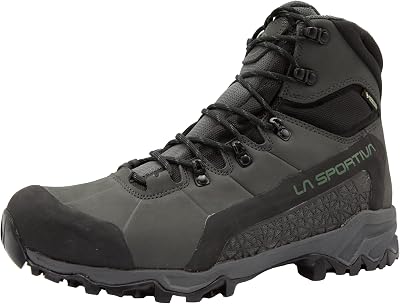
  4. La Sportiva Nucleo High II GTX . Narrow forefoot, most breathable waterproofing
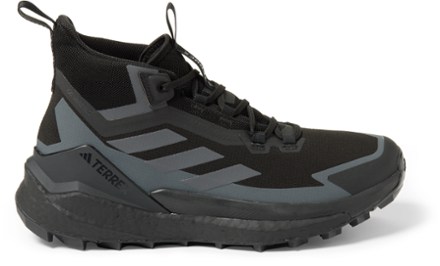
  5. adidas Terrex Free Hiker 2 . Best for narrow heels with average forefeet

What We Verified for 2026

  • Salomon's X Ultra 5 replaced the X Ultra 4. The current X Ultra 5 Mid GTX is the version to buy: RunRepeat's lab (updated June 2026) measured its toe box a millimeter under the category average at the ball of the foot, with a user poll reporting it runs slightly small — the trim profile narrow feet want. $185, men's and women's.
  • LOWA still sells the Renegade GTX Mid in a true Narrow. We confirmed Narrow (S) fittings for both men and women at retailers including CampSaver and Lockwoods in July 2026. Note that LOWA now sells the newer Renegade EVO GTX Mid alongside the classic — the Narrow fitting covered here is on the classic Renegade GTX Mid.
  • Asolo's Fugitive GTX remains current, with fresh lab data. RunRepeat's cut-in-half review (updated April 2026) measured the narrowest big-toe zone in this guide at 66.9 mm and a maximum 5/5 heel-counter stiffness score. The women's version is sold as the Stynger GTX at REI.
  • La Sportiva raised the Nucleo High II GTX to $259. The boot is current on La Sportiva's site and at REI in men's and women's as of July 2026, and the brand's separate Wide version confirms the regular fit runs narrow.
  • adidas continues the Terrex Free Hiker 2 line. The knit version lab-tested by RunRepeat lists at $200; GORE-TEX versions are sold separately on adidas.com and at REI, in men's and women's.

Why Narrow Feet Need Specific Hiking Boots

Narrow feet get the opposite problem from wide feet, and arguably the worse deal. The industry builds boots around a standard D-width men's last and B-width women's last, and when a slim foot goes into that average-shaped boot, the extra interior volume does not just feel sloppy: it works against you with every step. The heel lifts on climbs, which grinds blisters into the back of the foot; the foot slides forward on descents, which is how hikers bruise toes and lose toenails; and on off-camber terrain the whole foot shears sideways inside the boot, taking your balance with it. Wide-footed hikers can at least buy the 2E and 4E fittings most major brands now offer. For narrow feet, factory narrow fittings are genuinely rare, so getting the fit right means knowing which brands build trim lasts in their standard widths, and which one still sells a true Narrow.

For our 2026 narrow-fit guide, our research drew on manufacturer size and width charts (verified July 2026), published independent lab measurements — principally RunRepeat's cut-in-half toe-box, midsole, and heel-stiffness data for the Salomon X Ultra 5, LOWA Renegade, Asolo Fugitive, and adidas Free Hiker 2 — and aggregated feedback from verified owners who describe their feet as narrow or low-volume. Each pick is assessed on the things that decide fit for a slim foot: how narrow the last actually measures, whether an official Narrow width exists, how the heel is held, and whether a women's version is sold. This is not a general roundup with a narrow footnote; every boot here earned its slot for a specific narrow-foot reason. For standard-width picks, see our main guide to the best hiking boots of 2026, and if your feet run the other direction entirely, this page has a mirror: the best hiking boots for wide feet.

One more thing worth saying up front: most narrow-footed hikers do not need a specialty width at all. A trim European last from Salomon, La Sportiva, or Asolo, plus the heel-lock lacing technique covered in the fit-fixes section below, solves the problem for the majority. The dedicated Narrow fittings, and the boots built narrow enough to act like them, are for the feet those fixes cannot rescue. Both paths are covered below.

Quick Comparison Table

BootCategoryPriceWeightWidthsWaterproofingFit CharacterBuy
Salomon X Ultra 5 Mid GORE-TEXBest Overall for Narrow Feet$18515.4 oz per shoeRegular, Wide (men's); Regular (women's)GORE-TEXTrim and precise; runs slightly smallCheck Price
LOWA Renegade GTX Mid (Narrow)Only True Narrow Width$25519.5 oz per shoeNarrow (S), Regular, Wide — men's and women'sGORE-TEXTapered toe; dedicated Narrow lastCheck Price
Asolo Fugitive GTXNarrowest Fit (Lab-Verified)$30024.8 oz per shoeRegular (narrow-running); Wide (men's)GORE-TEX Performance ComfortVery narrow throughout; locked heelCheck Price
La Sportiva Nucleo High II GTXBest Breathable Narrow Fit$25916.8 oz per shoeRegular (narrow-running); Wide sold separatelyePE GORE-TEX SurroundNarrow, especially in the forefootCheck Price
adidas Terrex Free Hiker 2Best for Narrow Heels$20015 oz per shoeSingle width, men's and women'sNone (GORE-TEX version sold separately)Snug heel and collar; roomier forefootCheck Price

Narrow-Fit Details by Boot

Most "best hiking boots" roundups say a boot "runs narrow" and move on. The table below is the part they leave out: how each last actually fits a slim foot, whether an official Narrow width is manufactured at all, whether a women's version exists, and what holds the heel down. Fit data is drawn from RunRepeat's lab measurements and each manufacturer's size and width information, matched against retailer listings and verified July 2026.

BootLast / fit characterOfficial Narrow width?Women's version?Heel securityWeight / shoe
Salomon X Ultra 5 Mid GTXTrim, precise; 93.0 mm at the ball vs 94.0 mm average, runs slightly small (RunRepeat)No (Regular; men's Wide exists)Yes (regular width)SensiFit midfoot wrap + Advanced Chassis~15.4 oz
LOWA Renegade GTX MidTapered toe; 68.8 mm big-toe zone vs 71.6 mm average (RunRepeat)Yes — Narrow (S), the only one hereYes, including women's NarrowNarrow last itself + hook lacing at the ankle~19.5 oz
Asolo Fugitive GTXVery narrow throughout; 66.9 mm big-toe zone, ~5 mm under average (RunRepeat)Regular IS narrow (a Wide exists for men)Yes — sold as the Stynger GTXStiffest heel counter here (5/5, RunRepeat)~24.8 oz
La Sportiva Nucleo High II GTXTempo last; narrow, especially in the forefoot (reviewer consensus)Regular runs narrow (separate Wide sold)Yes (at REI)Trim heel cup typical of La Sportiva lasts~16.8 oz
adidas Terrex Free Hiker 2Snug heel and collar, roomier forefoot (97.9 mm at widest, RunRepeat)No width options at allYesSock-like gusseted collar hugs the heel~15 oz

Lab widths are RunRepeat cut-in-half measurements of men's samples; the hiking-boot category averages RunRepeat reports are 71.6 mm at the big toe and 94.0 mm at the widest point. LOWA labels its narrow fitting "S". Availability of specific width and size combinations varies by colorway and retailer, so always confirm the fitting on the listing before ordering. Women's versions of narrow-running boots are typically trimmer still, since women's standard width is B versus men's D — see our women's hiking boots guide.

Detailed Narrow-Fit Boot Reviews

#1Best Overall for Narrow Feet

Salomon X Ultra 5 Mid GORE-TEX

Weight

15.4 oz per shoe

Waterproofing

GORE-TEX

Widths

Regular, Wide (men's); Regular (women's)

Fit Character

Trim and precise; runs slightly small

Upper

Synthetic mesh with TPU overlays

Midsole

Single-density EVA (firm), Advanced Chassis

Outsole

Contagrip

Price

$185

The Salomon X Ultra 5 Mid GORE-TEX is the boot narrow-footed hikers most often land on, and the lab data explains why. RunRepeat cut the X Ultra 5 in half and measured the widest part of the toe box at 93.0 mm, a millimeter under the 94.0 mm category average, with the big-toe zone at 71.2 mm, and its user poll reports the boot running slightly small. That is the profile of a trim, precision-fit last rather than a dramatically skinny one: snug through the midfoot and instep, close over the toes, with none of the dead air that lets a narrow foot slide. Salomon's SensiFit construction wraps the midfoot from the sole up into the lacing, so cinching the laces actually narrows the interior around a slim foot instead of just squeezing the tongue.

Underfoot, the X Ultra 5 pairs a notably firm single-density midsole, measured at 54.7 on RunRepeat's durometer, about 16 percent firmer than the outdoor-boot average, with the Advanced Chassis, a TPU brace between foot and outsole that RunRepeat measured at 22.8 Nm of torsional rigidity. For narrow feet that combination matters more than it does for most hikers: a foot that fits close to the platform, held by a stiff chassis, does not roll or shear sideways on off-camber terrain the way it can in a roomier, softer boot. Owner reports consistently describe the boot as planted and precise on technical ground, from switchback descents to loose scree.

GORE-TEX waterproofing is standard, and at roughly 15.4 ounces per shoe in a men's 9 (RunRepeat lab weight; the women's version is lighter at about 13.8 ounces), it is among the lightest waterproof mids in its class. The women's X Ultra 5 Mid GTX is sold in the regular fitting only, which for this page is the useful direction: Salomon's women's last is already trim, and it is the men's side that adds an optional Wide. If your feet run wide rather than narrow, that Wide version is covered in our mirror guide to the best hiking boots for wide feet.

The limitations are the flip side of the strengths. The firm ride is less forgiving than a cushioned trail shoe over a long day, the synthetic upper will not mold to your foot the way the leather boots below do, and there is no dedicated Narrow fitting, so hikers whose heels still lift after a surgeon's knot should look at the LOWA Renegade Narrow next. But as the default first try for a narrow foot, combining a trim last, lab-verified stability, GORE-TEX, and a fair $185 price at every major retailer, the X Ultra 5 Mid is the strongest overall pick among the best hiking boots for narrow feet in 2026.

Pros

  • +Trim, precise last; RunRepeat poll says it runs slightly small
  • +SensiFit midfoot wrap cinches down around slim feet
  • +Advanced Chassis stability (22.8 Nm torsional rigidity, RunRepeat)
  • +Light for a GORE-TEX mid (~15.4 oz per shoe, men's 9)
  • +Widely stocked in men's and women's versions

Cons

  • No dedicated Narrow fitting offered
  • Firm midsole (54.7 HA) is less forgiving on long, easy miles
  • Synthetic upper does not break in and mold like leather
  • Toe box is trim rather than truly narrow at the big toe

Best for: Narrow-footed hikers who want the default answer: a trim, stable, lightweight GORE-TEX mid that locks a slim foot down without needing a specialty width.

Check Price
#2Only True Narrow Width

LOWA Renegade GTX Mid (Narrow)

Weight

19.5 oz per shoe

Waterproofing

GORE-TEX

Widths

Narrow (S), Regular, Wide — men's and women's

Fit Character

Tapered toe; dedicated Narrow last

Upper

Nubuck leather

Midsole

Injected PU with MONOWRAP frame

Outsole

Vibram Evo

Price

$255

The LOWA Renegade GTX Mid is on this page for a reason no other boot here can match: it is sold in a genuine factory Narrow fitting, for both men and women. Wide fittings have become common, but a dedicated Narrow last from a major hiking brand is genuinely rare, and RunRepeat's review confirms the Renegade's unusual three-width ladder of Narrow, Normal, and Wide. Retailers including CampSaver, Travel Country, and Lockwoods list the Narrow versions in both genders, which we verified in July 2026. If your heel lifts in every standard boot no matter how you lace it, this is the pick that fixes the last itself instead of asking laces and insoles to compensate.

Even in the standard fitting, the Renegade leans narrow where it counts. RunRepeat's lab measured the big-toe zone at 68.8 mm against a 71.6 mm category average and noted that the toe box tapers quite significantly toward the front, while the ball-of-foot area stays closer to average at 95.8 mm. Practically, that means a secure forefoot and a toe box that follows a slimmer foot's outline; the Narrow (S) fitting then trims the volume through the heel and midfoot for feet that need the full correction. The nubuck leather upper also breaks in and conforms to your foot over time in a way the synthetic Salomon above never will.

The ride is classic Renegade, and it is the comfort counterpoint to the firm X Ultra 5: RunRepeat measured the injected PU midsole at 42.8 on the durometer, about 10 percent softer than average, supported by LOWA's MONOWRAP frame that cradles the foot low in the boot. A GORE-TEX liner handles wet trails, and the Vibram Evo outsole is a proven all-rounder on dirt, rock, and forest track. Brand-listed weight is about 19.5 ounces per shoe for the men's version and 15.4 ounces for the women's, so it is a mid-weight boot rather than a light one; RunRepeat's scale put a men's lab sample slightly heavier still.

At $255 list, the Renegade costs real money, and the Narrow fitting is stocked in fewer colorways than the standard boot, so sizes come and go by retailer. LOWA also now sells the newer Renegade EVO GTX Mid alongside the classic; the Narrow fitting discussed here is the long-running classic Renegade, so double-check the exact model name when ordering. Those caveats aside, for genuinely narrow feet, including narrow-heeled women, this is the most direct fit solution on the market in 2026, and the boot we recommend when trim standard lasts are still too roomy.

Pros

  • +Dedicated factory Narrow (S) fitting, men's and women's — rare
  • +Standard last already tapers toward the toe (68.8 mm big-toe zone, RunRepeat)
  • +Cushioned PU midsole, ~10% softer than average (RunRepeat)
  • +Nubuck leather upper molds to the foot over time
  • +GORE-TEX liner and proven Vibram Evo outsole

Cons

  • $255 list price, the second-most expensive pick here
  • Narrow fitting comes in limited colorways and stock varies by retailer
  • Mid-weight build (~19.5 oz per shoe, brand-listed)
  • Confusingly sold alongside the newer Renegade EVO — check the model name

Best for: Hikers whose heels lift in every standard boot: the only pick sold in a true factory Narrow width, in both men's and women's versions.

Check Price
#3Narrowest Fit (Lab-Verified)

Asolo Fugitive GTX

Weight

24.8 oz per shoe

Waterproofing

GORE-TEX Performance Comfort

Widths

Regular (narrow-running); Wide (men's)

Fit Character

Very narrow throughout; locked heel

Upper

Water-resistant suede and high-tenacity nylon

Midsole

PU with Duo Asoflex lasting board

Outsole

Asolo self-cleaning rubber

Price

$300

If the lab is the referee, the Asolo Fugitive GTX is the narrowest boot in this guide. RunRepeat's cut-in-half review, updated April 2026, measured the big-toe zone at 66.9 mm, nearly 5 mm under the 71.6 mm category average, and the widest part of the toe box at 91.9 mm versus a 94.0 mm average, describing it outright as a very narrow toe box that may prove too snug for broad feet. That is exactly the geometry a genuinely narrow foot needs: the upper sits close along the entire foot, so there is no spare volume for the foot to shift into on steep or sidehill terrain.

The heel is the other half of the story. RunRepeat scored the Fugitive's heel counter at the maximum 5 out of 5 for stiffness, and its torsional rigidity also earned a full 5 of 5, so the rear of the boot forms a rigid cup that a slim heel cannot escape from. Combined with a firm PU midsole (33.5 on RunRepeat's durometer against a 28.7 average) over Asolo's Duo Asoflex lasting board, the Fugitive behaves like a scaled-down mountaineering boot: stable under a loaded pack, indifferent to sharp talus, and built around precision rather than plushness.

Construction is old-school in the best sense: water-resistant suede with high-tenacity nylon panels, a GORE-TEX Performance Comfort liner, and Asolo's self-cleaning rubber outsole. Women get the same design as the Asolo Stynger GTX, which retailers including REI describe as the women's version of the Fugitive with the same upper, lining, lasting board, and sole on a women's last, a useful detail for narrow-heeled women, since women's Asolo lasts run trimmer still. The tradeoffs are equally old-school: at roughly 24.8 ounces per shoe on RunRepeat's scale, it is the heaviest pick in this guide, and the stiff build needs a real break-in period before long days feel natural.

At $300 list, the Fugitive GTX costs the most here, and it is overkill for groomed weekend trails. But for narrow-footed hikers carrying real loads, and for anyone who has cinched every lace and still swims in standard boots, the combination of the narrowest lab-measured last in this guide and a maximum-stiffness heel counter is the most secure fit money currently buys. Pair it with our break-in guide before the first big outing, and if the regular fit sounds too committed, note that Asolo sells a Wide version, which tells you how confident the brand is that the standard last runs narrow.

Pros

  • +Narrowest lab-measured toe box in this guide (66.9 mm big-toe zone, RunRepeat)
  • +Maximum heel-counter stiffness score (5/5, RunRepeat) locks slim heels
  • +Full 5/5 torsional rigidity for loaded, technical terrain
  • +Women's version sold as the Asolo Stynger GTX with the same build
  • +Durable suede, nylon, and GORE-TEX construction

Cons

  • Heaviest pick here at ~24.8 oz per shoe (RunRepeat lab)
  • $300 list price
  • Stiff PU midsole needs a genuine break-in period
  • Too snug for average or wide feet — this is a narrow-foot specialist

Best for: Genuinely narrow feet carrying heavier packs on rough terrain, where a locked heel and a close-fitting last matter more than weight or price.

Check Price
#4Best Breathable Narrow Fit

La Sportiva Nucleo High II GTX

Weight

16.8 oz per shoe

Waterproofing

ePE GORE-TEX Surround

Widths

Regular (narrow-running); Wide sold separately

Fit Character

Narrow, especially in the forefoot

Upper

Nubuck leather with Nano-Cell inserts

Midsole

Compression-molded EVA (Tempo last)

Outsole

Vibram Nano XS-Trek with Impact Brake System

Price

$259

La Sportiva's mountain-running and climbing heritage shows up in its lasts, and the Nucleo High II GTX is the brand's narrow-leaning fit applied to a leather hiking boot. Reviewers across SectionHiker, Switchback Travel, and other independent outlets consistently describe the fit the same way: narrow, especially through the forefoot, in line with La Sportiva's reputation, with a quick break-in for a leather boot. The boot is built on La Sportiva's Tempo last, and the brand sells a separate Wide version of the Nucleo, which is the clearest possible signal of how the regular fitting runs. For a slim foot, that translates to a close wrap from heel to toe without pressure points.

The headline technology is the lining. Instead of a standard bootie, the Nucleo High II uses ePE GORE-TEX Surround, a membrane system designed to vent moisture through the sides and underfoot as well as through the top, paired with Nano-Cell mesh inserts in the nubuck upper. For narrow-footed hikers this pick earns its place in warm weather: a snug-fitting boot has less internal airflow by definition, so a lining engineered to move vapor out matters more on a close last than on a roomy one. La Sportiva lists the men's boot at 16.8 ounces per shoe, light for a leather waterproof mid, and REI carries both men's and women's versions, with the boot holding an REI Editors' Choice Award.

Underfoot, a compression-molded EVA midsole with a stiffener rides over La Sportiva's Vibram Nano XS-Trek outsole with the Impact Brake System, angled lugs designed to brake on descents. The character is nimble rather than plush: closer to a beefed-up trail shoe than to the PU-cushioned Renegade above, and owners tend to describe it as agile on rocky, uneven ground where a narrow foot benefits from feeling the trail. The nubuck-and-mesh build is also noticeably sleeker than traditional full-leather mids, which slim-footed hikers tend to read as less boot to drag around.

The caveats: at $259 on La Sportiva's own site as of July 2026, it costs more than the Salomon, there is no dedicated Narrow fitting (the regular fit simply runs narrow), and the trim forefoot that suits this page will genuinely punish wider feet, which is what the separate Wide version exists for. If you run hot, hike shoulder-season and summer miles, and want a narrow-fitting leather boot that breathes better than its class, the Nucleo High II GTX is the pick, and the one boot here that splits the difference between the Salomon's precision and the Renegade's leather comfort.

Pros

  • +Narrow-running Tempo last, especially trim in the forefoot (reviewer consensus)
  • +ePE GORE-TEX Surround lining breathes better than standard booties
  • +Light for a leather waterproof mid (16.8 oz per shoe, brand-listed)
  • +Vibram Nano XS-Trek outsole with braking lugs for descents
  • +Men's and women's versions at REI; REI Editors' Choice Award

Cons

  • No dedicated Narrow fitting — the regular fit simply runs narrow
  • $259 list price on La Sportiva's site as of July 2026
  • EVA midsole is less cushioned than the Renegade's PU over long days
  • Too trim for average-to-wide forefeet (a separate Wide version exists)

Best for: Warm-weather and high-output hikers with narrow feet who want a close-fitting leather boot with the best breathability-to-waterproofing balance in this guide.

Check Price
#5Best for Narrow Heels

adidas Terrex Free Hiker 2

Weight

15 oz per shoe

Waterproofing

None (GORE-TEX version sold separately)

Widths

Single width, men's and women's

Fit Character

Snug heel and collar; roomier forefoot

Upper

Knit textile with sock-like gusseted collar

Midsole

Cushioned rocker (38.4 mm heel stack)

Outsole

Continental rubber

Price

$200

The adidas Terrex Free Hiker 2 is on this page for a specific and common foot shape: the narrow heel attached to an average forefoot. Honesty first, because the lab data cuts both ways. RunRepeat measured the big-toe zone at 71.4 mm, essentially the 71.6 mm category average, and the widest part of the toe box at 97.9 mm, which is roomier than average. This is not a narrow boot overall, and we will not pretend otherwise. What it has that almost nothing else here does is a knit, sock-like gusseted collar that RunRepeat describes as snug enough to take real effort to pull on, wrapping the heel and ankle in a way traditional tongues cannot.

That construction is the point. Heel slip in a conventional boot happens in the gap between a slim heel and a padded collar built for the average foot; the Free Hiker 2's stretchy collar closes that gap by conforming to whatever heel is inside it, with a finger loop on the heel to help you get past the snug opening. Owner feedback echoes the design intent, with narrow-heeled hikers reporting secure lockdown out of the box. If your problem is specifically heel lift, and your forefoot is average or you actively want toe room, this is the shape to try before you commit to a fully narrow last like the Asolo above.

The ride is the most modern in this guide: a tall cushioned rocker midsole that RunRepeat measured at 38.4 mm in the heel and 24.0 mm in the forefoot, over a Continental rubber outsole, at roughly 15 ounces per shoe for men and 14 for women. It hikes like a maximal trail shoe with ankle coverage, smooth on long dirt miles and kind to joints on descents, though the tall, soft platform gives up some of the planted feel the Salomon's chassis or the Asolo's stiff heel provide on genuinely technical, off-camber ground.

Two practical notes verified for 2026: the standard Free Hiker 2 lab-tested by RunRepeat is the non-waterproof knit version at $200 list, and adidas sells GORE-TEX versions of the Free Hiker line separately for wet climates, in both men's and women's ranges on adidas.com and at REI. There is no width ladder at all, one size profile per gender, so if your foot is narrow everywhere rather than just at the heel, the LOWA Renegade Narrow remains the better answer. As the heel-slip specialist and the most cushioned pick here, though, the Free Hiker 2 fills a slot no traditional boot on this page can.

Pros

  • +Sock-like gusseted collar conforms tightly to narrow heels
  • +Most cushioning in this guide (38.4 mm heel stack, RunRepeat)
  • +Light at ~15 oz per shoe (men's), 14 oz (women's)
  • +Continental rubber outsole grips well on wet and dry rock
  • +Roomy forefoot suits narrow-heel, average-forefoot feet

Cons

  • Forefoot is roomier than average — not for feet narrow everywhere
  • Lab-tested version is not waterproof (GORE-TEX versions sold separately)
  • Tall, soft platform feels less planted on technical terrain
  • No width options at all

Best for: Hikers with narrow heels but average forefeet who fight heel slip in traditional boots and prefer a cushioned, modern ride.

Check Price

How to Tell Your Feet Are Narrow (and the Fit Fixes That Work)

Before you hunt down a specialty width, confirm the problem and try the free fixes. Retailer fitting guidance from REI and the fit patterns reported by narrow-footed owners point to the same checklist:

1. Recognize the symptoms. The classic signs of a foot narrower than the boot: your heel lifts on every climb even when the laces are tight; your foot slides forward on descents and your toes hit the front; the two rows of lace eyelets nearly touch when you cinch the boot down; the sides of the boot wrinkle inward because there is no foot filling them; and you develop heel blisters rather than side-of-foot pressure. If you get side pressure and toe squeeze instead, you have the opposite problem — see our wide-feet guide.

2. Measure instead of guessing. Late in the day, stand on a sheet of paper with full weight on both feet, trace each outline, and measure straight across the widest part of the ball of the foot. Compare against the brand's published width chart. As a reference point from the men's size-10 charts most brands publish, a standard D forefoot measures roughly 96-100 mm; if your ball-of-foot width measures meaningfully under that band (or under ~86-90 mm for a women's B standard), your feet run narrow. Always fit to the larger foot for length and the narrower profile for width strategy.

3. Fix one: heel-lock lacing. REI's hiking-boot lacing guide recommends the surgeon's knot for exactly this problem: at the two pairs of lace hooks closest to where the top of your foot flexes forward, wrap the laces around each other twice, pull them tight, and run the lace straight up to the next hook so the tension locks in place. The related runner's loop (or "heel lock") uses the top eyelets to form loops that the opposite lace threads through before tying. Both anchor the ankle and instep so a slim heel cannot lift, while leaving the forefoot at normal tension. This one change resolves heel slip for a large share of narrow-footed hikers at zero cost.

4. Fix two: fill the volume. A narrow foot is usually also a low-volume foot, and volume can be added back. A thicker or structured aftermarket insole raises the foot in the boot so the lacing engages the instep properly, and a deeper heel cup centers a slim heel inside a standard heel counter — our hiking insoles guide covers options by volume and arch height. A midweight merino sock instead of a thin liner absorbs the remaining slack; see our sock material comparison for weights.

5. When the fixes are not enough, change the last. If the surgeon's knot, an insole, and a proper sock still leave your heel moving, no amount of tightening will shrink an average last around a narrow foot — you need a trimmer boot. That is the point of this guide's picks: trim standard lasts from Salomon, La Sportiva, and Asolo, and the LOWA Renegade's true factory Narrow when you need the last itself resized.

Width Sizing Guide: What the Narrow Letters Mean

US footwear widths run on a letter ladder where each step changes the forefoot measurement by roughly 3-6 mm at the ball of the foot. Wide steps (2E, 4E) get most of the industry's attention; the narrow direction runs the other way and is published far less often. Below is the reference ladder for hiking footwear, with the men's scale at a size 10 US. Note that most hiking brands never manufacture below standard width — which is why the trim-lasted brands in this guide matter, and why LOWA's Narrow (S) fitting is the exception worth knowing about.

FitMen's LetterWomen's LetterWho It Fits
Extra NarrowA / 2A2A (AA)Very slim, low-volume feet; almost never made in hiking footwear
NarrowB / CASlim feet, narrow heels; LOWA's "S" fitting sits here
StandardD (~96-100 mm)BAverage feet; what nearly every hiking boot is built to
Wide / Extra Wide2E / 4ED / 2ECovered in our wide-feet mirror guide

The practical takeaway: because true A/B narrow fittings barely exist in hiking boots, "narrow fit" shopping is really "trim last" shopping. A Salomon or La Sportiva standard width fits closer to the foot than a KEEN or Merrell standard width, even though all are labeled the same letter. That is why the lab measurements in the table above are more useful than the letter on the box.

Women's note: women's boots are already built one step narrower than men's as a convention (B standard versus D), with proportionally narrower heels. Narrow-footed women should start with the women's versions of the trim lasts here — all five picks have one — and escalate to the women's LOWA Renegade Narrow if needed. Our women's hiking boots guidecovers the broader women's market.

How to Choose Hiking Boots for Narrow Feet

Five criteria decide whether a boot will hold a slim foot securely. They are mostly the mirror image of wide-fit shopping: instead of hunting for room, you are hunting for contact.

1. Shop the Last, Not the Letter

Since almost nobody manufactures a narrow hiking width, the real decision is which brand's standard last matches your foot. The lab numbers tell the story better than marketing: RunRepeat measured the Asolo Fugitive GTX at 66.9 mm in the big-toe zone against a 71.6 mm category average, the Salomon X Ultra 5 a millimeter under average at the ball of the foot with a runs-slightly-small user poll, and the LOWA Renegade with a distinctly tapered toe at 68.8 mm. Compare that with the deliberately roomy lasts from KEEN and Merrell covered in our wide-feet guide and the practical spread between "same letter" boots is several millimeters — more than a full width step. Start with the trim-last brands and you may never need anything else.

2. Judge the Heel First

For a narrow foot, the heel is where fit succeeds or fails. When trying boots on, lace them fully, then walk an incline or stairs and pay attention to lift: more than a few millimeters of heel movement on the way up will become a blister machine over a full day. Look for boots with a firm, close heel counter — RunRepeat scores this stiffness, and the Asolo Fugitive's 5/5 is the benchmark here — or a collar construction that conforms to the heel, like the adidas Free Hiker 2's sock-style cuff. Then apply the surgeon's knot from the fit-fixes section and re-test; a boot that still slips after a heel lock is the wrong boot, no matter how good the rest of it is.

3. Keep the Length, Solve the Volume

The most common narrow-foot mistake is buying a half size down to make the boot feel snug. That trades a width problem you can solve for a length problem you cannot: on descents your toes will find the front of a too-short boot within the first mile, and downhill toe-bang is how hikers lose toenails. Keep a thumb-width of space ahead of your longest toe, then manage volume with the tools that actually address it — lacing technique, insole thickness, and sock weight. Our guides to preventing blisters and breaking in hiking boots cover the supporting routine.

4. Use the Insole and Sock as Fit Tools

Interior volume is shared between foot, sock, and insole, which means two of the three are adjustable. A structured insole with a deeper heel cup and more under-arch material takes up space and centers a slim heel; a midweight merino sock does the same for the remaining millimeters while staying comfortable across seasons. Narrow-footed hikers should generally avoid ultralight liner socks in standard boots — they maximize exactly the free space you are trying to eliminate. See our best hiking insoles roundup for volume-filling options and our merino versus synthetic comparison for sock weights.

5. Escalate to a True Narrow Only When Needed

A factory Narrow fitting is the right call when the pattern is unmistakable: heel lift that survives a surgeon's knot, eyelets that nearly meet when cinched, and sideways foot movement on off-camber trail even in trim-lasted boots. At that point the LOWA Renegade GTX Mid Narrow is effectively the only mainstream option, in men's and women's — which is exactly why it holds the number-two slot in this guide. Order the same length as your regular fitting, expect colorway selection to be thinner, and confirm the "Narrow" or "S" designation on the retailer listing before checkout, since standard and narrow versions of the same boot look identical in photos.

Frequently Asked Questions

Which hiking boot brands run narrow?

Salomon, La Sportiva, and Asolo are the three brands narrow-footed hikers and fit-focused reviewers most consistently describe as trim-lasted. RunRepeat's cut-in-half lab measurements back this up: the Asolo Fugitive GTX measured 66.9 mm at the big toe versus a 71.6 mm category average, the narrowest reading among the boots in this guide, and the Salomon X Ultra 5 Mid GTX measured 93.0 mm at the ball of the foot, a millimeter under the category average, with a user poll that says it runs slightly small. La Sportiva builds the Nucleo High II GTX on its Tempo last, which reviewers consistently call narrow through the forefoot, and the brand sells a separate Wide version precisely because the regular fit is trim. LOWA deserves special mention for a different reason: its standard Renegade GTX Mid tapers noticeably toward the toe, and it is one of the only major hiking boots sold in a dedicated factory Narrow width for both men and women.

How do I stop heel slip in hiking boots?

Start with lacing before you replace the boot. REI's boot-lacing guide recommends a surgeon's knot: at the two pairs of lace hooks closest to where the top of your foot begins to flex, wrap the laces around each other twice, pull tight, and run the lace directly up to the next hook to lock the tension in place. This cinches the boot around your ankle and instep so the heel cannot lift, without over-tightening the forefoot. Runners call the eyelet-level version of this trick the runner's loop or heel lock, using the extra top eyelet to create loops that the opposite lace passes through. If lacing alone does not fix it, add a higher-volume insole to take up interior space, wear a midweight sock instead of a thin liner, or move to a boot with a trimmer heel cup, such as the Asolo Fugitive GTX, whose heel counter earned RunRepeat's maximum stiffness score, or the LOWA Renegade GTX Mid in its dedicated Narrow fitting.

Do narrow feet need narrow-width boots?

Usually not. Most narrow-footed hikers do well in a standard-width boot from a trim-lasted brand like Salomon, La Sportiva, or Asolo, combined with proper heel-lock lacing. A dedicated Narrow width becomes worth hunting down when the symptoms persist anyway: your heel still lifts after a surgeon's knot, the lace eyelets nearly touch when you cinch the boot, or your foot slides sideways on off-camber terrain. At that point a factory Narrow fitting, like the LOWA Renegade GTX Mid Narrow, trims the last itself rather than asking laces and insoles to compensate. The practical problem is availability: unlike wide fittings, which most major brands now offer, genuine narrow hiking fittings are rare, which is why trim standard lasts do most of the work for narrow feet.

Should I size down if my feet are narrow?

No. Sizing down fixes width you do not have a problem with by removing length you need. A shorter boot pushes your toes against the front on descents, which is how hikers lose toenails, and it does nothing to stop heel lift because the heel cup is still the same shape. Keep the length that gives you a thumb-width of space in front of your longest toe, then solve the volume problem directly: choose a boot built on a trim last, use a surgeon's knot or heel-lock lacing to anchor the ankle, and fill excess interior volume with a higher-volume insole or a midweight merino sock. If you have done all of that and the boot still feels sloppy, the answer is a narrower last or a factory Narrow width, not a smaller size.

Do insoles help narrow feet in hiking boots?

Yes, and they are one of the cheapest fixes available. A boot that is slightly too voluminous for a narrow, low-volume foot can often be rescued with a thicker aftermarket insole, which raises the foot and takes up interior space so the lacing can actually engage the instep. Structured insoles with a deeper heel cup also help center a narrow heel inside a standard heel counter. The reverse matters too: if you switch to a thin, low-volume insole in an already-roomy boot, you make heel slip worse. Pair the insole with a midweight hiking sock rather than a thin liner sock to fine-tune the remaining volume. See our guide to the best hiking insoles for options by volume and arch height.

Are women's hiking boots narrower than men's?

Yes, as a general sizing convention. In US sizing, the standard width for women's boots is B while the standard for men's is D, and women's lasts are typically built with a narrower heel relative to the forefoot. This is why many narrow-heeled hikers find women's models fit better out of the box, and why our women's hiking boots guide is a useful starting point if standard men's boots always feel sloppy. It also means the narrow problem compounds for women with feet slimmer than a B width: the fixes are the same, a trim-lasted brand, heel-lock lacing, and volume-filling insoles, plus the LOWA Renegade GTX Mid, which is sold in a women's Narrow fitting, one of the few on the market.

Final Verdict

After comparing five narrow-running boots against RunRepeat's lab measurements, manufacturer width information, and feedback from slim-footed owners, the Salomon X Ultra 5 Mid GORE-TEX is our top recommendation for most narrow feet in 2026. Its trim, slightly-small-running last, SensiFit midfoot wrap, and lab-verified stability solve the narrow-foot problem the way most people need it solved — with a precise standard-width boot that is stocked everywhere, at $185.

The LOWA Renegade GTX Mid Narrow is the pick when the last itself has to change: the only boot here manufactured in a dedicated Narrow width, for men and women, wrapped in the Renegade's soft PU ride and leather build. Hikers with genuinely narrow feet heading into rougher terrain under load should step up to the Asolo Fugitive GTX, whose 66.9 mm big-toe measurement and maximum-stiffness heel counter make it the most locked-down fit in this guide — with the women's version sold as the Stynger GTX.

The La Sportiva Nucleo High II GTX takes the warm-weather slot with its narrow Tempo last and GORE-TEX Surround breathability, and the adidas Terrex Free Hiker 2 covers the narrow-heel, average-forefoot shape with its sock-like collar and the most cushioned ride here. Between the five, every version of the narrow-foot problem — trim all over, narrow heel only, low volume, or in need of a true Narrow width — has a matched answer.

Start with the fit checks and heel-lock lacing before you spend money, use our hiking insoles guide if volume is the issue, and if you are shopping for someone with the opposite foot shape, hand them our wide-feet guide. For the broader market beyond fit-specific picks, our main best hiking boots roundup and women's hiking boots guide cover the field.

PG

Peak Gear Guide Editorial Team

Gear research & fact-checking, Peak Gear Guide

This guide is researched and fact-checked by the Peak Gear Guide editorial team. For narrow-fit footwear we prioritize what actually determines fit: independent lab measurements (such as RunRepeat's cut-in-half toe-box widths and heel-counter stiffness scores), each brand's published size and width information, and aggregated feedback from verified owners who describe their feet as narrow or low-volume. We update models, prices, and width availability as brands release new generations, and we say plainly when a boot is only narrow in one zone rather than throughout. We do not conduct our own paid field tests, and we never present manufacturer claims as first-hand testing.

Related Guides

References & further reading

External, authoritative sources we consulted while researching this guide. Fit measurements, width availability, and prices verified July 2026 against lab reviews, manufacturer pages, and retailer listings.

Editorial Disclosure

Peak Gear Guide is reader-supported. When you purchase through links on our site, we may earn an affiliate commission at no additional cost to you. Our recommendations are based on independent research and are never influenced by affiliate partnerships. Our narrow-fit picks draw on published independent lab measurements, manufacturer size and width information, and aggregated feedback from verified owners with narrow and low-volume feet. Product prices, models, and width availability are accurate as of the update date and are subject to change. Last updated July 6, 2026.

Browse All Gear Categories

Every Peak Gear Guide roundup, organized by category. Research-vetted picks with transparent comparisons across 100+ gear types.

Big 4 — Shelter, Sleep, Pack, Stove

Footwear

Apparel & Layering

Packs & Carry

Camp Comfort

Cooking & Food

Tech & Navigation

Trekking Poles & Accessories

Sleep — Specialty

Tents — Specialty

By Fit & Foot Shape

Budget Picks

Water & Adventure