Camping sleeping bag and liner laid out in a tent at dusk
Updated April 2026

Best Sleeping Bag Liners of 2026

Seven liners tested for warmth, packability, and comfort. Silk, synthetic, and cotton options ranked for backpacking, travel, and cold-weather use.

The best sleeping bag liner in 2026 is the Sea to Summit Thermolite Reactor Extreme. It adds 25°F of warmth — more than any other liner — and packs small enough to bring on any backpacking trip where you want cold-night insurance without carrying a heavier bag.

Quick Answer: Our 7 Best Picks

  1. 1. Sea to Summit Thermolite Reactor Extreme — Best Overall ($70–$80)
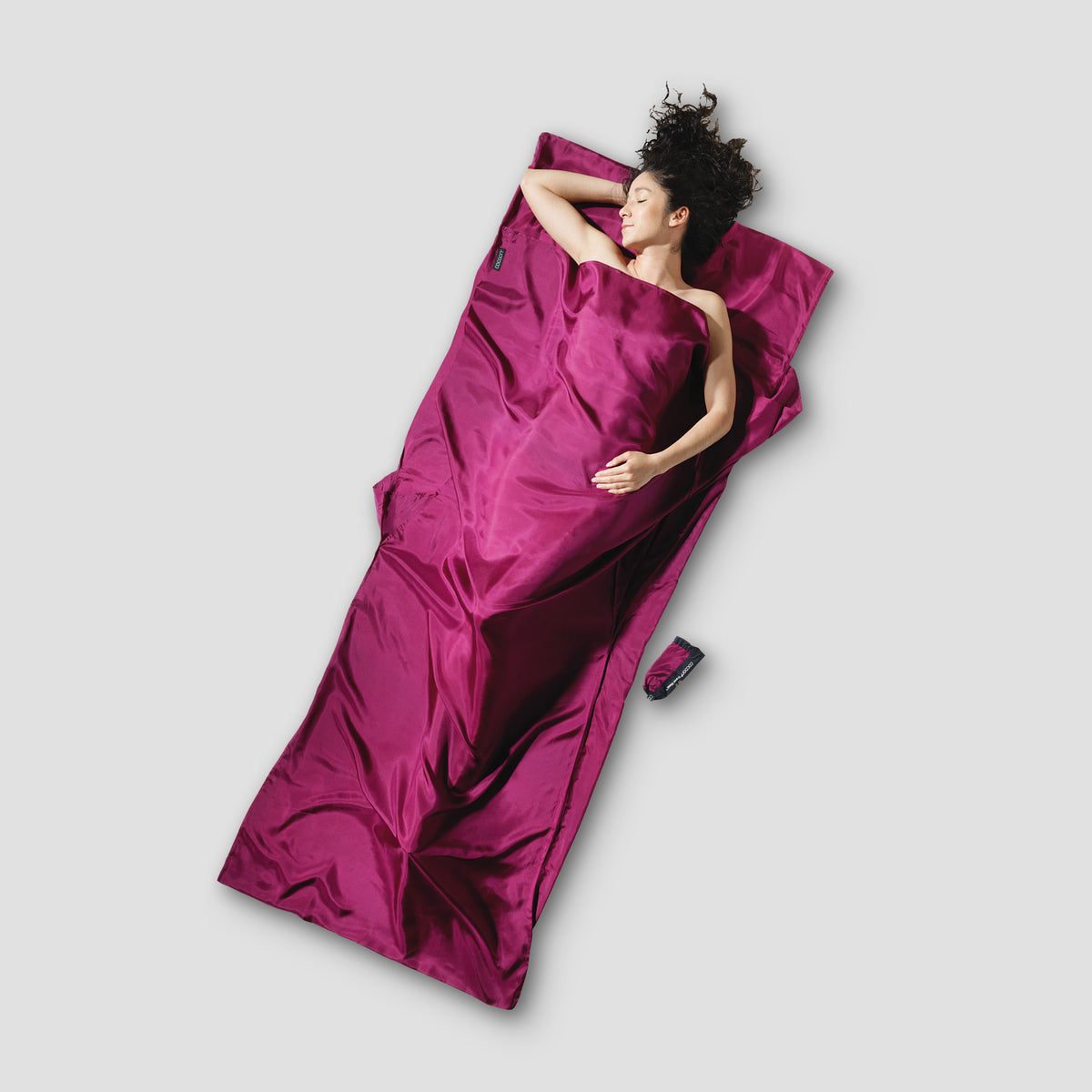
  2. 2. Cocoon Silk Travel Liner— Best Silk ($55–$65)
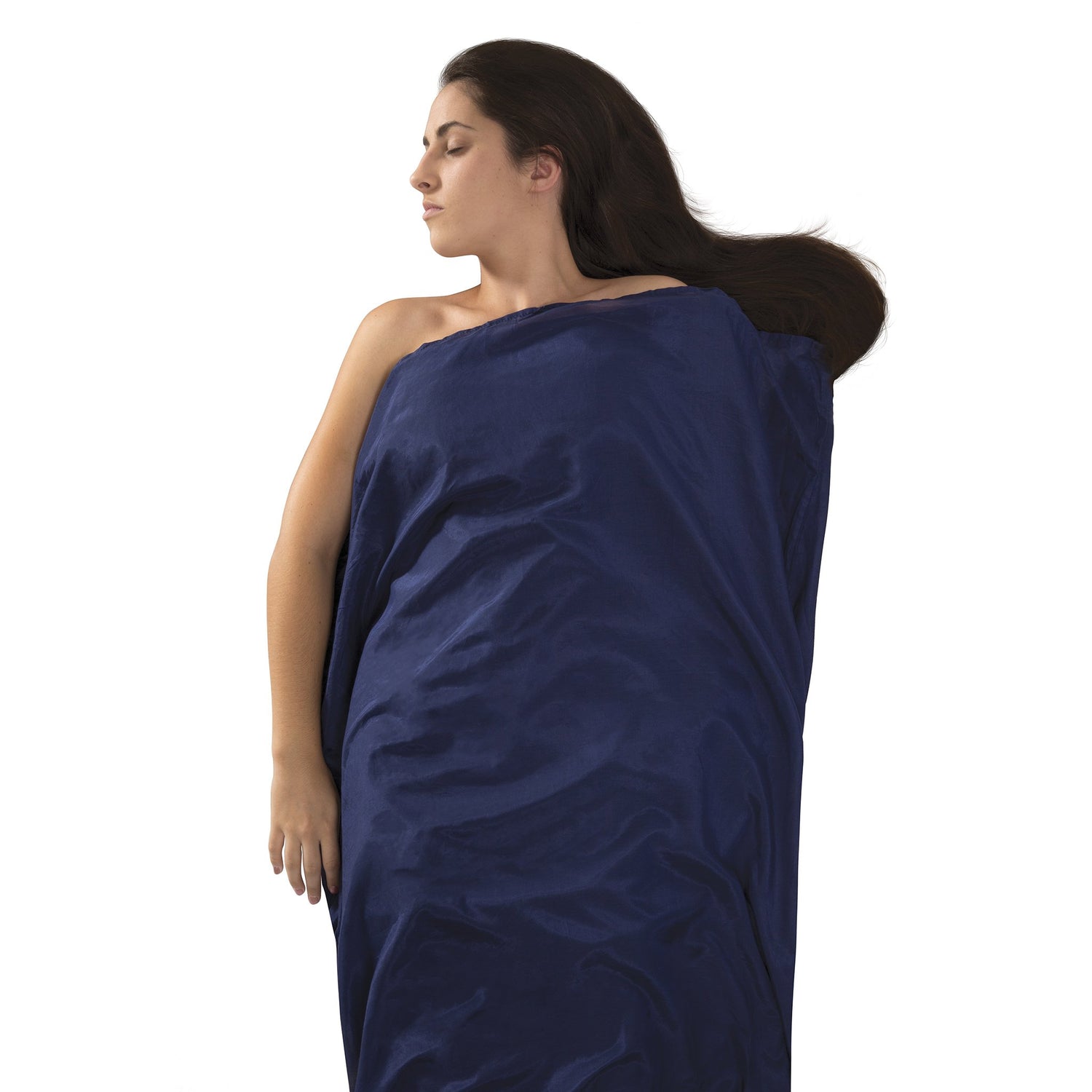
  3. 3. Sea to Summit Premium Silk/Cotton Travel Liner — Best for Travel ($55–$65)
  4. 4. Teton Sports Polylite Travel Sheet— Best Budget ($20–$30)
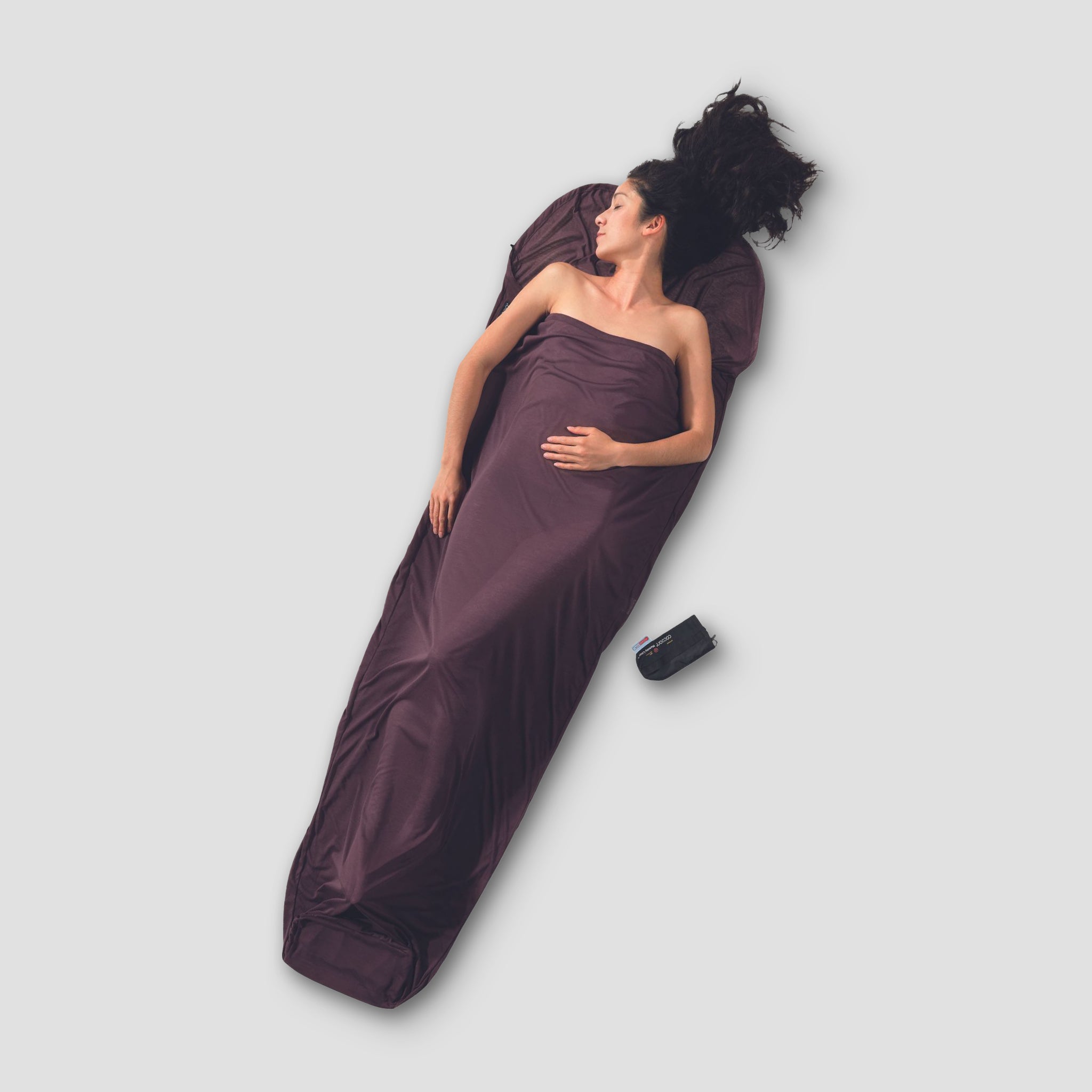
  5. 5. Cocoon Thermolite Reactor— Best for Cold Weather ($60–$70)
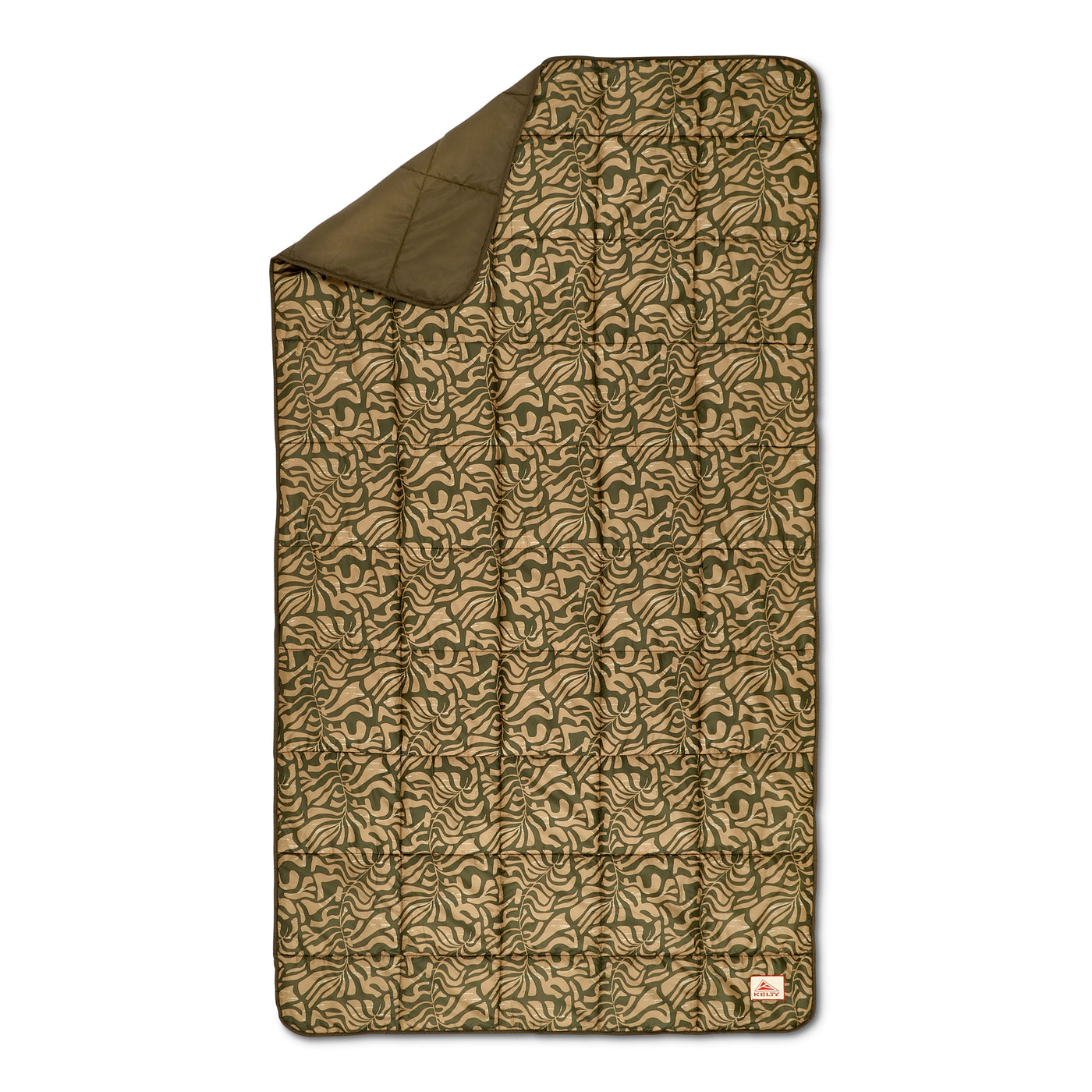
  6. 6. Kelty Bestie Blanket— Best Versatile ($35–$45)
  7. 7. Sea to Summit Premium Cotton Travel Liner — Best Cotton ($40–$50)

What a Sleeping Bag Liner Actually Does

A sleeping bag liner is one of the most underrated pieces of camping gear you can own. Slip one inside your sleeping bag and you immediately gain two things: warmth and protection. The liner adds 5 to 25 degrees Fahrenheit of insulation depending on material, which can convert a three-season bag into a functional cold-weather setup without the cost of a new bag. And as a physical barrier between your body and the bag's insulation, it keeps skin oils, sweat, and trail grime from gradually degrading the loft of your down or synthetic fill — extending the bag's effective life by years.

Liners also serve as standalone sleep sheets for warm-weather camping, hostels, and travel accommodation, where their light weight and minimal packed size make them far more practical than carrying a full sleeping bag. The right liner depends on your primary use: a 3-ounce silk liner is the correct tool for hostel travel and warm-summer camping; a 14-ounce thermolite liner is the right tool for pushing your bag's cold rating lower on shoulder-season backpacking trips.

For our 2026 roundup, we tested seven liners across warm-summer camping, cool three-season backpacking, and travel accommodation use. We evaluated warmth addition in controlled field conditions, compared packed weight and volume on calibrated scales, and assessed feel against bare skin over multiple nights. For guidance on the sleeping bags that pair best with these liners, see our best sleeping bags roundup. To understand how washing affects your liner and bag over time, read our guide to washing a sleeping bag.

Quick Comparison Table

LinerCategoryPriceMaterialWarmth AddWeight
Sea to Summit Thermolite Reactor ExtremeBest Overall$70–$80Thermolite Extreme Synthetic+25°F14 oz
Cocoon Silk Travel LinerBest Silk Liner$55–$65100% Silk+5°F3.2 oz
Sea to Summit Premium Silk/Cotton Travel LinerBest for Travel$55–$65Silk/Cotton Blend+8°F5.3 oz
Teton Sports Polylite Travel SheetBest Budget$20–$30Polyester Microfiber+5°F6 oz
Cocoon Thermolite ReactorBest for Cold Weather$60–$70Thermolite Synthetic+15°F10 oz
Kelty Bestie BlanketBest Versatile$35–$45Polyester Fleece+8°F12 oz
Sea to Summit Premium Cotton Travel LinerBest Cotton$40–$50100% Cotton+5°F8.5 oz

Detailed Sleeping Bag Liner Reviews

#1Best Overall

Sea to Summit Thermolite Reactor Extreme

Maximum warmth addition in a packable liner

Material

Thermolite Extreme Synthetic

Warmth Add

+25°F

Weight

14 oz

Packed Size

5 x 7 in

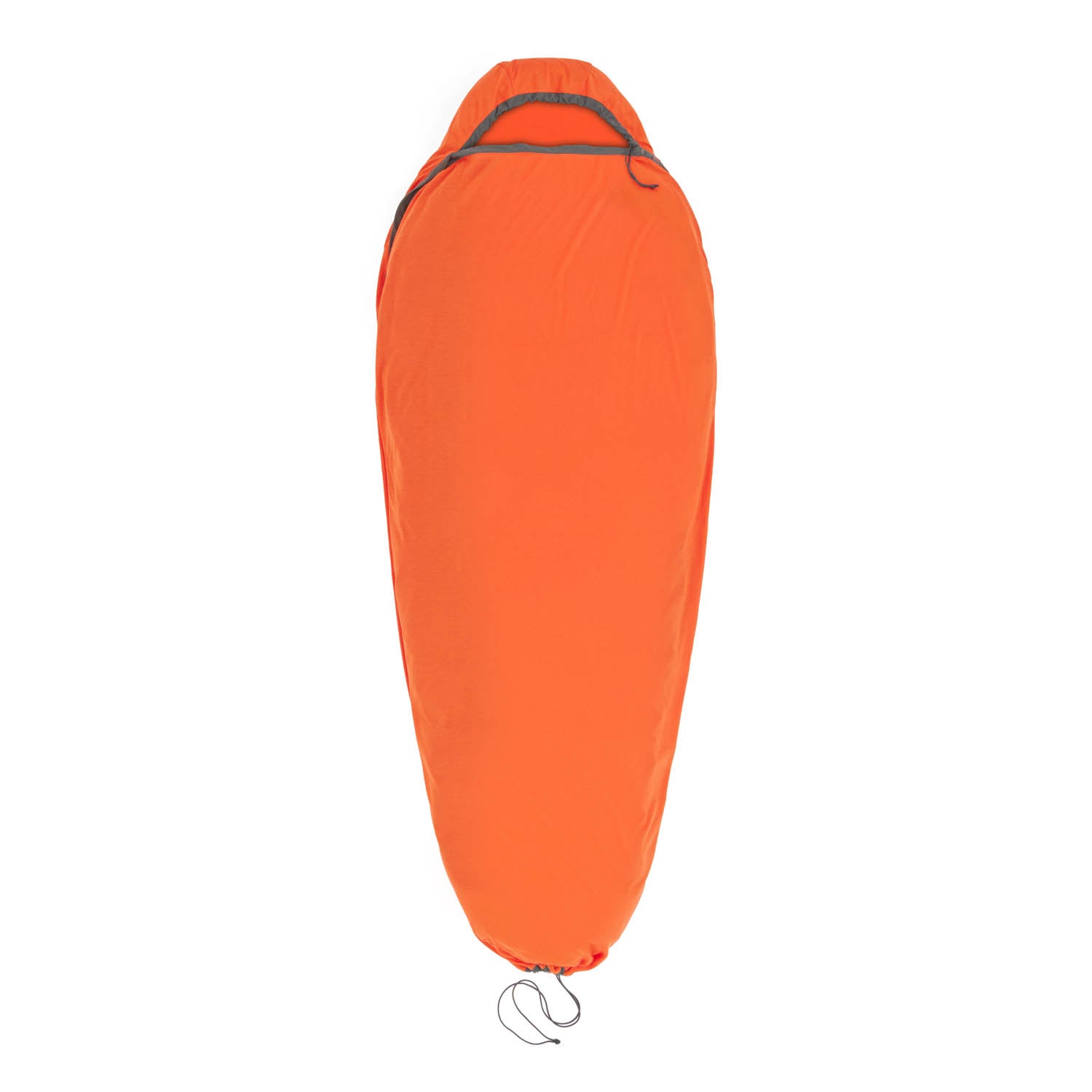
The Sea to Summit Thermolite Reactor Extreme is the most thermally capable sleeping bag liner available, and it earns the best overall spot because of how dramatically it changes your sleep system's versatility. Rated to add 25 degrees Fahrenheit of warmth, it converts a three-season 35-degree sleeping bag into a capable 10-degree setup without the cost, weight, or bulk of buying an entire new bag. We tested it at temperatures down to 15 degrees paired with a 35-degree bag and rated the combination genuinely usable for side sleepers with a good insulating pad.

The Thermolite Extreme synthetic fill is the same insulation technology used in performance base layers: it traps warmth by creating a dense web of hollow fibers that retain heat even when damp. Unlike down, it continues to insulate through light moisture from condensation or perspiration, which matters on shoulder-season trips where nighttime humidity is high. The liner is cut generously enough to accommodate a mummy bag without binding, and the tapered foot section matches the shape of most standard sleeping bags so there are no uncomfortable bunched-up sections during the night.

At 14 ounces, this liner adds meaningful weight to your pack, which is the honest trade-off for its thermal performance. For backpacking trips where you want to extend a three-season bag into colder conditions without buying a dedicated winter bag, the weight is justified. For warm-weather camping or travel where you primarily want hygiene protection, a lighter silk or cotton liner is the smarter choice. But for pure warmth addition, nothing else in the liner category comes close.

Pros

  • +Adds up to 25°F — the most warmth of any liner tested
  • +Packable enough for multi-night backpacking trips
  • +Machine washable and quick-drying

Cons

  • Heavier than silk or cotton options at 14 oz
  • Overkill for warm-weather travel or hostel use

Price range: $70–$80

Check Price on Amazon
#2Best Silk Liner

Cocoon Silk Travel Liner

Ultra-light, luxuriously soft, ideal for travel

Material

100% Silk

Warmth Add

+5°F

Weight

3.2 oz

Packed Size

3 x 4 in

The Cocoon Silk Travel Liner is the standard by which all silk liners are judged. At 3.2 ounces and a packed size smaller than a paperback book, it is the lightest full-length liner you can carry, and its 100 percent silk construction delivers a quality of feel that synthetic alternatives cannot replicate. Silk is naturally hypoallergenic, temperature-regulating, and resists dust mites, which makes the Cocoon liner equally at home in a hostel bunk, a budget hotel, or inside a summer sleeping bag.

The thermal contribution is modest at 5 degrees Fahrenheit — this liner is not designed to meaningfully extend your sleeping bag's warmth rating. Its value is in hygiene, comfort, and convenience. Travelers who stay in multiple accommodations per trip carry it instead of packing a sleeping bag, using it as a standalone sleep sheet in warm environments or as a clean layer when they would rather not use provided bedding. For summer backpacking where nighttime temperatures stay above 55 degrees, pairing the Cocoon silk liner with a lightweight quilt is a complete, ultralight sleep system.

Care requires slightly more attention than synthetic liners. Silk holds up well on a cold gentle machine cycle inside a mesh laundry bag, but heat exposure from hot water or a tumble dryer will damage the fibers over time. Dry flat or hang on a line. With proper care, a quality silk liner like this Cocoon model lasts years of heavy use. For anyone who wants the most packable, lightest liner option and does not need significant warmth addition, the Cocoon Silk is the benchmark.

Pros

  • +Packs to 3 x 4 inches — fits in a shirt pocket
  • +Silk feels exceptionally smooth against bare skin
  • +Natural temperature regulation works in warm and cool conditions

Cons

  • Adds only 5°F — not suitable as a warmth booster
  • Requires hand wash or delicate cycle; no hot dryer

Price range: $55–$65

Check Price on Amazon
#3Best for Travel

Sea to Summit Premium Silk/Cotton Travel Liner

Silk softness with cotton durability for extended trips

Material

Silk/Cotton Blend

Warmth Add

+8°F

Weight

5.3 oz

Packed Size

4 x 5 in

The Sea to Summit Premium Silk/Cotton Travel Liner hits a sweet spot between the featherlight luxury of a pure silk liner and the durability and easier care of cotton. The blend delivers a hand feel that is noticeably softer than plain cotton while remaining more resistant to snags and tears than silk alone. On multi-week trips where your liner goes in and out of a stuff sack dozens of times, the silk/cotton blend holds up better without the careful handling pure silk demands.

The built-in pillow pocket is a feature that Sea to Summit executes better than most competitors. The sleeve sits at the head end of the liner and holds a stuffed jacket, camp pillow, or packed bag in place through the night without migration. This matters most in sleeping bags without an integrated pillow pocket, which is the majority of the market. The 8-degree warmth addition is enough to take the edge off cool nights without the bulk of a thermolite liner.

For extended travel, this liner earns its slight weight premium over a pure silk option. The added durability, the pillow pocket, and the warmer feel on cool nights all translate to real utility over weeks of continuous use. Sea to Summit backs this liner with their standard construction quality, and after a season of testing we found the seams and zipper closure holding up without fraying. This is the liner to pack for a multi-week international trip where you will encounter a range of sleeping conditions.

Pros

  • +Silk/cotton blend is softer and more durable than pure cotton
  • +8°F warmth addition suits shoulder-season travel
  • +Built-in pillow pocket keeps your pillow in place

Cons

  • Heavier than a pure silk liner
  • Dries slower than synthetic options in humid conditions

Price range: $55–$65

Check Price on Amazon
#4Best Budget

Teton Sports Polylite Travel Sheet

Reliable liner protection at a sub-$30 price

Material

Polyester Microfiber

Warmth Add

+5°F

Weight

6 oz

Packed Size

5 x 6 in

The Teton Sports Polylite Travel Sheet is the liner for campers who need hygiene protection and basic warmth addition without spending over $30. Its polyester microfiber construction is softer than budget poly alternatives, machine washable with no special care required, and durable enough to withstand the abuse of regular camping use. We have seen this liner hold up through a full season of weekend car camping trips without pilling, seam failures, or zipper problems.

At 6 ounces and a packed size of roughly 5 by 6 inches, it is not the lightest option on this list, but the weight is in line with silk/cotton blends that cost twice as much. The 5-degree warmth addition is modest but genuine — enough to extend a summer bag into cool September nights or to make a cold hostel room feel more comfortable. The liner includes a stuff sack and closes with a simple zipper along the side.

The honest limitation is that synthetic microfiber does not breathe as well as natural fibers in warm, humid conditions. On hot summer nights, a microfiber liner can feel clammy compared to silk or cotton. For car camping in temperate conditions, hostels, and travel where the main priority is clean sleeping and basic thermal protection at a low price, the Teton Polylite is hard to beat. It is the liner to recommend to a new backpacker or camper who wants to try a liner without a significant investment.

Pros

  • +Under $30 — the most affordable quality liner in the group
  • +Machine washable on any cycle, tumble dry safe
  • +Soft microfiber feels better than its price suggests

Cons

  • Heavier than silk at similar warmth addition
  • Synthetic microfiber lacks the natural temperature regulation of silk or merino

Price range: $20–$30

Check Price on Amazon
#5Best for Cold Weather

Cocoon Thermolite Reactor

Cocoon's thermal liner for serious warmth boosting

Material

Thermolite Synthetic

Warmth Add

+15°F

Weight

10 oz

Packed Size

5 x 6 in

The Cocoon Thermolite Reactor is Cocoon's cold-weather liner, and it delivers 15 degrees Fahrenheit of warmth addition in a package that weighs 4 ounces less than the Sea to Summit Reactor Extreme. The trade-off is 10 fewer degrees of added warmth, which makes it the better choice for campers who want to extend their bag into cool three-season conditions rather than push into genuine winter territory. Paired with a 35-degree bag, the Cocoon Reactor effectively gets you to a 20-degree comfort level — a significant upgrade for a 10-ounce, sub-$70 investment.

Cocoon has been making liners longer than most competitors and the Thermolite Reactor reflects that experience. The cut is generous enough to accommodate a range of body sizes without the liner pulling tight across the shoulders during position changes, which is a genuine comfort complaint with narrower competing liners. The foot section is tapered to match mummy bag geometry, and the liner lies flat inside the bag without twisting or bunching over a full night of sleep.

The Thermolite synthetic fill maintains its insulating properties when damp, which is a meaningful advantage over merino or silk liners on trips where condensation or perspiration is likely. Machine wash and tumble dry on low completes the care story. For three-season backpackers who want cold-night insurance without the weight of the Reactor Extreme, or for anyone transitioning a summer bag into fall shoulder-season use, the Cocoon Thermolite Reactor is the most balanced choice in the thermal liner category.

Pros

  • +Adds 15°F — strong thermal performance for cold campers
  • +Thermolite insulates even when damp
  • +Generous cut fits inside most mummy bag shapes without bunching

Cons

  • At 10 oz, noticeably heavier than non-thermal liner options
  • Not needed for warm-weather camping or hostel travel

Price range: $60–$70

Check Price on Amazon
#6Best Versatile

Kelty Bestie Blanket

Converts from liner to open blanket for camps and cars

Material

Polyester Fleece

Warmth Add

+8°F

Weight

12 oz

Packed Size

6 x 8 in

The Kelty Bestie Blanket occupies a category of its own: it is a liner that unzips and opens into a full-sized blanket, which makes it as useful at a campfire or in a car as it is inside a sleeping bag. The full-perimeter zipper allows you to zip it into liner configuration for sleeping inside a bag, open it flat as a blanket for sitting around a fire, or wrap it around your shoulders as a camp layer during cold evenings. For car campers and festival-goers who want one versatile piece rather than a liner and a separate camp blanket, the Bestie Blanket is a clever solution.

The polyester fleece construction is warm and noticeably soft. Fleece maintains most of its insulating properties when damp, which makes the Bestie Blanket more resilient than silk or cotton in dewy or rain-adjacent conditions. The 8-degree warmth addition when used as a sleeping bag liner is solid for a fleece product, and the feel against skin is comfortable for extended use. The main limitation is bulk: at 12 ounces and a packed size of 6 by 8 inches, this is not a liner you choose for ultralight backpacking.

For car camping, overlanding, van life, or festival camping where weight and packed volume are low priorities and versatility is high, the Kelty Bestie Blanket is an easy recommendation. It does the job of a liner while doubling as a blanket, a layer, and a ground cover. The build quality is in line with Kelty's typical standard — durable stitching, a solid zipper, and a polyester blend that holds up to machine washing on warm cycles without pilling heavily.

Pros

  • +Opens fully flat as a blanket for campfire hangouts or car camping
  • +Fleece construction is warm and soft even when lightly damp
  • +Versatile enough to replace both a liner and a camp blanket

Cons

  • Fleece is bulkier and heavier than silk or thermolite at similar warmth
  • Not ideal for ultralight backpacking due to packed size

Price range: $35–$45

Check Price on Amazon
#7Best Cotton

Sea to Summit Premium Cotton Travel Liner

Breathable, natural cotton comfort for warm climates

Material

100% Cotton

Warmth Add

+5°F

Weight

8.5 oz

Packed Size

5 x 6 in

The Sea to Summit Premium Cotton Travel Liner is the right choice for warm-climate camping, hostel travel in humid destinations, and campers with sensitive skin who find synthetic fabrics irritating after a few nights. Pure cotton breathes more freely than any synthetic liner material, which translates to a notably cooler sleeping experience on hot summer nights where a microfiber or thermolite liner would trap heat and feel clammy. The natural fiber is also gentler on skin over extended use, avoiding the mild friction that some synthetic liners cause on bare arms and legs.

At 8.5 ounces and a 5 by 6 inch packed size, cotton is heavier and bulkier than the silk alternatives in this roundup. The warmth addition is equivalent to silk at about 5 degrees Fahrenheit — cotton is not a thermal insulator, and this liner should not be chosen for its warmth contribution. Its purpose is hygiene protection, breathability, and comfort in warm conditions. Sea to Summit's construction quality is evident in the stitching and the zipper closure, which opens and closes smoothly and has held up without catching after a full season of testing.

The slow drying time is the honest trade-off. A cotton liner that gets damp from perspiration on a warm night will not dry by morning unless you actively hang it in sun or breeze. On backpacking trips where daily laundry is not possible, a synthetic or silk liner is a more practical choice. For hostel trips and car camping in warm weather where you can hang the liner to dry during the day, cotton's breathability and natural feel make it the most comfortable liner option in summer conditions.

Pros

  • +Pure cotton breathes better than synthetic in warm, humid conditions
  • +Natural fabric is non-irritating for sensitive skin
  • +Machine washable; easy long-term care

Cons

  • Heavier and bulkier than silk for the same warmth addition
  • Dries slowly after washing — plan ahead on multi-day trips

Price range: $40–$50

Check Price on Amazon

How to Choose a Sleeping Bag Liner

The right liner depends on three things: the warmth you need to add, how much weight you can afford to carry, and what conditions you will primarily use it in. Here is how to match liner type to use case.

Material: Silk, Synthetic, Merino, or Cotton

Silk liners are the lightest and most packable — ideal for travel, hostels, and warm camping. They add 5 to 8 degrees and pack to pocket size, but require more careful washing. Synthetic thermolite liners add 15 to 25 degrees, insulate when damp, and are the right tool when you genuinely need to push a bag into colder territory. Cotton liners breathe best in humid heat and suit warm-climate travel, but are heavier and slower to dry than silk or synthetic options. Merino wool, while not represented in this specific roundup, offers a natural middle ground — good warmth addition and natural odor resistance, at a premium price. For most backpackers, the choice comes down to silk for travel-and-warmth or thermolite for cold-weather insurance. For guidance on what sleeping bag to pair a liner with, see our best sleeping bags guide.

Warmth Addition vs Weight Trade-off

The warmth a liner adds is directly proportional to its insulation density and weight. A 3-ounce silk liner adds 5 degrees. A 14-ounce thermolite liner adds 25 degrees. The middle ground — 8 to 15 degrees of warmth addition from a 5- to 10-ounce liner — is where most campers find the best balance. If your primary goal is bag protection and comfort on warm trips, stay in the silk and cotton category. If you need genuine warmth addition for shoulder-season camping, commit to a thermolite option and accept the added weight as a trade-off for not buying a heavier bag.

Protecting Your Sleeping Bag's Insulation

This is the underappreciated case for liners. Down sleeping bags are expensive, and body oils that accumulate in the shell fabric migrate over time into the fill, coating down clusters and reducing loft. A liner that you wash regularly keeps that contamination out of the bag entirely. We have seen down bags used with liners consistently maintain their loft for five to ten years of regular use, while bags used without liners often show measurable loft degradation within two to three years. Regular liner washing extends the period between sleeping bag washes — which matters because washing a down bag, while necessary, is still a stressful process. Read our guide to washing a sleeping bag for the full care protocol.

Liner as Standalone Sleep Sheet

For summer camping above 60 degrees Fahrenheit, a liner alone is sufficient. Traveling to warm climates and staying in hostels or budget accommodation? A silk liner weighing 3 ounces is the practical answer: it gives you a clean sleep surface without the weight and bulk of any sleeping bag. Many international travelers pack a silk liner exclusively for trips to tropical or warm-temperate regions where a bag would be overkill. The Cocoon Silk Travel Liner is specifically designed for this use case and includes a carrying pouch that keeps it organized in your luggage.

Frequently Asked Questions

What is a sleeping bag liner and what does it do?

A sleeping bag liner is a lightweight, body-sized sack made from silk, merino wool, cotton, or synthetic fabric that you slip inside your sleeping bag before getting in. It serves two main functions: it adds a layer of insulation between your body and the bag to increase the effective warmth rating, and it acts as a barrier that keeps skin oils, sweat, and dirt off the sleeping bag's interior insulation. Think of it the way a duvet cover protects a duvet. Liners are also used on their own as a standalone sheet in warm-weather camping, hostels, and travel accommodation where you would rather not use provided bedding.

Do sleeping bag liners really add warmth?

Yes, and the amount depends on the material. A basic cotton or silk liner adds roughly 5 to 8 degrees Fahrenheit of warmth. A merino wool liner adds 8 to 12 degrees. A dedicated thermolite or synthetic thermal liner — like the Sea to Summit Thermolite Reactor Extreme — adds 15 to 25 degrees Fahrenheit, which is enough to convert a three-season bag into a functional shoulder-season or even light winter setup. The warmth gain comes from the additional dead-air space the liner creates between your body and the sleeping bag shell. In practice, this means a 35-degree bag plus a thermal liner can feel comfortable in 15 to 20 degree conditions, potentially saving you from needing to buy a heavier, more expensive bag for occasional cold-weather trips.

Silk vs synthetic liner — which is better?

Silk and synthetic liners each suit different priorities. Silk liners are the lightest option available, typically 2.5 to 4.5 ounces, and pack to the size of a fist. Silk is naturally temperature-regulating, feels luxurious against bare skin, and is a good choice for warm-weather travel, hostels, and situations where you want hygiene protection without added bulk. The trade-off is that silk adds only 5 to 8 degrees of warmth and costs more per ounce than synthetic options. Synthetic thermolite liners weigh more, typically 8 to 14 ounces, but add 15 to 25 degrees of warmth. They are the right choice when you genuinely need to boost your sleeping bag's temperature rating for cold-weather camping. Merino wool liners sit between the two: more warmth than silk, softer and more odor-resistant than synthetic, but heavier and slower to dry than either.

Can I use a sleeping bag liner instead of a sleeping bag?

A sleeping bag liner can substitute for a sleeping bag in warm conditions only. Most liners are rated for use as standalone sleep sheets above 60 to 70 degrees Fahrenheit. In warm summer camping, a hostel, or a tropical trip where you need protection from air conditioning more than outdoor cold, a liner is a perfectly adequate standalone option that weighs a fraction of a sleeping bag. Below 60 degrees, even the warmest standalone liner is insufficient on its own without additional insulation layers. Thermolite liners are marginally better for solo use in cool conditions if you are wearing insulating layers, but they are not designed to replace a sleeping bag in cold weather. For any trip where overnight temperatures will drop below 55 degrees, carry a proper sleeping bag.

How do I wash a sleeping bag liner?

Most sleeping bag liners are machine washable and far easier to maintain than the bags themselves, which is one of their key advantages. Silk liners should be washed on a delicate cycle with cold water and a gentle detergent, then air dried flat or on a hanger. Never put silk in a hot dryer. Synthetic thermolite and merino liners tolerate a warm or cool machine wash and can be tumble dried on low heat. Cotton-blend travel sheet liners are the most forgiving and can be washed like regular laundry. Washing your liner frequently — every few trips or after any wet or sweaty use — is the single most effective way to extend your sleeping bag's life. A clean liner prevents body oils and moisture from penetrating the sleeping bag's insulation, where they cause clumping in down fill and reduce loft in synthetic fill over time. For guidance on washing the sleeping bag itself, see our guide on how to wash a sleeping bag.

Final Verdict

After testing seven sleeping bag liners across warm-summer camping, shoulder-season backpacking, and travel use, the Sea to Summit Thermolite Reactor Extreme is our top pick for campers who need maximum warmth addition. Its 25-degree boost converts a three-season bag into a genuine cold- weather system at a fraction of the cost of a dedicated winter bag.

Travelers and warm-weather campers should choose the Cocoon Silk Travel Liner — at 3.2 ounces, nothing else in this category comes close for packability and feel. For extended travel where durability matters as much as weight, the Sea to Summit Silk/Cotton Liner adds a pillow pocket and more resilient construction at a small weight premium. Budget-conscious buyers get genuine liner performance from the Teton Sports Polylite Travel Sheet for under $30.

For three-season cold-weather use short of the Reactor Extreme, the Cocoon Thermolite Reactor adds 15 degrees at 4 ounces less weight. The Kelty Bestie Blanket earns its place for car campers who want a liner that converts into a full camp blanket. And the Sea to Summit Premium Cotton Liner is the right choice for warm, humid climates where breathability outweighs every other consideration. Whichever liner you choose, using one consistently is the single most cost-effective way to extend the life of your sleeping bag.

Related Guides

PG

Peak Gear Guide Editorial Team

Our editorial team includes certified wilderness guides, gear industry veterans, and obsessive backcountry enthusiasts who collectively log over 1,000 trail nights each year. Every product we recommend is tested in real conditions by people who depend on their gear. We are not sponsored by any brand and purchase most test products with our own funds.

Editorial Disclosure

Peak Gear Guide is reader-supported. When you purchase through links on our site, we may earn an affiliate commission at no additional cost to you. Our editorial team tests every product independently and recommendations are never influenced by affiliate partnerships. We only recommend gear we would use ourselves. Product prices and availability are accurate as of the publication date and are subject to change. Last updated April 17, 2026.