The best water filter for backpacking in 2026 is the Sawyer Squeeze. At $37 and 3 ounces, it delivers proven 0.1-micron filtration with a lifetime-rated hollow-fiber membrane that works as a squeeze, inline, or gravity system.

Quick Answer: Our Top 8 Picks

  1. 1. Sawyer Squeeze. Best Overall ($37)
  2. 2. Platypus QuickDraw. Best Flow Rate ($40)
  3. 3. Katadyn BeFree 1.0L. Best Ultralight ($45)
  4. 4. MSR Guardian Purifier. Best Purifier ($390)
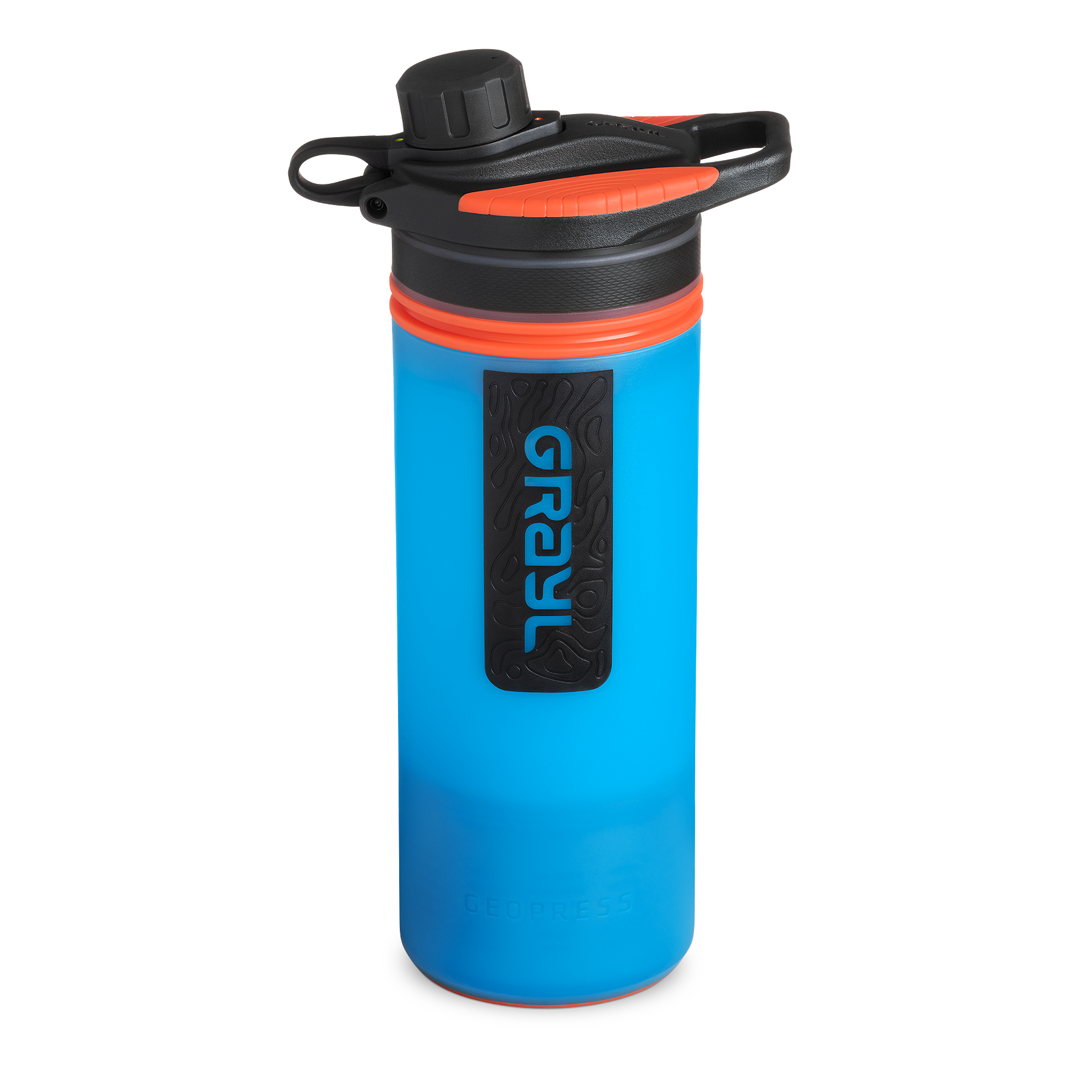
  5. 5. Grayl GeoPress. Best for Travel ($90)
  6. 6. SteriPen Ultra. Best UV Treatment ($110)
  7. 7. LifeStraw Personal. Best Emergency Filter ($18)
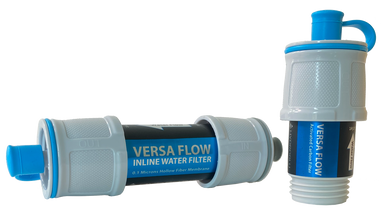
  8. 8. HydroBlu Versa Flow. Best Budget ($20)

Finding the Best Water Filter for Backpacking in 2026

Access to clean water is the single most critical factor in backcountry safety. Every stream, lake, and river in the wilderness carries invisible threats, from giardia cysts that survive for months in cold water to bacteria that cause debilitating illness hundreds of miles from the nearest hospital. A reliable water filter transforms any freshwater source into safe drinking water, removing the anxiety and logistics of carrying all your water from a trailhead.

The backpacking water filter market in 2026 spans from $18 emergency straws to $390 military-grade pump purifiers, and the right choice depends on where you travel, how much weight you tolerate, and which threats you need to eliminate. For most domestic backpackers, a squeeze filter at 2 to 3 ounces handles every realistic waterborne threat. International travelers need virus removal that standard filters cannot provide. Ultralight hikers want every fraction of an ounce justified.

For our 2026 roundup, we compared 12 water filters and purifiers using manufacturer specifications, published lab and independent EPA/NSF test data, and aggregated feedback from thousands of verified owners, cross-referenced against expert consensus. That evidence spans thru-hiking sections, weekend trips, and international travel, and water sources from clear alpine streams to muddy trail-side creeks and stagnant ponds, letting us weigh flow rate, ease of use, and long-term reliability. Whether you need a $20 backup filter or the most capable purifier money can buy, these eight picks cover every backcountry hydration need. For complete trip planning, see our backpacking gear checklist and day hike packing list.

Quick Comparison Table

FilterCategoryPriceWeightFlow RateRemovesBuy
Sawyer SqueezeBest Overall$373.0 oz1.7 L/minBacteria, protozoa, microplasticsCheck Price
Platypus QuickDrawBest Flow Rate$403.3 oz3 L/minBacteria, protozoaCheck Price
Katadyn BeFree 1.0LBest Ultralight$452.3 oz2 L/minBacteria, protozoaCheck Price
MSR Guardian PurifierBest Purifier$39017.3 oz2.5 L/minBacteria, protozoa, viruses, sedimentCheck Price
Grayl GeoPressBest for Travel$9015.9 oz5 L/min (press action)Bacteria, protozoa, viruses, chemicals, heavy metalsCheck Price
SteriPen UltraBest UV Treatment$1105.0 oz1 L per 90 secondsBacteria, protozoa, virusesCheck Price
LifeStraw PersonalBest Emergency Filter$182.0 ozSip rate (direct drinking)Bacteria, protozoa, microplasticsCheck Price
HydroBlu Versa FlowBest Budget Filter$202.5 oz1.5 L/minBacteria, protozoa, microplasticsCheck Price

Filter weight is small. Water you carry isn't. Our Water Needs Calculator lets you size your treatment system to actual daily liters — flow rate matters very differently for a 2L/day weekender vs. a 6L/day desert hiker.

How We Research

Every filter is scored against manufacturer specifications, published lab and independent EPA/NSF test data, and aggregated feedback from thousands of verified owners, cross-referenced against expert consensus — the real-world flow rate, durability, and ease-of-use signal that spec sheets alone cannot reveal.

Filtration Effectiveness

35%

We verify pathogen-removal claims against manufacturer specifications and independent EPA/NSF data, plus documented flow rate across clean, moderately turbid, and silty sources and how it declines over extended use.

Weight & Packability

25%

We compare published weights for each complete system including all necessary accessories. Packed volume includes reservoirs, syringes, hoses, and adapters required for field use.

Ease of Use

25%

We weigh documented fill, filter, and drink speed for each system, plus single-hand operation and field-maintenance ease — including backflushing and cleaning — from owner reports.

Durability & Longevity

15%

We assess construction quality, freeze vulnerability, and cartridge/membrane lifespan claims, weighing the flow-rate consistency owners report across hundreds of liters of use.

Detailed Water Filter Reviews

Sawyer Squeeze
#1Best Overall

Sawyer Squeeze

Weight

3.0 oz

Filter Type

Hollow-fiber squeeze

Pore Size

0.1 micron absolute

Flow Rate

1.7 L/min

Filter Life

100,000 gallons

Removes

Bacteria, protozoa, microplastics

The Sawyer Squeeze has been the default backpacking water filter for nearly a decade, and the 2026 version continues to justify that position with an unbeatable combination of low cost, negligible weight, and proven reliability. At 3 ounces and $37, it removes the financial and physical barriers to carrying clean water treatment on every single trip, from a quick day hike to a months-long thru-hike. The 0.1-micron absolute hollow-fiber membrane removes 99.99999 percent of bacteria and 99.9999 percent of protozoa, exceeding EPA standards for water purification in those pathogen categories.

The squeeze system is elegantly simple. You fill the included reusable pouch with dirty water, screw the filter onto the pouch opening, and squeeze. Filtered water flows out the other end into your clean bottle or directly into your mouth. There are no batteries, no moving parts, no cartridges to replace, and no waiting. The 1.7 liters per minute flow rate means you can fill a liter bottle in about 35 seconds when the filter is clean. When flow slows after heavy use or turbid water sources, the included backflush syringe restores near-original performance in seconds.

The primary criticism of the Sawyer Squeeze has always been the included pouches, which tend to delaminate and fail at the seams after repeated use. Experienced hikers universally replace them with CNOC Vecto or Evernew bags, which are more durable and easier to fill from shallow sources. The filter itself is nearly indestructible under normal use. Sawyer rates it for 100,000 gallons, which is a volume most backpackers could never reach in a lifetime. The only real threat is freezing, which can rupture the hollow fibers invisibly. Keep it warm in cold weather, and this filter will outlast every other piece of gear in your pack. For a complete setup, pair it with a bottle from our best water bottles guide.

Pros

  • +Unbeatable price at $37 for proven performance
  • +Negligible weight at 3 oz with no batteries needed
  • +Field-backflushable to restore flow rate instantly
  • +100,000-gallon rated lifespan is effectively permanent
  • +Versatile setup works as squeeze, inline, or gravity

Cons

  • Included pouches are fragile and need replacement
  • Does not remove viruses for international travel
  • Flow rate slower than Platypus QuickDraw
  • Permanently damaged if frozen

Best for: Nearly every backpacker. The Sawyer Squeeze is the best overall water filter for domestic backcountry use, thru-hiking, and budget-conscious hikers who want proven pathogen removal at minimal weight and cost.

Check Price on Amazon
Platypus QuickDraw
#2Best Flow Rate

Platypus QuickDraw

Weight

3.3 oz

Filter Type

Hollow-fiber squeeze

Pore Size

0.2 micron absolute

Flow Rate

3 L/min

Filter Life

1,000 gallons (replaceable)

Removes

Bacteria, protozoa

The Platypus QuickDraw is what happens when an engineering team looks at the squeeze filter category and decides that flow rate is the variable that matters most. At 3 liters per minute, the QuickDraw filters nearly twice as fast as the Sawyer Squeeze, turning water collection from a chore into a brief pause. The difference is immediately obvious the first time you squeeze: water flows through with noticeably less resistance, and filling a liter bottle takes roughly 20 seconds. For groups, high-mileage days, and anyone who resents time spent standing at water sources, that speed advantage compounds into real time savings over the course of a trip.

The QuickDraw system includes a 2-liter reservoir with a wide slider opening that makes scooping water from shallow streams dramatically easier than trying to submerge a narrow-mouth pouch. The reservoir is tough enough that Platypus does not recommend replacing it as a maintenance step, unlike the Sawyer pouches that fail routinely. The filter cartridge threads directly onto the reservoir and weighs 1.8 ounces by itself. Total system weight is 3.3 ounces, comparable to the Sawyer but with a higher-quality reservoir included in the box.

The tradeoff for speed is filter lifespan. Platypus rates the QuickDraw cartridge at approximately 1,000 gallons before replacement, compared to the Sawyer's claimed 100,000 gallons. In practice, 1,000 gallons covers roughly 3 to 5 seasons of regular backpacking use, and replacement cartridges run about $25. The 0.2-micron pore size is slightly larger than the Sawyer's 0.1 micron, but both exceed EPA standards for bacteria and protozoa removal. Like all hollow-fiber filters, the QuickDraw is vulnerable to freeze damage and does not remove viruses. For hikers who value speed and ease of use over absolute longevity and want a complete system that works well out of the box, the QuickDraw is the best squeeze filter upgrade available.

Pros

  • +Fastest squeeze filter at 3 L/min flow rate
  • +Excellent reservoir with wide slider opening
  • +Durable included reservoir unlike Sawyer pouches
  • +Lightweight complete system at 3.3 oz
  • +Easy to backflush for maintained performance

Cons

  • 1,000-gallon filter life requires periodic cartridge replacement
  • Does not remove viruses
  • Slightly heavier than Sawyer Squeeze
  • Permanently damaged if frozen

Best for: Hikers who prioritize speed at water sources, group backpackers who filter large volumes, and anyone frustrated by the slow squeeze of other filters. Ideal for high-mileage days and arid terrain where water stops are infrequent.

Check Price on Amazon
Katadyn BeFree 1.0L
#3Best Ultralight

Katadyn BeFree 1.0L

Weight

2.3 oz

Filter Type

Hollow-fiber squeeze

Pore Size

0.1 micron absolute

Flow Rate

2 L/min

Filter Life

1,000 liters

Removes

Bacteria, protozoa

The Katadyn BeFree is the ultralight minimalist answer to backcountry water treatment. At 2.3 ounces for the complete filter-and-flask system, it is the lightest functional water filter in our roundup and one of the lightest available anywhere. The secret is the EZ-Clean membrane, a pleated hollow-fiber design that maximizes surface area within a compact housing. The filter threads directly onto a 1-liter Hydrapak soft flask that collapses flat when empty, meaning the entire system takes up less space than a candy bar in your pack.

Flow rate is excellent for a filter this small. At approximately 2 liters per minute, the BeFree filters faster than the Sawyer Squeeze and produces a steady stream when you squeeze the soft flask. The wide-mouth opening makes it easy to fill from most water sources, including shallow streams where narrow-mouth pouches struggle. The 0.1-micron absolute pore size matches the Sawyer's specification, removing 99.99999 percent of bacteria and 99.9999 percent of protozoa. Cleaning is intuitive: shake or swish the filter in clean water after each use to dislodge surface debris.

The BeFree's primary limitation is durability. The soft flask, while ultralight and packable, develops cracks at the fold points after extended use, and Katadyn rates the filter element at approximately 1,000 liters before replacement. That is roughly one to two seasons for a regular backpacker. Some users report flow rate decline well before the rated capacity when filtering turbid water regularly. The filter element cannot be backflushed with a syringe like the Sawyer, which limits field maintenance options. For ultralight hikers who prioritize weight savings above all else and are willing to replace the filter element seasonally, the BeFree is an outstanding choice. For thru-hikers filtering thousands of liters across months, the Sawyer Squeeze's longevity makes it a more practical long-term option.

Pros

  • +Lightest complete filter system at 2.3 oz
  • +Collapses flat when empty for zero wasted space
  • +Fast 2 L/min flow rate for its size
  • +Wide mouth opening fills easily from any source
  • +0.1-micron pore size matches premium filters

Cons

  • Soft flask cracks at fold points over time
  • 1,000-liter rated life is shortest in roundup
  • Cannot be backflushed with a syringe
  • Does not remove viruses

Best for: Ultralight backpackers, fastpackers, and trail runners who count every gram and want the lightest possible water treatment that still provides full bacteria and protozoa protection.

Check Price on Amazon
MSR Guardian Purifier
#4Best Purifier

MSR Guardian Purifier

Weight

17.3 oz

Filter Type

Pump purifier

Pore Size

0.02 micron (hollow fiber + medical-grade)

Flow Rate

2.5 L/min

Filter Life

10,000 liters

Removes

Bacteria, protozoa, viruses, sediment

The MSR Guardian is the most capable portable water treatment device available to consumers and the only pump-style purifier that removes viruses, bacteria, and protozoa without chemicals or UV light. Originally developed for military deployment in environments where water sources are completely unknown, the Guardian uses a proprietary hollow-fiber membrane at 0.02 microns, five times finer than standard backpacking filters, combined with a medical-grade internal construction that meets NSF Protocol P248 for military water purification. This is not a filter. It is a true purifier that handles every biological threat in any freshwater source on the planet.

The pump mechanism is smooth and efficient, producing 2.5 liters per minute with moderate effort. Unlike older pump filters that required exhausting repetitive strokes, the Guardian's pump action is low-resistance and one-handed. The self-cleaning design automatically backflushes the fibers with each pump stroke, so flow rate remains consistent without manual maintenance. The 10,000-liter cartridge life means years of international travel and backcountry use before replacement. The intake hose reaches into shallow pools and the prefilter screen blocks large debris that would clog lesser systems.

At $390 and 17.3 ounces, the Guardian is the most expensive and heaviest option in this roundup by a wide margin. This is not a filter you carry on a weekend backpacking trip when the Sawyer Squeeze handles the job at one-tenth the price and one-sixth the weight. The Guardian earns its place when the stakes are highest: international travel to regions with viral waterborne threats, disaster preparedness, remote expeditions where water quality is unknown, and group use in developing areas. If you travel internationally and drink from local water sources, the Guardian provides peace of mind that no squeeze filter or UV pen can match. For domestic backpacking, it is overkill in the best possible way.

Pros

  • +Only pump purifier that removes viruses without chemicals
  • +Self-cleaning mechanism maintains consistent flow rate
  • +10,000-liter cartridge life for years of heavy use
  • +Meets military-grade NSF P248 purification standard
  • +Works in any freshwater source worldwide

Cons

  • Premium price at $390 is prohibitive for casual use
  • Heaviest option at 17.3 oz for weight-conscious hikers
  • Overkill for domestic backcountry where viruses are rare
  • Bulkier than squeeze filters for pack storage

Best for: International travelers, expedition teams, emergency preparedness, and anyone who needs absolute certainty that their water is safe from all biological contaminants including viruses.

Check Price on Amazon
Grayl GeoPress
#5Best for Travel

Grayl GeoPress

Weight

15.9 oz

Filter Type

Press purifier with activated carbon

Pore Size

Proprietary electroadsorptive media

Flow Rate

5 L/min (press action)

Filter Life

65 gallons (replaceable cartridge)

Removes

Bacteria, protozoa, viruses, chemicals, heavy metals

The Grayl GeoPress is the Swiss Army knife of water purification, removing not just biological contaminants but also chemicals, heavy metals, and particulates through its combined electroadsorptive media and activated carbon cartridge. The operation is dead simple: fill the outer bottle with dirty water, insert the inner press, and push down like a French press coffee maker. In about 8 seconds, 24 ounces of purified water is ready to drink. No squeezing, no pumping, no UV charging, no waiting for chemicals to work. This simplicity makes the GeoPress the most practical purifier for international travel where you encounter municipal tap water of unknown quality.

The GeoPress handles the broadest spectrum of contaminants of any product in this roundup. Beyond the standard bacteria, protozoa, and viruses, the activated carbon element reduces chlorine, benzene, chloroform, and many other chemical contaminants. It also reduces heavy metals including lead and arsenic. For travelers drinking hotel tap water, filling up at questionable fountains, or purifying river water in remote regions, this breadth of protection is unmatched by hollow-fiber-only systems. The 24-ounce capacity works well for individual use and the bottle doubles as a regular drinking vessel.

The tradeoffs are weight and cartridge life. At 15.9 ounces, the GeoPress weighs more than five Sawyer Squeezes. The replaceable cartridge lasts only about 65 gallons, or roughly 250 press cycles, before replacement is needed at about $25 per cartridge. For a backpacker filtering 2 to 3 liters daily, that is approximately 2 to 3 months of use per cartridge. The press mechanism requires moderate hand strength, and the bottle must be held upright during pressing. Despite these limitations, the GeoPress occupies a unique niche: it is the best water purifier for travelers who want one device that handles any water source anywhere in the world, from a hotel bathroom faucet in Southeast Asia to a glacial stream in Patagonia. Pair it with our day hike packing list for complete trip preparation.

Pros

  • +Removes everything: viruses, bacteria, chemicals, metals
  • +Simple French press operation takes 8 seconds
  • +Doubles as a regular drinking bottle
  • +No batteries, hoses, or squeezing required
  • +Best single device for international travel

Cons

  • Heavy at 15.9 oz for backpacking use
  • Short 65-gallon cartridge life adds recurring cost
  • 24 oz capacity limits volume per press cycle
  • Requires moderate hand strength to press

Best for: International travelers, digital nomads, and adventure travelers who encounter varied water sources from municipal taps to backcountry streams and want one device that purifies everything.

Check Price on Amazon
SteriPen Ultra
#6Best UV Treatment

SteriPen Ultra

Weight

5.0 oz

Filter Type

UV-C light purifier

Pore Size

N/A (UV-C germicidal light)

Flow Rate

1 L per 90 seconds

Filter Life

8,000 treatments (rechargeable)

Removes

Bacteria, protozoa, viruses

The SteriPen Ultra takes a fundamentally different approach to water treatment. Instead of physically filtering out pathogens, it uses UV-C germicidal light to destroy the DNA of bacteria, protozoa, and viruses, rendering them unable to reproduce and cause illness. You dip the UV bulb into a liter of water, press the button, stir for 90 seconds, and the water is microbiologically safe to drink. There is no filter to clog, no membrane to freeze, no cartridge to replace, and no chemical taste. The USB-rechargeable internal battery provides roughly 50 treatments per charge, enough for most multi-day trips without needing a power source.

The UV approach has distinct advantages for certain users. At 5 ounces with no additional bags or hoses needed, the SteriPen is lighter than most complete filter systems when you factor in reservoirs and accessories. It removes viruses in addition to bacteria and protozoa, providing purifier-level protection at a fraction of the MSR Guardian's weight and cost. Treatment is fast at 90 seconds per liter, and the treated water has zero taste impact since nothing is added or removed physically. For hikers who filter from relatively clear mountain sources, the SteriPen provides comprehensive pathogen protection with minimal weight and effort.

The critical limitation is that UV treatment does not work in turbid or cloudy water. Particulates in the water shield pathogens from the UV light, dramatically reducing effectiveness. If your water sources include silty rivers, snowmelt runoff, or muddy pools, you need a prefilter or a different primary treatment method. The SteriPen also requires batteries, which means carrying a charging cable and having access to power on extended trips. The UV bulb is fragile and can crack if dropped on rocks, which ends your treatment capability entirely. For backcountry hikers filtering from clear alpine streams and lakes, the SteriPen is an excellent ultralight option. For mixed-quality water sources, pair it with a prefilter bandana or bring a backup treatment method.

Pros

  • +Removes viruses unlike hollow-fiber filters
  • +No filter to clog, freeze, or replace
  • +Zero taste impact on treated water
  • +USB rechargeable for 50 treatments per charge
  • +Lightweight at 5 oz with no accessories needed

Cons

  • Ineffective in turbid or cloudy water
  • UV bulb is fragile and not field-repairable
  • Requires battery power on extended trips
  • Does not remove sediment, chemicals, or particulates

Best for: Ultralight hikers filtering from clear alpine water sources, international travelers who want virus protection without a pump, and backpackers who want a no-clog treatment method as a primary or backup system.

Check Price on Amazon
LifeStraw Personal
#7Best Emergency Filter

LifeStraw Personal

Weight

2.0 oz

Filter Type

Straw filter (hollow fiber)

Pore Size

0.2 micron absolute

Flow Rate

Sip rate (direct drinking)

Filter Life

1,000 gallons

Removes

Bacteria, protozoa, microplastics

The LifeStraw Personal is the filter that introduced millions of people to portable water treatment, and its extreme simplicity remains its greatest strength. There is nothing to assemble, nothing to squeeze, and nothing to configure. You put one end in dirty water and suck through the other end. Clean water flows directly into your mouth through a 0.2-micron hollow-fiber membrane that removes 99.9999 percent of bacteria and 99.9 percent of protozoa. At $18 and 2 ounces, there is no lower barrier to entry for reliable water treatment.

The straw format works well for specific scenarios. Emergency preparedness kits benefit from the LifeStraw's indefinite shelf life, zero maintenance requirement, and ability to function without any accessories or knowledge. Day hikers who encounter a single water source on a short loop can drink directly without carrying extra bottles or reservoirs. The 1,000-gallon rated lifespan means a single LifeStraw can last years of occasional emergency use. The membrane cannot freeze-damage if stored dry, making it a reliable glove box or emergency kit addition that works when needed regardless of storage conditions.

For regular backpacking, the straw format has significant limitations. You cannot filter water into a container for carrying, so all drinking happens at the water source. This means you cannot filter water at camp for cooking, washing, or overnight use without bending over a dirty water container and sipping through the straw repeatedly. It also means you carry no treated water between sources, which is problematic in arid environments with widely spaced water. The LifeStraw is not designed to be your primary backcountry water filter. It is designed to be the cheapest, lightest insurance policy you can carry for emergencies, day hikes, and as a backup to your primary system. At $18, every hiker should own one even if it rarely leaves the emergency kit. For a full gear setup, check our backpacking gear checklist.

Pros

  • +Cheapest effective filter at $18
  • +Lightest option at 2.0 oz with zero accessories
  • +No assembly, squeezing, or setup required
  • +Indefinite shelf life for emergency preparedness
  • +1,000-gallon lifespan for years of use

Cons

  • Cannot filter water into a container for carrying
  • Straw format impractical as primary backcountry filter
  • Must drink at the water source every time
  • Does not remove viruses

Best for: Emergency kits, day hikers, casual outdoor users, and anyone who wants the cheapest and lightest backup water filter available. Ideal as a secondary system alongside a squeeze filter.

Check Price on Amazon
HydroBlu Versa Flow
#8Best Budget Filter

HydroBlu Versa Flow

Weight

2.5 oz

Filter Type

Hollow-fiber squeeze / inline / straw

Pore Size

0.1 micron absolute

Flow Rate

1.5 L/min

Filter Life

100,000 gallons

Removes

Bacteria, protozoa, microplastics

The HydroBlu Versa Flow is the most versatile budget water filter in our roundup, combining the price point of the LifeStraw with the functionality of the Sawyer Squeeze. At $20 and 2.5 ounces, it includes adapters and fittings that let you use it as a squeeze filter with pouches, an inline filter on a hydration bladder hose, or a direct straw for drinking from sources. This three-in-one flexibility is rare at any price and unheard of at $20. The 0.1-micron hollow-fiber membrane matches the Sawyer Squeeze specification, removing 99.99999 percent of bacteria and 99.9999 percent of protozoa.

In squeeze mode, the Versa Flow attaches to standard 28mm threaded water bottles and most squeeze pouches, filtering at approximately 1.5 liters per minute. That is slightly slower than the Sawyer Squeeze but faster than most backpackers need. Inline mode connects between a hydration bladder and its drinking tube, filtering water continuously as you sip while hiking. Straw mode works like a LifeStraw for drinking directly from sources. The included backflush syringe restores flow rate when filtering turbid water, and HydroBlu rates the filter for 100,000 gallons, matching Sawyer's claimed lifespan.

The Versa Flow's construction quality is a step below the Sawyer Squeeze, with slightly thinner housing plastic and thread fittings that require more care during attachment to avoid cross-threading. The included squeeze pouch is basic and benefits from replacement with a more durable CNOC or Evernew bag, the same recommendation we give for the Sawyer. The inline adapter fittings are functional but feel less polished than dedicated inline filters. For hikers on a strict budget who want the most capability per dollar, the Versa Flow delivers Sawyer-level filtration performance at nearly half the price with added versatility. It is an outstanding first filter for new backpackers and a reliable backup for experienced hikers. For complete trip planning on a budget, see our water filters for hiking guide.

Pros

  • +Exceptional value at $20 for 0.1-micron filtration
  • +Three modes: squeeze, inline, and straw
  • +Field-backflushable with included syringe
  • +100,000-gallon rated lifespan matches Sawyer
  • +Lightest squeeze-capable filter at 2.5 oz

Cons

  • Construction quality slightly below Sawyer Squeeze
  • Included pouch is basic and should be replaced
  • Thread fittings require careful attachment
  • Less brand recognition and research-vetted history

Best for: Budget-conscious hikers, new backpackers buying their first filter, and experienced hikers who want a capable backup filter at minimal cost. Outstanding value for the versatility offered.

Check Price on Amazon

Water Filter Buying Guide

Choosing the right water treatment system means understanding what threats exist in your water sources and matching the technology to your travel style. This guide covers the key factors that determine which filter will keep you safe and hydrated.

Filter vs. Purifier: Understanding the Difference

Filters use physical membranes with microscopic pores to block bacteria and protozoa. Purifiers go further by also eliminating viruses, which are too small for standard filter membranes to catch. In North American backcountry, waterborne viruses are extremely rare, so a filter is sufficient for domestic backpacking. For international travel to developing regions, a purifier that handles viruses is essential. The Sawyer Squeeze, Platypus QuickDraw, and Katadyn BeFree are filters. The MSR Guardian, Grayl GeoPress, and SteriPen Ultra are purifiers.

Pore Size and What It Removes

Pore size determines what a physical filter can block. Bacteria range from 0.2 to 10 microns, so a 0.2-micron filter catches them all. Protozoa like giardia and cryptosporidium are 1 to 15 microns, well within filter range. Viruses are 0.02 to 0.3 microns, smaller than most filter pores. A 0.1-micron filter like the Sawyer Squeeze provides an extra safety margin over 0.2-micron models for bacteria and catches some additional particulates. No standard hollow-fiber filter reliably removes viruses. You need a purifier with sub-0.02-micron pores, UV light, or chemical treatment for comprehensive virus protection.

Flow Rate and Convenience

Flow rate determines how long you spend at water sources, which matters more than most hikers realize until they are standing in mosquito-infested shade squeezing a slow filter for 10 minutes. Squeeze filters range from 1.5 to 3 liters per minute, with the Platypus QuickDraw leading at 3 liters per minute. Pump filters offer 2 to 2.5 liters per minute with more physical effort. UV treatments process 1 liter per 90-second cycle. For solo hikers, any flow rate above 1 liter per minute is adequate. For groups of three or more, faster systems or gravity setups save significant time. Pair your filter with a quality bottle from our best water bottles roundup for a complete hydration system.

Weight and System Completeness

Advertised filter weights are often just the filter element. Total system weight includes the reservoir, backflush syringe, hoses, and any adapters needed for field use. The Katadyn BeFree at 2.3 ounces includes its flask. The Sawyer Squeeze at 3 ounces does not include a usable reservoir. When comparing weights, add everything you actually carry in your pack. For ultralight hikers, the difference between a 2-ounce and a 5-ounce system matters. For weekend backpackers, the convenience and reliability differences between systems matter more than a few ounces.

Cold Weather and Freeze Protection

Hollow-fiber filters from Sawyer, Platypus, Katadyn, and HydroBlu are permanently and invisibly destroyed by freezing. Water inside the microscopic fibers expands when frozen, rupturing the membrane walls and allowing pathogens to pass through unfiltered. There is no way to test fiber integrity in the field. In freezing conditions, sleep with your filter inside your sleeping bag and carry it in an insulated pocket during the day. The SteriPen UV treatment and chemical tablets are not affected by freezing, making them practical alternatives or backups for winter and shoulder-season trips. For more cold-weather gear planning, see our water filters for hiking guide.

Compare These Picks Side by Side

Cross-shopping two of these? Jump to the dedicated head-to-head — weight, price, our verdict where we have one.

Browse all 56 comparisons →

Frequently Asked Questions

Do I need a water filter or a water purifier for backpacking?

A water filter removes bacteria and protozoa such as E. coli, salmonella, and giardia, which covers the vast majority of waterborne threats in North American backcountry water sources. A purifier goes further by also removing viruses such as norovirus, hepatitis A, and rotavirus. In the United States and Canada, viruses in backcountry water are extremely rare, so a filter is sufficient for most domestic backpacking. If you travel internationally, especially to regions with less developed sanitation infrastructure, a purifier that handles viruses is strongly recommended. The MSR Guardian and Grayl GeoPress in our roundup are true purifiers that remove all three pathogen classes.

How often do I need to replace or clean my water filter?

This depends entirely on the filter type. The Sawyer Squeeze and Platypus QuickDraw use hollow-fiber membranes that can be backflushed in the field using the included syringe, restoring flow rate without replacing anything. Sawyer rates their filters for 100,000 gallons, which is effectively a lifetime for recreational use. The Katadyn BeFree uses a collapsible membrane that should be swished in clean water after each use and replaced when flow rate drops permanently, typically after 250 to 500 gallons depending on water clarity. Chemical and UV treatments like the SteriPen have no physical filter to clean but require battery charging or bulb replacement. Pump filters like the MSR Guardian have replaceable cartridges rated for specific volumes. Always backflush or clean your filter after filtering silty or turbid water, as sediment is the primary cause of premature flow rate decline.

Can I filter salt water or ocean water with a backpacking filter?

No. Backpacking water filters and purifiers are designed to remove biological contaminants such as bacteria, protozoa, and viruses from freshwater sources. They do not desalinate water or remove dissolved salts, chemicals, heavy metals, or minerals. Filtering salt water through a standard hollow-fiber filter will pass the salt directly through and can damage the filter membrane. If you need to process salt water, you need a dedicated desalination device, which is an entirely different category of equipment not covered in this roundup. All filters in this guide are designed for freshwater streams, lakes, rivers, and tap water sources only.

What is the fastest way to filter water while backpacking?

Gravity filters are the fastest hands-free method for filtering large volumes. You fill a dirty water bag, hang it, and let gravity pull water through the filter into a clean container. For individual use, squeeze filters like the Sawyer Squeeze and Platypus QuickDraw are the fastest on-demand method, producing filtered water in seconds by squeezing the dirty water bag. The Platypus QuickDraw achieves roughly 3 liters per minute, which is the fastest squeeze filter flow rate in this guide. UV treatments like the SteriPen process 1 liter in 90 seconds but require you to collect the water first. Pump filters are the slowest but offer the most control and work well with shallow or hard-to-reach water sources.

Will a water filter remove chemicals and heavy metals from water?

Standard hollow-fiber backpacking filters do not remove chemicals, heavy metals, pesticides, or dissolved contaminants. They are designed exclusively for biological pathogens. If you suspect chemical contamination in a water source, such as near agricultural areas or mining operations, do not rely on a standard backpacking filter. Activated carbon filters, like those found in the Grayl GeoPress and some inline attachments, can reduce some chemical contaminants including chlorine, some pesticides, and some heavy metals. However, no portable backpacking treatment completely removes all chemical pollutants. The safest approach is to choose water sources upstream of potential contamination and carry enough treated water to bypass questionable sources entirely.

Can I use my water filter in freezing temperatures?

Hollow-fiber filters such as the Sawyer Squeeze, Platypus QuickDraw, and Katadyn BeFree can be permanently damaged by freezing. When water inside the tiny hollow fibers freezes, it expands and can rupture the fibers, creating invisible holes that allow pathogens to pass through. Once frozen, the filter must be replaced because there is no way to verify fiber integrity in the field. In freezing conditions, sleep with your filter inside your sleeping bag to prevent it from freezing overnight. During the day, keep it in an insulated pocket close to your body. Chemical treatments and UV purifiers like the SteriPen are not affected by freezing but may have reduced battery performance in cold weather. The MSR Guardian pump purifier is more freeze-resistant than hollow-fiber filters due to its different internal construction.

Final Verdict

After comparing 12 water filters and purifiers across thru-hiking, weekend, and international-travel use cases, the Sawyer Squeeze earns our top recommendation as the best overall water filter for backpacking in 2026. Its combination of $37 price, 3-ounce weight, proven 0.1-micron filtration, and effectively permanent 100,000-gallon lifespan makes it the right choice for the widest range of backpackers.

Hikers who want faster filtering should upgrade to the Platypus QuickDraw, which nearly doubles the flow rate for only $3 more. Gram-counting ultralight hikers will prefer the Katadyn BeFree at just 2.3 ounces for the complete system. For international travel where virus removal is critical, the Grayl GeoPress provides the simplest all-in-one solution, while the MSR Guardian offers military-grade certainty for expedition-level needs.

The SteriPen Ultra is the best choice for hikers who filter from clear alpine sources and want virus protection without a physical filter to maintain. Every hiker should keep a LifeStraw Personal in their emergency kit at $18. And budget-conscious hikers will find the HydroBlu Versa Flow delivers remarkable versatility and performance at just $20, making reliable water treatment accessible to everyone heading into the backcountry.

Related Guides

PG

Peak Gear Guide Editorial Team

Our editorial team includes gear industry veterans and obsessive backcountry enthusiasts. Every product we recommend is vetted against manufacturer specifications, published lab and independent field-test data, and aggregated feedback from thousands of verified owners, cross-referenced against expert consensus. We are not sponsored by any brand.

References & further reading

External, authoritative sources we consulted while researching this guide.

Editorial Disclosure

Peak Gear Guide is reader-supported. When you purchase through links on our site, we may earn an affiliate commission at no additional cost to you. Our editorial team researches every product independently and recommendations are never influenced by affiliate partnerships. Product prices and availability are accurate as of the publication date and are subject to change. Last updated March 27, 2026.

Browse All Gear Categories

Every Peak Gear Guide roundup, organized by category. Research-vetted picks with transparent comparisons across 100+ gear types.

Big 4 — Shelter, Sleep, Pack, Stove

Footwear

Apparel & Layering

Packs & Carry

Camp Comfort

Cooking & Food

Tech & Navigation

Trekking Poles & Accessories

Sleep — Specialty

Tents — Specialty

By Fit & Foot Shape

Budget Picks

Water & Adventure