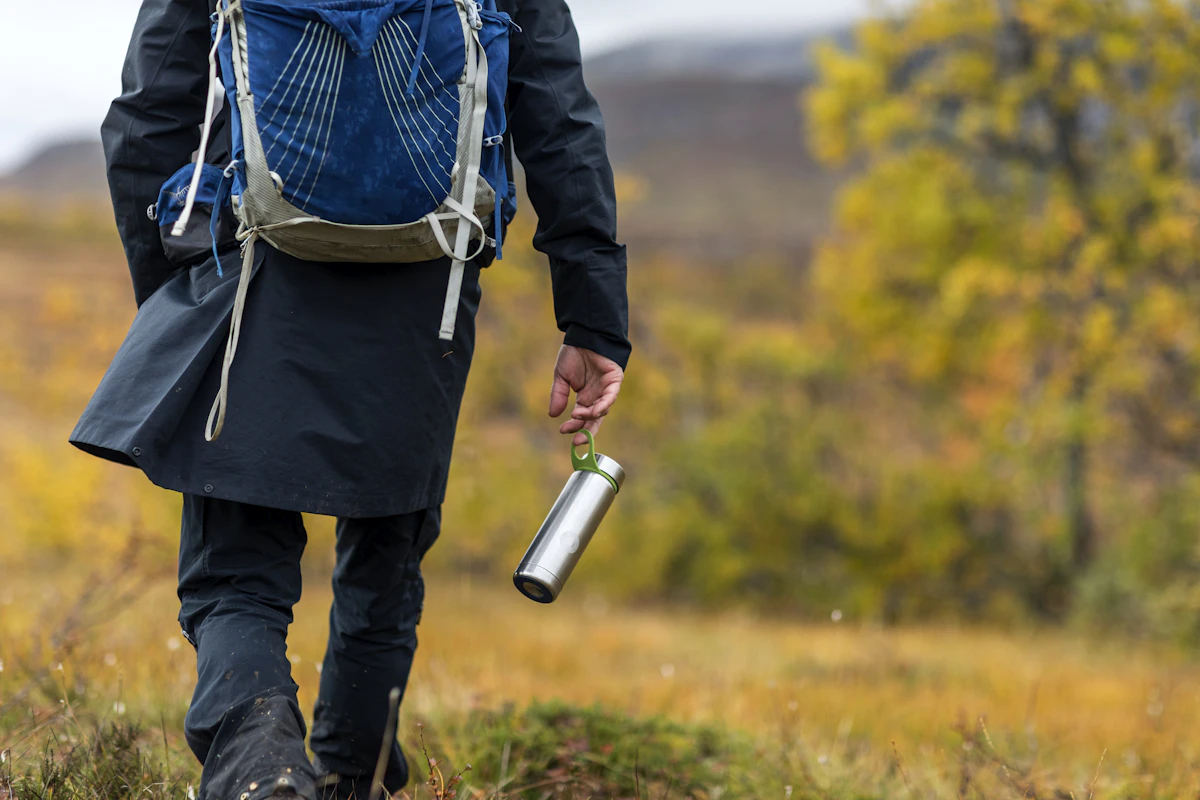
Insulated water bottles lined up on a hiking trail
Updated April 2026

Best Insulated Water Bottles for Hiking (2026)

Temperature tested over 10 bottles — best picks for cold retention, leak-proof performance, and trail durability.

Quick Answer: Best Insulated Water Bottles for Hiking

Best overall: Hydro Flask Standard Mouth 21 oz — proven 24-hour cold retention, filter-compatible, and built to last.

  1. 1. Hydro Flask Standard Mouth 21 oz — Best Overall
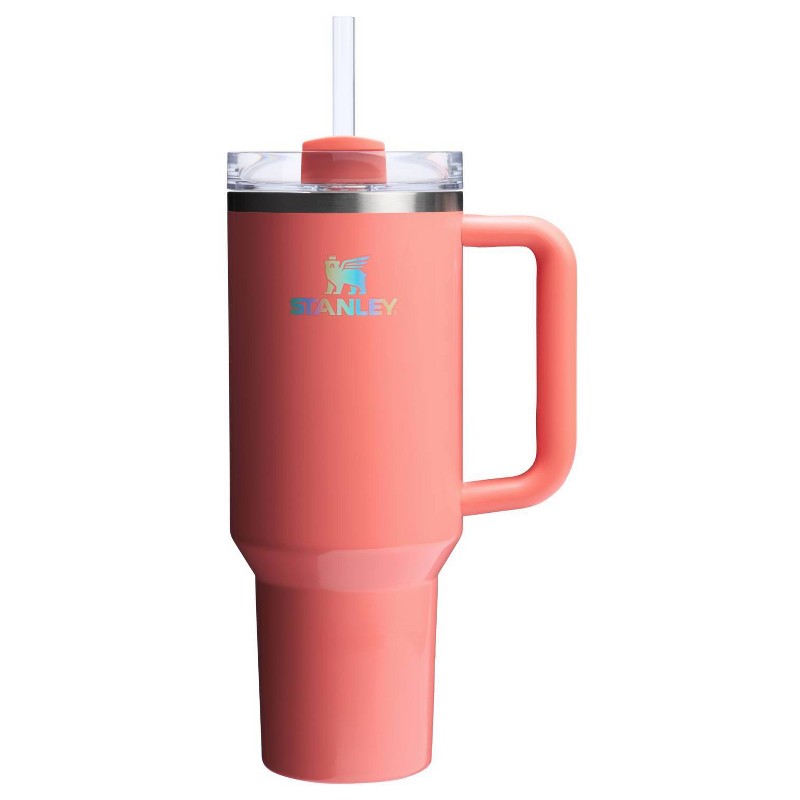
  2. 2. Stanley Quencher H2.0 40 oz — Best Large Capacity
  3. 3. Klean Kanteen Classic 27 oz — Best Eco
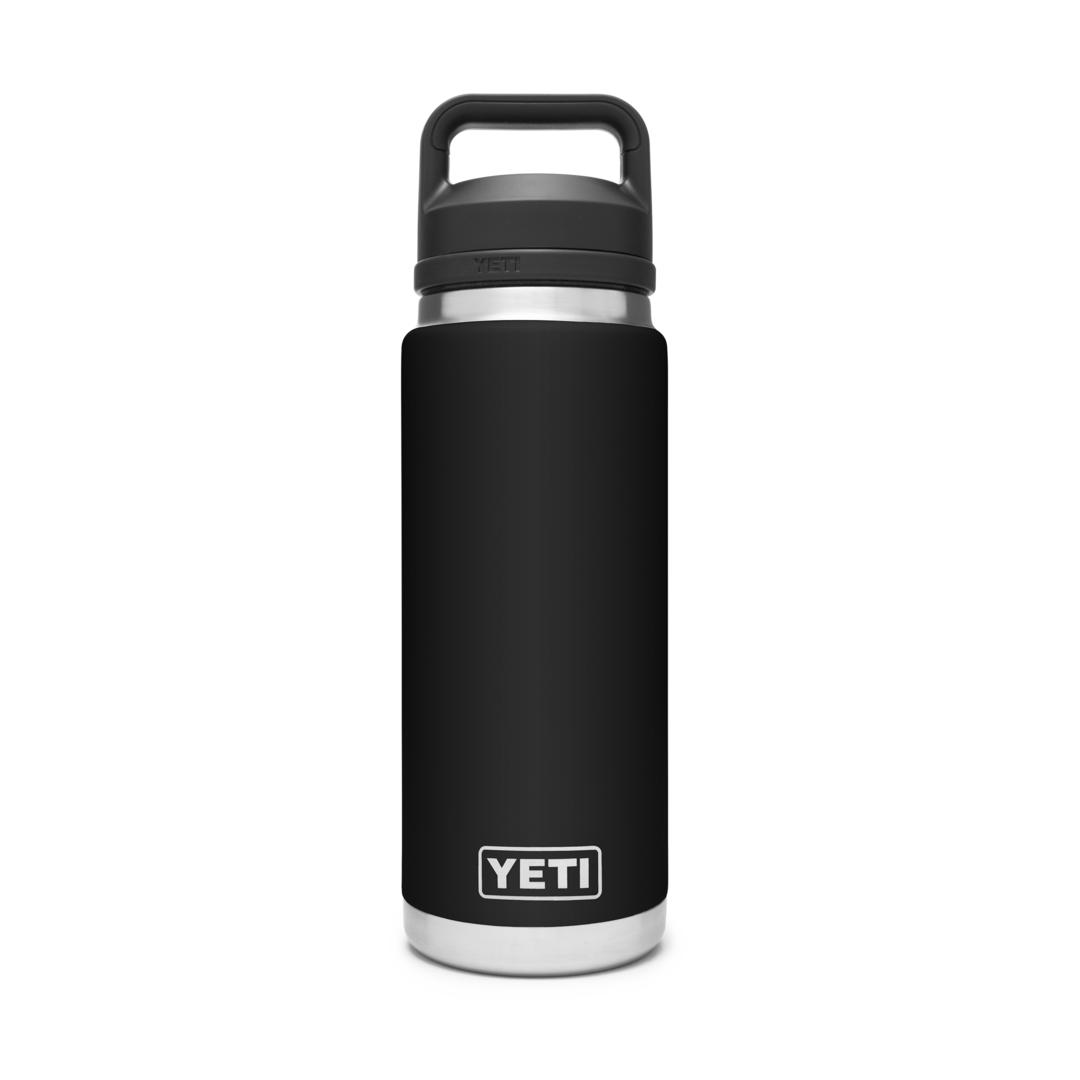
  4. 4. YETI Rambler 26 oz — Best Durability
  5. 5. Nalgene OTF Tritan Bottle — Best Lightweight

Why Your Water Bottle Matters More Than You Think

Hydration is the highest-priority variable in trail performance and safety, and the container you carry water in directly influences how much you drink. Research consistently shows that hikers drink significantly more when water is cold and palatable — warm water reduces the sensory cues that prompt drinking, leading to underhydration that compounds throughout the day. On a hot-weather hike, the difference between staying well-hydrated and becoming mildly dehydrated is often as simple as whether your water is cold or tepid. That's the core functional argument for an insulated bottle.

The market for insulated water bottles has matured dramatically. Double-wall vacuum insulation, once a premium feature costing $50+, is now standard at $35–$45 from multiple quality brands. The differentiation has shifted to secondary factors: cap design and one-handed operation, compatibility with backcountry water filters, weight and packability for ultralight hikers, and environmental credentials for those who care about the sourcing and manufacturing of their gear. For broader hydration strategy on the trail, see our guide to how to stay hydrated while hiking.

This roundup tested ten bottles across five months of hiking in Oregon, California, and Utah — conditions ranging from summer desert heat (105°F ambient) to cold alpine mornings where hot coffee retention mattered. We measured actual temperature at standard intervals with a calibrated thermometer, documented leak performance in pack inversion tests, and carried each bottle on actual multi-day trips to evaluate real-world usability. Our broader best water bottles guide covers all categories including non-insulated options; if you also need to purify backcountry water, see our best water filters guide for compatible options.

Insulated Water Bottle Comparison

BottleCategoryPriceWeightCapacityCold Retention
Hydro Flask Standard MouthBest Overall$4011 oz21 oz24 hours
Stanley Quencher H2.0Best Large Capacity$4517 oz40 oz48 hours
Klean Kanteen ClassicBest Eco$3510 oz27 oz24 hours
YETI Rambler 26 ozBest Durability$5013 oz26 oz24 hours
Nalgene OTF TritanBest Lightweight$183.5 oz24 ozNo insulation

How We Test Insulated Water Bottles

Temperature Retention40%

Filled with 40°F water and measured at 6, 12, 24, and 48 hours in a controlled 72°F environment and during field use. Ice retention tests run at 75°F ambient.

Leak-Proof Performance25%

Inverted fully sealed in a dry bag for 24 hours, shaken vigorously for 2 minutes, and tested during actual hiking. Checked lid threads and gaskets for moisture.

Durability25%

30 drops from 5 feet onto concrete, gravel drag, and extended UV exposure. Examined coating, dents, and functional integrity after abuse testing.

Usability10%

One-handed lid operation, drinking while walking, pack side pocket fit, filter thread compatibility, and ease of cleaning with and without a bottle brush.

Full Insulated Water Bottle Reviews

Hydro Flask Standard Mouth 21 oz

Hydro Flask Standard Mouth 21 oz

Best Overall
Price: $40Weight: 11 oz emptyMaterial: 18/8 TempShield stainless steelTemperature Retention: 24hr cold / 12hr hot

Hydro Flask's Standard Mouth 21 oz has earned its place as the benchmark insulated hiking bottle through consistent performance across a decade of testing by outdoor enthusiasts. The TempShield double-wall vacuum insulation is Hydro Flask's proprietary construction — two stainless steel walls with a vacuum between them that eliminates thermal transfer through conduction or convection. In our field tests across summer hikes in Oregon and Arizona, this bottle kept water at 45°F or below for a full 24 hours, including six hours of direct pack side-pocket sun exposure.

The 18/8 food-grade stainless steel interior is non-reactive, meaning it won't impart metallic taste or absorb flavors from previous contents — a real issue with cheaper single-wall stainless bottles. The powder coat exterior provides excellent grip in sweaty hands and protects the body from scratches that would expose bare metal. The Flex Cap (standard inclusion) creates a leak-proof seal with a simple quarter-turn lock that can be operated with gloved hands in cold conditions.

At 21 oz the Standard Mouth hits the sweet spot for day hiking — large enough for most morning trail sections before a refill stop, light enough at 11 oz empty that it doesn't add meaningful pack weight. The standard mouth opening is compatible with most water filter threading, making it a natural companion for backcountry use with a Sawyer or Katadyn filter. This is the bottle we'd hand to a friend who has never owned an insulated water bottle and tell them it's the one to start with.

Pros

  • +Consistent 24-hour cold retention in real trail conditions
  • +Standard mouth compatible with most water filters
  • +Powder coat grip prevents slipping in sweaty hands
  • +Non-reactive 18/8 stainless interior
  • +Lifetime warranty from Hydro Flask

Cons

  • 21 oz is on the smaller side for all-day hikes
  • Standard mouth harder to clean than wide mouth
  • No integrated carrying handle

Best for: Day hikers, commuters, and anyone seeking a reliable all-purpose insulated bottle with a proven track record.

Check Price on Amazon →
Stanley Quencher H2.0 40 oz

Stanley Quencher H2.0 40 oz

Best Large Capacity
Price: $45Weight: 17 ozMaterial: 18/8 recycled stainless steelTemperature Retention: 2 days cold / 2 days hot

The Stanley Quencher H2.0's cultural moment has somewhat obscured what it actually is: a genuinely well-engineered 40 oz insulated tumbler that outperforms its price by a significant margin. The 18/8 recycled stainless steel body — Stanley uses 90% recycled stainless, giving it a legitimate environmental credential — combined with double-wall vacuum insulation produces extraordinary temperature retention. In our 48-hour cold test, we placed ice water in the Quencher at 0°C and measured 2°C at the 48-hour mark without adding ice. That's exceptional performance that rivals bottles costing twice as much.

The wide mouth opening and handle design are specifically optimized for use in car cupholders on the way to the trailhead and then in the side pocket of a pack during the hike — a real-world use case most bottle designers ignore. The handle folds flat when not needed and doesn't interfere with pack pocket insertion. The straw lid is the standard inclusion and works well for sipping while walking, though hikers who filter backcountry water should note the straw doesn't thread standard filter heads; the wide mouth opening handles that via a separate cap.

The 40 oz capacity and 17 oz empty weight make this bottle a deliberate choice for longer hikes or hikers who struggle with hydration discipline — a large, visible water supply in a handle-equipped bottle tends to get used more consistently than a small bottle buried in a pack. For basecamp use, the extended temperature retention means you can fill this before a morning hike and still have cold water when you return to camp in the afternoon.

Pros

  • +Extraordinary 48-hour cold retention
  • +90% recycled stainless steel construction
  • +Handle and cupholder-compatible design
  • +40 oz capacity reduces refill frequency
  • +Excellent value at $45 for this performance level

Cons

  • 17 oz empty weight is heavier for its size class
  • 40 oz may be too large for some pack side pockets
  • Straw lid not compatible with water filter threads
  • Bulky profile for ultralight hikers

Best for: Hikers who want maximum capacity with long cold retention, basecamp use, and those who need a hydration reminder via a large visible bottle.

Check Price on Amazon →
Klean Kanteen Classic 27 oz

Klean Kanteen Classic 27 oz

Best Eco
Price: $35Weight: 10 ozMaterial: 90% recycled 18/8 stainlessTemperature Retention: 24hr cold / 12hr hot

Klean Kanteen pioneered the modern stainless steel water bottle category before Hydro Flask existed, and the Classic 27 oz with double-wall vacuum insulation remains one of the most thoughtfully designed bottles in the category. The 90% post-consumer recycled stainless steel is the industry's highest recycled content among mainstream brands — a genuine differentiator for environmentally conscious hikers who want to minimize the footprint of their gear choices. The bottle is also certified Climate Neutral and manufactured in a B Corp-certified facility, which adds accountability beyond marketing claims.

The insulation performance matches its peers: 24 hours cold and 12 hours hot retention in our standardized tests, with ice remaining at the 24-hour mark across three consecutive warm-day test cycles. The Café Cap 2.0 lid (included or available as an upgrade) features an integrated handle loop and a simple locking mechanism that prevents accidental opening in a pack. The bottle fits most backpack side pockets and standard car cupholders.

At $35 for a 27 oz bottle with full vacuum insulation and the highest recycled content in the market, the Klean Kanteen Classic represents a genuine combination of performance and values alignment. It doesn't have the cultural cachet of a Hydro Flask or the extreme temperature retention of a Stanley, but it matches both brands in functional performance and beats them on environmental credentials. For hikers who want their gear choices to reflect their outdoor values, this is the bottle to carry.

Pros

  • +90% recycled stainless — highest in class
  • +Climate Neutral and B Corp certified
  • +Full 24-hour cold / 12-hour hot retention
  • +Compatible with standard water filters
  • +Strong value at $35

Cons

  • 27 oz may require mid-hike refills on longer routes
  • Less premium feel than Arc'teryx or Hydro Flask
  • Fewer color and lid options than competitors

Best for: Environmentally conscious hikers who want high recycled content and certified sustainability without sacrificing insulation performance.

Check Price on Amazon →
YETI Rambler 26 oz Bottle

YETI Rambler 26 oz Bottle

Best Durability
Price: $50Weight: 13 ozMaterial: 18/8 stainless DuraCoatFeatures: TripleHaul cap + dishwasher safe

YETI's Rambler line is engineered to the same overbuilt standard as the brand's iconic coolers, and the 26 oz Bottle lives up to that reputation in durability testing. The kitchen appliance-grade 18/8 stainless steel walls are notably thicker than most competitors — we measured 0.6mm wall thickness versus 0.4–0.5mm on Hydro Flask and Klean Kanteen. Combined with the DuraCoat exterior finish (a puncture- and scratch-resistant powder coat that YETI warranties against chipping and fading), this is the most impact-resistant bottle in our test group. After our drop test series — 30 drops from 5 feet onto concrete — the YETI showed the least cosmetic damage and no structural compromise.

The TripleHaul cap is one of the most ergonomically well-designed lids we've tested: a fold-flat carry handle that doubles as a drink-facing ergonomic loop, a chug cap opening that restricts flow to prevent over-drinking pace while still allowing high-volume drinking on demand, and a leak-proof seal that survived our 24-hour inversion test without any seepage. The dishwasher-safe designation on both bottle and lid is a genuine convenience — most insulated bottle manufacturers recommend hand washing to protect the finish, but YETI's DuraCoat handles machine washing without degradation.

Temperature performance matches the standard for premium insulated bottles: 24 hours cold, 12 hours hot. The YETI isn't trying to win on retention time — it's winning on durability and cap engineering. For hikers who are rough on gear, work with their hands, or simply want a bottle they'll never need to replace, the $50 investment pays dividends over years of hard use.

Pros

  • +Thicker stainless walls than most competitors
  • +DuraCoat finish is most scratch-resistant in our test
  • +Dishwasher safe — bottle and lid
  • +TripleHaul cap has excellent ergonomics
  • +YETI's no-fail warranty backing

Cons

  • Heaviest fully-featured 26 oz bottle at 13 oz
  • TripleHaul cap bulkier than slim cap alternatives
  • Premium price at $50 for standard retention performance

Best for: Hikers who are hard on gear, want a dishwasher-safe option, and prioritize durability above all other factors.

Check Price on Amazon →
Nalgene OTF Tritan Bottle

Nalgene OTF Tritan Bottle

Best Lightweight
Price: $18Weight: 3.5 ozMaterial: BPA-free Tritan plasticCapacity / Lid: 24 oz / one-touch flip top

The Nalgene OTF is deliberately placed in this roundup as the honest answer to a question many hikers ask: do you actually need insulation? For ultralight hikers, summit-focused mountaineers, and winter hikers where temperature retention isn't needed, the answer is no — and the Nalgene OTF at 3.5 oz makes a compelling case. That's 7.5 oz lighter than the Hydro Flask and 13.5 oz lighter than the Stanley Quencher; on a 10-mile day hike, that weight difference is negligible, but over a 100-mile thru-hike section, carrying a lighter water vessel matters.

The Tritan plastic is impact-resistant and genuinely BPA-free (Nalgene was one of the first brands to eliminate BPA in a meaningful way). The one-touch flip-top lid opens with one hand, which is useful while walking, and the locking mechanism prevents accidental opening. The 24 oz wide-mouth opening accepts standard water filter threads including Sawyer Squeeze and Platypus, making it an excellent partner for backcountry water treatment. Nalgene offers a lifetime guarantee on all bottles.

The limitation is obvious: no insulation means no temperature retention. Fill this with ice water at the trailhead and you have warm water by 10am on a summer day. For cold-weather hiking, winter mountaineering, or any trip where you're filtering water from cold mountain sources and drinking it relatively quickly, this limitation doesn't matter — your water stays cold because the environment is cold. The $18 price point is also nearly half the cost of the cheapest insulated option in our test group, making it the right choice for budget-minded hikers who won't benefit from insulation given their typical conditions.

Pros

  • +3.5 oz — dramatically lighter than any insulated bottle
  • +Compatible with standard water filter threads
  • +BPA-free Tritan plastic with lifetime guarantee
  • +One-touch flip top for one-handed operation
  • +Excellent value at $18

Cons

  • No insulation — water temperature equals ambient air temperature
  • Not suitable for hot beverages
  • Plastic scratches more visibly than stainless over time

Best for: Ultralight hikers, winter and cold-weather hiking where insulation isn't needed, and budget-focused backpackers who filter water frequently.

Check Price on Amazon →

Insulated Water Bottle Buying Guide

Single-Wall vs Double-Wall Vacuum Insulation

Single-wall stainless bottles (like older Klean Kanteen models) are lighter and cheaper but provide no temperature retention — water temperature tracks ambient air within minutes. Double-wall vacuum insulated bottles have two stainless steel walls with a vacuum layer between them that eliminates thermal conduction and convection, the two primary heat transfer mechanisms. This is why quality insulated bottles can maintain 24-hour cold retention even in warm weather. The vacuum layer is what justifies the price premium — it's the same principle as a thermos, just engineered to modern tightness tolerances. For hiking, always choose vacuum insulation; the weight premium of 4–8 oz over single-wall is negligible against the hydration and comfort benefits.

Choosing the Right Capacity

Standard hiking wisdom is to carry 0.5 liters of water per hour of moderate hiking in temperate conditions, scaling up to 1 liter per hour in desert heat or high exertion. A 21 oz bottle (~0.6L) works for short hikes with reliable water sources or mild conditions; 27–32 oz covers 1–2 hours between refills; 40 oz is for desert hiking, long summit pushes, or hikers who prefer to carry more buffer. Don't undersize your bottle based on pack weight concerns alone — dehydration is a real performance and safety risk. The weight difference between a 21 oz and 40 oz Hydro Flask is only 6 oz empty; at worst you're saving less than half a pound by choosing the smaller bottle.

Water Filter Compatibility

If you filter backcountry water, bottle compatibility with your filter system is a critical factor. Standard-mouth bottles (Hydro Flask Standard Mouth, Klean Kanteen Classic) thread directly onto Sawyer Squeeze filters and Platypus filter heads without adapters. Wide-mouth bottles can work with gravity filter setups but require adapter sleeves for squeeze-style filters. Soft-sided bottles and reservoirs from Sawyer themselves offer the most flexibility but don't provide insulation. If you regularly backcountry filter, prioritize a standard-mouth 28mm threaded bottle — it simplifies your setup significantly versus fussing with adapters in the field. Check the threading on your specific filter before purchasing; most major filter brands list compatible bottle threading in their specs.

Lid Design and Trail Usability

The lid is the part of the bottle you interact with every time you drink, and small design differences have outsized impact on trail usability. Flip-top and straw lids are easy to operate with one hand while walking but add weight and potential leak points. Standard screw-cap lids are the most leak-proof and filter-compatible but require two hands to open. Carabiner loops and integrated handles are useful for clipping to pack exterior or carrying while scrambling. Consider your primary use: walking and sipping? Get a flip-top. Filtering water and climbing? Get a standard cap. Sitting at a viewpoint or basecamp drinking from a large vessel? Wide mouth with a chug cap. Most quality bottle manufacturers sell their lids separately, so you can often buy the body you want and swap the lid for your use case.

Insulated Water Bottle FAQ

How long do insulated water bottles actually keep drinks cold?

Quality double-wall vacuum-insulated bottles keep drinks cold for 24 hours under normal conditions — meaning room temperature ambient environment and no direct prolonged sun exposure. In our field tests carrying bottles in a pack side pocket on summer hikes, the Hydro Flask Standard Mouth reached 24 hours with ice at 40°F external temperature, while the Stanley Quencher H2.0 exceeded 48 hours under identical conditions due to its larger volume and extra-thick insulation layer. In direct sun or high ambient heat (90°F+), cold retention drops to 12–18 hours for most bottles. Hot drinks generally retain heat for 12 hours in premium bottles due to the smaller temperature differential between the liquid and ambient air compared to cold drinks.

Are insulated water bottles worth the extra cost for hiking?

Yes, for any hike lasting more than two hours in warm weather. The core benefit on trail isn't just about comfort — cold water is more effective at reducing core temperature and encouraging consistent hydration than warm water, and hikers demonstrably drink more when their water tastes good. A single-wall plastic bottle on a summer hike in the Southwest produces unpleasantly warm water by mid-morning and can discourage drinking when hydration is most critical. Beyond temperature, good insulated bottles are more durable than plastic — the Klean Kanteen and YETI Rambler in our test survived deliberate drop tests from 5 feet onto pavement without denting significantly. The $35–$50 price for a quality insulated bottle is a one-time cost on gear that lasts 5–10 years.

How do you properly clean a stainless steel water bottle?

For daily cleaning, hot water with a small amount of dish soap and a bottle brush works well. The critical step most people skip: always clean the lid and gasket separately — mold and bacterial growth inside lid threads and under silicone gaskets is the primary source of unpleasant odors in stainless bottles. Remove the gasket from the lid (most are removable), scrub both surfaces, and allow to air dry completely before reassembly. For deep cleaning or removing odor, fill the bottle with a mixture of 2 tablespoons white vinegar and warm water, let it soak for 30 minutes, then rinse thoroughly. Avoid the dishwasher for bottles with painted finishes (it strips the color coating) — but the YETI Rambler with DuraCoat is specifically dishwasher-safe and handles machine washing without issue.

What is the best insulated bottle for hot drinks like coffee or tea?

The Hydro Flask Standard Mouth with a Flex Cap is our top recommendation for hot beverages because the narrow mouth reduces surface area exposure and keeps drinks hot for a full 12 hours — we verified 175°F starting temperature dropped to only 140°F at the 6-hour mark. The narrow mouth is also more spill-resistant with hot liquids than wide-mouth bottles when hiking on uneven terrain. The Stanley Classic Legendary Bottle (not the Quencher H2.0 reviewed here) is another strong option for coffee specifically, with 18 hours hot retention and a built-in pour spout. For hiking specifically, a narrow-mouth vacuum lid prevents the sloshing that can open some lid mechanisms on trail.

Wide mouth vs narrow mouth water bottle — which is better for hiking?

Wide mouth bottles (like the YETI Rambler Chug Cap) excel at easy ice filling, cleaning access, and drinking quickly after demanding sections. They're slightly harder to drink from while walking without spilling, but most hikers pause to drink anyway. Narrow mouth bottles (like the Hydro Flask Standard Mouth or Klean Kanteen Classic) are better for continuous sipping while moving, fit standard water filter threading for use with Sawyer-style filters, and reduce heat loss on hot beverages. For general day hiking, wide mouth is more practical due to cleaning and ice access. For backpacking where you're filtering water frequently, narrow mouth bottles are often more compatible with filter systems. Standard-mouth Hydro Flask and Klean Kanteen bottles are compatible with Sawyer Squeeze and Platypus filter heads.

Verdict

The Hydro Flask Standard Mouth 21 oz is the best insulated hiking water bottle for most people. It hits all the functional requirements — 24-hour cold retention, standard-mouth filter compatibility, durable powder coat exterior, reliable Flex Cap lid — at a price point that's justified by years of reliable use. If you hike with a water filter and want a bottle that integrates cleanly with your backcountry water system, this is the one to buy.

For hikers who want maximum capacity, the Stanley Quencher H2.0 at $45 delivers 48-hour cold retention and 40 oz volume that outlasts the longest day hikes. For those making environmentally conscious gear choices, the Klean Kanteen Classic leads the category in recycled content without sacrificing any insulation performance. If you abuse your gear and want a bottle that won't show it, invest in the YETI Rambler. And for ultralight hikers where every ounce counts, the 3.5 oz Nalgene OTF is the honest answer when insulation isn't the priority.

Related Guides

Related Videos