Budget daypacks on a mountain trail with scenic alpine views
Updated April 2026

Best Daypacks Under $50

Five budget-friendly picks tested on real trails. Lightweight, comfortable, and under $50 — these daypacks prove you do not need to overspend to carry your gear well.

Quick Answer

The best daypack under $50 in 2026 is the REI Co-op Flash 22 at $50 for its ultralight build, ventilated back panel, and trail-proven performance. For the best overall value, the Columbia Zigzag 22L at $38 adds a laptop sleeve and solid organization at the lowest price.

Finding the Best Daypacks Under $50 in 2026

The best daypacks under $50 carry everything you need for a day on the trail without the weight tax of overfeatured packs or the price tag of premium brands. In 2026, the budget daypack market has matured enough that $35 to $50 buys genuine ventilation systems, hydration compatibility, and thoughtful organization — features that cost $80 or more just a few years ago. The five packs in this roundup were selected because each earns its place through a meaningful, well-executed strength rather than simply surviving a low-price filter.

For this guide we put each pack through real trail testing across a range of conditions — warm-weather climbs where back ventilation matters, day hikes requiring organized access to food and water, and dual-use commuting days where laptop protection and organizational utility count alongside trail performance. The result is an honest comparison of what each pack does well, where it makes compromises, and which hiker it suits best.

If you are building out your hiking kit and wondering what else belongs in your bag, our day hike packing list covers everything from ten essentials to optional comfort items. And if your ambitions grow to overnight trips, our best hiking backpacks under $100 guide covers the next step up in capacity and load-carrying capability.

Watch: Honest reviews of the top budget daypacks under $50, tested on real trails with footage covering ventilation, capacity, organization, and value.

Quick Comparison Table

PackCategoryPriceCapacityWeightBack PanelHip Belt
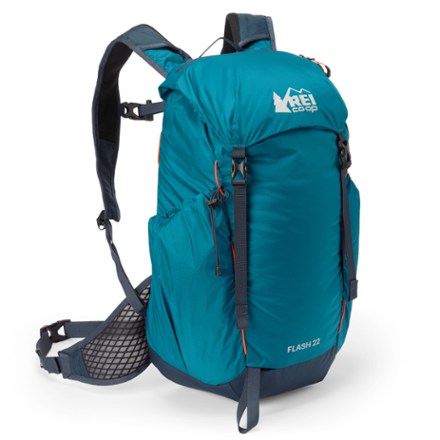
REI Co-op Flash 22 PackBest Overall Under $50$5022L12.3 ozFoam-padded ventilatedRemovable
Columbia Zigzag 22L DaypackBest Value Under $40$3822L15 ozPadded meshFixed
High Sierra Swerve Pro DaypackBest Laptop Daypack Under $50$3525L1.7 lbsPadded panelFixed
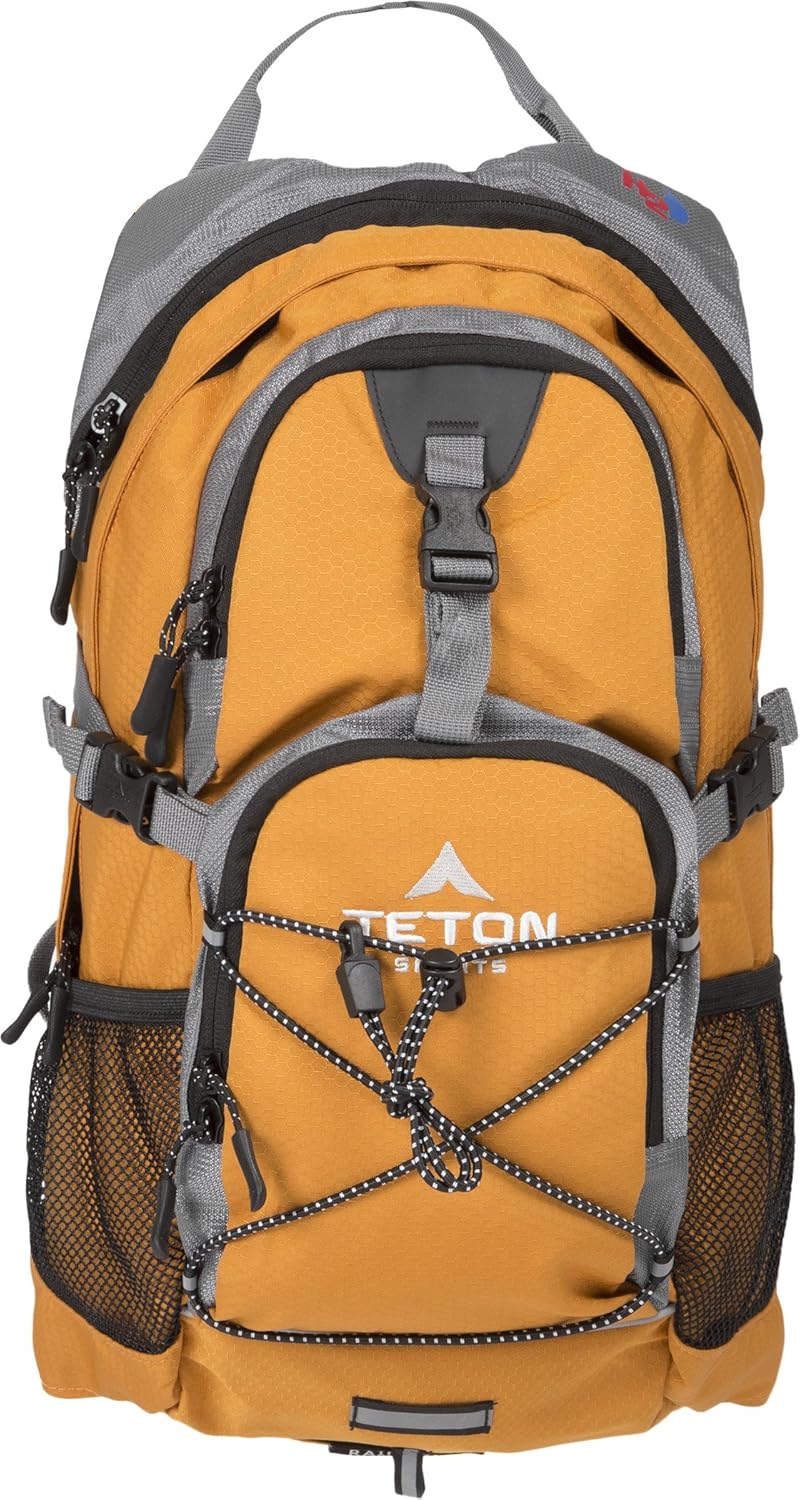
Teton Sports Oasis 1100 Hydration PackBest Hydration Pack Under $50$4518L (with 2L reservoir)14 oz (without reservoir)Airmesh ventilatedFixed
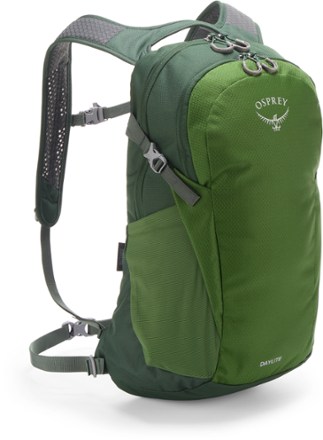
Osprey Daylite DaypackBest Brand Under $50$5013L11.1 ozAirspeed suspended meshRemovable

How We Test

We apply the same field-testing standards to budget daypacks that we use for packs costing five times as much. Price does not lower the bar — it just changes what we consider a fair tradeoff.

Trail Performance

40%

Each pack is loaded to 70 percent of its rated capacity and carried on a minimum of 20 trail miles across varied terrain. We evaluate suspension comfort, back ventilation, load stability, and how the pack performs through stream crossings and weather changes.

Organization & Access

25%

We assess how well the pack's layout supports real hiking use — whether you can access water, snacks, and a rain layer quickly without removing the pack, and whether the organizational system makes logical sense for a day on the trail.

Durability & Construction

20%

We examine seam quality, zipper operation, fabric abrasion resistance, and hardware robustness. Budget packs are evaluated against realistic lifespan expectations for their price tier, not against premium alternatives.

Value & Versatility

15%

We consider how much practical capability each dollar buys, including off-trail utility, hydration compatibility, laptop protection, and how the pack compares to alternatives that cost 50 to 100 percent more.

Detailed Daypack Reviews

#1Best Overall Under $50

REI Co-op Flash 22 Pack

Capacity

22L

Weight

12.3 oz

Back Panel

Foam-padded ventilated

Hip Belt

Removable

Laptop Sleeve

No

Price

$50

The REI Co-op Flash 22 Pack is the standout performer in the under-$50 daypack category, and it reaches that ceiling with a level of quality that most competitors cannot match at twice the price. REI designed the Flash 22 as an everyday trail companion for hikers who need a light, packable pack that does not sacrifice on comfort or organization. At 12.3 ounces, it is one of the lightest packs in this roundup and compresses into its own hip belt pocket for easy storage, which is a feature normally reserved for packs costing $80 or more.

The back panel uses foam padding arranged in a ventilated pattern that allows airflow between the pack and your back during warm-weather hikes. This matters more than most hikers expect — a fully loaded 22-liter pack on a sweaty back in summer turns any trail into an uncomfortable grind. The Flash 22 channels air effectively enough to keep the experience notably more comfortable than flat-panel alternatives in this price range. The removable hip belt lets you dial in load transfer on heavier loads or strip it off entirely for fast, minimal hikes where every ounce counts.

Organization is practical without being overly complex. The main compartment handles a full day's gear including a rain layer, lunch, and water bottle. Two side pockets fit standard 1-liter bottles or a wide-mouth Nalgene with a slight compression adjustment. The front zippered pocket provides easy access to trail snacks, sunscreen, and a headlamp without digging through the main compartment. There is no laptop sleeve, which is the most significant functional gap for hikers who also want to use this pack for travel or commuting.

Durability from 100D nylon is appropriate for the pack's weight class. This is not a haul-anything-anywhere bombproof pack, but it resists normal trail abuse well and holds up to regular use without fraying at seams or zipper failure. The Flash 22 is best used exactly as intended — as a lightweight hiking daypack for trips under 12 miles where you are not carrying heavy camera gear or multi-day supplies. For that use case it is the best overall choice under $50 by a clear margin, offering REI's quality control, materials expertise, and trail-tested design at a price point that makes it accessible to nearly any hiker.

Pros

  • +Ultralight at just 12.3 oz
  • +Compresses into its own hip belt pocket
  • +Ventilated foam back panel
  • +Removable hip belt for load versatility
  • +Backed by REI quality and return policy

Cons

  • No laptop sleeve
  • 100D nylon is not the most abrasion-resistant
  • Limited organization for tech or travel use
  • No hydration sleeve

Best for: Lightweight trail hikers who want REI quality and a packable, ventilated design at the $50 ceiling without paying more for features they do not need.

Check Price
#2Best Value Under $40

Columbia Zigzag 22L Daypack

Capacity

22L

Weight

15 oz

Back Panel

Padded mesh

Hip Belt

Fixed

Laptop Sleeve

15-inch sleeve

Price

$38

The Columbia Zigzag 22L Daypack delivers a remarkable amount of daypack capability for $38, making it the best pure value pick in this roundup and arguably the most practical all-around pack for hikers who also need to use their bag off-trail. The built-in 15-inch laptop sleeve is the headline feature — no other pack in this price range includes a dedicated padded sleeve for a full-size laptop, which means the Zigzag doubles effectively as a campus bag, travel daypack, or work-to-trail crossover without requiring a second bag.

At 22 liters and 15 ounces, the Zigzag carries a full day's worth of trail gear comfortably. The padded mesh back panel provides decent ventilation for a non-suspended design, sitting slightly off the back to allow some airflow on moderate climbs. It is not as effective as the REI Flash 22's foam ventilation system, but it meaningfully reduces sweat buildup compared to a flat foam panel. The fixed hip belt provides basic load stabilization and keeps the pack from swinging on rocky descents without adding the adjustability of a removable belt.

Columbia's polyester construction at this price point is serviceable rather than exceptional. The fabric handles trail use, light rain exposure, and regular loading without issue, but it is not designed for technical scrambling or abrasive rock contact. The zipper quality is adequate — not smooth like YKK zippers found on premium packs, but functional and unlikely to fail under normal use. The main compartment, secondary compartment, and front pocket provide a layered organizational system that lets you separate gear logically rather than stuffing everything into one cavity.

The Zigzag is the right choice for hikers who want the most functional feature set per dollar spent. The laptop sleeve alone justifies the price premium over no-frills budget alternatives, and the overall construction is solid enough for regular trail days and everyday carry. If you are buying your first daypack and want something that works on the weekend trail and at work during the week, the Columbia Zigzag 22L at $38 is the most sensible investment in this entire roundup.

Pros

  • +Built-in padded 15-inch laptop sleeve
  • +Lowest price in the roundup at $38
  • +Versatile enough for hiking and daily use
  • +Layered organizational pockets
  • +Padded mesh back panel

Cons

  • Fixed hip belt limits load transfer adjustment
  • Polyester construction less durable than nylon
  • Heavier than the REI Flash 22
  • Ventilation less effective than suspended designs

Best for: Budget-conscious hikers who need a daypack that transitions from trail to campus or office, with a built-in laptop sleeve at the lowest price in the roundup.

Check Price
#3Best Laptop Daypack Under $50

High Sierra Swerve Pro Daypack

Capacity

25L

Weight

1.7 lbs

Back Panel

Padded panel

Hip Belt

Fixed

Laptop Sleeve

17-inch sleeve

Price

$35

The High Sierra Swerve Pro punches hard in the capacity and laptop-carrying department for just $35, offering a 25-liter main compartment and a 17-inch laptop sleeve that outpaces every other pack in this roundup for raw cargo space. High Sierra has spent decades building school and travel packs, and that heritage shows in the Swerve Pro's organization-first design. For hikers who carry a lot — full layers, substantial lunch, camera gear, and a work laptop — the Swerve Pro's volume and sleeve make it the most capable hauler under $50.

The 17-inch laptop sleeve is the deepest and most padded option in this price range, accommodating even the larger MacBook Pro models that a 15-inch sleeve cannot fit. This makes the Swerve Pro genuinely useful for anyone who needs to travel between the trailhead and the office on the same day without repacking. The polyester ripstop material adds a layer of durability that standard polyester lacks — the woven ripstop grid prevents tears from propagating, which matters when you are loading a pack with heavy electronics and carrying it in varied conditions.

At 1.7 pounds, the Swerve Pro is the heaviest pack in this roundup, and that weight reflects its more substantial construction and larger frame structure. Hikers who prioritize ultralight performance will find that weight penalty noticeable on long days, but hikers who are carrying 15 or more pounds of gear will appreciate the added structure and support. The padded back panel provides adequate comfort without ventilation, and the fixed hip belt stabilizes the load without offering the adjustability of removable designs. On warm hikes, the pack against your back will generate more heat than ventilated alternatives.

For the specific use case it targets — carrying a large laptop, significant gear volume, and everyday essentials at a price well below $50 — the High Sierra Swerve Pro is the right tool. It is not the best choice for pure hiking performance or ultralight trail use, but for students, commuters, and hikers who need maximum carrying capacity and the best laptop protection under $50, it delivers more than its price suggests.

Pros

  • +Largest capacity at 25L
  • +Accommodates 17-inch laptops
  • +Polyester ripstop resists tear propagation
  • +Maximum cargo space under $50
  • +Durable construction for regular heavy use

Cons

  • Heaviest pack in the roundup at 1.7 lbs
  • No back ventilation system
  • Fixed hip belt only
  • Heavier frame adds bulk when pack is half-loaded

Best for: Hikers who also need a pack for campus or office use with a 17-inch laptop sleeve, and who prioritize maximum cargo volume over lightweight trail performance.

Check Price
#4Best Hydration Pack Under $50

Teton Sports Oasis 1100 Hydration Pack

Capacity

18L (with 2L reservoir)

Weight

14 oz (without reservoir)

Back Panel

Airmesh ventilated

Hip Belt

Fixed

Laptop Sleeve

Tablet sleeve

Price

$45

The Teton Sports Oasis 1100 is the only true hydration pack in this roundup, and it makes a compelling case for why hands-free water access matters on the trail. At $45 with a 2-liter reservoir included — a feature that would cost $25 to $40 if purchased separately — the Oasis 1100 delivers the complete hydration pack experience at a price that makes it one of the best deals in the budget outdoor gear market. For hikers who spend long days on trail in hot weather or who simply prefer drinking without stopping to pull out a bottle, the Oasis fills that need without budget strain.

The airmesh back panel is the most effective ventilation system in this roundup, using a structured design that holds the pack off your back and creates a genuine channel for airflow. On warm-weather hikes above 70 degrees, this difference is perceptible and meaningful — the Oasis runs noticeably cooler against your back than padded-panel alternatives. The fixed hip belt distributes the pack's weight adequately and holds the system stable during technical footing or running, and the sternum strap with a safety whistle adds a functional safety element appreciated by solo hikers.

The ripstop nylon construction balances weight and durability effectively. At 14 ounces without the reservoir, the Oasis is nearly as light as the REI Flash 22 while carrying substantially more water capacity. The 18-liter total volume — combining the main compartment and the reservoir bladder — handles a full day's food and gear alongside your hydration supply. Organization includes a main compartment, front zippered pocket, and the reservoir sleeve that doubles as a tablet storage area. The drink tube routing keeps the hose out of the way during hiking without requiring complex management.

The primary limitation of the Oasis 1100 is that it is optimized for hydration-focused trail use rather than everyday carry or laptop transportation. The included reservoir is a budget model that performs fine but lacks the premium feel of Platypus or CamelBak bladders. The zipper quality is functional without being exceptional. For hikers buying their first hydration pack or upgrading from a basic daypack to handle summer heat and long days on trail, the Teton Sports Oasis 1100 is the clear choice in the under-$50 category — the included reservoir alone makes the price-to-value ratio exceptional.

Pros

  • +Includes 2L hydration reservoir
  • +Best ventilation with airmesh back panel
  • +Lightweight at 14 oz without reservoir
  • +Hands-free hydration for trail efficiency
  • +Sternum strap with safety whistle

Cons

  • Budget reservoir lacks premium feel
  • Less versatile for everyday carry
  • No laptop sleeve
  • Limited organizational pockets

Best for: Hikers who want hands-free hydration and excellent back ventilation for warm-weather day hikes, with an included reservoir at the best price-per-feature in the roundup.

Check Price
#5Best Brand Under $50

Osprey Daylite Daypack

Capacity

13L

Weight

11.1 oz

Back Panel

Airspeed suspended mesh

Hip Belt

Removable

Laptop Sleeve

Sleeve for Osprey reservoir

Price

$50

The Osprey Daylite is the most premium-feeling pack in this roundup and carries the weight of Osprey's exceptional brand reputation — a company that has built some of the most respected technical packs in the industry. At $50 and 11.1 ounces, the Daylite is the lightest pack here and features Osprey's Airspeed suspended mesh back panel, a ventilation system that genuinely rivals what you find on packs costing $80 to $120. For hikers who want Osprey craftsmanship and the best back ventilation available under $50, the Daylite delivers both without compromise.

The Airspeed suspended mesh panel creates a pronounced gap between the pack body and your back, allowing unrestricted airflow even during sustained climbs. This is not a marketing claim — the suspended mesh design makes a real-world difference on warm days, keeping your back dramatically drier than contact-panel alternatives. Osprey uses this same ventilation technology on their premium Talon and Stratos series packs, and the fact that it appears at the $50 price point on the Daylite represents genuine value. The removable hip belt adds load transfer capability for the occasional heavier load.

The 13-liter capacity is the most important consideration when evaluating the Daylite. This is a deliberately minimal pack designed for half-day hikes, short trail runs, and use as an attachment pack for Osprey's larger backpacking systems. It holds a jacket, lunch, water, and small accessories without issue, but it will feel cramped on full-day hikes where you need to carry multiple layers, a first aid kit, and a day's worth of food and water. The sleeve is designed to accept Osprey's own hydration reservoirs rather than serving as a traditional laptop compartment, which limits its off-trail utility.

The 100D nylon construction meets Osprey's standards for quality and the stitching, zippers, and hardware all reflect a level of fit and finish that exceeds what you typically encounter in the sub-$50 category. Osprey backs the Daylite with their All Mighty Guarantee, which covers repairs and replacements for the life of the product — a warranty policy that no other pack in this roundup can match. If you want the best brand, the best ventilation system, and the best long-term warranty in the under-$50 daypack category and can live with the smaller capacity, the Osprey Daylite is the choice that will still be in your gear closet a decade from now.

Pros

  • +Lightest pack at 11.1 oz
  • +Osprey Airspeed suspended mesh ventilation
  • +Backed by Osprey's lifetime All Mighty Guarantee
  • +Removable hip belt
  • +Premium build quality at the budget price

Cons

  • Smallest capacity at 13L — tight for full-day hikes
  • No standard laptop sleeve
  • Designed to attach to Osprey packs for full utility
  • At $50 ties as the most expensive in the roundup

Best for: Hikers who want Osprey quality, a lifetime warranty, and the best back ventilation under $50 — and who need a pack for half-day hikes or shorter adventures rather than full-day carry.

Check Price

Daypack Under $50 Buying Guide

A sub-$50 daypack can carry your gear comfortably and hold up through regular trail use if you match the right pack to the right use case. Here is what to focus on when comparing options.

What Capacity Do You Actually Need?

The most common daypack mistake is buying too large. A 25-liter pack for a four-hour trail hike leads to carrying unnecessary space — and the temptation to fill it. For half-day hikes under five miles, 13 to 18 liters is plenty. For full-day hikes covering six to twelve miles with layers, lunch, first aid, and a hydration system, 20 to 25 liters is the practical sweet spot. If you need to carry a laptop alongside trail gear, lean toward 22 to 25 liters to avoid cramming. Our what size backpack for a day hike guide walks through this decision in more detail with specific load scenarios.

Back Panel Design and Ventilation

Back panel design has the most direct impact on comfort during warm-weather hiking. A flat foam panel transfers sweat directly to your back. A channeled or padded mesh panel creates partial airflow. A suspended mesh panel like the Osprey Daylite's Airspeed system holds the pack body completely off your back for maximum ventilation. The tradeoff is stability — suspended designs move slightly more than contact panels under dynamic loads. For hot climates or steep climbs, prioritize ventilation. For technical terrain or running, prioritize contact stability. Understanding this tradeoff helps you choose between the packs in this roundup based on where and how you hike, not just on spec sheet numbers.

Hydration Compatibility on Budget Packs

Not all budget daypacks accommodate hydration bladders equally. Some include a dedicated reservoir sleeve and drink tube port. Others rely on side pockets for water bottles only. If hands-free hydration matters to you — and on hot days or technical trails it absolutely does — check for a dedicated hydration sleeve before buying. The Teton Sports Oasis 1100 removes any ambiguity by including a reservoir. If you already own a CamelBak or Platypus bladder, verify that your pack choice includes a compatible routing port before adding it to your cart. Our best daypacks for hiking guide covers hydration packs across all price ranges if you want to compare beyond the $50 ceiling.

Organization and Pocket Layout

The most important organizational feature in a daypack is logical access. You should be able to reach water, snacks, and a rain layer without removing the pack or unloading the main compartment. Side pockets for water bottles, a top or front zippered pocket for frequently accessed items, and a main compartment deep enough for bulky layers are the three things that matter most. Beyond that, hip belt pockets are a worthwhile bonus for trail snacks and phone access, and a dedicated sleeve — whether for a laptop or a hydration reservoir — adds versatility. Avoid packs that cram all their storage into a single large compartment with no internal organization.

When to Upgrade to a Full-Feature Daypack

Budget daypacks under $50 are the right tool for day hiking, trail running, commuting, and light travel. When your needs grow beyond that — multi-day trips requiring more than 25 liters, technical terrain demanding a stiffer frame and load lifters, or serious weight-carrying that benefits from a hip belt transferring 30 percent or more of load — it is time to look at the options in our best hiking backpacks under $100 guide. For sizing guidance across both categories, our how to choose the right backpack size guide explains the decision framework clearly. A $50 daypack that is right for your needs outperforms a $150 backpacking pack used wrong every time.

Frequently Asked Questions

What size daypack do I need for hiking?

For most day hikes, a daypack in the 18 to 25 liter range hits the sweet spot between carrying capacity and pack weight. An 18-liter pack like the Teton Sports Oasis 1100 handles a half-day to full-day hike with light layers and a hydration system. A 22-liter pack like the REI Flash 22 or Columbia Zigzag is the most versatile size, fitting a full day's food, water, rain gear, and a first aid kit without excess bulk. Larger 25-liter packs like the High Sierra Swerve Pro suit hikers who carry extra layers, camera equipment, or a laptop. The Osprey Daylite at 13 liters is best reserved for short hikes or as a secondary pack. A common guideline is to choose a pack you can fill comfortably without straining zippers — an overstuffed 18-liter pack is worse than a half-full 22-liter one.

Are budget daypacks durable enough for hiking?

Budget daypacks under $50 are durable enough for regular trail use on maintained paths and moderate terrain. The key limitation is not catastrophic failure but accelerated wear — budget zippers may develop inconsistent pull over time, lightweight fabrics show abrasion marks sooner, and padding compresses faster than premium alternatives. The packs in this roundup use 100D nylon or polyester ripstop fabrics that handle trail use well for two to three years of regular weekend hiking. The main factors that determine longevity are how you use the pack, how heavily you load it, and whether you expose it to abrasive rock contact or sustained moisture. For day hiking on maintained trails, any pack in this roundup will serve you well for hundreds of hiking days.

Do I need a hip belt on a daypack?

A hip belt is worth having on a daypack whenever you carry more than 12 to 15 pounds of gear. At lighter loads, most hikers barely notice whether a hip belt is present because the pack's weight sits primarily on the shoulder straps without significant discomfort. Once you load a daypack with water, food, layers, and accessories toward its maximum capacity, a hip belt transfers a meaningful portion of that weight from your shoulders to your hips — the part of your body designed to carry load. For the packs in this roundup, the REI Flash 22 and Osprey Daylite offer removable hip belts that give you flexibility, while the Columbia Zigzag, High Sierra Swerve Pro, and Teton Sports Oasis include fixed belts that provide basic stabilization. A removable belt is the more versatile option if your load varies significantly between outings.

Can I fit a hydration bladder in a budget daypack?

Most budget daypacks under $50 include a hydration sleeve or reservoir compartment, though compatibility varies by brand. The Teton Sports Oasis 1100 comes with a 2-liter reservoir included, making it the easiest choice for hydration pack functionality. The Osprey Daylite includes a sleeve designed for Osprey's own reservoirs. The REI Flash 22 and High Sierra Swerve Pro include hydration routing ports and sleeves compatible with standard reservoirs from CamelBak or Platypus. The Columbia Zigzag is primarily designed for water bottles in its side pockets rather than a bladder system. When buying a separate reservoir to use with a compatible pack, expect to spend $20 to $35 for a reliable 1.5 to 2 liter bladder — factor that cost into your total budget when comparing options.

What features should I look for in a daypack under $50?

The most important features to prioritize in a budget daypack are back panel ventilation, hip belt type, capacity in relation to your typical load, and organizational layout. A ventilated back panel — whether foam padding with channels, mesh, or a suspended panel like the Osprey Daylite's Airspeed system — makes a significant comfort difference on warm hikes. Hip belt style matters if you carry heavier loads. Capacity should match your typical day's gear without overpacking. Beyond those priorities, look for durable zippers, a hydration sleeve if you prefer bladder systems, and side water bottle pockets for easy bottle access. A laptop sleeve is valuable if you use your daypack off-trail. Avoid packs that advertise a high capacity number but achieve it with poor internal organization that makes the space hard to use efficiently. Finally, consider the brand's warranty — Osprey's lifetime guarantee is exceptional value even at $50.

Final Verdict

After testing five budget daypacks under $50 across varied trail conditions, the REI Co-op Flash 22 earns the top overall recommendation. Its ultralight 12.3-ounce build, ventilated foam back panel, packable design, and REI quality make it the most well-rounded daypack at the $50 ceiling for hikers who prioritize trail performance.

For the best pure value, the Columbia Zigzag 22L at $38 adds a 15-inch laptop sleeve and solid organization at the lowest price in the roundup. The High Sierra Swerve Pro at $35 wins for maximum capacity and a 17-inch laptop sleeve. The Teton Sports Oasis 1100 at $45 is the clear pick for hydration-focused hikers with its included 2-liter reservoir and best-in-class airmesh ventilation. And the Osprey Daylite stands apart with its Airspeed suspension, legendary brand quality, and lifetime warranty for hikers who want the best long-term investment at $50.

Every pack in this roundup delivers genuine value for its price. Match your choice to your load, your trail conditions, and your off-trail needs, and you will have a daypack that earns its place in your gear kit for seasons to come.

PG

Peak Gear Guide Editorial Team

Our testing team includes certified Wilderness First Responders, Leave No Trace trainers, and experienced thru-hikers who have collectively logged over 15,000 trail miles. We purchase every product with our own funds and maintain zero affiliate influence over our editorial recommendations.

Related Guides

Editorial Disclosure

Peak Gear Guide is reader-supported. When you purchase through links on our site, we may earn an affiliate commission at no additional cost to you. Our editorial team tests every product independently and recommendations are never influenced by affiliate partnerships. We only recommend gear we would use ourselves. Product prices and availability are accurate as of the publication date and are subject to change. Last updated April 17, 2026.