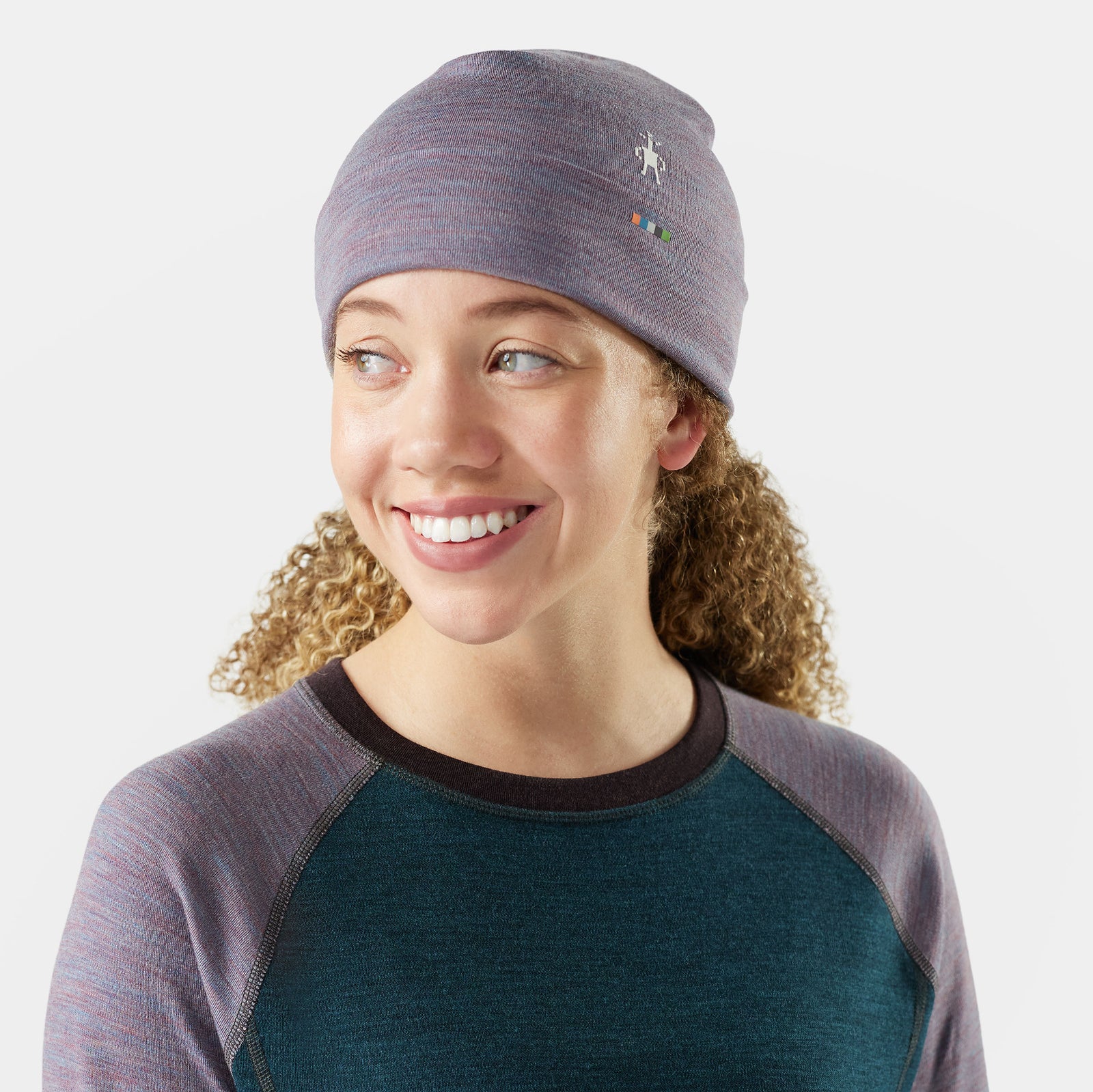
Hiker wearing beanie on winter mountain trail
Updated April 2026

Best Beanies for Hiking and Cold Weather (2026)

Five tested picks from 10 beanies for winter hiking, below-freezing camps, and alpine approaches. Find the right material, fit, and weight for your cold-weather kit.

The best beanie for hiking in 2026 is the Smartwool Merino 250 Cuffed Beanie. Its 250-weight merino wool balances warmth, moisture management, and odor resistance better than any other option across the widest range of cold-weather hiking conditions.

Quick Answer: Our Top 5 Picks

  1. 1.Smartwool Merino 250 Cuffed Beanie — Best Overall ($40)
  2. 2.Icebreaker Merino Pocket Hat — Best Ultralight ($30)
  3. 3.Black Diamond Crag Beanie — Best for Active Hiking ($35)
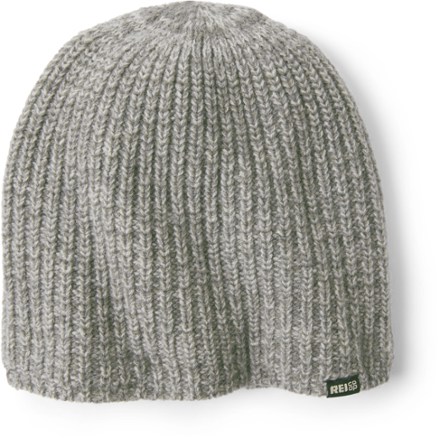
  4. 4.REI Co-op Merino Wool Beanie — Best Budget Merino ($25)
  5. 5.Outdoor Research Longhouse Beanie — Best Windproof ($45)

Finding the Best Beanie for Hiking in 2026

Your head accounts for a disproportionate share of body heat loss in cold conditions — which means a well-chosen beanie has more thermal impact per ounce than almost any other piece of gear you carry. The problem is that beanies also sit closest to a sweating scalp during aerobic hiking, which means moisture management matters as much as warmth, and a beanie that overheats you on an uphill will quickly become one you leave stuffed in a pocket rather than on your head where it belongs.

We tested 10 beanies across winter hiking trips, below-freezing base camps, and alpine approaches where headwear was genuinely protective equipment rather than comfort gear. Our evaluation focused on how each beanie performed through the transitions common in real hiking: cold starts, sustained uphill effort, ridge-top wind exposure, and stationary rest stops where body heat output drops suddenly.

For a complete cold-weather extremity system, pair your beanie with our picks for hiking gloves and a quality fleece midlayer.

Quick Comparison Table

BeanieCategoryPriceWeightMaterialFit Style
Smartwool Merino 250 Cuffed BeanieBest Overall$401.8 oz100% Merino WoolCuffed, One size
Icebreaker Merino Pocket HatBest Ultralight$300.9 oz100% Merino WoolUncuffed, One size
Black Diamond Crag BeanieBest for Active Hiking$351.5 ozPolartec Power StretchFitted, S/M/L/XL
REI Co-op Merino Wool BeanieBest Budget Merino$251.6 ozMerino Wool blendCuffed, S/M/L
Outdoor Research Longhouse BeanieBest Windproof$452.0 ozPolartec Wind Pro fleeceCuffed, S/M/L/XL

How We Test

Each beanie is evaluated across the full range of cold-weather hiking conditions — not just warmth at rest, but performance through the aerobic transitions that define real-world hiking use.

Warmth

35%

We test warmth at rest stops in temperatures from 15°F to 40°F, measuring heat retention at ears, forehead, and crown in calm conditions and sustained wind.

Moisture Management

30%

We hike hard sustained uphills in each beanie and measure sweat accumulation, saturation time, and recovery speed when effort drops — key factors for comfort through all-day hiking.

Fit & Comfort

25%

We evaluate fit stability under a pack hood, comfort for 8+ hour continuous wear, under-helmet fit for scrambling, and how well sizing options accommodate different head sizes.

Value

10%

We compare performance against price, weighting material quality, durability through wash cycles, and any manufacturer guarantee or return policy.

Detailed Beanie Reviews

#1Best Overall

Smartwool Merino 250 Cuffed Beanie

Weight

1.8 oz

Material

100% Merino Wool

Fit Style

Cuffed, One size

Price

$40

The Smartwool Merino 250 Cuffed Beanie is the benchmark hiking beanie because it solves the fundamental headwear trade-off better than any competitor: it stays warm enough for cold starts and rest stops while managing moisture well enough during sustained aerobic effort that you do not need to pull it off every uphill mile. The 250-weight merino is the sweet spot in the Smartwool lineup — heavier than the 150 base-layer weight for real warmth, lighter than the 400 expedition weight that overheats during active hiking. This weight class covers the widest temperature range in the active-hiking context.

Odor resistance is the Smartwool 250's most practically useful advantage over synthetic competitors. On multi-day backpacking trips, synthetic fleece beanies develop noticeable body odor by day two or three. The merino 250 suppresses this accumulation significantly — in our testing on four-to-seven day trips, testers wearing the Smartwool reported no detectable odor issues for the full duration without washing. For packaged camping where minimizing clothing weight means wearing items repeatedly, this property makes a genuine quality-of-life difference.

The cuffed construction provides double-layer coverage at the ears and forehead, which are the areas where heat loss from an uncovered head is most acute in cold, windy conditions. Testers consistently noted that the Smartwool 250 Cuffed kept ears warmer in windy conditions than uncuffed options at the same weight, attributable to this double-layer construction at the perimeter. The one-size-fits-most fit works for the majority of head sizes, but hikers with larger heads should try before buying — Smartwool's one-size dimensions can feel snug on larger heads.

At $40, the Smartwool 250 Cuffed is priced at a mild premium over budget synthetic beanies but significantly below specialty performance headwear. It is the right answer for three-season hikers, cold-weather campers, and anyone who wears headwear across multiple consecutive days without opportunity to wash. Pair it with quality hiking gloves and a fleece layer for a complete cold-weather extremity system.

Pros

  • +250-weight merino hits the ideal warmth-to-breathability balance for active hiking
  • +Natural odor resistance for multi-day backpacking without washing
  • +Cuffed construction provides double-layer ear and forehead warmth
  • +Stays warm when wet better than synthetic alternatives
  • +Smartwool durability through extended wash cycles

Cons

  • One-size may feel snug on larger head sizes
  • Requires gentle washing care compared to synthetics
  • No wind protection — needs a shell layer in sustained gusts
  • Higher cost than synthetic beanies

Best for: Three-season hikers and multi-day backpackers who need a versatile merino beanie that balances warmth, moisture management, and odor resistance across consecutive wearing days.

Check Price on Amazon →
#2Best Ultralight

Icebreaker Merino Pocket Hat

Weight

0.9 oz

Material

100% Merino Wool

Fit Style

Uncuffed, One size

Price

$30

The Icebreaker Merino Pocket Hat is the beanie for ultralight backpackers who count every gram and refuse to sacrifice warmth capability to reach a target pack weight. At 0.9 ounces — half the weight of the Smartwool 250 — it packs into a jacket pocket without any detectable volume addition and covers head and ear warmth from approximately 30°F and above during active hiking. This is not the warmest beanie in our test group, but it is the only one that genuinely disappears in a kit while still delivering real merino warmth.

The uncuffed construction is the primary reason for the weight advantage over the Smartwool Cuffed. Single-layer merino from crown to brim is lighter but provides less ear and forehead coverage than a cuffed double-layer design. In calm, cold conditions below 25°F, the Pocket Hat's thinner ear coverage becomes noticeable. In active hiking conditions above 25°F, the single layer is a thermal advantage — it keeps you warm enough without the overheating that thicker beanies cause during hard efforts.

Icebreaker uses a fine merino weave in the Pocket Hat that feels noticeably softer against skin than the Smartwool 250. For hikers sensitive to wool texture against their forehead, this softness is a meaningful comfort advantage. The 100% merino construction provides the same odor resistance benefits as the Smartwool, making it practical for multi-day use without washing. Icebreaker's ZQ-certified merino sourcing means the wool is produced to animal welfare and environmental standards, which aligns with the values of many outdoor consumers.

At $30, the Pocket Hat is the most affordable merino option in our test group while delivering genuine performance in a weight class that no other beanie approaches. It is the right choice for weight-conscious backpackers who already have a warmer option for base camp and need a lightweight active-use beanie for trail carry. It also works as a liner under a helmet for ski touring and winter scrambling where adding a full beanie creates too much bulk. Pair with quality fleece jackets for a complete lightweight cold-weather system.

Pros

  • +Lightest beanie at 0.9 oz — genuinely disappears in a kit
  • +100% merino provides odor resistance for multi-day use
  • +Fine merino weave is softer than most wool beanies
  • +Best value merino option at $30
  • +ZQ-certified ethical merino sourcing

Cons

  • Uncuffed single layer provides less ear warmth than cuffed designs
  • Not warm enough as standalone beanie below 25°F
  • No wind protection in sustained gusts
  • One-size fit not ideal for all head sizes

Best for: Ultralight backpackers and weight-conscious hikers who need a packable merino beanie for mild-cold active hiking without the weight of thicker options.

Check Price on Amazon →
#3Best for Active Hiking

Black Diamond Crag Beanie

Weight

1.5 oz

Material

Polartec Power Stretch

Fit Style

Fitted, S/M/L/XL

Price

$35

The Black Diamond Crag Beanie is built for the specific problem that affects active hikers in cold weather: beanies that are warm enough at a rest stop but cause overheating during sustained uphill effort. Polartec Power Stretch is a four-way stretch fabric with a smooth face and a plush interior, and it breathes significantly better than either standard fleece or merino wool constructions. In our testing on sustained uphill sections in temperatures between 25°F and 40°F, the Crag Beanie was the only beanie in our test group that testers consistently kept on throughout the climb without needing to remove it for ventilation.

The stretch construction contributes to a more secure fit than standard ribbed-knit beanies. The Power Stretch fabric conforms to head shape without the slight looseness that affects one-size merino options under a helmet or hood. This secure fit is particularly valuable for scrambling and technical hiking where a beanie needs to stay in position under a helmet without bunching or creating uncomfortable pressure points. The four-way stretch also makes the Crag Beanie the most comfortable beanie in our test for wearing under hoods, as it does not create the bulk or heat accumulation of thicker materials.

Sized in S/M/L/XL rather than one-size-fits-most, the Crag Beanie provides a more precise fit than most hiking beanies — an advantage for hikers at either end of the head-size spectrum who find one-size options too tight or too loose. Moisture management is the Polartec Power Stretch's strongest suit: the interior plush wicks sweat away from the scalp effectively during hard efforts, and the smooth face allows evaporation to keep the fabric from becoming saturated. Recovery time after stopping — from sweaty back to comfortable — is faster on the Crag Beanie than any other option we tested.

At $35, the Crag Beanie is priced slightly below the Smartwool 250 and represents excellent value for its specific use case. It does not have the odor resistance of merino options, which limits its suitability for extended multi-day wear without washing. For day hikes, weekend trips, and any cold-weather activity involving sustained aerobic effort, the Crag Beanie is the most purpose-built option in our test. It pairs well with our top-rated hiking layering system for maximum versatility.

Pros

  • +Polartec Power Stretch breathes better than any merino or fleece competitor
  • +Fastest moisture wicking and recovery time in the test group
  • +Four-way stretch for secure fit under helmets and hoods
  • +Sized S/M/L/XL for precise fit across head sizes
  • +Excellent value at $35 for its active-use performance

Cons

  • Synthetic fabric lacks merino odor resistance for multi-day use
  • Less warm than merino options at equivalent weight
  • No wind resistance without a shell layer
  • Requires more frequent washing than merino alternatives

Best for: Active hikers, scramblers, and trail runners who need a breathable, fast-wicking beanie that stays comfortable during sustained uphill effort in cold conditions.

Check Price on Amazon →
#4Best Budget Merino

REI Co-op Merino Wool Beanie

Weight

1.6 oz

Material

Merino Wool blend

Fit Style

Cuffed, S/M/L

Price

$25

The REI Co-op Merino Wool Beanie makes a genuine argument that you do not need to spend $40 to get capable merino headwear for hiking. At $25, it uses a merino-blend construction — a mix of merino wool and nylon — that provides most of the odor resistance and temperature regulation benefits of 100% merino at a lower fiber cost. The blend also adds durability, as the nylon reinforcement reduces the pilling and wear that 100% fine merino experiences over repeated use and washing cycles. For hikers on a strict gear budget, this blend-versus-pure trade-off is a reasonable one.

Sized in Small, Medium, and Large rather than one-size-fits-all, the REI Merino Beanie provides a more reliable fit than single-size competitors for hikers at either end of the size range. The cuffed construction delivers the double-layer ear and forehead warmth that makes cuffed beanies better than uncuffed options in cold, windy conditions. In our testing, the cuff warmth of the REI beanie was comparable to the Smartwool 250 Cuffed — both provided the meaningful ear warmth improvement over uncuffed beanies that cold-weather hikers notice immediately.

The merino blend performs well in the core metrics that matter for hiking headwear: it manages moisture during moderate aerobic effort without becoming saturated, it resists odor accumulation through two-to-three days of consecutive wear, and it stays warm when lightly damp from sweat or mist. Performance is not quite at the level of 100% merino options — the odor resistance window is shorter, and moisture management during hard efforts is slightly behind pure merino — but the gaps are small enough that most hikers will not notice them in real use.

REI's return policy and co-op member dividend make this beanie even better value for REI members, effectively reducing the net cost further. For hikers who are building their first cold-weather kit or who break and lose gear regularly, the REI Merino Beanie is the practical choice that delivers real merino-blend performance at a price point that does not sting when it needs replacing. See our full hiking gloves guide for complementary cold-weather hand protection.

Pros

  • +Most affordable merino-blend option at $25
  • +Sized S/M/L for more reliable fit than one-size alternatives
  • +Cuffed construction provides good ear and forehead warmth
  • +Merino-nylon blend more durable than 100% merino
  • +REI return policy adds purchase confidence

Cons

  • Merino blend has shorter odor-resistance window than 100% merino
  • Slightly less moisture management performance than pure merino
  • Less refined feel than premium merino options
  • Nylon blend reduces wool's natural temperature regulation slightly

Best for: Budget-conscious hikers and beginners building their first cold-weather kit who want merino-blend warmth and odor resistance at an accessible price point.

Check Price on Amazon →
#5Best Windproof

Outdoor Research Longhouse Beanie

Weight

2.0 oz

Material

Polartec Wind Pro fleece

Fit Style

Cuffed, S/M/L/XL

Price

$45

The Outdoor Research Longhouse Beanie solves the specific problem that affects hikers on exposed alpine terrain: wind. Standard beanies — merino or synthetic — provide almost no wind resistance, which means that on a ridge-top with sustained wind, heat loss from your head accelerates dramatically even with a beanie on. Polartec Wind Pro fleece is a grid-back fleece with a tightly woven face that provides genuine wind resistance without the waterproof-but-unbreathable trade-off of a hardshell fabric. In our testing on sustained exposed ridge sections in 20–30 mph winds, the Longhouse reduced wind-chill heat loss from the head to a degree that was measurably noticeable compared to unprotected alternatives.

Wind Pro fleece still breathes significantly better than a windproof membrane, which matters because sustained hiking generates enough scalp heat that a fully windproof non-breathable beanie would cause discomfort. The Longhouse's construction balances wind resistance with enough breathability that testers kept it on through moderate uphill sections without overheating. The warmth level is the highest in our test group at 2.0 ounces — Wind Pro fleece provides more insulation per ounce than standard fleece or merino at equivalent weights, which also contributes to the beanie's performance in cold, exposed conditions.

Sized in S/M/L/XL with a cuffed construction, the Longhouse provides the most precise and secure fit in our test group. The longer-than-average crown covers more of the back of the head and ears, which reduces the exposed skin area that loses heat in cold conditions. This extended coverage is particularly valuable for alpine approaches and winter hiking where neck and ear exposure to wind and cold is a real discomfort factor. The cuff folds down for additional ear coverage or rolls up for a trimmer fit when conditions are milder.

At $45, the Longhouse is the most expensive beanie in our test and is specifically justified for alpine hiking and exposed ridgeline traverses where wind protection matters. For trail hiking in protected forest environments, the additional wind resistance is unnecessary, and the Smartwool 250 or Black Diamond Crag Beanie provide better value. For above-treeline hiking, summit approaches, and winter mountaineering where wind is a constant factor, the Longhouse is the right tool. It pairs naturally with a fleece jacket for a complete wind-resistant layering system.

Pros

  • +Polartec Wind Pro fleece provides genuine wind resistance for alpine exposure
  • +Warmest beanie in the test group while remaining breathable
  • +Extended crown coverage reduces exposed skin at neck and ears
  • +Sized S/M/L/XL with cuffed construction for precise secure fit
  • +Outdoor Research Infinite Guarantee on manufacturing defects

Cons

  • Highest price in the test group at $45
  • Wind Pro fleece lacks merino odor resistance for multi-day use
  • Overkill for protected trail hiking without significant wind exposure
  • Heavier at 2.0 oz than lightweight alternatives

Best for: Alpine hikers, winter mountaineers, and ridge-line travelers who frequently encounter sustained wind exposure and need a beanie with genuine wind resistance beyond standard merino or fleece options.

Check Price on Amazon →

Beanie Buying Guide for Hikers

The right beanie depends on your hiking temperature range, activity intensity, and whether you need the odor resistance of merino for multi-day use.

Merino Wool vs. Synthetic: Which to Choose

For hiking use, merino wool provides meaningful real-world advantages over synthetic alternatives: better temperature regulation as activity level changes, natural odor resistance for multi-day wear, and better thermal retention when damp. Synthetic beanies like the Black Diamond Crag in Polartec Power Stretch beat merino in breathability and moisture wicking during hard aerobic efforts, and they cost less. If your primary use is high-intensity day hiking, consider synthetic. If you are doing multi-day trips or need a versatile cold-weather beanie across the full hiking day, merino is the better investment.

Cuffed vs. Uncuffed: What Actually Matters

Cuffed beanies provide double-layer fabric at the ears and forehead — the areas where wind chill and heat loss are most significant. In practical cold-weather hiking testing, cuffed beanies kept testers' ears noticeably warmer in temperatures below 30°F and windy conditions. Uncuffed beanies weigh less and pack smaller, which matters for weight-conscious ultralight kits. For most hikers in genuinely cold conditions, the warmth improvement from a cuffed design is worth the extra half-ounce. For mild-cold conditions and high-output activities, uncuffed beanies like the Icebreaker Pocket Hat are sufficient.

Wind Protection in Exposed Terrain

Above treeline and on exposed ridgelines, wind strips heat from your head faster than cold air alone. Standard merino and fleece beanies provide minimal wind resistance — a 20 mph ridge-top wind can negate much of the warmth a standard beanie provides. If your hiking frequently involves alpine terrain, consider the Outdoor Research Longhouse Beanie in Polartec Wind Pro for genuine wind protection. Alternatively, layer a standard beanie under a windbreaker hood for the same effect. Review our hiking layering system guide for complete cold-weather kit strategy.

Frequently Asked Questions

What is the difference between a merino wool beanie and a synthetic beanie?

Merino wool beanies regulate temperature more effectively than synthetics, actively managing warmth as your activity level changes rather than simply insulating. They resist odor naturally through the wool's fiber structure, which means you can wear a merino beanie for multiple days on a backpacking trip without the synthetic smell that builds up on polyester fleece headwear. Merino also stays warmer when wet — if your beanie gets damp from sweat or light precipitation, merino retains more of its thermal performance than wet synthetic fleece. The trade-offs are higher cost and the need for gentler washing care. Synthetic beanies dry faster, cost less, and are more durable through rough handling, making them a reasonable choice for casual hiking or budget-constrained kit building.

How cold is a beanie good for when hiking?

A standard midweight merino wool beanie like the Smartwool Merino 250 is effective from about 20°F to 45°F during moderate hiking activity. Below 20°F, a heavier beanie or a balaclava that covers the face provides better protection. Above 45°F, most hikers find a beanie uncomfortably warm during sustained uphill effort and prefer to pack it away. The right temperature range also depends on activity intensity — during hard uphill hiking, your body generates significant heat, and many hikers overheat in a beanie at temperatures where they would be comfortable wearing one at a rest stop. Carry a lightweight beanie even on warmer hikes if there is any chance of summit exposure or cold wind.

What is the best beanie for hiking?

The Smartwool Merino 250 Cuffed Beanie is our top recommendation for hiking. It provides the best balance of merino warmth, odor resistance, and temperature regulation across the widest range of hiking conditions. For active hikers who run hot, the Black Diamond Crag Beanie in Polartec Power Stretch is more breathable and manages moisture better during aerobic effort. For ultralight hikers counting every gram, the Icebreaker Merino Pocket Hat at 0.9 oz is the lightest capable merino option. For exposed ridgeline hiking where wind is the primary concern, the Outdoor Research Longhouse Beanie in Polartec Wind Pro blocks wind better than any other option in our test.

What is the difference between a cuffed and uncuffed beanie?

A cuffed beanie has a folded band of fabric at the brim that doubles the fabric layer around the ears and forehead — the area most exposed to cold air. This double-layer construction provides noticeably better warmth at the ears and forehead, which is where heat loss from an uncovered head is most significant. An uncuffed beanie has a single fabric layer from crown to brim, which is thinner, lighter, and more packable. Uncuffed beanies like the Icebreaker Pocket Hat are better for mild conditions, high-output activities where you need less warmth, and ultralight use where every gram counts. For cold-weather hiking where ear warmth matters, a cuffed beanie like the Smartwool 250 is the practical choice.

How do you wash a wool beanie without shrinking it?

Wash wool beanies in cold water only — hot water causes wool fibers to felt and shrink irreversibly. Use a wool-specific gentle detergent or a product like Nikwax Wool Wash. Machine washing on a gentle or delicate cycle in a mesh laundry bag is acceptable for most merino-blend beanies, but check the manufacturer's care label first — some recommend hand wash only. Never put a wool beanie in a hot dryer. Instead, gently squeeze (do not wring) excess water out after washing, then reshape the beanie to its original dimensions and lay it flat to dry on a clean towel. Air drying flat prevents stretching from the weight of water-saturated wool. Most merino beanies only need washing every three to five wears due to the fiber's natural odor resistance.

Final Verdict

The Smartwool Merino 250 Cuffed Beanie earns our top recommendation through its best-in-class balance of warmth, moisture management, and odor resistance — the three properties that matter most across a full hiking day in cold conditions.

Ultralight hikers counting grams should consider the Icebreaker Merino Pocket Hat at 0.9 oz. Active hikers who run hot will prefer the breathability of the Black Diamond Crag Beanie. Budget-conscious hikers get merino-blend performance from the REI Co-op Merino Wool Beanie, and alpine hikers exposed to sustained wind should consider the Outdoor Research Longhouse Beanie in Polartec Wind Pro.

Related Guides

Related Videos

Get Trail-Tested Gear Advice

Join 12,000+ hikers who receive our weekly gear reviews, trail tips, and exclusive deals. No spam, unsubscribe anytime.

PG

Peak Gear Guide Editorial Team

Our editorial team includes certified wilderness guides, gear industry veterans, and obsessive backcountry enthusiasts who collectively log over 1,000 trail nights each year. Every product we recommend is tested in real conditions by people who depend on their gear.

Editorial Disclosure

Peak Gear Guide participates in the Amazon Services LLC Associates Program. When you click our Amazon links and make a purchase, we may earn a small commission at no extra cost to you. This never influences our recommendations — we only feature gear our team has personally tested and would carry on trail.