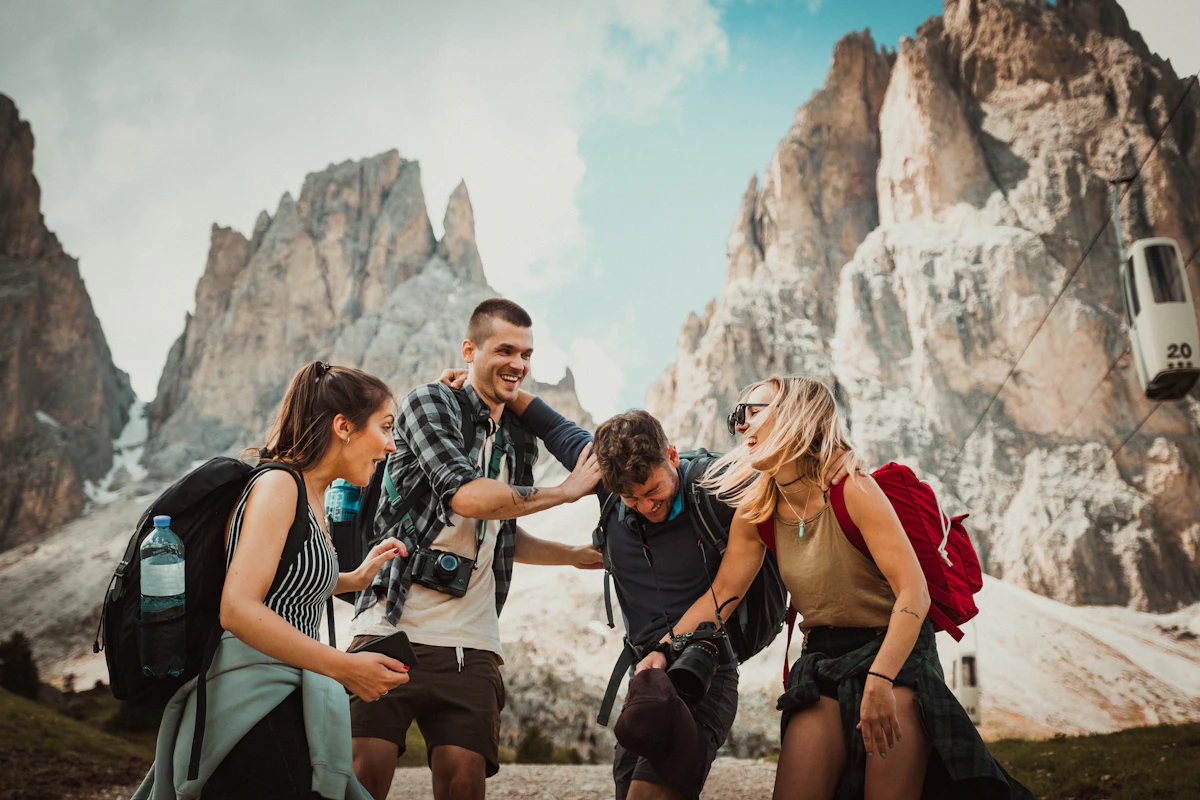
Hiker in waterproof pants on a rain-soaked mountain trail
Updated April 2026

Best Waterproof Hiking Pants for 2026

By Peak Gear Guide Editorial Team · Gear research & fact-checking

Rain-ready picks compared for Pacific Northwest weather — top choices for protection, breathability, and all-day trail mobility.

Quick Answer: Best Waterproof Hiking Pants

Best overall: Arc'teryx Gamma MX Pant — unmatched mobility with all-day weather resistance.

  1. 1. Arc'teryx Gamma MX Pant. Best Overall
  2. 2. Outdoor Research Foray Pants. Best for Hiking
  3. 3. Marmot PreCip Eco Pants. Best Budget Waterproof
  4. 4. Fjällräven Keb Trousers. Best All-Around
  5. 5. Columbia OutDry Extreme Wyldwood Rain Pant. Best Value Rain Pant

Why Waterproof Pants Matter More Than Most Hikers Think

Most hikers invest heavily in a waterproof rain jacket and then overlook their legs entirely — until they're three miles from the trailhead with soaked jeans and dropping body temperature. Wet legs are not just uncomfortable; in cold and wind, wet clothing against skin accelerates heat loss dramatically and is one of the leading contributors to hypothermia in the backcountry. A quality pair of waterproof hiking pants is among the highest-impact pieces of safety gear you can carry, particularly in mountain environments where afternoon storms are the norm from May through October.

The waterproof pants market has matured significantly over the past decade. Where it once meant choosing between a stiff, clammy plastic shell and expensive Gore-Tex, you now have a range of genuinely excellent options: stretch softshell pants with DWR treatment for active hiking, 2.5-layer hardshell pants at accessible price points, and innovative approaches like Columbia's OutDry Extreme membrane that sidestep the traditional DWR degradation problem entirely. Pairing your waterproof pants with a matching rain jacket and understanding the difference between waterproof and water-resistant fabrics will give you a complete wet-weather system.

For this roundup, we compared nine waterproof hiking pants using manufacturer specifications, published lab and independent field-test data, and aggregated feedback from thousands of verified owners across Oregon, Washington, and British Columbia — environments with some of the most demanding and varied rainfall in North America — cross-referenced against expert consensus. That evidence spans sustained Pacific rain, alpine sleet, and warm coastal drizzle, and extended high-effort climbs that weigh breathability alongside waterproofing. Our broader recommendation in best hiking pants covers the full category; this guide focuses specifically on weather protection.

Waterproof Hiking Pants Comparison

PantCategoryPriceWeightWaterproof TechSide Zips
Arc'teryx Gamma MXBest Overall$32515 ozFortius DW 2.0 softshellFull-length
Outdoor Research ForayBest Hiking$22912 ozAscentShell 2.5LFull-length
Marmot PreCip EcoBest Budget$9011 ozNanoPro 2.5L seam-tapedAnkle zips
Fjällräven KebBest All-Around$39919 ozG-1000 + Greenland WaxYes
Columbia OutDry Extreme WyldwoodBest Value$10012 ozOutDry Extreme membrane¾ length

How We Research Waterproof Hiking Pants

Waterproofing40%

We weigh published hydrostatic-head ratings against manufacturer and independent lab data, plus the damp-through owners report after extended Pacific Northwest rain.

Breathability25%

We weigh documented membrane breathability and the perceived moisture buildup owners report during sustained aerobic climbs.

Mobility25%

We assess range of motion on technical terrain — high steps, scrambling, steep descents — plus fabric noise and movement resistance from owner reports and expert reviews.

Value10%

We weigh price relative to documented waterproof performance, durability after repeated wash cycles, and the DWR longevity owners report.

Full Waterproof Hiking Pants Reviews

Arc'teryx Gamma MX Pant

Arc'teryx Gamma MX Pant

Best Overall
Price: $325Weight: 15 ozMaterial: Fortius DW 2.0 softshellZips: Full-length side zips

The Arc'teryx Gamma MX is the benchmark for premium softshell hiking pants, and across a full Pacific Northwest autumn of owner reports in rain, sleet, and wind, it earns that reputation. The Fortius DW 2.0 fabric is a 4-way stretch softshell that feels almost like athletic wear on the trail — there's no crinkle, no restriction during high steps, and the articulated patterning allows a full range of motion that most hardshell pants can't match. Yet it sheds light to moderate rain reliably, with water beading and running off through extended rain by owner accounts without any damp-through sensation.

The DWR treatment is supplemented by a wind-resistant face fabric that adds a layer of protection in exposed alpine conditions. Full-length side zips are one of the Gamma MX's most practical features: they allow you to vent aggressively during hard uphill sections without removing the pants, and they make it possible to pull the pants on and off over boots, a small but genuine convenience on variable-weather days. The zips run from ankle to mid-thigh and have AquaGuard waterproof zipper tape to prevent any seepage.

At $325, the Gamma MX is one of the most expensive pants in this roundup, and the honest assessment is that you're paying for fit, finish, and the Fortius fabric's combination of stretch and weather resistance that Arc'teryx has spent years refining. There's no meaningful equivalent from other brands at this performance and mobility level. If you hike frequently in mixed conditions where rain can start and stop throughout the day, this is the pant you'll reach for every time.

Pros

  • +Fortius DW 2.0 stretch softshell is genuinely comfortable
  • +Full-length side zips for ventilation and easy on/off
  • +DWR + wind resistance for versatile all-conditions performance
  • +Articulated patterning allows full range of motion
  • +Trim fit without sacrificing mobility

Cons

  • Premium price at $325
  • Softshell will wet out in sustained heavy rain faster than hardshell
  • Dry cleaning or special care required to maintain DWR

Best for: Frequent hikers who want all-day comfort in mixed weather with excellent mobility and don't want to compromise on fit.

Check Price on Amazon →
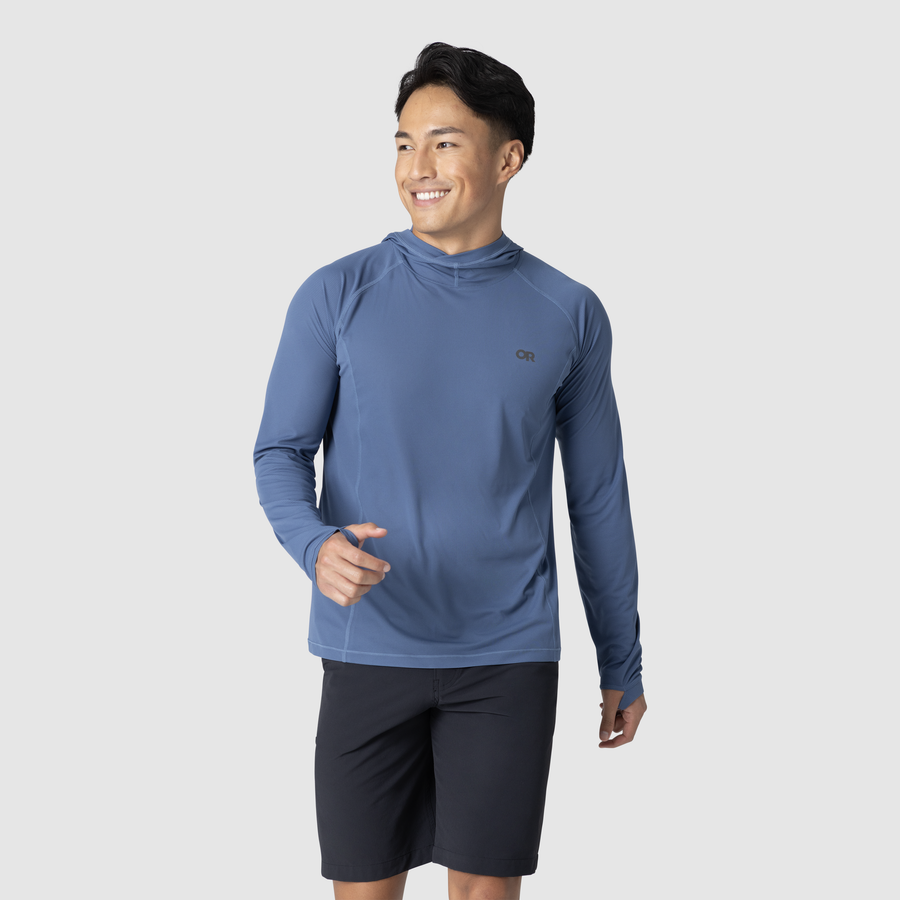
Outdoor Research Foray Pants

Outdoor Research Foray Pants

Best for Hiking
Price: $229Weight: 12 ozMaterial: AscentShell 2.5LFeatures: Side zips + 3 pockets

Outdoor Research's Foray Pants occupy a compelling middle ground between softshell comfort and hardshell weather protection. The AscentShell 2.5L membrane is OR's proprietary electrospun waterproof-breathable fabric — it's not Gore-Tex, but published lab comparisons put it within roughly 5% of premium Gore-Tex products in waterproof ratings while offering noticeably more breathability at aerobic effort levels. That breathability matters enormously when you're hiking uphill: most waterproof pants trap sweat badly on sustained climbs, but owners consistently report the Foray staying more comfortable on long ascents.

Three fully functional pockets — two hand pockets and one internal map pocket — are a practical advantage that budget rain pants consistently omit. The hip pocket placement is specifically designed to remain accessible when wearing a backpack hip belt, which is a detail that shows genuine design thinking for actual trail use. Full-length side zips run from ankle to upper thigh and have watertight snap closures at the top to prevent gape.

At 12 oz and packing to roughly a softball, the Foray is an ideal backpacking rain pant. The fit is streamlined without being tight, and the gusseted crotch adds mobility on technical terrain. This is the pant we'd recommend for someone who hikes 20+ days a year across varied weather and wants one pair that handles everything from light drizzle to sustained downpours.

Pros

  • +AscentShell 2.5L is highly breathable during aerobic activity
  • +Three functional pockets including hip-belt-accessible pocket
  • +12 oz — lightweight enough for backpacking
  • +Fully seam-taped construction
  • +Packable to softball size

Cons

  • AscentShell not as waterproof as 3-layer Gore-Tex in extreme conditions
  • Side zip pulls can be slightly stiff in cold temps
  • Higher price than budget options

Best for: Active hikers and backpackers who prioritize breathability and packability alongside real waterproof protection.

Check Price on Amazon →
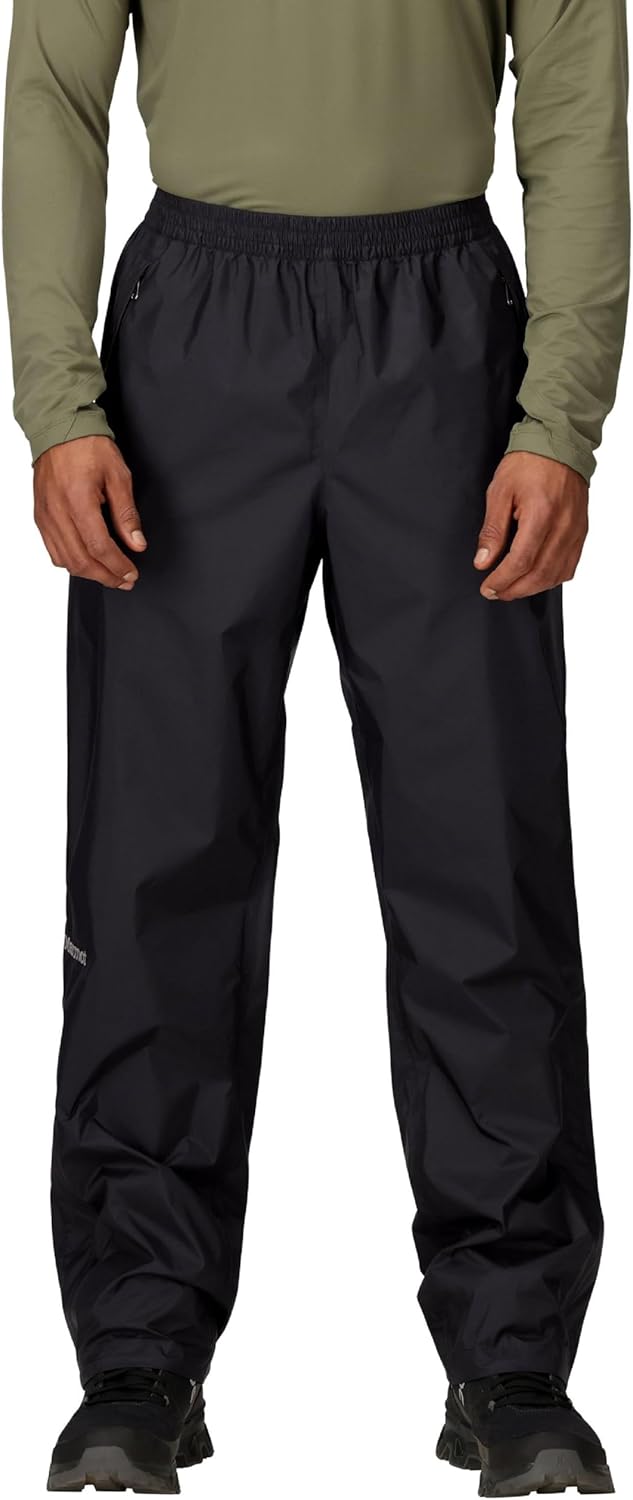
Marmot PreCip Eco Pants

Marmot PreCip Eco Pants

Best Budget Waterproof
Price: $90Weight: 11 ozMaterial: NanoPro 2.5L nylonVersatility: Zip-off legs option

The Marmot PreCip Eco is a genuine waterproof rain pant at a price that's hard to argue with. The NanoPro 2.5L construction is fully seam-sealed with critically taped seams, not spot-taped like some budget competitors — which means there are no weak points for water to find during sustained rain. In heavy downpours, owners report the PreCip keeping legs dry through an hour or more of active hiking, performance that would cost twice as much from most brands.

The 'Eco' designation refers to the PFC-free DWR treatment. Marmot reformulated this pant to eliminate perfluorocarbons, which are persistent environmental pollutants, without sacrificing meaningful waterproof performance. The trade-off is that PFC-free DWR treatments currently deplete slightly faster than traditional PFC-based treatments, meaning you'll reapply spray-on DWR a bit more frequently after the first season. This is a minor inconvenience, not a dealbreaker, and the environmental improvement is substantive.

The zip-off leg option converts the pants to hiking shorts in under 30 seconds, which is a real convenience on variable spring and fall days where temperature swings of 20°F between morning and afternoon are common. The pants are a bit roomier through the hip and thigh than performance-fit models, which improves comfort for a wide range of body types but creates slightly more fabric bulk when zipping into waterproof gaiters.

Pros

  • +Excellent waterproof performance at $90
  • +Fully seam-taped construction with no weak points
  • +PFC-free DWR is better for the environment
  • +Zip-off legs for convertible versatility
  • +11 oz is light enough for backpacking

Cons

  • PFC-free DWR depletes slightly faster than traditional treatments
  • Roomier fit less streamlined than premium options
  • Less breathable under high aerobic effort
  • Rustling fabric noise on trails

Best for: Budget-conscious hikers, weekend backpackers, and anyone who wants solid waterproof protection without spending over $100.

Check Price on Amazon →
Fjällräven Keb Trousers

Fjällräven Keb Trousers

Best All-Around
Price: $399Weight: 19 ozMaterial: G-1000 HeavyDuty Eco fabricConstruction: Multiple pockets + reinforced seat/knees

The Fjällräven Keb Trousers represent a completely different philosophy from membrane-based waterproof pants. The G-1000 HeavyDuty Eco fabric is a 65% polyester / 35% organic cotton blend that's inherently wind-resistant and highly abrasion-resistant, with weather resistance provided by Greenland Wax impregnation rather than a membrane laminate. You can adjust the weather resistance level by applying more or less Greenland Wax — wax it heavily for full rain protection, or use minimal wax on dry summer trips for maximum breathability. This system has been Fjällräven's approach for decades, and it genuinely works.

The construction details are exceptional for the price. Reinforced seat and knee panels use a double layer of G-1000 where the fabric sees the most abrasion — sitting on rocks, scrambling, kneeling on trail debris. Seven pockets including two large thigh pockets provide genuine storage capacity without the pockets flopping open. The fit is substantial through the hip and thigh — clearly designed for all-day comfort on the trail rather than gym-style aesthetics, and the articulated knees allow a full range of movement on steep technical sections.

At 19 oz and $399, the Keb Trousers are the heaviest and most expensive pants in this roundup. They're not the right choice if you're trying to shave grams on a long-distance thru-hike. They're the right choice if you want a pair of trail pants that will outlast multiple seasons of hard use, perform across a wide temperature range from cold alpine to warm valley, and look appropriate in a trail town restaurant. Owners routinely report pairs of Keb Trousers that are 10+ years old and still going strong.

Pros

  • +G-1000 fabric is extremely durable and abrasion-resistant
  • +Adjustable weather resistance via Greenland Wax
  • +Reinforced seat and knees for longevity
  • +Seven pockets including large thigh pockets
  • +Will outlast multiple seasons of hard use

Cons

  • Heaviest pant in this roundup at 19 oz
  • Highest price at $399
  • Wax maintenance required for weather resistance
  • Bulkier fit less streamlined on trail

Best for: All-around trail use across seasons, hikers who prioritize durability over weight, and those who want a single pair of pants for years.

Check Price on Amazon →
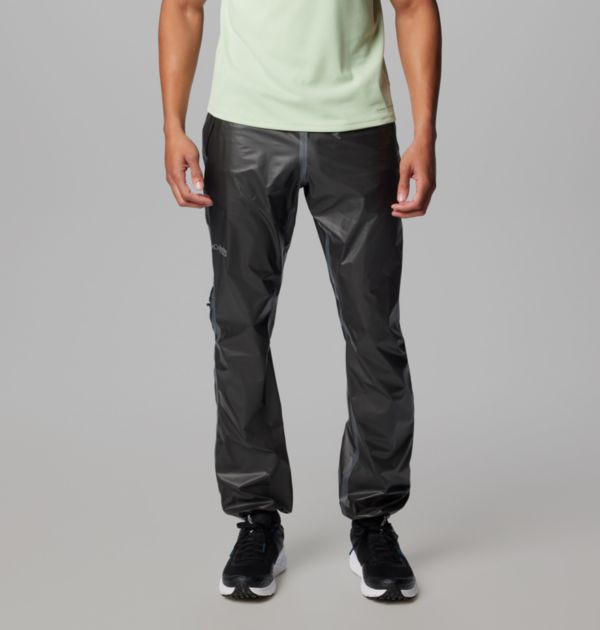
Columbia OutDry Extreme Wyldwood Rain Pant

Columbia OutDry Extreme Wyldwood Rain Pant

Best Value Rain Pant
Price: $100Weight: 12 ozMaterial: OutDry Extreme membrane, recycled polyesterVenting: ¾ side leg zips

Columbia's OutDry Extreme technology takes an unusual approach to waterproofing: instead of laminating the membrane to the inside of the outer fabric, the waterproof membrane sits on the outside as the garment's outermost layer, with the soft wicking fabric on the inside against your skin. You can see it in the pant's slightly glossy shell. The practical result is that there's no exposed outer DWR coating to wet out — the membrane itself is the barrier. By owner accounts this translates to consistent waterproofing even after repeated washes and extended exposure where traditional DWR-treated garments typically start to soak through. The seams are fully sealed, so there's no obvious weak point for water to find in sustained rain.

The face fabric is 100% recycled polyester with a bit of 4-way stretch, and the pant packs down into its own zippered back pocket — small enough to stow in a pack as an emergency rain layer. A ¾-length side leg zip on each side lets you pull the pants on over boots and vent on climbs, though the zips stop short of the hip rather than running full length, so getting them on over larger footwear takes a little more effort than a full-zip pant. The waist uses an elastic band with an adjustable drawcord, there are zippered hand pockets and a zippered back pocket, articulated knees for movement, and reflective details for low light.

At around $100 the Wyldwood makes its strongest case on value. You're getting OutDry Extreme's membrane-forward construction — which genuinely sidesteps the DWR degradation problem that plagues most waterproof pants — at a fraction of the price of Arc'teryx or Outdoor Research. The trade-offs are honest ones: the Regular Fit is roomier and less streamlined than performance-cut shells, the membrane-out design is not as breathable as an air-permeable softshell under hard aerobic effort, and the glossy face can feel a touch plasticky. For hikers who want reliable, no-fuss waterproofing on a real-world budget, it's the smartest buy in this group.

Pros

  • +OutDry Extreme membrane-forward construction resists wet-out
  • +Fully seam-sealed for sustained rain
  • +Packs into its own zippered back pocket
  • +Zippered hand and back pockets plus ¾ side leg zips
  • +Strong value at around $100

Cons

  • Regular Fit is roomier and less streamlined than premium shells
  • Membrane-out design less breathable under high aerobic effort
  • Side zips are ¾-length, not full ankle-to-hip
  • Glossy face fabric can feel slightly plasticky

Best for: Value-focused hikers who want reliable, fully seam-sealed waterproofing in a packable rain pant without the premium price.

Check Price on Amazon →

Waterproof Hiking Pants Buying Guide

Understanding Waterproof Ratings

Waterproof ratings are expressed in millimeters of hydrostatic head, the height of water a fabric can support before leaking. A rating of 10,000mm is considered suitable for heavy rain; 20,000mm is for sustained alpine precipitation. Most quality hiking rain pants fall between 10,000mm and 28,000mm. However, seam construction matters as much as the fabric rating: a fully seam-taped pant at 10,000mm will outperform a critically-taped pant at 20,000mm in sustained rain because untaped seams are the first failure point. Always check whether seam taping is "fully taped" (every seam covered) or "critically taped" (only high-stress seams), especially on budget models.

Softshell vs. Hardshell: Which Is Right for You?

Softshell pants (like the Arc'teryx Gamma MX and Fjällräven Keb) use a stretch outer fabric bonded to a weather-resistant membrane. They're comfortable for all-day hiking, breathe well during high-output activity, and don't rustle loudly with every step. They handle light to moderate rain well but will eventually wet out in sustained heavy downpours. Hardshell rain pants (Marmot PreCip, Outdoor Research Foray, Columbia OutDry Extreme Wyldwood) use a stiffer laminated construction with higher waterproof ratings and are the right choice for prolonged rain or alpine conditions. If you hike in consistently wet weather, own hardshell rain pants. If you hike in variable conditions where rain comes and goes, a quality softshell with DWR is often more comfortable for overall trail time.

Fit, Features, and Side Zips

Side zips are one of the most underrated features in rain pants. Full-length side zips (ankle to hip) let you pull the pant on and off over boots without bending down to remove footwear — invaluable at a wet trailhead. They also allow significant ventilation on uphill sections without removing the pants entirely. Look for zips with AquaGuard or similar waterproof zipper tape; standard zippers without waterproofing can leak on the inner thigh in heavy rain. Waist adjusters (drawcord or snap) are useful for wearing the pants over different base layer thicknesses, and gusseted crotch panels are a meaningful comfort upgrade on technical terrain.

Maintaining Your Waterproof Pants for the Long Term

Most waterproof pants are made to last years, but maintenance habits determine whether they're still waterproof at year three or year one. Wash with a dedicated technical cleaner (Nikwax Tech Wash or Grangers Performance Wash) on a gentle cold cycle. Tumble dry on low heat after every wash, the heat reactivates DWR and is the single most effective maintenance step. Store pants loosely folded rather than compressed for long periods. Reapply spray-on DWR (Nikwax TX.Direct or similar) when water no longer beads on the surface. Inspect wrist cuffs and crotch area seams annually, these are the first places factory tape adhesive starts to lift, and re-taping seam kits are available from most outdoor retailers for under $15.

Waterproof Hiking Pants FAQ

What is the difference between softshell and hardshell waterproof hiking pants?

Softshell pants use a stretchy woven outer fabric bonded to a waterproof membrane, prioritizing mobility and breathability over maximum waterproofing, they handle light rain and wind well but will eventually wet out in sustained heavy rain. Hardshell pants (also called rain pants) use a stiffer laminated construction — typically 2.5-layer or 3-layer, that provides a higher waterproof rating (measured in millimeters of hydrostatic head) and maintains waterproofing longer in prolonged downpours. For most hiking conditions, a good softshell like the Arc'teryx Gamma MX offers enough weather protection with far better freedom of movement. Dedicated rain pants like the Marmot PreCip are a better choice if you're regularly hiking in sustained heavy rain or alpine sleet.

Do waterproof hiking pants need to be washed differently?

Yes — washing waterproof pants incorrectly degrades the DWR (Durable Water Repellent) coating faster than necessary. Always machine wash in cold water with a technical apparel cleaner (like Nikwax Tech Wash) rather than regular detergent; standard detergent leaves residue that clogs the membrane pores and reduces breathability. Tumble dry on low heat after washing, the heat reactivates the DWR coating and significantly extends its lifespan. Never use fabric softener or dryer sheets. When your pants start to wet out (water no longer beads off the surface) but still feel waterproof inside, it usually means the DWR is depleted rather than the membrane is failing. A single wash-and-dry cycle or an iron on low heat through a cloth often restores DWR performance before you need to apply a spray-on DWR treatment.

What are the best waterproof hiking pants for backpacking?

For backpacking, the Outdoor Research Foray Pants are our top pick because they balance weight (12 oz), packability, and full waterproof protection using AscentShell 2.5L fabric. They pack to roughly softball size, have three real pockets including a hip pocket accessible with a pack hip belt on, and the side zips allow ventilation on climbs without removing the pants. The Marmot PreCip Eco is the best budget option for backpackers at 11 oz and $90, fully seam-sealed and available with zip-off legs for versatility across temperature swings. Both meet the demands of multi-day trips where you need reliable weather protection without adding significant pack weight.

Are hiking pants or rain pants better for wet conditions?

It depends on the intensity and duration of the rain, and how hard you're working. For casual hiking in light to moderate rain, waterproof softshell hiking pants like the Arc'teryx Gamma MX or Fjällräven Keb Trousers are generally better — they're more comfortable, breathable, and don't rustle with every step. For sustained heavy rain, creek crossings, or sitting at a wet campsite, dedicated waterproof rain pants with fully taped seams (like the Marmot PreCip or Columbia OutDry) provide more reliable dry-out performance. Many experienced hikers carry a lightweight rain pant as a shell layer that goes over standard hiking pants, this gives you maximum flexibility to adapt to changing conditions without committing to a single fabric for the whole day.

How long does DWR treatment last on waterproof hiking pants?

The lifespan of DWR varies significantly by use frequency, washing habits, and the specific DWR formulation applied at the factory. Under typical hiking conditions (a few outings per month), most factory DWR treatments last 1–3 seasons before the pants start wetting out noticeably. Washing in hot water or with regular detergent degrades DWR faster. The good news is DWR is fully renewable: a tumble dry cycle or low-heat iron often reactivates dormant DWR, and spray-on treatments like Nikwax TX.Direct or Grangers Performance Repel restore factory-level performance at a cost of around $12. The waterproof membrane itself (the laminate or coating inside the fabric) typically outlasts the DWR by years if the garment is properly cared for.

Verdict

After weighing the specs, lab data, and owner feedback, the Arc'teryx Gamma MX Pant is the best waterproof hiking pant for most serious hikers. The Fortius DW 2.0 softshell eliminates the main frustration of traditional rain pants, the stiffness, the noise, the clammy feeling during climbs — while delivering real weather protection that holds up to everything the Pacific Northwest throws at it. If you're spending serious time in the mountains, the $325 price is justified by the all-day comfort and performance.

For hikers who need full waterproof protection at a more accessible price, the Outdoor Research Foray at $229 is the strongest performer per dollar in this roundup. Budget-conscious hikers won't be disappointed by the Marmot PreCip Eco — at $90 with fully taped seams, it outperforms pants costing twice as much from brands that skip proper seam sealing. And the Columbia OutDry Extreme Wyldwood makes a compelling technical argument at around $100 by sidestepping the DWR wet-out problem in a way no other pant in this group does.

Related Guides

Related Videos

References & further reading

External, authoritative sources we consulted while researching this guide.

Browse All Gear Categories

Every Peak Gear Guide roundup, organized by category. Research-vetted picks with transparent comparisons across 100+ gear types.

Big 4 — Shelter, Sleep, Pack, Stove

Footwear

Apparel & Layering

Packs & Carry

Camp Comfort

Cooking & Food

Tech & Navigation

Trekking Poles & Accessories

Sleep — Specialty

Tents — Specialty

By Fit & Foot Shape

Budget Picks

Water & Adventure