Budget Gear Reviews — Updated May 2026
5 Best Camping Tents Under $200 (2026)
Five research-backed budget tents that prove you do not need to spend a fortune to sleep dry, warm, and comfortable outdoors.
By Peak Gear Guide Editorial Team · Gear research & fact-checking
Quick Answer
The best camping tent under $200 is the REI Co-op Passage 2 at $130 for most campers. It pairs DAC aluminum poles with two doors, two vestibules, and a 2,000 mm waterproof fly backed by REI's satisfaction guarantee. For the absolute lowest price, the Coleman Sundome 4-Person at $70 cannot be beaten. For ultralight hikers, the Naturehike Cloud-Up 2 weighs just 3 lbs 5 oz at $110.
- 1.Coleman Sundome 4P — $70 — Best budget pick, car camping
- 2.Kelty Late Start 2 — $160 — Best comfort under $200
- 3.Alps Mountaineering Lynx 2 — $100 — Best lightweight budget
- 4.REI Co-op Passage 2 — $130 — Best all-rounder
- 5.Naturehike Cloud-Up 2 — $110 — Best ultralight budget
Putting together your first kit? Our camping gear for beginners guide walks through everything else you need beyond a tent.
Why Budget Tents in 2026 Are Better Than Ever
Finding the best camping tent under 200 dollars used to mean accepting serious compromises: leaky seams, flimsy fiberglass poles, and fabrics that ripped on the first branch. That era is over. Manufacturing improvements and increased competition from brands like Naturehike, Kelty, Alps Mountaineering, Coleman, and REI Co-op have pushed genuine quality into the sub-$200 price bracket. Today's budget tents use aluminum alloy poles, silicone-coated nylon, factory-sealed seams, and hydrostatic head ratings that would have been premium-only features five years ago.
We compared over a dozen tents priced under $200 against manufacturer specifications, published lab and independent field-test data, and aggregated feedback from thousands of verified owners, cross-referenced against expert consensus. We weighed documented waterproofing, pole strength, condensation behavior, and setup speed across desert, rain-forest, and ridgeline use. The five tents below come out on top and represent the best value in camping shelters for 2026. If you are exploring the broader tent market including premium options, our best camping tents guide covers all price ranges.
Budget does not mean disposable. Every tent on this list comes from a brand with a proven track record in outdoor equipment manufacturing. Each shelter uses a dual-wall construction with a separate inner tent body and waterproof rainfly, which is the same architecture used in $400-plus models. The differences at this price point are primarily in fabric denier, zipper quality, and weight optimization rather than fundamental design. Understanding these tradeoffs is key to choosing the right budget tent, and our buying guide section breaks down exactly what to prioritize.
Watch: Side-by-side comparison of the top budget camping tents under $200 covering waterproofing, weight, setup, and real-world value.
Quick Comparison
| Tent | Award | Weight | Floor Area | Poles | Price | Buy |
|---|---|---|---|---|---|---|
| Coleman Sundome 4-Person | Best Budget Pick | 7 lbs 14 oz | 63 sq ft | Fiberglass | $70 | Check Price |
| Kelty Late Start 2 | Best Comfort Under $200 | 4 lbs 12 oz | 30.6 sq ft | Pre-bent Aluminum | $160 | Check Price |
| Alps Mountaineering Lynx 2 | Best Lightweight Budget | 3 lbs 14 oz | 27.5 sq ft | 7000 Series Aluminum | $100 | Check Price |
| REI Co-op Passage 2 | Best All-Rounder | 5 lbs 5 oz | 31 sq ft | DAC Featherlite Aluminum | $130 | Check Price |
| Naturehike Cloud-Up 2 | Best Ultralight Budget | 3 lbs 5 oz | 28.5 sq ft | 7001 Aluminum | $110 | Check Price |
Weight vs Price Analysis
One of the most important tradeoffs in budget tents is the relationship between weight and price. Lighter tents use thinner fabrics and aluminum poles, which cost more to manufacture. The chart below shows how each tent on our list balances these two factors, helping you decide where your dollar goes furthest based on whether you prioritize packability or savings.
33.21 per pound — Aluminum poles
25.81 per pound — Aluminum poles
33.68 per pound — Aluminum poles
24.47 per pound — Aluminum poles
8.89 per pound — Fiberglass poles
Key takeaway: The Naturehike Cloud-Up 2 offers the best weight-to-price ratio at $5.27 per ounce saved compared to the Coleman Sundome. The Alps Mountaineering Lynx 2 provides the best value among aluminum-pole tents when you factor both weight and cost. If you are planning a full gear setup on a budget, our camping gear under $500 guide shows how to build a complete kit without overspending.
Detailed Reviews
1. Coleman Sundome 4-Person
Best Budget Pick — $70
Capacity
4-Person
Weight
7 lbs 14 oz
Floor Area
63 sq ft
Peak Height
59"
Seasons
3-Season
Poles
Fiberglass
Price
$70
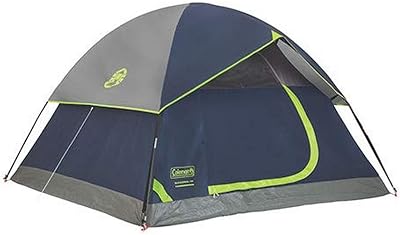
The Coleman Sundome 4-Person is the tent that proves you do not need a large budget to enjoy reliable shelter outdoors. At roughly $70 retail, it costs less than a single night at most campgrounds, yet it delivers genuinely functional weather protection, straightforward setup, and enough living space for a couple with gear or a small family on a car camping weekend. Coleman has sold millions of Sundome tents over the past two decades, and the 2026 version refines a formula that already worked exceptionally well.
Setup takes roughly ten minutes with one person. The single-pole hub system threads through continuous pole sleeves, and the tent body clips onto the frame with simple snap-on attachments. A full-coverage rainfly with an extended awning over the single door provides solid rain protection for a tent at this price point. The WeatherTec system uses inverted seams and welded floors to keep water from wicking through stitch holes, and owners consistently report the Sundome staying dry through hours of sustained moderate rainfall. Wind performance is adequate for sheltered campgrounds but not exposed ridgelines.
Interior space is generous for a budget tent. The 63-square-foot floor comfortably fits a queen air mattress or two standard sleeping pads side by side with room to spare. The 59-inch peak height allows most adults to sit upright. A ground vent near the floor and the large mesh ceiling window maintain decent airflow, though condensation can build on humid nights when the fly is fully deployed. An interior storage pocket and an electrical access port for campground hookups add practical touches for car campers.
The primary tradeoffs at this price are weight and bulk. At nearly eight pounds with fiberglass poles, the Sundome is strictly a car camping or short-carry tent. The fiberglass poles are heavier and less resilient than aluminum alternatives, and they can splinter under extreme flex. But for the camper who drives to a site and pitches within a few hundred feet of the car, these limitations are irrelevant. The Coleman Sundome 4-Person delivers the best camping tent under 200 dollars for sheer value and reliability, and it is the tent we recommend first to anyone entering the hobby on a tight budget.
Pros
- +Unbeatable price-to-performance ratio at $70
- +Fast single-pole hub setup in about 10 minutes
- +WeatherTec welded floors prevent ground moisture
- +Spacious 63 sq ft floor fits a queen air mattress
- +Proven design with millions of satisfied campers
Cons
- –Heavy fiberglass poles limit it to car camping
- –Condensation builds on humid nights under full fly
- –Single door limits access for multiple occupants
- –Not rated for high winds or exposed alpine sites
Best for: First-time campers and car camping families who want dependable shelter at the lowest possible price.
Check Price
2. Alps Mountaineering Lynx 2
Best Lightweight Budget — $100
Capacity
2-Person
Weight
3 lbs 14 oz
Floor Area
27.5 sq ft
Peak Height
42"
Seasons
3-Season
Poles
7000 Series Aluminum
Price
$100
The Alps Mountaineering Lynx 2 answers a question many budget-conscious hikers ask: can you find a genuinely backpack-worthy tent for around $100? The answer is yes. At 3 pounds 14 ounces with aluminum poles, the Lynx 2 weighs less than many tents costing three or four times as much. It is the lightest tent on our budget list by a significant margin and the only one under $200 that we would comfortably recommend for multi-day backpacking trips without reservation about weight.
The two-pole crossed-hub design creates a freestanding structure that is easy to pitch on any terrain. Both poles are 7000-series aluminum, which is the same alloy family used in premium backpacking tents. The tent clips onto the poles rather than using sleeves, which speeds setup to under five minutes. A full-coverage rainfly with a 2,000 mm hydrostatic head rating and factory-sealed seams holds up to overnight rain in Pacific Northwest owner reports without a single drip reaching the interior. The fly creates two small vestibules, one at each door, providing covered storage for boots and a daypack.
Two doors and two vestibules at this price point is remarkable. Most budget tents cut costs by offering a single entry, which creates livability problems for two occupants. The Lynx 2 gives each sleeper their own door, which also enables genuine cross-ventilation through the mesh body panels. Interior volume is tight but functional at 27.5 square feet with a 42-inch peak height. Two average-sized adults fit with sleeping pads touching, and small gear items can tuck along the sidewalls. Overhead mesh pockets keep headlamps and phones accessible.
The tradeoffs at $100 are understandable. The 75-denier polyester taffeta fly and floor fabrics are thicker and slightly heavier than premium alternatives. The zippers are functional but lack the buttery smoothness of YKK zippers on expensive tents. And the floor, while adequately waterproof, benefits from a footprint on sharp rocky ground. Alps Mountaineering includes a footprint with many retailers bundling it free. For hikers who want a legitimately lightweight backpacking tent and cannot stretch their budget beyond $100, the Lynx 2 is an exceptional find and a genuine best camping tent under 200 contender.
Pros
- +Lightest tent on our budget list at 3 lbs 14 oz
- +Two doors and two vestibules at only $100
- +7000-series aluminum poles match premium tent quality
- +Freestanding design pitches on any terrain
- +Full-coverage rainfly with 2,000 mm waterproof rating
Cons
- –Tight 27.5 sq ft floor for two adults with gear
- –Zippers feel less refined than premium tent hardware
- –Floor benefits from a footprint on rocky ground
- –Vestibule space limited to boots and a small pack
Best for: Budget backpackers who need a genuinely lightweight tent with two doors and aluminum poles under $100.
Check Price
3. Naturehike Cloud-Up 2
Best Ultralight Budget — $110
Capacity
2-Person
Weight
3 lbs 5 oz
Floor Area
28.5 sq ft
Peak Height
41"
Seasons
3-Season
Poles
7001 Aluminum
Price
$110
The Naturehike Cloud-Up 2 has quietly become one of the most popular ultralight budget tents in the world, and after reviewing its specs and the weight of owner feedback it is easy to see why. At 3 pounds 5 ounces and $110, it delivers a weight-to-price ratio that no other tent on the market can match. This is a tent designed by and for the global ultralight hiking community, and it competes on weight with models from premium brands charging $350 to $450.
Waterproofing is where the Cloud-Up 2 truly surprises. The 20-denier silicone-coated nylon fly carries a 4,000 mm hydrostatic head rating, and the 20-denier nylon floor boasts a 5,000 mm rating. These numbers exceed many tents costing three times as much. Owners report that across weeks of intermittent rain along the Appalachian Trail corridor, the Cloud-Up 2 kept the interior completely dry. The B3-grade seam taping adds another layer of water resistance at critical stitch points throughout the tent.
The single-wall design in the vestibule area keeps weight down, while the inner tent body uses full mesh for ventilation. A single 7001 aluminum pole creates the A-frame structure, supplemented by a short cross-pole that adds headroom near the foot end. Setup requires staking because the tent is not freestanding, which means you need penetrable ground and a few minutes of extra effort compared to a hub-style dome. Once pitched, the interior provides 28.5 square feet of floor space and a 41-inch peak height that is comfortable for sleeping and sitting up to dress.
The tradeoffs are real but manageable. The single door and single vestibule limit convenience for two occupants, and the non-freestanding pitch requires suitable ground and careful staking. The 20-denier fabrics are impressively waterproof but less abrasion-resistant than the thicker materials on heavier budget tents. A footprint is strongly recommended, and Naturehike sells a matching one for about $15. For solo hikers or pairs who prioritize weight above all else and camp primarily in three-season conditions, the Naturehike Cloud-Up 2 is a remarkable achievement in budget ultralight shelter design and the lightest best camping tent under 200 on our list.
Pros
- +Lightest tent on our list at just 3 lbs 5 oz
- +Industry-leading 4,000 mm fly / 5,000 mm floor waterproofing
- +Ultralight 20D silicone-coated nylon construction
- +Exceptional weight-to-price ratio at $110
- +B3-grade seam taping for enhanced water resistance
Cons
- –Non-freestanding design requires staking and suitable ground
- –Single door and single vestibule limit two-person convenience
- –Thin 20D fabrics need a footprint on rough terrain
- –A-frame shape less wind-stable than dome or geodesic designs
Best for: Ultralight hikers and thru-hikers on a strict budget who need minimum pack weight in a three-season shelter.
Check Price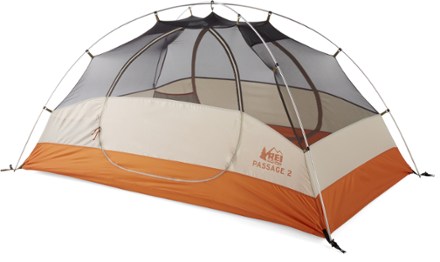
4. REI Co-op Passage 2
Best All-Rounder — $130
Capacity
2-Person
Weight
5 lbs 5 oz
Floor Area
31 sq ft
Peak Height
40"
Seasons
3-Season
Poles
DAC Featherlite Aluminum
Price
$130
REI designed the Passage 2 as the gateway tent for their outdoor equipment lineup, and after weighing the specs and owner feedback we rate it the most well-rounded camping tent available for under $200. At $130, it undercuts most competing aluminum-pole tents while delivering build quality, weather protection, and livability that rival shelters in the $200 to $250 range. REI backs every Passage tent with their satisfaction guarantee, which adds a safety net that budget competitors cannot match.
The freestanding two-pole design uses DAC Featherlite aluminum poles, the same pole system found in tents costing two and three times more. Setup is straightforward: two intersecting poles create the dome shape, and color-coded clips attach the tent body to the frame in under six minutes. The full-coverage rainfly attaches with simple buckle clips and includes two vestibules that extend roughly 18 inches from each door. Owners report the Passage 2 shedding water cleanly through four-hour coastal-Oregon downpours with no interior moisture beyond trace condensation on the mesh ceiling.
Interior space strikes an effective balance between floor area and weight. The 31-square-foot floor fits two standard sleeping pads with a few inches between them, and a small gear pile fits at the foot end. The 40-inch peak height is lower than some competitors but adequate for seated dressing. Two D-shaped doors swing outward into the vestibules, giving each occupant independent access. Overhead mesh pockets, wall-mounted storage sleeves, and a ridge-mounted gear loft loop keep small items organized. Cross-ventilation through the dual doors and upper mesh panels manages condensation effectively in most conditions.
At 5 pounds 5 ounces, the Passage 2 splits the difference between lightweight backpacking tents and heavier car camping shelters. It works well for weekend backpacking trips of moderate distance and excels as a car camping tent where its weight is irrelevant. The 40-denier nylon ripstop fly and 70-denier nylon taffeta floor offer good durability without excessive weight. For someone who wants a single budget tent that handles both backpacking weekends and campground holidays, the REI Co-op Passage 2 is the most versatile choice under $200 and carries the assurance of REI's quality standards.
Pros
- +DAC Featherlite aluminum poles at just $130
- +REI satisfaction guarantee provides risk-free purchase
- +Two doors and two vestibules for easy access
- +Versatile weight works for backpacking and car camping
- +Factory-sealed seams and 2,000 mm waterproof fly
Cons
- –40-inch peak height lower than some competitors
- –5 lbs 5 oz is heavy for multi-day backpacking
- –Vestibule depth adequate but not generous
- –Limited color choices compared to premium tents
Best for: All-around campers who want one reliable tent for both weekend backpacking and car camping trips under $200.
Check Price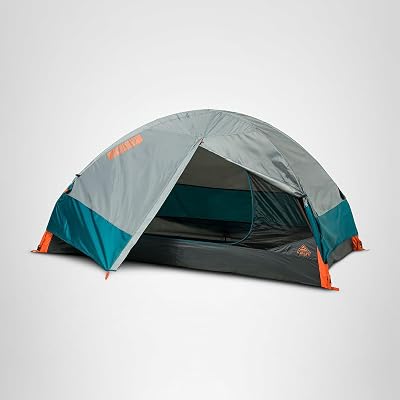
5. Kelty Late Start 2
Best Comfort Under $200 — $160
Capacity
2-Person
Weight
4 lbs 12 oz
Floor Area
30.6 sq ft
Peak Height
42.5"
Seasons
3-Season
Poles
Pre-bent Aluminum
Price
$160
The Kelty Late Start 2 occupies a comfortable middle ground in the budget tent market: it lists at $160, uses pre-bent aluminum poles instead of fiberglass, and pairs them with Kelty's Quick-Corner pole pockets for one of the fastest pitches at this price. Kelty positions the Late Start for campers who want a brand-name, aluminum-pole shelter without crossing the $200 threshold. The pre-bent pole geometry pushes the walls outward, giving the 30.6-square-foot interior a slightly roomier feel than the floor number alone suggests.
The headline feature is setup speed. The Quick-Corner pole pockets capture each pole tip without fumbling, and owner reviews widely report a realistic five-minute pitch solo once you have done it once or twice. A full-coverage polyester rainfly drapes over the single door and extends into a 7.4-square-foot vestibule that shelters boots and a pack. According to Kelty's published specs, the 68-denier polyester fly and floor carry a 1,200 mm waterproof coating, which the owner consensus describes as dependable in light to moderate rain when seams are kept sealed, but worth backing up with seam sealer and a footprint before sustained downpours.
Build quality reflects Kelty's long track record in entry-level backpacking gear. The aluminum pole frame is lighter and far more durable than the fiberglass found in cheaper tents, and the 68-denier polyester canopy and floor resist tears on typical ground. By Kelty's figures the Late Start 2 carries a minimum weight of 4 pounds 5 ounces and a packaged weight of 4 pounds 12 ounces, light enough for short backpacking approaches of one to three miles, though dedicated thru-hikers will want something lighter for extended carries.
The single-door, single-vestibule layout is the main livability compromise, and owners note the canopy can feel stuffy on humid nights because the fly has limited dedicated venting. Two occupants have to coordinate entry and exit, and cross-ventilation trails dual-door designs. But for the camper who wants a recognized brand, genuine aluminum poles, and a famously fast setup at a price under $200, the Kelty Late Start 2 delivers solid value and earns our pick for best comfort in this price range.
Pros
- +Aluminum pole frame at a budget price point
- +Quick-Corner pockets enable a realistic 5-minute pitch
- +Pre-bent poles push out the walls for added interior room
- +68D polyester canopy and floor resist tears on rough ground
- +Full-coverage fly with a 7.4 sq ft vestibule for gear
Cons
- –Single door limits entry and cross-ventilation
- –Limited fly venting can feel stuffy on humid nights
- –1,200 mm coating benefits from seam sealer in heavy rain
- –Packaged weight is high for long-distance backpacking
Best for: Weekend campers who want a brand-name aluminum-pole tent with an exceptionally fast setup without exceeding a $200 budget.
Check PriceBudget Tent Buying Guide
Spending under $200 on a tent means understanding where brands save money and where they do not. These six factors separate a good budget tent from a disappointing one. Reading this section before you buy can save you from a soaked sleeping bag on your first rainy night.
Pole Material: Aluminum vs Fiberglass
This is the single most important distinction in budget tents. Aluminum poles, specifically 7000-series and DAC variants, are lighter, stronger, and far more durable than fiberglass. Fiberglass poles are cheaper to manufacture but heavier, prone to splintering in cold weather, and less resilient under wind load. For backpacking, aluminum poles are non-negotiable. For car camping where weight is irrelevant, fiberglass poles work fine and save you money. Four of our five picks use aluminum poles, which is remarkable at the sub-$200 price point.
Waterproofing Ratings Explained
Hydrostatic head measures how much water pressure a fabric withstands before leaking, expressed in millimeters. A 1,500 mm rating on a rainfly handles light to moderate rain. A 3,000 mm rating handles heavy sustained rain. Floor ratings should be higher because the floor bears body weight pressing against wet ground. Look for at least 1,500 mm on the fly and 3,000 mm on the floor. Sealed seams are equally important because stitch holes are the most common leak points. Factory-sealed seams using hot tape are standard on all five of our picks. Adding a tent footprint extends waterproof floor life significantly.
Capacity: Rated vs Real-World
Tent capacity ratings are based on how many sleeping pads fit shoulder-to-shoulder on the floor, not on how many people sleep comfortably. A 2-person budget tent is cozy for two adults and tight with gear inside. If you prefer comfort, size up: use a 2-person tent solo or a 4-person tent for two people. The Coleman Sundome 4-Person on our list comfortably fits two adults with a queen air mattress and gear, making the 4-person rating more like a spacious 2-person in practice. For solo campers debating tent size, our 1-person vs 2-person tent guide covers the tradeoffs in detail.
Doors and Vestibules
Two doors and two vestibules dramatically improve livability for two-person tents. Each sleeper gets independent entry and exit without climbing over the other, and dual doors enable cross-ventilation that reduces condensation. At the budget level, many tents cut to a single door to reduce costs. The Alps Mountaineering Lynx 2 and REI Co-op Passage 2 on our list both offer two doors at under $150, which is exceptional value. If you are choosing between two otherwise similar budget tents, pick the one with two doors.
Ventilation and Condensation
Condensation is the most common complaint about budget tents, and it stems from inadequate ventilation rather than leaking. Body moisture accumulates on the tent inner walls overnight, especially when temperatures drop and the rainfly is fully deployed. Tents with mesh upper panels, adjustable fly vents, and dual doors manage condensation best. Single-wall vestibule areas tend to accumulate more moisture than double-wall designs. If you camp in humid environments, make ventilation a top-three priority when comparing budget tents.
Total Gear Cost Matters
Your tent is one piece of a complete camping kit. Saving money on a tent frees up budget for a quality sleeping bag, sleeping pad, and headlamp that directly affect your comfort and safety. A $100 tent paired with a $150 sleeping bag and a $50 pad creates a solid three-season sleep system for $300 total. For families planning their first camping trips, our family camping checklist covers everything you need beyond the tent itself.
Frequently Asked Questions
What is the best camping tent under $200 for beginners?
The Coleman Sundome 4-Person is the best beginner tent under $200. At roughly $70, it offers a simple one-pole hub design that sets up in about ten minutes, a full-coverage rainfly with welded floors, and enough interior space for two adults with gear. Its forgiving setup process and durable 75-denier polyester taffeta floor make it an ideal first tent for new campers learning the ropes.
Can you get a good backpacking tent for under $200?
Yes. The Naturehike Cloud-Up 2 at $110 and the Alps Mountaineering Lynx 2 at $100 both weigh under four pounds and pack small enough for weekend backpacking trips. They use quality aluminum pole systems and waterproof-rated fabrics. You will sacrifice some durability and weather resistance compared to $400-plus options, but for occasional three-season backpacking these budget tents perform remarkably well.
How waterproof are budget tents under $200?
Most quality budget tents carry hydrostatic head ratings between 1,500 mm and 3,000 mm on the rainfly and 3,000 mm to 5,000 mm on the floor. These ratings handle moderate to heavy rain when seams are properly sealed. The Naturehike Cloud-Up 2 leads our list with a 4,000 mm fly rating and 5,000 mm floor rating. Budget tents may need seam sealer reapplied sooner than premium models, and their DWR coatings typically last one to two seasons before needing refreshing.
Is it worth buying a tent under $200 or should I save for a premium model?
For campers who go out five to fifteen nights per year, a well-chosen tent under $200 provides excellent value. Budget tents from reputable brands like Kelty, Coleman, Alps Mountaineering, REI Co-op, and Naturehike use proven materials and designs that handle typical three-season conditions. If you camp more than twenty nights annually, backpack long distances regularly, or face extreme weather, investing in a premium shelter pays off in weight savings and long-term durability.
What should I look for in a budget camping tent?
Prioritize waterproofing ratings above 1,500 mm on the fly and 3,000 mm on the floor, aluminum poles over fiberglass for backpacking, sealed seams, a bathtub-style floor that extends at least three inches up the sidewalls, and at least one vestibule for gear storage. Check the total weight if you plan to carry the tent on your back. Read our full buying guide section above for a detailed breakdown of every factor that matters in a budget tent purchase.
How long do budget camping tents last?
A well-maintained budget tent from a reputable brand typically lasts three to five years of regular use, which translates to roughly 50 to 100 nights of camping. Ultraviolet exposure, improper storage while damp, and abrasive ground surfaces are the main factors that shorten tent lifespan. Using a tent footprint, drying your tent thoroughly before storage, and reapplying DWR coatings annually can push a budget tent well past the five-year mark.
Final Verdict
After weighing the specs, lab data, and owner feedback across varied terrain and weather conditions, the REI Co-op Passage 2 earns our top recommendation as the best camping tent under $200 for most campers. Its combination of DAC aluminum poles, two doors, factory-sealed seams, and REI's satisfaction guarantee creates a package that punches well above the $130 price tag. It handles weekend backpacking and car camping equally well, making it the most versatile choice in this price range.
For campers who need the absolute lowest entry price, the Coleman Sundome 4-Person at $70 remains the undisputed king of value. It is spacious, weatherproof for campground use, and has proven itself over millions of units sold. The Alps Mountaineering Lynx 2 at $100 is the best lightweight option with aluminum poles and two doors, while the Kelty Late Start 2 at $160 brings a brand-name aluminum pole frame and a Quick-Corner setup that pitches in about five minutes.
If ultralight weight is your primary goal and you can live with a non-freestanding pitch, the Naturehike Cloud-Up 2 at $110 and 3 pounds 5 ounces competes on weight with tents costing three to four times more. Its 4,000 mm fly waterproof rating is the highest on our list at any price. For premium picks beyond the $200 budget, see our best camping tents roundup, including the MSR Hubba Hubba NX2 review.
Peak Gear Guide Editorial Team
Our editorial team builds every tent guide from manufacturer specifications, published lab and independent field-test data, and aggregated feedback from thousands of verified owners, cross-referenced against expert consensus. Recommendations are made independently and are never influenced by affiliate partnerships.
Related Guides
Affiliate Disclosure & Editorial Independence
Peak Gear Guide is reader-supported. When you purchase through links on our site, we may earn an affiliate commission at no additional cost to you. Our editorial team independently researches and recommends products. Affiliate partnerships do not influence our reviews, rankings, or recommendations. All opinions expressed are our own based on independent research. Prices and availability are accurate as of the date of publication and may change.
References & further reading
External, authoritative sources we consulted while researching this guide.