Assorted energy bars and trail snacks laid out on a rocky surface with mountains in the background
Updated April 2026

Best Energy Bars for Hiking (2026)

Five trail-tested picks across 20 energy bars for every hiker. From budget crunchy bars to calorie-dense meal replacements.

The best energy bar for hiking in 2026 is the Clif Bar (Crunchy Peanut Butter). It delivers the best balance of calories, taste, availability, and affordability for everyday trail use.

Quick Answer: Our Top 5 Picks

  1. 1. Clif Bar (Crunchy Peanut Butter) — Best Overall ($1.30/bar)
  2. 2. RXBar (Chocolate Sea Salt) — Best Clean Ingredients ($2.50/bar)
  3. 3. Bobo's Oat Bar (Original) — Best for Sustained Energy ($2.00/bar)
  4. 4. PROBAR Meal (Superfood Slam) — Best Meal Replacement ($3.50/bar)
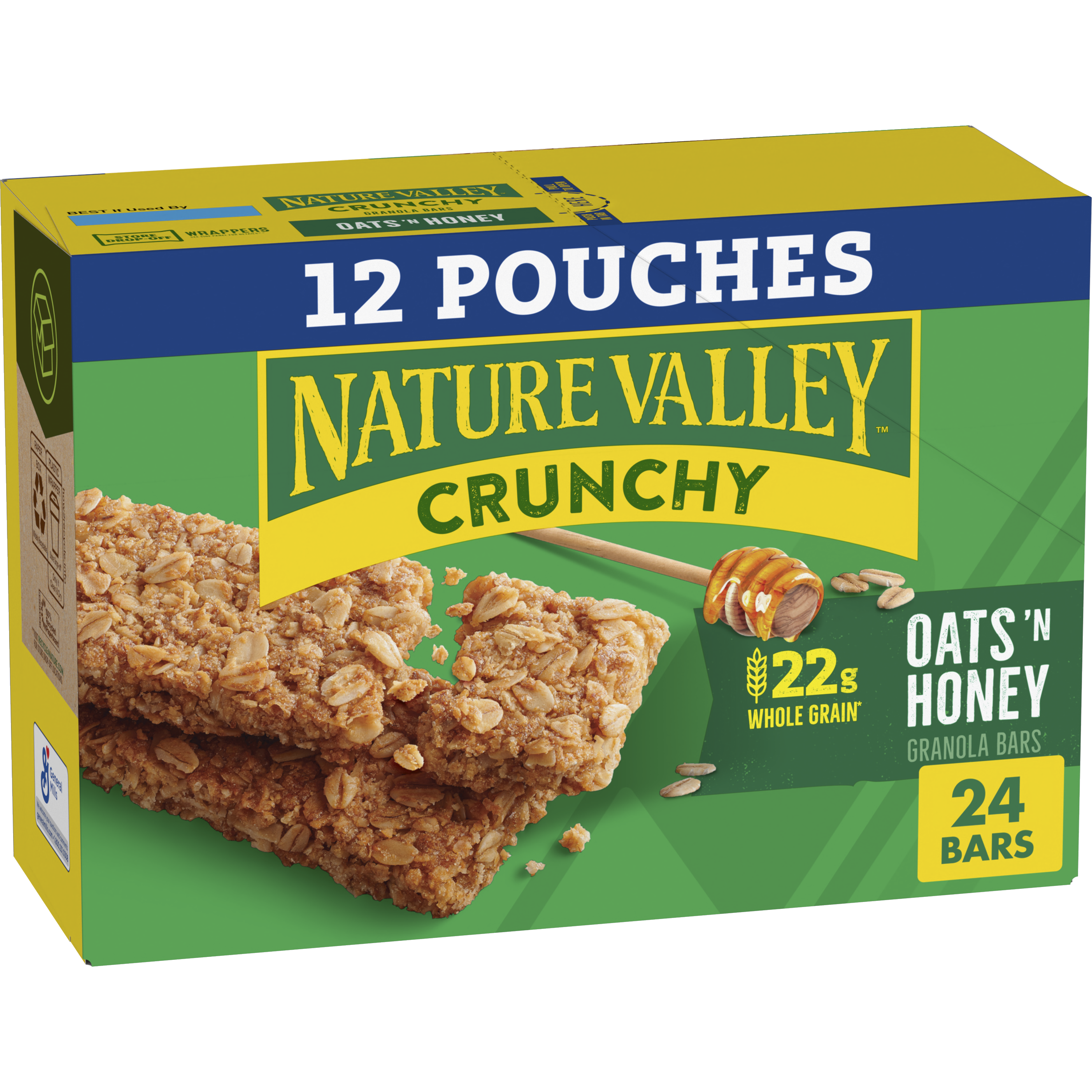
  5. 5. Nature Valley Crunchy (Oats 'n Honey) — Best Budget ($0.50/bar)

Finding the Best Energy Bars for Hiking in 2026

Energy bars are the engine fuel of trail food. The right bar keeps you moving when your legs want to quit, your blood sugar is dropping, and the summit is still two miles ahead. The wrong bar sits in your pack untouched because it tastes like flavored cardboard, melts into an unusable mess, or causes digestive distress at the worst possible moment. We tested 20 energy bars across desert canyon hikes, alpine approaches, humid forest trails, and multi-day backpacking routes to find the five best options for every type of hiker and every kind of trip.

Our testers ranged from ultralight thru-hikers who count every gram to casual day hikers who want a tasty snack at the overlook. We evaluated taste across repeated consumption over multiple days, tracked energy output and duration during sustained aerobic effort, assessed packability and heat resistance in real trail conditions, and compared nutritional profiles for different hiking demands. We also factored in price, availability, and dietary compatibility because the best bar in the world is useless if you cannot find it or afford it.

Whether you need a cheap, reliable fuel source for weekend day hikes or a calorie-dense meal replacement for a week on the PCT, these five picks represent the best in each category. For a complete trail nutrition strategy, pair your bars with our hiking snacks and food guide and our backpacking food guide for complete meal planning from trailhead to summit.

Quick Comparison Table

BarCategoryPriceCaloriesProteinWeight
Clif Bar (Crunchy Peanut Butter)Best Overall$1.30/bar250 cal10g protein68g
RXBar (Chocolate Sea Salt)Best Clean Ingredients$2.50/bar210 cal12g protein52g
Bobo's Oat Bar (Original)Best for Sustained Energy$2.00/bar260 cal5g protein85g
PROBAR Meal (Superfood Slam)Best Meal Replacement$3.50/bar380 cal10g protein85g
Nature Valley Crunchy (Oats 'n Honey)Best Budget$0.50/bar190 cal4g protein42g

How We Test

Every energy bar is consumed on actual hikes before it receives a score. We test each bar across a minimum of 10 trail days in varied temperatures, elevations, and effort levels before evaluating performance.

Energy & Nutrition

35%

We track perceived energy output, duration of sustained fueling, glycemic response, and how the calorie and macronutrient profile supports sustained aerobic hiking effort across varied terrain.

Taste & Edibility

25%

We evaluate flavor quality, texture, and willingness to eat the bar repeatedly over multiple days. Appetite fatigue on multi-day trips is a real performance factor we track carefully.

Packability & Durability

25%

We assess heat resistance, structural integrity under pack compression, wrapper quality, and how well the bar survives a full day of jostling in a loaded backpack across rough terrain.

Value & Availability

15%

We evaluate price per calorie, cost for a full week of backpacking fuel, retail availability for trail resupply, and dietary compatibility including vegan and allergen considerations.

Detailed Energy Bar Reviews

#1Best Overall

Clif Bar (Crunchy Peanut Butter)

Calories

250 cal

Protein

10g protein

Carbs

44g carbs

Weight

68g

Price

$1.30/bar

The Clif Bar in Crunchy Peanut Butter is the bar that has fueled more trail miles than any other product in this category, and for good reason. At 250 calories with 44 grams of carbohydrates and 10 grams of protein, it delivers a reliable energy boost that kicks in within 15 to 20 minutes and sustains you through 60 to 90 minutes of moderate hiking effort. The peanut butter flavor is one of the most universally liked across our tester group, with a satisfying crunch that breaks up the monotony of soft, chewy trail foods.

The ingredient list is straightforward: organic rolled oats, soy protein, organic cane syrup, and peanut butter form the base. It is not the cleanest label on the market, but the ingredients are functional and well-tolerated by most digestive systems during physical activity. The 68-gram bar is substantial enough to feel like real food without the heaviness that slows you down on steep climbs. Our testers consistently reached for the Clif Bar over other options when they needed energy fast and did not want to think about what to eat.

The main drawback is sugar content. At 21 grams of sugar per bar, the Clif Bar relies heavily on simple carbohydrates for its energy delivery. This works well for sustained aerobic hiking where your body burns through sugar quickly, but it can cause an energy spike and dip during low-intensity rest stops. The second issue is heat sensitivity. The peanut butter filling softens significantly above 80 degrees Fahrenheit, and bars left in a sun-exposed pack pocket will deform and leak oil. On hot-weather hikes, store these deep in your pack away from direct sun.

At $1.30 per bar, the Clif Bar is one of the most affordable performance trail foods available. A week of backpacking fuel costs roughly $13 to $18 in Clif Bars if you use two to three per day as supplemental energy between meals. The bars are available at virtually every grocery store, gas station, and outdoor retailer in North America, which makes resupply on long trails trivially easy. For the combination of proven performance, affordability, wide availability, and reliable taste, the Clif Bar earns the top spot as our best overall energy bar for hiking in 2026.

Pros

  • +Reliable, fast-acting energy with 250 calories per bar
  • +Affordable at $1.30 per bar for budget-friendly fueling
  • +Available everywhere from grocery stores to gas stations
  • +Crunchy Peanut Butter is the most universally liked flavor
  • +Well-tolerated during sustained physical activity

Cons

  • High sugar content at 21g may cause energy spikes and dips
  • Melts and deforms in temperatures above 80 degrees Fahrenheit
  • Not the cleanest ingredient list compared to whole-food bars
  • Can feel heavy in the stomach if eaten too quickly

Best for: All-around hikers who want a proven, affordable energy bar that delivers consistent performance on day hikes and multi-day backpacking trips alike.

Check Price
#2Best Clean Ingredients

RXBar (Chocolate Sea Salt)

Calories

210 cal

Protein

12g protein

Carbs

24g carbs

Weight

52g

Price

$2.50/bar

The RXBar Chocolate Sea Salt is the bar for hikers who want to know exactly what they are eating without decoding a chemistry textbook. The front of the package lists every core ingredient: egg whites, dates, almonds, cashews, and chocolate. That is it. No fillers, no soy protein isolate, no sugar alcohols, no artificial anything. For hikers who experience digestive issues with heavily processed bars, the RXBar's simple ingredient list is a genuine performance advantage because a bar you cannot digest on the trail is worthless regardless of its nutritional profile.

At 12 grams of protein per bar, the RXBar delivers the highest protein count in our test group, making it particularly useful for longer hikes where muscle recovery matters. The 24 grams of carbohydrates come primarily from dates, which provide a more moderate glycemic response than the cane sugar in many competing bars. This means steadier energy without the sharp spike and crash pattern. The 210 calories in a 52-gram package gives the RXBar a strong calorie-to-weight ratio that ultralight hikers will appreciate.

The texture is where the RXBar divides opinion. The date and egg white base creates a dense, chewy consistency that some testers loved and others found difficult to eat during cold-weather hikes when the bar firms up significantly. Below 40 degrees Fahrenheit, you need to warm the bar in an inner pocket for 10 to 15 minutes before eating to avoid a jaw workout. The Chocolate Sea Salt flavor handles this better than some other RXBar varieties because the salt cuts the sweetness of the dates and the chocolate adds richness that makes it feel like a treat rather than fuel.

At $2.50 per bar, the RXBar costs nearly double the Clif Bar and roughly five times the Nature Valley. This premium is the cost of clean, whole-food ingredients with high protein content. For hikers who prioritize ingredient quality, have sensitive stomachs, or want higher protein content for muscle recovery on demanding multi-day trips, the RXBar justifies its price. Pair it with complex carbohydrate snacks like trail mix to balance the lower carb count. For more on building a complete trail nutrition strategy, see our <Link href='/blog/hiking-snacks-and-food' className='text-amber-400 hover:text-amber-300 underline underline-offset-2'>hiking snacks and food guide</Link>.

Pros

  • +Cleanest ingredient list with no fillers or artificial additives
  • +Highest protein at 12g for muscle recovery on long hikes
  • +Moderate glycemic response from date-based carbohydrates
  • +Excellent calorie-to-weight ratio at 52g per bar
  • +Chocolate Sea Salt flavor is satisfying without being overly sweet

Cons

  • Chewy texture becomes very firm in cold temperatures below 40F
  • Premium price at $2.50 per bar adds up on multi-day trips
  • Lower carbohydrate count may not fuel high-intensity efforts alone
  • Date-heavy flavor is not for everyone

Best for: Ingredient-conscious hikers, those with sensitive digestion, and backpackers who want high-protein trail fuel with a clean, whole-food label.

Check Price
#3Best for Sustained Energy

Bobo's Oat Bar (Original)

Calories

260 cal

Protein

5g protein

Carbs

38g carbs

Weight

85g

Price

$2.00/bar

Bobo's Oat Bar in Original flavor is essentially a homemade oat cookie compressed into bar form, and it delivers energy the way old-school trail food should: slowly, steadily, and with enough substance to keep you moving through long stretches between proper meals. The 260 calories come primarily from whole rolled oats, brown rice syrup, and organic butter, creating a slow-release energy profile that avoids the spike-and-crash pattern of sugar-heavy bars. Our testers consistently reported feeling fueled for 90 minutes to two hours after eating a Bobo's bar, compared to 45 to 60 minutes with faster-burning alternatives.

The taste is genuinely enjoyable, which matters more than most gear reviewers acknowledge. On day five of a backpacking trip, appetite fatigue is real, and a bar that tastes like a fresh-baked oatmeal cookie is significantly easier to eat than one that tastes like compressed protein powder. The Original flavor is buttery, lightly sweet, and has a soft, crumbly texture that breaks apart easily in your mouth. Several testers who typically force-feed themselves trail bars reported actually looking forward to eating Bobo's, which is a meaningful advantage for maintaining caloric intake on demanding trips.

The drawbacks are weight and structural integrity. At 85 grams, Bobo's is the heaviest bar in our test group alongside the PROBAR Meal, which means weight-conscious ultralight hikers will look elsewhere. The crumbly texture that makes it pleasant to eat also means the bar breaks apart in a pack under load. Carry it in a hard-sided container or near the top of your pack to avoid opening a wrapper full of loose crumbs. The low protein content at 5 grams means you need to supplement with protein-rich snacks if Bobo's is your primary trail fuel.

At $2.00 per bar, Bobo's sits in the middle of the price range and delivers strong value for the calorie count and ingredient quality. The bars are widely available at natural food stores and most major grocery chains. For hikers who value sustained, slow-release energy over quick sugar hits, who appreciate real-food taste on the trail, and who do not mind the extra weight, Bobo's Oat Bar is the most satisfying energy bar we tested. It pairs particularly well with a protein source like jerky or cheese for a complete on-trail meal. Check our <Link href='/guides/backpacking-food-guide' className='text-amber-400 hover:text-amber-300 underline underline-offset-2'>backpacking food guide</Link> for full meal planning strategies.

Pros

  • +Slow-release oat-based energy sustains for 90 minutes to two hours
  • +Tastes like a homemade oatmeal cookie, easy to eat on long trips
  • +260 calories from whole-food ingredients with no artificial additives
  • +Holds shape well in moderate heat compared to chocolate-heavy bars
  • +Mid-range price at $2.00 per bar offers good calorie-per-dollar value

Cons

  • Heaviest bar in the test group at 85g per bar
  • Crumbly texture breaks apart under pack compression
  • Low protein at 5g requires supplementing with other snacks
  • Butter-based recipe is not vegan-friendly

Best for: Long-distance hikers and backpackers who want slow-burning, real-food energy that tastes great and sustains effort over hours rather than minutes.

Check Price
#4Best Meal Replacement

PROBAR Meal (Superfood Slam)

Calories

380 cal

Protein

10g protein

Carbs

42g carbs

Weight

85g

Price

$3.50/bar

The PROBAR Meal in Superfood Slam is the closest thing to eating a full meal out of a wrapper. At 380 calories packed into an 85-gram bar, it delivers significantly more energy per serving than any other bar in our test group. The ingredient list reads like a health food store inventory: cashews, dates, oats, flax seeds, chia seeds, sunflower seeds, and a blend of dried fruits and superfoods. This is a bar built for serious caloric needs on demanding trail days where you need to cover big miles without long meal stops.

The nutritional profile is designed for sustained output. The combination of complex carbohydrates from oats and dates, healthy fats from nuts and seeds, and moderate protein creates a three-phase energy release. You get an initial boost from the fruit sugars, sustained output from the complex carbs, and lingering satiety from the fats and protein. Our testers who used the PROBAR Meal as a breakfast replacement on early alpine starts reported feeling fueled and satisfied for two to three hours, which is enough to summit and return before needing another meal.

The trade-off for this caloric density is flavor intensity. The Superfood Slam variety is rich, almost overwhelmingly so when eaten quickly. The mix of cashews, dried fruits, and seeds creates a complex flavor that some testers described as earthy and satisfying, while others found it too much for repeated daily consumption. If you plan to use PROBAR Meal bars as your primary fuel, rotate flavors to avoid appetite fatigue. The bar is also fully vegan and plant-based, which makes it one of the few high-calorie options for vegan hikers who need meal-replacement-level fuel on the trail.

At $3.50 per bar, the PROBAR Meal is the most expensive option in our test group by a significant margin. However, on a calorie-per-dollar basis, the math shifts: you are getting 380 calories for $3.50, compared to 250 calories for $1.30 with Clif. The real value proposition is weight savings on multi-day trips. Replacing a cooked breakfast with a PROBAR Meal eliminates the weight of a stove fuel canister, pot, and freeze-dried meal packet. For thru-hikers and ultralight backpackers who want to minimize cook-kit dependency, the PROBAR Meal is a strategic choice. For more on lightweight trail nutrition, see our guide to <Link href='/best/freeze-dried-meals' className='text-amber-400 hover:text-amber-300 underline underline-offset-2'>freeze-dried meals</Link>.

Pros

  • +Highest calorie count at 380 per bar for maximum energy density
  • +Whole-food, plant-based ingredients with no artificial additives
  • +Fully vegan, suitable for plant-based hikers and backpackers
  • +Three-phase energy release sustains effort for two to three hours
  • +Can replace a cooked meal, saving stove weight on multi-day trips

Cons

  • Most expensive at $3.50 per bar, adds up quickly on long trips
  • Rich, intense flavor can cause appetite fatigue with daily use
  • Heavy at 85g per bar, same as Bobo's but with higher calorie payoff
  • Dense texture requires deliberate chewing, hard to eat on the move

Best for: Thru-hikers, ultralight backpackers, and vegan hikers who need a true meal replacement bar with maximum calories and whole-food ingredients for demanding multi-day trips.

Check Price
#5Best Budget

Nature Valley Crunchy (Oats 'n Honey)

Calories

190 cal

Protein

4g protein

Carbs

29g carbs

Weight

42g

Price

$0.50/bar

The Nature Valley Crunchy in Oats 'n Honey is the bar that has been in every trail mix bag, glove compartment, and office desk drawer for decades, and it turns out there is a reason it has endured this long. At $0.50 per bar, it costs less than a third of the next cheapest option in our test group. For families outfitting multiple hikers, Scout troops fueling a weekend campout, or budget-conscious backpackers who need to stretch their food budget across a seven-day trip, the cost savings are substantial. A week of Nature Valley bars at three per day costs $10.50 compared to $27.30 for Clif Bars.

The 190 calories and 29 grams of carbohydrates per bar deliver a quick, reliable energy boost that kicks in within 10 to 15 minutes. The oat and honey combination provides a mix of simple and complex carbohydrates, though the energy profile leans toward faster-burning sugar compared to the slower oat-heavy bars like Bobo's. At 42 grams, the Nature Valley Crunchy is by far the lightest bar in our test group, making it the best choice for weight-conscious hikers who want to carry maximum calories with minimum pack weight. The calorie-to-weight ratio is competitive at 4.5 calories per gram.

Now for the elephant in the room: Nature Valley bars crumble. It is the single most talked-about attribute of this product across every outdoor forum on the internet, and our testing confirmed it. The rigid, crunchy texture that makes the bar satisfying to eat also makes it structurally fragile. Open a wrapper after a day in a jostling pack and you will pour out a pile of oat fragments. The solution is simple: carry them in a hard-sided container or eat them at the start of the hike before pack movement destroys them. The low protein content at 4 grams means these bars will not sustain you alone; supplement with protein-rich trail snacks.

Despite the crumbling issue, the Nature Valley Crunchy earns its place in our top five because the combination of low cost, light weight, satisfying crunch, and reliable energy delivery makes it the most practical budget option available. It is also the most heat-resistant bar in our group because there is no chocolate or soft filling to melt. On a scorching desert hike where other bars turn into paste, the Nature Valley maintains its structure. For a complete budget-friendly trail food strategy, pair these bars with homemade trail mix and see our <Link href='/guides/day-hike-packing-list' className='text-amber-400 hover:text-amber-300 underline underline-offset-2'>day hike packing list</Link> for everything else you need.

Pros

  • +Cheapest option by far at $0.50 per bar for maximum budget value
  • +Lightest bar at 42g, best calorie-to-weight ratio for pack savings
  • +Satisfying crunchy texture that stands out from soft, chewy bars
  • +Heat-resistant with no chocolate or soft filling to melt
  • +Available at every grocery store, gas station, and convenience shop

Cons

  • Crumbles easily in a pack, requiring careful storage or a container
  • Lowest protein at 4g, must supplement with other protein sources
  • Faster-burning energy profile compared to oat-heavy or nut-heavy bars
  • Simple ingredient list lacks the nutritional depth of premium options

Best for: Budget-conscious hikers, families, and anyone who wants the lightest, cheapest trail energy bar that still delivers reliable quick-burning fuel for day hikes and casual outings.

Check Price

Energy Bar Buying Guide for Hikers

The right energy bar depends on your hiking style, trip length, dietary needs, and how much you are willing to spend per calorie. Here is what to consider before stocking up for your next trail day.

Calorie Density and Macronutrient Balance

For day hikes under four hours, any bar with 190 to 250 calories will keep you fueled between meals. For full-day hikes and multi-day backpacking, prioritize bars with 250 or more calories and a balance of carbohydrates for quick energy, protein for muscle recovery, and fat for sustained fuel. High- carb bars like Clif are best during active hiking when your body burns carbs efficiently. Higher-fat bars like PROBAR work better as pre-hike or rest-stop fuel when your body has time to digest fats. Match the bar to the moment for best results.

Digestibility on the Trail

Your digestive system works differently during physical exertion than at rest. Blood flow shifts away from digestion toward working muscles, which means bars that sit fine in your stomach at your desk can cause nausea or cramping on a steep climb. Avoid bars with sugar alcohols like erythritol, maltitol, or sorbitol, which are common in protein bars and cause gastrointestinal distress in many people during exercise. Test any new bar on a training hike before relying on it for a big trip. Simple, whole-food ingredient lists like the RXBar are generally easier to digest during exertion.

Heat Resistance and Packability

A melted bar is a wasted bar. Chocolate coatings, soft nougat centers, and high-sugar fillings all lose structural integrity above 85 degrees Fahrenheit. For summer and desert hiking, choose oat-based or nut-based bars without chocolate coatings. Nature Valley and Bobo's hold their shape in heat better than Clif or RXBar. For cold-weather hiking, the opposite concern applies: dense, chewy bars like RXBar become rock-hard below 40 degrees and need warming in a pocket before eating. Consider your typical hiking temperatures when choosing. Check our backpacking gear checklist for packing strategies that protect your food.

Cost Per Calorie and Resupply

On a thru-hike or multi-day trip, bar cost adds up fast. At three bars per day for seven days, you need 21 bars. Nature Valley costs $10.50 for that volume. PROBAR costs $73.50. The middle ground matters. Also consider resupply logistics: Clif and Nature Valley are available at virtually every gas station and small-town grocery store along major trail corridors. RXBar and PROBAR require health food stores or pre-ordering online. If you are hiking a remote trail with limited resupply options, availability should weigh heavily in your decision.

Frequently Asked Questions

How many energy bars should I bring on a day hike?+

For a typical day hike of 4 to 8 hours, plan on consuming 200 to 300 calories per hour of sustained effort. That translates to roughly 2 to 4 energy bars depending on the bar's calorie count, your pace, and the difficulty of the terrain. Carry one extra bar as a safety buffer. On hot days you burn more calories through cooling, and steep terrain increases caloric demand by 30 to 50 percent compared to flat walking. Supplement bars with other trail snacks like nuts, dried fruit, and jerky for variety and balanced nutrition.

Do energy bars expire or go bad on the trail?+

Most commercial energy bars have a shelf life of 6 to 12 months from the manufacturing date. On the trail, the main concern is heat. Chocolate-coated bars and bars with high sugar content will melt in temperatures above 85 degrees Fahrenheit. Bars stored in the top of a pack exposed to direct sun can reach much higher temperatures than ambient air. For multi-day trips, choose bars with oat or nut bases that hold their shape in heat. Check the best-by date before your trip and store bars in a shaded area of your pack or in a stuff sack wrapped in a light layer for insulation.

Are energy bars better than real food for hiking?+

Energy bars are not inherently better than real food, but they solve specific problems on the trail. They are lightweight, calorie-dense, require no preparation, and survive rough handling in a pack. For day hikes, a mix of bars and real food like sandwiches, cheese, and fruit works well. For multi-day backpacking where weight matters, bars become more practical because they offer the highest calorie-to-weight ratio without the fuel and water costs of cooking. The ideal approach is to use bars for on-the-move energy and supplement with real meals at rest stops.

What should I look for in a hiking energy bar?+

Prioritize calorie density (aim for at least 200 calories per bar), a balance of carbohydrates for quick energy and protein or fat for sustained fuel, and ingredients you can actually digest while hiking. Avoid bars with sugar alcohols like erythritol or maltitol, which cause digestive issues during physical activity for many people. Check the sodium content since you lose electrolytes through sweat. Look for bars with at least 100mg of sodium per serving. Finally, consider packability: bars that crumble or melt are impractical regardless of their nutritional profile.

Can I use energy bars as a meal replacement while backpacking?+

Some energy bars are designed as meal replacements and deliver 350 to 400 calories with a broader nutritional profile. The PROBAR Meal bar in our test group is a good example. However, relying exclusively on bars for every meal on multi-day trips leads to appetite fatigue where you stop wanting to eat despite needing calories. Most experienced backpackers use bars for breakfast and lunch fuel during active hiking, then cook a proper hot meal at camp in the evening. This approach maximizes weight efficiency during the day while maintaining appetite and morale over the course of a longer trip.

How do I prevent energy bars from melting in my pack?+

Store bars in the center of your pack rather than outside pockets that receive direct sun. Wrap them in a light-colored bandana or stuff sack for an extra layer of insulation. On extremely hot days, place bars near your water bladder or bottles, which stay cooler through evaporation. Choose bars with oat, nut, or seed bases rather than chocolate coatings for hot-weather hiking. Nature Valley Crunchy bars and Bobo's Oat Bars hold their shape better in heat than chocolate-heavy options. If a bar does melt, freeze it in your cooler when you get back to the car and it will reset to a usable shape.

Final Verdict

After testing 20 energy bars across varied terrain, temperatures, and trip lengths, the Clif Bar (Crunchy Peanut Butter) earns our top recommendation as the best overall energy bar for hiking in 2026. Its combination of reliable energy, great taste, universal availability, and a price that makes bulk-buying painless makes it the right choice for the widest range of hikers and trip types.

Hikers who prioritize clean ingredients and high protein should invest in the RXBar (Chocolate Sea Salt). Those who want slow-burning, sustained energy that tastes like real food will love Bobo's Oat Bar.

For thru-hikers and backpackers who need maximum calories in minimum weight, the PROBAR Meal (Superfood Slam) is the only true meal replacement bar in the group. And for budget-conscious hikers who want to fuel a full week on the trail for under $15, the Nature Valley Crunchy (Oats 'n Honey) delivers reliable energy at a price nothing else can match.

Related Guides

Related Videos

Get Trail-Tested Gear Advice

Join 12,000+ hikers who receive our weekly gear reviews, trail tips, and exclusive deals. No spam, unsubscribe anytime.

PG

Peak Gear Guide Editorial Team

Our editorial team includes certified wilderness guides, gear industry veterans, and obsessive backcountry enthusiasts who collectively log over 1,000 trail nights each year. Every product we recommend is tested in real conditions by people who depend on their gear. We are not sponsored by any brand and purchase most test products with our own funds.

Editorial Disclosure

Peak Gear Guide is reader-supported. When you purchase through links on our site, we may earn an affiliate commission at no additional cost to you. Our editorial team tests every product independently and recommendations are never influenced by affiliate partnerships. Last updated April 4, 2026.