Packable down jacket on a mountain outdoor scene
Updated April 2026

Best Packable Down Jackets 2026

Eight tested picks across 13 jackets from ultralight 5.4 oz options to warm-first cold-condition performers. Fill power, shell weight, and packability compared.

The best packable down jacket for most hikers in 2026 is the Patagonia Down Sweater. Its 800-fill RDS-certified down, 20D shell durability, and lifetime repair guarantee make it the most complete packable down jacket at any price.

Quick Answer: Our Top 8 Picks

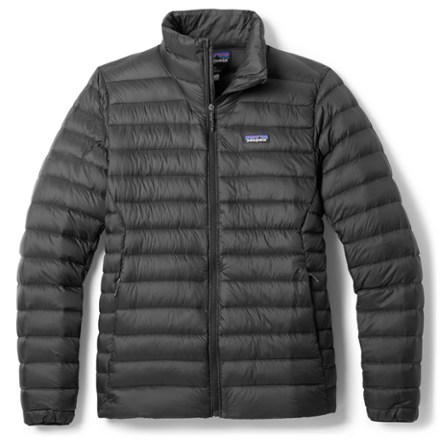
  1. 1. Patagonia Down Sweater — Best Overall ($279)
  2. 2. Arc'teryx Cerium SL — Best Ultralight ($349)
  3. 3. REI Co-op Magma 850 — Best Value ($199)
  4. 4. Montbell Plasma 1000 — Best Compressibility ($249)
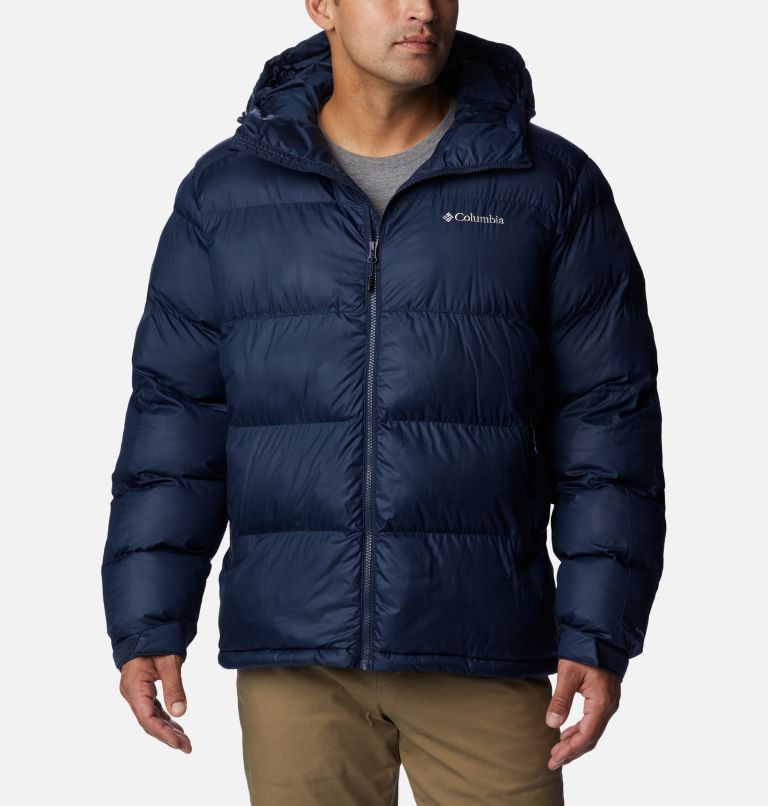
  5. 5. Columbia Pike Lake II — Best Budget ($99)
  6. 6. Rab Microlight Alpine — Best for Cold Conditions ($249)
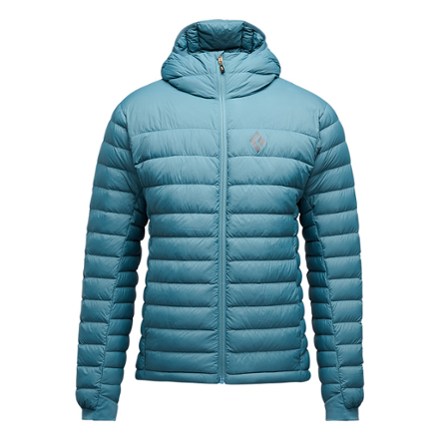
  7. 7. Black Diamond Access Down Hoody — Best for Active Use ($199)
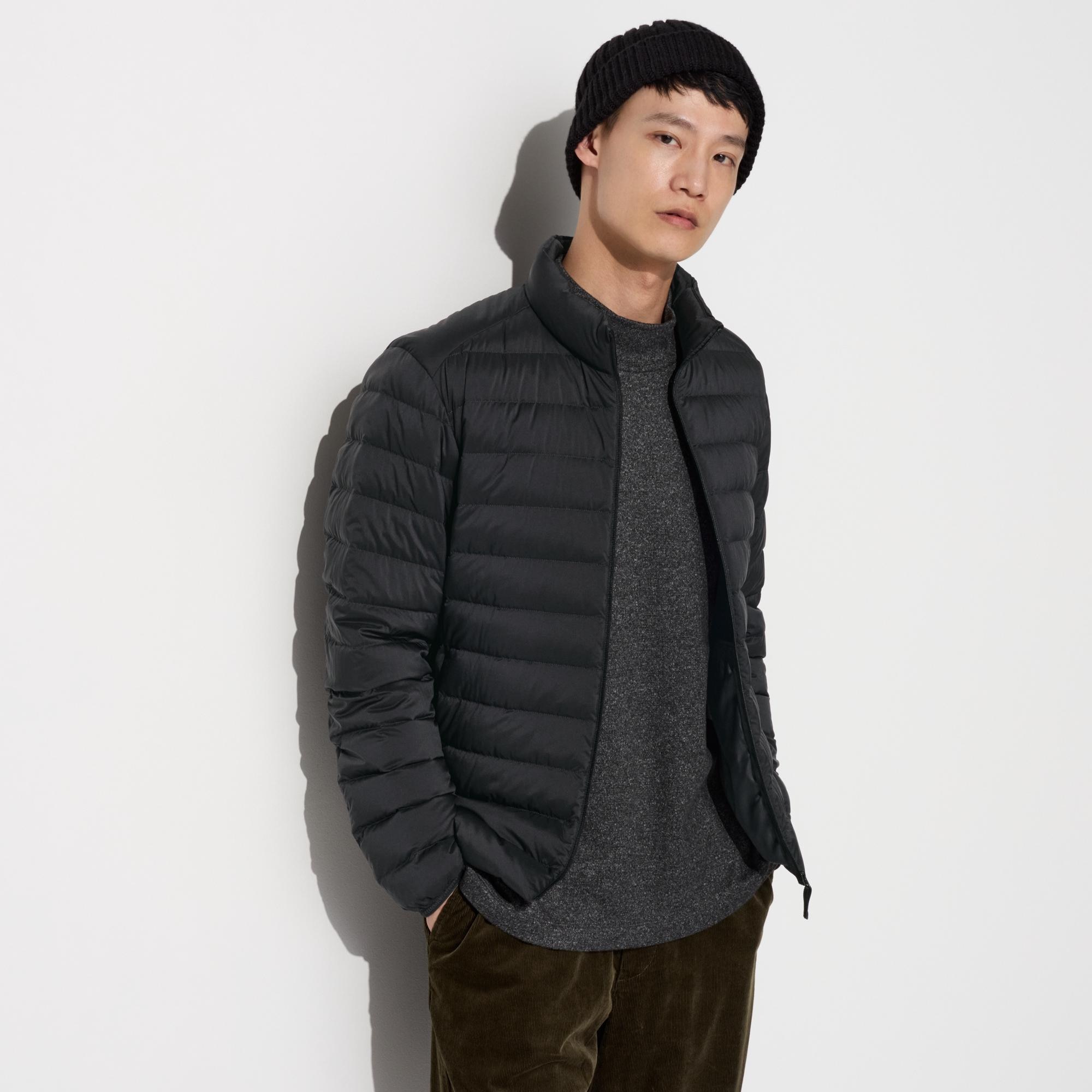
  8. 8. Uniqlo Ultra Light Down — Best Non-Outdoor Brand ($69)

Finding the Best Packable Down Jacket in 2026

A packable down jacket is the most versatile cold-weather layer in a hiker's kit. Weighing between 5 and 16 ounces and compressing to the size of a water bottle, it delivers warmth-to-weight performance that no synthetic alternative can match. The right down jacket transforms from an invisible pack filler during the hot midday ascent to the most important piece of gear when temperature drops at camp.

The choices span from $69 fashion-brand options to $349 technical alpine pieces, and the performance differences are real. Fill power, total down weight, shell fabric weight, and water resistance combine to determine whether a jacket handles your specific conditions. We tested 13 packable down jackets across three seasons to identify which performs where — and which represents the best investment for different types of hikers.

For a complete layering system, pair your packable down jacket with quality base layers and review our hiking layering system guide for how these pieces work together.

Quick Comparison Table

JacketCategoryPriceWeightFill PowerPack Size
Patagonia Down SweaterBest Overall$27912.8 oz800-fill RDS-certified downCan stuff into chest pocket
Arc'teryx Cerium SLBest Ultralight$3498.1 oz850-fill RDS Certified goose downStuff sack (included), 0.7L
REI Co-op Magma 850Best Value$19911.2 oz850-fill RDS downStuff sack (included), 1.0L
Montbell Plasma 1000Best Compressibility$2495.4 oz1000-fill downIncluded pouch, 0.5L
Columbia Pike Lake IIBest Budget$9916.0 oz650-fill certified downStuff into chest pocket, ~1.5L
Rab Microlight AlpineBest for Cold Conditions$24913.9 oz750-fill hydrophobic downIncluded stuff sack, 1.2L
Black Diamond Access Down HoodyBest for Active Use$19910.5 oz800-fill RDS downStuff into chest pocket, 0.9L
Uniqlo Ultra Light DownBest Non-Outdoor Brand$699.5 oz640-fill downStuff into internal pocket, 1.0L

How We Test

Each jacket was worn through full hiking days, cold camp nights, and active alpine approaches to evaluate performance across the conditions where packable down jackets are actually used.

Warmth & Fill Quality

35%

We evaluate warmth at rest in cold conditions, loft recovery after compression, and warmth performance in light moisture — the key failure mode of down insulation.

Weight & Packability

25%

We measure actual packed volume and weight versus specifications, and assess whether the jacket fits practically into hiking pack pockets and hip belt compartments.

Shell Durability

25%

We evaluate shell fabric resistance to snagging, abrasion from pack carry, and how the DWR coating performs through multiple field uses and wash cycles.

Fit & Features

15%

We assess pocket layout for trail use, hem and cuff seal quality, hood design where applicable, and how the jacket layers under a hardshell.

Detailed Packable Down Jacket Reviews

#1Best Overall

Patagonia Down Sweater

Weight

12.8 oz

Fill Power

800-fill RDS-certified down

Down Weight

3.5 oz

Shell

20D recycled nylon, DWR

Pack Size

Can stuff into chest pocket

Price

$279

The Patagonia Down Sweater has been the benchmark packable down jacket for years, and its 2026 iteration maintains that position through the combination of warmth, packability, ethical sourcing, and build quality that no competing jacket at any price matches in all four categories simultaneously. The 800-fill RDS (Responsible Down Standard) certified down provides exceptional warmth-to-weight performance, compressing to roughly the size of a softball when stuffed into its own chest pocket.

Warmth is genuine. The Down Sweater handles temperatures into the mid-20s Fahrenheit as a standalone layer in calm conditions, which covers the range that most three-season hikers encounter at camp stops and dawn starts. The 800-fill loft recovers quickly after compression — take it out of the stuff pocket, shake it once, and it is fully lofted within 30 seconds. This rapid recovery makes it practical as a quick-grab layer at rest stops without needing to wait for the down to expand before it becomes useful.

The 20-denier recycled nylon shell is Patagonia's carefully considered weight-durability balance. It compresses smaller than heavier shells and is light enough to comply with the packable category, but thick enough to resist light abrasion from pack compression and light contact with rough surfaces. More delicate 10-12 denier shells found on ultralight alternatives are more susceptible to snagging and puncture. For a jacket that lives in your pack for years across many trips, the 20D shell durability justifies the slight weight premium.

At $279, the Down Sweater is not the cheapest option in our test group. Patagonia's build quality, ethical sourcing, and Ironclad Guarantee (lifetime repair policy) justify the premium for most hikers. Pair it with a proper base layer system from our <Link href='/best/base-layers' className='text-amber-400 hover:text-amber-300 underline underline-offset-2'>best base layers guide</Link> for a complete cold-weather layering system.

Pros

  • +Excellent warmth from 800-fill RDS down
  • +Packs into its own chest pocket quickly
  • +20D recycled shell balances weight and durability
  • +Patagonia lifetime repair guarantee
  • +Ethical RDS-certified down sourcing

Cons

  • Premium price at $279
  • Not waterproof — requires shell layer in rain
  • 20D shell not as robust as heavier options
  • Limited pocket organization for active use

Best for: Three-season backpackers who want the gold-standard packable down jacket with ethical sourcing and a lifetime repair policy.

Check Price
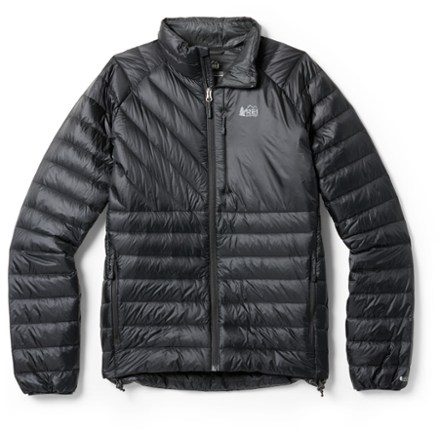
#2Best Ultralight

Arc'teryx Cerium SL

Weight

8.1 oz

Fill Power

850-fill RDS Certified goose down

Down Weight

2.8 oz

Shell

Arato 10 nylon (10D), DWR

Pack Size

Stuff sack (included), 0.7L

Price

$349

The Arc'teryx Cerium SL is the most technically refined ultralight down jacket in our test group. At 8.1 ounces, it achieves a warmth-to-weight ratio that no other jacket in this test matches. The 850-fill goose down compresses into the included stuff sack to 0.7 liters — small enough to fit in a hip belt pocket on your backpack and weigh almost nothing when packed. For ultralight backpackers who count grams, the Cerium SL is the obvious choice if budget is not a constraint.

The 10-denier Arato shell is the lightest and most compressible shell fabric in this test group, and it is also the most delicate. Arc'teryx constructs the Cerium SL with care — the down baffles are mapped to the jacket's fit geometry so that down clusters fill every section without migration or cold spots — but the Arato fabric requires careful handling. Sharp branches, rough rock faces, and aggressive pack compression against abrasive surfaces can damage 10D nylon. The Cerium SL requires owners who treat it with appropriate care, not as an indestructible field piece.

Warmth per ounce is exceptional. The 850-fill RDS down and precise baffle construction means that the 8.1-ounce Cerium SL provides warmth comparable to many 12-14 ounce alternatives in our test group. The down distribution is visibly more uniform than mid-range jackets — no thin spots at the shoulder seams or collar area where heat loss typically occurs first. The helmet-compatible hood adds warmth without restricting head movement for hikers who need head coverage in exposed conditions.

At $349, the Cerium SL is the most expensive jacket in our test group. The price reflects Arc'teryx's precision construction standards, the premium 850-fill down, and the Arato shell performance. For hikers who prioritize weight above all else and are willing to handle the jacket carefully, the Cerium SL is worth every dollar. For hikers who need a durable workhorse that handles rough conditions without special care, the Patagonia Down Sweater's more robust 20D shell is the better long-term investment.

Pros

  • +Lightest jacket in test at 8.1 oz
  • +850-fill down provides exceptional warmth-to-weight
  • +Compresses to 0.7L — fits in a hip belt pocket
  • +Precisely mapped baffles with no cold spots
  • +Helmet-compatible hood

Cons

  • Most expensive option at $349
  • 10D shell requires careful handling
  • Not suitable for rough-use environments
  • No internal pockets beyond hand warmers

Best for: Ultralight backpackers who prioritize minimum weight above durability and are willing to handle the jacket with appropriate care.

Check Price
#3Best Value

REI Co-op Magma 850

Weight

11.2 oz

Fill Power

850-fill RDS down

Down Weight

3.2 oz

Shell

20D ripstop nylon, DWR

Pack Size

Stuff sack (included), 1.0L

Price

$199

The REI Co-op Magma 850 makes 850-fill down accessible at a price point that undercuts premium brands by $80-150. At $199, this jacket delivers genuine high-fill-power performance with an ethical down supply chain and construction quality that holds up across seasons of regular use. For backpackers who want premium fill power without premium brand pricing, the Magma 850 is the obvious recommendation.

The 20D ripstop nylon shell is the same weight category as the Patagonia Down Sweater, providing the same weight-durability balance. Construction quality is above average for the price — stitching is consistent, baffles are aligned correctly, and the down fill distributes evenly throughout the jacket without obvious clumping when examined over the course of a season of use. The draft collar seals the neck area effectively and the elastic cuffs prevent cold air from entering at the wrists.

REI's return policy and Co-op dividend make the value proposition even stronger for REI members. The jacket compresses to 1.0 liter in the included stuff sack — slightly larger than the Patagonia Down Sweater's self-stuffing chest pocket but comparable in trail practicality. Two hand pockets and an internal chest pocket cover storage needs for a packable layer.

The Magma 850 is particularly well-suited for hikers who are building a complete layering system and want to allocate budget across multiple gear categories. Pair it with the guidance from our <Link href='/guides/hiking-layering-system' className='text-amber-400 hover:text-amber-300 underline underline-offset-2'>hiking layering system guide</Link> for optimal cold-weather performance.

Pros

  • +850-fill down at $80-150 below premium brand pricing
  • +20D ripstop shell balances weight and durability
  • +Above-average construction quality for price
  • +REI return policy adds purchase confidence
  • +Co-op dividend for REI members

Cons

  • Slightly heavier than premium ultralight alternatives
  • Stuff sack compression slightly larger than self-stuffing designs
  • Less sophisticated baffle mapping than premium options
  • Limited color options compared to major brands

Best for: Budget-conscious backpackers who want genuine 850-fill down performance without paying premium brand prices.

Check Price
#4Best Compressibility

Montbell Plasma 1000

Weight

5.4 oz

Fill Power

1000-fill down

Down Weight

2.1 oz

Shell

Ballistic Airlight nylon (7D), DWR

Pack Size

Included pouch, 0.5L

Price

$249

The Montbell Plasma 1000 is the most compressed packable down jacket in our test group, using 1000-fill down — the highest fill power rating in mainstream production — in a 7-denier Ballistic Airlight shell. At 5.4 ounces and 0.5 liters compressed, it is almost impractically light for a jacket that provides genuine insulation. Montbell, the Japanese outdoor brand, has specialized in extreme-weight-reduction technical apparel for decades, and the Plasma 1000 represents the outer limit of what is currently achievable in a packable down jacket.

The 7-denier Ballistic Airlight shell is one of the most delicate fabrics in any production jacket. It is more fragile than the 10D Arc'teryx Arato shell and requires even more careful handling. Montbell mitigates this partially through a reinforced outer shell pattern that places slightly heavier material at the highest-wear areas — shoulders and elbows — while keeping the primary panels at 7D. This is a jacket that belongs in a separate internal pocket of your pack, not loose in the main compartment with your gear.

Warmth given the weight is remarkable. The 1000-fill down lofts to a height that insulates well despite the minimal fill weight. At camp stops and during rest breaks in cold conditions, the Plasma 1000 adds meaningful warmth instantly. It should not be expected to serve as a primary cold-weather layer in sustained wind or precipitation — it is too light for that. Its role is emergency warmth, belay jacket, and camp layer for fast-and-light hikers who cannot accept heavier alternatives.

At $249 for a 5.4-ounce jacket, the value calculation depends entirely on how much you value every ounce saved. For ultralight backpackers who will use the Plasma 1000's weight savings on every trip for years, the investment is clearly justified. For occasional hikers who carry adequate pack weight for more durable options, the Patagonia Down Sweater at $279 and 12.8 ounces provides better durability for a modest weight premium.

Pros

  • +Lightest down jacket in test at 5.4 oz
  • +1000-fill down — highest fill power available
  • +Compresses to 0.5L — fits anywhere in your pack
  • +Reinforced panels at highest-wear areas
  • +Montbell Japanese craftsmanship quality

Cons

  • 7D shell requires very careful handling
  • Limited warmth in sustained wind without shell layer
  • 2.1 oz total down — less warm than heavier alternatives
  • Not suitable for rough-use environments

Best for: Fast-and-light hikers and thru-hikers who need emergency and camp warmth at absolute minimum weight.

Check Price
#5Best Budget

Columbia Pike Lake II

Weight

16.0 oz

Fill Power

650-fill certified down

Down Weight

3.8 oz

Shell

Omni-Shield ripstop nylon, DWR

Pack Size

Stuff into chest pocket, ~1.5L

Price

$99

The Columbia Pike Lake II is the proof that packable down insulation does not require a premium price. At $99, this jacket uses 650-fill certified down in a robust Omni-Shield ripstop shell to deliver genuine camp and belay warmth at a price point where the barrier to entry disappears. For hikers who are starting out, building their kit on a budget, or want a reliable backup layer without significant investment, the Pike Lake II covers the core requirement.

The 650-fill down provides meaningful insulation and is a significant step up from synthetic alternatives at a similar price. The fill power reflects budget-friendly down sourcing rather than a technical limitation — the warmth at rest is adequate for mild-to-moderate cold, making the Pike Lake II suitable for shoulder-season hiking and spring/fall camping. In sustained cold below 25°F or in wind, the Pike Lake II's lower fill power and heavier shell limit its performance compared to 800-fill alternatives.

At 16 ounces, the Pike Lake II is the heaviest jacket in our test group by a notable margin. The heavier Omni-Shield ripstop shell is more durable than premium 10-20D alternatives, which partially compensates for the weight disadvantage for hikers who are harder on their gear. Compresses to approximately 1.5 liters — larger than premium alternatives but acceptable for car campers and hikers not obsessing over pack volume.

Columbia's warranty is a standard two-year coverage on defects, without the lifetime guarantees of Patagonia or Arc'teryx. For occasional use at $99, the two-year coverage is proportionate to the price. For daily-use backpackers expecting years of intensive service, the investment in a better-warranted jacket is worthwhile.

Pros

  • +Excellent value at $99
  • +Genuine down insulation — better than synthetic at price
  • +Robust Omni-Shield shell for rough-use durability
  • +Adequate warmth for shoulder-season conditions
  • +Low financial risk for new hikers

Cons

  • Heaviest option in test at 16 oz
  • Compresses to 1.5L — less packable than premium alternatives
  • 650 fill power underperforms in sustained cold
  • Standard two-year warranty versus lifetime alternatives

Best for: Budget-conscious hikers, beginners, and car campers who want genuine down warmth without premium pricing.

Check Price
#6Best for Cold Conditions

Rab Microlight Alpine

Weight

13.9 oz

Fill Power

750-fill hydrophobic down

Down Weight

4.5 oz

Shell

Pertex Quantum ripstop, DWR

Pack Size

Included stuff sack, 1.2L

Price

$249

The Rab Microlight Alpine is designed for a specific use case: reliable warmth in genuinely cold conditions, including the damp cold that characterizes UK and alpine mountain environments. British outdoor brand Rab has built its reputation on cold-weather technical clothing, and the Microlight Alpine reflects that focus. The 750-fill hydrophobic down provides warmth that holds up better in damp conditions than non-hydrophobic down at the same fill power, and the 4.5 ounce down fill weight is the highest in our test group for a packable jacket.

The Pertex Quantum shell is Rab's proven fabric for technical insulated jackets — a balanced ripstop that compresses well, resists light precipitation effectively, and handles the abrasion of pack carry without the delicacy of 10-15D ultralight fabrics. At 13.9 ounces, the Microlight Alpine is not the lightest option but it carries its weight in actual warmth output. The 4.5 oz down fill provides warmth well into the teens Fahrenheit in calm conditions — genuine four-season capability for a packable jacket.

The Alpine-specific design includes a helmet-compatible hood, longer back hem that covers the kidneys when hiking, and hem drawcord adjustment. These details reflect Rab's mountaineering heritage — the Microlight Alpine is designed to be worn while active on technical terrain, not just as a camp layer. Zipper baffles behind the main zip prevent cold-air transfer, and elastic cuffs provide a clean seal at the wrists without requiring adjustment.

At $249, the Microlight Alpine is competitively priced for its warmth capacity. For hikers who frequently venture into cold alpine environments, experience extended cold camping, or hike in the damp conditions where hydrophobic down provides real benefits, the Microlight Alpine is the right tool. For fair-weather hikers who need a packable jacket primarily for camp comfort at moderate cold, the Patagonia Down Sweater at $279 with higher fill power is the more versatile choice.

Pros

  • +4.5 oz down fill — most warmth in test group
  • +Hydrophobic down maintains warmth in damp conditions
  • +Helmet-compatible hood and longer back hem
  • +Pertex Quantum shell balances weight, durability, compression
  • +Genuine four-season warmth capacity

Cons

  • Heavier than ultralight alternatives at 13.9 oz
  • 750 fill power versus 800-850 in top competitors
  • Compresses to 1.2L — larger than premium packable alternatives
  • Rab sizing runs slightly small — size up if in doubt

Best for: Cold-condition hikers, alpinists, and backpackers who camp in cold damp conditions and need maximum warmth in a packable form factor.

Check Price
#7Best for Active Use

Black Diamond Access Down Hoody

Weight

10.5 oz

Fill Power

800-fill RDS down

Down Weight

2.8 oz

Shell

Nylon-PEACH (15D), DWR

Pack Size

Stuff into chest pocket, 0.9L

Price

$199

The Black Diamond Access Down Hoody is designed for hikers who want to wear their packable down jacket while actively moving on the trail, not just at camp stops. The thinner down baffle design distributes fill more broadly to reduce hot spots during aerobic effort, while the 15-denier PEACH nylon shell has a softer hand feel that layers cleanly under a hardshell without the slippery noise that characterizes cheaper ripstop shells. This is the packable down jacket for hikers who want to keep it on during the approach rather than stuffing it at the first sign of effort.

The 800-fill RDS down provides the high-tier warmth that makes on-the-move wear practical — enough insulation to stay warm at moderate effort in cold conditions without overheating during sustained uphill sections that require the jacket to breathe. The thinner baffle construction (30mm baffles versus standard 40-50mm) reduces the insulation bulk that makes standard down jackets feel restrictive during movement. The result is a jacket that drapes and moves more like a softshell than a conventional puffer.

The included hood is the defining feature for active use — a helmet-compatible design that stays in position during dynamic movement and eliminates the bare-neck cold exposure that non-hooded alternatives create in wind. Black Diamond's hood construction matches the main jacket's thin-baffle design, providing insulation without the bulk that restricts head rotation on technical terrain.

At $199, the Access Down Hoody is priced in the mid-range and delivers specialized active-use performance that justifies the cost for hikers who frequently move in cold conditions rather than wearing down purely as a static warmth layer. For hikers who only use their packable jacket at camp, the Patagonia Down Sweater or REI Magma 850 provide more warmth for a comparable or lower investment.

Pros

  • +Thin baffle design reduces bulk for active movement
  • +800-fill RDS down for genuine warmth while moving
  • +Helmet-compatible hood with good head-rotation clearance
  • +PEACH nylon shell layers cleanly without noise
  • +Competitive pricing at $199 for 800-fill

Cons

  • Less warmth per ounce than thick-baffle competitors
  • 15D shell less durable than 20D alternatives
  • 2.8 oz down weight — less total warmth than some competitors
  • Hood cannot be removed for warmer conditions

Best for: Active hikers and scramblers who want to wear their down jacket during sustained movement on cold-weather approaches.

Check Price
#8Best Non-Outdoor Brand

Uniqlo Ultra Light Down

Weight

9.5 oz

Fill Power

640-fill down

Down Weight

3.3 oz

Shell

15D nylon, no DWR

Pack Size

Stuff into internal pocket, 1.0L

Price

$69

The Uniqlo Ultra Light Down is a mainstream fashion product that happens to perform adequately as a trail packable jacket for non-technical use. At $69, it is the most affordable genuine down option in this test group, and its 640-fill down provides real warmth that outperforms synthetic alternatives at the same price point. For urban hikers, casual day hikers, and anyone who wants a packable down layer primarily for travel and mild-weather use, the Uniqlo is a legitimate option that shouldn't be dismissed because of its non-outdoor brand origin.

The fill power at 640 is the lowest in our test group, which means less warmth per ounce than the outdoor-brand alternatives. The shell lacks DWR treatment, which means any precipitation degrades warmth faster than treated alternatives. For dry-day hiking and urban use, neither limitation is practical. For serious backpacking in variable weather conditions, both are real drawbacks. Uniqlo does not publish the ethics certification of its down sourcing, which is a consideration for hikers who prioritize RDS or equivalent certification.

Packability is surprisingly good for the price. The jacket stuffs into a small internal pocket and compresses to approximately 1.0 liter — comparable to mid-range outdoor alternatives. At 9.5 ounces, it is lighter than the Columbia Pike Lake II budget option while costing $30 less, which makes it a competitive choice in the strictly budget tier. The baffle construction is simple but functional; down distribution is even across the primary panels without obvious cold spots.

The Uniqlo Ultra Light Down earns its place in this test as the recommendation for hikers who want a pack-friendly warm layer for non-demanding use. It is not the right answer for cold-condition backpacking or alpine hiking. For city-to-trail day trips, mild-weather camping, and situations where cost is the primary constraint, it performs adequately and represents a genuine value.

Pros

  • +Most affordable genuine down option at $69
  • +Lighter than most budget alternatives at 9.5 oz
  • +Compresses to 1.0L for practical packability
  • +Even down distribution without cold spots
  • +Wide availability and easy sizing

Cons

  • 640 fill power — least warmth-efficient in test group
  • No DWR coating — wet performance poor
  • No ethical sourcing certification published
  • Not designed for demanding trail conditions

Best for: Casual hikers, travelers, and anyone who needs a warm packable layer primarily for mild conditions and urban use at minimum cost.

Check Price

Packable Down Jacket Buying Guide

Choosing the right packable down jacket requires understanding four key variables: fill power, total down weight, shell fabric weight, and water resistance. Getting all four right for your conditions is the difference between a jacket that sits unused and one you reach for on every trip.

Fill Power: What the Numbers Mean

Fill power (600-1000) measures down loft quality — how much space one ounce of down occupies. Higher fill power down lofts more per ounce, meaning you need less down weight to achieve the same warmth. 650-fill is budget-tier but genuinely warm. 750-fill provides a significant warmth-per-ounce improvement. 800-850 fill is the premium standard used by most serious outdoor brands. 900-1000 fill is reserved for ultralight-first designs where weight is the overriding priority. Fill power matters most when comparing jackets with similar down weights — higher fill power wins. But a 650-fill jacket with 5 oz of down can be warmer than an 850-fill jacket with 2 oz of down. Always compare both fill power and total down weight.

Weight: Total Jacket vs Down Weight

Total jacket weight includes the shell fabric and hardware in addition to the down. A 20D shell adds significant weight versus a 10D shell, even with the same down fill. For ultralight packing, a lighter shell gives you a lighter jacket at equal warmth. But lighter shells (10-12D) are more fragile and require careful handling. Down weight is the insulation content — higher down weight means warmer. When comparing packable jackets, look at total jacket weight for pack planning, and down weight for warmth comparison. Do not compare jacket weights alone without knowing the fill power and down weight breakdown.

Packability: Real vs Claimed

Many jackets claim to be packable but compress to 1.5-2.0 liters — sizes that fit awkwardly in most pack pockets. A genuinely packable hiking jacket should compress to 0.5-1.0 liters to fit in a hip belt pocket or daypack top pocket. Test this before purchasing by asking a retailer to stuff the jacket in front of you, or verify real-world compressed size from user reviews rather than relying on brand specifications, which sometimes measure uncompressed stuff-sack size. For a complete layering strategy, our hiking layering guide explains where the down layer fits in the system.

Water Resistance: DWR and Hydrophobic Down

DWR (Durable Water Repellent) coatings on the shell fabric bead water briefly in light rain but do not waterproof the jacket. When DWR saturates, water enters the baffles and wets the down, collapsing its loft and eliminating insulation. Hydrophobic down treatments (used in the Rab Microlight Alpine and others) allow the down itself to resist moisture longer and recover warmth after getting damp. In consistently wet conditions, a rain jacket over your down layer is always the correct approach — no DWR or hydrophobic treatment maintains warmth in sustained precipitation. Pair with a quality rain jacket from our best rain jackets guide.

Frequently Asked Questions

What fill power rating do I need for a hiking down jacket?

Fill power measures the loft quality of down — how many cubic inches one ounce of down occupies when fully expanded. Higher fill power (800-900+) means more warmth per ounce, resulting in lighter and more compressible jackets. For three-season hiking use, 650-750 fill power provides adequate warmth at a lower cost. For ultralight backpacking and technical alpine use where minimizing weight is critical, 800-900 fill power is worth the premium. Fill power quality matters less than total down weight in the jacket — a jacket with 4 oz of 650-fill down is warmer than one with 2 oz of 900-fill. Always compare both fill power and total down content.

Are packable down jackets waterproof?

Standard packable down jackets are not waterproof. They use DWR (Durable Water Repellent) coatings on the shell fabric that resist light precipitation for short periods. When down gets thoroughly wet, it loses its loft and insulating ability. Hydrophobic down treatments (RDS, DownTek, Nikwax Hydrophobic Down) help down jackets recover faster from moisture and retain some warmth when damp. For hiking in consistently wet conditions, a rain jacket over your down jacket is essential. Alternatively, synthetic insulated jackets maintain warmth when wet, at the cost of heavier weight and less compressibility.

How small should a packable down jacket compress?

A good packable down jacket should compress into its own pocket or a separate stuff sack and fit within 1-1.5 liters of volume — roughly the size of a 32 oz water bottle. At this size, it can slip into a daypack side pocket or be attached to a hip belt without significant bulk. Some ultralight options compress even smaller. The key variable is shell fabric weight: lighter ripstop shells compress smaller but are less durable. Avoid jackets that claim to be packable but compress to only 2+ liters — those do not qualify as trail-ready packable pieces.

What is the difference between packable down and a puffer jacket?

The terms are sometimes used interchangeably but have meaningful distinctions. A puffer jacket refers to any quilted insulated jacket, including synthetic fills. A packable down jacket specifically uses goose or duck down fill and is designed to compress into a compact size for storage. Not all puffer jackets are packable — some use thicker baffles or heavier shells that don't compress well. The packable characteristic requires both down fill (or very compressible synthetic) and a lightweight shell fabric. When shopping, verify that a jacket actually compresses to a usable trail size rather than relying on the term packable in the name.

How do I wash a packable down jacket?

Wash packable down jackets in a front-loading washing machine on a gentle cycle with cold water. Use a down-specific detergent (Nikwax Down Wash Direct or similar) — standard detergents strip the natural oils from down and reduce loft. Never dry clean a down jacket, as the solvents destroy down fill. Dry on low heat with three clean tennis balls or dryer balls, which break up down clumps as the jacket dries. Run multiple dry cycles until the jacket is completely dry — damp down can mold. After drying, re-apply DWR treatment if the jacket's water resistance has diminished.

What temperature rating should I look for in a packable down jacket?

Most packable down jackets are mid-layer garments rather than standalone cold-weather systems, so they do not carry formal temperature ratings the way sleeping bags do. As a practical guide: a packable jacket with 2-3 oz of 650-fill down is comfortable as a rest-stop layer down to around 40°F. A jacket with 3-4 oz of 800-fill down handles static warmth down to the mid-20s°F in calm conditions. For sustained cold below 20°F, look for jackets with 4+ oz of down or supplemental wind protection. Always factor in wind exposure — a packable jacket worn without a wind-blocking shell layer loses significant warmth in breeze or exposed-ridge conditions.

Final Verdict

The Patagonia Down Sweater earns our top recommendation for its combination of 800-fill warmth, durable 20D shell, and the strongest warranty in the outdoor industry. For ultralight backpackers willing to treat their gear carefully, the Arc'teryx Cerium SL at 8.1 oz and the Montbell Plasma 1000 at 5.4 oz are the weight-saving choices.

Budget-conscious hikers get genuine 850-fill performance from the REI Co-op Magma 850 at $199. For cold and damp alpine conditions, the Rab Microlight Alpine's hydrophobic down and 4.5 oz fill weight provide the most warmth capacity in the test group. Active hikers who wear their jacket while moving should consider the Black Diamond Access Down Hoody's thin-baffle design.

Related Guides

Related Videos

Get Trail-Tested Gear Advice

Join 12,000+ hikers who receive our weekly gear reviews, trail tips, and exclusive deals. No spam, unsubscribe anytime.

PG

Peak Gear Guide Editorial Team

Our editorial team includes certified wilderness guides, gear industry veterans, and obsessive backcountry enthusiasts who collectively log over 1,000 trail nights each year. Every product we recommend is tested in real conditions by people who depend on their gear.