Child in sleeping bag at a campsite
Updated April 2026

Best Sleeping Bags for Kids (2026)

Seven youth sleeping bags tested for warmth, fit, and ease of use — covering everything from backyard sleepovers to backcountry family camping.

The best kids sleeping bag for most families is the REI Co-op Kindercone 20. It is warm enough for three-season camping, designed specifically for children with an easy double zipper, and priced at $69. On a tight budget, the Kelty Tuck 20 Youth at $55 delivers the same 20°F warmth for less. For backpacking, the Sea to Summit Spark SP I Youth weighs just 1.1 lbs.

Quick Answer: Our Top 7 Kids Sleeping Bags

  1. 1.REI Co-op Kindercone 20Best Overall ($69)
  2. 2.Kelty Tuck 20 YouthBest Value ($55)
  3. 3.Coleman Kids 45°F Sleeping BagBest for Sleepovers ($29)
  4. 4.NEMO Forte Youth 20Best Premium ($149)
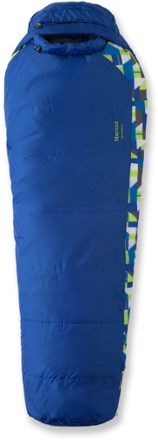
  5. 5.Marmot Trestles Youth 30Best All-Season ($89)
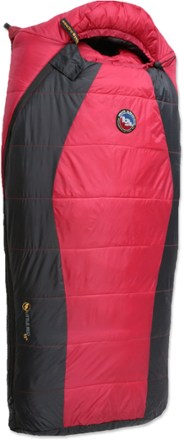
  6. 6.Big Agnes Lil’ Pardy 15°Best for Cold Weather ($129)
  7. 7.Sea to Summit Spark SP I YouthBest Ultralight ($189)

Why Kids Need Their Own Sleeping Bag

Adult sleeping bags are not a safe or effective substitute for purpose-built youth bags. A bag sized for a 6-foot adult creates dead air pockets at the foot end that a child's smaller body simply cannot warm. The result is a cold, miserable kid who keeps the whole campsite awake and may not want to camp again. Kids also lose body heat faster than adults, run cold more easily, and benefit from features designed for small hands — like shorter zippers with larger pulls and double-zipper systems that are easier to operate independently.

The right kids sleeping bag fits your child's current height, is rated at least 10°F colder than the temperatures you expect, uses synthetic fill for easy care, and has a zipper your child can manage without help. At the right price, you shouldn't need to spend more than $70 to tick all four boxes for most families.

We evaluated seven kids sleeping bags based on warmth accuracy at their rated temperatures, fit quality across different body sizes, zipper ease for small hands, packability, and overall value. For adult sleeping bag recommendations, see our best sleeping bags roundup. If budget is a priority, best sleeping bags under $100 covers adult and youth options at every price point.

Quick Comparison Table

Sleeping BagCategoryPriceWeightTemp RatingFits Up ToFill
REI Co-op Kindercone 20Best Overall$692.4 lbs20°FFits up to 56″Synthetic
Kelty Tuck 20 YouthBest Value$552.7 lbs20°FFits up to 64″Synthetic
Coleman Kids 45°F Sleeping BagBest for Sleepovers$293.2 lbs45°FOne sizeSynthetic
NEMO Forte Youth 20Best Premium$1492.9 lbs20°FFits up to 60″Synthetic
Marmot Trestles Youth 30Best All-Season$892.6 lbs30°FFits up to 60″Synthetic
Big Agnes Lil’ Pardy 15°Best for Cold Weather$1293.1 lbs15°FFits kids ages 4–12Synthetic
Sea to Summit Spark SP I YouthBest Ultralight$1891.1 lbs30°FFits up to 66″Down

Detailed Kids Sleeping Bag Reviews

#1Best Overall

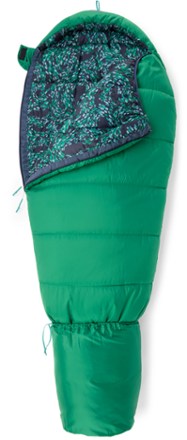
REI Co-op Kindercone 20

$69

Weight

2.4 lbs

Temp Rating

20°F

Fill Type

Synthetic

Size Range

Fits up to 56″

Price Range

$65–$75

Pros

  • +Double zipper is easy for kids to operate independently
  • +Mummy-ish shape with roomier top keeps wiggling kids warm
  • +Solid 20°F rating handles most three-season family camping

Cons

  • Only comes in one size, limiting long-term fit as kids grow
  • Slightly heavier than premium youth options

Verdict: The Kindercone 20 is the easiest recommendation for most families — warm enough for three-season camping, priced fairly, and designed with features that actually make sense for kids.

Check Price on Amazon
#2Best Value

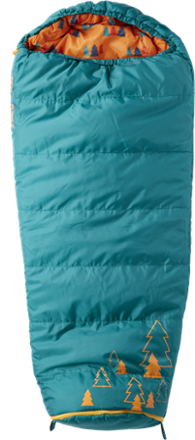
Kelty Tuck 20 Youth

$55

Weight

2.7 lbs

Temp Rating

20°F

Fill Type

Synthetic

Size Range

Fits up to 64″

Price Range

$50–$60

Pros

  • +Exceptional price point for a 20°F rated youth bag
  • +Semi-rectangular shape gives wiggling kids more room to move
  • +Fits older kids and tweens up to 64 inches tall

Cons

  • Bulky to pack compared to narrower mummy-style bags
  • Semi-rectangular shape is less thermally efficient in extreme cold

Verdict: If budget is the primary concern and you need a bag that will last a few years of growth, the Kelty Tuck 20 Youth delivers genuine three-season warmth at the lowest price on our list.

Check Price on Amazon
#3Best for Sleepovers

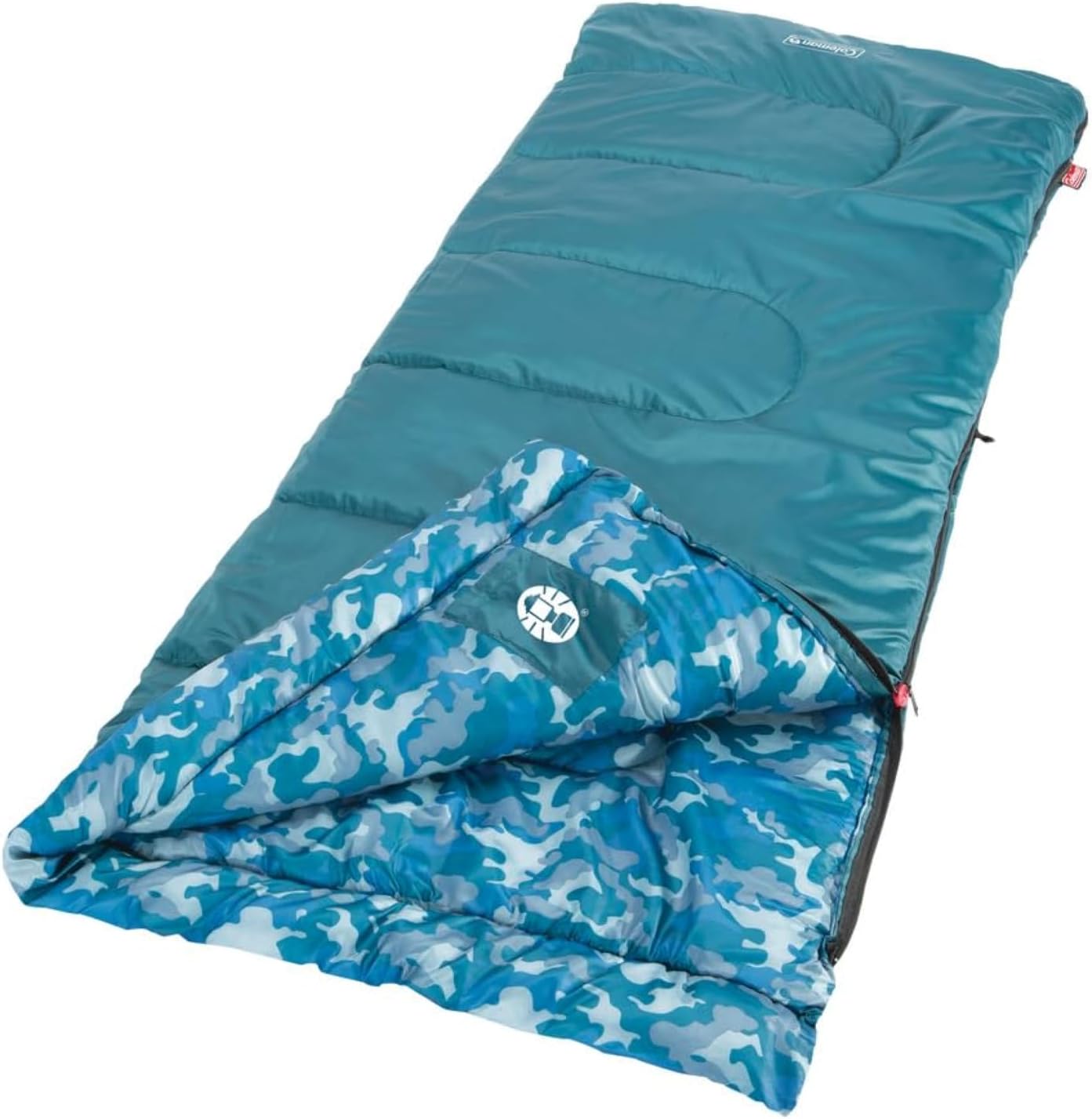
Coleman Kids 45°F Sleeping Bag

$29

Weight

3.2 lbs

Temp Rating

45°F

Fill Type

Synthetic

Size Range

One size

Price Range

$25–$35

Pros

  • +Very affordable entry price ideal for sleepovers and indoor use
  • +Rectangular shape is roomy and comfortable for kids
  • +Easy to clean and widely available

Cons

  • Not warm enough for cold nights or camping below 50°F
  • Heavier than more technical bags despite the lighter rating

Verdict: The Coleman Kids bag is a solid choice for sleepovers, indoor camping, and warm-summer car camping where temperatures stay comfortably above 55°F — but do not rely on it when nights get cold.

Check Price on Amazon
#4Best Premium

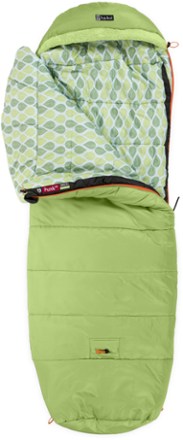
NEMO Forte Youth 20

$149

Weight

2.9 lbs

Temp Rating

20°F

Fill Type

Synthetic

Size Range

Fits up to 60″

Price Range

$140–$160

Pros

  • +NEMO’s spoon shape gives growing kids room to move without cold spots
  • +High-quality zipper baffle eliminates drafts along the closure
  • +Premium construction that outlasts cheaper youth bags

Cons

  • Most expensive synthetic option on the list at $149
  • Slightly heavier than the REI Kindercone at similar rating

Verdict: The NEMO Forte Youth 20 is worth the premium if you camp frequently and want a bag that will hold up for years — the spoon shape is genuinely more comfortable for active sleepers.

Check Price on Amazon
#5Best All-Season

Marmot Trestles Youth 30

$89

Weight

2.6 lbs

Temp Rating

30°F

Fill Type

Synthetic

Size Range

Fits up to 60″

Price Range

$85–$95

Pros

  • +Lighter than most 20°F youth bags, making it easier for kids to carry
  • +Good packability for day hikes that turn into overnight trips
  • +Marmot quality construction at a mid-range price

Cons

  • 30°F rating is a shorter usable temperature range than 20°F bags
  • Not ideal for late fall or early spring camping without extra layering

Verdict: The Trestles Youth 30 hits a sweet spot for families who camp in moderate conditions and want a lighter, more packable bag without paying premium prices.

Check Price on Amazon
#6Best for Cold Weather

Big Agnes Lil’ Pardy 15°

$129

Weight

3.1 lbs

Temp Rating

15°F

Fill Type

Synthetic

Size Range

Fits kids ages 4–12

Price Range

$120–$140

Pros

  • +Warmest bag on this list at 15°F — handles true cold-weather camping
  • +Excellent baffling prevents down-shift cold spots
  • +Bright colors kids love, with high-quality zipper hardware

Cons

  • Overkill for summer camping and warm-weather sleepovers
  • Heavier than bags with a higher temperature rating

Verdict: If your family camps in shoulder seasons, high altitude, or genuinely cold conditions, the Big Agnes Lil’ Pardy 15 is the only kids bag on this list rated for real cold — and it delivers.

Check Price on Amazon
#7Best Ultralight

Sea to Summit Spark SP I Youth

$189

Weight

1.1 lbs

Temp Rating

30°F

Fill Type

Down

Size Range

Fits up to 66″

Price Range

$180–$200

Pros

  • +By far the lightest kids sleeping bag tested — 1.1 lbs vs 2.4+ for synthetics
  • +Genuine down fill with excellent warmth-to-weight ratio for backpacking
  • +Fits older kids and tweens up to 66 inches tall

Cons

  • Most expensive bag on the list at $189
  • Down requires dry conditions and more careful maintenance than synthetic

Verdict: The only down option on this list and the clear choice for backpacking trips where pack weight matters — but the price and care requirements make it a niche pick rather than an everyday family camping bag.

Check Price on Amazon

How to Choose a Kids Sleeping Bag

Five factors determine whether a kids sleeping bag will actually keep your child warm and happy overnight. Get these right and everything else is a detail.

1. Temperature Rating

Always go at least 10°F colder than your expected overnight lows when buying for a child. Kids run colder than adults, kick off covers in their sleep, and cannot layer up the way adults compensate for a too-light bag. A 20°F rated bag is the right all-purpose choice for most US three-season camping. If you only car camp in summer heat, a 30°F or 45°F bag works and saves money. For shoulder-season or high-altitude camping, the Big Agnes Lil' Pardy 15° is the only bag here rated for real cold.

2. Size and Fit

A sleeping bag that is too long is worse than useless for a child — the empty foot section fills with cold air their body heat cannot reach. Match the bag to your child's current height, not a projected size. Most kids sleeping bags list a maximum height in inches. Size down when in doubt. The exception is if your child is near the upper limit of one size and will grow quickly — in that case, the next size up is acceptable if you layer their feet with thick socks.

3. Fill Type: Synthetic vs Down for Kids

Synthetic insulation is the right choice for almost all kids sleeping bags. It continues to insulate even when damp from spills, condensation, or the unpredictable moisture that follows children. It is machine washable without special products, dries faster, and costs significantly less than equivalent down. Down is only worth considering if your child is going on serious backpacking trips where pack weight is a genuine constraint — the Sea to Summit Spark SP I Youth is the one case where down makes sense.

4. Zipper Design

Children value independence when camping. A bag they can zip and unzip without adult help means fewer 3am wake-ups and a child who feels more confident in their gear. Look for double-zipper systems with large pulls that can be operated from inside the bag. A draft tube behind the zipper prevents cold air from bleeding through the closure. Left-hand vs right-hand zipper matters for families who zip two bags together — check that a kids bag and an adult bag use compatible zipper sides if you plan to connect them.

5. Shape: Rectangular vs Mummy vs Semi-Rectangular

Most kids prefer rectangular or semi-rectangular bags because they can move their legs freely and replicate the feeling of being in bed. Mummy bags are more thermally efficient but feel restrictive to young sleepers, especially those who kick around. The Kelty Tuck 20 Youth uses a semi-rectangular shape that most kids prefer over a fitted mummy. For older children transitioning to backpacking, a mummy shape with a roomier top section (like the REI Kindercone) is a good bridge.

Temperature Rating Guide for Kids

This table shows what temperature bag to buy based on the coldest conditions your child will sleep in. The "buy" rating is 10°F colder than the expected low to account for children running cold and the natural variation in overnight temperatures.

Camping ConditionExpected Low TempRecommended Bag RatingBest Pick
Indoor sleepover / backyard summer60°F+45°F or warmerColeman Kids 45°F
Summer car camping, low elevations50–60°F30–40°FMarmot Trestles Youth 30
Three-season family camping35–50°F20°FREI Kindercone 20 or Kelty Tuck 20
High altitude or shoulder season25–35°F15°FBig Agnes Lil' Pardy 15°
Family backpacking trip35–50°F20–30°FSea to Summit Spark SP I Youth

Kids Sleeping Bag Size Chart

Match the bag's stated maximum height to your child's current height — not their projected height in two years. A bag that fits today keeps your child warm tonight.

Child Age (approx.)Typical HeightBag Size to BuyNotes
3–4 years36–42"Fits up to 56"Most kid-specific bags start here
5–6 years42–48"Fits up to 56"Still fits most kids bags
7–9 years48–56"Fits up to 60–64"Moving toward the larger youth sizes
10–12 years56–64"Fits up to 64–66"Many will fit youth bags through this range
12+ / tall kids64"+Adult small or youth longSea to Summit Spark SP I Youth fits to 66"

How to Wash and Care for Kids Sleeping Bags

Kids sleeping bags need more frequent washing than adult bags. Here is how to do it without damaging the insulation.

1. Use a front-loading machine

Top-loading machines with an agitator can tear baffles and damage stitching. Use a front-loading washer on a gentle, cold cycle. A laundromat machine works if your home washer has an agitator.

2. Choose the right detergent

For synthetic bags, a small amount of mild liquid detergent is fine. Avoid fabric softeners, which coat synthetic fibers and reduce loft. For down bags, use a down-specific wash like Nikwax Down Wash.

3. Run a second rinse cycle

Detergent residue trapped in the insulation reduces warmth and attracts dirt. Run an extra rinse cycle with no detergent to flush any remaining soap from the fill.

4. Dry thoroughly on low heat

Tumble dry on low heat. Add two or three clean tennis balls to break up clumping insulation. Synthetic bags typically take 60–90 minutes. Down bags take longer — 2 to 3 hours — and must be completely dry before storage.

5. Check for damp spots before storing

Reach inside the bag and feel through the insulation for any damp pockets. Even small areas of residual moisture cause mildew and permanently damage loft. If in doubt, run another dry cycle.

6. Store loosely, not compressed

Never store a sleeping bag in its stuff sack long-term. Use the large cotton storage sack that came with the bag, or a pillowcase. Compression permanently damages both synthetic and down insulation over time.

Frequently Asked Questions

What temperature rating should I get for my child?

Buy a kids sleeping bag rated at least 10 degrees Fahrenheit colder than the lowest temperature your child will sleep in. Kids lose body heat faster than adults, run cold more often, and cannot regulate their sleep environment the way adults can. If overnight lows at your campsite drop to 45°F, choose a 30°F or 20°F rated bag. For sleepovers and indoor use, a 45°F bag is fine. For most three-season family car camping in the US, a 20°F rated bag is the safest all-purpose choice.

What age do kids need their own sleeping bag?

Most kids are ready for their own sleeping bag around age 2 to 3, when they are too large to safely share a bag with a parent and old enough to sleep independently overnight. Purpose-built kids sleeping bags typically fit children starting around 40 inches tall. Before that age, age-appropriate wearable blankets and sleep sacks are the safer option. By age 4, most children will fit comfortably in an entry-level kids sleeping bag sized for children up to 56 inches.

Are kids sleeping bags machine washable?

Most synthetic kids sleeping bags are machine washable on a gentle cold cycle, which is one of the main reasons synthetic fill is recommended for children. Use a front-loading washing machine without an agitator, a mild detergent, and tumble dry on low with a couple of clean tennis balls to keep the fill from clumping. Down-filled kids bags require down-specific wash and extra care during drying. Always check the manufacturer tag before washing. Dry the bag completely before storing — any residual moisture leads to mildew and destroys insulation loft.

What size sleeping bag fits a 5-year-old?

A typical 5-year-old stands between 40 and 45 inches tall. Most kids sleeping bags labeled for children up to 56 inches height will fit a 5-year-old with room to grow. Avoid bags sized for children up to 64 or 66 inches at this age — the extra length creates air pockets at the foot that your child's body heat cannot warm, leading to cold feet and poor sleep quality. When in doubt, size down rather than up for kids sleeping bags.

Can kids use adult sleeping bags?

Adult sleeping bags are not recommended for young children. A bag that is too long creates dead air space that your child's body cannot warm, which often results in a cold and unhappy camper despite the bag's impressive temperature rating. Adult bags are also wider and heavier, and the zipper reach may be difficult for small hands. Children under 12 to 13 years old are generally better served by purpose-built youth bags sized to their height. Once a child reaches roughly 5 feet tall, many adult regular-size bags become appropriate.

How long do kids sleeping bags last?

A well-made kids sleeping bag with synthetic fill lasts 3 to 5 years with regular use before insulation begins losing meaningful loft. Down-filled kids bags last longer — 5 to 8 years — but require more careful maintenance. The practical limiting factor for kids bags is usually fit rather than insulation quality: children grow out of them in 2 to 3 years. If your child uses the bag primarily for sleepovers and occasional camping, a mid-range synthetic bag will outlast its usefulness in terms of fit before the insulation degrades.

Related Guides

JT

Jake Thornton

Published April 24, 2026

Jake Thornton has tested outdoor gear for over a decade and has taken his own children camping since they were old enough to complain about the cold. He evaluates kids gear with the same rigor as adult equipment, because a child who sleeps badly on a camping trip is the fastest way to end a family's camping habit.

Editorial Disclosure

Peak Gear Guide is reader-supported. When you purchase through links on our site, we may earn an affiliate commission at no additional cost to you. Our editorial team tests every product independently and recommendations are never influenced by affiliate partnerships. We only recommend gear we would use ourselves. Product prices and availability are accurate as of the publication date and are subject to change. Last updated April 24, 2026.