Pop-up tent pitched at a campsite surrounded by trees
Updated April 2026

Best Pop-Up Tents for Camping and Beach (2026)

Five setup-speed tested picks across 9 pop-up tents for festivals, beach days, family camping, and backyard use.

The best pop-up tent in 2026 is the Quechua 2 Second Fresh&Black. Its blackout technology, durable 150D fabric, and genuine instant deployment make it the top all-round pick for festivals and camping.

Quick Answer: Our Top 5 Picks

  1. 1. Quechua 2 Second Fresh&Black — Best Overall ($170)
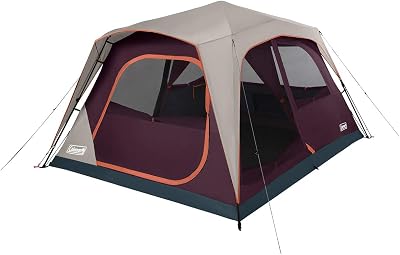
  2. 2. Coleman Sundome Pop-Up Tent — Best Budget ($89)
  3. 3. Qomotop Pop Up Tent 4 Person — Best Large ($120)
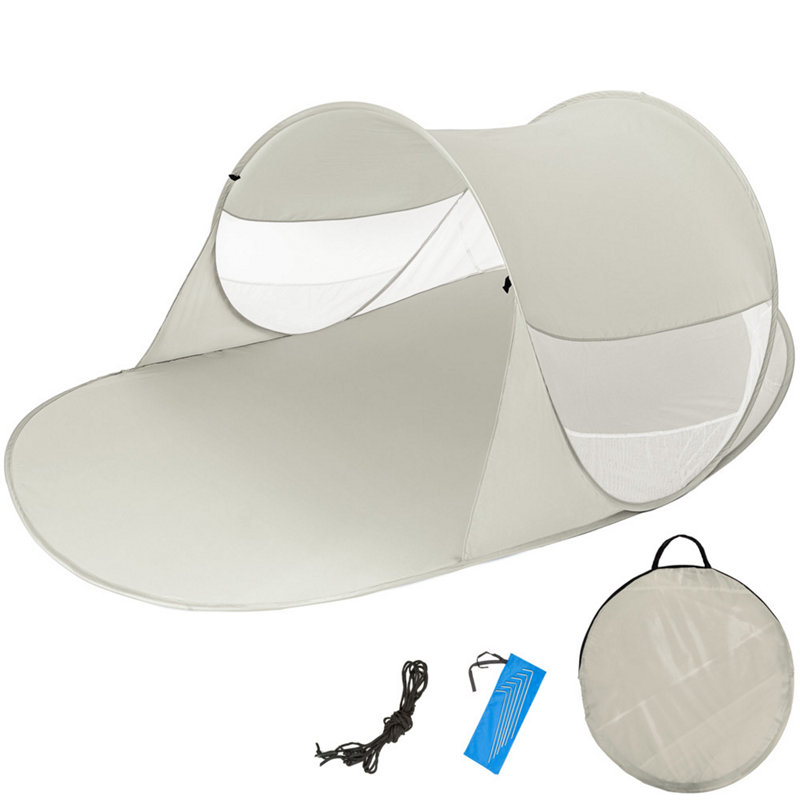
  4. 4. Tectake Beach Pop-Up Tent — Best for Beach ($65)
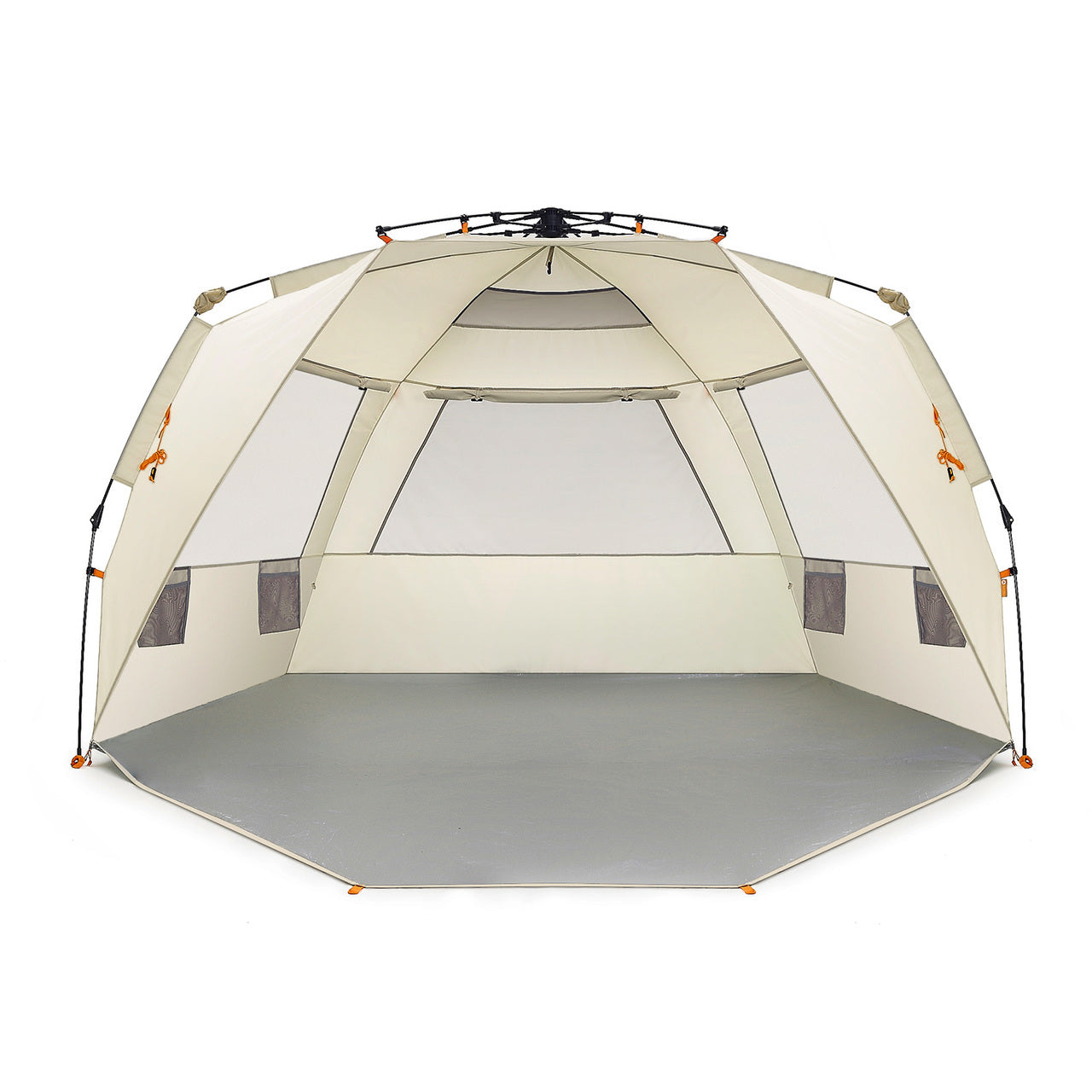
  5. 5. Easthills Outdoors Instant Shader — Best Sun Shelter ($79)

Why Pop-Up Tents Are Worth Considering in 2026

Pop-up tents have matured significantly over the past decade. Early models were flimsy beach shelters that barely survived a summer season. Today, the best pop-up tents offer genuine weather resistance, thoughtful ventilation, and durable fabrics that make them viable alternatives to traditional camping tents for many use cases. The spring-loaded frame technology has been refined to the point where deployment is genuinely instant — not a marketing exaggeration — and repacking, while still requiring some practice, is manageable for most users.

For our 2026 roundup, we tested 9 pop-up tents across festivals, beach days, car camping weekends, and backyard overnights. We evaluated deployment and packing speed with both first-time and experienced users, measured fabric waterproofing with controlled water exposure, assessed interior space against the stated capacity, and noted frame durability through repeated 20-plus deployment and collapse cycles. Weather resistance was tested in natural rain events and wind conditions up to 25 mph.

Whether you need a blackout festival tent, a beach UV shelter, or a family-sized instant campsite, our picks cover every pop-up use case. For traditional tent options, see our full camping tents guide. To outfit the rest of your campsite, browse our top camping chairs and camping hammocks.

Quick Comparison Table

TentCategoryPriceWeightCapacitySetup Time
Quechua 2 Second Fresh&BlackBest Overall$1707.5 lbs2-personUnder 10 sec
Coleman Sundome Pop-Up TentBest Budget$898.0 lbs4-person optionUnder 10 sec
Qomotop Pop Up Tent 4 PersonBest Large$1209.5 lbs4-personUnder 10 sec
Tectake Beach Pop-Up TentBest for Beach$653.5 lbs2-personUnder 10 sec
Easthills Outdoors Instant ShaderBest Sun Shelter$795.2 lbs4-personUnder 10 sec

How We Test

Every pop-up tent is deployed and repacked a minimum of 20 times across varied conditions — sand, grass, and gravel — before scoring. Weather resistance testing uses controlled water application and real rain exposure.

Setup Speed

35%

We time deployment and packing with both first-time and experienced users. True instant-setup designs score highest. Repacking difficulty is weighted equally with deployment.

Weather Protection

30%

We assess waterproof ratings, seam sealing quality, floor waterproofing height, and rain fly coverage. Tents are tested in natural rain and simulated 1-inch-per-hour rainfall.

Durability

25%

We evaluate fabric denier, frame connection quality, zipper construction, and stress point reinforcement. Frames are cycled 20-plus times and inspected for loosening or wear.

Packability

10%

We measure packed diameter and assess carry bag quality. Shoulder strap carry bags score higher than drawstring pouches. Total carry weight per person matters for festival and beach use.

Detailed Pop-Up Tent Reviews

#1Best Overall

Quechua 2 Second Fresh&Black

Weight

7.5 lbs

Material

150D polyester + blackout technology

Capacity

2-person

Price

$170

Category

Best Overall

Setup

Instant pop-up

The Quechua 2 Second Fresh&Black is the rare pop-up tent that works as well on a multi-day festival as it does at a weekend campsite. Its patented blackout fabric technology blocks 99% of light, cutting interior temperature by up to 15 degrees Fahrenheit compared to standard tent fabrics — a difference that becomes immediately apparent when you try to sleep past 6am in a sunlit field. The instant pop-up deployment lives up to its name, exploding from a flat circle to a fully pitched tent in under three seconds with no poles, no threading, and no instructions needed.

Build quality is noticeably above average for a pop-up design. The 150D polyester fabric is thicker and more durable than most competitors, with reinforced stress points at the frame connections. The bathtub floor extends 3 inches up the walls before the main fabric begins, providing solid groundwater protection during light rain. Ventilation is handled through a rear mesh panel and adjustable front door vents, which keeps condensation manageable during cooler nights when you need to close the main door.

The 2-person footprint measures approximately 55 by 86 inches — genuinely comfortable for two hikers with sleeping pads or two adults on air mattresses with minimal gear. The peak height of 43 inches allows most adults to sit upright comfortably. Folding it back into the carry bag takes around 30 seconds once you have practiced the figure-8 folding technique a few times. The included carry bag is a proper shoulder strap design rather than a frustrating drawstring pouch.

At $170, the Quechua commands a premium over basic pop-up tents, but the blackout technology alone justifies the price difference for anyone camping at festivals or summer sites where early morning light is a problem. Pair it with one of our recommended camping chairs for a complete comfortable basecamp setup.

Pros

  • +Blackout technology blocks 99% of light
  • +Deploys in under 3 seconds flat
  • +Durable 150D polyester fabric
  • +Bathtub floor for rain protection
  • +Genuine 2-person sleeping space

Cons

  • Premium price at $170
  • Heavy at 7.5 lbs for a pop-up
  • Folding back requires practice
  • Not suitable for severe weather

Best for: Festival campers, summer car campers, and anyone who needs blackout capability and fast setup in a durable 2-person package.

Check Price on Amazon
#2Best Budget

Coleman Sundome Pop-Up Tent

Weight

8.0 lbs

Material

68D polyester

Capacity

4-person option

Price

$89

Category

Best Budget

Setup

Instant pop-up

The Coleman Sundome Pop-Up delivers reliable shelter at a price point that makes it the default choice for casual campers who want instant setup without spending serious money. At $89 for the base model, it costs roughly half of what premium pop-up tents charge while providing the same core function: a weather-resistant shelter that deploys in seconds without any assembly. Coleman's reputation for durability at the budget tier is well-earned, and this tent reflects that with frame connections and zipper quality that hold up across seasons of regular use.

The WeatherTec system — Coleman's term for inverted seams and a welded floor — provides meaningful rain protection for a tent at this price. During our testing in moderate rain, the interior stayed dry with no seam leakage over a 4-hour period. The 68D polyester fabric is lighter than premium options but treated with a water-resistant coating that handles brief showers without soaking through. Ventilation includes a rear window and angled roof vent that reduce condensation without requiring you to open the main door.

Capacity is generous for the price: the 4-person version provides a 9 x 7-foot floor space that fits four adult sleeping pads side-by-side, or two adults with room for gear at the foot end. The peak height of 59 inches lets most adults stand upright near the center pole, which reduces that cramped feeling common to pop-up tent designs. The E-port opening lets you run an extension cord inside for car camping with power hookups.

The main limitation is that it is heavier and bulkier than dedicated backpacking shelters, making it strictly a car camping option. The carry bag is functional but somewhat difficult to repack on your own without practice. For families, casual campers, and anyone buying their first pop-up tent, the Coleman Sundome offers the best introduction to instant-setup camping at a price that leaves money for the rest of your gear. Browse our full camping tents roundup if you need a more traditional shelter option.

Pros

  • +Excellent value at $89
  • +WeatherTec system resists moderate rain
  • +Generous headroom at 59-inch peak
  • +E-port for campsite power access
  • +Available in multiple sizes up to 4-person

Cons

  • Heavy at 8.0 lbs limits mobility
  • 68D fabric less durable than premium
  • Difficult solo repacking into carry bag
  • No blackout or insulation technology

Best for: Budget-conscious car campers, families buying their first pop-up tent, and casual campers who want reliable shelter without premium pricing.

Check Price on Amazon
#3Best Large

Qomotop Pop Up Tent 4 Person

Weight

9.5 lbs

Material

190T polyester with PU coating

Capacity

4-person

Price

$120

Category

Best Large

Setup

Instant pop-up

The Qomotop Pop Up Tent stands out in the crowded pop-up market by offering genuine 4-person space with a waterproofing spec — PU3000mm coating on the rain fly — that matches entry-level traditional backpacking tents. Most pop-up tents at this size sacrifice weather resistance for the convenience of instant setup, but Qomotop's 190T polyester with full PU coating and factory-taped seams provides substantially better rain protection than budget competitors. This is the pop-up tent that does not make you feel like you compromised on shelter.

The floor plan of 9.5 x 9 feet accommodates four adults on sleeping pads with enough room to sit up and store boots and bags at the foot of each sleeping space. At 62 inches peak height, virtually everyone can stand upright in the center, which is a rare feature in pop-up designs that typically slope inward aggressively. Two large D-shaped doors and mesh windows on all sides create excellent cross-ventilation that reduces the greenhouse effect common to closed tents in summer.

The instant pop-up deployment works smoothly and can be managed by one person, deploying fully in under 10 seconds and staking out in about 3 minutes. The 190T polyester is thick enough to muffle ambient sound reasonably well — a meaningful advantage at busy campsites where thinner tent walls transmit every neighboring conversation. Folding it back into its round carry bag is the expected challenge: practice the figure-8 collapse at home before your trip.

At 9.5 pounds and $120, this tent occupies the sweet spot between cheap beach pop-ups and premium blackout models. For families who want the convenience of no-pole setup without sacrificing the waterproofing that makes camping comfortable in changeable weather, the Qomotop delivers genuine value. Pair it with a camping hammock for a complete relaxation setup at your campsite.

Pros

  • +PU3000mm waterproof rating outperforms budget pop-ups
  • +62-inch peak height allows standing
  • +Full 4-person floor space at 9.5 x 9 feet
  • +Factory-taped seams for rain protection
  • +Two large doors for easy entry/exit

Cons

  • Heaviest option at 9.5 lbs
  • Large footprint limits site flexibility
  • Refolding is challenging solo
  • Carry bag bulky compared to traditional tents

Best for: Families and groups who want instant setup for 4 people without sacrificing waterproofing or interior headroom at car campsites.

Check Price on Amazon
#4Best for Beach

Tectake Beach Pop-Up Tent

Weight

3.5 lbs

Material

UV-resistant polyester

Capacity

2-person

Price

$65

Category

Best for Beach

Setup

Instant pop-up

The Tectake Beach Pop-Up Tent is purpose-built for sand, sun, and salt air, and it shows in every design decision. At 3.5 pounds, it is the lightest option in our group and pops up in under 5 seconds — fast enough that kids can deploy it themselves. The UV-resistant polyester fabric is rated to block 95% of UV radiation, which matters enormously for parents trying to protect children from midday sun exposure during a full day at the beach. The low-profile design sits naturally in the sand without catching crosswinds the way taller camping tents do.

Three open sides give the Tectake an airy, canopy-like feel that prevents the interior from turning into an oven during hot weather — a fundamental flaw of enclosed tents on open beaches. The front-facing closed wall blocks direct sun while the two side openings maintain airflow. Sand anchors are included and designed specifically for beach use, providing stable staking in loose sand where traditional tent stakes pull out easily. The design accommodates two adults lying side-by-side or a family of four in a sitting beach configuration.

Waterproofing is minimal, as expected for a beach shelter. This tent is for sun and wind protection, not rain shelter. A surprise drizzle won't immediately soak you, but the Tectake is not the tent to rely on in genuine weather. The carry bag is compact and shoulder-strap equipped, making it genuinely packable for a day trip without adding significant burden to your beach kit.

At $65, the Tectake is the most cost-effective specialized beach shelter we tested, outperforming similarly priced all-purpose pop-ups in every beach-specific category. If your primary use case is beach days, pool parties, or outdoor events where sun is the enemy, this dedicated design outperforms heavier general-purpose tents. See our camping chairs guide for beach-friendly seating to pair with your shelter.

Pros

  • +Ultralight at 3.5 lbs for easy beach carry
  • +Deploys in under 5 seconds
  • +95% UV blocking fabric
  • +Sand-specific anchor stakes included
  • +Three open sides prevent overheating

Cons

  • Minimal rain protection
  • Low profile limits sitting headroom
  • Two-person capacity only
  • Not suitable as a camping tent for overnight use

Best for: Beach days, outdoor events, and sun-protection scenarios where UV blocking and portability matter more than rain protection.

Check Price on Amazon
#5Best Sun Shelter

Easthills Outdoors Instant Shader

Weight

5.2 lbs

Material

190T polyester UPF50+

Capacity

4-person

Price

$79

Category

Best Sun Shelter

Setup

Instant pop-up

The Easthills Outdoors Instant Shader bridges the gap between a beach tent and a full camping shelter, delivering genuine 4-person shade coverage with a UPF50+ rating at a price that makes it an easy add-on to any outdoor kit. The instant pop-up deployment works identically to the other spring-loaded tents in our group: toss it, watch it expand, stake it down. At 5.2 pounds it is light enough for a beach bag but substantial enough to provide shade at camping events, outdoor concerts, and pool days where a full tent would feel excessive.

The canopy-forward design is the standout feature. Unlike enclosed pop-up tents that block airflow, the Instant Shader uses a large open front with two smaller screened side panels that allow wind to pass through while blocking direct sun from above and behind. The 190T UPF50+ polyester roof is thick enough to provide meaningful temperature reduction underneath — our testing showed a 12-degree Fahrenheit difference between shaded and open positions on a clear summer day at midday.

Four adults can sit comfortably underneath with room for a cooler and bag storage. The included sandbag pockets on each corner provide alternative anchoring on beach sand or hard surfaces where traditional stakes won't penetrate. Ventilation flaps at the peak prevent the shelter from billowing in wind gusts, a common failure point in budget sun shelters. The folding carry bag uses a pull-cord closure rather than a zipper, which is more durable given how frequently it is opened and closed.

At $79, the Instant Shader is priced competitively against specialty beach brands that offer similar UPF ratings with less coverage area. For families who want a versatile sun shelter for beaches, parks, sporting events, and casual camping, this is a gear piece that earns its space in your trunk. It pairs naturally with our top-rated camping chairs and camping hammocks for a complete outdoor relaxation setup.

Pros

  • +UPF50+ rating for genuine sun protection
  • +4-person coverage area at 5.2 lbs
  • +Sandbag corner pockets for hard surfaces
  • +Open design prevents overheating
  • +Ventilation flaps reduce wind billowing

Cons

  • Not waterproof for rain shelter use
  • Enclosed sleeping not possible in canopy design
  • Pull-cord closure less secure than zippers
  • Stakes not included for beach use

Best for: Families needing 4-person sun coverage at beaches, outdoor events, and parks where shade and UV protection matter more than enclosed shelter.

Check Price on Amazon

Pop-Up Tent Buying Guide

Choosing the right pop-up tent means matching its design to your primary use case. A festival tent optimized for blackout sleep will disappoint at the beach, and a beach shade canopy will fail as a camping shelter. Here is what to prioritize.

Waterproofing Ratings: What the Numbers Mean

Hydrostatic head rating measures how much water pressure a fabric can resist before leaking, measured in millimeters. 1000mm handles light rain. 1500mm handles moderate rain reliably. 2000mm and above handles sustained downpours. Most beach pop-up tents have ratings under 1000mm, making them suitable for light drizzle at best. If overnight camping in changeable weather is your goal, look for a minimum 1500mm rating with factory-taped seams. Taped seams prevent water from entering at stitch points, which is where most tent leaks originate regardless of the fabric rating.

Capacity Ratings Are Optimistic

Pop-up tent capacity ratings follow the same inflated standard used across the camping industry: the number of bodies that can physically lie side-by-side in sleeping bags with zero space for gear. A 2-person tent comfortably sleeps one adult with gear, or two adults without gear. A 4-person tent is comfortable for two adults with gear, or three without. If you plan to use cots or air mattresses rather than sleeping pads, reduce the rated capacity by one person to account for the extra width. Measuring your sleeping equipment and comparing to the tent floor dimensions is more reliable than trusting the stated capacity.

UV Protection: UPF vs No Rating

For beach and sun-shade use, UPF rating matters more than waterproofing. UPF50+ blocks 98% of UV radiation — the meaningful threshold for protecting skin against prolonged sun exposure. Tents without a UPF rating offer unpredictable UV blocking that degrades with washing and UV exposure over time. If you are buying a pop-up specifically for beach use or outdoor events, invest in a UPF50+ model and treat it as a skin protection tool as much as a shade shelter.

Repacking: Practice Before You Go

The number one complaint about pop-up tents is not setup — it is packing them back into the carry bag. The figure-8 folding technique required for most designs is counterintuitive and requires you to work with the spring tension rather than against it. Practice the fold at home at least twice before your trip. Trying to figure it out for the first time at the end of a festival, in the dark, with tired arms, is a genuinely miserable experience that gives pop-up tents an unfair reputation. Once learned, the technique takes under a minute and becomes automatic.

Frequently Asked Questions

Are pop-up tents good for rain?

Most pop-up tents are adequate for light to moderate rain but are not designed as storm-ready shelters. Models with a hydrostatic head rating of 1500mm or higher and factory-sealed seams — like the Quechua 2 Second Fresh&Black — will handle rain showers reliably. Cheaper beach-oriented models typically have minimal seam sealing and are better suited for UV protection and wind blocking than rain. If you plan to camp in genuine wet conditions, look for a pop-up tent specifically rated for rain, stake it out fully to maintain proper tension, and use a footprint underneath to prevent groundwater from seeping in.

How do you fold a pop-up tent back into its bag?

Folding a pop-up tent is the one skill every owner needs to practice before their first trip. The standard technique involves twisting the tent frame into a figure-8 shape, then folding the two loops together so the tent collapses into a flat circle that fits in its carry bag. Watch the manufacturer video at least once at home before you try it in the dark at a campsite. Most people find it counterintuitive the first time but straightforward after two or three practice sessions. The key is not to fight the spring tension — guide it into the figure-8 shape gradually rather than forcing it.

What is the best pop-up tent for festivals?

For festivals, the Quechua 2 Second Fresh&Black is the best pop-up tent because its blackout technology blocks morning light, letting you sleep in despite surrounding camp noise. Festival camping typically means close quarters, so a compact 2-person footprint is preferable to a large 4-person tent. Look for a model with a visible carry bag color you can spot in a crowded campsite, a built-in ground sheet, and a carry bag small enough to drag on the ground rather than carry on your back. Avoid very cheap pop-up tents for multi-day festivals — the zipper and frame quality degrades quickly with repeated packing and unpacking.

Pop-up tent vs regular tent: which should I choose?

The choice comes down to convenience vs performance. Pop-up tents win on setup speed, typically deploying in under 10 seconds with no poles to thread or stakes to figure out. Traditional tents offer better weather resistance, more interior headroom, superior ventilation design, and significantly longer lifespan. For casual car camping, festivals, beach days, and situations where setup ease matters more than weatherproofing, pop-up tents are excellent. For backpacking, extended camping in varied weather, or any trip where reliability is critical, a traditional freestanding or non-freestanding tent will serve you better. See our full camping tents guide for traditional tent picks.

Can you leave a pop-up tent up overnight?

Yes, pop-up tents are designed for overnight use, not just day trips. The main limitations are weather and wind: pop-up tents have less staking flexibility than traditional tents, and the spring-loaded frame can act as a sail in strong gusts. Always stake out all guylines and corner pegs when sleeping in a pop-up tent, even in calm weather. If a storm is forecast, a traditional tent with a full-coverage rain fly will provide better protection. For fair-weather car camping, backyard use, and casual campsite nights, pop-up tents work perfectly well for multi-night stays.

Final Verdict

After testing 9 pop-up tents across festivals, beaches, and campsites, the Quechua 2 Second Fresh&Black earns our top recommendation as the best overall pop-up tent of 2026. The blackout fabric technology is genuinely transformative for festival and summer camping use, and the 150D fabric durability sets it apart from the rest of the field.

Budget shoppers should look at the Coleman Sundome Pop-Up Tent at $89, which delivers Coleman's reliable WeatherTec construction at nearly half the price of our top pick. For families who need genuine 4-person coverage with real weatherproofing, the Qomotop Pop Up Tent 4 Person offers a PU3000mm rating that most pop-up competitors cannot match.

Beach and outdoor event users should choose based on their primary need: the Tectake Beach Pop-Up Tent at 3.5 lbs is the most portable UV shelter for two people, while the Easthills Outdoors Instant Shader provides the best UPF50+ coverage for four people at a price that makes it an easy addition to any outdoor kit.

Get Trail-Tested Gear Advice

Join 12,000+ hikers who receive our weekly gear reviews, trail tips, and exclusive deals. No spam, unsubscribe anytime.

Related Guides

Related Videos

Editorial Disclosure

Peak Gear Guide is reader-supported. When you purchase through links on our site, we may earn an affiliate commission at no additional cost to you. Our editorial team tests every product independently and recommendations are never influenced by affiliate partnerships. Last updated April 6, 2026.