Backpacker preparing a freeze-dried meal at a mountain campsite at sunset
Updated April 2026

Best Freeze-Dried Backpacking Meals of 2026

Five trail-tested picks across 30+ meals for every taste, diet, and budget. From creamy stroganoff to authentic tonkotsu ramen.

The best freeze-dried backpacking meal in 2026 is the Mountain House Beef Stroganoff. It delivers the most consistent rehydration, genuinely satisfying flavor, and best overall value at $10 per pouch for any backpacker.

Quick Answer: Our Top 5 Picks

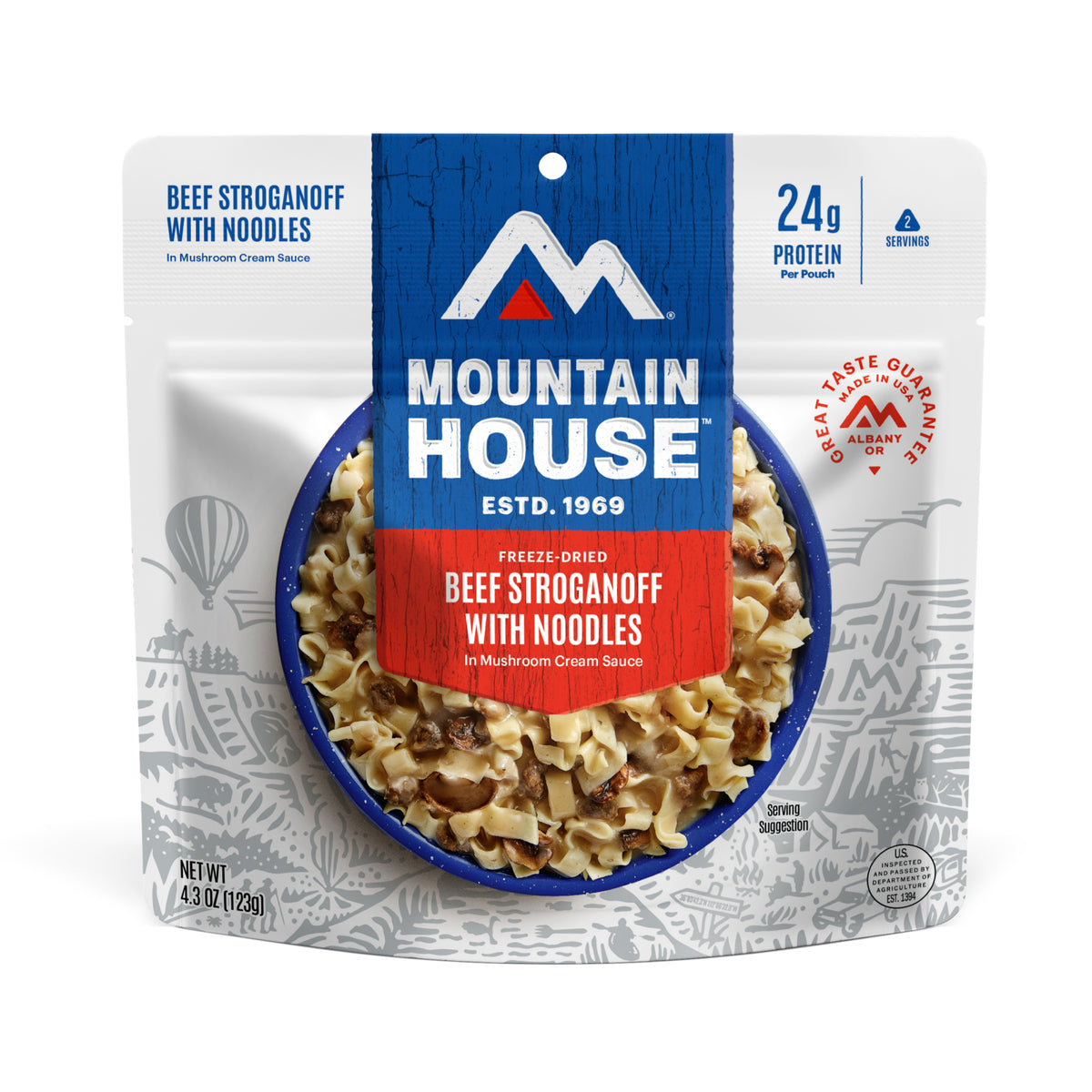
  1. 1. Mountain House Beef Stroganoff — Best Overall ($10)
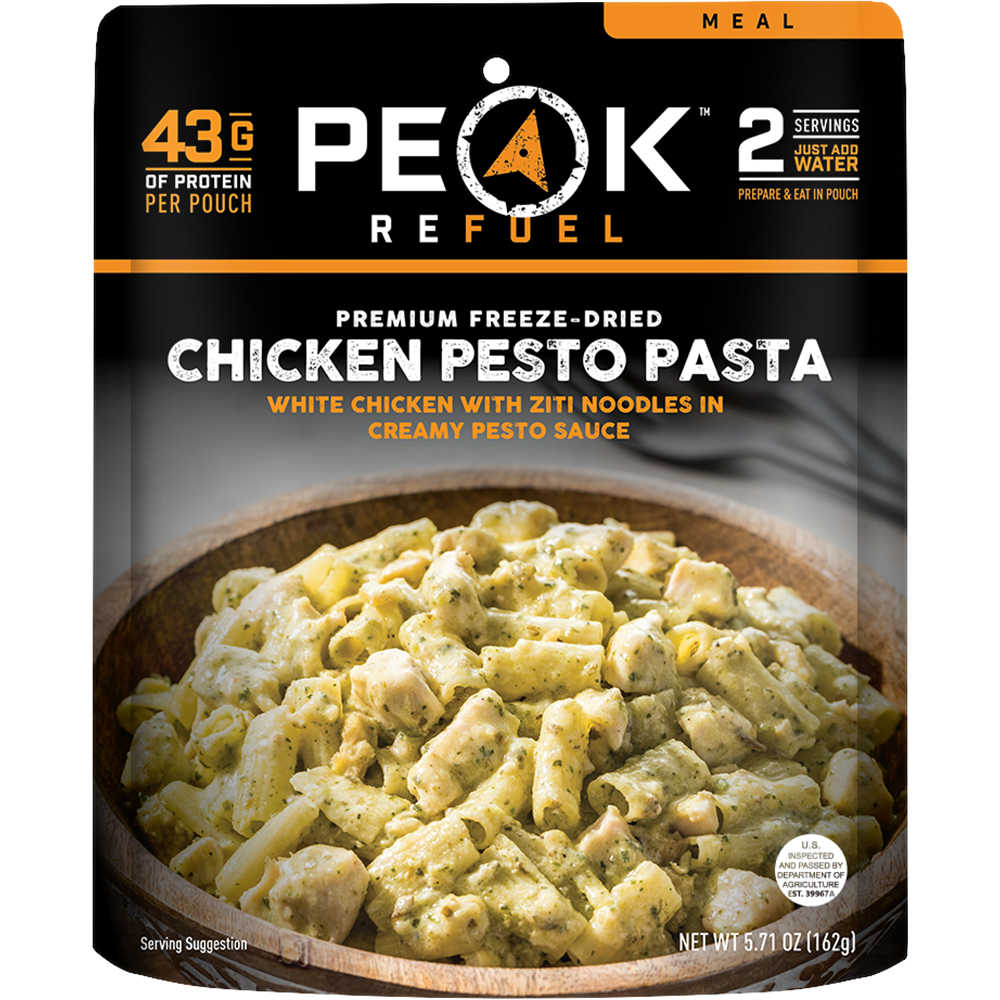
  2. 2. Peak Refuel Chicken Pesto Pasta — Best Flavor ($13)
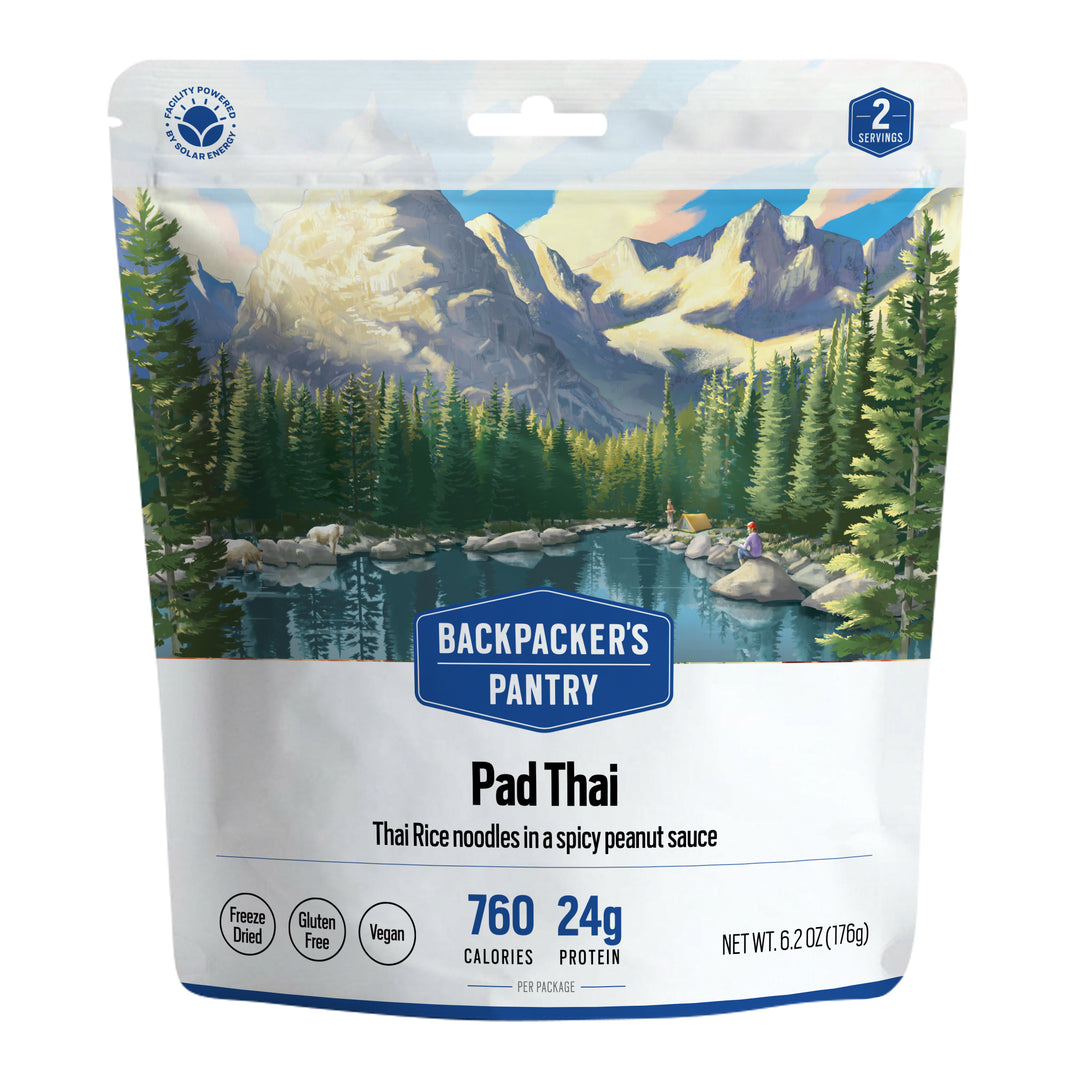
  3. 3. Backpacker's Pantry Pad Thai — Best Vegetarian ($9)
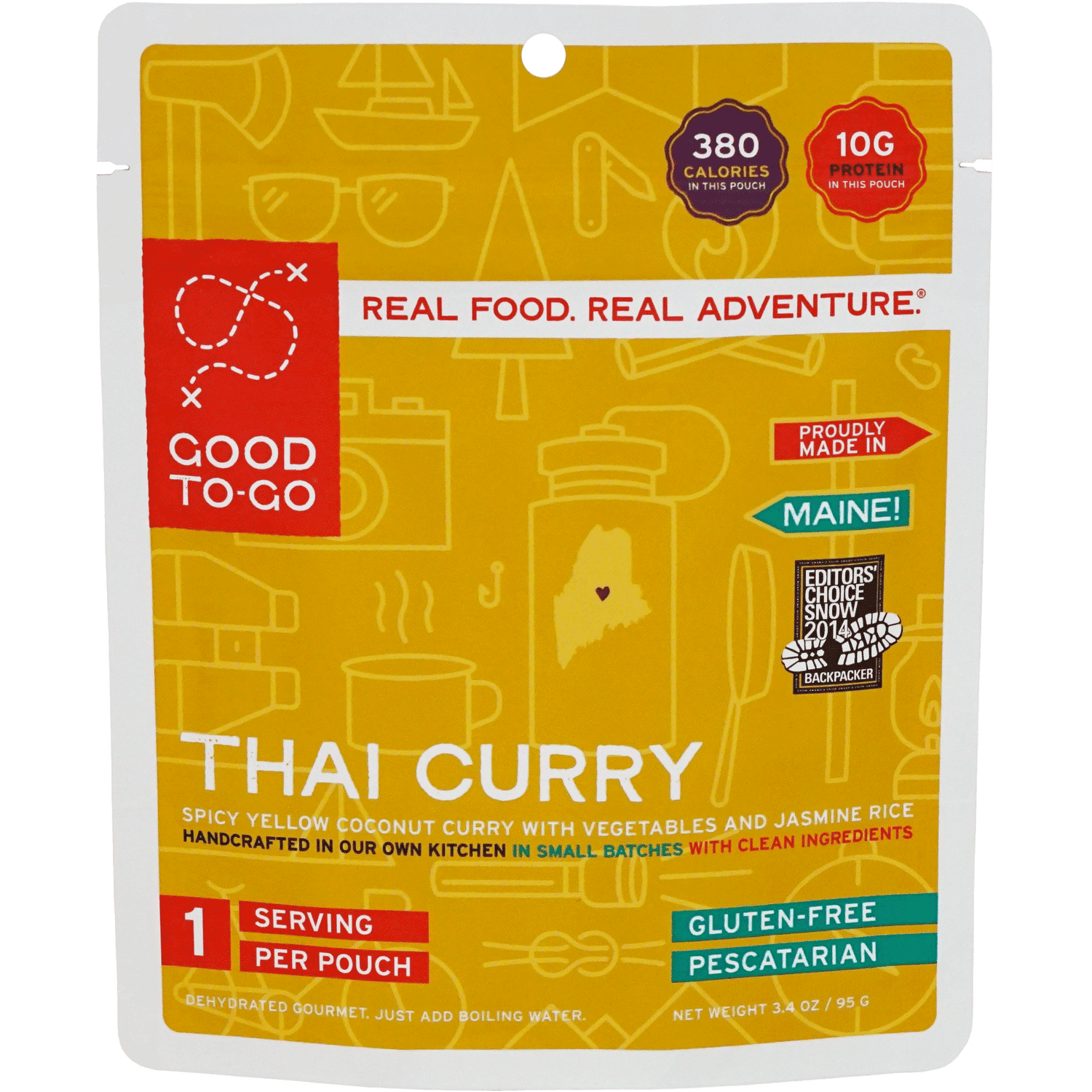
  4. 4. Good To-Go Thai Curry — Best Premium ($14)
  5. 5. Ramen Hero Tonkotsu — Best Budget ($5)

Finding the Best Freeze-Dried Backpacking Meals in 2026

A hot, flavorful meal at the end of a long trail day is not a luxury. It is a performance tool, a morale booster, and often the difference between a trip you remember fondly and one that grinds you down. Freeze-dried backpacking meals have improved dramatically in the last five years, with new brands challenging the legacy players on flavor, nutrition, and ingredient quality. The days of choking down salty, tasteless mush because it was the only lightweight option are over.

For our 2026 roundup, we ate over 30 freeze-dried meals across multi-day trips on the Pacific Crest Trail, Appalachian Trail, and Colorado high country. Our testing covered rehydration at elevations from 2,000 to 13,000 feet, temperatures from 25 to 85 degrees Fahrenheit, and conditions from calm valley camps to windy exposed ridgelines. We evaluated flavor, texture after rehydration, calorie density per ounce of pack weight, nutritional balance, prep time accuracy, and how well each meal performed at altitude where lower boiling temperatures make rehydration harder. For a complete approach to trail nutrition, pair this guide with our backpacking food guide.

Whether you need maximum calories per dollar for a thru-hike resupply, a gourmet dinner for a summit celebration, or a reliable vegetarian option that actually tastes good, these five picks cover every backpacking meal category and budget. You will also want a reliable stove to heat your water, so check our best backpacking stoves roundup for field-tested recommendations.

Quick Comparison Table

MealCategoryPriceCaloriesPrep Time
Mountain House Beef StroganoffBest Overall$10570 cal10 min
Peak Refuel Chicken Pesto PastaBest Flavor$13640 cal5 min
Backpacker's Pantry Pad ThaiBest Vegetarian$9490 cal15 min
Good To-Go Thai CurryBest Premium$14380 cal20 min
Ramen Hero TonkotsuBest Budget$5420 cal5 min

How We Test

Every meal undergoes multi-day field testing across different elevations, temperatures, and conditions. We eat each meal on the trail, not in a test kitchen, because rehydration performance changes dramatically at altitude and in cold weather.

Taste & Texture

35%

We evaluate flavor complexity, seasoning balance, aroma, and how well each ingredient rehydrates to an appealing texture. Meals are scored on whether they deliver genuine satisfaction after a hard day or feel like a chore to eat.

Nutrition & Calories

25%

We analyze calorie density per ounce of pack weight, protein content for recovery, sodium levels, and overall macronutrient balance. Higher calorie-per-ounce ratios mean less weight in your pack for the same energy.

Prep & Packability

25%

We time rehydration at multiple elevations and measure water requirements. Faster prep, lower water needs, and compact pouch size all score higher. We penalize meals that require exact conditions to rehydrate properly.

Value

15%

We calculate cost per calorie, cost per gram of protein, and overall serving value. Affordable meals that deliver strong flavor and nutrition score highest. Premium pricing must be justified by a clear quality advantage.

Detailed Freeze-Dried Meal Reviews

#1Best Overall

Mountain House Beef Stroganoff

Servings

2 servings

Calories

570 cal

Prep Time

10 min

Weight

4.7 oz

Price

$10

Mountain House Beef Stroganoff has been a backcountry staple for decades, and it earned our Best Overall pick because it delivers the most consistent, reliable trail meal experience you can buy. The freeze-drying process preserves the tender beef chunks and egg noodles remarkably well. When you add boiling water, stir, and wait the full 10 minutes, you get a meal that actually tastes like stroganoff rather than a vague approximation of food. The creamy sauce has a genuine savory richness with visible herbs and seasoning that distinguishes it from the bland, salty paste that lesser freeze-dried meals produce.

At 570 calories per pouch split across two labeled servings, this is a solid calorie source but most backpackers will eat the entire pouch as a single meal. That gives you 570 calories in a 4.7-ounce package, which works out to roughly 121 calories per ounce, a respectable calorie density for a freeze-dried entree. The protein content at 26 grams per pouch is adequate for muscle recovery after a long day of hiking, though dedicated athletes may want to supplement with additional protein sources. Sodium is 1,060 milligrams per pouch, which is on the higher side but beneficial for electrolyte replacement after heavy sweating on the trail.

Rehydration performance is where Mountain House consistently outperforms competitors. The noodles absorb water evenly and return to a texture that is genuinely close to freshly cooked pasta, with only a slight chewiness that reminds you this came from a pouch. At altitude above 10,000 feet, we found that adding 2 extra minutes of rehydration time and a splash more water compensated perfectly for the lower boiling temperature. The beef chunks are the weak point: they rehydrate to a somewhat rubbery consistency that is better than most freeze-dried proteins but noticeably different from fresh meat. The sauce effectively masks this by coating everything in creamy flavor.

At $10 per pouch, the Beef Stroganoff represents the sweet spot of value in freeze-dried meals. It costs half as much as premium brands while delivering flavor and texture that are genuinely competitive. Mountain House's 30-year shelf life rating is the longest in the industry, making this an excellent option for keeping a ready-to-go food kit in your gear closet. For the backpacker who wants a dependable, satisfying hot meal without overthinking the decision, the Beef Stroganoff is the meal you grab off the shelf every time. Pair it with a capable stove from our <Link href='/best/backpacking-stoves' className='text-amber-400 hover:text-amber-300 underline underline-offset-2'>backpacking stove picks</Link>.

Pros

  • +Most consistent rehydration of any freeze-dried meal tested
  • +Genuinely rich, savory flavor that satisfies after a hard trail day
  • +Best value at $10 per pouch for 570 calories
  • +30-year shelf life for emergency and long-term storage
  • +Widely available at almost every outdoor retailer

Cons

  • Beef chunks rehydrate to a slightly rubbery texture
  • High sodium at 1,060 mg per pouch
  • Two-serving label is misleading for hungry backpackers
  • 10-minute prep time is slower than some competitors

Best for: Backpackers who want a reliable, satisfying trail dinner that rehydrates consistently and delivers genuine comfort-food flavor at a reasonable price.

Check Price
#2Best Flavor

Peak Refuel Chicken Pesto Pasta

Servings

2 servings

Calories

640 cal

Prep Time

5 min

Weight

5.3 oz

Price

$13

Peak Refuel has quietly become the brand that serious backpackers recommend to each other, and the Chicken Pesto Pasta is the meal that converted most of them. This is not your typical freeze-dried trail food. The pesto sauce is genuinely aromatic with real basil and garlic notes that you can smell the moment you tear open the pouch. The chicken pieces are larger and more tender than any competitor, with a texture that is remarkably close to actual cooked chicken rather than the dried-out protein pebbles that most brands ship. When our test team ate this meal at 11,000 feet in the Colorado Rockies after a 14-mile day, three testers independently described it as restaurant quality.

The nutritional profile is the best in our lineup for active backpackers. At 640 calories per pouch with 38 grams of protein, this meal delivers the highest calorie and protein count of any entree we tested. The calorie density at approximately 121 calories per ounce matches the Mountain House Stroganoff, but the extra 70 calories and 12 additional grams of protein make a meaningful difference for recovery on multi-day trips. Sodium is 980 milligrams per pouch, which is actually moderate for a freeze-dried meal and appropriate for electrolyte replacement during strenuous hiking.

The 5-minute prep time is the fastest of any two-serving meal in our group. You add boiling water to the fill line, stir thoroughly, seal the pouch, and in 5 minutes the pasta and chicken are fully rehydrated. Our high-altitude testing revealed that the 5-minute claim holds true even at 10,000 feet, unlike some competitors that need extra time at elevation. The penne pasta rehydrates to a firm al dente texture that holds up well without becoming mushy, a common problem with freeze-dried pasta meals that sit in the pouch too long. If you leave it for 10 minutes instead of 5, it becomes slightly softer but never turns to mush.

At $13 per pouch, Peak Refuel costs $3 more than Mountain House, and that premium buys you a genuine step up in flavor complexity and protein content. The brand's ingredient sourcing focuses on higher-quality proteins and real herb-based sauces rather than powdered flavor concentrates. If flavor is your priority and you are willing to pay a modest premium for meals that actually make you look forward to dinner on the trail rather than treating it as a calorie chore, the Chicken Pesto Pasta is the best-tasting freeze-dried meal you can buy in 2026. For meal planning tips, see our <Link href='/guides/backpacking-food-guide' className='text-amber-400 hover:text-amber-300 underline underline-offset-2'>backpacking food guide</Link>.

Pros

  • +Best flavor of any freeze-dried meal we tested
  • +Highest protein at 38 grams per pouch for recovery
  • +Fastest prep time at just 5 minutes even at altitude
  • +Large, tender chicken pieces with genuine meat texture
  • +640 calories per pouch with excellent calorie density

Cons

  • Higher price at $13 per pouch than Mountain House
  • Less widely available than Mountain House at retail stores
  • Pesto flavor may not appeal to picky eaters
  • Packaging is slightly bulkier than competitors

Best for: Flavor-focused backpackers and athletes who want high-protein, high-calorie meals with restaurant-quality taste and fast rehydration in the backcountry.

Check Price
#3Best Vegetarian

Backpacker's Pantry Pad Thai

Servings

2 servings

Calories

490 cal

Prep Time

15 min

Weight

6.3 oz

Price

$9

Backpacker's Pantry Pad Thai proves that vegetarian freeze-dried meals do not have to be an afterthought. This is a genuinely well-constructed trail meal with a tangy, sweet-savory peanut sauce that captures the essential character of restaurant pad thai. The rice noodles, peanuts, tofu, and vegetables create a textural variety that most freeze-dried meals completely lack. Where many trail meals deliver a monotonous mush of one texture throughout, the Pad Thai gives you chewy noodles, crunchy peanut pieces, soft tofu, and tender vegetable bits in every bite. That textural complexity makes a real difference in meal satisfaction after days of repetitive trail food.

At 490 calories per pouch, this is the lowest-calorie entree in our top five, which matters for backpackers counting every calorie. The 16 grams of protein per pouch come primarily from peanuts and tofu, which provide complete amino acids when combined. For vegetarian backpackers who struggle to find adequate protein on the trail, the Pad Thai is a solid foundation but should be supplemented with additional protein-rich snacks. The ingredient list is notably cleaner than many competitors, using recognizable whole foods without artificial flavors, colors, or preservatives. Backpacker's Pantry uses non-GMO ingredients and the meal is both vegan and gluten-free, making it accessible to hikers with multiple dietary restrictions.

The 15-minute prep time is the longest of any meal except the Good To-Go Thai Curry, and it is the Pad Thai's biggest practical drawback. The rice noodles need the full 15 minutes to rehydrate properly; cutting the time short leaves chewy, crunchy noodle cores that ruin the texture. At altitude above 8,000 feet, we found that 18 to 20 minutes produced better results. You need to plan this meal around your camp routine, starting rehydration first and then setting up your sleeping bag and camp while you wait. The longer prep also means more fuel consumption if you are keeping water hot, though most backpackers simply boil, pour, and wait.

At $9 per pouch, the Pad Thai is the most affordable meal in our lineup that delivers genuinely interesting flavor. The combination of accessible dietary profile, clean ingredients, and authentic pad thai taste makes it the obvious choice for vegetarian and vegan backpackers, but it is good enough that omnivores should try it too. The only meals-per-dollar that beat it are basic Mountain House options that sacrifice flavor complexity. For backpackers looking to diversify their trail menu beyond the typical mac-and-cheese and chili-mac rotation, the Pad Thai is a welcome change of pace that proves plant-based trail food can be genuinely crave-worthy.

Pros

  • +Best vegetarian and vegan freeze-dried meal available
  • +Excellent textural variety with noodles, peanuts, tofu, and vegetables
  • +Clean ingredient list with non-GMO, gluten-free formulation
  • +Authentic pad thai flavor with tangy peanut sauce
  • +Most affordable at $9 per pouch in our top picks

Cons

  • 15-minute rehydration time is longer than competitors
  • Lower calorie count at 490 may not satisfy large appetites
  • Rice noodles become mushy if left too long after rehydrating
  • Peanut allergy makes this inaccessible for some hikers

Best for: Vegetarian and vegan backpackers who want a flavorful, allergen-conscious trail meal with real textural complexity and clean ingredients at a budget-friendly price.

Check Price
#4Best Premium

Good To-Go Thai Curry

Servings

1 serving

Calories

380 cal

Prep Time

20 min

Weight

3.4 oz

Price

$14

Good To-Go Thai Curry is the freeze-dried meal that does not taste freeze-dried. Founded by a professional chef, Good To-Go approaches trail food with a culinary philosophy that is fundamentally different from the mass-market brands. The Thai Curry features a coconut milk-based sauce with lemongrass, galangal, and kaffir lime leaf that creates a fragrance and depth of flavor you simply do not expect from a foil pouch. The vegetable pieces are identifiable as actual vegetables, not the anonymous cubes that populate most freeze-dried meals. You can see and taste the sweet potato, red pepper, and green beans individually.

The ingredient list reads like a restaurant recipe rather than a food science project. Where Mountain House and Peak Refuel rely on modified food starch, maltodextrin, and flavor concentrates, Good To-Go uses coconut cream, sweet potato, red bell pepper, green bean, onion, garlic, ginger, lemongrass, and Thai basil. The difference is immediately apparent in both taste and how your stomach feels after eating. Our testers consistently reported that Good To-Go meals felt lighter and more digestible than competitors with heavier, starch-based sauces. For backpackers with sensitive stomachs or those who simply prefer eating recognizable food, this matters.

The tradeoffs are real. At 380 calories for a single-serving pouch, this is the lowest-calorie meal in our lineup by a significant margin. Hungry backpackers will need to pair it with supplementary calories from bars, nuts, or a second course. The 20-minute rehydration time is the longest of any meal we tested, requiring patience and planning that faster meals do not demand. At altitude, 25 minutes produced better results. The price at $14 for a single serving makes it the most expensive meal per calorie by far. You are paying a genuine premium for chef-quality flavor and whole-food ingredients.

Despite the calorie and cost limitations, the Good To-Go Thai Curry earns our Best Premium pick because it represents what freeze-dried trail food can be when quality is prioritized over calorie-per-dollar efficiency. It is the meal you pack for the summit night dinner, the special occasion on a long thru-hike, or the trip where you want your meals to be a highlight rather than just fuel. For everyday backpacking dinners, Mountain House and Peak Refuel deliver better value. But for the backpacker who considers food part of the outdoor experience and is willing to pay for it, Good To-Go sets the standard that every other brand should aspire to reach.

Pros

  • +Chef-developed recipe with authentic Thai curry flavor
  • +Cleanest ingredient list with whole, recognizable foods
  • +Lighter and more digestible than starch-heavy competitors
  • +Complex layered flavors with lemongrass, galangal, and coconut
  • +Vegetarian and gluten-free with no artificial ingredients

Cons

  • Lowest calorie count at 380 per single-serving pouch
  • Most expensive at $14 per serving
  • 20-minute rehydration time is the longest in our lineup
  • Single serving means carrying more pouches for multi-day trips

Best for: Backpackers who prioritize ingredient quality and flavor above all else and are willing to pay a premium for chef-crafted, whole-food trail meals.

Check Price
#5Best Budget

Ramen Hero Tonkotsu

Servings

1 serving

Calories

420 cal

Prep Time

5 min

Weight

3.8 oz

Price

$5

Ramen Hero Tonkotsu shatters the assumption that trail ramen means a 25-cent instant noodle packet from the grocery store. This is a legitimate tonkotsu-style pork bone broth ramen with proper wheat noodles, a rich milky broth concentrate, chashu pork pieces, dried scallion, and a packet of aromatic oil that transforms the entire bowl when stirred in at the end. At $5 per serving, it costs ten times more than instant ramen but delivers a genuinely different eating experience that justifies every cent when you are cold, tired, and need something that feels like a real meal.

The broth is the star. Tonkotsu-style pork bone broth is rich, creamy, and deeply savory with an umami intensity that no other freeze-dried or dehydrated trail meal in our testing came close to matching. The included aromatic oil packet adds a finishing layer of sesame and garlic that fills your campsite with the smell of a ramen shop. The noodles are thicker and chewier than instant ramen, holding their texture well in hot water without turning to mush. The chashu pork pieces are small but flavorful, adding genuine meat satisfaction to the bowl. Sodium is high at approximately 1,400 milligrams per serving, which is standard for ramen and actually beneficial for electrolyte replacement but worth noting.

At 420 calories per 3.8-ounce package, the calorie density is solid at roughly 110 calories per ounce. The 5-minute prep time is fast and dead simple: boil water, pour into the pouch or a pot, add the noodles and seasoning packets, wait 5 minutes, stir in the aromatic oil, and eat. The format works well with any backpacking stove and any pot or mug that holds at least 16 ounces of water. At altitude, the noodles rehydrate perfectly in 5 minutes because they are wheat-based rather than rice-based, and wheat noodles are less sensitive to lower boiling temperatures.

The budget positioning is what makes Ramen Hero Tonkotsu a game-changer for trail food planning. At $5 per meal, you can afford to carry it as a lunch, a dinner, or a late-night trail snack without blowing your food budget. A five-day backpacking trip with one Ramen Hero per day costs $25 in ramen alone, compared to $50 to $70 for the same number of Mountain House or Peak Refuel dinners. The tradeoff is lower total calories and protein per serving compared to the premium two-serving pouches, so plan your supplementary snacking accordingly. For budget-conscious hikers, thru-hikers watching resupply costs, and anyone who loves ramen, this is the best dollar-for-dollar trail meal available. Make sure you have clean water ready with a filter from our <Link href='/best/water-filters' className='text-amber-400 hover:text-amber-300 underline underline-offset-2'>best water filter picks</Link>.

Pros

  • +Best value at $5 per meal with genuine quality
  • +Rich, authentic tonkotsu pork bone broth with real umami depth
  • +Fast 5-minute prep that works reliably at any altitude
  • +Aromatic oil packet elevates flavor beyond any instant ramen
  • +Lightweight at 3.8 oz for easy packing and resupply

Cons

  • Single serving at 420 calories requires supplementary food
  • High sodium at approximately 1,400 mg per serving
  • Not suitable for vegetarian or pork-free diets
  • Limited availability compared to mainstream backpacking food brands

Best for: Budget-conscious backpackers, thru-hikers watching resupply costs, and ramen enthusiasts who want a legitimately delicious hot meal on the trail for a fraction of the price of premium freeze-dried entrees.

Check Price

Freeze-Dried Meal Buying Guide

Choosing the right freeze-dried meals means matching your nutritional needs, taste preferences, and budget to the brands and recipes that deliver best under trail conditions. This guide covers the key factors that separate a great trail meal from a disappointing one.

Calorie Density

Calorie density, measured in calories per ounce of pack weight, is the single most important metric for backpackers optimizing their food carry. A meal that delivers 120 or more calories per ounce means less weight in your pack for the same energy intake. Mountain House and Peak Refuel lead our group at roughly 121 calories per ounce, while Good To-Go delivers only about 112 calories per ounce due to its higher moisture content and vegetable-heavy recipes. For thru-hikers carrying 5 to 7 days of food between resupply points, the difference between 110 and 120 calories per ounce adds up to meaningful weight savings across dozens of meals. Always check the total calories per pouch rather than relying on per-serving numbers, because most two-serving pouches are eaten as a single meal by active backpackers.

Prep Time and Water Needs

Rehydration time ranges from 5 to 20 minutes across the meals in our lineup, and this matters more than most backpackers realize until they are cold, hungry, and staring at a pouch waiting for their food to finish. Meals that rehydrate in 5 minutes like Peak Refuel and Ramen Hero let you eat almost immediately after boiling water. Meals that need 15 to 20 minutes like Backpacker's Pantry and Good To-Go require planning around your camp setup routine. Water requirements also vary: most meals need 1 to 2 cups per serving, which matters when water sources are scarce or you are melting snow for water. At altitude above 8,000 feet, add 2 to 5 extra minutes to any listed rehydration time because water boils at a lower temperature and rehydration slows accordingly.

Dietary Restrictions

Finding freeze-dried meals that accommodate dietary restrictions used to mean accepting terrible flavor. That has changed dramatically. Backpacker's Pantry and Good To-Go both offer extensive vegan and gluten-free lines that are genuinely delicious. Peak Refuel focuses on high-protein meals that work well for keto and low-carb diets. Mountain House has the fewest dietary-specific options but recently expanded their gluten-free lineup. If you have food allergies, check ingredient lists carefully because many freeze-dried meals are processed in facilities that also handle common allergens like soy, dairy, wheat, and tree nuts. Peanut-containing meals like the Backpacker's Pantry Pad Thai are clearly labeled but share production lines with nut-free products.

Shelf Life and Storage

Shelf life varies enormously across brands. Mountain House leads with a 30-year shelf life on their pouches, making them ideal for emergency preparedness and long-term gear closet storage. Peak Refuel and Good To-Go are rated for 5 to 7 years, which is more than enough for regular backpacking use but less practical for emergency stockpiling. Store all freeze-dried meals in a cool, dry place below 75 degrees Fahrenheit and away from direct sunlight. Heat and humidity are the primary enemies of shelf life, so avoid storing meals in hot garages, car trunks, or humid basements. For backpacking purposes, the practical advice is simple: buy meals within a year of your planned trip and store them indoors at room temperature until you pack them.

Frequently Asked Questions

How many calories should I eat per day while backpacking?+

Most backpackers need between 2,500 and 4,500 calories per day depending on body weight, terrain difficulty, elevation gain, pack weight, and weather conditions. A general starting point is 25 to 30 calories per pound of body weight for moderate-intensity hiking with a loaded pack. A 160-pound hiker on moderate terrain should plan for roughly 4,000 to 4,800 calories per day. On strenuous mountain passes with heavy elevation gain, calorie needs increase further. Thru-hikers often report needing 5,000 or more calories daily after the first week as their metabolism adapts to sustained effort. Freeze-dried meals typically provide 300 to 700 calories per pouch, so plan on supplementing with high-calorie snacks like nuts, nut butter, chocolate, and energy bars throughout the day.

How much water do freeze-dried meals need?+

Most freeze-dried backpacking meals require between 1 and 2 cups (8 to 16 ounces) of boiling water per serving. Two-serving pouches typically need 2 to 3 cups total. The exact amount varies by brand and meal type. Mountain House meals generally need about 1.5 cups for a two-serving pouch, while Good To-Go meals tend to require slightly more water and longer rehydration times. Always follow the water line marked inside the pouch or the instructions on the label. Using too little water leaves crunchy, undercooked spots, while too much water makes the meal soupy. At altitude above 8,000 feet, water boils at a lower temperature, so you may need to add an extra minute or two of rehydration time and slightly more water to achieve the same texture as at sea level.

Can I eat freeze-dried meals without cooking?+

Yes, you can rehydrate most freeze-dried meals with cold water, but the results are significantly worse than using boiling water. Cold-water rehydration takes 20 to 30 minutes instead of 5 to 15, and many ingredients never fully soften. Rice-based and pasta-based meals in particular remain unpleasantly chewy and starchy with cold water. Meals with simpler ingredients like fruits, vegetables, and scrambled eggs rehydrate better cold. If you plan to eat without a stove, choose meals specifically designed for cold rehydration or stick to meals with shorter ingredient lists. Good To-Go and Backpacker's Pantry both offer some meals that perform reasonably well with cold water. That said, carrying a lightweight stove is strongly recommended because hot meals provide a morale boost that cold mush simply cannot match after a long day on the trail.

How long do freeze-dried meals last?+

Most freeze-dried backpacking meals have a shelf life of 5 to 30 years depending on the brand, packaging, and storage conditions. Mountain House pouches are rated for a 30-year shelf life when stored in a cool, dry environment below 75 degrees Fahrenheit. Peak Refuel and Good To-Go meals are typically rated for 5 to 7 years. The key factors are oxygen exposure and moisture. Meals sealed in mylar pouches with oxygen absorbers last the longest. Once opened, a freeze-dried meal should be eaten within the same day. Exposure to heat, humidity, and direct sunlight dramatically reduces shelf life regardless of the packaging rating. For backpacking purposes, shelf life rarely matters because you consume meals within weeks of purchase. The long shelf life makes freeze-dried meals excellent for emergency food storage and for keeping a ready-to-go backpacking food kit in your gear closet.

Are freeze-dried meals healthy?+

Freeze-dried meals vary widely in nutritional quality. The freeze-drying process itself preserves most vitamins, minerals, and macronutrients effectively, retaining roughly 90 to 95 percent of the original nutritional content. The health concerns come from the recipe formulations, not the preservation method. Many popular freeze-dried meals contain 700 to 1,200 milligrams of sodium per serving, which is 30 to 50 percent of the daily recommended intake in a single meal. For backpackers sweating heavily on the trail, this sodium is actually beneficial for electrolyte replacement, but it is worth noting for people with blood pressure concerns. Calorie density is generally good for trail purposes but comes primarily from refined carbohydrates in many meals. Brands like Good To-Go and Backpacker's Pantry use cleaner ingredient lists with recognizable whole foods and fewer preservatives. For the healthiest options, look for meals with at least 15 grams of protein per serving, recognizable ingredient lists, and sodium under 800 milligrams per serving.

What are the best freeze-dried meal brands?+

The top freeze-dried meal brands for backpacking in 2026 are Mountain House, Peak Refuel, Good To-Go, Backpacker's Pantry, and Harmony House. Mountain House has the longest track record and the most reliable rehydration consistency, with a 30-year shelf life that makes it the default choice for most hikers. Peak Refuel leads in protein content with 30 to 40 grams per meal, appealing to hikers who want to maintain muscle on long trips. Good To-Go uses the cleanest ingredients with recognizable whole foods and no artificial preservatives, making it the best choice for health-conscious backpackers willing to pay a premium. Backpacker's Pantry offers creative international recipes and solid vegetarian options. Harmony House sells individual freeze-dried ingredients rather than complete meals, giving you flexibility to create your own recipes at a lower cost per serving. The best brand depends on your priorities: reliability and value favor Mountain House, protein and nutrition favor Peak Refuel, ingredient quality favors Good To-Go.

Final Verdict

After eating over 30 freeze-dried meals across multi-day backpacking trips at elevations from sea level to 13,000 feet, the Mountain House Beef Stroganoff earns our top recommendation as the best overall freeze-dried backpacking meal of 2026. Its unmatched rehydration consistency, genuinely satisfying flavor, and $10 price point make it the reliable choice for any backpacker.

Flavor chasers should reach for the Peak Refuel Chicken Pesto Pasta, which delivers the highest protein at 38 grams, the fastest 5-minute prep, and a pesto sauce that tastes like it came from a kitchen rather than a factory. Vegetarian and vegan hikers will find the Backpacker's Pantry Pad Thai is the best plant-based trail meal available, with authentic Thai flavors and a clean ingredient list at just $9.

For special occasions and backpackers who prioritize whole-food ingredients above all else, the Good To-Go Thai Curry sets the culinary standard for trail food, though its $14 single-serving price and 20-minute rehydration demand patience and a larger food budget. And the Ramen Hero Tonkotsu proves that $5 can buy a genuinely delicious, soul-warming bowl of ramen that outperforms any instant noodle packet by a mile. Whatever your priorities, there has never been a better time to eat well in the backcountry.

Related Guides

Related Videos

Get Trail-Tested Gear Advice

Join 12,000+ hikers who receive our weekly gear reviews, trail tips, and exclusive deals. No spam, unsubscribe anytime.

PG

Peak Gear Guide Editorial Team

Our editorial team includes certified wilderness guides, gear industry veterans, and obsessive backcountry enthusiasts who collectively log over 1,000 trail nights each year. Every product we recommend is tested in real conditions by people who depend on their gear. We are not sponsored by any brand and purchase most test products with our own funds.

Editorial Disclosure

Peak Gear Guide is reader-supported. When you purchase through links on our site, we may earn an affiliate commission at no additional cost to you. Our editorial team tests every product independently and recommendations are never influenced by affiliate partnerships. We only recommend gear we would use ourselves. Product prices and availability are accurate as of the publication date and are subject to change. Last updated April 4, 2026.