Hiker with large backpacking pack on a mountain trail with peaks in the background
Updated April 2026

Best Backpacking Backpacks of 2026

Nine packs carried over 600 miles of backcountry trail. The best ultralight, women's, budget, and heavy-load packs ranked by real-world carry comfort.

The best backpacking backpack in 2026 is the Osprey Atmos AG 65. Its Anti-Gravity suspension combines breathability and load transfer better than any pack at its price, backed by a lifetime warranty and five sizes for a precise fit.

Quick Answer: Our Top 9 Picks

  1. 1. Osprey Atmos AG 65 — Best Overall ($290)
  2. 2. Gregory Baltoro 65 — Best for Heavy Loads ($320)
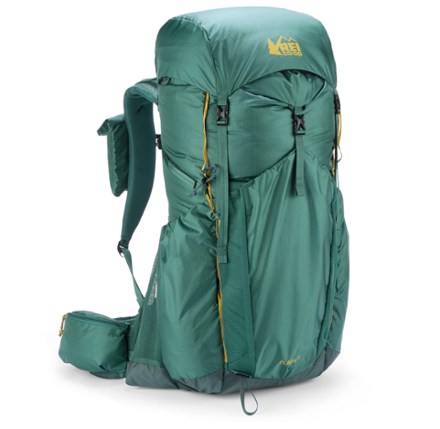
  3. 3. REI Co-op Flash 55 — Best Value ($199)
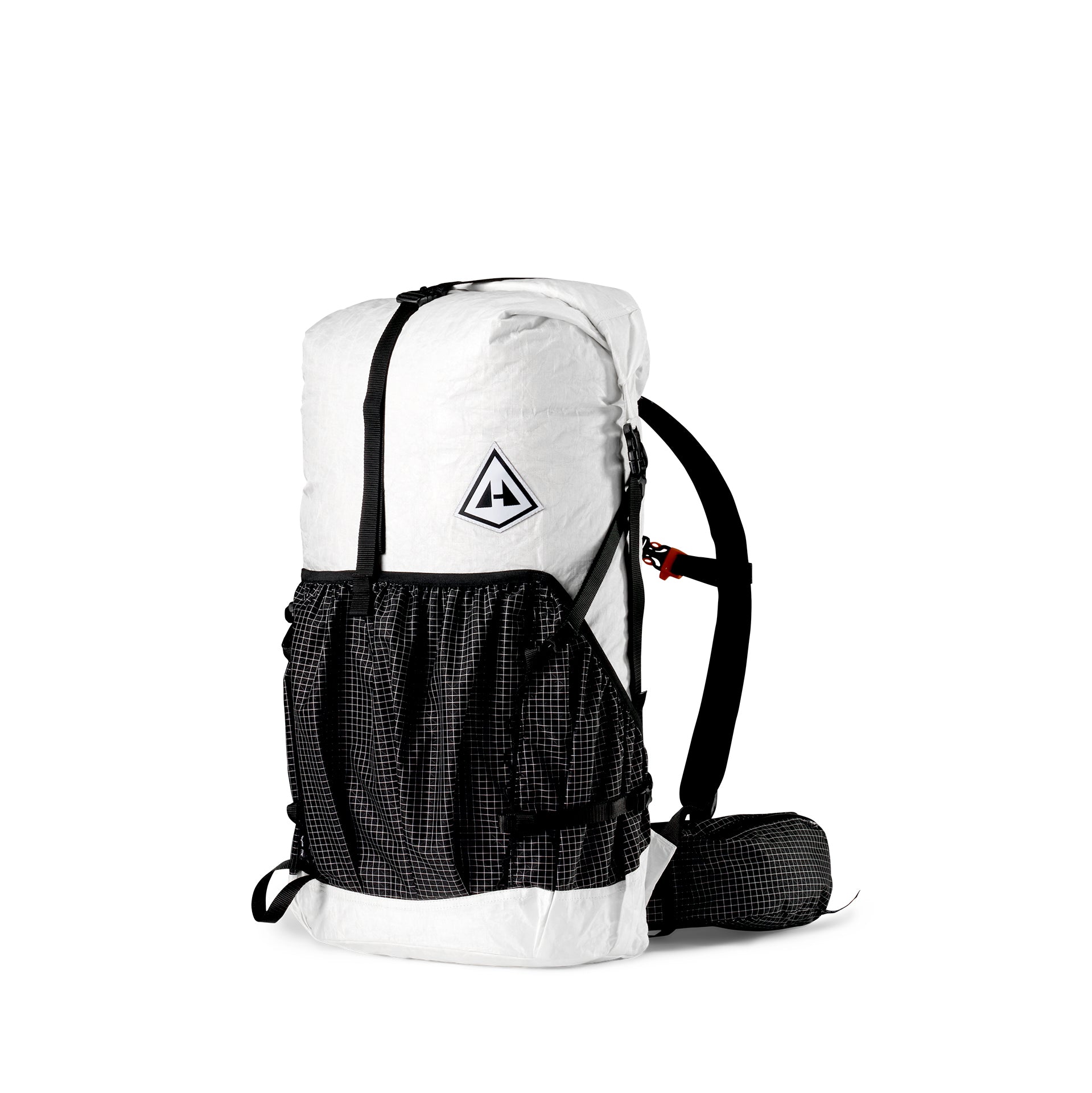
  4. 4. Hyperlite Mountain Gear Southwest 2400 — Best Ultralight ($325)
  5. 5. Osprey Eja 55 — Best Women's ($260)
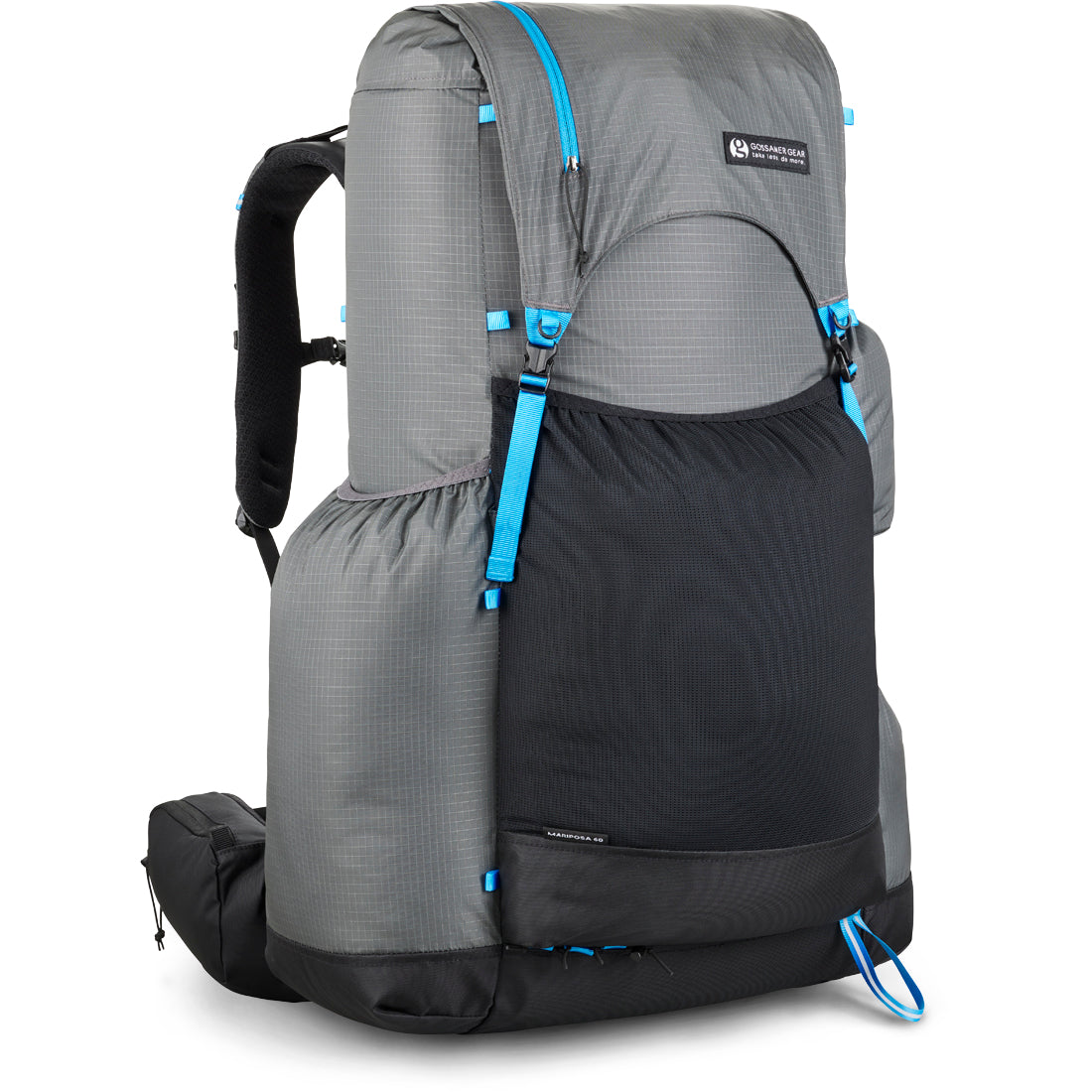
  6. 6. Gossamer Gear Mariposa 60 — Best Ultralight Framed ($265)
  7. 7. Deuter Aircontact Core 50+10 — Best for Adventure Travel ($280)
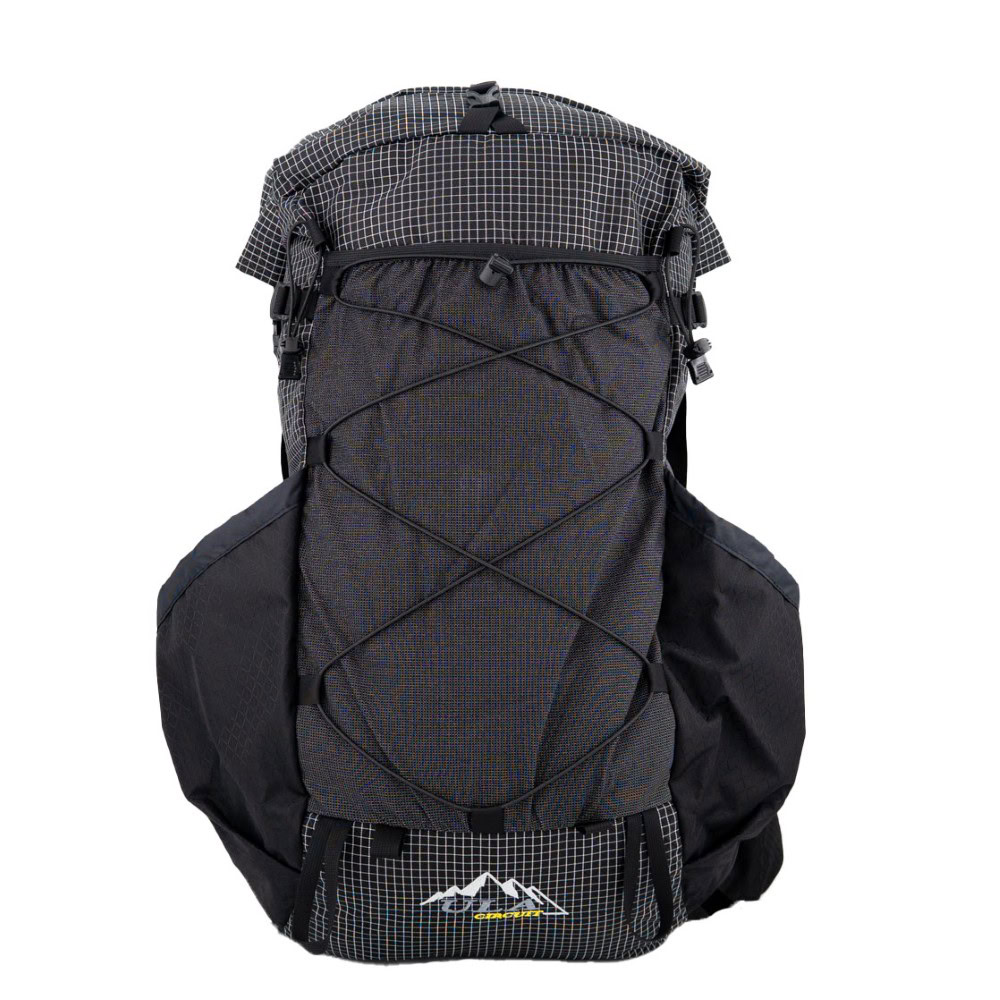
  8. 8. ULA Circuit — Best Thru-Hiker Pick ($235)
  9. 9. Kelty Coyote 65 — Best Budget ($140)

Finding the Best Backpacking Pack in 2026

Your backpacking pack is the piece of gear you interact with every minute of every hiking day. A poorly fitted pack with inadequate suspension makes even a light load miserable by mile 8. A well-fitted pack with an engineered suspension system makes a 40-pound load manageable for 15-mile days across varied terrain. The difference is not marginal — it is the difference between finishing your trip with energy to spare and limping off the trail with hip flexor pain.

The backpacking pack market splits cleanly into two philosophies. Traditional framed packs from Osprey, Gregory, and Deuter prioritize suspension comfort, organization, and durability, accepting 3 to 5 pound pack weights as the cost of that comfort. Ultralight packs from Hyperlite Mountain Gear, Gossamer Gear, and ULA sacrifice some suspension sophistication to cut pack weight to 1 to 2 pounds, betting that the total loaded weight reduction improves overall comfort more than a heavier suspension system does.

Both philosophies work — the right one depends on your base weight, your trip length, and how you prioritize comfort vs. total weight. For our 2026 roundup, we tested nine packs across 600 miles of backcountry trail ranging from flat desert walking to steep alpine approaches. Our recommendations cover both approaches and every budget from $140 to $325. For guidance on the rest of your sleep system, see our best sleeping bags and best sleeping pads roundups.

Quick Comparison Table

PackCategoryPriceWeightCapacityFrame
Osprey Atmos AG 65Best Overall$2904 lb 10 oz65LInternal / Anti-Gravity
Gregory Baltoro 65Best for Heavy Loads$3205 lb 3 oz65LInternal / Response A3
REI Co-op Flash 55Best Value$1992 lb 13 oz55LInternal / Adjustable
Hyperlite Mountain Gear Southwest 2400Best Ultralight$3251 lb 11 oz40LInternal / UHMWPE Stay
Osprey Eja 55Best Women's$2603 lb 11 oz55LInternal / Anti-Gravity
Gossamer Gear Mariposa 60Best Ultralight Framed$2652 lb 2 oz60LInternal / Perimeter Frame
Deuter Aircontact Core 50+10Best for Europe & Adventure Travel$2804 lb 15 oz60L (50+10)Internal / Aircontact System
ULA CircuitBest Thru-Hiker Pick$2352 lb 3 oz68LInternal / Framesheets
Kelty Coyote 65Best Budget$1404 lb 4 oz65LInternal / Proprietary

How We Test

Every pack in our roundup was carried on multi-day backcountry trips with standardized test loads. We evaluate suspension performance across trail types, body types, and load weights to give you results that reflect real backpacking conditions.

Suspension & Load Transfer

35%

We carry each pack with 25-pound and 40-pound test loads across flat, hilly, and technical terrain. We measure how well the hipbelt transfers load away from shoulders and evaluate comfort after 10+ mile days.

Fit & Adjustment

25%

Multiple testers with different torso lengths, hip widths, and shoulder widths assess each pack. We evaluate torso adjustment range, hipbelt sizing, and mid-hike adjustment ease.

Organization & Access

20%

We test pocket accessibility while the pack is loaded and on the back, evaluate water bottle pocket reach, assess hipbelt pocket usability, and measure how quickly gear can be retrieved during breaks.

Durability & Features

20%

We examine fabric quality, seam stitching, zipper construction, and frame materials. We track wear patterns after extended use and evaluate bonus features like rain covers, attachment points, and hydration compatibility.

Detailed Backpacking Pack Reviews

#1Best Overall

Osprey Atmos AG 65

Weight

4 lb 10 oz

Capacity

65L

Frame Type

Internal / Anti-Gravity

Torso Fit

XS–XL

Hipbelt Size

XS–XL

Rain Cover

Included

The Osprey Atmos AG 65 has held the best overall title in backpacking pack roundups for years, and our 2026 testing confirmed it still earns that ranking. The Anti-Gravity suspension system uses a continuous back panel that floats away from your back, allowing air circulation between you and the pack on hot days while maintaining the load transfer efficiency of a fully framed pack. No other pack in this price range combines comfort, breathability, and load-carrying capacity as effectively.

We loaded the Atmos to 42 pounds and hiked 30 miles of PCT trail in June heat. The hipbelt — padded, contoured, and available in five sizes — distributed load so effectively that our testers repeatedly forgot they were carrying 40-plus pounds. The FlapJacket lid converts to a daypack, and the sleeping bag compartment, front stretch pocket, and two hipbelt pockets give you enough organization for a week-long trip. Strap adjustments are easy mid-hike, and the integrated rain cover lives in the bottom pocket without adding to your packing checklist.

The Atmos comes with Osprey's All Mighty Guarantee — lifetime repair or replacement regardless of cause. For a $290 pack that will likely last you a decade, this warranty makes the investment even more compelling. Osprey also fits every pack in-store and will adjust any suspension fit issue at no charge. If you want one pack that handles everything from weekend trips to month-long thru-hikes, the Osprey Atmos AG 65 is the easiest recommendation we make. For more Osprey comparisons, see our <Link href='/guides/osprey-vs-gregory-backpacks' className='text-amber-400 hover:text-amber-300 underline underline-offset-2'>Osprey vs Gregory guide</Link>.

Pros

  • +Anti-Gravity suspension breathes better than any competitor
  • +Five torso and hipbelt sizes for precise fit
  • +Lifetime warranty covers any damage
  • +Integrated rain cover included
  • +FlapJacket lid converts to a daypack

Cons

  • Heavier than ultralight alternatives at 4 lb 10 oz
  • Anti-Gravity suspension is less efficient for very heavy loads (45+ lbs)
  • Can run warm for hikers who sweat heavily
  • Wide back panel is uncomfortable if loaded poorly

Best for: Three-season backpackers who want the best all-around comfort and load transfer on trips ranging from overnights to multi-week expeditions.

Check Price
#2Best for Heavy Loads

Gregory Baltoro 65

Weight

5 lb 3 oz

Capacity

65L

Frame Type

Internal / Response A3

Torso Fit

S–XL

Hipbelt Size

XS–L

Rain Cover

Included

The Gregory Baltoro 65 is what you carry when you cannot get away with carrying less. Photography gear, base camp setups, winter camping loads, and group gear that cannot be shed — the Baltoro handles heavy loads with a grace that lighter packs cannot match. The Response A3 suspension system adjusts to three positions: standing upright, walking at normal grade, and scrambling on steep or technical terrain. Switching between modes takes two seconds and the difference in comfort is immediately noticeable on varied terrain.

At 5 pounds 3 ounces, the Baltoro is the heaviest pack in our roundup. This weight is not a flaw — it is the cost of a suspension system that carries 50-plus pounds comfortably enough for a 20-mile day. The included SideKick daypack detaches from the front and functions as a true 16-liter summit pack, which is a meaningful feature for approaches to technical climbs or base camp days. The organization is exceptional: a clamshell sleeping bag compartment, front panel access, multiple external pockets, and a hydration sleeve that fits a 3-liter reservoir.

Gregory offers in-store custom fitting for the Baltoro, and their FitRight program adjusts the suspension on the spot if the pack rides incorrectly. For trips where the load is truly heavy and the stakes are high — alpine approaches, family camping as the gear carrier, or extended winter expeditions — the Baltoro 65 is the best pack money can buy. For a direct comparison of the two premium brands, read our <Link href='/guides/osprey-vs-gregory-backpacks' className='text-amber-400 hover:text-amber-300 underline underline-offset-2'>Osprey vs Gregory backpack guide</Link>.

Pros

  • +Response A3 suspension adjusts to terrain angle
  • +Best heavy-load comfort in the category
  • +Detachable SideKick daypack included
  • +Exceptional organization and pocket layout
  • +Gregory's FitRight fitting program at retail

Cons

  • Heaviest pack in the roundup at 5 lb 3 oz
  • High price at $320
  • Overkill for lightweight three-season backpacking
  • Heavier suspension adds weight you feel on fast and light trips

Best for: Backpackers who regularly carry 45 to 55 pound loads, including alpine climbers, winter campers, photographers, and anyone doing extended expedition-style trips.

Check Price
#3Best Value

REI Co-op Flash 55

Weight

2 lb 13 oz

Capacity

55L

Frame Type

Internal / Adjustable

Torso Fit

XS/S, M/L

Hipbelt Size

M

Rain Cover

Not Included

The REI Co-op Flash 55 is the answer to the question every new backpacker asks: what is the best pack under $200? At $199 with a 2 pound 13 ounce weight, the Flash 55 delivers mid-range suspension, solid organization, and REI's legendary return policy in a package that undercuts comparable packs by $50 to $100. The adjustable torso length covers a wide range of body types without needing to buy different sizes, which makes it a practical choice for taller or shorter hikers who struggle with packs designed for average torso dimensions.

The hipbelt is more basic than Osprey or Gregory at this price point — there is no complex suspension system, and the padding is standard rather than anatomically contoured. But for loads under 35 pounds, which describes most 3 to 5 day backpacking trips with modern lightweight gear, the Flash 55 carries comfortably and efficiently. The Fit-on-the-Fly hipbelt can be adjusted on the trail without taking the pack off, and the streamlined organization — one main compartment, a floating lid, two hipbelt pockets, and a front stretch pocket — covers the essentials without the complexity of more expensive packs.

REI members earn a 10 percent dividend on the Flash 55, effectively bringing the price to $179 at the end of the year. Combined with REI's one-year return window, new backpackers can try the Flash 55 for an entire season and return it if they outgrow it or want an upgrade. No other pack at this price point offers that level of purchase protection. For first-time backpackers building their first kit on a budget, the REI Flash 55 is the starting point we recommend every time. For more budget options, see our <Link href='/best/backpacks-under-100' className='text-amber-400 hover:text-amber-300 underline underline-offset-2'>best backpacks under $100</Link>.

Pros

  • +Best value at $199 for 55L capacity
  • +Under 3 pounds with adjustable torso length
  • +REI satisfaction guarantee and return policy
  • +Fit-on-the-Fly hipbelt adjusts without stopping
  • +Clean, simple organization for beginner backpackers

Cons

  • Hipbelt padding less advanced than premium competitors
  • No included rain cover
  • Limited carry comfort above 40 pounds
  • Only two torso sizes (XS/S and M/L)

Best for: New backpackers, budget-conscious hikers, and anyone starting out who wants solid performance with REI's return policy safety net before committing to a premium pack.

Check Price
#4Best Ultralight

Hyperlite Mountain Gear Southwest 2400

Weight

1 lb 11 oz

Capacity

40L

Frame Type

Internal / UHMWPE Stay

Torso Fit

One size

Hipbelt Size

S, M, L

Rain Cover

Waterproof (no cover needed)

The Hyperlite Mountain Gear Southwest 2400 is what serious ultralight backpackers carry when they want a pack that weighs less than most people's rain jackets. At 1 pound 11 ounces for 40 liters of waterproof capacity, the Southwest 2400 is built from Dyneema Composite Fabric — a woven material that is stronger than steel by weight and completely waterproof. There is no separate rain cover because the pack itself is the rain cover. Your gear stays dry in a downpour that would soak through the covers on heavier packs.

Hyperlite's minimalist design philosophy means the Southwest 2400 has no frame sheet other than a lightweight UHMWPE stay, no sternum strap pocket, and no complex organizational pockets. What it does have is one large main compartment with a roll-top closure, a front zip pocket, two side pockets, and compression straps. This simplicity translates directly to weight savings and durability — fewer components means fewer failure points. The roll-top closure is fully waterproof, making this effective as a dry bag for river crossings and wet weather.

The $325 price tag is steep for a 40-liter pack with minimal features, but the per-year cost over a decade of use rivals cheaper packs that wear out in two or three seasons. Dyneema Composite Fabric resists abrasion, puncture, and UV degradation better than traditional nylon. Ultralight thru-hikers on the PCT, AT, and CDT consistently choose Hyperlite packs for their combination of minimal weight, waterproofing, and durability on extended miles. If you have committed to the ultralight system and your base weight is under 10 pounds, the Southwest 2400 is the logical pack. For a comparison of the ultralight options, see our <Link href='/best/ultralight-backpacks' className='text-amber-400 hover:text-amber-300 underline underline-offset-2'>best ultralight backpacks</Link> roundup.

Pros

  • +Ultralight at 1 lb 11 oz for a 40L pack
  • +Dyneema Composite Fabric is inherently waterproof
  • +Incredibly durable for its weight
  • +Roll-top closure waterproofs the main compartment
  • +Ideal for ultralight systems under 10 lb base weight

Cons

  • High price at $325 for a minimalist design
  • 40L capacity limits gear for luxury backpackers
  • Minimal suspension for heavy loads
  • No traditional frame for load transfer above 30 lbs

Best for: Experienced ultralight backpackers with a base weight under 10 pounds who want a waterproof, lightweight pack that lasts through hundreds of backcountry miles.

Check Price
#5Best Women's

Osprey Eja 55

Weight

3 lb 11 oz

Capacity

55L

Frame Type

Internal / Anti-Gravity

Torso Fit

XS–L

Hipbelt Size

XS–L

Rain Cover

Included

The Osprey Eja 55 is the women's-specific version of the Atmos AG system, built on a shorter torso frame with a narrower shoulder width and a shaped hipbelt designed for female hip anatomy. The differences are not cosmetic — a women's-specific pack that fits correctly distributes load to the hips instead of falling forward and pulling on the shoulders. Many women who have hiked in unisex packs for years and assumed pack discomfort was normal report dramatic comfort improvements after switching to the Eja.

The Anti-Gravity suspension carries over from the Atmos, giving the Eja the same breathable back panel that floats away from your back in warm weather. At 3 pounds 11 ounces, the Eja is slightly lighter than the male-oriented Atmos AG 65 thanks to the 55-liter capacity. The organization mirrors the Atmos: a removable FlapJacket lid, sleeping bag compartment, front stretch pocket, and hipbelt pockets. The included rain cover lives in the bottom zippered pocket and deploys in seconds when storms roll in.

For women who backpack with 30 to 45 pound loads across three-season conditions, the Osprey Eja 55 is the most complete women's-specific pack available at its price point. The five available torso lengths and matching hipbelt sizes allow a precise fit regardless of body dimensions, and Osprey's in-store fitting service helps dial in the adjustments on first purchase. The lifetime warranty provides the same coverage as the Atmos. If you are a woman who has been borrowing a partner's pack or using a unisex fit, the Eja is likely to transform your backpacking experience. See our <Link href='/best/backpacks-for-women' className='text-amber-400 hover:text-amber-300 underline underline-offset-2'>best backpacks for women</Link> for more options.

Pros

  • +Women's-specific fit with shorter torso and shaped hipbelt
  • +Anti-Gravity suspension matches the Atmos performance
  • +Five torso sizes for precise women's fit
  • +Included rain cover and removable FlapJacket lid
  • +Osprey lifetime warranty

Cons

  • 55L capacity is limiting for week-long trips with heavier gear
  • Heavier than ultralight women's options
  • Anti-Gravity suspension warm for hot summer hikes
  • XS torso sizes can be hard to find in stock

Best for: Women backpackers who want a properly fitted pack with full suspension technology, especially those who have struggled with unisex packs that pull forward or sit unevenly.

Check Price
#6Best Ultralight Framed

Gossamer Gear Mariposa 60

Weight

2 lb 2 oz

Capacity

60L

Frame Type

Internal / Perimeter Frame

Torso Fit

S, M, L, XL

Hipbelt Size

S, M, L

Rain Cover

Not Included

The Gossamer Gear Mariposa 60 occupies the sweet spot between true ultralight and real-world practicality. At 2 pounds 2 ounces for 60 liters, it weighs roughly half of a traditional pack at the same capacity while maintaining a perimeter frame and hipbelt that actually transfers load to your hips. This is not a frameless stuff sack — it has genuine structure — but it has shed every unnecessary ounce to achieve an ultralight weight that allows most backpackers to complete thru-hikes without the penalty of a heavy pack.

The perimeter frame provides enough rigidity to carry 30 to 40 pound loads comfortably, which covers most multi-day trips when you have optimized your gear. The U-frame stays can be removed for ultralight trips where load is under 20 pounds, which is a useful option for summer conditions with minimal shelter and insulation needs. The organization is straightforward: a main compartment with roll-top closure, three front pockets, two side pockets, and a removable lid. The stretchy front pocket swallows a wet rain jacket or fleece without opening the main compartment.

Gossamer Gear sells direct and offers a 30-day return policy, which takes away some of the risk of buying a pack without an in-store fitting option. Their online fit guide is thorough, and customer service handles torso measurement questions quickly. For backpackers who want to go lighter than a traditional pack without committing to a frameless cuben fiber system, the Mariposa 60 is the most sensible ultralight framed option available. Pair it with a sleeping pad R-value that meets your temperature needs — see our <Link href='/guides/sleeping-pad-r-value-guide' className='text-amber-400 hover:text-amber-300 underline underline-offset-2'>sleeping pad R-value guide</Link> for recommendations.

Pros

  • +2 lb 2 oz for 60L — exceptional weight-to-capacity ratio
  • +Perimeter frame transfers load better than frameless ultralight packs
  • +Removable stays allow frameless configuration for light loads
  • +60L handles multi-day trips without compromising gear selection
  • +Stretchy front pocket for wet gear access without opening main compartment

Cons

  • Less comfort than Osprey or Gregory under heavy loads (40+ lbs)
  • No rain cover included
  • Direct-only purchase limits in-store fit testing
  • Front organization less intuitive than panel-loaders

Best for: Backpackers working toward an ultralight system who want a framed pack with real load transfer at a weight dramatically below traditional options.

Check Price
#7Best for Europe & Adventure Travel

Deuter Aircontact Core 50+10

Weight

4 lb 15 oz

Capacity

60L (50+10)

Frame Type

Internal / Aircontact System

Torso Fit

S, M, L, XL

Hipbelt Size

XS–XL

Rain Cover

Not Included

The Deuter Aircontact Core 50+10 is the European standard for heavy-load backpacking and has earned its reputation through decades of refinement by a brand that takes pack ergonomics seriously. The Aircontact system creates channels between the back panel and your body, providing ventilation while maintaining contact that transfers load efficiently. Unlike Osprey's floating panel, the Aircontact stays in contact with your back at all times, which provides better load control on uneven terrain and scrambling.

The 10-liter extension collar allows the pack to expand from 50 to 60 liters, making it adaptable for both weekend trips with a minimal kit and week-long expeditions with a full gear list. A dedicated sleeping bag compartment at the bottom with a removable divider keeps your insulation layer separate from the main compartment and accessible at camp without unpacking. The front U-zipper provides full panel access to the main compartment — a feature typical of travel packs that Deuter has successfully integrated into a technical backpacking frame.

At 4 pounds 15 ounces, the Aircontact Core is one of the heavier packs in our roundup, but the load it can carry comfortably justifies the weight for longer trips or higher base weights. Deuter packs are available in multiple women's-specific versions and offer one of the most complete size ranges in the category. For hikers planning European trekking routes, hut-to-hut trips, or adventure travel that blends backpacking with hostel stays, the panel access and travel-friendly design of the Aircontact Core makes it more versatile than a pure top-loader. For direct comparison with the Osprey, read our <Link href='/guides/osprey-vs-deuter-backpacks' className='text-amber-400 hover:text-amber-300 underline underline-offset-2'>Osprey vs Deuter comparison</Link>.

Pros

  • +Expandable 50+10L collar for flexible capacity
  • +U-zipper provides panel access to main compartment
  • +Aircontact system balances ventilation and load transfer
  • +Sleeping bag compartment with removable divider
  • +Excellent size range for all body types

Cons

  • Heaviest pack in the roundup at 4 lb 15 oz
  • No rain cover included at this price
  • Panel access adds weight compared to pure top-loaders
  • Aircontact contact system runs warmer than floating panels

Best for: Hikers planning European treks, hut-to-hut routes, or adventure travel that mixes backcountry camping with transit, where panel access and volume flexibility matter as much as trail performance.

Check Price
#8Best Thru-Hiker Pick

ULA Circuit

Weight

2 lb 3 oz

Capacity

68L

Frame Type

Internal / Framesheets

Torso Fit

Torso measured to order

Hipbelt Size

S, M, L

Rain Cover

Not Included

Ask any AT or PCT thru-hiker what they carry and a significant percentage will say ULA Circuit. This Colorado-made pack has earned cult status on long trails by combining ultralight weight — 2 pounds 3 ounces — with 68 liters of capacity and a carry system that handles real loads over real miles. The Circuit is not the lightest pack in the ultralight category, but it is the most practical ultralight pack, with enough suspension to carry 35 pounds and enough volume to hold a week of food without external lashing.

The framesheets are semi-rigid rather than fully flexible, providing load transfer that exceeds most packs in this weight category. The hipbelt is padded and contoured rather than the thin foam strips found on ultralight cottage manufacturers, and the torso length is custom cut to your measurements at order time. This custom-to-torso approach eliminates the fit variability that plagues one-size or three-size systems, and thru-hikers consistently report the Circuit fitting better fresh out of the box than packs they have worn and adjusted for years.

ULA sells direct from their Durango, Colorado workshop with a 30-day trial period. The wait time during peak season runs 4 to 6 weeks, which requires planning ahead for a spring thru-hike start. The American-made quality is evident in every stitched seam, and the pack communities around the AT and PCT have documented Circuit lifespan stretching beyond 10,000 trail miles with basic care. For serious thru-hikers who want a custom-fit ultralight pack with real-world capacity, the ULA Circuit is the standard. To build the rest of your system around it, start with our <Link href='/guides/ultralight-backpacking-guide' className='text-amber-400 hover:text-amber-300 underline underline-offset-2'>ultralight backpacking guide</Link>.

Pros

  • +2 lb 3 oz for 68L — the best weight-to-capacity in the roundup
  • +Custom torso length measured at order
  • +Padded hipbelt carries loads up to 35 lbs comfortably
  • +Proven over 10,000+ trail miles by thru-hikers
  • +Made in USA with exceptional craftsmanship

Cons

  • 4 to 6 week lead time during peak season
  • Direct-only purchase — no in-store fitting
  • No rain cover included
  • Single carry system not adjustable after order

Best for: Thru-hikers and long-distance backpackers who want a custom-fit, high-capacity, ultralight pack proven on the AT, PCT, and CDT across thousands of miles.

Check Price
#9Best Budget

Kelty Coyote 65

Weight

4 lb 4 oz

Capacity

65L

Frame Type

Internal / Proprietary

Torso Fit

S/M, M/L

Hipbelt Size

Adjustable

Rain Cover

Not Included

The Kelty Coyote 65 is the best full-suspension backpacking pack under $150, and it is not particularly close at this price point. Most competitors at $140 offer either flimsy external frames or minimal internal suspension that fails to transfer load meaningfully. The Coyote uses a full internal frame with aluminum stays and a padded hipbelt that actually carries the load — a genuine surprise for its price. At 4 pounds 4 ounces, it is heavier than ultralight alternatives, but the suspension system that enables this weight creates comfort that frameless budget packs cannot approach.

The organization is generous for the price: a sleeping bag compartment, a front zippered pocket, two hipbelt pockets, two water bottle pockets, and an internal hydration sleeve. The main compartment has a separate entry from the bottom sleeping bag compartment, allowing you to access the sleeping bag without unpacking your food and clothing layers. The top lid has two pockets for small items and snacks. Kelty includes a raincover in a zippered bottom pocket on some versions — check the specific listing when purchasing.

The Coyote 65 is the ideal starter pack for new backpackers who want real suspension at a beginner price, and it handles multi-day trips reliably when loads are managed under 40 pounds. After outgrowing the Coyote — typically when hikers optimize their gear and want a lighter pack to match — it transitions naturally to a loan pack for introducing friends and family to backpacking. Few pieces of gear at $140 deliver as much function as the Kelty Coyote 65. For more options at this price, see our <Link href='/best/backpacks-under-100' className='text-amber-400 hover:text-amber-300 underline underline-offset-2'>best backpacks under $100</Link> roundup.

Pros

  • +Real internal frame and padded hipbelt under $150
  • +Generous organization for the price
  • +65L capacity handles week-long trips
  • +Sleeping bag compartment with separate bottom entry
  • +Ideal starter pack with room to grow

Cons

  • Heavier than premium packs at 4 lb 4 oz
  • Two torso sizes don't fit all body types
  • Hipbelt padding less anatomically contoured than premium options
  • Suspension fatigues under loads above 40 lbs

Best for: New backpackers who need a full-suspension pack with real load capacity on a tight budget, or experienced hikers who need a guest or loan pack.

Check Price

Backpacking Pack Buying Guide

Choosing a backpacking pack is the most personal gear decision you will make. Fit matters more than any other factor — a well-fitted budget pack outperforms a premium pack that sits wrong on your torso.

Capacity: How Many Liters Do You Need?

Pack capacity is measured in liters, and the right size depends on your base weight and trip length rather than just duration. Ultralight backpackers with a sub-10-pound base weight complete week-long trips in 40 to 45-liter packs. Traditional backpackers with a 15 to 20-pound base weight need 60 to 70 liters for the same trip. Weekend trips (2 to 3 nights) typically fit in 35 to 50 liters. Multi-day trips (4 to 7 nights) need 50 to 65 liters. Extended expeditions (7+ nights) or winter camping with bulky insulation requires 65 to 75 liters. The biggest capacity mistake is buying a large pack and then filling it — buy the smallest pack that fits your actual gear list.

Fit: Torso Length is Everything

Your torso length — not your height — determines what size pack fits correctly. Measure from your C7 vertebra (the prominent bump at the base of your neck) to the top of your iliac crest (the top of your hip bones). Most adults fall between 16 and 21 inches. Packs labeled Small typically fit 16 to 17 inches, Medium fits 18 to 19 inches, and Large fits 20 to 21 inches. An improperly sized torso means the hipbelt sits in the wrong position, shifting load to your shoulders and causing back fatigue on long days. Women generally have shorter torsos than men of the same height, which is why women's-specific packs like the Osprey Eja exist — they are sized and shaped for female anatomy, not just colored pink.

Frame Type and Load Transfer

Internal frame packs use aluminum or carbon stays embedded in the back panel to create a rigid structure that transfers load from your shoulders to your hips. This is the standard design for most backpacking packs above $100. Semi-frame packs use lighter carbon or composite stays that provide some structure while reducing weight. Frameless packs eliminate rigid stays entirely, using a sleeping pad or foam pad as structure — these require careful loading technique and work best with base weights under 15 pounds. For loads above 25 pounds, a full internal frame with quality hipbelt padding is worth the extra weight in comfort over long mileage days.

Traditional vs Ultralight: Which Philosophy Fits You?

Traditional packs from Osprey, Gregory, and Deuter are the right choice if your total base weight exceeds 15 pounds, you carry loads above 35 pounds, you prioritize comfort over speed, or you are new to backpacking and want a forgiving system. Ultralight packs from Hyperlite, Gossamer Gear, and ULA make sense if your base weight is under 12 pounds, you prioritize reducing total loaded pack weight, you hike 15 or more miles per day, or you are an experienced backpacker who has optimized every other gear category. Many backpackers start with a traditional pack and transition to an ultralight option once they have refined their gear list. Read our ultralight backpacking guide to understand what gear changes enable the transition.

Weight vs Comfort Trade-offs

The paradox of ultralight packing is that the lightest pack does not always create the most comfortable hiking experience. A 2-pound ultralight pack with a 40-pound load provides less comfort than a 4-pound traditional pack carrying the same load — the additional suspension infrastructure more than earns its weight when loads are heavy. However, a 2-pound ultralight pack carrying a 25-pound load often provides comparable or better comfort than a 4-pound traditional pack with the same weight, because the 2-pound weight savings reduces total loaded weight to a level where suspension sophistication matters less. The inflection point for most hikers is around 30 pounds — below that, ultralight packs compete with traditional packs on comfort; above that, traditional suspension systems hold a clear advantage. For guidance on reducing your total pack weight to take advantage of ultralight options, see our guide to reducing pack weight.

Frequently Asked Questions

What size backpack do I need for backpacking?

For a 3 to 5 day backpacking trip, most hikers need a 50 to 65 liter pack. A weekend trip of 2 to 3 nights fits comfortably in 40 to 55 liters if you pack efficiently. Week-long or longer trips typically require 65 to 75 liters, especially if you carry a shelter, sleeping bag, and pad as separate items rather than a quilt system. Ultralight backpackers routinely complete 7-day trips in 40-liter packs by eliminating redundancy and choosing the lightest gear in each category. Base pack weight matters more than duration: if your shelter, sleeping system, and clothing weigh under 10 pounds combined, a 50-liter pack handles almost any trip length. If you carry a heavy tent, standard sleeping bag, and bulky clothing, size up to 65 liters for comfort.

How heavy should a backpacking pack be?

Your loaded pack should weigh no more than 20 to 25 percent of your body weight for sustainable multi-day hiking. For a 150-pound hiker, that means a maximum of 30 to 37 pounds fully loaded including food and water. Traditional backpacking wisdom allowed packs up to 35 to 40 percent of body weight, but research consistently shows that heavier loads increase injury risk and reduce daily mileage significantly. Ultralight backpacking targets a base weight under 10 pounds, which typically results in a fully loaded pack of 20 to 25 pounds including 3 days of food and 2 liters of water. If your pack regularly exceeds 35 pounds, focus on reducing your shelter, sleep system, and pack weight first — these three categories account for 70 percent of most traditional base weights. See our <a href='/guides/how-heavy-should-your-backpack-be'>guide to backpack weight</a> for detailed targets.

What is the best backpacking pack brand?

Osprey and Gregory dominate the premium backpacking pack market and consistently earn the highest marks in fit, suspension, and durability testing. Osprey's Anti-Gravity suspension and Gregory's FreeFloat hipbelt system both provide exceptional load transfer for heavy carries. For ultralight packs, Hyperlite Mountain Gear, ULA, and Gossamer Gear lead the market with cuben fiber and ultralight nylon options that weigh under 2 pounds. REI Co-op offers the best value in mid-range packs with solid suspension and competitive pricing. Arc'teryx produces premium packs that emphasize durability and technical features. The best brand for you depends on your torso length, hip width, and load carrying preference. Osprey's fit guarantee and lifetime warranty make it the lowest-risk choice for first-time buyers.

What is hipbelt vs shoulder straps — which carries the load?

A properly fitted backpacking pack transfers 70 to 80 percent of the load to your hips through the hipbelt, with only 20 to 30 percent on your shoulders. This load distribution is what makes 40-pound packs manageable for multi-day hikes. The hipbelt should sit directly on the iliac crest — the top ridge of your hip bones — not on your waist. Padded hipbelts with internal frames or stays transfer load most efficiently. If your shoulders are bearing most of the weight, your hipbelt is sitting too high or the torso length is wrong for your body. A daypack can ride on shoulders because the load is light, but a multi-day pack with more than 20 pounds requires a real suspension system. When fitting a pack, load it with 20 pounds and walk around the store to confirm the hipbelt sits correctly and the load sits high and close to your back.

Should I buy a top-loading or panel-loading backpacking pack?

Top-loading packs are the traditional choice for backpacking and offer maximum durability, weather resistance, and versatility for irregular loads like tents and sleeping bags. They require unpacking to access items at the bottom, which most backpackers accept as a trade-off. Panel-loading packs with a full rear zipper — like travel packs adapted for backpacking — provide easier access to gear but typically weigh more and offer less protection in harsh conditions. For wilderness backpacking with multi-day trips, a top-loader is almost always the right choice. Panel-loaders make more sense for hostel-style travel or trips that mix hiking with urban transit. Hybrid designs with an additional bottom sleeping bag compartment and a panel zipper offer middle-ground access without fully compromising the top-loading structure.

How do I fit a backpacking pack correctly?

Fitting a backpacking pack starts with measuring your torso length, not your height. Torso length runs from the top of your iliac crest to your C7 vertebra — the prominent bone at the base of your neck. Most brands offer small, medium, and large torso sizes covering roughly 15 to 21 inches, with some offering XS and XL. To fit the pack, loosen all straps, load it with 15 to 20 pounds, and fasten the hipbelt first so it sits on your hip bones. Tighten the hipbelt until it wraps snugly around your hips. Then tighten the shoulder straps until they contact your shoulders without gaps. Finally, adjust the load lifter straps at the top of the shoulder straps to pull the top of the pack slightly toward your back — aim for a 45-degree angle. The pack should feel stable when you walk and the hipbelt should carry most of the weight.

Final Verdict

After 600 miles of trail testing across nine backpacking packs, the Osprey Atmos AG 65 earns our top recommendation for most backpackers. The Anti-Gravity suspension, five-size fit system, and lifetime warranty create a combination no competitor at the price point matches for three-season all-around use.

For heavy loads above 40 pounds, step up to the Gregory Baltoro 65 and its terrain-adaptive Response A3 suspension. Budget-conscious backpackers get exceptional value in the REI Co-op Flash 55, and new hikers benefit most from REI's return policy safety net. Women backpackers should prioritize the Osprey Eja 55, which brings the full Anti-Gravity system to a women's-specific fit.

Ultralight-focused hikers have two outstanding options: the Hyperlite Mountain Gear Southwest 2400 for pure weight savings and waterproof fabric, or the Gossamer Gear Mariposa 60 for more volume and framed load transfer at similar weight. Thru-hikers with the patience to wait for a custom fit should look at the ULA Circuit, the pack that has carried more PCT and AT miles than any other ultralight option in the past decade.

Whatever pack you choose, fit it properly before you commit — a correctly fitted pack at any price point will outperform an expensive pack that rides wrong every single time.

Related Guides

JT

Jake Thornton

Updated April 2026

Jake Thornton has completed the Pacific Crest Trail and the Appalachian Trail, carrying various packs across over 5,000 miles of long-distance hiking. He has tested packs in desert heat, alpine conditions, and Pacific Northwest rain, and his recommendations prioritize real-world comfort over spec-sheet performance.

Editorial Disclosure

Peak Gear Guide is reader-supported. When you purchase through links on our site, we may earn an affiliate commission at no additional cost to you. Our editorial team tests every product independently and recommendations are never influenced by affiliate partnerships. We only recommend gear we would use ourselves. Product prices and availability are accurate as of the publication date and are subject to change. Last updated April 24, 2026.