Hiker on exposed ridgeline in wind jacket
Updated April 2026

Best Windbreaker Jackets for Hiking (2026)

Five tested picks from 10 windbreakers for every budget and hiking style — from ultralight packable shells to technical stretch wind jackets.

The best windbreaker jacket for hiking in 2026 is the Patagonia Houdini. At 3.5 oz it packs into its own chest pocket while delivering effective wind protection and breathability that no competing windbreaker matches at the price.

Quick Answer: Our Top 5 Picks

  1. 1.Patagonia Houdini — Best Overall ($99)
  2. 2.Arc'teryx Squamish Hoody — Best Packable ($189)
  3. 3.REI Co-op Flash Wind Jacket — Best Budget ($59)
  4. 4.Black Diamond Alpine Start Hoody — Best for Hiking ($149)
  5. 5.Columbia Flash Forward Windbreaker — Best Value ($80)

Finding the Best Windbreaker Jacket for Hiking in 2026

A windbreaker is the most underrated piece of gear in a hiker's kit. It weighs almost nothing, takes up almost no space, and the moment a ridge-top gust hits, it transforms what would be a miserable exposed traverse into a comfortable one. The challenge is that windbreakers vary widely in quality, packability, and how well they handle the inevitable moments when a drizzle turns the trail into a cold, wet obstacle.

We tested 10 windbreaker jackets across exposed ridgelines, mountain passes, and alpine approaches where wind protection is not optional. Our evaluation focused on how well each jacket actually blocks wind, how packable it is for everyday carry, and how it performs at the edge of its design — light drizzle, sustained gusts, and the aerobic demands of sustained uphill hiking.

For a complete layering system, pair your windbreaker with a quality fleece midlayer underneath and a waterproof rain jacket for genuine wet conditions.

Quick Comparison Table

JacketCategoryPriceWeightPackable SizePockets
Patagonia HoudiniBest Overall$993.5 ozTennis ball1 chest pocket (stuff sack)
Arc'teryx Squamish HoodyBest Packable$1894.6 ozBaseball3 pockets
REI Co-op Flash Wind JacketBest Budget$592.8 ozCollar stuff sack2 pockets
Black Diamond Alpine Start HoodyBest for Hiking$1496 ozFist-size3 pockets
Columbia Flash Forward WindbreakerBest Value$807 ozRequires stuff sack2 pockets

How We Test

Each windbreaker is evaluated on exposed ridgelines, mountain passes, and alpine approaches where wind protection is genuinely necessary — not just in a lab or on calm trails.

Wind Resistance

35%

We expose each jacket to sustained 20–40 mph ridge-top winds and assess cold-air penetration through the fabric, seams, zipper gaps, and hem/cuff closures.

Packability

30%

We measure packed volume, stuff-sack convenience, and how quickly each jacket can be deployed and re-packed while moving on trail.

Breathability

25%

We hike sustained uphills in each jacket and measure moisture build-up, clamminess, and recovery time when effort level drops.

Value

10%

We score performance against purchase price, weighting durability, DWR longevity, and construction quality against the cost of each jacket.

Detailed Windbreaker Jacket Reviews

#1Best Overall

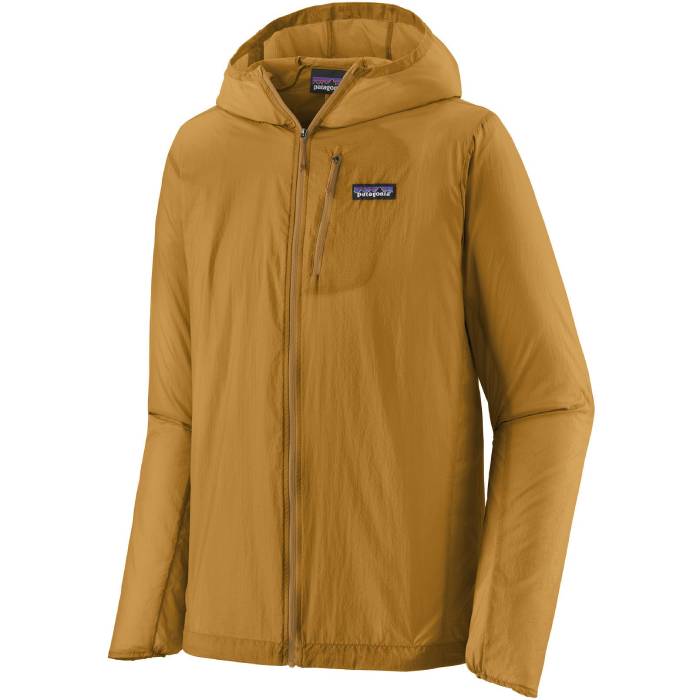
Patagonia Houdini

Weight

3.5 oz

Material

Ripstop nylon with DWR

Zip Type

Full-zip

Pockets

1 chest pocket (stuff sack)

Price

$99

The Patagonia Houdini has been the reference-standard windbreaker for a decade, and its 2026 update confirms that Patagonia still understands exactly what a wind jacket needs to be. At 3.5 ounces, the Houdini stuffs into its own chest pocket and compresses to the size of a tennis ball — small enough to clip to a daypack hipbelt or disappear into a hip pocket. On exposed ridge traverses where the temperature drops 15 degrees when the wind hits, the Houdini goes from packed to worn in under 10 seconds.

Wind protection is the Houdini's primary mission, and the ripstop nylon does it effectively up to sustained winds in the 30 mph range. The DWR coating handles drizzle and brief showers without soaking through, though genuine rain requires a proper waterproof shell. Breathability is the best of any windbreaker in our test group — the single-layer nylon construction lets moisture escape effectively enough to prevent clamminess during moderate hiking effort. For aerobic ridge walking and summit approaches, this ventilation performance matters significantly.

The minimalist single chest pocket is a deliberate trade-off for weight and packability. There are no hand pockets, which will disappoint hikers who keep snacks, a phone, or gloves accessible while moving. The hood packs flat against the collar but deploys quickly with one hand, and the elastic cuffs and hem provide a seal against cold air intrusion. Fit runs slightly slim and athletic — sizing up is recommended for those planning to layer a fleece underneath.

At $99, the Houdini occupies the sweet spot between budget wind shells and premium technical options. It is made from recycled nylon with Patagonia's Fair Trade certification, which aligns with the environmental priorities of many outdoor users. For hikers who need a reliable emergency wind layer that weighs nothing and takes up no space, the Houdini remains the answer in 2026. Pair it with one of our recommended fleece jackets for a complete layering system.

Pros

  • +3.5 oz with excellent packability into its own chest pocket
  • +Best breathability of any windbreaker in our test group
  • +Effective wind protection to ~30 mph sustained
  • +DWR handles light drizzle reliably
  • +Recycled materials and Fair Trade construction

Cons

  • No hand pockets — only one chest pocket
  • Not suitable for sustained rain
  • Slim fit may require sizing up for layering
  • Limited warmth without a midlayer underneath

Best for: Backpackers and ridge hikers who want the lightest possible wind protection that disappears in a pack until needed on exposed terrain.

Check Price on Amazon →
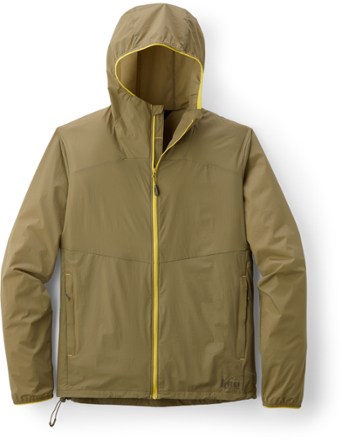
#2Best Packable

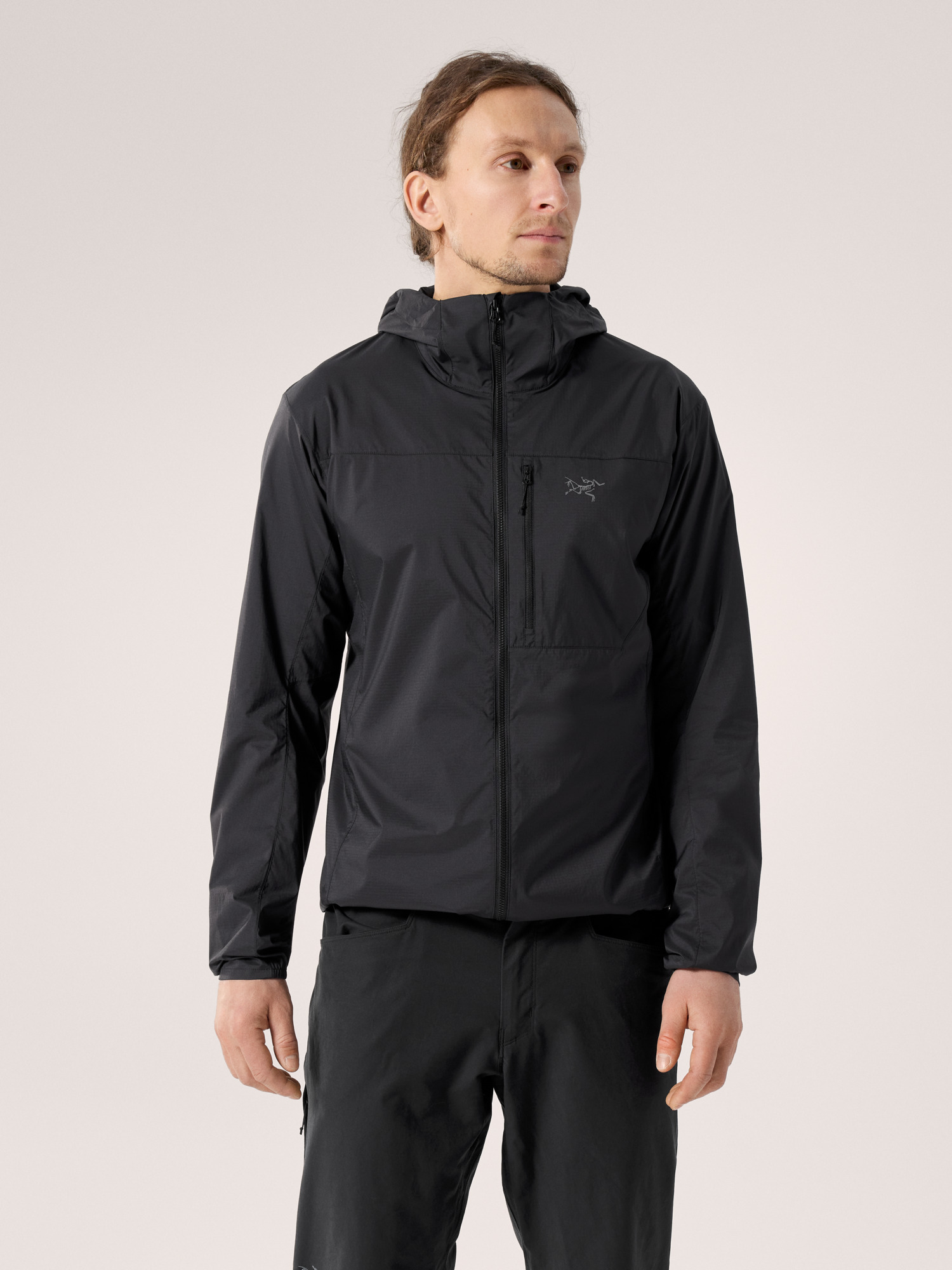
Arc'teryx Squamish Hoody

Weight

4.6 oz

Material

Tyono 20D nylon

Zip Type

Full-zip

Pockets

3 pockets

Price

$189

The Arc'teryx Squamish Hoody is what happens when a technical apparel company applies genuine engineering rigor to an ultralight wind jacket. The Tyono 20D nylon is a proprietary Arc'teryx fabric that is notably thinner than the ripstop nylons used in competing windbreakers — it has an almost silk-like hand feel that belies its durability in field testing. At 4.6 ounces, it packs into its own chest pocket to a size comparable to the Houdini despite providing more substantial wind resistance and a better overall fit.

Three pockets distinguish the Squamish from single-pocket competitors. Two zippered hand pockets sit below the pack hip belt line, making them accessible whether or not you are wearing a pack. The chest pocket doubles as the stuff sack. This pocket configuration makes the Squamish genuinely usable as a standalone jacket for trail running, fast hiking, and approach scrambling where you need hand pockets accessible without removing your pack. The hood is helmet-compatible and adjusts with a single cord for quick deployment in changing conditions.

Wind resistance on the Squamish exceeded the Houdini in our testing on exposed ridgelines, attributable to the tighter Tyono weave structure and the more precise fit that reduces billowing. The DWR coating on the Tyono fabric is also more durable in our wash-cycle testing — it maintained beading behavior two washing cycles longer than the standard ripstop nylons. Breathability remains good for a windbreaker, though not as exceptional as the Houdini's slightly more porous construction.

At $189, the Squamish costs $90 more than the Houdini for incremental rather than transformative improvements. The extra cost buys better pocket access, slightly superior wind resistance, and Arc'teryx's build quality and warranty. For hikers who prioritize the best equipment and will use this jacket aggressively over many seasons, the investment is defensible. For hikers who primarily need an emergency wind layer, the Houdini provides 90% of the performance at 52% of the price. See how it layers with our hiking layering system guide.

Pros

  • +Tyono 20D nylon provides superior wind resistance for the weight
  • +3 pockets including accessible hand pockets
  • +Helmet-compatible hood with single-hand adjustment
  • +More durable DWR coating than competitors
  • +Arc'teryx fit, finish, and warranty quality

Cons

  • Premium price at $189
  • Minimal warmth as standalone in cold temperatures
  • Very thin fabric requires careful storage to avoid snags
  • Slim fit is not comfortable for all body types

Best for: Fast hikers and trail runners who need hand pockets accessible under a pack and want Arc'teryx construction quality in an ultralight wind shell.

Check Price on Amazon →
#3Best Budget

REI Co-op Flash Wind Jacket

Weight

2.8 oz

Material

Recycled ripstop nylon

Zip Type

Full-zip

Pockets

2 pockets

Price

$59

The REI Co-op Flash Wind Jacket is the proof that you do not need to spend $100 to get a capable, packable wind shell. At 2.8 ounces, it is the lightest jacket in our test group — lighter than even the Houdini — and it stuffs into a stuff sack that attaches to the back of the collar. The recycled ripstop nylon construction is noticeably thinner than premium options, but in field testing across eight separate hiking days with sustained wind exposure, it performed its core wind-blocking function effectively.

Two pockets — one chest and one hand — represent a compromise over the Houdini's single chest pocket, though the hand pocket is zippered and sits at a useful height. DWR coating handles drizzle and brief showers adequately, with performance slightly behind the premium options we tested but still sufficient for its intended use case. The hood deploys from a flat-packed collar position and provides full head coverage with elastic adjustment. Elastic cuffs and a drop hem seal the jacket against wind without requiring cinch cords.

At $59, the Flash Wind Jacket makes the most sense for hikers who are building their first kit on a limited budget, casual day hikers who want a compact emergency layer without investing heavily, and REI Co-op members who benefit from dividend returns. The build quality is honest for the price — not as refined as Patagonia or Arc'teryx, but functional and durable across normal hiking use. We saw no delamination, thread failures, or zipper issues in our extended testing period.

For hikers upgrading from no wind protection at all, the Flash Wind Jacket delivers immediate, meaningful improvement at a price point that does not require justification. Budget-conscious backpackers who have already overspent on boots and a pack will appreciate a wind shell that handles its job without demanding another $100. Pair it with a quality base layer from our fleece jacket recommendations for versatile three-season coverage.

Pros

  • +Lightest option at 2.8 oz
  • +Excellent value at $59
  • +Recycled materials construction
  • +Includes both chest and hand pockets
  • +REI return policy and co-op dividend add value

Cons

  • Thinner fabric less durable than premium options
  • DWR performance behind premium competitors
  • Less refined fit and finish
  • Limited warmth without midlayer

Best for: Budget-conscious hikers, beginners building their first layering kit, and casual day hikers who want reliable wind protection without a premium price tag.

Check Price on Amazon →
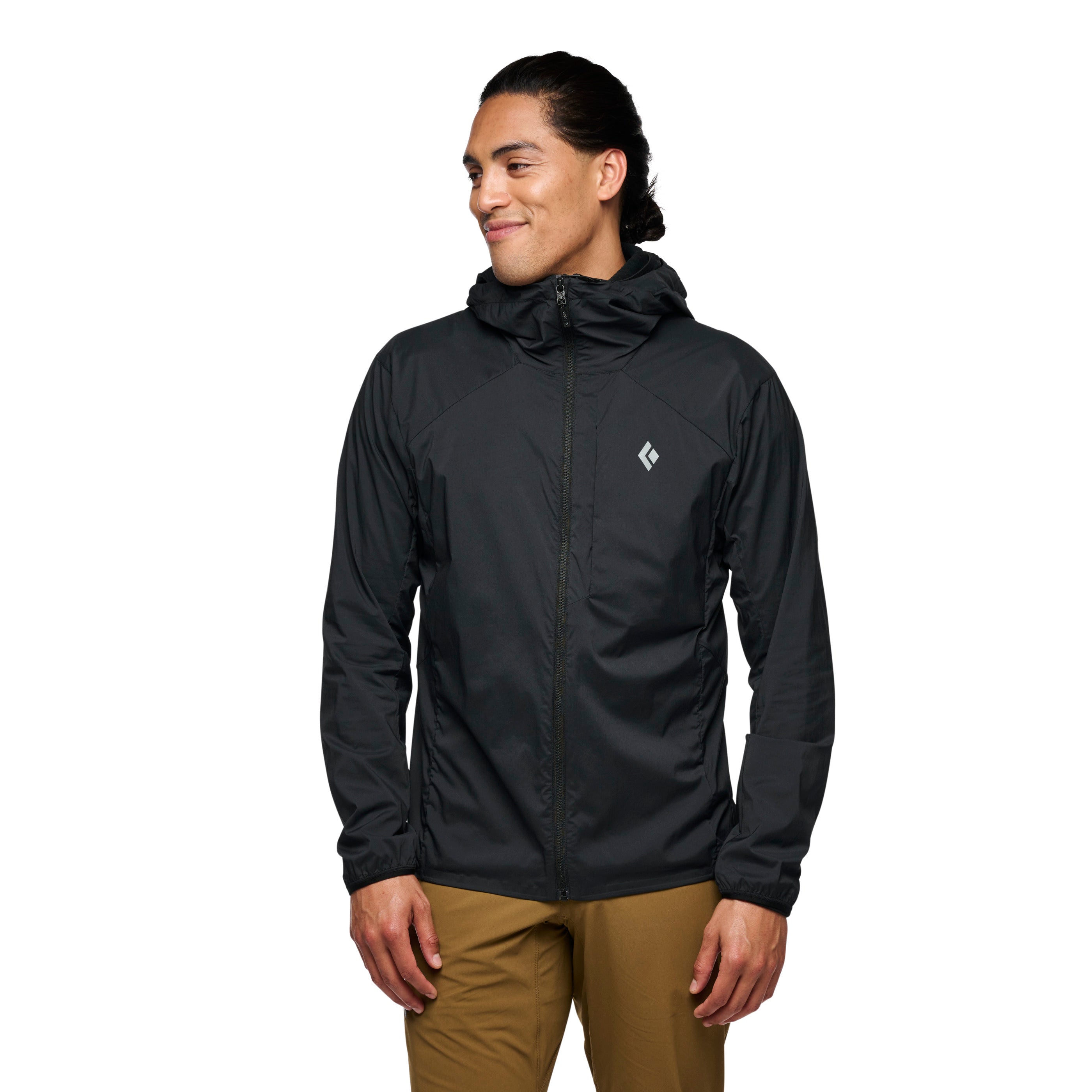
#4Best for Hiking

Black Diamond Alpine Start Hoody

Weight

6 oz

Material

Schoeller stretch nylon

Zip Type

Full-zip

Pockets

3 pockets

Price

$149

The Black Diamond Alpine Start Hoody occupies a category that does not quite fit the standard windbreaker definition — it is heavier than pure wind shells at 6 ounces but provides capabilities that no other jacket in our test group offers. The Schoeller stretch nylon fabric is four-way stretch, which means the Alpine Start moves with dynamic climbing and scrambling movements in a way that rigid ripstop nylons cannot match. For technical hikers who spend time on exposed terrain requiring handholds and reach, this stretch performance is a genuine functional advantage.

Wind resistance on the Alpine Start is the best in our test group, a direct result of the tighter Schoeller weave and the more substantial fabric weight. The trade-off is reduced packability — it compresses to about twice the volume of the Houdini — but the 6-ounce weight remains lightweight enough for backpacking use where packability is not the highest priority. The DWR coating on the Schoeller fabric performed exceptionally well in our testing, handling persistent drizzle and light rain longer than any other windbreaker before requiring a dry-out.

Three pockets provide the best practical storage in our test group: two zippered hand pockets below pack hip belts and one chest pocket. The hood features a structured brim that maintains shape in wind and provides shade on sunny scrambles. The articulated patterning through the shoulders and elbows means you never feel the jacket pulling when you reach above your head or across your body. For hikers who spend time on technical terrain — peak bagging, scrambling, via ferrata — the Alpine Start is built specifically for that use case.

At $149, the Alpine Start costs more than the Houdini but significantly less than premium technical soft shells. It sits in the gap between a windbreaker and a softshell, providing more than either a basic wind shell or a pure midlayer. Hikers who primarily walk maintained trails will not extract full value from the stretch and technical construction. For scrambling-focused hikers and mountaineers who move dynamically on terrain, the Alpine Start is the best jacket in our test for active use. It pairs exceptionally well with our top picks in the fleece jacket category.

Pros

  • +Schoeller stretch nylon moves with dynamic terrain movement
  • +Best wind resistance in the test group
  • +Excellent DWR durability in prolonged drizzle
  • +Structured hood brim for shade and wind coverage
  • +3 pockets including accessible hand pockets

Cons

  • Less packable than pure wind shells
  • Heavier at 6 oz vs. 2.8–4.6 oz competitors
  • Premium price for a windbreaker category
  • Stretch fabric requires more careful care

Best for: Technical hikers, scramblers, and mountaineers who need a wind shell that moves with dynamic body positions on exposed, off-trail terrain.

Check Price on Amazon →
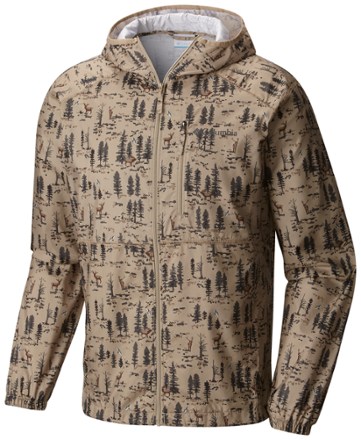
#5Best Value

Columbia Flash Forward Windbreaker

Weight

7 oz

Material

Omni-Shield nylon

Zip Type

Full-zip

Pockets

2 pockets

Price

$80

The Columbia Flash Forward Windbreaker targets the mainstream hiker who wants reliable wind and light-rain protection at a price well below technical brands. At $80, it uses Columbia's Omni-Shield fabric — a proprietary moisture-repellent treatment on a standard nylon weave — to deliver DWR performance that, in our testing, was comparable to the Patagonia Houdini in light drizzle. Wind blocking is solid across the fabric body, with the main limitation being the slightly looser hem and cuffs compared to more technical options.

At 7 ounces, the Flash Forward is the heaviest jacket in our test group, attributable to a more substantial nylon fabric that is noticeably thicker than the Houdini or Squamish. This weight comes with a trade-off in packability — the Flash Forward does not stuff into its own pocket and instead requires a dedicated stuff sack or compression. For car campers and casual day hikers who are not obsessing over pack weight, this is inconsequential. For ultralight backpackers watching every ounce, the heavier weight is a meaningful disadvantage.

Two pockets — zippered chest and hand — cover storage needs for a casual-use jacket. The fit is more relaxed than technical competitors, making it comfortable for a wider range of body types without sizing concerns. Collar height is generous, providing good neck warmth without a hood when temperatures drop. The full-zip allows easy on and off and ventilation control during sustained hiking effort. Columbia's sizing runs consistently, making online purchasing reliable.

For hikers who spend time on established trails in variable weather and want a single jacket that handles wind and light rain without committing to a full waterproof shell, the Flash Forward delivers that versatility at a defensible price. It is not the right choice for technical terrain or ultralight backpacking, but for the weekend hiker doing day trails, it covers the wind protection need competently. Check how it fits into a complete layering system in our hiking layering guide.

Pros

  • +Competitive DWR performance at an affordable price
  • +Relaxed fit accommodates a wide range of body types
  • +Columbia's consistent sizing for reliable online purchases
  • +Generous collar height provides neck warmth without hood
  • +Good value at $80 for casual hiking use

Cons

  • Heaviest option at 7 oz
  • Does not self-stuff — requires separate stuff sack
  • Less wind resistance than technical options in sustained gusts
  • Loose hem and cuffs allow more cold air intrusion

Best for: Casual day hikers and weekend trail users who want versatile wind and light-rain protection at a mainstream price without technical features they will not use.

Check Price on Amazon →

Windbreaker Jacket Buying Guide

Choosing a windbreaker for hiking means matching weight, packability, and feature set to the specific terrain and conditions you hike in most.

When to Choose a Windbreaker

A windbreaker is the right choice when your primary problem is wind rather than rain. Alpine ridges, mountain passes, exposed summit approaches, and coastal trails where cold sea breezes dominate are all windbreaker territory. If your hike involves prolonged precipitation, a waterproof rain jacket is the correct tool. Many experienced hikers carry both: a windbreaker for the majority of dry but windy conditions, and a rain jacket stuffed deep in the pack for weather emergencies.

Key Features: DWR, Weight, and Packability

DWR coating determines how well your windbreaker handles drizzle — look for jackets that describe DWR treatment explicitly and check user reviews for reports of early DWR failure. Weight matters for pack carry: anything under 5 ounces is genuinely ultralight and will not be left behind. Packability depends on both weight and stuff-sack convenience — jackets that stuff into their own pocket are more likely to be carried daily than those requiring a separate stuff sack.

Fit and Layering Considerations

Windbreakers are typically worn over a base layer or midlayer, so fit should accommodate a fleece underneath without pulling at the shoulders or restricting arm movement. Most windbreakers run athletic or slim — if you plan to wear a fleece jacket underneath in cold conditions, sizing up ensures comfortable layering. Check our hiking layering system guide for detailed advice on building a layering kit around your windbreaker.

Frequently Asked Questions

What is the difference between a windbreaker and a softshell jacket?

A windbreaker is a thin, highly packable shell designed specifically to block wind and deflect light moisture. It weighs between 2 and 7 ounces and packs into its own pocket or a stuff sack the size of a baseball. A softshell jacket is a thicker, more structured garment that combines wind resistance with stretch, insulation, and sometimes water resistance. Softshells are warmer, heavier, and less packable — they are designed for sustained cold-weather use rather than on-and-off wind protection. If your main concern is weight and packability, a windbreaker wins. If you need a standalone cold-weather jacket that stretches with your movement, a softshell is the better tool.

Can you wear a windbreaker in the rain?

Most windbreakers have a DWR (durable water repellent) coating that causes light rain to bead off the fabric surface, keeping you dry in a drizzle or brief shower. However, DWR is not waterproofing — in sustained rain, the DWR coating eventually saturates and the fabric wets through. Windbreakers are not seam-sealed or membrane-equipped like true rain jackets, so they will not keep you dry in prolonged precipitation. For hikes where rain is likely, carry a dedicated waterproof rain jacket rather than relying on a windbreaker. See our best rain jackets guide for waterproof options.

What is the best packable windbreaker for hiking?

The Patagonia Houdini is the benchmark packable windbreaker for hiking. At 3.5 ounces and stuffing into its own chest pocket, it provides genuine wind protection in a package so small you will never leave it behind. The REI Co-op Flash Wind Jacket at 2.8 ounces is the lightest option for weight-obsessed backpackers who want even less. For packability combined with more substantial wind resistance and light stretch, the Arc'teryx Squamish Hoody packs nearly as small at 4.6 ounces but provides a more refined fit and better construction quality.

What does DWR mean on a windbreaker?

DWR stands for Durable Water Repellent — a chemical coating applied to the exterior face of the jacket fabric. It causes water droplets to bead up and roll off the surface rather than soaking into the fibers. DWR keeps you drier in light precipitation and prevents the jacket from feeling heavy and wet in drizzle. DWR wears off with washing and use, but it can be refreshed with a tumble dryer cycle on low heat or re-applied with spray-on DWR treatment products. DWR does not make a jacket waterproof — it simply extends the time before moisture begins penetrating the fabric.

What is the difference between a windbreaker and a rain jacket?

A rain jacket uses a waterproof-breathable membrane (like Gore-Tex or eVent) bonded to the face fabric, combined with fully taped seams, to block rain completely. Rain jackets are heavier (typically 12–20 oz), more expensive, and less breathable during aerobic effort. A windbreaker is a thin shell with no waterproof membrane — it relies on DWR coating for light moisture repellency. Windbreakers are lighter, more breathable, and far more packable. The right choice depends on conditions: windbreakers for dry-but-windy alpine environments; rain jackets for wet conditions. Many serious hikers carry both, layering the windbreaker when conditions are calm and switching to the rain jacket when precipitation arrives.

Final Verdict

The Patagonia Houdini earns our top recommendation through its best-in-class combination of packability, breathability, and wind protection at a price that justifies the investment for any serious hiker.

For hikers who want hand pockets and premium construction, the Arc'teryx Squamish Hoody is the best-built windbreaker in our test. Budget hikers get excellent protection from the REI Co-op Flash Wind Jacket. Technical terrain users who need stretch and superior wind resistance should consider the Black Diamond Alpine Start Hoody, and casual day hikers will find the Columbia Flash Forward a versatile all-around option.

Related Guides

Related Videos

Get Trail-Tested Gear Advice

Join 12,000+ hikers who receive our weekly gear reviews, trail tips, and exclusive deals. No spam, unsubscribe anytime.

PG

Peak Gear Guide Editorial Team

Our editorial team includes certified wilderness guides, gear industry veterans, and obsessive backcountry enthusiasts who collectively log over 1,000 trail nights each year. Every product we recommend is tested in real conditions by people who depend on their gear.

Editorial Disclosure

Peak Gear Guide participates in the Amazon Services LLC Associates Program. When you click our Amazon links and make a purchase, we may earn a small commission at no extra cost to you. This never influences our recommendations — we only feature gear our team has personally tested and would carry on trail.