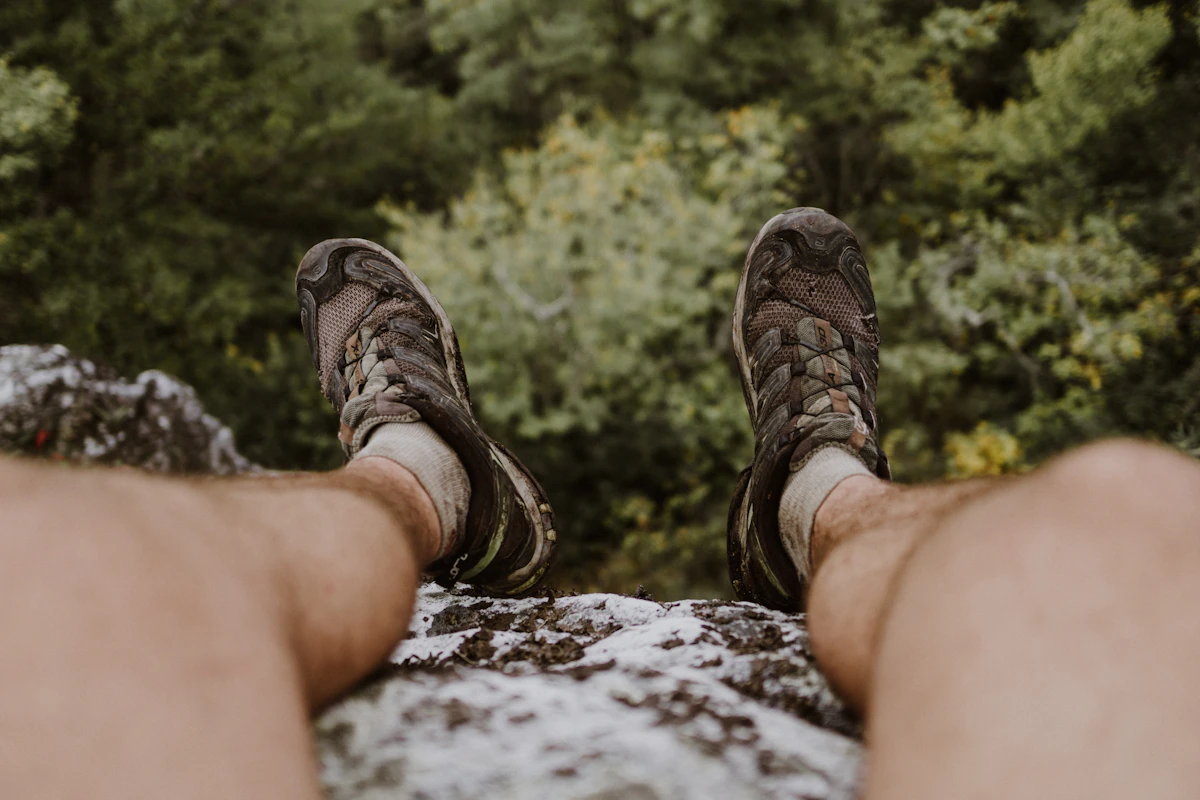
Hiking sandals on a rocky summer trail
Updated April 2026

Best Hiking Sandals of 2026

By Peak Gear Guide Editorial Team · Gear research & fact-checking

We compared the top hiking sandals using specs, field-test data, and verified-owner feedback across summer trails, stream crossings, and desert routes. Whether you swear by Chacos, love the toe protection of KEEN, or want ultralight minimalism from Bedrock — here are the five best picks for 2026.

By Peak Gear Guide Editorial Team | Updated April 2026

When sandals beat hiking shoes

Hiking sandals aren't a downgrade from boots, they're a different tool for a different problem. On hot summer trails, in water-crossing-heavy terrain, on multi-day desert hikes where your feet need to dry quickly, and on shoulder-season approach trails where wet feet are guaranteed, sandals outperform closed-toe footwear in three measurable ways: faster drying, better ventilation, and less long-term blistering. The tradeoff is reduced protection from rocks, scree, and trail debris, which is why sandals work best on well-maintained trails and water terrain, and poorly on talus slopes or off-trail bushwhacking.

The "sport sandal" category split into two clear sub-categories about a decade ago: strap-style (Teva, Chaco) and closed-toe hybrid (KEEN Newport, Merrell Hydro Moc). Strap-style sandals breathe better, dry faster, and weigh less. Closed-toe hybrids protect your toes from rocks and offer enough structure for moderate trail miles. For pure water-crossings or beach-and-canyon trips, strap-style wins. For typical day hikes that include some rocky sections, closed-toe hybrids are the safer all-arounder.

What to look for: footbed, strap system, sole rubber

The footbed makes or breaks a hiking sandal. Cheap sandals use flat EVA that compresses to nothing within 50 miles. Quality hiking sandals (Chaco, Bedrock, Teva Hurricane XLT2) use molded contoured footbeds that support the arch through a full day of trail use. Look for visible arch shaping and a slight heel cup; flat-as-a-board footbeds will cause arch and plantar fascia issues on anything over 5 miles.

Adjustable strap systems matter more than they seem. Single-pull systems (Teva Hurricane) are fast to put on but give you one fit zone. Multi-point adjustable systems (Chaco Z/Cloud, Bedrock Cairn Adventure) let you dial in heel hold, toe room, and arch tension independently, which matters when your feet swell on a hot afternoon. The Vibram MegaGrip outsole, found on Bedrock and premium Chaco models, provides the best wet-rock traction available in this category, important if you're crossing slick stream rocks regularly.

Break-in expectations and sizing

Most quality hiking sandals need 20-40 miles of break-in. Straps that feel "fine" in the store will create hot spots on a long hike if not adjusted properly first. Wear them around the house for several hours, then for short walks, before committing to a full-day hike. The first long hike often reveals one strap that's pressing harder than the others; adjust before you blister.

Size hiking sandals so your big toe doesn't extend over the front of the footbed on a downhill grade, but with a thumb-width of space at the heel. Sandals that fit "snug" tend to bind on downhill steps as the foot slides forward. If you're between sizes, size up and use the strap system to take up the slack.

At a glance

Tap any name to jump to the detailed review.

PickTagPriceWeightBuy
Chaco Z/2 ClassicBest Overall$11015 ozCheck Price
KEEN Newport H2Best for Rocky Trails$1101 lb 5 ozCheck Price
Teva Hurricane XLT2Best Budget Pick$6014 ozCheck Price
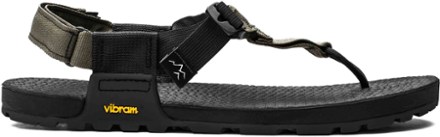
Bedrock Cairn 3D AdventureBest Minimalist$1207.8 ozCheck Price
Merrell Kahuna 4 StrapBest All-Day Comfort$801 lb 2 ozCheck Price
Best Overall#1 Pick

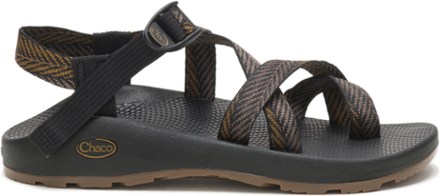
Chaco Z/2 Classic

Price: $110Weight: 15 ozStrapping: DoubleBack webbingOutsole: ChacoGrip rubberFootbed: LUVSEAT arch supportMidsole: Polyurethane
Chaco Z/2 Classic

The Chaco Z/2 Classic has been the gold standard for trail sandals for over two decades, and the 2026 version gives hikers no reason to look elsewhere for all-around performance. The defining feature is the LUVSEAT polyurethane footbed, a contoured platform designed around the natural curves of the human foot. Unlike the flat EVA beds found on budget sandals, the LUVSEAT lifts and supports the metatarsal arch, distributing weight across the entire foot rather than concentrating pressure on the heel and ball. After a full day on trail, the difference is palpable: less hot-spot soreness, less arch fatigue, and noticeably more energy left in your legs.

The DoubleBack strapping system is one of the most underrated features in outdoor footwear. A single continuous webbing strap threads through the sandal's sole and can be adjusted at four points around your foot. This means the fit isn't constrained by a standard width — you're literally dialing the strap configuration to your exact foot shape. Wide, narrow, high-volume, bony heel, the Z/2 adapts. Once set, the webbing locks firmly and doesn't loosen during miles of walking, which is a persistent problem with cheaper fixed-buckle designs. The addition of a rear toe strap in the Z/2 compared to the single-strap Z/1 provides even more forefoot lockdown on technical terrain.

On trail, the ChacoGrip rubber outsole earns its reputation. The 3.5mm lug pattern bites into soft dirt and gravel confidently, and the compound maintains traction on wet rock and slick creek beds — critical for the slot canyon and river hike environments where Chacos excel. The outsole extends slightly past the upper at the toe for light toe protection against trail debris. Durability is exceptional; this outsole will outlast the upper on most pairs, which is why Chaco's resoling program exists. For any hiker who puts in serious miles from May through September, the Z/2 is the one sandal worth owning.

The Z/2's only real tradeoff is weight. At 15 oz per pair, it's heavier than minimalist options like the Bedrock Cairn. For ultralight backpackers counting grams, that matters. But for day hikers, trail runners on hot summer routes, or anyone doing multi-day warm-weather trips, the weight is a reasonable exchange for the support and durability the Z/2 delivers. The price point at $110 is also justified: Chacos regularly last 5–10 years of heavy use and can be resoled repeatedly. Per mile of trail, they're often the most economical footwear you can buy.

Pros

  • +LUVSEAT footbed provides genuine arch support that flat sandals can't match
  • +DoubleBack strap system fully adjustable to any foot width or shape
  • +ChacoGrip outsole handles wet rock, creek crossings, and soft dirt
  • +Resolable by Chaco — dramatically extends lifespan and lowers cost per mile
  • +Toe strap on Z/2 adds forefoot security on uneven terrain

Cons

  • -Heavier than minimalist options at 15 oz per pair
  • -Strap adjustment system has a learning curve on first fit
  • -No toe protection — exposed toes vulnerable to rock stubbing
  • -Requires break-in period before webbing softens fully

Best for: Day hikers, slot canyon adventurers, and warm-weather backpackers who want the most supportive, durable sandal available

Check Price on Amazon
Best for Rocky Trails#2 Pick

KEEN Newport H2

Price: $110Weight: 1 lb 5 ozToe Cap: Protective rubberUpper: Quick-dry polyester webbingOutsole: KEEN All-Terrain rubberFootbed: Metatomical arch support
KEEN Newport H2

The KEEN Newport H2 occupies a unique space in the hiking sandal market: it offers the open construction and water-friendly drainage of a sandal combined with a closed toe cap that protects your feet on rocky, technical terrain. This single design decision opens up trail environments that would be risky or painful in open-toe sandals. Rocky stream beds, boulder-hop approaches, and trails littered with exposed roots become far less threatening when your toes aren't bare. The protective rubber toe cap is reinforced and substantial, it absorbs real impacts, not just light brush.

The metatomical footbed is KEEN's version of anatomical arch support — shaped to follow the natural contours of the foot with a slight heel cup and raised midfoot support. It's not quite as aggressively contoured as the Chaco LUVSEAT, but it's significantly better than the flat platforms found on Tevas and most budget sandals. The quick-dry polyester webbing upper dries fast after water crossings and doesn't retain grit the way neoprene or fabric can. KEEN's All-Terrain rubber outsole delivers multi-directional traction on wet and dry surfaces with a lug pattern designed for mixed terrain.

The Newport H2 runs slightly heavier than the competition at 1 lb 5 oz, you notice the extra mass on longer days. But hikers who've stubbed a toe on a submerged creek rock quickly learn to appreciate that weight. KEEN's roomy toe box design, a brand hallmark, gives toes natural splay room without feeling sloppy. The adjustable webbing straps secure well at the ankle and across the forefoot, and the bungee lacing on the upper makes getting in and out quick without compromising the fit once cinched.

For families with kids, canyoneers, or anyone hiking in areas with significant rockfall or sharp debris, the Newport H2 is the obvious choice. It bridges the gap between a sport sandal and a water shoe, handling both roles competently. The price at $110 matches the Chaco Z/2 directly, making the choice largely terrain-dependent: if you value arch support and strap adjustability, go Chaco; if you need toe protection and plan significant water time, the Newport wins.

Pros

  • +Protective rubber toe cap handles rocky trails and submerged obstacles confidently
  • +Roomy KEEN toe box accommodates wider feet without modification
  • +Quick-dry polyester webbing dries faster than leather or thick fabric alternatives
  • +KEEN All-Terrain outsole grips wet rock effectively for water crossings
  • +Metatomical footbed provides solid arch support for all-day wear

Cons

  • -Heavier than other sandals at 1 lb 5 oz per pair
  • -Closed toe design reduces breathability compared to open-toe options
  • -Footbed not as deeply contoured as Chaco's LUVSEAT for arch support purists
  • -Bulkier profile makes packing less efficient for ultralight travelers

Best for: Rocky trail hikers, canyoneers, and water-activity enthusiasts who need toe protection without sacrificing open-air ventilation

Check Price on Amazon
Best Budget Pick#3 Pick

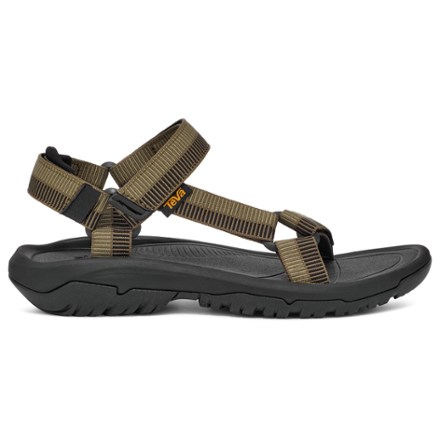
Teva Hurricane XLT2

Price: $60Weight: 14 ozStrapping: Universal Strapping SystemOutsole: Spider RubberFootbed: Shoc Pad heelClosure: Hook-and-loop with side-release buckle
Teva Hurricane XLT2

The Teva Hurricane XLT2 is the entry point for trail-capable hiking sandals, delivering genuine performance at a price that won't sting. At $60, it costs nearly half as much as Chacos or KEENs, yet it brings meaningful upgrades over casual beach sandals: Spider Rubber outsoles for trail traction, a padded heel strap for ankle stability, and a strapping system that actually holds your foot in place during active movement. For hikers new to sandals, weekend warriors, or anyone who wants a capable summer sandal without a premium investment, the Hurricane XLT2 is the starting point.

Teva's Universal Strapping System uses hook-and-loop closures across the forefoot and a side-release buckle at the ankle. Adjustment is fast and intuitive, you can fine-tune the fit in seconds on the trail without removing the sandal. The strap configuration wraps over the top of the foot and around the ankle, locking the heel in place better than a simple backstrap alone. This is a meaningful difference from flip-flop-style sandals where the foot slides forward on descents. The Shoc Pad in the heel adds cushioning specifically where impact force concentrates on downhill steps.

Spider Rubber outsoles are a Teva signature compound formulated for wet rock and mixed surfaces. The traction holds up well on dirt and gravel, and the lugs bite into wet creek stones reliably. The Hurricane XLT2 isn't as grippy as Vibram Newflex or ChacoGrip in technical conditions, but for casual to moderate trail use — national park trails, beach access paths, campsite wandering, the outsole is more than adequate. The footbed is a flat EVA platform without significant arch contouring, which is the primary place the XLT2 gives ground to premium sandals.

For backpackers looking for a lightweight camp sandal that doubles as a light trail shoe, the Hurricane XLT2 is a smart buy. Fourteen ounces and $60 is a compelling combination. The sandal holds up well to daily wear through a summer season. Strap durability is decent, though the hook-and-loop material can lose some grip after heavy use in sandy environments. If your hiking is light to moderate and your budget is limited, the Teva Hurricane XLT2 delivers 80% of the performance of premium sandals at 55% of the cost.

Pros

  • +Most affordable genuine hiking sandal at $60 — ideal for budget-conscious hikers
  • +Universal Strapping System adjusts quickly with one hand on the trail
  • +Spider Rubber outsole handles wet rock and mixed terrain reliably
  • +Shoc Pad heel cushioning reduces impact fatigue on longer days
  • +Lighter than most hiking sandals at 14 oz per pair

Cons

  • -Flat EVA footbed lacks the arch support of premium options
  • -Hook-and-loop closures can degrade in sandy or heavily silted environments
  • -Less durable construction compared to Chaco or KEEN over multi-year use
  • -Minimal toe protection on rough or rocky trail surfaces

Best for: Budget-conscious hikers, casual trail explorers, and backpackers seeking a lightweight camp sandal that handles light trail duty

Check Price on Amazon
Best Minimalist#4 Pick

Bedrock Cairn 3D Adventure

Price: $120Weight: 7.8 ozOutsole: Vibram NewflexStrap: Single-pull Velcro closureDrop: 4 mm heel-to-toeFootbed: 3D-molded EVA with arch
Bedrock Cairn 3D Adventure

The Bedrock Cairn 3D Adventure is a sandal built for hikers who want to feel the trail. At 7.8 oz per pair, it weighs less than half of most hiking sandals, and its minimalist construction, a Vibram Newflex sole, a 3D-molded footbed, and a single-pull Velcro closure — strips away everything non-essential. This is not a sandal for hikers who need maximum cushioning or ankle support. It's built for those who prefer a ground-feel approach to footwear, drawing on the same barefoot-running philosophy that emphasizes proprioception and natural foot mechanics over protective padding.

The Vibram Newflex outsole is the technological heart of the Cairn. Vibram compounds are the industry standard for trail traction across hiking boots and approach shoes, and the Newflex is specifically engineered for flexible, low-profile applications. It grips dirt, rock, and wet surfaces with confidence that heavier rubber compounds can't fully replicate at this weight. The 4mm heel-to-toe drop is nearly zero — comparable to minimalist running shoes — promoting a midfoot or forefoot strike that reduces impact on knees and hips during long descents.

The 3D-molded EVA footbed follows the natural arch curve of the foot despite the sandal's minimal profile. It's not as supportive as the Chaco LUVSEAT, but it's a significant step up from flat construction. The single-pull Velcro closure is polarizing: it makes the sandal extremely fast to put on and take off, which is valuable during multi-day backpacking when you're crossing streams repeatedly, but some hikers find a single strap less secure than multi-point systems on aggressive terrain. The Cairn 3D's updated 3D-molded arch addresses the original Cairn's flat footbed criticism, adding meaningful support without compromising the ultralight ethos.

At $120, the Bedrock Cairn 3D is the most expensive sandal per ounce in this category, but for ultralight backpackers the weight savings justify the premium. Replacing a 15 oz pair of trail runners with a 7.8 oz sandal saves nearly half a pound per foot — real grams that add up over a multi-week trip. The sandal excels on dry summer trails, desert routes, and warm-weather thru-hiking where heat management and pack weight dominate decisions. For anyone transitioning from boot hiking to a minimalist approach, the Cairn 3D is the most capable lightweight option available.

Pros

  • +Exceptional weight savings at 7.8 oz — almost half the weight of standard hiking sandals
  • +Vibram Newflex outsole delivers premium traction for its minimal weight and thickness
  • +4mm drop promotes natural foot mechanics and reduces impact on long descents
  • +3D-molded arch support adds meaningful improvement over flat-footbed predecessors
  • +Ideal for stream crossings — fast to remove, fast to dry, fast to reattach

Cons

  • -Single-pull Velcro closure less secure than multi-point strapping on technical terrain
  • -Minimal cushioning requires gradual adaptation period for hikers used to padded footwear
  • -Premium price at $120 for a minimal construction
  • -Not suitable for cold weather, snow, or high-moisture alpine environments

Best for: Ultralight backpackers, minimalist hikers, and experienced trail runners who prioritize ground feel and pack weight over maximum cushioning

Check Price on Amazon
Best All-Day Comfort#5 Pick

Merrell Kahuna 4 Strap

Price: $80Weight: 1 lb 2 ozUpper: Synthetic webbing with 4 adjustable strapsOutsole: Merrell Trail Grip rubberFootbed: EVA midsole with molded archStraps: 4-point adjustable system
Merrell Kahuna 4 Strap

The Merrell Kahuna 4 Strap targets the hiker who wants maximum comfort across a full day of walking without the specialty focus of Chacos or the minimal weight obsession of the Bedrock. Four independently adjustable straps wrap the foot at the toe, midfoot, arch, and ankle — more contact points than any other sandal in this roundup. The result is a highly customizable fit that distributes pressure evenly across the foot surface and prevents the single-strap slippage that plagues simpler designs on downhill sections.

Merrell's EVA midsole in the Kahuna 4 Strap offers noticeably more cushioning underfoot than the polyurethane constructions found in Chacos. This makes the sandal more comfortable on hard surfaces — urban streets, campsite gravel, pavement sections on mixed hikes — where a hard PU footbed can feel unforgiving. The molded arch support in the EVA bed provides adequate structure for moderate trail use, though it doesn't match the Chaco LUVSEAT's biomechanical contouring. For hikers whose feet tend toward sensitivity or who mix trail and casual wear equally, the extra cushioning is a meaningful advantage.

Merrell's Trail Grip rubber outsole handles moderate trails competently. The lug pattern is shallower than Vibram or ChacoGrip, which means it performs better on maintained dirt paths and worse on loose scree or wet rock. The synthetic webbing upper resists stretch over time better than fabric alternatives, and the adjusters stay in position throughout a hiking day without requiring mid-trail readjustment. At 1 lb 2 oz, the Kahuna sits in the middle of the weight range for hiking sandals — heavier than the Bedrock, lighter than the KEEN Newport.

At $80, the Merrell Kahuna 4 Strap slots neatly between the budget Teva Hurricane at $60 and the premium Chaco and KEEN options at $110. It's the sandal for hikers who want comfortable all-day wear on varied terrain without committing to a specialty design. Families, casual hikers, resort guests, and anyone mixing hiking with sightseeing or walking tours will find the four-strap system provides enough security for trail use while the cushioned EVA midsole delivers the comfort needed for urban miles.

Pros

  • +Four-point adjustable strap system delivers the most customizable fit of any sandal here
  • +Extra EVA cushioning outperforms harder PU midsoles on hard or mixed surfaces
  • +Versatile enough for trail use and casual urban wear throughout a trip
  • +Mid-range price at $80 balances features and cost well
  • +Synthetic webbing resists stretch and holds adjustment position reliably

Cons

  • -Merrell Trail Grip outsole less aggressive than Vibram or ChacoGrip on loose or wet terrain
  • -Heavier than most options at 1 lb 2 oz per pair
  • -EVA midsole compresses over time and loses cushioning faster than PU alternatives
  • -Four-strap system takes longer to don and adjust than simpler designs

Best for: All-day hikers, resort guests, and travelers who mix trail use with casual walking and want the most comfortable cushioning available

Check Price on Amazon

Frequently Asked Questions

Are hiking sandals good for long hikes?

Hiking sandals can absolutely handle long hikes under the right conditions. On well-maintained dirt or gravel trails, routes without significant scrambling, and in warm or wet weather, sandals like the Chaco Z/2 or KEEN Newport H2 perform exceptionally well. Many thru-hikers wear Chacos for hundreds of miles with no issues. Where sandals fall short is in cold weather, deep mud, loose scree, or technical terrain where ankle support and toe protection become critical. If your hike involves stream crossings, sandy desert trails, or multi-day summer backpacking, sandals can be the more comfortable option versus hot, wet boots. The key is matching the sandal to the terrain, a grippy outsole and a secure strapping system are non-negotiable for anything beyond casual walking paths.

What features matter most in hiking sandals?

Three features define a hiking sandal's performance: the outsole, the footbed, and the strapping system. The outsole needs aggressive lugs and grippy rubber. Vibram Newflex on the Bedrock Cairn and ChacoGrip rubber on the Z/2 are benchmarks for trail traction. A quality footbed with arch support prevents fatigue on longer miles; Chaco's LUVSEAT polyurethane footbed is specifically contoured to reduce pronation and support the metatarsal arch. Strapping is where many budget sandals fail, you need adjustable straps that lock in your heel and forefoot without creating hotspots or slipping mid-stride. The KEEN Newport's webbing upper adds a toe cap that many hikers find essential on rocky trails. Weight matters too, especially for backpackers who count every ounce.

Can I wear hiking sandals in water?

Yes — water performance is actually one of hiking sandals' biggest advantages over boots. The Chaco Z/2, KEEN Newport H2, and Teva Hurricane XLT2 are all designed for wet environments. Their webbing straps and open construction drain and dry quickly, and their outsoles grip wet rock far better than waterproof boots that become slick when submerged. This makes them ideal for slot canyon hikes like Zion's Narrows, coastal trails, and river crossings that would destroy traditional hiking footwear. The KEEN Newport is particularly favored for water activities because its protective toe cap guards against submerged rocks. Just be aware that in cold water — alpine streams, early season snowmelt — you'll want neoprene socks or a different shoe entirely, as sandals offer zero thermal insulation.

Are Chacos worth the price?

For most trail hikers, yes. The Chaco Z/2 costs $110, not cheap, but it earns that price through longevity and repairability that cheaper sandals simply don't offer. The LUVSEAT footbed is biomechanically contoured to distribute pressure evenly across the arch and heel, which translates to noticeably less foot fatigue on all-day hikes compared to flat EVA footbeds. The ChacoGrip rubber outsole lasts well over 1,000 miles of trail use in typical testing. Most importantly, Chaco offers a resoling service — when the outsole finally wears out, you send the sandal in and they rebuild it for a fraction of replacement cost. For frequent hikers who will clock serious miles, this effectively makes Chacos cheaper per mile than budget alternatives. The DoubleBack webbing system also allows the strap to be threaded to your exact foot shape.

Are hiking sandals good for wide feet?

Chaco and KEEN are the two brands most consistently recommended for wide feet, and for different reasons. Chaco's Z/2 uses a single continuous webbing strap that threads through the sole and can be adjusted to essentially any foot width, the fit is fully custom, not dependent on a standard width. This makes it uniquely accommodating for wide, narrow, or unusually shaped feet. KEEN designs its shoes and sandals with a roomy toe box as a brand-wide philosophy, so the Newport H2's forefoot is naturally wider than most competitors. Teva's Hurricane XLT2 fits moderately wide feet reasonably well. The Bedrock Cairn, with its minimalist single-pull strap, tends to fit medium widths best. If wide feet are a specific concern, try Chacos first, the adjustability solves problems that fixed-width designs cannot.

What's the difference between hiking sandals and regular sandals?

The difference comes down to grip, structure, and durability. Regular sandals — flip-flops, fashion sandals, casual slides — use smooth or lightly textured rubber outsoles designed for pavement, not trail. On dirt, gravel, roots, or wet rock they slip and wear down quickly. Hiking sandals use outsole compounds and lug patterns engineered specifically for trail surfaces: Vibram rubber, Spider Rubber, and proprietary compounds like ChacoGrip offer dramatically more friction on natural terrain. Structurally, hiking sandals have supportive footbeds with arch contours, midsole cushioning, and secure multi-point strapping systems that prevent the foot from sliding on uneven ground. They're also built to withstand repeated exposure to water, dirt, UV, and abrasion — materials like quick-dry polyester webbing and polyurethane midsoles outlast casual sandal materials by years under trail use.

References & further reading

External, authoritative sources we consulted while researching this guide.

Browse All Gear Categories

Every Peak Gear Guide roundup, organized by category. Research-vetted picks with transparent comparisons across 100+ gear types.

Big 4 — Shelter, Sleep, Pack, Stove

Footwear

Apparel & Layering

Packs & Carry

Camp Comfort

Cooking & Food

Tech & Navigation

Trekking Poles & Accessories

Sleep — Specialty

Tents — Specialty

By Fit & Foot Shape

Budget Picks

Water & Adventure