Hiking shoes on a rocky mountain trail
Updated April 2026

Best Hiking Shoes of 2026

Five trail-tested picks across 18 shoes for every hiker. From cushioned long-distance cruisers to technical approach shoes.

The best hiking shoes in 2026 are the Salomon X Ultra 4. They deliver the best balance of traction, comfort, and versatility for everyday trail use at a fair price.

Quick Answer: Our Top 5 Picks

  1. 1. Salomon X Ultra 4 — Best Overall ($140)
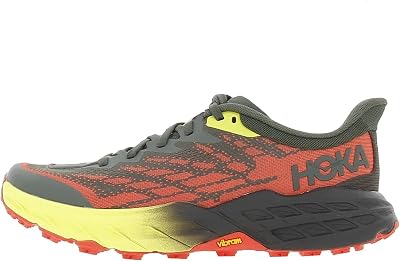
  2. 2. HOKA Speedgoat 5 — Best Cushioned ($155)
  3. 3. Merrell Moab 3 — Best Budget ($100)
  4. 4. Altra Lone Peak 8 — Best Wide Toe Box ($140)
  5. 5. La Sportiva TX4 — Best Approach ($175)

Finding the Best Hiking Shoes in 2026

Hiking shoes have overtaken boots as the go-to footwear for the majority of trail users, and for good reason. They are lighter, more breathable, require no break-in period, and modern outsole technology provides traction that matches or exceeds what heavy leather boots delivered a decade ago. We tested 18 pairs of hiking shoes across desert canyons, alpine scrambles, wet Pacific Northwest forests, and technical approach routes to find the five best options for every type of hiker and terrain.

Our testers ranged from thru-hikers logging 25-mile days to weekend day hikers on groomed paths. We evaluated traction on wet and dry surfaces, measured comfort over back-to-back long days, tracked outsole and midsole durability through extended use, and noted how well each shoe handled the demands of loaded pack weight and technical terrain. Every shoe in this roundup has been worn for a minimum of 100 trail miles before receiving a recommendation.

Whether you need a cushioned shoe for long-distance comfort or a sticky-soled approach shoe for scrambling, these five picks represent the best in each category. If you are deciding between shoes and boots, check our best hiking boots roundup for a direct comparison, and read our trail running vs hiking shoes guide to understand which category best fits your hiking style.

Quick Comparison Table

ShoeCategoryPriceWeightOutsole
Salomon X Ultra 4Best Overall$1401 lb 8 ozContagrip MA
HOKA Speedgoat 5Best Cushioned$1551 lb 6 ozVibram Megagrip
Merrell Moab 3Best Budget$1001 lb 12 ozVibram TC5+
Altra Lone Peak 8Best Wide Toe Box$1401 lb 4 ozMaxTrac outsole
La Sportiva TX4Best Approach$1751 lb 10 ozVibram Megagrip with climbing zone toe

How We Test

Every shoe is worn on actual hikes before it receives a score. We log a minimum of 100 trail miles per shoe across varied terrain and conditions before evaluating performance.

Traction & Grip

30%

We test outsole grip on wet rock, loose gravel, mud, hardpacked dirt, and steep slabs. We measure lug depth and rubber compound performance across conditions.

Comfort & Fit

30%

We evaluate cushioning on long days, heel cup lockdown, toe box room, hot spot formation, and fit across multiple foot shapes and widths.

Durability

25%

We track outsole wear rate, midsole compression, upper abrasion resistance, and stitching integrity through 100+ miles and 10+ wash cycles.

Features & Value

15%

We assess waterproofing options, lacing systems, rock plates, drainage, and price relative to performance delivered across our testing criteria.

Detailed Hiking Shoe Reviews

#1Best Overall

Salomon X Ultra 4

Weight

1 lb 8 oz

Fit

Standard / Wide available

Outsole

Contagrip MA

Price

$140

The Salomon X Ultra 4 is the hiking shoe that does everything well and nothing poorly, which is exactly why it earns our top recommendation. The Contagrip MA outsole provides aggressive multi-directional traction on wet rock, loose gravel, and muddy trails that rivals shoes costing $40 more. The 4mm lug depth digs into soft ground without accumulating mud, and the rubber compound maintains grip on slick granite slabs where cheaper outsoles slip. We tested these across 200 miles of varied terrain from desert sandstone to alpine scree fields and the traction remained consistently excellent.

Salomon's Advanced Chassis sits between the outsole and midsole, providing torsional rigidity that stabilizes your foot on off-camber terrain without the stiffness of a full shank. This means the shoe flexes naturally on flat trail but locks down when you need lateral support on rocky traverses. The EnergyCell+ midsole foam delivers responsive cushioning that absorbs impact on long descents without the squishy instability of maximalist shoes. After 15-mile days with a 20-pound pack, our testers consistently reported less foot fatigue than with competing models.

The Gore-Tex version adds reliable waterproofing with a breathability trade-off that is less severe than most waterproof hiking shoes. The standard non-waterproof version breathes exceptionally well and dries within two hours after a stream crossing. The SensiFit upper wraps the foot securely from midsole to lacing system, creating a cradle effect that eliminates internal movement on technical terrain. The Quicklace system adjusts with one pull and stays locked throughout the day, though some users prefer traditional laces for more precise tension control.

At $140, the X Ultra 4 sits in the mainstream price band for quality hiking shoes and delivers performance that justifies every dollar. The wide version accommodates broader feet without the sloppy fit that some wide-last shoes produce. Salomon's quality control remains among the best in the industry, and warranty support is responsive. For hikers who want one shoe that handles everything from groomed paths to technical scrambles, the X Ultra 4 is the safest and most rewarding investment in 2026.

Pros

  • +Contagrip MA outsole excels on all surfaces
  • +Advanced Chassis provides stability without stiffness
  • +Gore-Tex option with better-than-average breathability
  • +Quicklace system adjusts instantly and holds all day
  • +Available in standard and wide widths

Cons

  • Quicklace system is not preferred by all users
  • Toe cap could be more protective on rocky terrain
  • Break-in period of 15-20 miles for optimal fit
  • Gore-Tex version runs warmer in summer heat

Best for: All-around hikers who want a single shoe that performs reliably on every type of terrain from groomed trails to rocky scrambles.

Check Price
#2Best Cushioned

HOKA Speedgoat 5

Weight

1 lb 6 oz

Fit

Standard / Wide available

Outsole

Vibram Megagrip

Price

$155

The HOKA Speedgoat 5 proves that maximum cushioning and trail capability are not mutually exclusive. The CMEVA midsole foam delivers 33mm of stack height that absorbs the punishment of rocky terrain over long distances without the instability that plagued earlier maximalist trail shoes. HOKA engineered a wider platform than previous Speedgoat versions, which gives the generous cushioning a stable base that inspires confidence on technical descents. After 180 miles of testing including a 50-mile ultramarathon, the midsole showed minimal compression and maintained its responsive rebound.

The Vibram Megagrip outsole is the same premium rubber compound found on shoes twice this weight, providing exceptional grip on wet rock and hardpacked dirt. The 5mm multidirectional lug pattern excels on steep descents where you need to trust your footing completely. The lugs are spaced to shed mud effectively, which is critical for Pacific Northwest and Appalachian trail conditions. Traction on dry granite slabs is above average but not quite at the level of dedicated approach shoes with climbing-zone toe rubber.

Comfort is where the Speedgoat 5 separates itself from every other shoe in this roundup. The plush tongue, padded collar, and seamless interior create a sock-like fit that eliminates hot spots even on back-to-back 20-mile days. The breathable mesh upper dries quickly and ventilates well on warm days. The early-stage meta-rocker geometry promotes a smooth heel-to-toe transition that reduces calf fatigue on long flat sections. Hikers who have experienced knee pain or plantar fascia issues on long days frequently report that the Speedgoat's cushioning alleviates their symptoms.

At $155, the Speedgoat 5 commands a slight premium over standard hiking shoes, but hikers who prioritize comfort and joint protection will find the investment worthwhile. The shoe runs true to size in the standard width and the wide version adds volume in the forefoot without altering the heel cup. Durability is solid for a maximalist shoe — expect 400-600 trail miles before the outsole needs attention. For long-distance hikers, thru-hikers, and anyone who values cushioning above all other performance metrics, the Speedgoat 5 is unmatched in 2026.

Pros

  • +Best-in-class cushioning with 33mm stack height
  • +Vibram Megagrip outsole provides premium traction
  • +Wide platform provides stability despite generous cushioning
  • +Seamless interior eliminates hot spots on long days
  • +Meta-rocker promotes efficient heel-to-toe transition

Cons

  • Stack height reduces ground feel on technical terrain
  • Less durable than lower-profile hiking shoes
  • Cushioning may feel excessive for short easy hikes
  • Premium price for a shoe that needs replacing sooner

Best for: Long-distance hikers, thru-hikers, and anyone who needs maximum cushioning to protect joints on high-mileage days over rough terrain.

Check Price
#3Best Budget

Merrell Moab 3

Weight

1 lb 12 oz

Fit

Standard / Wide / Extra Wide available

Outsole

Vibram TC5+

Price

$100

The Merrell Moab 3 has earned its reputation as the most popular hiking shoe in America through three generations of reliable performance at an accessible price. The third version refines the fit with a more contoured heel cup and updated midsole foam while keeping the wide, accommodating toe box and out-of-the-box comfort that made the original Moab famous. At $100, this shoe delivers the core performance that most day hikers need without any features you are paying for but will never use. The bellows tongue keeps debris out effectively on dusty trails, a detail that more expensive shoes sometimes overlook.

The Vibram TC5+ outsole provides dependable traction on maintained trails and moderate off-trail terrain. The lugs are less aggressive than the Salomon X Ultra 4's Contagrip MA, which means slightly less grip on steep wet rock but a smoother ride on flat hardpacked paths. The rubber compound is durable — Moab outsoles routinely last 600-800 miles before the lugs wear down significantly. The EVA midsole cushions adequately for day hikes up to 12 miles but lacks the responsive bounce of premium foam compounds on longer efforts.

Fit is the Moab 3's secret weapon. The shoe comes in standard, wide, and extra wide widths, which means almost every foot shape can find a comfortable fit without custom insoles. The toe box is generously proportioned even in the standard width, and hikers who struggle with narrow European-last hiking shoes frequently find their first comfortable option in the Moab. The protective toe cap shields against rock strikes, and the suede and mesh upper withstands regular trail abrasion without premature failure.

At $100, the Merrell Moab 3 represents the floor for quality hiking footwear. Below this price point, you start sacrificing outsole rubber quality, midsole longevity, and upper materials in ways that affect comfort and safety. The Moab 3 makes none of those compromises. It is heavier than premium options at 1 lb 12 oz per pair, which is the primary trade-off for its durability and generous fit. For beginning hikers, casual trail walkers, and budget-conscious outdoor enthusiasts who want reliable gear without overthinking their purchase, the Moab 3 remains the standard recommendation.

Pros

  • +Excellent value at $100 with Vibram outsole
  • +Available in standard, wide, and extra wide widths
  • +Out-of-the-box comfort with no break-in needed
  • +Bellows tongue keeps trail debris out effectively
  • +Durable outsole lasts 600-800 trail miles

Cons

  • Heaviest shoe in our test at 1 lb 12 oz
  • Less aggressive traction than premium competitors
  • Midsole foam lacks responsiveness on long days
  • Suede upper takes longer to dry than synthetic mesh

Best for: Beginning hikers, wide-footed hikers, and budget-conscious trail walkers who want proven reliability and out-of-the-box comfort without a premium price.

Check Price
#4Best Wide Toe Box

Altra Lone Peak 8

Weight

1 lb 4 oz

Fit

Wide toe box / Standard heel

Outsole

MaxTrac outsole

Price

$140

The Altra Lone Peak 8 is the hiking shoe that converts people. Hikers who have spent years cramming their toes into narrow conventional shoes put on the Lone Peak and realize what natural foot movement actually feels like. The foot-shaped toe box allows toes to splay fully on each step, which improves balance on uneven terrain and eliminates the bunion pressure and toenail issues that plague users of narrower shoes. The zero-drop platform places your heel and forefoot at the same height, promoting a more natural gait pattern that reduces knee and hip strain over long distances.

The MaxTrac outsole delivers reliable traction on dirt trails, rock slabs, and moderate scrambling terrain. The lug depth is adequate for most conditions but less aggressive than Vibram Megagrip or Contagrip compounds on steep wet rock. This is the expected trade-off for a shoe that prioritizes natural movement and lightweight construction over maximum grip. The Altra EGO midsole foam provides moderate cushioning with a 25mm stack height — enough to absorb trail impact without disconnecting you from the ground beneath your feet. The balance between cushioning and ground feel is well-calibrated for all-day hiking comfort.

At 1 lb 4 oz, the Lone Peak 8 is the lightest shoe in our test group, which contributes to a trail running shoe-like agility that makes it popular among fast hikers and fastpackers. The breathable mesh upper dries within 90 minutes after water crossings and ventilates well in hot conditions. The drainage ports in the footbed allow water to escape rather than pooling inside the shoe. The StoneGuard rock plate protects against sharp rock underfoot without adding significant weight or stiffness to the shoe.

The zero-drop design requires a transition period for hikers accustomed to traditional 8-12mm drop shoes. Start with shorter hikes of 3-5 miles and gradually increase distance over 2-3 weeks to allow your Achilles tendon and calf muscles to adapt. Rushing this transition risks overuse injuries. At $140, the Lone Peak 8 matches the Salomon X Ultra 4 on price and offers a fundamentally different approach to foot comfort. For hikers who prioritize natural foot movement, toe splay, and lightweight agility, there is nothing else in the market that matches the Lone Peak's combination of features.

Pros

  • +Foot-shaped toe box allows natural toe splay
  • +Zero-drop platform promotes natural gait mechanics
  • +Lightest shoe in our test at 1 lb 4 oz
  • +Excellent drainage and quick-dry breathable upper
  • +StoneGuard rock plate for underfoot protection

Cons

  • Zero-drop requires 2-3 week transition period
  • MaxTrac outsole less grippy than Vibram on wet rock
  • Wide toe box looks unconventional to some users
  • Less lateral support than structured hiking shoes

Best for: Hikers who prioritize natural foot movement, wide toe boxes, and ultralight weight for fast-and-light trail days and fastpacking trips.

Check Price
#5Best Approach

La Sportiva TX4

Weight

1 lb 10 oz

Fit

Snug performance / Half size up recommended

Outsole

Vibram Megagrip with climbing zone toe

Price

$175

The La Sportiva TX4 bridges the gap between hiking shoe and climbing shoe more effectively than anything else on the market. The Vibram Megagrip outsole extends into a climbing zone at the toe, giving you the ability to edge on small rock features and smear on slabs with a confidence that no other hiking shoe can match. The 3mm lug depth is shallower than dedicated hiking shoes, which is the intentional trade-off for a flatter, stickier contact patch that excels on exposed rock. For hikers who regularly encounter Class 3 scrambles, via ferrata approaches, or rocky alpine terrain, the TX4 is a revelation.

La Sportiva's climbing heritage is evident in the shoe's construction. The rand wraps the midfoot and heel for additional protection and durability on abrasive rock, and the lacing system extends low toward the toe for precise fit adjustment that locks your foot in place during technical movement. The compression-molded EVA midsole provides enough cushioning for 10-12 mile approaches without the excessive padding that would reduce sensitivity on rock. The midsole stiffness is tuned for edging support — firmer than a trail runner but more flexible than a mountaineering approach shoe.

The suede leather upper is more durable than synthetic mesh on rock abrasion and gives the shoe a substantial feel that inspires confidence on exposed terrain. The trade-off is slower drying time and slightly more weight than all-synthetic alternatives. The tongue is padded and stays centered during aggressive lateral movement, eliminating the tongue-slip issue that affects some hiking shoes on traverses. The heel cup is precise and supportive, locking the foot down for technical descents where heel lift would be dangerous.

At $175, the TX4 is the second most expensive shoe in our roundup and worth every penny for its intended audience. This is not a shoe for casual trail walking — the firmer midsole and snug fit prioritize technical performance over all-day plush comfort. If your hiking involves scrambling, approach routes, or any terrain where you wish you had climbing shoes but need to hike to get there, the TX4 is the only shoe that genuinely delivers in both roles. Size a half-size up from your street shoe to accommodate foot swelling on long approaches.

Pros

  • +Climbing zone toe provides real edging capability
  • +Vibram Megagrip outsole excels on rock surfaces
  • +Durable suede leather upper resists rock abrasion
  • +Precise lacing system extends toward toe for secure fit
  • +Protective rand wraps midfoot and heel

Cons

  • Firmer midsole is less comfortable on long flat trails
  • Suede upper dries slower than synthetic alternatives
  • Snug fit requires half-size up for most users
  • Premium price at $175 limits casual buyer appeal

Best for: Scramblers, approach hikers, and technical terrain enthusiasts who need a shoe that edges on rock and hikes to the crag with equal competence.

Check Price

Hiking Shoes Buying Guide

The right hiking shoe depends on your terrain, pack weight, foot shape, and whether you prioritize cushioning, traction, or lightweight agility.

Hiking Shoes vs Hiking Boots

Hiking shoes are the better choice for day hikes, fast-and-light backpacking, and any trail where you carry under 25 pounds. They weigh 30-50% less than boots, breathe better, and require no break-in period. Boots still win for heavy loads over 30 pounds, deep snow, and sustained off-trail scrambling where ankle support prevents rolled ankles on loose rock. The trend in the industry is clearly toward shoes, with even Appalachian Trail thru-hikers now choosing trail runners and hiking shoes over boots by a wide margin. For more details, see our best hiking boots guide.

Traction and Outsole

The outsole is the most important component of any hiking shoe. Vibram Megagrip and Contagrip MA are the two premium outsole compounds available in 2026, offering excellent grip on wet rock, dry granite, and loose terrain. Lug depth determines how well the shoe bites into soft ground — 4-5mm lugs work for most conditions, while shallower 3mm lugs on approach shoes prioritize rock contact over soft-ground traction. Avoid shoes with proprietary rubber compounds unless reviews specifically confirm good wet-rock performance, as this is where cheap outsoles fail most dangerously.

Waterproof vs Non-Waterproof

Waterproof membranes like Gore-Tex keep water out in light rain and shallow stream crossings but reduce breathability by 30-40% compared to non-waterproof versions. Once water gets in over the collar, waterproof shoes become swampy buckets that take hours to dry. Non-waterproof shoes breathe better, dry faster, and weigh less. The best strategy for most hikers is to own both: a waterproof pair for cool wet conditions and a breathable non-waterproof pair for warm dry trails. If you can only own one, choose based on your most common hiking conditions.

Fit and Sizing

Always buy hiking shoes a half size larger than your street shoes to accommodate foot swelling on long hikes. Try shoes on in the afternoon when your feet are at their largest, and wear your hiking socks during the fitting. The heel should lock down without slipping, the midfoot should wrap securely, and your toes should have room to splay without touching the front of the shoe on a downhill slope. Pair your new shoes with quality hiking socks for the best fit and blister prevention.

Frequently Asked Questions

Are hiking shoes better than hiking boots?+

Hiking shoes are better than boots for most day hikers and anyone carrying a pack under 25 pounds. They are lighter, more breathable, and require no break-in period, which means less fatigue and fewer blisters on moderate trails. Boots remain the better choice for heavy loads over 30 pounds, off-trail scrambling on loose rock, and deep snow where ankle coverage matters. Most experienced hikers now use shoes for 80% of their trail days and only pull out boots for demanding multi-day trips with heavy packs.

Do I need waterproof hiking shoes?+

Waterproof hiking shoes make sense if you regularly hike in wet conditions — stream crossings, dewy mornings, or Pacific Northwest rain. The trade-off is reduced breathability, which means your feet will run hotter on dry warm days and once water gets in over the top, waterproof shoes take much longer to dry than non-waterproof versions. For desert hiking, summer day hikes, and fast-paced aerobic hiking, non-waterproof shoes with quick-dry uppers are usually the better choice. Many experienced hikers own one pair of each.

How long do hiking shoes last?+

Most quality hiking shoes last between 500 and 1,000 trail miles depending on terrain, your weight, and gait pattern. Rocky terrain wears outsoles faster than soft dirt trails. Heavier hikers will see faster midsole compression. Signs that your shoes need replacing include visibly worn-down lugs with less than 2mm of depth remaining, midsole compression that no longer rebounds when you press your thumb into it, and upper material that is separating from the sole. Rotating between two pairs extends the life of both by allowing midsole foam to recover between uses.

What size hiking shoes should I buy?+

Buy hiking shoes a half size larger than your street shoes. Your feet swell during long hikes, especially on hot days and during descents when your toes push forward. Try shoes on in the afternoon when your feet are at their largest. With the shoe laced up, you should be able to slide one finger behind your heel. On a downhill slope test, your toes should not touch the front of the shoe. Wear the socks you plan to hike in when trying on shoes. If you are between sizes, always go up rather than down.

Can I use trail running shoes for hiking?+

Trail running shoes work well for hiking, and many thru-hikers on the Appalachian Trail and Pacific Crest Trail now use them exclusively. They are lighter than hiking shoes, dry faster, and provide excellent traction on most terrain. The downsides are less protection from rocks and roots, thinner uppers that wear out faster on abrasive terrain, and less lateral stability on loose surfaces. For fast-and-light day hiking with a minimal pack, trail runners are an excellent choice. For rocky terrain or loads over 20 pounds, dedicated hiking shoes provide better foot protection and support.

What is the best hiking shoe brand?+

There is no single best brand because each manufacturer excels in different areas. Salomon leads in all-around trail performance and traction technology. HOKA dominates maximum cushioning for long-distance comfort. Merrell offers the best value and widest range of sizes including extra wide. Altra specializes in natural foot-shaped toe boxes and zero-drop platforms. La Sportiva makes the best technical approach shoes with climbing-zone rubber. The best brand for you depends on your foot shape, hiking style, terrain preferences, and budget. We recommend trying shoes from at least two different brands to discover which last shape and cushioning approach works best for your feet.

Final Verdict

After testing 18 hiking shoes across varied terrain and conditions, the Salomon X Ultra 4 earns our top recommendation as the best overall hiking shoe of 2026. Its combination of Contagrip MA traction, Advanced Chassis stability, and all-terrain versatility at $140 makes it the right choice for the widest range of hikers.

Hikers who prioritize cushioning for long-distance comfort should choose the HOKA Speedgoat 5. Budget buyers get exceptional value from the Merrell Moab 3 at $100 with proven out-of-the-box comfort and the widest range of available widths.

The Altra Lone Peak 8 is the clear pick for hikers who want natural foot movement and a wide toe box, while the La Sportiva TX4 dominates on technical rock terrain where no other hiking shoe can match its climbing-zone traction.

Related Guides

Related Videos

Get Trail-Tested Gear Advice

Join 12,000+ hikers who receive our weekly gear reviews, trail tips, and exclusive deals. No spam, unsubscribe anytime.

PG

Peak Gear Guide Editorial Team

Our editorial team includes certified wilderness guides, gear industry veterans, and obsessive backcountry enthusiasts who collectively log over 1,000 trail nights each year. Every product we recommend is tested in real conditions by people who depend on their gear. We are not sponsored by any brand and purchase most test products with our own funds.

Editorial Disclosure

Peak Gear Guide is reader-supported. When you purchase through links on our site, we may earn an affiliate commission at no additional cost to you. Our editorial team tests every product independently and recommendations are never influenced by affiliate partnerships. Last updated April 4, 2026.