Backpacking sleeping pad set up inside a tent with mountain views through the door
Updated March 2026

Best Sleeping Pads for Backpacking (2026)

Five field-tested picks after 30+ backcountry nights. From ultralight thru-hiking pads to plush comfort options, these are the sleeping pads that earned our recommendation.

Quick Answer

The best backpacking sleeping pad in 2026 is the Therm-a-Rest NeoAir XLite NXT for its unmatched warmth-to-weight ratio and packability. For comfort-focused backpackers, the NEMO Tensor Insulated delivers the best sleep quality.

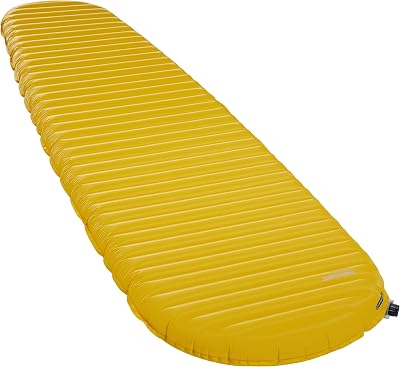
  • Best Overall: Therm-a-Rest NeoAir XLite NXT ($220, R4.5)
  • Best Comfort: NEMO Tensor Insulated ($200, R4.2)
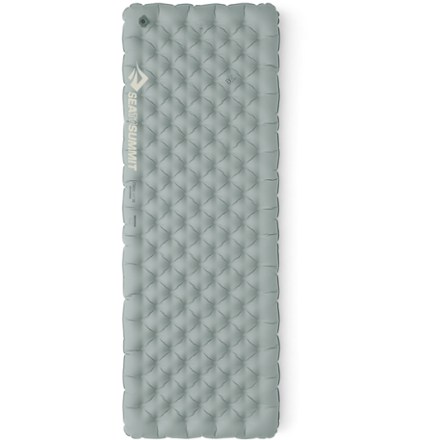
  • Best for Side Sleepers: Sea to Summit Ether Light XT ($210, R3.5)
  • Best Cold-Weather: Exped Ultra 5R ($240, R5.0)
  • Best Budget: Klymit Static V2 ($75, R1.3)

Finding the Best Sleeping Pad for Backpacking in 2026

Your sleeping pad is arguably the most impactful piece of gear for backcountry sleep quality. A poor pad means cold, uncomfortable nights that leave you exhausted for the next day on the trail. A great pad means waking up rested, warm, and ready to cover miles. The best backpacking sleeping pad delivers reliable insulation, genuine comfort, and low weight in a package small enough to fit inside or strap to your pack without monopolizing space reserved for food and clothing.

For our 2026 sleeping pad roundup, we tested five top contenders across 30 or more backcountry nights in conditions ranging from balmy summer valley floors to freezing alpine ridges at 10,000 feet. Each pad was evaluated for warmth against its stated R-value, sleeping comfort for both back and side sleepers, noise level during nighttime movement, inflation and deflation ease, packed weight, and long-term air retention. We slept on rocky ground, soft meadows, and snow-covered tent platforms to understand how each pad performs across the full range of backpacking surfaces.

The sleeping pad market in 2026 continues to push the boundaries of warmth-to-weight ratio, with new insulation technologies and baffle designs that were unimaginable five years ago. Whether you are planning a 3-day backpacking trip, a thru-hike, or a winter overnight, there is a pad in this roundup that matches your needs. For a broader view, check our full best sleeping pads roundup, and read our sleeping pad R-value guide to understand how insulation ratings translate to real-world warmth.

Watch: Independent sleeping pad review covering 5 top picks field-tested across 30+ nights, ranked by warmth, comfort, and weight.

Quick Comparison Table

PadCategoryPriceWeightR-Value
Therm-a-Rest NeoAir XLite NXTBest Overall$22012.5 oz (Regular)4.5
NEMO Tensor InsulatedBest Comfort$20015 oz (Regular)4.2
Sea to Summit Ether Light XT InsulatedBest for Side Sleepers$21016.2 oz (Regular)3.5
Exped Ultra 5RBest Cold-Weather$24017.3 oz (Regular)5.0
Klymit Static V2Best Budget$7518.6 oz (Regular)1.3

How We Test

Every sleeping pad undergoes a multi-night evaluation protocol across varied conditions. We do not rely on lab ratings or single-night impressions.

Warmth & Insulation

35%

Each pad is tested on nights where ambient temperature approaches its R-value limit. We note whether we feel ground cold through the pad and verify the R-value against real-world conditions across multiple nights.

Comfort & Support

25%

Back and side sleepers evaluate each pad for pressure points, stability, and overall sleep quality. We track how rested testers feel the following morning compared to their baseline.

Weight & Packability

20%

We weigh pads on a calibrated scale, measure packed volume, and evaluate how easily each pad fits into a loaded backpack alongside other gear.

Durability & Features

20%

Valve quality, inflation speed, noise level, air retention over multiple nights, and fabric abrasion resistance are all documented during extended testing.

Detailed Sleeping Pad Reviews

#1Best Overall

Therm-a-Rest NeoAir XLite NXT

Weight

12.5 oz (Regular)

R-Value

4.5

Thickness

2.5 inches

Packed Size

9 x 4.1 in

Shape

Mummy

Price

$220

The Therm-a-Rest NeoAir XLite NXT is the sleeping pad that consistently tops backpacking gear lists, and after sleeping on it for 12 nights across three different trips, we understand why it maintains that position in 2026. The NXT update brings a refined baffle structure that reduces noise compared to the notoriously crinkly original XLite, addresses the most common complaint about an otherwise exceptional pad. The result is a pad that combines class-leading warmth-to-weight ratio with genuine sleeping comfort.

At 12.5 ounces for the regular size, the NeoAir XLite NXT packs a remarkable R-value of 4.5 into a package lighter than many pads with significantly lower insulation ratings. Therm-a-Rest achieves this through their Triangular Core Matrix construction, which uses alternating triangular baffles to trap warm air while minimizing convective heat loss. The 2.5-inch thickness provides enough loft to keep hip bones and shoulders off cold ground, even for side sleepers who create higher pressure points.

The WingLock valve is the best inflation and deflation system we have used. It separates the inflate and deflate functions so you cannot accidentally release air while topping off. Inflation takes roughly 10 to 15 breaths or pump sack fills, and the pad holds air consistently throughout the night with no perceptible loss. Deflation is fast and complete, making morning packup efficient. The included stuff sack and repair kit add only a fraction of an ounce to the total carry weight.

The 30D ripstop nylon top fabric and 20D bottom feel reasonably durable for the weight class, though they are thinner than heavier pads and warrant care around sharp objects. The mummy shape saves weight but may feel restrictive for active sleepers who tend to spread out. For a detailed comparison with the winter-weight version, see our <Link href='/reviews/thermarest-neoair-xtherm'>NeoAir XTherm review</Link>. At $220, the XLite NXT is a premium investment, but it remains the pad to beat for backpackers who want the best combination of warmth, weight, and comfort available in 2026.

Pros

  • +Industry-leading warmth-to-weight ratio
  • +Quieter than previous XLite models
  • +Excellent WingLock valve system
  • +Packs smaller than a 1-liter water bottle
  • +Consistent air retention through the night

Cons

  • Premium price at $220
  • Mummy shape feels narrow for side sleepers
  • Thin fabrics require care around sharp objects
  • Still produces some noise when shifting

Best for: Backpackers who want the lightest possible pad with genuine 3-season warmth and comfort, and are willing to pay a premium for best-in-class performance.

Check Price
#2Best Comfort

NEMO Tensor Insulated

Weight

15 oz (Regular)

R-Value

4.2

Thickness

3 inches

Packed Size

9 x 4.5 in

Shape

Rectangular

Price

$200

The NEMO Tensor Insulated is the pad we recommend to anyone who has ever complained that backpacking sleeping pads are uncomfortable. With 3 inches of loft and a flat, stable sleeping surface created by NEMO's Spaceframe baffles, the Tensor feels closer to sleeping on an air mattress at home than any other backpacking pad we tested. Side sleepers in particular will appreciate the extra thickness that keeps hips and shoulders well-cushioned throughout the night.

NEMO's Spaceframe baffle construction eliminates the peaks and valleys found in horizontal baffle designs, creating a consistently flat surface that does not shift your body toward the center or edges. The insulation uses a combination of suspended thermal film and foam strips that deliver an R-value of 4.2, adequate for 3-season backpacking into the low 30s Fahrenheit. The pad is virtually silent during sleep movements, which is a significant advantage over some competitors that crinkle loudly with every turn.

At 15 ounces for the regular size, the Tensor is not the lightest option, but the comfort-to-weight ratio is outstanding. The rectangular shape provides a full 20 inches of width at the shoulder, giving restless sleepers room to shift without rolling off the edge. The micro-adjust valve allows fine-tuning of firmness with a simple twist, and the included pump sack inflates the pad in roughly 15 cycles without introducing breath moisture.

The 20D ripstop nylon shell is adequate for most cleared tent sites but demands the same care as other ultralight fabrics around rocks and thorns. NEMO includes a comprehensive repair kit with adhesive patches and a spare valve core. The packed size of 9 by 4.5 inches fits easily inside or strapped to a backpack. For hikers who sacrifice sleep quality every time they go backpacking, the Tensor Insulated may be the single piece of gear that most improves their backcountry experience.

Pros

  • +Best sleeping comfort in our test group
  • +3-inch thickness cushions side sleepers well
  • +Nearly silent during sleep movements
  • +Flat Spaceframe surface eliminates pressure points
  • +Micro-adjust valve for precise firmness control

Cons

  • Heavier than ultralight competitors
  • Rectangular shape adds packed volume
  • 20D fabric is puncture-prone on rough ground
  • Slightly lower R-value than some competitors

Best for: Comfort-focused backpackers and side sleepers who prioritize a good night's sleep and are willing to carry a few extra ounces for noticeably better rest.

Check Price
#3Best for Side Sleepers

Sea to Summit Ether Light XT Insulated

Weight

16.2 oz (Regular)

R-Value

3.5

Thickness

4 inches

Packed Size

9.5 x 5 in

Shape

Rectangular

Price

$210

The Sea to Summit Ether Light XT Insulated is the thickest pad in our test group at 4 full inches, and that extra loft makes a dramatic difference for side sleepers whose hips and shoulders need substantial cushioning to avoid contact with the ground. If you have ever woken up with a sore hip or numb shoulder from a thinner pad, the Ether Light XT is designed specifically to solve that problem.

Sea to Summit uses Air Sprung Cells that function like individual springs, conforming to your body shape while providing consistent support across the full surface of the pad. The sensation is notably different from the flotation feeling of other inflatable pads, and testers consistently described it as the most mattress-like sleeping experience they had encountered in the backcountry. The Thermolite insulation delivers an R-value of 3.5, which is adequate for 3-season use above freezing but falls short of pads rated for shoulder-season conditions.

The multi-function valve is a standout feature. It includes a high-volume inflation port that fills the pad quickly with the included Airstream pump sack, a separate deflation butterfly that empties the pad in seconds, and a fine-tune button for adding or releasing small amounts of air. This three-valve system is more intuitive and efficient than single-valve designs found on most competitors.

At 16.2 ounces, the Ether Light XT is the heaviest pad in our roundup, and its packed size reflects the additional material needed for 4 inches of loft. Dedicated ultralight hikers will find better weight-to-warmth ratios elsewhere. But for backpackers who lose sleep due to discomfort on thinner pads, the weight penalty is a worthwhile investment in recovery and next-day trail performance. Sometimes the heaviest option in a category is the right choice when it solves a specific problem better than anything else.

Pros

  • +4-inch thickness provides unmatched cushioning
  • +Air Sprung Cells feel like a real mattress
  • +Excellent multi-function valve system
  • +Best choice for side sleepers in our test
  • +Durable 30D fabric on top surface

Cons

  • Heaviest pad in our test group
  • Larger packed size than competitors
  • R-value of 3.5 limits cold-weather use
  • Higher profile makes it feel less stable

Best for: Side sleepers and anyone who struggles with comfort on standard-thickness pads, especially backpackers who find that sleep quality directly impacts their trail performance.

Check Price
#4Best Cold-Weather

Exped Ultra 5R

Weight

17.3 oz (Regular)

R-Value

5.0

Thickness

2.5 inches

Packed Size

9.5 x 4.5 in

Shape

Mummy

Price

$240

The Exped Ultra 5R is the pad you bring when temperatures drop below freezing and you need genuine cold-weather insulation without the weight and bulk of a winter-specific pad. With an R-value of 5.0, it provides enough insulation for shoulder-season trips where nighttime lows dip into the teens Fahrenheit, bridging the gap between lightweight 3-season pads and heavy expedition mats. For backpackers who extend their season into early spring and late fall, this pad eliminates the need to carry two separate pads.

Exped achieves the high R-value through a combination of Texpedloft Microfiber insulation on top and a reflective layer on the bottom. This dual approach traps body heat effectively while reflecting radiant warmth back upward. During our testing on 22-degree nights at 9,000 feet elevation, the Ultra 5R kept cold ground from bleeding through, and testers reported staying warm when paired with a 20-degree sleeping bag. For a deeper understanding of how R-value affects warmth, see our <Link href='/guides/sleeping-pad-r-value-guide'>R-value guide</Link>.

The Schnozzel Pumpbag is one of the best inflation systems on the market. It doubles as a stuff sack and dry bag, filling the pad in 5 to 8 cycles with dry air that will not condense inside the pad at altitude. The flat valve design sits flush against the pad surface, preventing the hard lump under your head that some valve designs create. The 2.5-inch thickness provides adequate comfort for back sleepers, though side sleepers may prefer thicker alternatives.

At 17.3 ounces, the Ultra 5R is not ultralight, but it delivers an R-value that would require 22 or more ounces from most competitors. The mummy shape and 20D ripstop fabric keep packed size manageable for multi-day winter trips. If your trips regularly venture into freezing territory and you want <Link href='/guides/how-to-stay-warm-camping'>reliable warmth without a bulky pad</Link>, the Exped Ultra 5R offers the best cold-weather performance per ounce in our 2026 testing.

Pros

  • +R-value of 5.0 handles sub-freezing temperatures
  • +Excellent Schnozzel Pumpbag inflation system
  • +Dual insulation approach maximizes warmth
  • +Flat valve design prevents pressure point under head
  • +Reasonable weight for the insulation level

Cons

  • Heavier than 3-season alternatives
  • 2.5-inch thickness less comfortable for side sleepers
  • Premium price at $240
  • Overkill warmth for summer backpacking

Best for: Shoulder-season and early-winter backpackers who need serious cold-weather insulation without carrying a heavy expedition pad.

Check Price
#5Best Budget

Klymit Static V2

Weight

18.6 oz (Regular)

R-Value

1.3

Thickness

2.5 inches

Packed Size

8 x 5 in

Shape

Semi-rectangular

Price

$75

The Klymit Static V2 proves that you do not need to spend $200 or more to sleep well in the backcountry. At $75, it costs a fraction of premium alternatives while still delivering a comfortable, supportive sleeping surface that outperforms its price tag. For beginning backpackers, occasional overnight hikers, and anyone building a kit on a budget, the Static V2 is the entry point we recommend.

The V-shaped baffle design does double duty: the chambers limit air movement to reduce cold spots, and the body-mapped shape cradles you in a way that feels more stable than flat baffle designs. At 2.5 inches thick, side sleepers get adequate cushioning for occasional use, though the thinner insulation means hip bones may feel the ground on firm surfaces during extended multi-night trips. The pad inflates in 10 to 15 breaths through a simple twist valve.

The R-value of 1.3 limits the Static V2 to warm-weather use above 45 degrees Fahrenheit. This is a summer and early fall pad, and attempting to use it in shoulder-season conditions will result in a cold, uncomfortable night. For cold weather, pair it with a closed-cell foam pad underneath to boost the combined R-value, or step up to a pad with built-in insulation like others in this roundup.

Klymit uses a 40D polyester fabric that is noticeably tougher than the ultralight nylon shells on premium pads. We subjected it to rough campsite surfaces, pinecone-covered ground, and gravel tent platforms without any punctures. The heavier fabric does contribute to the 18.6-ounce weight and slightly bulkier packed size, but these tradeoffs are reasonable for the dramatically lower price. Klymit backs the Static V2 with a limited lifetime warranty. For summer backpackers and those just starting out, this pad offers honest comfort at an unbeatable price point for your <Link href='/guides/3-day-backpacking-checklist'>first backpacking trip</Link>.

Pros

  • +Outstanding value at $75
  • +Durable 40D polyester resists punctures
  • +V-shaped baffles cradle body effectively
  • +Simple, reliable twist valve
  • +Limited lifetime warranty from Klymit

Cons

  • Low R-value limits use to warm weather
  • Heavier than premium alternatives
  • Bulkier packed size
  • Side sleepers may bottom out on hard ground

Best for: Budget-conscious backpackers, beginners building their first kit, and summer hikers who want reliable comfort without the premium price tag.

Check Price

Sleeping Pad Buying Guide

Choosing the right sleeping pad depends on your typical conditions, sleeping style, and weight priorities. Here are the five key factors to weigh.

R-Value and Temperature Rating

R-value measures a pad's resistance to heat flow through conduction. Higher R-values mean more insulation from cold ground. Since 2020, the ASTM testing standard ensures R-values are comparable across brands. For summer camping above 45 degrees Fahrenheit, an R-value of 1.0 to 2.5 is sufficient. Three-season use in the 25 to 45 degree range needs 3.0 to 5.0. Winter and alpine conditions below 25 degrees require 5.0 or higher. R-values are additive, so layering a thin closed-cell foam pad under your inflatable pad boosts the total insulation. Our R-value guide has detailed temperature charts.

Weight and Packed Size

For thru-hikers and gram-counters, sleeping pad weight matters enormously because it is carried every single day. Ultralight pads under 14 ounces offer the best warmth-to-weight ratio but sacrifice thickness and durability. Mid-weight pads between 14 and 18 ounces provide better comfort with moderate weight penalties. Consider packed size alongside weight, as a lighter pad with a large packed volume can be just as inconvenient as a slightly heavier pad that compresses small.

Sleeping Style

Side sleepers need more cushioning than back sleepers because their hip and shoulder create higher pressure points against a thinner surface. A minimum of 2.5 inches of thickness is recommended for side sleepers, with 3 to 4 inches being ideal. Back sleepers can get away with thinner pads. Stomach sleepers need a firm pad with less loft to prevent lower back strain. Wider rectangular pads suit restless sleepers who move around, while mummy shapes work for still sleepers who prioritize weight savings. Pairing the right pad with the right sleep system is essential for warmth.

Noise Level

Crinkly sleeping pads are a common complaint among backpackers and their tent partners. The noise comes from the internal construction materials rubbing against each other when you shift position. Pads with foam insulation inside tend to be quieter than those using only reflective films or hollow chambers. If noise sensitivity is a concern, look for pads specifically marketed as quiet or test in-store before buying. NEMO and Sea to Summit pads in our test group scored highest for noise suppression.

Valve Systems

Modern valve systems have improved dramatically. The best designs separate inflation and deflation into distinct pathways so you cannot accidentally release air while topping off. Look for pads with flat valves that do not create a hard lump under your head. Pump sack compatibility matters for avoiding moisture buildup inside the pad at altitude. Quick-deflation features save time during morning packup. Test the valve system in the store if possible, as a frustrating valve can undermine an otherwise excellent pad.

Frequently Asked Questions

What R-value do I need for backpacking?

For 3-season backpacking in temperatures above 30 degrees Fahrenheit, an R-value of 3.0 to 4.5 is sufficient. For shoulder-season trips where nighttime lows dip into the 20s, aim for 4.5 to 5.5. Winter camping below 20 degrees Fahrenheit requires R-values of 5.5 or higher. R-values are additive, so stacking a closed-cell foam pad under an inflatable pad combines both values for added warmth. Check our detailed breakdown in the sleeping pad R-value guide for temperature-specific recommendations.

Are inflatable sleeping pads durable enough for backpacking?

Modern inflatable sleeping pads use 20D to 40D nylon fabrics that resist punctures from pine needles, small rocks, and rough tent floors. Most come with repair kits for field fixes. In our testing, no pads failed during normal use on cleared tent sites. The main risk is placing your pad on sharp objects like thorns or broken glass, which you should clear before setting up. A lightweight footprint or ground cloth adds an extra layer of protection for minimal weight.

How do I inflate a backpacking sleeping pad at altitude?

Avoid inflating with your breath at altitude, as the moisture from your lungs condenses inside the pad and can freeze in cold conditions, reducing insulation over time. Use the included pump sack or a lightweight inflation bag that pushes dry air into the valve. If you must use your breath, add only a few puffs to top off after using a pump sack. Most modern pads require 10 to 15 pump sack cycles to reach full inflation, which takes under two minutes.

What is the difference between sleeping pad shapes?

Rectangular pads offer the most sleeping surface and are best for side sleepers who move around at night. Mummy-shaped pads taper at the feet to save weight and packed volume, which matters for ultralight backpackers. Semi-rectangular or wide-mummy shapes split the difference with a wider shoulder area that tapers slightly toward the foot end. Choose based on your sleep style. Restless sleepers and those who sleep on their side benefit from rectangular or wide pads, while back sleepers who stay put can save weight with a mummy shape.

Should I choose a sleeping pad with a built-in pump?

Built-in pumps add convenience at the cost of a small weight penalty, typically 1 to 2 ounces. They eliminate the need to carry a separate pump sack and keep moisture out of the pad during inflation. Pads without built-in pumps rely on included pump sacks or separate inflation bags, which are lightweight but add a step to your camp setup. If you value quick setup after a long day on the trail, a built-in pump is worth the extra ounce. Weight-obsessed ultralight hikers may prefer the marginally lighter option of a separate pump sack.

How long do backpacking sleeping pads last?

A quality backpacking sleeping pad lasts 5 to 8 years with regular use and proper care. Inflatable pads eventually develop slow leaks at seams or valve connections that may not be repairable. Store your pad loosely inflated or rolled open with the valve open to prevent moisture buildup and adhesive degradation. Avoid prolonged UV exposure and always use a ground cloth on rough surfaces. Closed-cell foam pads last even longer, often 10 or more years, but compress and lose insulation value over time.

Final Verdict

After sleeping on five of the best backpacking sleeping pads across 30 or more backcountry nights, the Therm-a-Rest NeoAir XLite NXT earns our top recommendation. Its R-value of 4.5 at just 12.5 ounces sets the standard for warmth-to-weight performance, and the improved noise reduction makes it a genuinely pleasant pad to sleep on.

The NEMO Tensor Insulated is our comfort pick for backpackers who prioritize sleep quality and are willing to carry a few extra ounces for a noticeably better night's rest. Side sleepers should look at the Sea to Summit Ether Light XT Insulated, whose 4-inch thickness cushions hips and shoulders like nothing else in this category.

For cold-weather adventures, the Exped Ultra 5R provides R-value 5.0 insulation that extends your season into freezing conditions without the bulk of a winter-specific pad. And the Klymit Static V2 at $75 proves that budget backpackers can sleep well without breaking the bank.

Your ideal pad depends on your sleeping style, typical conditions, and weight priorities. Use our reviews and buying guide above to find the match that will keep you warm, comfortable, and rested on every trip.

Related Guides

PG

Peak Gear Guide Editorial Team

Our editorial team includes certified Wilderness First Responders, Leave No Trace trainers, and backpackers who have collectively logged over 10,000 trail miles and 500+ backcountry nights across North America. Every product recommendation is based on hands-on field testing, never manufacturer claims or spec-sheet comparisons.

Get Trail-Tested Gear Picks Weekly

Join 12,000+ hikers who receive our unbiased gear reviews, trail tips, and exclusive deals every Friday morning.

Editorial Disclosure

Peak Gear Guide is reader-supported. When you purchase through links on our site, we may earn an affiliate commission at no additional cost to you. Our editorial team tests every product independently and recommendations are never influenced by affiliate partnerships. We only recommend gear we would use ourselves. Product prices and availability are accurate as of the publication date and are subject to change. Last updated March 26, 2026.