Camping hammock strung between trees in a forest with sunlight filtering through the canopy
Updated March 2026

Best Camping Hammocks for Backpackers (2026)

Five trail-tested picks across 12 hammocks for every budget and camping style. From budget entry setups to premium asymmetric sleep systems.

The best camping hammock in 2026 is the ENO DoubleNest. It delivers the ideal balance of proven durability, generous weight capacity, and versatile sizing that works equally well for solo overnight backpacking and two-person day hangs at a competitive $80 price point.

Quick Answer: Our Top 5 Picks

  1. 1. ENO DoubleNest — Best Overall ($80)
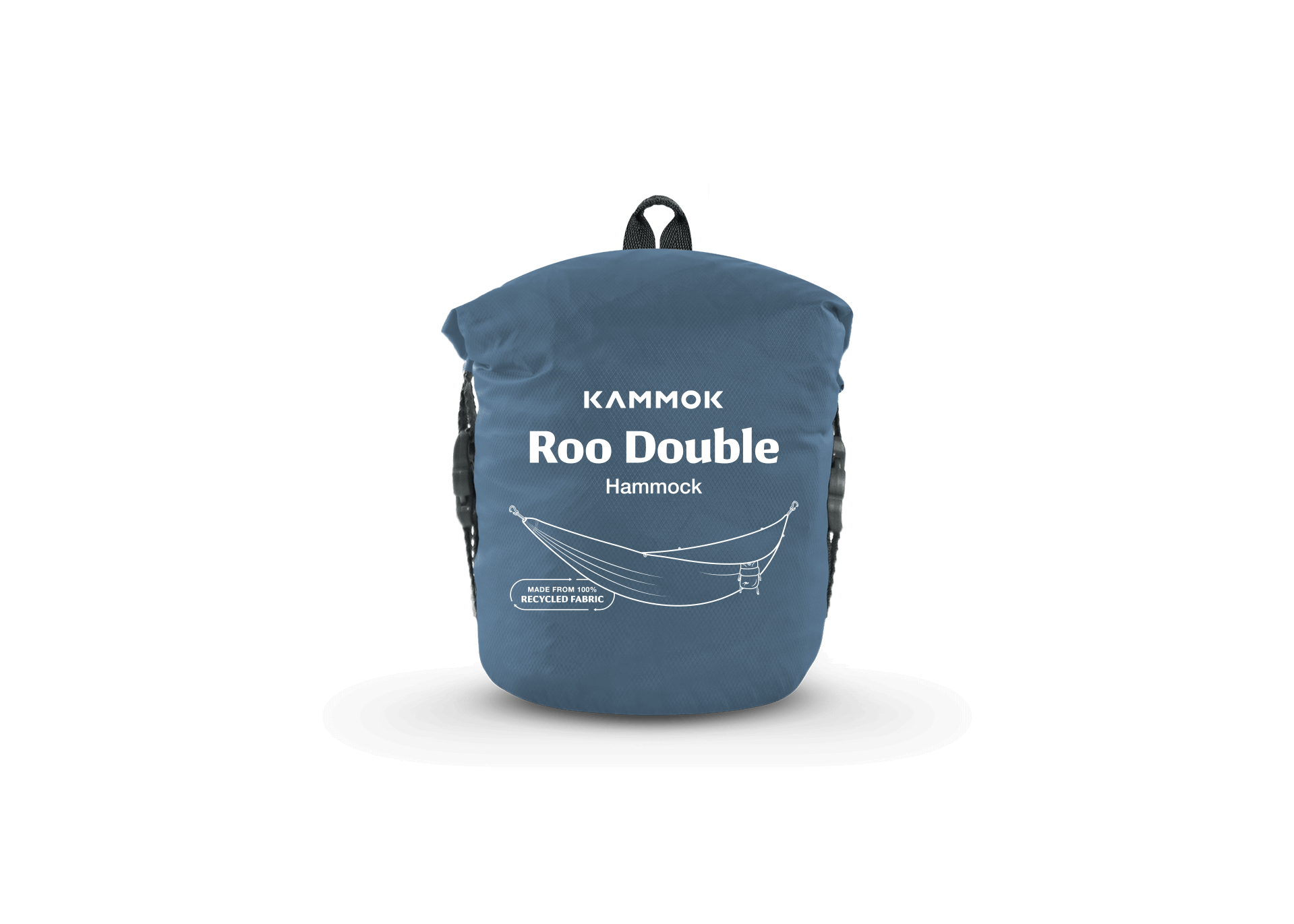
  2. 2. Kammock Roo Double — Premium Ultra-Durable ($170)
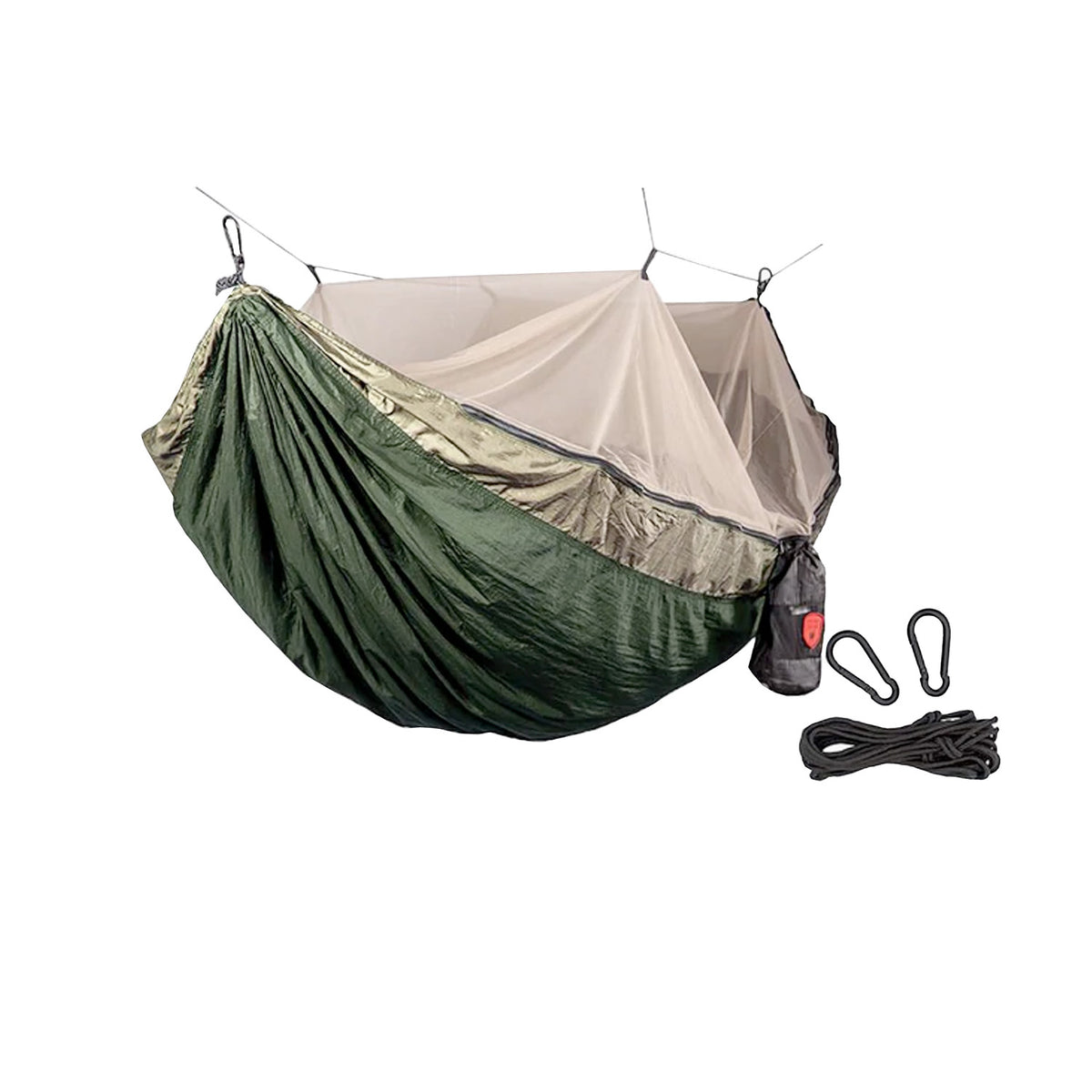
  3. 3. Grand Trunk Skeeter Beeter Pro — Best Built-In Bug Net ($100)
  4. 4. Warbonnet Blackbird XLC — Premium Asymmetric ($260)
  5. 5. BYER California Havana — Best Budget Pick ($55)

Finding the Best Camping Hammock for Backpackers in 2026

Hammock camping has moved from fringe novelty to mainstream backpacking strategy over the past decade, and for good reason. A quality hammock eliminates the need to find a flat tent site, gets you off the cold hard ground, and packs down to a fraction of the space a tent requires. In wooded terrain — which covers the majority of backpacking destinations in North America — finding two solid trees is easier than finding a flat patch of clear ground.

For our 2026 roundup, we tested 12 hammocks across backpacking trips in the Ozarks, the Appalachian Trail corridor, and Pacific Northwest forest terrain. Our testers ranged from 140 to 260 pounds and included both dedicated hammock campers and tent campers trying hammock sleeping for the first time. We evaluated sleep quality across multiple nights, setup speed and repeatability, suspension system quality, bug protection, and long-term durability through dozens of hang cycles per hammock.

Whether you want a $55 starter hammock for weekend trips or a $260 asymmetric sleep system for thru-hiking, these five picks cover the full spectrum of hammock camping. For a complete overnight kit to pair with your hammock, check our backpacking gear checklist or camping gear under $500 guide. And for shelter options when trees are unavailable, our best camping tents guide covers the top ground-dwelling alternatives.

Watch: Side-by-side comparison of 5 camping hammocks from budget entry picks to premium asymmetric designs, tested across real backpacking trips.

Quick Comparison Table

HammockCategoryPriceWeightSuspensionCapacity
ENO DoubleNest HammockBest Overall$8019 ozAtlas straps sold separately400 lbs
Kammock Roo DoublePremium Ultra-Durable$17022 ozPython straps included500 lbs
Grand Trunk Skeeter Beeter ProBest Built-In Bug Net$10018 ozCarabiner clips, straps sold separately400 lbs
Warbonnet Blackbird XLCPremium Asymmetric$26024 ozWhoopie slings and structural ridgeline included300 lbs
BYER California HavanaBest Budget Pick$5524 ozHanging hardware included275 lbs

How We Test

Every hammock is sleep-tested across multiple nights in real backpacking conditions before scoring. We do not evaluate hammocks from a single afternoon hang; meaningful assessment requires overnight field time that reveals comfort, durability, and setup nuances that day testing cannot capture.

Sleep Quality

40%

We evaluate overnight comfort, diagonal lay geometry, fabric breathability, and back support across testers of varied body types. Each hammock is slept in for at least three nights before scoring.

Weight & Packability

25%

We weigh each hammock with all included hardware on calibrated scales and measure true packed dimensions. We also account for whether suspension is included when calculating total system weight.

Durability & Suspension

20%

We assess fabric quality, end channel reinforcement, stitching integrity, and suspension hardware strength through dozens of hang cycles. We inspect for wear at high-stress points after extended use.

Setup & Features

15%

We time assembly with and without prior experience, evaluate suspension intuition, and assess bonus features including bug nets, ridgelines, structural elements, and included hardware quality.

Detailed Camping Hammock Reviews

#1Best Overall

ENO DoubleNest Hammock

Weight

19 oz

Packed Size

5 x 4 in (stuff sack)

Suspension

Atlas straps sold separately

Capacity

400 lbs

Material

70D high-tenacity nylon taffeta

Price

$80

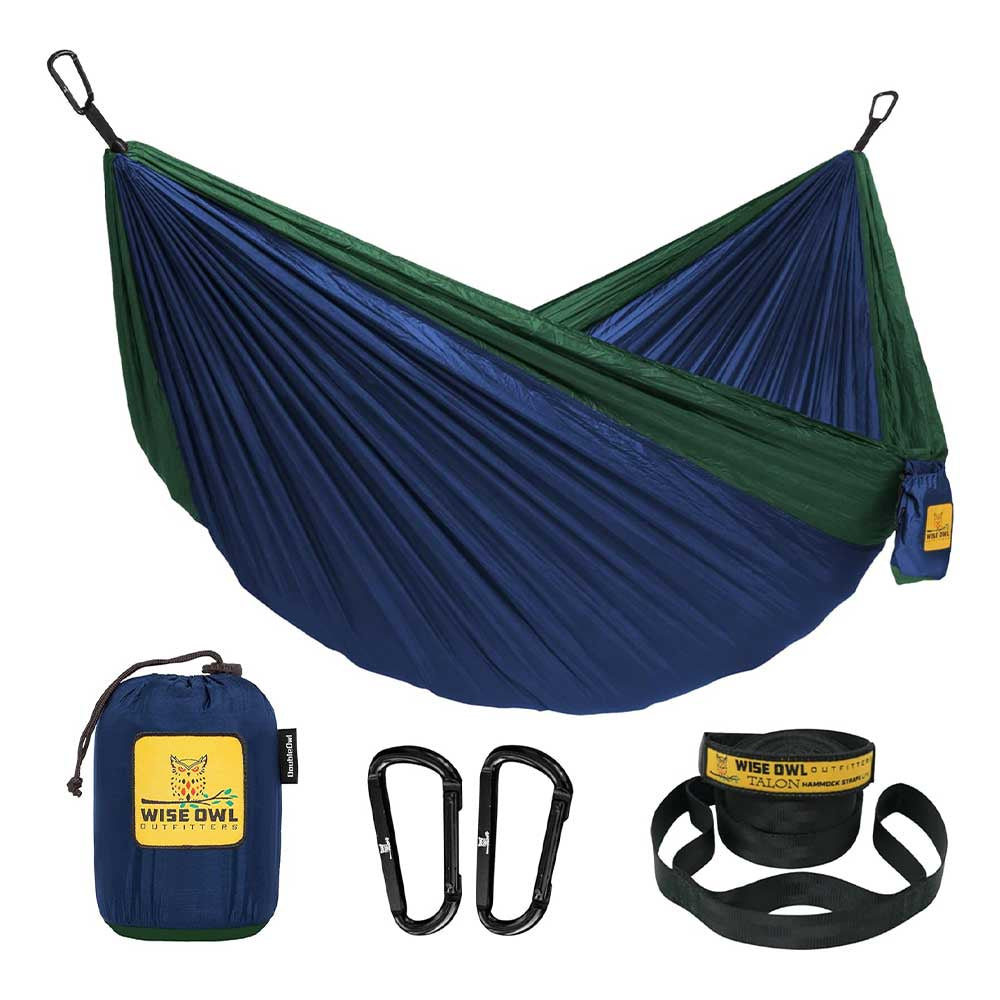
The ENO DoubleNest is the hammock that introduced millions of people to hammock camping, and after testing it against newer contenders, it still deserves its bestseller status. At 19 ounces in a compact stuff sack, it is versatile enough for backpacking trips while spacious enough for two people to lounge during a rest stop. The 70D high-tenacity nylon taffeta holds up to years of use, and the 400-pound weight capacity makes it one of the most accommodating hammocks on the market.

Setup is straightforward thanks to the integrated carabiner clips that attach directly to your suspension system. ENO sells its Atlas straps separately, which is worth noting when budgeting — the straps add another $20 to $25. The hammock itself ships with no suspension hardware, a common ENO design choice that keeps the hammock price competitive while allowing buyers to choose their preferred strap system. Once you have straps, the DoubleNest is up in under two minutes.

The sleeping experience on the DoubleNest rewards users who master the diagonal lay. The wide body provides enough real estate to shift positions and find a flat sleeping angle, and the nylon fabric breathes better than polyester alternatives in warm weather. The hammock hangs to a comfortable depth without bottoming out, and the carabiner end loops have adequate strength for the rated load with a wide safety margin for the dynamic forces of getting in and out.

At $80, the ENO DoubleNest hits a price-to-value sweet spot that cheaper hammocks miss on material quality and that pricier hammocks only marginally improve on. It is the most recognized hammock on the trail for good reason: it is durable, comfortable, appropriately light, and backed by a brand with reliable customer service. For new hammock campers starting their first setup or experienced hangers looking for a reliable everyday option, the DoubleNest remains the best overall camping hammock in 2026.

Pros

  • +Iconic bestseller with proven long-term durability
  • +400 lb capacity for solo and duo use
  • +19 oz packs into integrated stuff sack
  • +Wide body accommodates diagonal lay easily
  • +Available in dozens of color combinations

Cons

  • Suspension straps sold separately, adding cost
  • No integrated bug net
  • Heavier than ultralight single-person alternatives
  • No asymmetric cut to guide diagonal lay

Best for: New hammock campers, weekend hikers, and anyone wanting a versatile workhorse hammock that handles solo overnight use and two-person lounging equally well.

Check Price
#2Premium Ultra-Durable

Kammock Roo Double

Weight

22 oz

Packed Size

6 x 5 in (stuff sack)

Suspension

Python straps included

Capacity

500 lbs

Material

Kammock Ultra-Lite Nylon with reinforced end channels

Price

$170

The Kammock Roo Double is what happens when engineers build a hammock for people who actually depend on their gear. At $170 with suspension straps included and a 500-pound weight capacity, it costs twice what budget hammocks charge and delivers a construction quality that justifies every dollar. The Ultra-Lite Nylon fabric is softer against skin than most competitors, the reinforced end channels eliminate the wear point that eventually fails on cheaper hammocks, and the integrated Python straps mean you unbox a complete system ready to hang.

Kammock's Python straps are among the best included suspension systems in hammock camping. They are tree-friendly at 1 inch width, rated to 1,500 pounds, and include multiple adjustment loops that make dialing in the perfect hang angle quick and intuitive. Most brands that include straps include barely adequate hardware; Kammock includes straps you would buy separately and be happy with. This changes the value calculation significantly compared to hammocks like the ENO DoubleNest that require a separate strap purchase.

The sleeping experience on the Roo Double is noticeably premium. The fabric has a broken-in softness from the first hang, the hammock hangs to a generous depth that supports heavier users without bottoming out, and the wide cut gives you ample room to achieve a flat diagonal position. At 22 ounces, it is slightly heavier than the ENO DoubleNest, a modest weight premium for the higher-quality materials, included straps, and extended warranty coverage.

Kammock backs the Roo Double with a lifetime warranty against material defects, which matches the confidence the construction inspires. For long-distance backpackers, adventure travelers, and anyone who plans to use a hammock hard across many years and thousands of hang nights, the Roo Double is the premium choice that will outlast budget alternatives by a wide margin. If you want to buy once and never replace your hammock, this is the one.

Pros

  • +Lifetime warranty reflects premium build quality
  • +Python straps included — complete system out of the box
  • +500 lb capacity handles most users with wide margin
  • +Softest fabric of any hammock in our test group
  • +Reinforced end channels resist the most common failure point

Cons

  • Premium price at $170
  • 22 oz is heavier than budget and ultralight alternatives
  • No integrated bug net
  • Overkill for casual weekend use

Best for: Long-distance backpackers, adventure travelers, and anyone who wants a hammock they buy once and use for a decade without worrying about failure.

Check Price
#3Best Built-In Bug Net

Grand Trunk Skeeter Beeter Pro

Weight

18 oz

Packed Size

5 x 4 in (stuff sack)

Suspension

Carabiner clips, straps sold separately

Capacity

400 lbs

Material

70D ripstop nylon with integrated no-see-um net

Price

$100

The Grand Trunk Skeeter Beeter Pro answers the most common question in hammock camping: do I need a separate bug net? With an integrated no-see-um net that zips open from one end and cinches around the ridgeline, the Skeeter Beeter Pro provides full coverage against mosquitoes, no-see-ums, and insects without adding a separate piece of gear to your pack. At 18 ounces — lighter than the ENO DoubleNest despite adding the bug net — it is the most efficient combination of weight and protection available.

The bug net deployment is clever and functional. A zipper runs along the head end of the hammock, and the net extends from a sleeve that clips to your ridgeline above. Once deployed, the net cocoons the entire hammock body with fine mesh that blocks even the smallest insects. The net stows back into its sleeve quickly when not needed, keeping the system compact. During our testing in the mosquito-heavy Ozarks in June, the Skeeter Beeter Pro was the only hammock in our test group that allowed comfortable sleeping without insect repellent.

The 70D ripstop nylon body is comparable in quality to the ENO DoubleNest, with good durability and a breathable weave that manages heat well in warm weather. The 400-pound capacity accommodates a wide range of users. Setup follows the standard ENO-style carabiner clip system, so anyone familiar with hammock camping will be comfortable with the Skeeter Beeter Pro immediately. Suspension straps are sold separately, similar to ENO.

At $100, the Skeeter Beeter Pro costs $20 more than the DoubleNest while including bug protection that would cost $30 to $50 as a standalone accessory. The math favors the Skeeter Beeter Pro for anyone planning to camp in wooded or humid environments where insects are a factor. For desert and alpine camping where bugs are not a concern, the weight and cost savings of the standard DoubleNest may be more appropriate. For three-season woodland camping anywhere in the eastern half of the US, the Skeeter Beeter Pro is the smarter purchase.

Pros

  • +Integrated no-see-um net blocks all common insects
  • +18 oz lighter than ENO DoubleNest despite added net
  • +Saves $30-50 vs buying a separate bug net
  • +Clean net deployment and stowage system
  • +400 lb capacity with proven 70D ripstop nylon

Cons

  • Suspension straps sold separately
  • Bug net adds complexity vs simple hammock designs
  • No asymmetric cut
  • Net can tangle if not stowed carefully

Best for: Hammock campers in wooded, humid, or buggy environments who want integrated insect protection without carrying a separate bug net system.

Check Price
#4Premium Asymmetric

Warbonnet Blackbird XLC

Weight

24 oz

Packed Size

7 x 5 in (stuff sack)

Suspension

Whoopie slings and structural ridgeline included

Capacity

300 lbs

Material

1.6 oz ripstop nylon with continuous loops and integrated ridgeline

Price

$260

The Warbonnet Blackbird XLC is the hammock that serious hammock campers eventually buy after trying everything else. Its asymmetric cut — wider at the head end and shorter at the foot — creates a built-in diagonal lay that guides you into the flat sleeping position from the moment you climb in. This is not a feature you will fully appreciate until you have spent nights fighting to find your diagonal on a symmetric hammock; after one night in the Blackbird XLC, symmetrical hammocks feel like a step backward.

Warbonnet includes a structural ridgeline — a fixed-length cord that runs between the end loops and sets the hang depth regardless of tree spacing — which is a feature that transforms setup from an art form into a repeatable science. Once you know your ridgeline length creates your preferred hang angle, every setup is identical regardless of how close or far apart the trees are. The included Whoopie slings are an adjustable continuous-loop suspension system that takes seconds to lengthen or shorten, giving you fine-tuned hang angle control without rethreading straps.

The 24-ounce weight is at the heavier end of our test group, a consequence of the reinforced construction and additional hardware. The 1.6-ounce ripstop nylon is lighter than 70D nylon used in budget hammocks but strong enough for the rated 300-pound capacity, though this capacity is lower than the ENO and Kammock options. The Blackbird XLC is sized for one person and optimized for sleeping comfort rather than lounge use, which is reflected in its cut and geometry.

At $260, the Blackbird XLC is the most expensive hammock in our test group and represents a significant investment. Warbonnet sells direct from their website with limited retail distribution, and lead times can extend to several weeks during peak season. For dedicated hammock backpackers who sleep in their hammock every night on multi-day trips, the sleep quality and setup consistency the Blackbird XLC provides is worth the premium. For casual weekend hangers, the ENO DoubleNest or Kammock Roo Double will serve just as well at a fraction of the cost.

Pros

  • +Asymmetric cut delivers automatic flat diagonal lay
  • +Structural ridgeline ensures consistent hang every time
  • +Whoopie sling suspension included for precise adjustment
  • +1.6 oz ripstop nylon balances weight and strength
  • +Purpose-built for serious overnight backpacking use

Cons

  • Premium price at $260
  • Lower 300 lb capacity than ENO and Kammock options
  • Only available direct from Warbonnet with potential lead times
  • Overkill for casual or occasional hammock camping

Best for: Dedicated hammock backpackers who sleep in their hammock multiple nights per week and want the best possible sleep geometry and setup consistency available.

Check Price
#5Best Budget Pick

BYER California Havana

Weight

24 oz

Packed Size

8 x 5 in (stuff sack)

Suspension

Hanging hardware included

Capacity

275 lbs

Material

Soft-spun polyester with spreader bar design

Price

$55

The BYER California Havana is the entry point into hammock camping for budget-conscious buyers who want a complete, functional setup at a price that removes financial hesitation. At $55 with hanging hardware included, it costs less than the suspension straps alone for premium hammocks. The soft-spun polyester fabric is comfortable against skin, the spreader bar design keeps the hammock open for easy entry and a stable seated position, and the 275-pound capacity accommodates most adult users.

The spreader bar design is the key distinction from gathered-end hammocks like the ENO DoubleNest. Spreader bars hold the hammock open at the ends, creating a flatter surface that is easier to get into and visually appealing. The tradeoff is less swing stability and a tendency to flip if you shift your weight too far to one side. For sitting, reading, and relaxing during the day, the spreader bar design is superior to gathered-end hammocks. For sleeping at night, gathered-end hammocks with a proper diagonal lay are generally more comfortable and stable.

The polyester fabric is noticeably less breathable than nylon alternatives, which matters in warm weather when heat retention becomes uncomfortable. In cool weather, the fabric performs adequately, and its resistance to moisture absorption is an advantage in damp environments. At 24 ounces, the Havana is on the heavier end of our group despite being one of the simpler designs, reflecting the weight of the spreader bars rather than premium materials.

For car campers, backyard hangers, and anyone who wants to try hammock camping before investing in a premium setup, the BYER California Havana is an honest product at an honest price. It will not match the overnight sleep quality of a Warbonnet or the durability of a Kammock, but it will tell you whether you enjoy hammock camping well enough to justify spending more. For budget-conscious first purchases and casual use, the Havana earns its place as the best affordable camping hammock in 2026. For your complete outdoor gear setup, see our <Link href='/guides/camping-gear-under-500' className='text-amber-400 hover:text-amber-300 underline underline-offset-2'>camping gear under $500 guide</Link>.

Pros

  • +Unbeatable entry price at $55 with hardware included
  • +Spreader bar design stays open for easy entry
  • +Soft polyester fabric comfortable for lounging
  • +Good value introduction to hammock camping
  • +Widely available with fast shipping

Cons

  • Spreader bars less stable than gathered-end for sleeping
  • Polyester less breathable than nylon in heat
  • 24 oz heavier than premium nylon alternatives
  • Lower 275 lb capacity limits larger users

Best for: First-time hammock campers, car campers, and backyard hangers who want to try hammock camping at minimal investment before committing to a premium setup.

Check Price

Camping Hammock Buying Guide

Choosing the right camping hammock means understanding the tradeoffs between weight, included hardware, bug protection, and sleep geometry. This guide covers the factors that determine which hammock will serve you best in the field.

Suspension Included or Separate

One of the most confusing aspects of hammock shopping is that many hammocks are sold without suspension hardware. The ENO DoubleNest and Grand Trunk Skeeter Beeter Pro include carabiner clips but require separate straps, which typically add $20 to $30 to the total cost. The Kammock Roo Double includes quality Python straps in the box. The Warbonnet Blackbird XLC includes Whoopie slings and a structural ridgeline. Always calculate total system cost including suspension before comparing prices. A $60 hammock that requires $25 in straps is less of a bargain compared to an $85 hammock that includes everything you need to hang.

Gathered End vs. Spreader Bar Design

Gathered-end hammocks cinch at both ends to create a curved sleeping surface. They are the standard design for backpacking because they pack smaller, weigh less, and allow a flat diagonal lay for sleeping. Spreader bar hammocks use rigid bars to hold the fabric flat and open, which makes entry easier and provides a stable lounging platform but makes flat sleeping difficult. For overnight backpacking, always choose a gathered-end design. For day use at a base camp or backyard, a spreader bar hammock like the BYER Havana offers a more accessible lounging experience.

Fabric Weight and Durability

Hammock fabrics are rated by denier — a measure of thread thickness where higher numbers indicate heavier, more durable fabric. Standard backpacking hammocks use 70D nylon, which balances durability with packable weight. Ultralight options drop to 30D or 40D for weight savings at a durability cost. The Warbonnet Blackbird uses 1.6 oz ripstop nylon, a weight-based rating rather than denier, which falls in the ultralight-to-midweight range. For multi-year hammock camping, 70D provides the best durability without excessive weight penalty. If you are counting grams on a thru-hike, lighter fabrics are worth considering with the understanding that replacement will come sooner. Check our best backpacking sleeping bags to complete your hammock sleep system.

Bug Protection Strategy

Hammock campers need to decide between an integrated bug net and a standalone net system. Integrated nets like the Grand Trunk Skeeter Beeter Pro are the most convenient option but commit you to a specific hammock. Standalone nets that hang from your ridgeline work with any gathered-end hammock and can be left at home when bugs are not a factor. For three-season camping in the eastern US, the south, the Midwest, or the Pacific Northwest lowlands, some form of bug protection is non-negotiable for comfortable sleep. Desert and high-alpine environments often have negligible bug pressure, making the weight of a bug net unnecessary.

Cold Weather Hammock Camping

Hammock sleeping in temperatures below 55 degrees Fahrenheit requires an underquilt — a hanging insulation layer that protects the gap between your body and the cold air beneath the hammock. Without an underquilt, your sleeping bag insulation compresses under your body weight and provides no thermal protection from below. An underquilt rated to your expected low temperature is as important as the hammock itself for cold-weather camping. Hammock-specific top quilts also replace sleeping bags for lighter and more convenient coverage. Budget for both components if you plan to camp in fall, spring, or shoulder-season conditions. For winter camping gear beyond your hammock system, see our 3-day backpacking checklist.

Frequently Asked Questions

Are camping hammocks good for sleeping?

Yes, camping hammocks are excellent for sleeping when set up correctly. The key is achieving a proper hang angle — roughly 30 degrees of sag — so you can lie diagonally across the hammock rather than straight along its length. A diagonal lay flattens the sleeping surface and eliminates the banana curve that causes back discomfort. Most experienced hammock campers find they sleep as well or better than in a tent, with natural ventilation and no hard ground contact. Cold weather requires an underquilt to insulate the compressed sleeping bag beneath you. With practice, hammock sleeping becomes faster to set up and more comfortable than ground camping for many hikers.

How do I hang a camping hammock safely?

Choose trees at least 6 to 8 inches in diameter that show no signs of rot, dead branches above, or loose bark. Hang straps at least 6 feet above the ground with a 30-degree hang angle — roughly the angle of a relaxed smile. Use tree-friendly straps that are at least 1 inch wide to distribute pressure and protect bark. Never hang from dead trees, saplings, or trees with significant lean. Keep your ridgeline distance between 10 and 15 feet for most hammock widths. Test the setup by sitting in the hammock before committing full bodyweight. Most hammock failures occur from attachment point failure rather than the hammock itself, so inspect your suspension hardware before every hang.

Do I need a separate bug net for hammock camping?

In bug-heavy environments like the eastern US, the Pacific Northwest in summer, and any tropical or subtropical terrain, a bug net is essential. Without one, mosquitoes and no-see-ums will find you through the hammock fabric. Some hammocks like the Grand Trunk Skeeter Beeter Pro include an integrated bug net that deploys from a zipper or cinch at the head end, which is the most convenient option. Standalone bug nets that hang from your ridgeline are a lightweight and versatile alternative for those who want to add bug protection to any hammock. In dry alpine or desert environments with negligible bug pressure, a bug net adds unnecessary weight and can be left at home.

What is an asymmetric hammock and why does it matter?

An asymmetric hammock has a cut that is longer on one side than the other, creating a built-in diagonal lay when you enter correctly. This is different from a standard rectangular hammock where you have to find the diagonal position yourself. Asymmetric hammocks like the Warbonnet Blackbird guide you into the flat diagonal sleeping position automatically, which is particularly helpful for new hammock campers still learning the geometry of a good hang. The diagonal lay keeps your shoulders flat, your back straight, and allows a full-length sleeping pad or underquilt to work correctly. For overnight camping, an asymmetric cut is a meaningful comfort upgrade over standard rectangular designs.

How do I stay warm while hammock camping?

Cold air circulates beneath a hammock and compresses your sleeping bag insulation from below, which eliminates its thermal protection. An underquilt — a sleeping quilt that hangs beneath the hammock body — solves this by insulating the gap without compression. In temperatures above 55 degrees Fahrenheit, a foam sleeping pad inside the hammock provides adequate insulation at minimal weight. Below 55 degrees, a dedicated underquilt rated to the expected low temperature becomes necessary. A top quilt or regular sleeping bag handles insulation from above. Hammock camping in cold conditions actually becomes warmer than ground camping once you have a proper underquilt system, since you have no cold ground contact anywhere on your body.

What weight limit should I look for in a camping hammock?

Most backpacking hammocks are rated for 250 to 500 pounds. For solo campers, any hammock rated to at least 250 pounds provides adequate safety margin for most users. Larger or heavier campers should look for hammocks rated to 300 pounds or more, with the Warbonnet Blackbird XLC rated to 300 pounds and the ENO DoubleNest rated to 400 pounds as strong options. Double hammocks like the ENO DoubleNest are rated higher partly because they accommodate two people and their gear. Always treat weight ratings conservatively — dynamic loading from getting in and out of a hammock briefly multiplies the forces on suspension hardware beyond the static body weight. Suspension straps and hardware rated to 1,000 pounds or more are standard and appropriate for the dynamic loads of hammock camping.

Final Verdict

After testing 12 camping hammocks across overnight backpacking trips, thru-hike sections, and extended woodland hang sessions, the ENO DoubleNest earns our top recommendation as the best overall camping hammock of 2026. Its combination of proven durability, 400-pound capacity, and broad versatility makes it the right starting point for the widest range of hammock campers.

Campers who want to buy once and never replace their hammock should step up to the Kammock Roo Double, which adds lifetime warranty coverage, premium fabric quality, and included Python straps that make it a complete system at a justifiable price. For wooded environments where insects are unavoidable, the Grand Trunk Skeeter Beeter Pro provides integrated bug protection at a weight that is lighter than adding a standalone net to any competing hammock.

Dedicated hammock backpackers who sleep in their hammock every night on long trips should invest in the Warbonnet Blackbird XLC, whose asymmetric geometry and included ridgeline deliver the most consistent and comfortable overnight sleep of any hammock we have tested. And first-time hammock campers who want to explore the format before committing significant money will find everything they need in the BYER California Havana, an honest budget option that answers the question of whether hammock camping is for you.

Related Guides

Related Videos

Get Trail-Tested Gear Advice

Join 12,000+ hikers who receive our weekly gear reviews, trail tips, and exclusive deals. No spam, unsubscribe anytime.

PG

Peak Gear Guide Editorial Team

Our editorial team includes certified wilderness guides, gear industry veterans, and obsessive backcountry enthusiasts who collectively log over 1,000 trail nights each year. Every product we recommend is tested in real conditions by people who depend on their gear. We are not sponsored by any brand and purchase most test products with our own funds.

Editorial Disclosure

Peak Gear Guide is reader-supported. When you purchase through links on our site, we may earn an affiliate commission at no additional cost to you. Our editorial team tests every product independently and recommendations are never influenced by affiliate partnerships. We only recommend gear we would use ourselves. Product prices and availability are accurate as of the publication date and are subject to change. Last updated March 30, 2026.