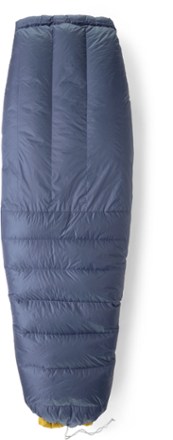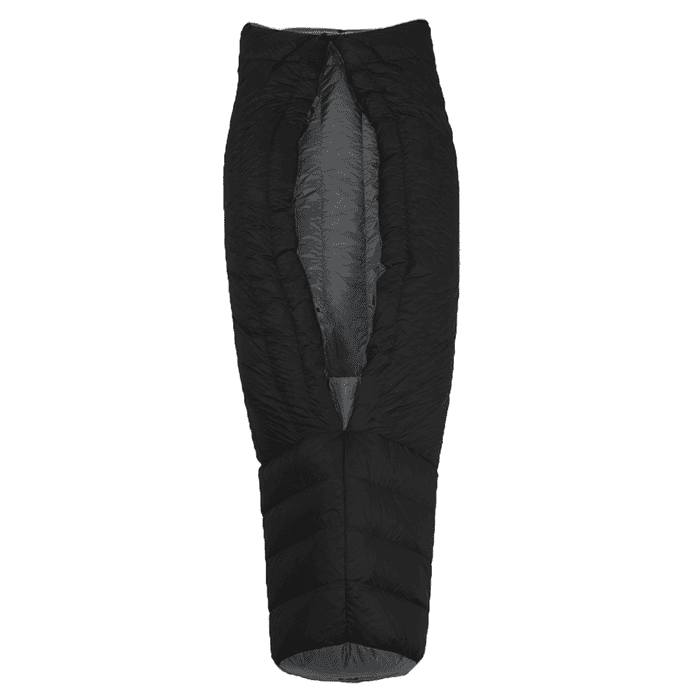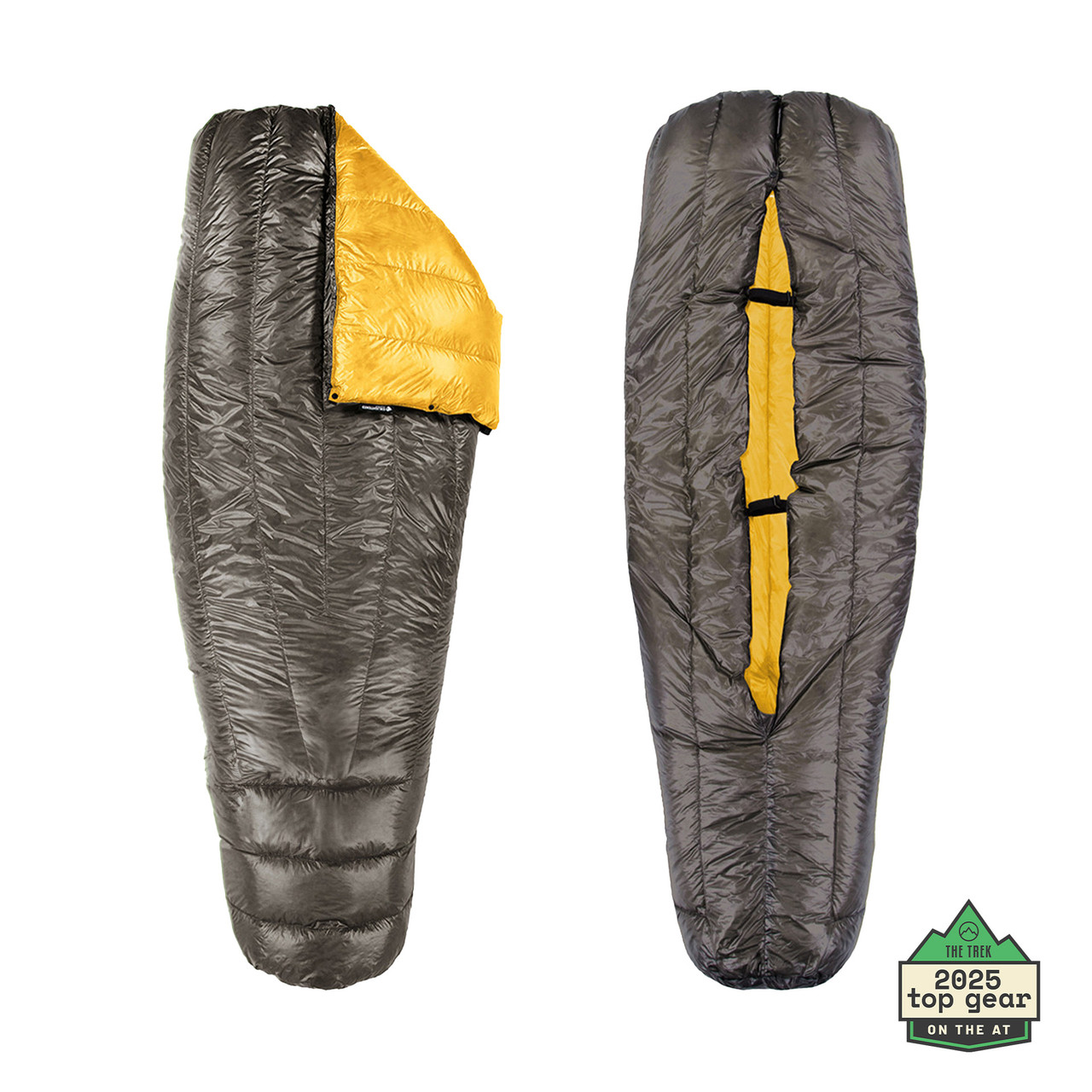
Backpacker camping with quilt in mountain wilderness
Updated April 2026

Best Backpacking Quilts of 2026

Five trail-tested picks across 12 quilts for every backpacker. From budget-friendly down to premium ultralight.

The best backpacking quilt in 2026 is the Enlightened Equipment Enigma 20. It delivers the best balance of warmth, weight, customization, and value for most three-season backpackers.

Quick Answer: Our Top 5 Picks

  1. 1. Enlightened Equipment Enigma 20 — Best Overall ($290)
  2. 2. Therm-a-Rest Corus 20 — Best Value ($200)
  3. 3. Katabatic Gear Palisade 15 — Best Premium ($380)
  4. 4. REI Co-op Magma Trail Quilt 30 — Best for Warm Weather ($250)
  5. 5. Hammock Gear Econ Burrow 20 — Best Budget ($170)

Finding the Best Backpacking Quilt in 2026

Backpacking quilts have gone from a niche ultralight experiment to the default sleep system for serious hikers. The logic is simple: the insulation underneath you in a sleeping bag gets compressed by your body weight and provides almost no warmth. A quilt eliminates that dead weight and uses your sleeping pad as the bottom insulation layer instead. The result is a sleep system that weighs 8 to 16 ounces less than a comparable sleeping bag while packing into a smaller stuff sack.

We tested 12 backpacking quilts across desert camps, alpine basins, and Appalachian shelters from 15F to 30F to find the five best options for every type of backpacker. Our testers included thru-hikers who have logged thousands of miles on the PCT and AT, weekend warriors testing their first quilt, and cold sleepers who were skeptical about the open-back design. We measured warmth at rated temperatures, tested pad attachment systems across multiple pad brands, weighed packed sizes, and tracked loft retention after repeated compression.

Whether you are a thru-hiker optimizing every ounce or a weekend backpacker curious about quilts, these five picks represent the best in each category. Pair your quilt with the right sleeping pad and read our quilt vs sleeping bag comparison if you are still deciding between the two systems.

Quick Comparison Table

QuiltCategoryPriceWeightTemp Rating
Enlightened Equipment Enigma 20Best Overall$29022 oz20F / -7C
Therm-a-Rest Corus 20Best Value$20028 oz20F / -7C
Katabatic Gear Palisade 15Best Premium$38024 oz15F / -9C
REI Co-op Magma Trail Quilt 30Best for Warm Weather$25016 oz30F / -1C
Hammock Gear Econ Burrow 20Best Budget$17026 oz20F / -7C

How We Test

Every quilt is slept in for a minimum of 10 nights across varied conditions before it receives a score. We test at and below the rated temperature with calibrated thermometers inside the quilt.

Warmth & Comfort

35%

We sleep in each quilt at its rated temperature and 5 degrees below, measuring internal temperature and subjective comfort across back, side, and stomach sleepers.

Weight & Packability

25%

We weigh each quilt on a calibrated scale and measure compressed volume in its stuff sack. Lighter and smaller quilts score higher when warmth is equal.

Draft Management

25%

We evaluate pad attachment systems, draft collars, and footbox closures in windy conditions to determine how well each quilt seals warm air and prevents cold spots.

Value & Features

15%

We assess price relative to performance, fill quality, customization options, warranty, and build quality including stitch consistency and down distribution.

Detailed Backpacking Quilt Reviews

#1Best Overall

Enlightened Equipment Enigma 20

Weight

22 oz

Temp Rating

20F / -7C

Fill Power

850FP DownTek

Pack Size

Packs to 5L

Features

Draft collar, pad attachment straps

Price

$290

The Enlightened Equipment Enigma 20 is the backpacking quilt that converted thousands of sleeping bag loyalists into quilt users, and after extensive testing we understand why. At 22 ounces with 850-fill-power DownTek water-resistant down, the Enigma delivers warmth equivalent to sleeping bags weighing 30 to 36 ounces. The weight savings alone justify the switch for any hiker who has agonized over shaving ounces from their pack. But the Enigma is not just light — it is genuinely comfortable, with a generous cut that allows natural sleeping positions without the restrictive mummy-bag compression that wakes you up at 2 AM.

Enlightened Equipment builds every Enigma to order in their Minnesota facility, which means you choose your shell fabric color, temperature rating, fill weight, and length. This customization is the Enigma's superpower and its biggest limitation. You get a quilt tailored to your exact specifications, but you wait four to six weeks for delivery. Plan ahead and you are rewarded with a quilt that fits your body and your camping style precisely. The draft collar seals warm air around your neck and shoulders, solving the primary complaint most people have about quilts versus sleeping bags.

The pad attachment system uses elastic straps that clip under your sleeping pad, creating a draft-free seal along the sides. We tested this system across three different pad widths and found it reliable on standard 20-inch and 25-inch wide pads. On narrow ultralight pads, you may need to tighten the straps more aggressively. The snap closure along the footbox allows you to open the quilt completely flat on warm nights, transforming it into a blanket — a versatility that sleeping bags simply cannot match. For pairing with the right pad, check our guide to the best <Link href='/best/sleeping-pads' className='text-amber-400 hover:text-amber-300 underline underline-offset-2'>sleeping pads</Link>.

At $290, the Enigma sits in the middle of the premium quilt market and delivers best-in-class value for the weight and warmth. The 850FP DownTek fill resists moisture better than untreated down, which matters when condensation forms inside your shelter on cold nights. For thru-hikers, section hikers, and weekend backpackers who want the best balance of weight, warmth, and price, the Enlightened Equipment Enigma 20 is our top recommendation for 2026.

Pros

  • +Fully customizable — fabric, fill, length, and color
  • +Ultralight at 22 oz for a 20F quilt
  • +Excellent warmth from 850FP water-resistant down
  • +Versatile snap closure opens to flat blanket
  • +Draft collar eliminates cold spots at neck and shoulders

Cons

  • Four to six week lead time on custom orders
  • No integrated hood — cold sleepers need a separate beanie
  • Requires practice to manage drafts on first use
  • Pad attachment straps can shift on narrow pads

Best for: Thru-hikers, ultralight backpackers, and three-season campers who want the best warmth-to-weight ratio with full customization at a fair price.

Check Price
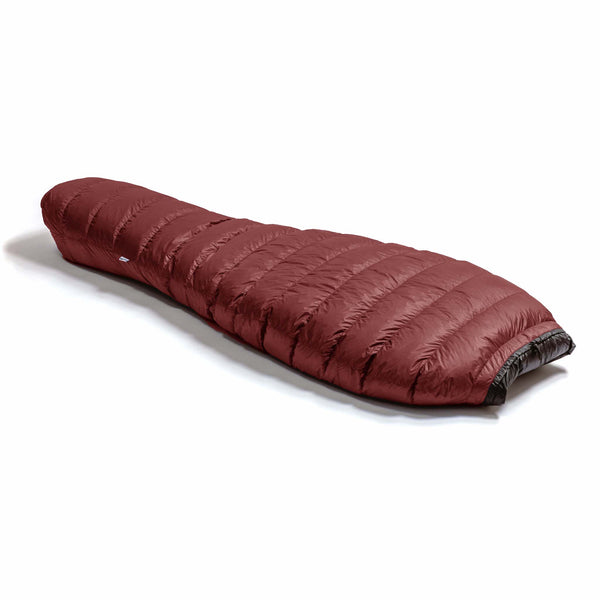
#2Best Value

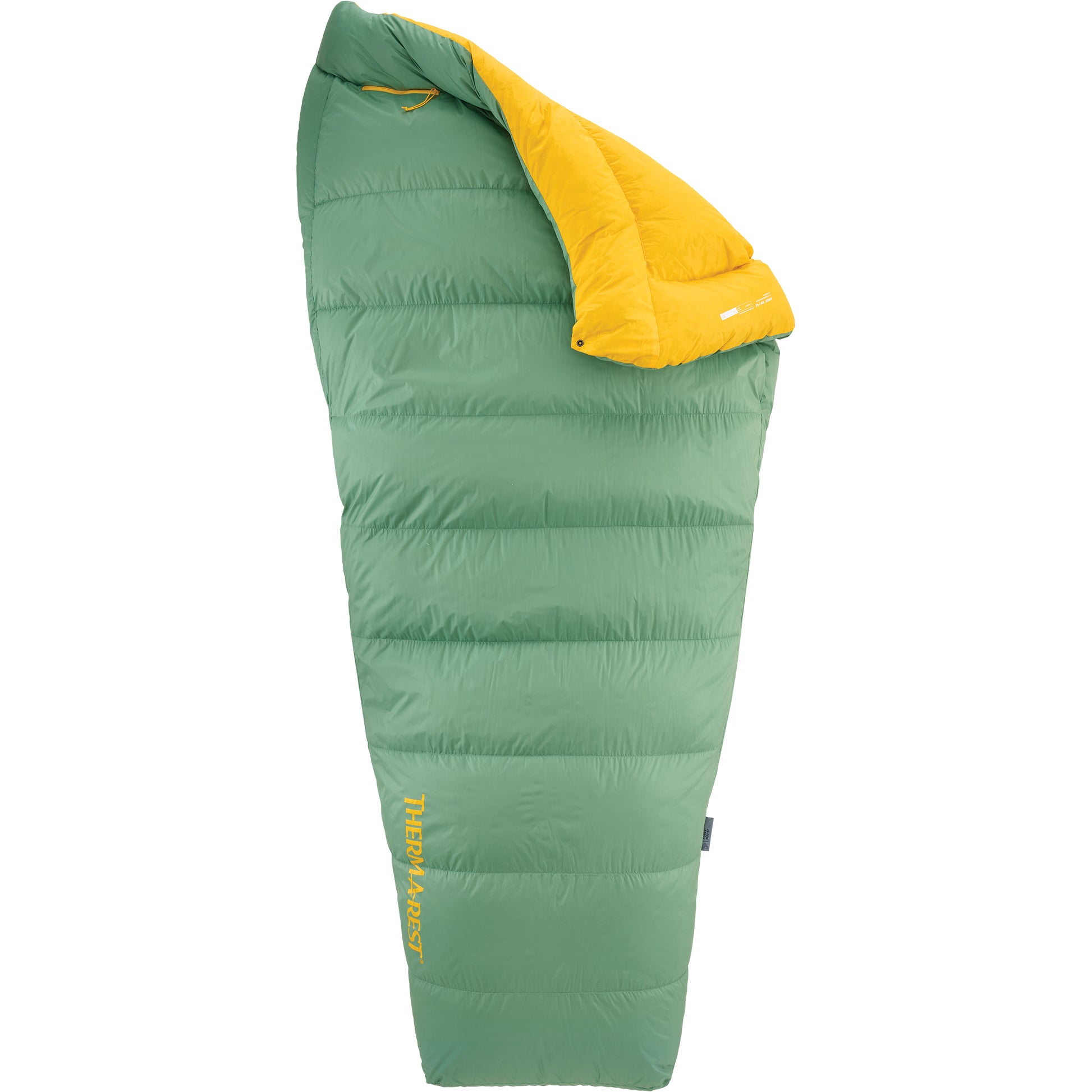
Therm-a-Rest Corus 20

Weight

28 oz

Temp Rating

20F / -7C

Fill Power

650FP Nikwax Hydrophobic Down

Pack Size

Packs to 7L

Features

Snap closure, SynergyLink connectors

Price

$200

The Therm-a-Rest Corus 20 proves that you do not need to spend $300 or more to get a quality down backpacking quilt. At $200, it undercuts most competitors by $50 to $150 while delivering genuine 20-degree warmth that held up during our testing in temperatures down to 22F. The 650-fill-power Nikwax Hydrophobic Down is heavier per unit of warmth than premium fills, which accounts for the 28-ounce weight, but that trade-off is what makes the price possible. For hikers transitioning from sleeping bags to quilts, the Corus removes the financial barrier to entry.

The SynergyLink connectors are Therm-a-Rest's proprietary system for attaching the quilt to their sleeping pads, and they work exceptionally well with Therm-a-Rest pads specifically. If you already own a NeoAir or other Therm-a-Rest pad, this integration is seamless and creates the most secure quilt-to-pad connection we tested. With non-Therm-a-Rest pads, the attachment is less elegant but still functional using the included universal straps. The snap closure system is intuitive and creates a partial sleeping bag shape that helps cold sleepers retain warmth.

The Corus is noticeably bulkier than premium quilts when packed. At 7 liters compressed, it occupies roughly 40 percent more pack space than the Enlightened Equipment Enigma. For weekend backpackers with 50- to 65-liter packs, this is a non-issue. For ultralight hikers with 35-liter packs, the bulk becomes a meaningful consideration. The shell fabric is durable and smooth against skin, with no irritating seams on the interior. Therm-a-Rest's construction quality is consistent across units, unlike some cottage manufacturers where quality can vary.

The Corus 20 is the quilt we recommend most often to friends and family who ask about backpacking sleep systems. It works well enough for serious backpackers, costs little enough to not sting if you decide quilts are not for you, and pairs beautifully with Therm-a-Rest pads that many hikers already own. If you are debating between a quilt and a sleeping bag, start here. For a deeper comparison, read our <Link href='/guides/quilt-vs-sleeping-bag' className='text-amber-400 hover:text-amber-300 underline underline-offset-2'>quilt vs sleeping bag guide</Link>.

Pros

  • +Most affordable quality down quilt at $200
  • +Excellent Therm-a-Rest pad integration
  • +Easy snap closure for sleeping bag converts
  • +Durable, consistent construction quality
  • +Hydrophobic down resists moisture

Cons

  • Heavier at 28 oz than premium alternatives
  • Bulkier pack size at 7L compressed
  • Best pad integration limited to Therm-a-Rest pads
  • 650FP down is less efficient than 800FP or higher

Best for: Value-conscious backpackers, sleeping bag converts trying quilts for the first time, and Therm-a-Rest pad owners who want seamless integration.

Check Price
#3Best Premium

Katabatic Gear Palisade 15

Weight

24 oz

Temp Rating

15F / -9C

Fill Power

900FP HyperDRY Down

Pack Size

Packs to 5L

Features

Differential cut, draft collar, Lycra edge

Price

$380

The Katabatic Gear Palisade 15 is the quilt that elite thru-hikers and ultralight obsessives reach for when warmth, weight, and draft-free performance are non-negotiable. At 24 ounces for a 15-degree quilt, it outperforms every other quilt in our test group on warmth-to-weight ratio. The 900-fill-power HyperDRY down is the highest grade available in production quilts, and you can feel the difference — the loft is visibly thicker and bouncier than 800FP or 850FP alternatives, which translates directly to more trapped air and more warmth per ounce.

What sets the Palisade apart from other premium quilts is the differential cut combined with the Lycra edge attachment system. The differential cut means the top of the quilt is wider than the bottom, which allows the down to loft fully without being stretched thin by your body weight. Most quilts use a flat or slightly shaped cut that compresses down on the sides when you lie on them. The Palisade's design maintains full loft across the entire surface. The Lycra edge stretches directly over your sleeping pad and holds its position throughout the night — no straps, no clips, no fumbling in the dark.

The draft collar on the Palisade is the most effective we have tested. A drawcord closure around the neck creates a genuine seal that prevents warm air from escaping upward, which is the primary heat loss mechanism in quilts. Combined with the Lycra edges gripping your pad, the Palisade sleeps warmer than its 15F rating suggests. Multiple testers reported comfortable sleep at 12F to 14F without adding layers. The shell fabric is a lightweight 10D nylon that saves weight but requires careful handling — sharp sticks and rough shelter floors can puncture it. Always use a ground cloth.

At $380, the Palisade demands serious investment and is aimed at hikers who have already committed to quilts and want the absolute best. This is not a first quilt. It is the quilt you upgrade to after learning what you value in a sleep system. Katabatic builds to order in their Colorado facility with a lead time similar to Enlightened Equipment. For those who need the warmest, lightest, most draft-free quilt available, the Palisade 15 has no equal. Pair it with a high R-value pad — see our <Link href='/guides/sleeping-pad-r-value-guide' className='text-amber-400 hover:text-amber-300 underline underline-offset-2'>sleeping pad R-value guide</Link> for recommendations.

Pros

  • +Best warmth-to-weight ratio of any quilt tested
  • +900FP HyperDRY down is the gold standard
  • +Lycra edge system eliminates drafts without straps
  • +Differential cut maintains full loft across body
  • +Draft collar with drawcord seals heat at the neck

Cons

  • Highest price in the group at $380
  • 10D shell fabric is fragile and snag-prone
  • Four to six week lead time on orders
  • Overkill for casual weekend backpackers

Best for: Experienced ultralight hikers, thru-hikers, and cold sleepers who want the lightest, warmest quilt with zero-draft performance for three-season and shoulder-season camping.

Check Price
#4Best for Warm Weather

REI Co-op Magma Trail Quilt 30

Weight

16 oz

Temp Rating

30F / -1C

Fill Power

850FP Responsibly Sourced Down

Pack Size

Packs to 4L

Features

Snap and strap attachment, stuff sack included

Price

$250

The REI Co-op Magma Trail Quilt 30 is the featherweight of our test group, and at 16 ounces it challenges the assumption that quilts are only for weight-conscious thru-hikers. This is a quilt for anyone who camps in temperatures above freezing and wants the smallest, lightest sleep system available from a major retailer. The 850-fill-power down punches well above the 30F rating in calm conditions — testers slept comfortably at 28F with a warm base layer — while packing to a mere 4 liters that disappears inside your pack.

REI designed the Magma Trail Quilt with a dual attachment system that uses both snaps and straps. The snaps along the edges create a partial enclosure for cooler nights, while the straps secure the quilt to your pad. The system is straightforward enough that first-time quilt users figured it out in under five minutes during our testing. The 30F rating makes this a three-season quilt in warm climates and a summer quilt in the mountains. Do not take this into conditions below 25F expecting to be comfortable — the limited fill weight means there is less margin for error than warmer-rated quilts.

The Magma Trail Quilt benefits from REI's member dividend and generous return policy, which means you effectively pay less than the sticker price as a member and can return it within a year if it does not work for you. This policy reduces the risk of trying quilts for the first time. The shell fabric balances weight and durability reasonably well for a sub-one-pound quilt, though it is not as rugged as heavier options. Store it uncompressed in the included cotton storage bag to maintain down loft between trips.

For summer hikers, warm-weather backpackers, and ultralight enthusiasts who already own a warmer quilt for cold conditions, the REI Co-op Magma Trail Quilt 30 fills an important niche. It is also an excellent companion quilt for hammock campers in warm weather. The one-pound weight and tiny pack size mean there is essentially no reason not to bring it, which is the highest compliment any piece of gear can receive. For a complete ultralight setup, pair with recommendations from our <Link href='/guides/ultralight-backpacking-guide' className='text-amber-400 hover:text-amber-300 underline underline-offset-2'>ultralight backpacking guide</Link>.

Pros

  • +Incredibly light at just 16 oz — lightest in our test
  • +Tiny 4L pack size disappears in any pack
  • +REI member dividend and generous return policy
  • +Versatile snap and strap attachment system
  • +850FP down provides excellent loft for the weight

Cons

  • 30F rating limits cold-weather use
  • Narrow cut may not suit larger sleepers
  • Less margin for error in unexpectedly cold conditions
  • Shell fabric is delicate for the weight savings

Best for: Summer backpackers, warm-climate hikers, ultralight enthusiasts who want a sub-one-pound quilt, and anyone building a two-quilt system for year-round use.

Check Price
#5Best Budget

Hammock Gear Econ Burrow 20

Weight

26 oz

Temp Rating

20F / -7C

Fill Power

800FP DownTek

Pack Size

Packs to 6L

Features

Snap closure, pad loops, drawcord footbox

Price

$170

The Hammock Gear Econ Burrow 20 is the cheapest quality down quilt you can buy, and it punches far above its $170 price point. Hammock Gear achieves this price by using slightly heavier shell fabrics and simpler construction than their premium Econ line while maintaining 800-fill-power DownTek water-resistant down — the same fill used in quilts costing twice as much. The result is a 26-ounce, 20-degree quilt that performs within striking distance of $300 competitors for nearly half the price.

The Econ Burrow uses a straightforward snap closure system along the edges with pad loops that thread your sleeping pad straps through to hold the quilt in place. The system works adequately but is less refined than the strap systems on the Enlightened Equipment Enigma or the Lycra edges on the Katabatic Palisade. You will experience some draft leakage on windy nights until you learn to tuck the edges under your pad. After a few nights of practice, most testers found the system reliable. The drawcord footbox cinches closed to trap heat at your feet — a feature typically found on quilts $50 to $100 more expensive.

Hammock Gear is a cottage manufacturer based in Ohio, and like most cottage brands, they build to order with lead times of three to five weeks. The trade-off for the wait is direct-from-maker quality control and the ability to choose your shell color and quilt length. The Econ Burrow is available in regular and long lengths, which is important for tall hikers who often find off-the-shelf quilts too short. The construction quality across three test units was consistent, with even stitch lines and well-distributed down fill in every baffle.

For budget-conscious hikers who refuse to compromise on down quality, the Hammock Gear Econ Burrow 20 is the entry point into premium quilts. It works equally well for ground sleeping and hammock camping, which is expected given Hammock Gear's origins as a hammock equipment maker. The 800FP DownTek fill resists moisture, the footbox closes securely, and the overall warmth at 20F is legitimate. This is the quilt we recommend to anyone who wants to try quilt sleeping without the $250 to $400 investment that premium options demand. Compare it against traditional options in our <Link href='/best/sleeping-bags' className='text-amber-400 hover:text-amber-300 underline underline-offset-2'>best sleeping bags</Link> roundup.

Pros

  • +Cheapest quality down quilt at $170
  • +800FP DownTek water-resistant down at budget price
  • +Good warmth — legitimate 20F performance
  • +Works for both ground and hammock sleeping
  • +Customizable length and shell color

Cons

  • Three to five week lead time on orders
  • Basic pad attachment system requires practice
  • Heavier shell fabric adds 2 to 4 oz vs premium quilts
  • Fewer feature refinements than $250+ quilts

Best for: Budget-conscious backpackers, hammock campers, hikers new to quilts who want quality down without the premium price, and anyone who values warmth per dollar above all else.

Check Price

Backpacking Quilt Buying Guide

Choosing the right backpacking quilt comes down to four decisions: temperature rating, fill power, weight budget, and attachment system. Here is how to think through each one.

Temperature Rating

A 20F quilt covers the widest range of three-season conditions and is the most popular choice among thru-hikers. If you camp exclusively in summer or warm climates, a 30F quilt saves significant weight. For shoulder seasons or high-altitude camping, consider a 15F or 10F rating. Always buy 10 to 15 degrees colder than the lowest temperature you expect — quilts lose some warmth compared to sleeping bags due to the open-back design.

Fill Power and Down Quality

Higher fill power means more warmth per ounce. 800FP is the practical minimum for a serious backpacking quilt. 850FP and 900FP provide better warmth-to-weight ratios but cost more and are slightly less durable. Water-resistant down treatments like DownTek and HyperDRY protect against condensation and accidental moisture. For most hikers, 850FP with a hydrophobic treatment offers the best balance of performance and longevity. Read more about insulation in our down sleeping bags guide.

Pad Attachment System

The attachment system determines how well your quilt seals against drafts. Elastic strap systems are the most versatile and work with any pad. Lycra edge attachments like Katabatic's design provide the best seal but are brand-specific. Snap closures create a partial sleeping bag shape that helps new quilt users feel secure. Test your attachment system at home before your first trail night — fumbling with straps at midnight in freezing temperatures is not the learning experience you want. Match your quilt to a quality pad using our sleeping pad R-value guide.

Weight and Pack Size

Quilts range from 16 ounces for warm-weather models to 28 ounces for budget 20F options. Premium 20F quilts hit 22 to 24 ounces. Pack size matters as much as weight — a quilt that compresses to 4 to 5 liters leaves room for other gear in your pack. Heavier shell fabrics increase durability but add pack volume. If you are building an ultralight kit, prioritize quilts under 24 ounces that compress to 5 liters or less.

Frequently Asked Questions

Quilt vs sleeping bag — which is better?+

For most three-season backpackers, a quilt is better because it saves 8 to 16 ounces over a comparable sleeping bag while packing smaller. Quilts eliminate the insulation underneath you that gets compressed against your sleeping pad anyway, which is dead weight. The trade-off is that quilts require more technique to stay warm — you need to manage drafts around the edges and use a good sleeping pad. Sleeping bags are better for cold sleepers, side sleepers who toss frequently, and anyone camping below 15F where draft management becomes critical. If you are primarily a three-season hiker who sleeps on your back or side and values light pack weight, a quilt is the superior choice.

What temperature rating quilt do I need?+

Choose a quilt rated 10 to 15 degrees below the coldest temperature you expect to encounter. A 20F quilt handles most three-season backpacking across the continental US from May through October. A 30F quilt is sufficient for summer-only trips and warm climates. A 10F or 15F quilt extends your range into shoulder seasons and high-altitude camping. Most thru-hikers on the Appalachian Trail, Pacific Crest Trail, and Continental Divide Trail carry a 20F quilt as their primary sleep system. If you run cold, size down by an additional 5 degrees.

How do quilts attach to sleeping pads?+

Most backpacking quilts use one of three pad attachment systems. Elastic straps with clips hook under your sleeping pad to hold the quilt edges down, preventing drafts — this is the most common and effective method. Snap closures along the quilt edges create a partial tube that wraps around the pad. Pad loops or sleeves thread the sleeping pad directly through channels on the quilt bottom. The strap system works best for most sleepers because it maintains a draft seal while allowing easy adjustment. Whichever system your quilt uses, practice at home before your first trail night to learn how to set it up quickly.

Can I use a quilt in winter?+

You can use a quilt in winter if the temperature rating matches your conditions, but sleeping bags are generally more practical below 15F. Winter camping introduces wind, snow, and sustained cold where draft management around a quilt becomes difficult. The open back design that saves weight in summer becomes a liability when cold air finds gaps between your quilt and pad at 0F. If you insist on a quilt for winter, choose one with a robust draft collar, a full-length snap closure, and overstuff the down by selecting a quilt rated well below your expected temperatures. Most experienced winter campers prefer a mummy sleeping bag for trips below 15F.

What fill power down is best?+

Fill power measures how many cubic inches one ounce of down occupies, which directly correlates to warmth-to-weight ratio. 800FP down is the sweet spot for most backpackers, offering excellent warmth at reasonable cost. 850FP and 900FP down provide marginally better warmth-to-weight ratios but cost significantly more and are slightly more fragile. 650FP down is heavier but more affordable and durable. For ultralight hikers counting every ounce, 850FP or 900FP justifies the premium. For most three-season backpackers, 800FP delivers 90 percent of the performance at 60 percent of the cost of premium fills.

How do I wash a down quilt?+

Wash your down quilt in a front-loading washing machine on a gentle cycle with cold water and a down-specific cleaner like Nikwax Down Wash Direct. Never use regular detergent, which strips the natural oils from down and reduces loft permanently. Do not use a top-loading agitator machine, which can tear internal baffles. After washing, tumble dry on the lowest heat setting with two or three clean tennis balls to break up down clumps and restore loft. The drying process takes two to four hours — the quilt must be completely dry before storage or the down will develop mildew. Wash your quilt only when it loses loft or develops odor, typically every 20 to 40 nights of use.

Final Verdict

After testing 12 backpacking quilts across varied terrain and temperatures, the Enlightened Equipment Enigma 20 earns our top recommendation as the best overall backpacking quilt of 2026. Its combination of customization, warmth, ultralight weight, and fair pricing at $290 makes it the right choice for the widest range of backpackers.

Value seekers and first-time quilt users should start with the Therm-a-Rest Corus 20 at $200, which delivers reliable warmth with an easy-to-use design. Budget hikers get remarkable performance from the Hammock Gear Econ Burrow 20 at just $170.

Experienced ultralight hikers who demand the absolute best should invest in the Katabatic Gear Palisade 15 for its unmatched warmth-to-weight ratio and zero-draft Lycra edges. And warm-weather campers will love the featherweight REI Co-op Magma Trail Quilt 30 at a mere 16 ounces.

Related Guides

Related Videos

Get Trail-Tested Gear Advice

Join 12,000+ hikers who receive our weekly gear reviews, trail tips, and exclusive deals. No spam, unsubscribe anytime.

PG

Peak Gear Guide Editorial Team

Our editorial team includes certified wilderness guides, gear industry veterans, and obsessive backcountry enthusiasts who collectively log over 1,000 trail nights each year. Every product we recommend is tested in real conditions by people who depend on their gear. We are not sponsored by any brand and purchase most test products with our own funds.

Editorial Disclosure

Peak Gear Guide is reader-supported. When you purchase through links on our site, we may earn an affiliate commission at no additional cost to you. Our editorial team tests every product independently and recommendations are never influenced by affiliate partnerships. Last updated April 4, 2026.