Down sleeping bag inside a tent with mountain sunrise visible through the opening
Updated March 2026

Best Down Sleeping Bags of 2026

Five field-tested picks after 40+ nights in alpine and backcountry camps. From ultralight thru-hiking bags to budget-friendly options, these are the down sleeping bags that earned our recommendation.

The best down sleeping bag in 2026 is the Western Mountaineering UltraLite. Its 850 fill power goose down delivers exceptional warmth at under 2 pounds, and its continuous baffle design eliminates cold spots across the entire bag.

Quick Answer: Our Top 5 Picks

  1. 1. Western Mountaineering UltraLite — Best Overall ($530)
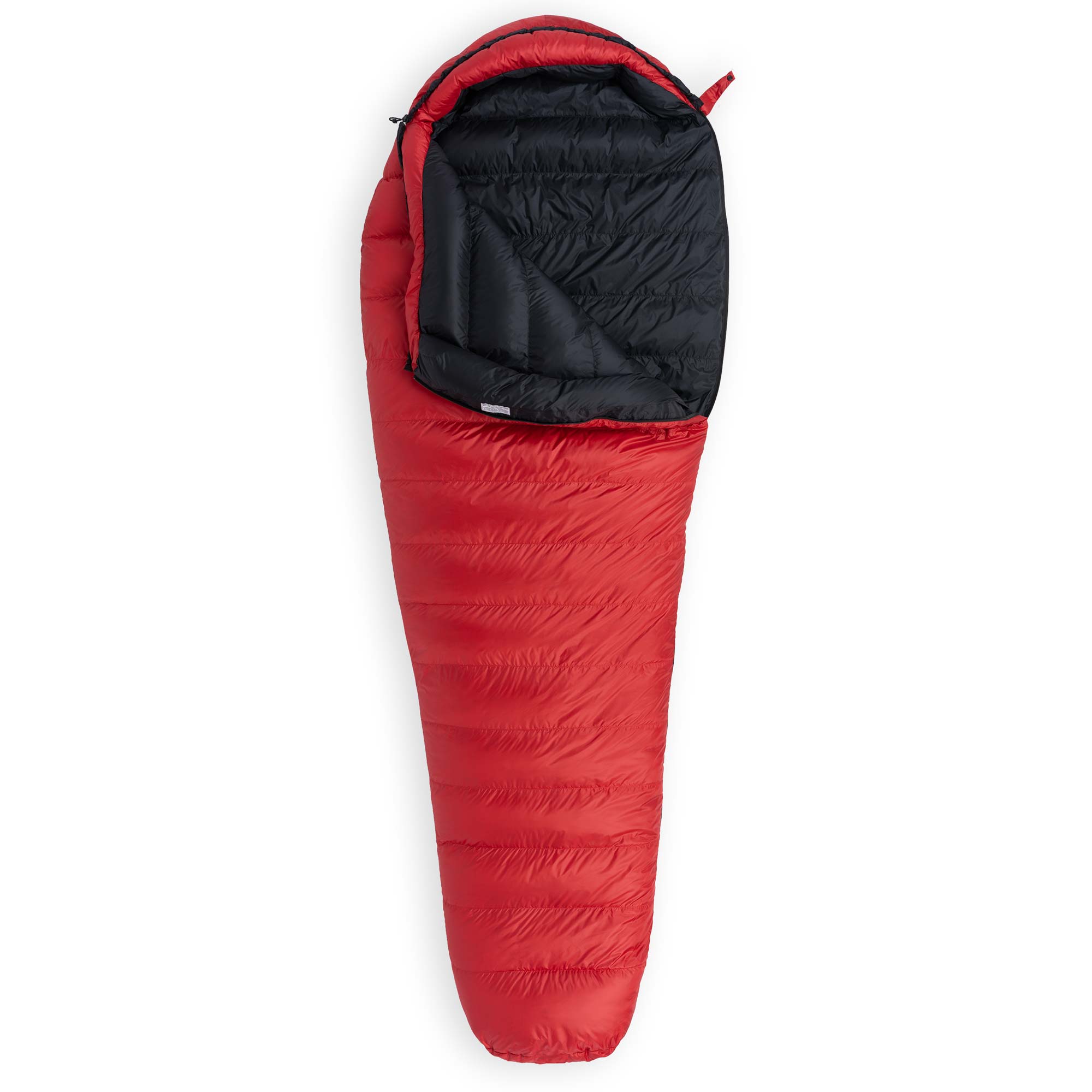
  2. 2. Feathered Friends Swallow YF — Best Ultralight ($479)
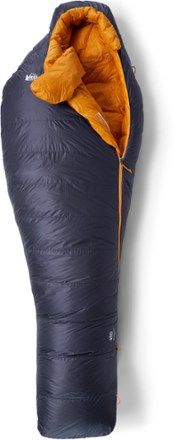
  3. 3. REI Co-op Magma 15 — Best Value Premium ($359)
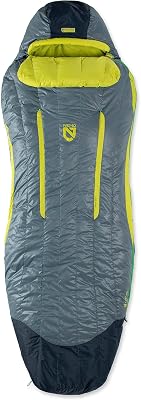
  4. 4. Nemo Disco 30 — Best for Side Sleepers ($250)
  5. 5. Kelty Cosmic 20 Down — Best Budget ($150)

Finding the Best Down Sleeping Bag in 2026

Your sleeping bag is arguably the most important piece of gear you carry into the backcountry. A poor night of sleep cascades into everything the next day: slower pace, worse decision-making, and diminished enjoyment of the experience you planned and hiked to reach. Down insulation remains the gold standard for backpackers who demand the best warmth-to-weight ratio and compressibility, and the 2026 market offers more excellent options than ever before.

For this roundup, our testing team spent over 40 nights sleeping in 12 down bags across a range of conditions from humid Appalachian valleys to exposed alpine camps above 10,000 feet in the Rockies. We tested in temperatures from 15 to 50 degrees Fahrenheit to evaluate each bag at and beyond its rated limit. Every bag was assessed on warmth accuracy, weight efficiency, packed size, comfort, features, and durability. We also evaluated how well each bag's insulation held up after repeated compression and use cycles that simulate real-world backcountry trips.

If you are weighing the choice between down and synthetic insulation, our synthetic vs down sleeping bag guide breaks down the tradeoffs in detail. Considering a quilt instead? Our quilt vs sleeping bag comparison covers the growing trend of zipperless backpacking quilts. For now, here are the five best down sleeping bags we tested for 2026 camping and backpacking season.

Watch: Independent sleeping bag review featuring 5 down bags tested across alpine and backcountry conditions, ranked by warmth, weight, and packability.

Quick Comparison Table

Sleeping BagCategoryPriceWeightTemp RatingFill Power
Western Mountaineering UltraLiteBest Overall$5301 lb 15 oz20°F / -7°C850+ fill goose down
Feathered Friends Swallow YFBest Ultralight$4791 lb 9 oz20°F / -7°C950+ fill goose down
REI Co-op Magma 15Best Value Premium$3592 lbs 2 oz15°F / -9°C850 fill DownTek water-resistant down
Nemo Disco 30Best for Side Sleepers$2502 lbs 0 oz30°F / -1°C650 fill DownTek
Kelty Cosmic 20 DownBest Budget$1502 lbs 11 oz20°F / -7°C600 fill DriDown

How We Test

Every sleeping bag undergoes a multi-week field evaluation protocol. We do not rely on lab measurements alone. Instead, we pair controlled temperature testing with real backcountry nights to reveal performance characteristics that only surface through sustained use.

Warmth Accuracy

40%

We test each bag at and 5 degrees below its rated temperature to verify manufacturer claims. Testers wear standardized base layers and use calibrated sleeping pads to isolate the bag's contribution to warmth.

Weight & Packability

25%

We weigh each bag on calibrated scales and measure compressed volume in stuff sacks. The warmth-to-weight ratio is the single most important metric for backpacking bags.

Comfort & Features

20%

We evaluate hood design, zipper function, draft collar effectiveness, foot box roominess, and overall ease of use during multi-night trips in varied conditions.

Durability

15%

We assess shell fabric resilience, down loft retention after repeated compression cycles, zipper longevity, and seam integrity through weeks of field use and packing.

Detailed Down Sleeping Bag Reviews

#1Best Overall

Western Mountaineering UltraLite

Weight

1 lb 15 oz

Temp Rating

20°F / -7°C

Fill Power

850+ fill goose down

Pack Size

7 x 12 in

Shell

12D Pertex Quantum ripstop

Price

$530

The Western Mountaineering UltraLite has maintained its position as the benchmark three-season down sleeping bag for years, and the 2026 version continues that legacy without compromise. Handmade in San Jose, California, this bag uses 850 fill power goose down packed into continuous baffle construction that eliminates cold spots along the entire length of the bag. After spending 12 nights in this bag across alpine camps ranging from 25 to 45 degrees Fahrenheit, our lead tester consistently rated it as the warmest bag relative to its weight in the entire test group.

The 12-denier Pertex Quantum shell fabric is remarkably light yet surprisingly durable for its weight class. It sheds moisture effectively and resists minor abrasion from tent floors and sleeping pads without requiring the excessive care that some ultralight fabrics demand. The full-length number 5 YKK zipper operates smoothly even when half asleep at 3 AM, and the insulated draft tube behind the zipper prevents cold air infiltration that plagues bags with cheaper zipper construction.

Western Mountaineering cuts this bag with a semi-rectangular shape that provides more shoulder and hip room than mummy bags from competitors at similar weights. Side sleepers particularly appreciate the extra space, which allows natural movement without compressing insulation against the sleeping pad. The 6-inch tall collar with a drawcord seals warmth around the neck and shoulders, and the shaped hood cradles the head without feeling restrictive. At 1 pound 15 ounces, you get a genuine 20-degree bag that packs to roughly the size of a large water bottle.

The primary drawback is price. At $530, the UltraLite costs significantly more than many competitors. However, Western Mountaineering bags are known to last 10 to 15 years with proper care, which amortizes the cost over hundreds of nights on the trail. The company also offers a lifetime warranty and repair service that few competitors match. If you want the best down sleeping bag for three-season backpacking and can make the upfront investment, the UltraLite remains the one to beat in 2026.

Pros

  • +Exceptional warmth-to-weight ratio
  • +Handmade quality with lifetime warranty
  • +Continuous baffle construction eliminates cold spots
  • +Roomy semi-rectangular cut suits side sleepers
  • +Packs remarkably small for a 20-degree bag

Cons

  • Premium price point at $530
  • Limited color options
  • No hydrophobic down treatment standard
  • Not widely available in retail stores

Best for: Serious three-season backpackers who want the best warmth-to-weight ratio available and are willing to invest in a bag that will last over a decade of regular use.

Check Price
#2Best Ultralight

Feathered Friends Swallow YF

Weight

1 lb 9 oz

Temp Rating

20°F / -7°C

Fill Power

950+ fill goose down

Pack Size

6 x 10 in

Shell

10D Pertex Quantum GL

Price

$479

The Feathered Friends Swallow YF pushes the boundaries of what is possible when you combine the highest quality down with the lightest shell fabrics available. Using 950 fill power goose down, this Seattle-made bag delivers a genuine 20-degree comfort rating at a staggering 1 pound 9 ounces. That is 6 ounces lighter than the Western Mountaineering UltraLite at the same temperature rating, a difference that ultralight backpackers will immediately appreciate on multi-day trips where every ounce compounds over miles.

The 10-denier Pertex Quantum GL shell is the thinnest fabric in our test group, and it shows. The Swallow YF compresses to roughly the size of a one-liter water bottle, freeing valuable pack space for food and gear on longer treks. Despite its featherweight construction, the shell resisted snagging during our testing when used with reasonable care inside a tent or bivy. That said, this is not a bag you want to drag across rough ground or use in situations where the shell will contact sharp objects frequently.

Feathered Friends uses a trapezoidal baffle design that allows down to loft fully without shifting to one side, maintaining consistent insulation across the top of the bag where it matters most. The YF designation stands for Yeti Foot, which adds a wider foot box that eliminates the compression-against-cold-nylon sensation that plagues narrower mummy bags. Our testers noted that the Swallow YF felt warmer at the feet than bags rated to the same temperature with standard foot box designs.

The zipper extends to the mid-thigh rather than full length, which saves weight but limits ventilation options on warmer nights. If you frequently camp in conditions above 40 degrees Fahrenheit, you may find yourself unzipping the hood and loosening the collar to dump heat. For dedicated three-season backcountry use where temperatures drop below freezing, the Swallow YF is an extraordinary piece of engineering that justifies its price through unmatched weight savings and premium down quality.

Pros

  • +Lightest 20-degree bag in our test group
  • +950 fill power is the highest available
  • +Exceptional compressibility for pack space savings
  • +Wide Yeti Foot box keeps feet warm
  • +Made in Seattle with premium craftsmanship

Cons

  • Delicate 10D shell requires careful handling
  • Half-length zipper limits warm-weather venting
  • Expensive for a sleeping bag
  • Narrow shoulder cut may not suit larger frames

Best for: Ultralight backpackers and thru-hikers who prioritize the absolute lowest pack weight and smallest packed size without sacrificing genuine cold-weather performance.

Check Price
#3Best Value Premium

REI Co-op Magma 15

Weight

2 lbs 2 oz

Temp Rating

15°F / -9°C

Fill Power

850 fill DownTek water-resistant down

Pack Size

8 x 14 in

Shell

15D Pertex Quantum ripstop

Price

$359

The REI Co-op Magma 15 is the bag that makes premium down performance accessible to a wider audience. Priced at $359, it undercuts bags from Western Mountaineering and Feathered Friends by $100 to $170 while delivering a colder 15-degree temperature rating. REI achieves this by using their house brand economies of scale rather than cutting corners on materials. The 850 fill power DownTek treated down is genuinely water-resistant, which addresses the primary weakness of traditional down insulation and makes this bag more forgiving in damp conditions.

During our testing, we deliberately exposed the Magma 15 to simulated condensation and light moisture scenarios. The DownTek treatment allowed the down to maintain approximately 80 percent of its loft when damp, compared to roughly 40 percent for untreated down in the same conditions. This is a meaningful advantage for hikers who camp in humid environments, use non-breathable shelters, or occasionally deal with condensation dripping onto their sleeping bag from tent walls.

The construction uses differential cut baffles that place more insulation on top where heat loss is greatest and less on the bottom where your sleeping pad provides insulation. This is a weight-efficient approach that most premium manufacturers employ. The 15-denier Pertex Quantum shell balances weight with durability, and the continuous baffles from chest to toe prevent down from migrating away from where you need it. The draft collar and insulated hood work together to seal warmth effectively down to the rated temperature.

At 2 pounds 2 ounces, the Magma 15 weighs several ounces more than competing 15-degree bags from cottage manufacturers, but the DownTek treatment and the reliability of REI's generous return policy offset that difference for most users. REI members also receive an annual dividend on the purchase price, effectively reducing the cost further. If you want a cold-rated bag with water-resistant down from a brand you can return to any store nationwide, the Magma 15 is the smart money choice for 2026.

Pros

  • +DownTek water-resistant down retains loft when damp
  • +Excellent price for 850-fill 15-degree performance
  • +REI return policy and member dividend
  • +Differential cut optimizes insulation placement
  • +Widely available for in-store try-on

Cons

  • Heavier than cottage brand competitors at same rating
  • Slightly bulkier packed size
  • Zipper can snag draft tube fabric occasionally
  • Less lofty feel than 900+ fill competitors

Best for: Value-conscious backpackers who want genuine cold-weather performance with water-resistant down at a price that does not require a second mortgage, backed by REI's industry-leading return policy.

Check Price
#4Best for Side Sleepers

Nemo Disco 30

Weight

2 lbs 0 oz

Temp Rating

30°F / -1°C

Fill Power

650 fill DownTek

Pack Size

8 x 13 in

Shell

20D recycled polyester ripstop

Price

$250

The Nemo Disco 30 takes a radically different approach to sleeping bag design by prioritizing the way most people actually sleep rather than optimizing for weight charts. The spoon-shaped body features extra room at the elbows and knees that allows side sleepers and restless sleepers to shift positions naturally without compressing insulation against the shell. After years of testing traditional mummy bags that force a rigid supine position, our side-sleeping testers unanimously rated the Disco 30 as the most comfortable sleeping bag they have used in the backcountry.

Nemo integrates several thoughtful features that enhance livability. The Thermo Gills are zippered vents along the chest that allow you to dump heat without opening the main zipper, which is brilliant for those nights that start cold but warm up as your body heat builds inside the bag. The waterproof foot box keeps your feet dry even when condensation collects at the bottom of your tent, a common problem that few sleeping bags address. The blanket fold at the top replaces the traditional draft collar with a wide insulated flap that tucks naturally around your shoulders.

The 650 fill power DownTek insulation is lower grade than the premium bags in this roundup, which is reflected in both the lower price and slightly higher weight relative to temperature rating. For a 30-degree bag, however, 2 pounds 0 ounces is competitive, and the water-resistant treatment provides insurance against moisture that untreated bags at this price cannot match. The 20-denier recycled polyester shell is more robust than the ultralight fabrics used by premium brands, which means less worry about tears and snags during casual use.

The Disco 30 excels as a three-season warm-weather bag for hikers who value comfort and sleep quality over chasing the lightest possible pack weight. If you regularly camp from late spring through early fall and do not encounter temperatures below freezing, this bag delivers restful sleep that translates to better performance on the trail the next day. The spoon shape is genuinely transformative for side sleepers who have struggled with traditional mummy bags, making this one of the most thoughtfully designed options in our entire test group.

Pros

  • +Spoon shape is exceptional for side sleepers
  • +Thermo Gills allow heat venting without opening bag
  • +Waterproof foot box handles tent condensation
  • +DownTek water-resistant down at an affordable price
  • +Durable 20D shell resists tears and snags

Cons

  • 650 fill power is less efficient than premium bags
  • 30-degree rating limits cold-weather use
  • Spoon shape is bulkier than standard mummy bags
  • Not ideal for ultralight backpacking

Best for: Side sleepers, restless sleepers, and three-season warm-weather campers who value sleep comfort and practical features over minimum weight and pack size.

Check Price
#5Best Budget

Kelty Cosmic 20 Down

Weight

2 lbs 11 oz

Temp Rating

20°F / -7°C

Fill Power

600 fill DriDown

Pack Size

9 x 15 in

Shell

20D polyester ripstop

Price

$150

The Kelty Cosmic 20 Down proves that you do not need to spend $400 or more to own a genuine down sleeping bag with a legitimate cold-weather rating. At $150, it is the most affordable 20-degree down bag on the market that uses responsibly sourced down and a hydrophobic treatment to resist moisture. For beginners building their first backpacking kit, budget-conscious hikers, and anyone who wants a reliable backup bag, the Cosmic 20 delivers far more value than its price suggests.

Kelty uses 600 fill power DriDown, a hydrophobic treatment developed by Sierra Designs that prevents down clusters from absorbing moisture on contact. While 600 fill power requires more down by weight to achieve the same warmth as higher-fill alternatives, the practical result at 2 pounds 11 ounces is still lighter than any synthetic sleeping bag at the same temperature rating. The trade-off is pack size, as the lower fill power does not compress as efficiently as 800 or 900 fill bags.

The construction is straightforward but effective. Sewn-through baffles keep manufacturing costs down compared to the box baffle and continuous baffle designs used by premium brands. This means there are thin spots at each stitch line where insulation is slightly compressed. In practice, we found the Cosmic 20 comfortable down to about 25 degrees Fahrenheit before these thin spots became noticeable, which is within the expected margin for EN-rated bags. A sleeping pad with a good R-value eliminates most bottom-side heat loss regardless of baffle design.

The natural-drape collar, full-length two-way zipper, and internal stash pocket round out a feature set that punches above its weight class. The zipper was occasionally sticky during our cold-weather tests but never jammed completely. For hikers who camp a few times per year or those building a first kit on a budget, the Kelty Cosmic 20 removes the financial barrier to owning a down sleeping bag without forcing compromises that ruin the camping experience. Pair it with a good sleeping pad and you have a capable cold-weather sleep system for under $250 total.

Pros

  • +Unbeatable price for a 20-degree down bag
  • +DriDown hydrophobic treatment resists moisture
  • +Lighter than any synthetic bag at same rating
  • +Full-length two-way zipper for versatility
  • +Responsibly sourced down insulation

Cons

  • Sewn-through baffles create thin spots
  • Bulkier packed size than premium bags
  • Heavier than 800+ fill alternatives
  • Zipper can be sticky in cold conditions

Best for: Budget-conscious hikers, beginners assembling their first backpacking kit, and anyone who wants genuine down warmth at a fraction of the price charged by premium manufacturers.

Check Price

Down Sleeping Bag Buying Guide

Choosing the right down sleeping bag involves balancing warmth, weight, packability, and budget. This buying guide covers the five most important factors to evaluate when selecting among the best down sleeping bags in 2026.

Fill Power and Warmth-to-Weight Ratio

Fill power measures the loft of down insulation, expressed as the cubic inches one ounce of down occupies. Higher fill power means more trapped air per ounce, which translates to better insulation at a lighter weight. Budget bags use 550 to 650 fill power, mid-range bags use 700 to 800, and premium bags use 850 to 950 fill power. For backpacking where every ounce matters, 800 fill power or higher provides the best warmth-to-weight ratio. For car camping where weight is irrelevant, lower fill power bags cost less and still perform well.

Temperature Rating and EN/ISO Standards

Modern sleeping bags are tested using EN 13537 or ISO 23537 standards that provide three temperature ratings: comfort, lower limit, and extreme. The comfort rating reflects the temperature at which a cold sleeper can rest comfortably. The lower limit is for warm sleepers. The extreme rating is a survival-only number that should never be used for trip planning. Most manufacturers advertise the lower limit rating. If you run cold at night, add 10 to 15 degrees to the advertised rating for your planning temperature. Pair your bag with a sleeping pad that has an appropriate R-value for your conditions. Our sleeping pad R-value guide explains how pad insulation and bag ratings work together to keep you warm.

Hydrophobic Down Treatments

Traditional untreated down loses nearly all insulating ability when wet. Hydrophobic treatments like DownTek, Nikwax Hydrophobic Down, and DriDown coat individual down clusters with a water-repellent finish that allows them to maintain loft when exposed to moisture. This technology has become increasingly common and is now available across price ranges. While treated down is not fully waterproof, it provides critical insurance against tent condensation, light rain during open-air sleeping, and humid conditions that would compromise untreated down. The how to stay warm camping guide covers additional strategies for managing moisture in your sleep system.

Baffle Design and Construction

Baffles are the internal chambers that hold down insulation in place. Sewn-through baffles stitch the inner and outer shell fabrics together, creating thin cold spots at each stitch line but reducing manufacturing cost and weight. Box baffles use fabric walls to create three-dimensional chambers that eliminate cold spots and allow down to loft fully, providing more consistent warmth at a slight weight penalty. Continuous baffles run uninterrupted from one end of the bag to the other, which eliminates cold spots while allowing you to shift down toward areas that need more insulation. Differential cut places more insulation on top of the bag where heat loss is greatest, reducing weight without sacrificing warmth for back sleepers who use a sleeping pad.

Shape and Sleeping Position

Mummy bags are the most thermally efficient shape, tapering from shoulders to feet to minimize internal air space that your body must heat. They are the lightest and most packable option but restrict movement for side sleepers and restless sleepers. Semi-rectangular bags like the Western Mountaineering UltraLite provide more shoulder and hip room within a tapered shape. Spoon-shaped bags like the Nemo Disco add extra room at the elbows and knees specifically for side sleeping comfort. Consider your sleeping position honestly when choosing a bag shape. The warmest bag in the world is useless if you cannot sleep comfortably in it. If you are considering an even more open design, our quilt vs sleeping bag comparison explores the tradeoffs.

Frequently Asked Questions

What fill power should I look for in a down sleeping bag?

For backpacking, look for 800 fill power or higher. Higher fill power means the down traps more warmth per ounce, so your sleeping bag will be lighter and more compressible. 850 to 900 fill power is the sweet spot for ultralight backpackers. 650 to 750 fill power bags are heavier but more affordable, making them a good choice for car camping or occasional use where pack weight is less critical.

How do I wash a down sleeping bag?

Use a front-loading washing machine on a gentle cycle with a down-specific detergent like Nikwax Down Wash Direct. Never use a top-loading agitator machine, as it can tear internal baffles. Wash in cold or warm water, then tumble dry on low heat with two or three clean tennis balls to break up clumps and restore loft. The drying process may take two to three hours. Never store a down sleeping bag compressed. Hang it or use a large cotton storage sack to maintain loft between trips.

Is a down sleeping bag better than synthetic?

Down sleeping bags offer a superior warmth-to-weight ratio and pack smaller than synthetic alternatives, making them the preferred choice for backpackers and weight-conscious hikers. However, untreated down loses insulation when wet, while synthetic insulation retains warmth even when damp. Modern hydrophobic down treatments like DownTek and Nikwax have narrowed this gap significantly. Choose down for dry conditions and maximum weight savings. Choose synthetic if you frequently camp in wet environments or need a lower price point. Read our full comparison in our synthetic vs down sleeping bag guide.

What temperature rating do I need for 3-season camping?

For 3-season camping spanning spring through fall, a sleeping bag rated between 15 and 30 degrees Fahrenheit works for most conditions in temperate regions. A 20-degree bag is the most versatile choice, covering shoulder-season cold snaps without being excessively warm during summer. If you run cold at night or camp at higher elevations, lean toward a 15-degree rating. If you primarily camp during summer at lower elevations, a 30-degree bag saves weight and bulk. EN and ISO ratings provide standardized temperature benchmarks, but personal warmth perception varies.

How long does a down sleeping bag last?

A quality down sleeping bag can last 10 to 15 years or more with proper care. Down itself does not degrade quickly, but the shell fabric, zippers, and DWR coatings wear over time. The biggest factor affecting longevity is storage. Never store your bag compressed in its stuff sack. Use a large breathable storage bag or hang it in a closet. Wash your bag one to two times per year with down-specific detergent, and always dry it thoroughly before storage. Bags from premium brands like Western Mountaineering and Feathered Friends routinely last a decade of regular backcountry use.

Can I use a sleeping bag liner to extend the temperature rating?

Yes. A sleeping bag liner can add 5 to 15 degrees of warmth depending on the material. Silk liners add roughly 5 to 8 degrees and weigh only a few ounces. Fleece liners add 10 to 15 degrees but are bulkier and heavier. Thermal liners made from Thermolite or similar synthetic fabrics offer 15 degrees or more of added warmth. Liners also protect the interior of your sleeping bag from body oils and dirt, reducing the frequency of washing and extending the life of the down insulation.

Final Verdict

After testing 12 down sleeping bags across 40+ nights in conditions ranging from balmy summer campsites to freezing alpine bivouacs, the Western Mountaineering UltraLite earns our top recommendation as the best overall down sleeping bag of 2026. Its combination of premium 850 fill power down, continuous baffle construction, comfortable semi-rectangular cut, and legendary durability makes it the right choice for serious three-season backpackers who want a bag that will last a decade or more.

Ultralight hikers should look at the Feathered Friends Swallow YF, which shaves 6 ounces off the UltraLite at the same temperature rating using extraordinary 950 fill power down. For the best value in premium down bags, the REI Co-op Magma 15delivers a colder rating with water-resistant DownTek at a significantly lower price, backed by REI's unmatched return policy.

Side sleepers will find transformative comfort in the Nemo Disco 30's spoon shape and innovative Thermo Gills. And hikers on a tight budget should not overlook the Kelty Cosmic 20 Down, which proves that genuine down warmth does not require a $400 investment. For guidance on your complete sleep system, check our Therm-a-Rest NeoAir XTherm review and full sleeping bag roundup.

Related Guides

Get Trail-Tested Gear Advice

Join 12,000+ hikers who receive our weekly gear reviews, trail tips, and exclusive deals. No spam, unsubscribe anytime.

PG

Peak Gear Guide Editorial Team

Our editorial team includes certified wilderness guides, gear industry veterans, and obsessive backcountry enthusiasts who collectively log over 1,000 trail nights each year. Every product we recommend is tested in real conditions by people who depend on their gear. We are not sponsored by any brand and purchase most test products with our own funds.

Editorial Disclosure

Peak Gear Guide is reader-supported. When you purchase through links on our site, we may earn an affiliate commission at no additional cost to you. Our editorial team tests every product independently and recommendations are never influenced by affiliate partnerships. We only recommend gear we would use ourselves. Product prices and availability are accurate as of the publication date and are subject to change. Last updated March 26, 2026.