Two-person backpacking tent pitched on a mountain ridge at sunset with panoramic views
Updated March 2026

Best 2-Person Backpacking Tents of 2026

Five trail-tested picks after pitching 14 tents across storms, alpine ridges, and backcountry campsites. From ultralight shelters to spacious basecamp options.

The best 2-person backpacking tent in 2026 is the Big Agnes Copper Spur HV UL2. It delivers the ideal balance of ultralight trail weight, roomy interior space, and fast setup that works for most three-season backpacking conditions.

Quick Answer: Our Top 5 Picks

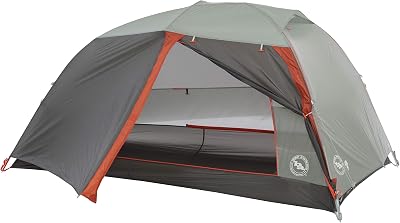
  1. 1. Big Agnes Copper Spur HV UL2 — Best Overall ($500)
  2. 2. MSR Hubba Hubba NX 2 — Best Storm Performance ($480)
  3. 3. NEMO Dagger OSMO 2P — Most Livable ($470)
  4. 4. Durston X-Mid 2 — Best Trekking Pole Tent ($280)
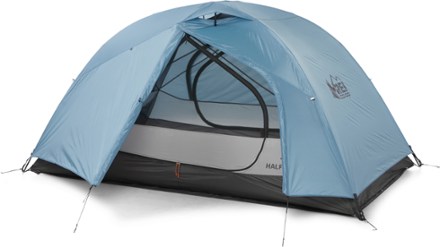
  5. 5. REI Half Dome SL 2+ — Best Value ($329)

Finding the Best 2-Person Backpacking Tent in 2026

Your tent is your home in the backcountry. It protects you from rain, wind, insects, and cold. It is where you recover from hard trail days and where you wait out storms that cancel your hiking plans. Choosing the right two-person backpacking tent means balancing competing priorities: weight against durability, livability against packability, and price against performance. No single tent wins every category, which is why understanding the tradeoffs matters more than chasing any one specification.

For our 2026 roundup, we pitched 14 two-person tents across a range of conditions from calm summer meadows to exposed alpine ridges with 40 mile per hour gusts. We tested in sustained rain, set up in failing light with cold hands, and spent enough nights in each tent to evaluate comfort beyond first impressions. We also measured packed size, assessed condensation management, and timed setup and teardown in standardized conditions. Whether you need an ultralight shelter for a thru-hike or a comfortable weekend basecamp, these five tents represent the best options available this year.

If you are deciding between a solo tent and sharing weight with a partner, our one-person vs two-person tent guide for solo hikers covers the surprising tradeoffs. For car camping with more space and fewer weight concerns, our best camping tents roundup covers larger options. For the full ultralight category, see our best ultralight tents guide.

Watch: Side-by-side comparison of the 5 best 2-person backpacking tents for 2026, tested in wind, rain, and real trail conditions.

Quick Comparison Table

TentCategoryPriceTrail WeightFloor AreaSetup
Big Agnes Copper Spur HV UL2Best Overall$5002 lbs 12 oz29 sq ftFreestanding, hubbed pole
MSR Hubba Hubba NX 2Best Storm Performance$4803 lbs 0 oz29 sq ftFreestanding, dual hubbed poles
NEMO Dagger OSMO 2PMost Livable$4703 lbs 5 oz31 sq ftFreestanding, single hubbed pole with ridge
Durston X-Mid 2Best Trekking Pole Tent$2802 lbs 2 oz32 sq ftNon-freestanding, trekking pole supported
REI Half Dome SL 2+Best Value$3293 lbs 11 oz33.75 sq ftFreestanding, color-coded hubbed poles

How We Test

Every tent in our roundup is evaluated through multi-week field testing designed to reveal real-world performance that cannot be measured in a lab. We pitch each tent in conditions from calm to severe and sleep in it for enough nights to understand livability beyond first impressions.

Weather Protection

35%

We test waterproofing in sustained rain, evaluate wind stability in gusts up to 45 mph, and assess condensation management across temperature ranges from freezing to humid summer nights.

Weight & Packability

25%

We weigh each tent on calibrated scales in trail-ready and packed configurations, and measure compressed volume to determine true pack impact for backpackers.

Livability

25%

We evaluate interior volume, headroom, vestibule utility, door design, ventilation, and overall comfort during multi-day trips with two occupants of varying sizes.

Setup & Durability

15%

We time setup and teardown in calm and adverse conditions, test pole and fabric durability through repeated use cycles, and assess zipper and stake loop reliability.

Detailed 2-Person Tent Reviews

#1Best Overall

Big Agnes Copper Spur HV UL2

Trail Weight

2 lbs 12 oz

Floor Area

29 sq ft

Peak Height

40 in

Vestibules

9 + 9 sq ft

Setup

Freestanding, hubbed pole

Price

$500

The Big Agnes Copper Spur HV UL2 has been the go-to recommendation for two-person backpacking tents for multiple generations, and the current version continues to justify that reputation. At 2 pounds 12 ounces trail weight, it strikes a near-perfect balance between packable weight and genuine livability that most competitors struggle to match. The HV in the name stands for High Volume, referring to the steeply angled sidewalls that create more usable interior space than the floor dimensions alone suggest.

Setup is intuitive and fast, even for first-time backpackers. The single hubbed pole structure clips and inserts in under five minutes, and the semi-freestanding design means you only need to stake out the vestibules rather than the entire tent body. The two large vestibules provide 9 square feet each of protected gear storage, which is generous for a tent this light. Both doors open fully and can be propped open with included toggles for ventilation on warm evenings.

Big Agnes uses solution-dyed fabrics throughout the Copper Spur HV UL2, which reduces water usage during manufacturing and improves colorfastness. The 15-denier ripstop nylon floor handles normal campsite conditions without a footprint, though we recommend one on sharp rocky terrain. The silicone-treated fly sheds rain effectively, and the fully taped seams held up through multiple days of sustained Pacific Northwest rain during our testing without any interior leakage.

The main limitation is storm performance in severe wind. The lightweight pole structure flexes noticeably in gusts above 35 miles per hour, and the tent loses its taut pitch in sustained winds. For calm to moderate conditions below treeline, which describes 90 percent of backpacking scenarios, this tent performs beautifully. If you frequently camp on exposed ridgelines or above treeline in storm-prone areas, consider a sturdier option like the MSR Hubba Hubba. For everyone else, the Copper Spur HV UL2 remains the best 2-person backpacking tent you can buy in 2026.

Pros

  • +Outstanding livability for weight
  • +Fast intuitive setup under five minutes
  • +Two large vestibules for gear storage
  • +Solution-dyed fabrics are environmentally conscious
  • +Proven design refined over multiple generations

Cons

  • Flexes in strong wind above 35 mph
  • Premium price at $500
  • Semi-freestanding requires stakes for full pitch
  • Floor is thin for sharp rocky terrain

Best for: Backpackers who want the best balance of ultralight weight, livable interior space, and ease of setup for three-season use below treeline.

Check Price
#2Best Storm Performance

MSR Hubba Hubba NX 2

Trail Weight

3 lbs 0 oz

Floor Area

29 sq ft

Peak Height

39 in

Vestibules

8.75 + 8.75 sq ft

Setup

Freestanding, dual hubbed poles

Price

$480

The MSR Hubba Hubba NX 2 is the tent you want when weather forecasts stop being reliable. Its dual hubbed pole design creates a genuinely freestanding structure that remains taut and stable in wind conditions that collapse lighter competitors. During our storm testing on an exposed Colorado ridge with sustained 40 mile per hour gusts, the Hubba Hubba maintained its shape with minimal flex while two ultralight tents next to it folded inward. This is the tent that earns trust when conditions deteriorate.

MSR uses Xtreme Shield waterproofing on the fly and floor, which the company claims extends the effective waterproof lifespan by three times compared to standard coatings. Over our six-month testing period, the waterproofing remained fully intact without any signs of delamination or reduced performance. The bathtub floor design extends 4 inches up the sidewalls, providing excellent splash protection during heavy rain when water runs along the ground surface. Seam taping is thorough and consistent throughout the tent.

Interior space matches the Big Agnes Copper Spur at 29 square feet, though the Hubba Hubba feels slightly more enclosed due to its lower peak height of 39 inches and less steeply angled sidewalls. Two equal-sized doors and vestibules allow both occupants to enter and exit independently, and the vestibules accommodate full-sized packs with room to spare. The kickstand vestibule poles are a clever touch that open the vestibule door without requiring a separate stake, useful for quick access in rain.

At 3 pounds trail weight, the Hubba Hubba is 4 ounces heavier than the Copper Spur, which is a modest penalty for significantly better wind stability. The packed size is also slightly larger. For hikers who prioritize reliability in unpredictable weather and camp at a variety of elevations including exposed sites, the extra weight is insurance worth carrying. For a deeper look at this tent, see our full <Link href='/reviews/msr-hubba-hubba-nx2' className='text-amber-400 hover:text-amber-300 underline underline-offset-2'>MSR Hubba Hubba NX2 review</Link>.

Pros

  • +Excellent wind stability in severe conditions
  • +Xtreme Shield extends waterproofing lifespan
  • +Truly freestanding with dual hubbed poles
  • +Kickstand vestibule poles are clever and useful
  • +Proven reliability across thousands of user nights

Cons

  • Heavier than ultralight alternatives
  • Slightly cramped peak height at 39 inches
  • Packed size is larger than competitors
  • Setup requires more steps than single-pole designs

Best for: Backpackers who camp in variable or storm-prone conditions and need a tent that performs reliably in high winds, heavy rain, and exposed campsites above treeline.

Check Price
#3Most Livable

NEMO Dagger OSMO 2P

Trail Weight

3 lbs 5 oz

Floor Area

31 sq ft

Peak Height

42 in

Vestibules

10 + 10 sq ft

Setup

Freestanding, single hubbed pole with ridge

Price

$470

The NEMO Dagger OSMO 2P wins the livability contest among two-person backpacking tents with the most interior volume per square foot of any tent in our test group. At 42 inches peak height and 31 square feet of floor area, two adults can sit upright comfortably and change clothes without the contortions required in lower-ceilinged alternatives. The near-vertical sidewalls created by NEMO's hubbed pole design maximize usable space in a way that floor dimensions alone do not capture.

The OSMO fabric is NEMO's proprietary blend that combines nylon and polyester to minimize stretch when wet. Traditional nylon tents sag when the fly absorbs moisture from rain or condensation, which reduces interior volume and allows the fly to contact the inner tent body, causing dripping. OSMO fabric absorbs four times less water than standard nylon and maintains its taut pitch through sustained wet conditions. This is a genuine innovation that other manufacturers have not yet replicated.

Both vestibules measure a generous 10 square feet each, among the largest in the ultralight category. The doors swing wide for easy entry and the vestibule height accommodates standing packs, muddy boots, and cooking gear without cramping the interior. NEMO includes a light diffuser that turns a headlamp into an ambient lantern, Nightlight Pockets for organizing small items, and a gear loft that keeps essentials within reach. These details add livability that matters on multi-day trips where you spend significant time inside your tent.

The weight penalty for this extra space is moderate at 3 pounds 5 ounces trail weight. Split between two hikers, each carries less than 1 pound 11 ounces, which is manageable for any reasonably fit backpacker. Wind performance is good but not exceptional. The tent handled 30 mile per hour gusts without issue during our testing but showed noticeable flutter above that threshold. For below-treeline three-season camping where interior comfort and rainy-day livability matter as much as trail weight, the Dagger OSMO 2P is the tent to choose.

Pros

  • +Tallest peak height at 42 inches for sitting comfort
  • +OSMO fabric resists sag and stretch when wet
  • +Largest vestibules in the ultralight class
  • +Thoughtful livability features throughout
  • +Generous 31 sq ft floor area

Cons

  • Heavier than true ultralight options
  • Wind performance adequate but not exceptional
  • Higher price point for the category
  • Slightly bulkier packed size

Best for: Backpackers who prioritize interior comfort and livability on multi-day trips, couples who want genuine two-person space, and anyone who spends extended time inside their tent during rainy weather.

Check Price
#4Best Trekking Pole Tent

Durston X-Mid 2

Trail Weight

2 lbs 2 oz

Floor Area

32 sq ft

Peak Height

43 in

Vestibules

12 + 12 sq ft

Setup

Non-freestanding, trekking pole supported

Price

$280

The Durston X-Mid 2 has quickly become one of the most talked-about tents in the backpacking community, and after extensive testing we understand why. At 2 pounds 2 ounces trail weight with a price of $280, it delivers a combination of low weight, generous interior space, and value that makes established brands look overpriced. Designer Dan Durston applied geometric optimization to create a trekking pole tent that maximizes volume while minimizing fabric usage, resulting in 32 square feet of floor space and 43 inches of peak height at a weight that shames most competitors.

The X-Mid 2 uses a symmetrical diamond layout supported by two trekking poles placed at opposite corners. This creates two massive vestibules of 12 square feet each, larger than any freestanding tent in our test group. The fly pitches first, which means you can set up in rain without getting the inner tent wet. The inner hangs beneath the fly and can be removed entirely for fly-only pitching in fair weather, saving additional weight. Our testers rated the setup process as straightforward once they understood the geometry, though first-time pitches took longer than freestanding alternatives.

Storm performance surprised us. The taut pitch created by the trekking pole geometry sheds wind effectively at moderate angles, and the four stake points keep the tent anchored in gusts. In our wind testing at 30 to 35 miles per hour, the X-Mid 2 held its shape with less flutter than some freestanding tents that weigh a pound more. Rain performance was excellent, with the steep fly angle shedding water quickly and the generous vestibule coverage keeping sideways rain away from the mesh inner tent body. For a full breakdown, read our <Link href='/reviews/durston-x-mid-2' className='text-amber-400 hover:text-amber-300 underline underline-offset-2'>Durston X-Mid 2 review</Link>.

The primary limitation is the non-freestanding design. You need stakeable ground and two trekking poles to pitch this tent. Rock platforms, wooden tent platforms, and extremely hard frozen ground can be problematic. If you always hike with trekking poles and camp on soil or soft ground, this limitation rarely matters in practice. The X-Mid 2 represents the best value in the ultralight two-person tent market for 2026, delivering cottage brand performance at a price that undercuts the competition by hundreds of dollars.

Pros

  • +Exceptional weight-to-space ratio
  • +Largest vestibules in the entire test group
  • +Fly-first pitch keeps inner dry in rain
  • +Significantly more affordable than competitors
  • +Excellent storm performance for a trekking pole tent

Cons

  • Requires trekking poles and stakeable ground
  • Learning curve for first-time setup
  • Limited availability with periodic restocking
  • Non-freestanding limits campsite flexibility

Best for: Ultralight hikers and thru-hikers who already carry trekking poles and want the best combination of low weight, massive interior space, and affordable price in a two-person shelter.

Check Price
#5Best Value

REI Half Dome SL 2+

Trail Weight

3 lbs 11 oz

Floor Area

33.75 sq ft

Peak Height

42 in

Vestibules

10 + 10 sq ft

Setup

Freestanding, color-coded hubbed poles

Price

$329

The REI Half Dome SL 2+ represents the most tent you can buy for under $350 in 2026. At 33.75 square feet of floor space and 42 inches of peak height, it offers more interior volume than any other tent in this roundup. The plus designation indicates a wider floor compared to the standard Half Dome, giving each occupant approximately 27 inches of sleeping width, which is noticeably more comfortable than the 25-inch standard in most two-person tents. If you have ever felt cramped in a backpacking tent, this is the antidote.

REI uses a color-coded hubbed pole system that makes setup borderline foolproof. Our testers, including two who had never pitched a tent before, completed the process in under seven minutes on their first attempt. The fully freestanding design means you can move the entire tent after pitching to find the perfect orientation for views, wind protection, or drainage. Two large D-shaped doors provide easy entry from either side, and the included gear loft and multiple interior pockets keep small items organized.

The trade-off for all this space and value is weight. At 3 pounds 11 ounces trail weight and 4 pounds 6 ounces packed, the Half Dome SL 2+ is the heaviest tent in our roundup. Split between two hikers, each carries just under 2 pounds 3 ounces, which is manageable for weekend trips but adds up on longer expeditions. The 30-denier floor is thicker and more durable than ultralight tents, requiring no footprint on most surfaces. This is a tent built for reliability and comfort rather than chasing the lowest possible weight.

Weather protection is solid for a three-season tent. The fly provides good coverage with brow-pole tension that prevents sagging, and the bathtub floor handles ground moisture effectively. Wind performance is adequate in moderate conditions but the tall profile catches gusts more than lower-slung alternatives. For hikers who value interior space, foolproof setup, and a price that leaves room in the budget for other gear upgrades, the Half Dome SL 2+ delivers outstanding value backed by REI's industry-leading return policy.

Pros

  • +Most interior space in the roundup at 33.75 sq ft
  • +Foolproof color-coded setup system
  • +Durable 30D floor needs no footprint
  • +REI return policy and member dividend
  • +Fully freestanding on any surface

Cons

  • Heaviest tent in the roundup at 3 lbs 11 oz
  • Larger packed size challenges smaller packs
  • Tall profile catches wind
  • Not ideal for ultralight backpacking

Best for: Value-conscious backpackers, beginners buying their first tent, couples who want maximum interior space, and anyone who prioritizes comfort and durability over minimum pack weight.

Check Price

2-Person Backpacking Tent Buying Guide

Even after reading reviews, choosing between tents requires understanding which features matter most for your specific trips. This buying guide covers the five most important factors to evaluate when selecting the best 2-person backpacking tent for your needs.

Weight and Split-Carry Strategy

Two-person tents are designed to be split between partners, so evaluate the per-person carry weight rather than the total. A 3-pound tent split two ways means each person carries 1.5 pounds, which is lighter than most solo tents. Most manufacturers list both trail weight, which includes the tent body, fly, and poles, and packed weight, which adds stuff sacks, stakes, and guylines. Trail weight is the more useful number for pack weight calculations. For our recommended packing approach, check our tent footprint guide to decide if the extra weight is justified for your setup.

Interior Space and Peak Height

Floor area tells part of the story, but peak height and wall angle determine how the space actually feels. A tent with 30 square feet of floor and 42 inches of peak height with steep walls feels dramatically more spacious than a tent with 32 square feet but only 38 inches of peak height with sloped walls. Consider how you use your tent. If you only enter it to sleep, minimal headroom is fine. If you cook vestibule meals, play cards during rain days, or change clothes inside, prioritize peak height and wall angle over raw floor square footage.

Vestibule Size and Door Design

Vestibules are the covered porch areas created by the rainfly extending beyond the tent body. They store boots, packs, and gear out of the weather without taking up interior sleeping space. Two vestibules allow both occupants to enter and exit independently, which matters enormously at 2 AM. Vestibule size ranges from 6 to 12 square feet per side in our test group. Larger vestibules add livability and weather protection but increase weight and packed size. If you frequently cook in your vestibule, prioritize tents with larger covered areas and good ventilation to manage condensation from boiling water.

Freestanding vs Trekking Pole Designs

Freestanding tents hold their shape with an integrated pole structure and can be pitched on any surface without stakes. They are more versatile and easier to set up but weigh more due to the pole system. Trekking pole tents use your hiking poles for structure, eliminating dedicated tent poles and saving significant weight. The trade-off is requiring stakeable ground and trekking poles you were already carrying. For mixed-terrain backpacking, freestanding designs offer the most flexibility. For trail-focused trips on established paths with predictable campsite surfaces, trekking pole tents offer compelling weight savings.

Seasonality and Storm Performance

Three-season tents cover spring through fall use below treeline in most conditions. They use mesh panels for ventilation, single or double-wall construction for rain protection, and lightweight poles that handle moderate wind. Four-season tents replace mesh with solid fabric, use stronger pole systems, and are designed for snow loads and severe wind. Most backpackers need a three-season tent. If you camp above treeline in exposed conditions or during shoulder seasons with potential snow, choose a tent with proven wind performance like the MSR Hubba Hubba over lighter alternatives that sacrifice storm capability for weight savings.

Frequently Asked Questions

What is the ideal weight for a 2-person backpacking tent?

For backpacking, aim for a trail weight between 2 and 4 pounds for two people splitting the load. Ultralight tents under 2.5 pounds sacrifice some durability and livability for weight savings. Tents in the 3 to 4 pound range offer more headroom, vestibule space, and sturdier construction while remaining pack-friendly. Car camping tents can weigh 6 pounds or more since weight is not a concern. The right balance depends on how many miles you hike per day and how much time you spend inside your tent.

Freestanding vs non-freestanding: which is better for backpacking?

Freestanding tents use a pole structure that holds the tent shape without stakes, making them easier to set up on hard ground, rock platforms, and snow. They can also be lifted and moved after pitching. Non-freestanding tents, including trekking pole shelters, require stakes to achieve their shape and are typically lighter. They work well on soft ground where stakes hold securely but struggle on rocky or sandy surfaces. Most backpackers prefer freestanding tents for their versatility, while thru-hikers and ultralight enthusiasts lean toward non-freestanding designs to save weight.

How much floor space do two people need in a backpacking tent?

A minimum of 28 square feet of floor space keeps two average-sized adults comfortable, though 30 to 35 square feet is preferable if either person is tall or restless. Width matters more than length for comfort. A tent that is 50 inches wide gives each person 25 inches of sleeping space, which is tight for larger individuals. Tents at 52 to 56 inches wide provide noticeably more comfort. Also consider peak height and sidewall angle, as tents with steeper walls create more usable sitting and living space even at the same floor dimensions.

Do I need a tent footprint?

A tent footprint is a ground sheet cut to match your tent floor that protects against abrasion, punctures, and moisture. Whether you need one depends on your camping surface and tent floor material. Tents with thin sub-20-denier floors benefit significantly from a footprint on rough, rocky, or root-covered ground. Tents with thicker 30-denier or heavier floors can usually skip the footprint on moderate terrain. A footprint also adds a few ounces of weight. Our tent footprint guide covers the full tradeoffs and DIY alternatives using Tyvek or polycro.

Single wall vs double wall tent: what is the difference?

Double wall tents use a breathable inner tent and a waterproof rainfly as two separate layers. The air gap between layers reduces condensation because moisture from your breath passes through the inner wall and collects on the cooler rainfly rather than dripping onto you. Single wall tents combine both functions into one layer, saving weight and setup time but increasing interior condensation, especially in cold or humid conditions. Double wall tents are more comfortable for most backpackers. Single wall designs suit fast-and-light alpinists and dry-climate hikers who prioritize minimum weight.

How do I maintain and extend the life of my backpacking tent?

Never store your tent wet or even damp, as moisture breaks down waterproof coatings and encourages mildew. After every trip, set up your tent at home to air dry completely before packing it for storage. Store the tent loosely in a large cotton or mesh bag rather than compressed in its stuff sack. Brush off dirt and debris before packing. Clean the tent one to two times per year with a tent-specific cleaner and reapply DWR treatment to the rainfly when water stops beading on the surface. Avoid setting up on sharp rocks without a footprint, and never machine wash or dry your tent. With proper care, a quality backpacking tent lasts 200 to 400 nights in the field.

Final Verdict

After testing 14 two-person backpacking tents across diverse conditions, the Big Agnes Copper Spur HV UL2 earns our top recommendation. Its combination of ultralight trail weight, generous interior space, and fast setup makes it the right choice for the widest range of three-season backpackers.

When weather reliability matters most, the MSR Hubba Hubba NX 2 provides storm performance that lighter tents cannot match. For maximum interior comfort on multi-day trips, the NEMO Dagger OSMO 2P offers the most livable space with innovative wet-weather fabric technology.

Ultralight hikers who carry trekking poles should seriously consider the Durston X-Mid 2, which delivers astonishing space-to-weight ratio at a price hundreds below the competition. And for the best value in a fully-featured freestanding tent, the REI Half Dome SL 2+ provides more tent for less money than anything else on the market, backed by REI's unbeatable return policy.

Related Guides

Get Trail-Tested Gear Advice

Join 12,000+ hikers who receive our weekly gear reviews, trail tips, and exclusive deals. No spam, unsubscribe anytime.

PG

Peak Gear Guide Editorial Team

Our editorial team includes certified wilderness guides, gear industry veterans, and obsessive backcountry enthusiasts who collectively log over 1,000 trail nights each year. Every product we recommend is tested in real conditions by people who depend on their gear. We are not sponsored by any brand and purchase most test products with our own funds.

Editorial Disclosure

Peak Gear Guide is reader-supported. When you purchase through links on our site, we may earn an affiliate commission at no additional cost to you. Our editorial team tests every product independently and recommendations are never influenced by affiliate partnerships. We only recommend gear we would use ourselves. Product prices and availability are accurate as of the publication date and are subject to change. Last updated March 26, 2026.