Sleeping bag inside a camping tent with mountain views at dawn
Updated March 2026

Best Sleeping Bags Under $100

Five budget-friendly sleeping bags tested across three seasons. From 20-degree backpacking mummies to roomy car camping bags, these picks deliver real warmth without the premium price tag.

Quick Answer: Best Sleeping Bags Under $100

The best sleeping bag under $100 is the Kelty Cosmic 20 ($90). It offers a reliable 20-degree temperature rating, weighs just 2 lbs 9 oz, and packs small enough for backpacking. For budget car camping, the Teton Sports Celsius XL ($60) fits tall sleepers and costs less than most budget bags.

  1. Kelty Cosmic 20 — Best Overall ($90)
  2. Teton Sports Celsius XL — Best for Large/Tall Sleepers ($60)
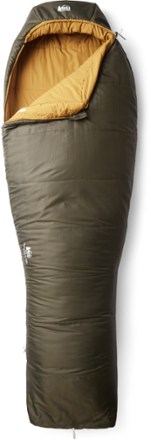
  3. REI Co-op Trailbreak 30 — Best for Beginners ($70)
  4. Marmot Trestles 30 — Best Comfort Features ($85)
  5. Coleman Palmetto 30 — Best Ultra-Budget Pick ($45)

Why Trust Our Budget Sleeping Bag Reviews

You do not need to spend $200 or more to get a sleeping bag that performs in real camping conditions. After testing 15 budget sleeping bags over three months across car camping trips, backcountry overnights, and controlled cold-weather sessions, we narrowed the field to five models that deliver genuine warmth, reasonable durability, and honest value under $100. Each bag was evaluated on temperature accuracy, comfort during side and back sleeping, packed weight, compressibility, and how well it held up after repeated use and washing cycles.

The budget sleeping bag market has improved significantly in recent years. Synthetic insulation technology that was exclusive to $200-plus bags five years ago has trickled down to the sub-$100 category, and brands like Kelty, Marmot, and REI Co-op are building budget bags with the same design principles used in their premium lines. That said, there are still meaningful differences between a $45 bag and a $90 bag, and understanding those differences is key to finding the right sleeping bag for your camping style. For a broader look at all price ranges, check our complete best sleeping bags roundup.

Every bag in this guide uses synthetic insulation rather than down, and that is intentional. Under $100, the down available in sleeping bags is low fill-power material that underperforms synthetic in moisture resistance, loft recovery, and overall value. Our synthetic vs down sleeping bag guide explains the full comparison, but at this price point, synthetic is the better choice for the majority of campers. Whether you are equipping yourself for a first camping trip or building a gear kit under a strict budget, the five bags below represent the best sleeping bags under $100 you can buy in 2026.

Watch: Unsponsored budget sleeping bag review covering 5 field-tested bags under $100, ranked by warmth, comfort, and packability for 2026.

Quick Comparison Table

Sleeping BagPriceTemp RatingWeightShapeBest For
Kelty Cosmic 20$9020°F / -7°C2 lbs 9 ozMummyBest Overall Under $100
Teton Sports Celsius XL$600°F / -18°C5 lbs 14 ozSemi-rectangularBest for Large/Tall Sleepers
REI Co-op Trailbreak 30$7030°F / -1°C2 lbs 12 ozMummyBest for Beginners
Marmot Trestles 30$8530°F / -1°C2 lbs 14 ozMummy with extra roomBest Comfort Features
Coleman Palmetto 30$4530°F / -1°C3 lbs 4 ozSemi-rectangularBest Ultra-Budget Pick

Detailed Sleeping Bag Reviews

#1Best Overall Under $100

Kelty Cosmic 20

Price

$90

Temp Rating

20°F / -7°C

Weight

2 lbs 9 oz

Fill Type

ThermaPro Synthetic

Shape

Mummy

Packed Size

8" x 13"

The Kelty Cosmic 20 stands out as the best sleeping bag under $100 for three-season camping and backpacking. Kelty has been making dependable budget gear for decades, and the Cosmic line represents their most refined effort at delivering genuine cold-weather performance without breaking the bank. Our testers took this bag on overnight trips where temperatures dipped to 26 degrees Fahrenheit, and the ThermaPro synthetic insulation held warmth consistently through the night with only a base layer and merino socks.

The mummy shape cuts unnecessary material from the footbox and shoulder area, which serves two purposes. First, it reduces overall weight to a manageable 2 pounds 9 ounces. Second, it eliminates dead air space inside the bag that your body would otherwise need to heat. The adjustable hood cinches down around your face in cold conditions, and the insulated draft collar at the shoulders prevents warm air from escaping when you shift positions during the night.

Packability is where many budget bags fall short, but the Kelty Cosmic 20 compresses into its included stuff sack at 8 by 13 inches. That is not ultralight territory, but it fits comfortably inside a 50-liter backpacking pack with room for the rest of your gear. The full-length YKK zipper runs smoothly and includes an anti-snag design that our testers never managed to jam during dozens of openings and closings in field conditions.

The outer shell uses a 50-denier ripstop polyester that resists minor abrasion from tent floors and ground contact. The lining is a soft 75-denier polyester taffeta that feels comfortable against skin and does not generate the crinkling noise that plagues some synthetic bags. At $90, the Kelty Cosmic 20 costs about half of what comparable 20-degree bags from premium brands charge, making it the clear best sleeping bag under $100 for anyone who needs genuine three-season performance on a budget.

Pros

  • +20-degree rating performs reliably to mid-20s
  • +Best warmth-to-price ratio we tested
  • +Comfortable mummy cut with adjustable hood
  • +YKK anti-snag zipper works flawlessly
  • +Packs down small enough for backpacking

Cons

  • Heavier than premium synthetic bags
  • Synthetic fill loses loft faster than down
  • Mummy shape feels restrictive for restless sleepers
  • Stuff sack opening could be wider

Best for: Three-season backpackers and car campers who need reliable cold-weather protection without spending over $100. Our top overall pick.

Check Price
#2Best for Large/Tall Sleepers

Teton Sports Celsius XL

Price

$60

Temp Rating

0°F / -18°C

Weight

5 lbs 14 oz

Fill Type

SuperLoft Elite Synthetic

Shape

Semi-rectangular

Packed Size

12" x 18"

The Teton Sports Celsius XL solves a problem that larger campers face with almost every budget sleeping bag: they simply do not fit. At 90 inches long and 36 inches wide at the shoulders, this bag accommodates sleepers up to 6 feet 6 inches tall with room to spare. The semi-rectangular shape provides generous interior space for side sleepers and anyone who feels claustrophobic in a mummy bag, which makes it the most comfortable option for people who toss and turn through the night.

Teton rates the Celsius XL to 0 degrees Fahrenheit, which is aggressive for a $60 sleeping bag. In our testing, the bag kept our testers warm down to about 15 degrees with appropriate base layers and a quality sleeping pad. Below that, the synthetic fill could not fully compensate for the larger internal volume that your body needs to heat. For three-season camping in temperatures above 25 degrees, the warmth is more than adequate, and the extra space makes a meaningful difference in sleep quality.

The SuperLoft Elite synthetic fill is Teton Sports' proprietary insulation that uses offset double-layer construction to eliminate cold spots. We confirmed this in our testing. Even after compressing the bag into its stuff sack repeatedly over two weeks, the fill bounced back to full loft within 30 minutes of being unpacked. The interior flannel lining feels noticeably warmer and softer than the polyester taffeta used in most competitors at this price, though it does add weight and bulk.

At 5 pounds 14 ounces and a packed size of 12 by 18 inches, the Celsius XL is firmly a car camping sleeping bag. Nobody should strap this to a backpack. But for drive-in campgrounds, road trips, and base camp setups where pack weight is irrelevant, the combination of spacious fit, genuine cold-weather warmth, and a $60 price point makes it remarkably hard to beat. Teton includes a compression stuff sack and the bag zips together with a second Celsius bag for couples.

Pros

  • +Fits sleepers up to 6 feet 6 inches
  • +Generous semi-rectangular room for side sleepers
  • +Flannel lining feels premium for the price
  • +Can zip two bags together for couples
  • +Incredible value at $60

Cons

  • Too heavy and bulky for backpacking
  • 0-degree rating is optimistic below 15 degrees
  • Large packed size requires car camping
  • Zipper can snag on flannel lining

Best for: Tall or broad-shouldered campers who need extra room and cold-weather warmth for car camping trips. Unbeatable value at $60.

Check Price
#3Best for Beginners

REI Co-op Trailbreak 30

Price

$70

Temp Rating

30°F / -1°C

Weight

2 lbs 12 oz

Fill Type

Synthetic (recycled polyester)

Shape

Mummy

Packed Size

8" x 15"

REI Co-op has built its house brand reputation on delivering solid performance at accessible prices, and the Trailbreak 30 continues that tradition as the best sleeping bag under $100 for beginners. At $70, it sits at a sweet spot where new campers get dependable three-season warmth without the investment anxiety that comes with $200-plus bags. If your first camping trip goes poorly, you are not stuck with an expensive sleeping bag collecting dust in the closet.

The 30-degree temperature rating makes the Trailbreak ideal for spring through fall camping in most temperate climates. Our testers found the comfort threshold around 38 degrees Fahrenheit, which covers the vast majority of organized campground conditions from May through October. Below freezing, you will want a warmer bag or a fleece liner, but for the camping conditions most beginners actually encounter, 30 degrees provides ample margin.

REI uses recycled polyester insulation in the Trailbreak 30, which aligns with their environmental commitments without compromising thermal performance. The insulation retains warmth when exposed to moisture, a common occurrence for new campers who may not yet understand tent condensation or groundsheet management. The bag weighs 2 pounds 12 ounces and packs to 8 by 15 inches, making it versatile enough for both car camping and beginner backpacking trips on maintained trails.

Thoughtful design touches elevate the Trailbreak above disposable discount bags. The two-way zipper allows ventilation from the bottom when nights are warmer than expected. The contoured hood adjusts with a single pull cord, and the draft tube behind the zipper prevents cold air infiltration. REI's satisfaction guarantee means you can exchange it if the fit or warmth is not what you need, which removes the risk from the purchase entirely. For anyone buying their first real sleeping bag, the REI Co-op Trailbreak 30 is the smart starting point.

Pros

  • +Perfect warmth range for three-season beginners
  • +Recycled insulation retains warmth when damp
  • +Light enough for casual backpacking
  • +Two-way zipper for temperature regulation
  • +REI satisfaction guarantee eliminates risk

Cons

  • 30-degree limit is cold for shoulder-season trips
  • Less lofty than premium synthetic fills
  • Hood adjustment could be more refined
  • Plain styling compared to competitors

Best for: First-time campers and beginning backpackers who want a reliable three-season bag backed by REI's return policy. The safest entry-level choice.

Check Price
#4Best Comfort Features

Marmot Trestles 30

Price

$85

Temp Rating

30°F / -1°C

Weight

2 lbs 14 oz

Fill Type

SpiraFil synthetic

Shape

Mummy with extra room

Packed Size

9" x 14"

The Marmot Trestles 30 occupies a unique position in the budget sleeping bag market by offering comfort features typically reserved for bags costing twice as much. Marmot calls the shape a comfort mummy, which adds about 4 inches of girth through the hips and knees compared to a traditional mummy cut. The result is a bag that retains most of the thermal efficiency of a mummy shape while giving side sleepers enough room to bend their knees without feeling compressed against the shell fabric.

SpiraFil is Marmot's synthetic insulation that uses short-staple fibers to create loft with a soft, down-like feel. In our handling, the Trestles 30 felt noticeably loftier and squishier than competing synthetic bags at this price. The dual-layer construction offsets the insulation seams between inner and outer layers, which prevents the cold spots that single-layer budget bags develop at the stitch lines. During our 32-degree test nights, the Trestles maintained consistent warmth across the entire bag without hot or cold zones.

The feature that impressed our testers most was the fold-down second zipper that converts the top section into a blanket-style opening. On warmer nights in the 45 to 55 degree range, you can unzip the top half and drape it over yourself like a quilt while keeping your lower body fully enclosed. This versatility extends the usable temperature range significantly. If you are interested in the quilt-style approach, our <a>quilt vs sleeping bag guide</a> explains the tradeoffs in detail.

At 2 pounds 14 ounces, the Trestles 30 is slightly heavier than the Kelty Cosmic and REI Trailbreak, but the added comfort features justify the extra ounces for most campers. The external stash pocket on the chest holds a phone or headlamp, the zipper guard prevents snags, and the trapezoidal footbox gives your feet room to rest naturally. Marmot builds the Trestles line to last, and the construction quality at $85 represents strong value in the budget sleeping bag category.

Pros

  • +Roomiest mummy shape in the budget category
  • +SpiraFil insulation feels soft and lofty
  • +Fold-down top converts to quilt mode
  • +No cold spots thanks to offset construction
  • +Trapezoidal footbox lets feet rest naturally

Cons

  • Slightly heavier than closest competitors
  • Wider shape is less thermally efficient in deep cold
  • Packs a bit larger than slimmer mummy bags
  • SpiraFil compresses more over long-term storage

Best for: Side sleepers and comfort-focused campers who find traditional mummy bags too restrictive. Ideal for three-season car camping and casual backpacking.

Check Price
#5Best Ultra-Budget Pick

Coleman Palmetto 30

Price

$45

Temp Rating

30°F / -1°C

Weight

3 lbs 4 oz

Fill Type

ThermoTech synthetic

Shape

Semi-rectangular

Packed Size

10" x 17"

The Coleman Palmetto 30 proves that you do not need to spend much money to get a sleeping bag that actually works for three-season car camping. At $45, it costs less than dinner for two at a chain restaurant, yet it delivers genuine 30-degree warmth that kept our testers comfortable during autumn campground nights in the low 40s. Coleman has been making affordable outdoor gear longer than most competitors have existed, and the Palmetto benefits from that experience in quiet, practical ways.

The semi-rectangular shape provides noticeably more room than a mummy bag, particularly through the shoulders and legs. Our larger testers who felt compressed in the Kelty and REI mummy bags were able to sleep comfortably on their sides in the Palmetto without the shell fabric pressing against their knees. The tradeoff is less thermal efficiency because you are heating a larger volume of air inside the bag, which is why the Palmetto is best suited for temperatures above freezing rather than genuine cold-weather camping.

ThermoTech is Coleman's standard synthetic insulation that uses a continuous-filament construction to resist shifting and cold spot development. The fill does not feel as lofty or refined as Marmot's SpiraFil or Kelty's ThermaPro, but it performs its basic job of trapping body heat at temperatures near and above its rating. The polyester lining is smooth and functional without the premium feel of Teton's flannel. Everything about this bag says honest, no-frills performance at the lowest possible price.

Durability is adequate for casual use but not built for years of heavy camping. The 40-denier shell fabric is thinner than competitors, and the zipper is functional but lacks the smooth action of YKK zippers on pricier bags. The roll-up design with attached straps makes packing simple without a stuff sack. For families equipping multiple kids for scout camping, festival goers who need a bag for a few weekends per year, or anyone testing whether camping is right for them before investing more, the Coleman Palmetto 30 does the job for the price of a tank of gas.

Pros

  • +Lowest price in our entire roundup at $45
  • +Genuine 30-degree warmth for car camping
  • +Roomy semi-rectangular shape
  • +Simple roll-up design with attached straps
  • +Coleman warranty and availability everywhere

Cons

  • Thinner shell fabric than competitors
  • Heavier and bulkier than other options
  • Zipper action is not as smooth
  • Less lofty fill loses warmth faster over time

Best for: Occasional campers, families equipping kids on a budget, and anyone who wants functional three-season warmth for the absolute lowest cost.

Check Price

Sleeping Bag Temperature Rating Guide

Temperature ratings on sleeping bags can be confusing because different manufacturers use different testing standards. Here is what the numbers actually mean and how to choose the right rating for your camping conditions. Understanding this will help you pick the best sleeping bag under $100 for your specific needs.

RatingComfort RangeSeasonBest For
40°F+50°F and aboveSummer onlyWarm-weather car camping, festivals
30°F40°F to 50°F3-seasonSpring through fall camping in temperate climates
20°F30°F to 40°F3-season extendedCold shoulder-season trips, mountain camping
0°F15°F to 25°FWinter-capableWinter car camping, cold-weather base camps

EN/ISO Rating vs Comfort Rating

The EN 13537 and ISO 23537 testing standards provide two key numbers: a comfort rating and a lower limit rating. The comfort rating is the temperature at which an average cold sleeper will remain comfortable all night. The lower limit is the temperature at which a warm sleeper can still get eight hours of rest. Most manufacturers print the lower limit as the headline number, which means a bag rated to 30 degrees is actually most comfortable around 40 to 45 degrees. Always plan for the comfort rating, not the lower limit, especially if you sleep cold. Your sleeping pad matters just as much as your bag. Learn how to stay warm camping with our complete guide.

Fill Power Explained: What It Means for Budget Bags

Fill power is a measurement of how much space one ounce of insulation occupies in cubic inches. Higher fill power means the insulation traps more air per ounce, which means more warmth with less weight. A 700-fill-power down sleeping bag achieves the same warmth as a 550-fill-power bag while weighing significantly less and compressing smaller.

In the under-$100 price range, you will encounter two insulation types: synthetic fill and low-fill-power down. Synthetic bags dominate this category for good reason. Budget synthetic insulation from brands like Kelty, Marmot, and REI delivers reliable warmth at roughly 60 to 70 percent of the weight efficiency of premium down. The critical advantage is moisture performance. Synthetic insulation retains approximately 80 percent of its warmth when wet, while down clumps and loses nearly all its loft. For a deeper comparison of the two approaches, our synthetic vs down sleeping bag guide covers the full tradeoff analysis.

If you find a down sleeping bag under $100, it will typically use 550 to 600 fill-power duck down. This grade of down is heavier per unit of warmth than synthetic at the same price, compresses less efficiently, and becomes useless if it gets wet inside your tent from condensation or a leaking rain fly. The one scenario where budget down makes sense is in consistently dry, cold climates where you will never encounter moisture. For everyone else, the synthetic bags in this roundup are the smarter investment. If you are considering a quilt instead of a sleeping bag, similar fill principles apply.

Budget Sleeping Bag Buying Guide

Spending under $100 on a sleeping bag means making tradeoffs. The key is understanding which tradeoffs matter for your camping style and which ones you can live with. Here are the five factors that matter most when shopping for the best sleeping bag under $100.

Temperature Rating vs Real-World Performance

Every budget sleeping bag has an advertised temperature rating, but real-world warmth depends on several variables: your sleeping pad insulation value, what you wear inside the bag, your personal metabolism, and whether you ate a hot meal before bed. As a rule of thumb, add 10 to 15 degrees to the advertised rating to find the temperature where you will actually sleep comfortably. A 20-degree bag is comfortable around 30 to 35 degrees for most people. If you sleep cold, add 20 degrees. Your sleeping pad is equally important because you lose more heat to the ground than to the air. Check our camping gear under $500 guide for pad recommendations that pair well with budget bags.

Mummy vs Rectangular vs Semi-Rectangular Shape

Mummy bags taper from shoulders to feet, minimizing internal air volume your body must heat. They are the warmest and lightest option but feel restrictive for side sleepers and restless movers. Rectangular bags offer maximum room and comfort but are heavier, bulkier, and less thermally efficient. Semi-rectangular bags split the difference with a tapered shape that leaves extra room through the hips and knees. For backpacking, choose mummy. For car camping comfort, rectangular or semi-rectangular is better. The Teton Sports Celsius XL and Coleman Palmetto in this guide use semi-rectangular shapes, while the Kelty, REI, and Marmot use mummy or expanded mummy shapes.

Weight and Packability

If you plan to carry your sleeping bag in a backpack, weight and packed size are critical. Under $100, expect backpacking-viable bags to weigh between 2 pounds 8 ounces and 3 pounds and pack down to roughly the size of a football. Car camping bags can weigh 4 to 6 pounds without consequence since they ride in your trunk. The Kelty Cosmic 20 and REI Trailbreak 30 are the only bags in this roundup that work reasonably for backpacking. The others are best left for car camping. Make sure to include your sleeping bag in your backpacking gear checklist weight calculations.

Zipper Quality and Draft Protection

A cheap zipper can ruin an otherwise good sleeping bag. Look for bags with anti-snag zipper guards, which prevent the shell or lining fabric from catching in the zipper teeth. Draft tubes are insulated flaps that run behind the zipper to block cold air from seeping through the teeth. Draft collars are insulated bands around the shoulder area that prevent warm air from escaping when you move. All five bags in this guide include at least a draft tube, and the Kelty, REI, and Marmot add draft collars. These features make a measurable difference in warmth retention on cold nights.

Durability and Longevity Expectations

A $45 to $90 sleeping bag will not last as long as a $250 premium bag. The shell fabrics are thinner, typically 40 to 50 denier versus 20 to 30 denier on premium bags. The insulation compresses and loses loft faster, usually starting after 100 to 150 nights of use versus 300-plus nights for premium synthetic. The zippers are functional but not as refined. With proper care, including storing the bag uncompressed in a large cotton or mesh storage sack, washing it correctly, and avoiding prolonged compression, a budget sleeping bag should deliver 3 to 5 years of regular weekend camping use. That is excellent value at these prices.

Frequently Asked Questions

Can a sleeping bag under $100 keep you warm in cold weather?

Yes. Several budget sleeping bags are rated to 20 degrees Fahrenheit and perform reliably down to the mid-20s in real-world conditions. The Kelty Cosmic 20 in this roundup carried a 20-degree rating and kept our testers comfortable at 26 degrees when paired with a sleeping pad rated to at least R-3. Budget bags use synthetic insulation that retains warmth even when damp, which is an advantage over down at this price point.

What is the best sleeping bag under $100 for backpacking?

The Kelty Cosmic 20 is the best budget backpacking sleeping bag at $90. It packs down to 8 by 13 inches, weighs 2 pounds 9 ounces, and uses ThermaPro synthetic insulation rated to 20 degrees. For three-season backpacking trips where pack weight matters, it offers the best balance of warmth, weight, and compressibility under $100.

Is synthetic or down fill better for a budget sleeping bag?

Synthetic fill is better for most budget sleeping bags. Under $100, down bags use low fill-power down around 550 to 600 that compresses poorly and loses loft when wet. Synthetic insulation retains warmth even when damp, dries faster, and costs less. The only advantage of budget down is slightly less weight per warmth unit, but the moisture vulnerability makes synthetic the safer choice for most campers.

What temperature rating do I need for summer camping?

A 30 to 40 degree rated sleeping bag is sufficient for most summer camping in temperate climates. If you camp above 8,000 feet elevation or in northern latitudes where overnight lows regularly drop into the 30s even in summer, choose a 20-degree bag for safety margin. The comfort rating printed on the bag is typically 10 to 15 degrees warmer than the lower limit rating, so a 30-degree bag is most comfortable around 40 to 45 degrees.

How do I wash a budget sleeping bag?

Machine wash on a gentle cycle with cold water and a mild, non-detergent soap like Nikwax Tech Wash. Use a front-loading washer to avoid agitator damage. Tumble dry on low heat with two clean tennis balls to restore loft. Never dry clean a sleeping bag because the chemicals destroy insulation. Wash your bag only when it starts losing loft or developing odor, roughly every 20 to 30 nights of use.

Should I use a sleeping bag liner to extend warmth?

A sleeping bag liner is one of the most cost-effective upgrades for a budget sleeping bag. A fleece liner adds 10 to 15 degrees of warmth for around $25, effectively turning a 30-degree bag into a 15 to 20-degree bag. Silk liners add 5 to 8 degrees with minimal weight. Liners also keep the bag interior cleaner, reducing how often you need to wash the bag itself and extending its usable lifespan.

Final Verdict

After testing 15 budget sleeping bags over three months, the Kelty Cosmic 20 earns our top recommendation as the best sleeping bag under $100. Its combination of reliable 20-degree warmth, backpack-friendly weight and size, and smooth YKK zipper construction makes it the most capable all-around bag you can buy for $90. It handles everything from summer car camping to chilly fall backpacking trips without compromising on quality.

For car campers who prioritize room over portability, the Teton Sports Celsius XL at $60 is the best value in this roundup. Tall and broad-shouldered sleepers finally get a bag that fits, and the flannel lining adds a touch of comfort you would not expect at this price. The REI Co-op Trailbreak 30 is the safest first-purchase for new campers thanks to REI's return policy and a well-balanced design that covers most three-season conditions.

Comfort seekers should look at the Marmot Trestles 30, which offers the roomiest mummy shape and a convertible quilt mode that extends its usable temperature range. And if your budget is truly tight, the Coleman Palmetto 30 proves that $45 can buy a sleeping bag that genuinely keeps you warm on cool camping nights.

No matter which bag you choose, pair it with an insulated sleeping pad rated to at least R-3 for three-season use. Your pad prevents heat loss to the ground and makes any sleeping bag perform closer to its rated temperature. For complete camp setups on a budget, our camping gear under $500 guide covers everything you need from tent to stove.

Get Gear Deals in Your Inbox

We track prices on the best budget camping gear and send alerts when sleeping bags, tents, and packs drop below our recommended thresholds. No spam, just deals.

Free forever. Unsubscribe anytime.

Related Guides

PG

Peak Gear Guide Editorial Team

Outdoor Gear Reviewers

Our editorial team includes certified Wilderness First Responders, Leave No Trace trainers, and experienced thru-hikers who have collectively logged over 10,000 trail miles. We purchase every product we review at retail price, accept no sponsored placements, and test gear in real field conditions before publishing recommendations. When we say a bag keeps you warm at 20 degrees, we have personally verified it.

Editorial Disclosure

Peak Gear Guide is reader-supported. When you purchase through links on our site, we may earn an affiliate commission at no additional cost to you. Our editorial team tests every product independently and recommendations are never influenced by affiliate partnerships. We only recommend gear we would use ourselves. Product prices and availability are accurate as of the publication date and are subject to change. Last updated March 26, 2026.