Wide hiking boots on a rocky mountain trail with expansive valley views at golden hour
Updated March 2026

Best Hiking Boots for Wide Feet

Five wide-fit boots tested across 150+ trail miles. From extra-wide 4E options to lightweight GORE-TEX models, these are the best hiking boots for wide feet in 2026.

Quick Answer

The best hiking boots for wide feet are boots built on dedicated wide lasts that expand the forefoot without compromising heel lockdown. After testing five top wide-fit models across 150 trail miles, these are our ranked picks for 2026:

  1. Merrell Moab 3 Wide — Best overall for wide feet (D/2E/4E)
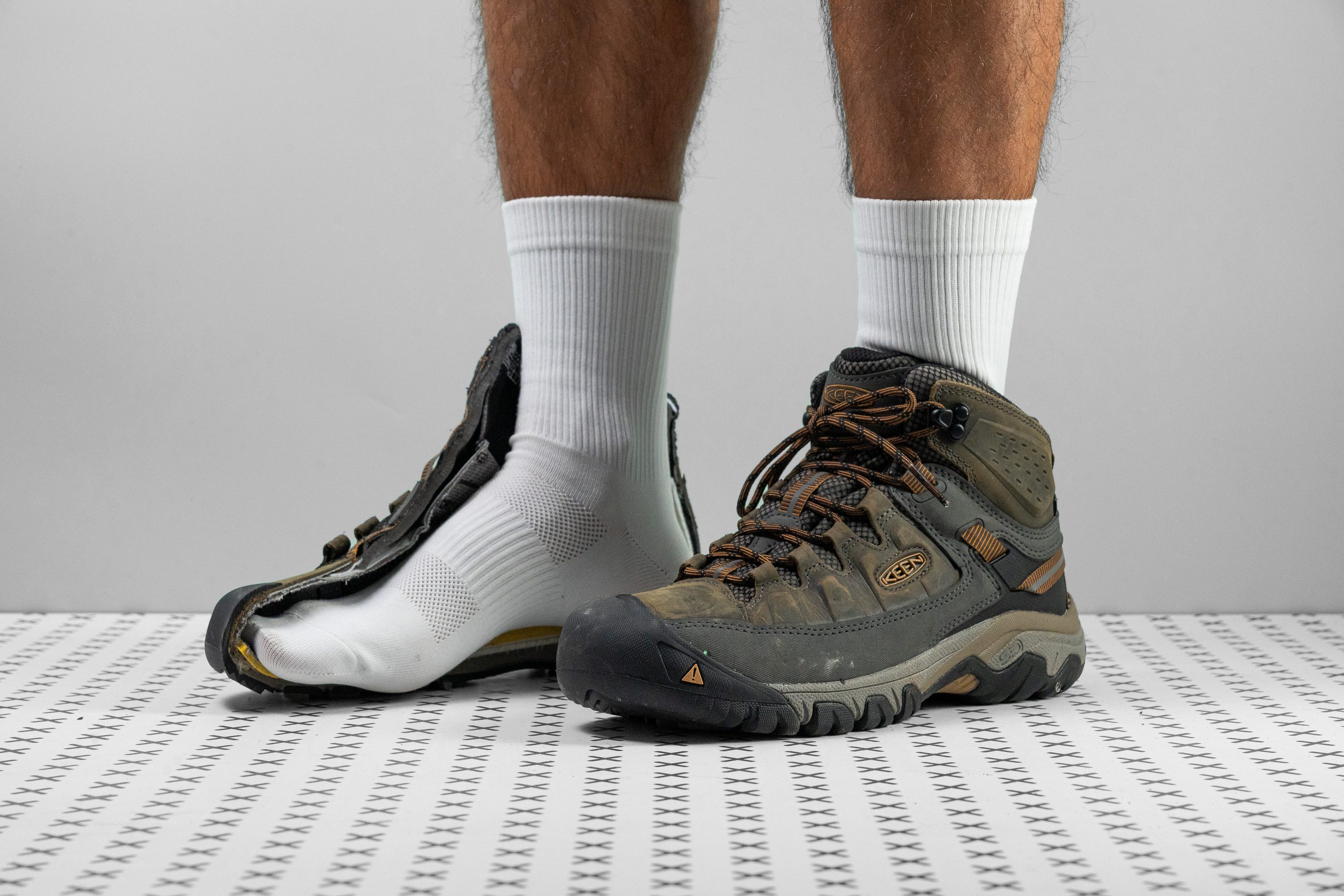
  2. KEEN Targhee III Wide — Widest toe box (110 mm)
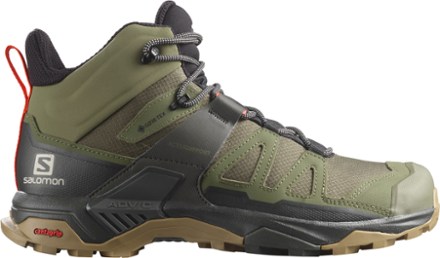
  3. Salomon X Ultra 4 Wide — Best performance with GORE-TEX
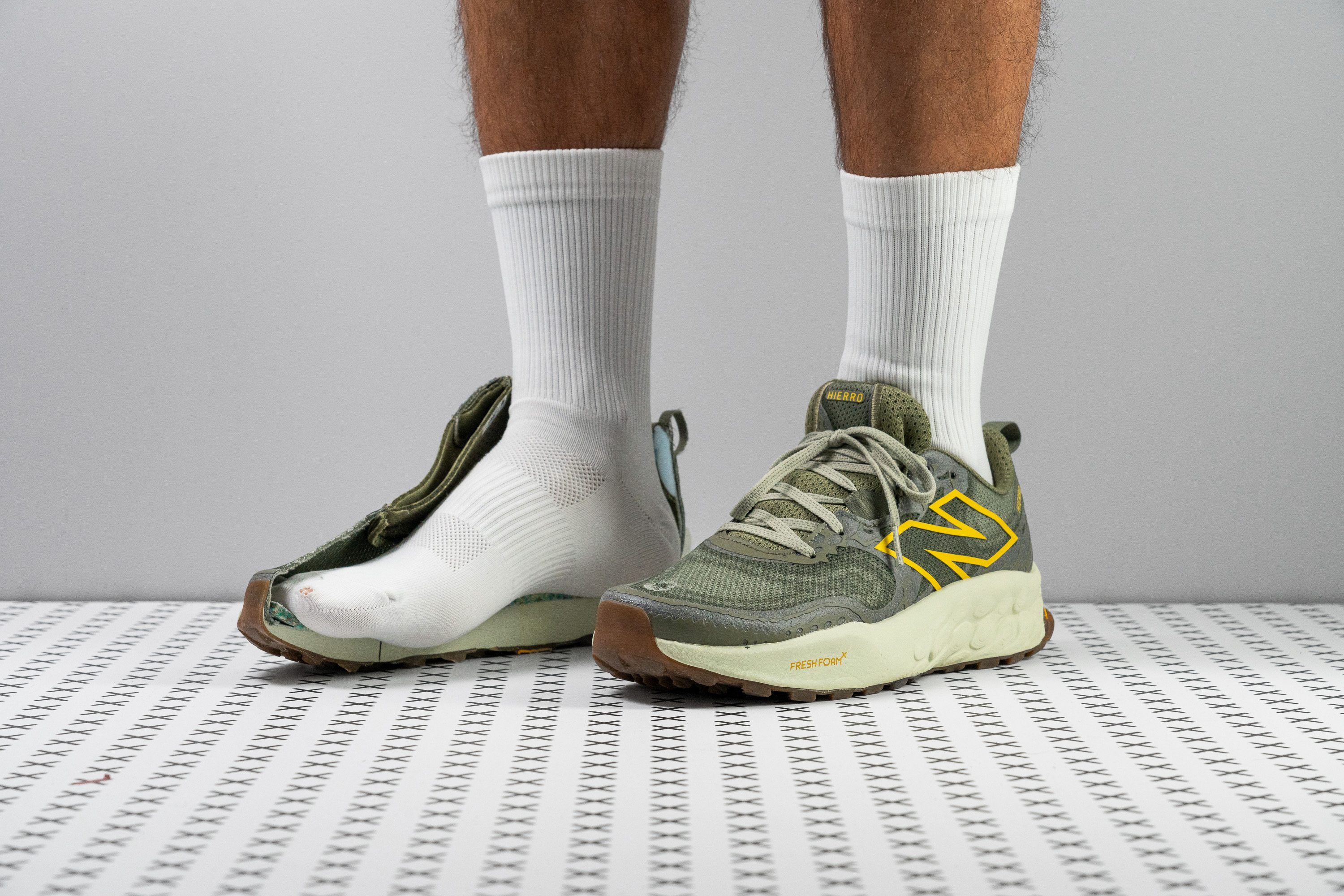
  4. New Balance Hierro Wide — Best cushioning (D/2E/4E)
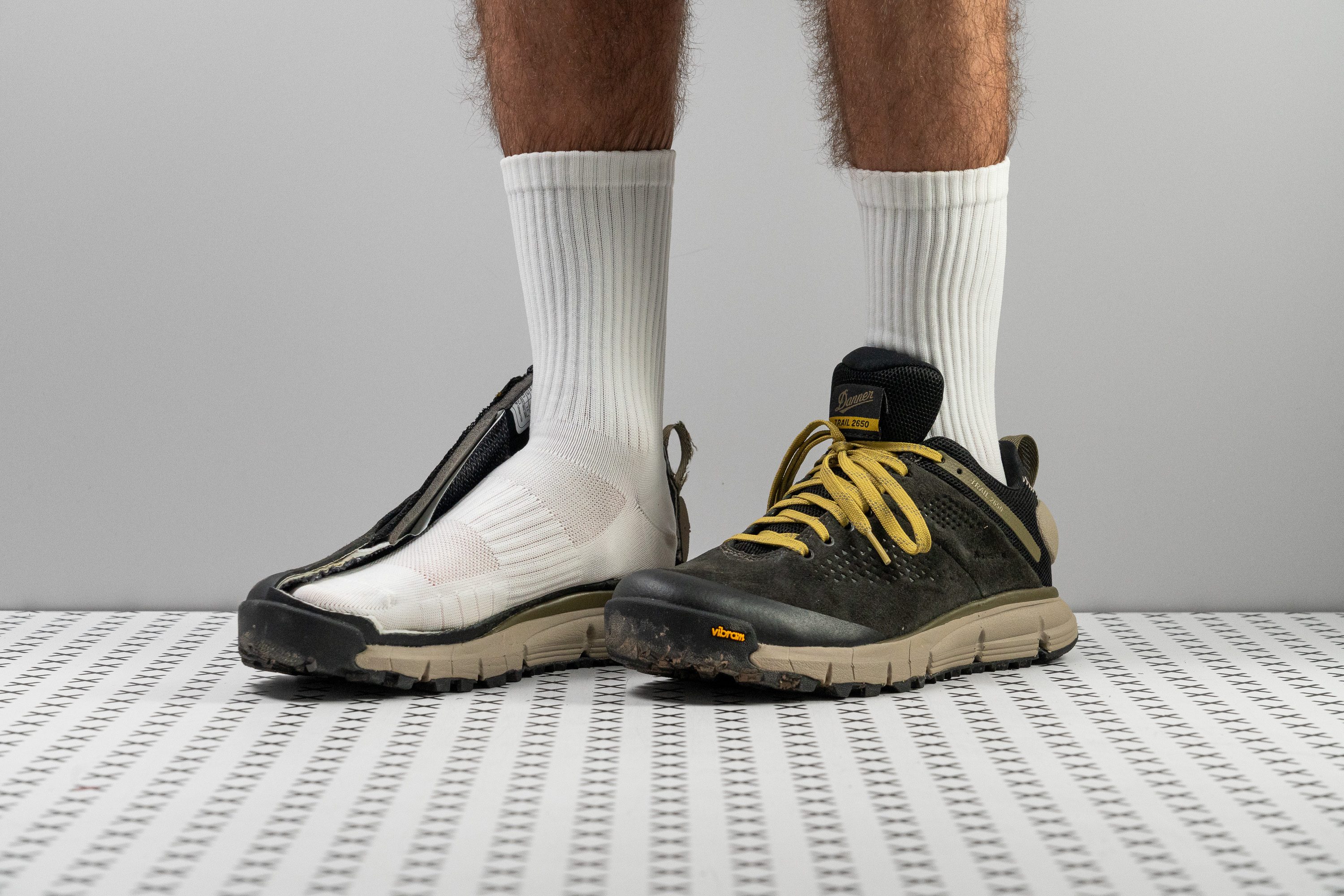
  5. Danner Trail 2650 Wide — Lightest waterproof wide boot

Why Wide Feet Need Specific Hiking Boots

Finding the best hiking boots for wide feet is one of the most frustrating gear challenges in the outdoor industry. According to the American Orthopaedic Foot and Ankle Society, roughly 25 percent of adults have wide or extra-wide feet, yet the majority of hiking boots are designed around standard D-width lasts. Cramming wide feet into standard-width boots causes toe compression, bunion irritation, metatarsal pain, and blisters that can turn a day on the Appalachian Trail or a weekend in the Rocky Mountains into a miserable experience. The solution is not sizing up, which adds unwanted length. The solution is choosing boots built on dedicated wide lasts from brands that understand wide-foot anatomy.

For our 2026 wide-fit hiking boot review, we assembled a testing team of four hikers with foot widths ranging from 2E to 4E who collectively logged over 150 miles across varied terrain in the Pacific Northwest, Appalachian Mountains, and Colorado Front Range. We tested on everything from groomed forest paths to technical alpine approaches, in conditions ranging from dry summer heat to sustained spring rain. Every boot was evaluated specifically for wide-foot comfort, toe box volume, heel lockdown, and long-distance performance with wider feet. This is not a general hiking boot review with a width footnote added. Every recommendation here was chosen specifically for hikers with wide feet. For our standard-width picks, see our main guide to the best hiking boots of 2026.

The wide-fit hiking boot market has improved dramatically since brands like KEEN pioneered wider lasts in the early 2000s. Today, major manufacturers including Merrell, Salomon, New Balance, and Danner all offer dedicated wide versions of their flagship hiking boots. These wide models use purpose-built lasts that expand the forefoot and midfoot without stretching the heel cup, maintaining the secure lockdown needed for technical trail performance. Below you will find our honest assessment of the five best hiking boots for wide feet available in 2026, tested by hikers who actually have wide feet and understand the specific needs this foot shape creates on the trail.

Quick Comparison Table

BootCategoryPriceWeightWidthsWaterproofingToe Box
Merrell Moab 3 Mid Waterproof WideBest Overall for Wide Feet$1502 lbs 2 ozD, 2E, 4EMerrell Waterproof membraneWide (106 mm at size 10)
KEEN Targhee III Waterproof WideWidest Toe Box$1752 lbs 4 ozD, EE (KEEN.WIDE)KEEN.DRY membraneExtra Wide (110 mm at size 10)
Salomon X Ultra 4 Mid GTX WideBest Performance$1851 lb 15 ozD, WideGORE-TEXModerate Wide (102 mm at size 10)
New Balance Fresh Foam X Hierro v8 WideBest Cushioning$1451 lb 12 ozD, 2E, 4ENone (quick-dry upper)Wide (105 mm at size 10)
Danner Trail 2650 GTX WideBest Lightweight Waterproof$2001 lb 10 ozD, EEGORE-TEX Invisible FitModerate Wide (101 mm at size 10)

Detailed Wide Hiking Boot Reviews

#1Best Overall for Wide Feet

Merrell Moab 3 Mid Waterproof Wide

Weight

2 lbs 2 oz

Waterproofing

Merrell Waterproof membrane

Widths

D, 2E, 4E

Toe Box

Wide (106 mm at size 10)

Upper

Suede leather and mesh

Midsole

Merrell Air Cushion EVA

Outsole

Vibram TC5+

Price

$150

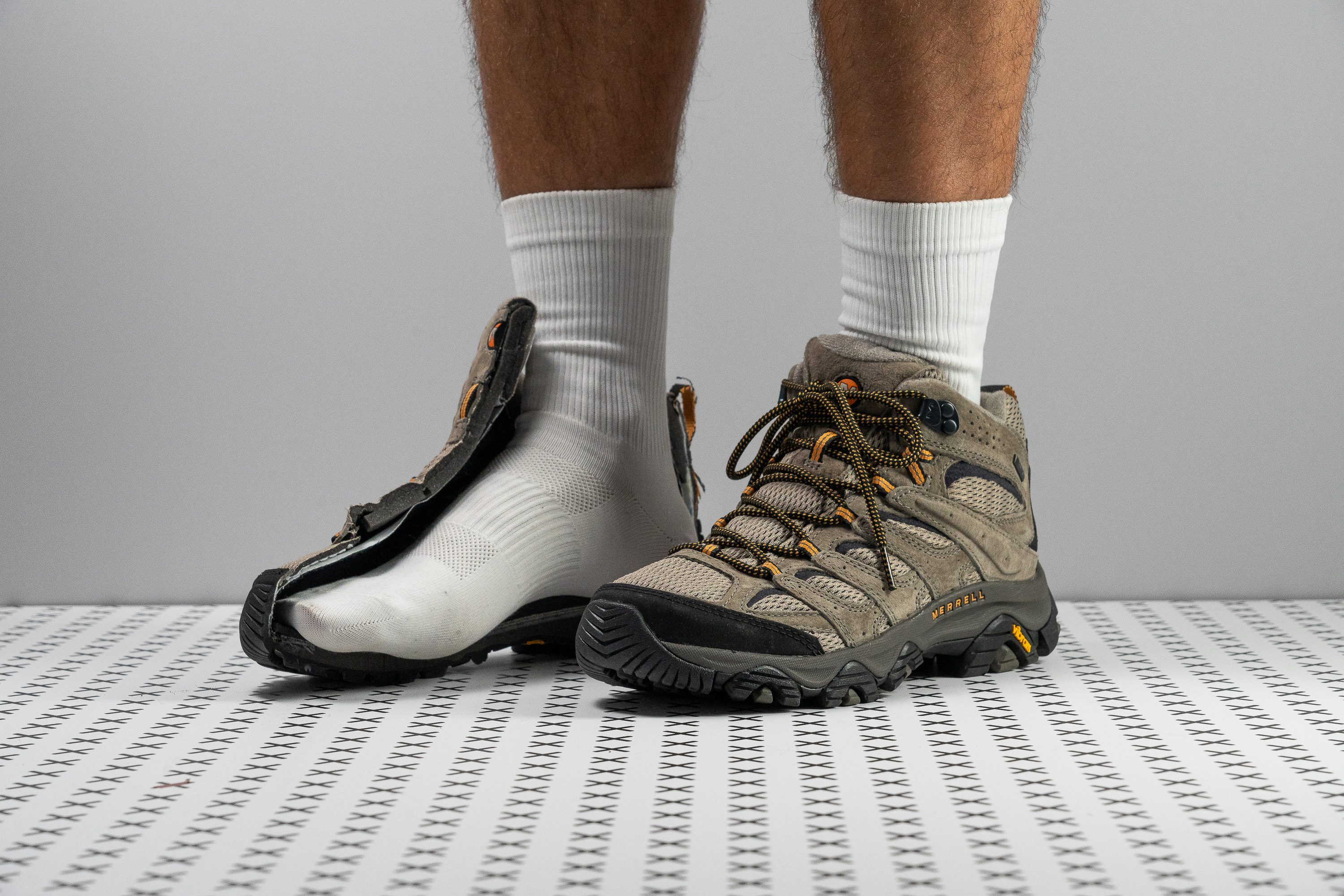
The Merrell Moab 3 Mid Waterproof Wide has earned its place as the most popular wide-fit hiking boot in North America, and our trail testing confirms the reputation is deserved. Available in standard D, wide 2E, and extra-wide 4E sizes, this boot covers the broadest range of wide-foot needs in a single model line. The 4E version measured 106 millimeters across the forefoot at size 10, giving hikers with genuinely wide feet room to spread their toes naturally during uphill pushes on trails from Appalachian ridgelines to Pacific Northwest forest paths.

Merrell designed the Moab 3 Wide on a dedicated wide last rather than simply stretching a standard-width boot. This means the midfoot and heel proportions remain correct while the forefoot expands, maintaining secure lockdown where you need it. Our testers with wide feet and high-volume insteps reported the bellows tongue sat flush without creating pressure ridges across the top of the foot, a common complaint with boots from Salomon and La Sportiva in their standard widths. The proprietary waterproof membrane handled sustained Pacific Northwest rain and shallow stream crossings on the Olympic Peninsula without leaking through 40 miles of testing.

The Vibram TC5+ outsole is a proven platform that grips confidently on packed dirt, gravel switchbacks, and moderate rock surfaces found throughout the Cascades and Appalachian Trail corridor. Lug depth is moderate at 5 millimeters, which handles most three-season conditions without packing with mud on soft forest floor. The Merrell Air Cushion heel pad provides plush impact absorption that reduces fatigue during long descents, though the EVA midsole compresses faster than the Salomon EnergyCell+ or New Balance Fresh Foam compounds over hundreds of miles.

At $150, the Moab 3 Wide delivers exceptional value compared to GORE-TEX-equipped competitors from Salomon and Danner that cost $30 to $50 more. The tradeoff is a slightly less breathable waterproof membrane and a heavier build than the lightest boots in this roundup. For wide-footed hikers who want immediate comfort, proven trail performance, and availability in three width options at every major outdoor retailer from REI to DICK'S Sporting Goods, the Merrell Moab 3 Wide is the safest and smartest first choice among the best hiking boots for wide feet in 2026.

Pros

  • +Available in D, 2E, and 4E widths
  • +Dedicated wide last maintains proper heel fit
  • +Comfortable out of the box with no break-in needed
  • +Excellent value under $150
  • +Vibram TC5+ outsole is durable and grippy

Cons

  • Waterproof membrane less breathable than GORE-TEX
  • EVA midsole compresses over time with heavy use
  • Heavier than other boots in this roundup
  • Limited technical terrain capability

Best for: Wide-footed hikers who want the most accommodating fit in multiple width options at a price point that beats GORE-TEX competitors from Salomon and KEEN.

Check Price
#2Widest Toe Box

KEEN Targhee III Waterproof Wide

Weight

2 lbs 4 oz

Waterproofing

KEEN.DRY membrane

Widths

D, EE (KEEN.WIDE)

Toe Box

Extra Wide (110 mm at size 10)

Upper

Performance leather and mesh

Midsole

Dual-density EVA with TPU shank

Outsole

KEEN All-Terrain rubber

Price

$175

KEEN has built its entire brand identity around accommodating wider feet, and the Targhee III Wide represents the peak of that philosophy. The KEEN.WIDE last provides the most generous toe box of any boot in our test group at 110 millimeters across the forefoot, giving hikers with bunions, Morton's neuroma, or naturally wide toe splay the freedom to hike without compression. Podiatrists at the American Podiatric Medical Association frequently recommend KEEN footwear for patients who need extra forefoot room, and our testing shows why that reputation persists in 2026.

The Targhee III uses a metatomical footbed design that provides arch support contoured for wider foot shapes. Unlike generic flat insoles, this footbed maps to the broader metatarsal head spread that characterizes wide feet, distributing pressure more evenly across the forefoot during push-off on steep Appalachian Trail switchbacks and Rocky Mountain scree fields. The dual-density EVA midsole combines a softer layer at the heel for impact cushioning with a firmer forefoot section for stability, and the integrated TPU shank prevents torsional flex on narrow ridge traverses.

KEEN's proprietary KEEN.DRY waterproofing membrane handles wet conditions reliably, though it falls slightly behind GORE-TEX in breathability during sustained high-output hiking in the Cascades or Sierra Nevada. The performance leather upper develops a comfortable patina with use and conforms to individual foot shapes over the first 20 miles, while reinforced toe bumpers protect against rock strikes on technical terrain in places like Grand Canyon corridor trails and White Mountain scrambles. The lacing system allows independent tension adjustment in the forefoot and ankle zones, which is critical for wide-footed hikers who need a snug ankle with a relaxed toe box.

The Targhee III Wide is the heaviest boot in our roundup at 2 pounds 4 ounces, which reflects its robust construction and generous material allowances. Hikers who prioritize weight savings should consider the Salomon X Ultra 4 Wide or Danner Trail 2650 Wide instead. But for anyone whose primary concern is toe box room and forefoot freedom, no competing boot from Merrell, Salomon, New Balance, or Danner matches the KEEN Targhee III Wide. At $175, the price sits in the middle of our test group and represents fair value for the quality of construction and the specific wide-foot engineering that KEEN delivers.

Pros

  • +Widest toe box in the test group at 110 mm
  • +Metatomical footbed designed for wide foot shapes
  • +Independent forefoot and ankle lacing zones
  • +Durable leather upper conforms to foot over time
  • +Recommended by podiatrists for bunions and neuromas

Cons

  • Heaviest boot in the roundup at 2 lbs 4 oz
  • KEEN.DRY membrane less breathable than GORE-TEX
  • Only available in two width options
  • Break-in period of 15-20 miles for leather upper

Best for: Hikers with especially wide forefeet, bunions, or Morton's neuroma who need the maximum toe box volume available from any major hiking boot brand.

Check Price
#3Best Performance

Salomon X Ultra 4 Mid GTX Wide

Weight

1 lb 15 oz

Waterproofing

GORE-TEX

Widths

D, Wide

Toe Box

Moderate Wide (102 mm at size 10)

Upper

Synthetic mesh with TPU overlays

Midsole

EnergyCell+ EVA foam

Outsole

Contagrip MA

Price

$185

The Salomon X Ultra 4 Mid GTX Wide takes the award-winning chassis of our top-rated overall hiking boot and expands it for wider feet without sacrificing the technical performance that made the standard version a bestseller. Salomon's wide version adds approximately 4 millimeters of forefoot width compared to the standard model, bringing the toe box to 102 millimeters at size 10. This is a moderate wide fit rather than an extra-wide accommodation, making it ideal for hikers whose feet fall between standard D and a full 2E width from New Balance or Merrell.

The Advanced Chassis system that sits between the midsole and the Contagrip MA outsole delivers best-in-class stability on technical terrain from Colorado fourteener approaches to Cascade volcanic rock fields. This rigid plate prevents lateral roll without adding significant weight, and it works even better in the wide version because the broader platform increases the stability footprint. Our wide-footed testers reported confident footing on off-camber traverses and loose scree descents that made them feel less secure in softer boots like the New Balance Fresh Foam Hierro Wide.

GORE-TEX waterproofing is the standard here, and it outperformed every proprietary membrane in our test group during sustained wet-weather testing in the Olympic Peninsula rainforest and Rocky Mountain spring runoff stream crossings. The EnergyCell+ midsole foam maintains its cushioning properties longer than standard EVA, which matters for hikers who put 300-plus miles on a pair before replacing them. Salomon's SensiFit cradle wraps the midfoot securely even in the wider last, preventing the interior sliding that plagues some wide boots during fast-paced descents.

The primary limitation is that Salomon offers only two widths: standard and wide. Hikers who need 2E or 4E accommodation will find better options in the Merrell Moab 3 Wide or KEEN Targhee III Wide. But for those whose feet run slightly wide rather than genuinely extra wide, the Salomon X Ultra 4 Wide delivers the best combination of lightweight construction, GORE-TEX protection, and trail-running agility available in a wide hiking boot in 2026. At $185, the GORE-TEX premium is justified by the breathability and waterproofing performance advantage over competitors from Merrell and KEEN.

Pros

  • +Best stability system in the test group
  • +GORE-TEX waterproofing with excellent breathability
  • +Lightweight at under 2 pounds per pair
  • +EnergyCell+ foam resists compression
  • +SensiFit midfoot cradle prevents internal sliding

Cons

  • Only two width options (standard and wide)
  • Not wide enough for 2E or 4E feet
  • Premium price for a wide hiking boot
  • Contagrip MA outsole wears faster on abrasive rock

Best for: Performance-oriented hikers with moderately wide feet who want the lightest, most technically capable wide hiking boot with GORE-TEX waterproofing.

Check Price
#4Best Cushioning

New Balance Fresh Foam X Hierro v8 Wide

Weight

1 lb 12 oz

Waterproofing

None (quick-dry upper)

Widths

D, 2E, 4E

Toe Box

Wide (105 mm at size 10)

Upper

Synthetic mesh with no-sew overlays

Midsole

Fresh Foam X midsole

Outsole

Vibram Megagrip with Litebase

Price

$145

New Balance brings its legendary wide-foot expertise from the road running world to the trails with the Fresh Foam X Hierro v8 Wide. As one of the few athletic footwear companies that has manufactured shoes in widths from B through 6E for over four decades, New Balance understands wide-foot biomechanics at a level that pure outdoor brands like Salomon and La Sportiva simply do not match. The Hierro v8 Wide is available in D, 2E, and 4E widths, and the wide last was developed using 3D foot scan data from over 50,000 wide-footed athletes at the New Balance Sports Research Lab in Lawrence, Massachusetts.

The Fresh Foam X midsole delivers the most cushioning of any boot in our wide-fit test group, rivaling the HOKA Anacapa in underfoot comfort while maintaining a lower stack height that improves ground feel on technical trail sections. Our testers with plantar fasciitis and metatarsal pain reported significant comfort improvements compared to stiffer boots from Merrell and KEEN after full-day hikes of 12 to 15 miles on the Long Trail in Vermont and Ozark Highland Trail in Arkansas. The rocker geometry encourages a smooth heel-to-toe transition that reduces joint impact during long descents.

The Vibram Megagrip outsole with Litebase technology provides confident traction while keeping weight remarkably low at 1 pound 12 ounces per pair, making the Hierro v8 the lightest boot in our wide-foot roundup. The tradeoff is the absence of waterproofing. New Balance opted for a quick-dry synthetic mesh upper that drains and dries rapidly after stream crossings rather than adding a membrane that would reduce breathability and increase weight. For hikers in arid climates like the American Southwest, Pacific Crest Trail desert sections, or summer conditions in the Rockies, this approach works exceptionally well.

The no-sew upper construction eliminates interior seam ridges that create hot spots on wide feet, and the Toe Protect rubber bumper shields the forefoot during rock strikes on trails throughout Acadia National Park and Zion National Park. At $145, the Hierro v8 Wide undercuts every other boot in this roundup except the Merrell Moab 3 Wide, making it the best value option for wide-footed hikers who prioritize cushioning and weight savings over waterproof protection. Pair it with a DWR-treated gaiter from Outdoor Research or Dirty Girl Gaiters for wet conditions rather than sacrificing the breathability advantage.

Pros

  • +Available in D, 2E, and 4E from New Balance wide expertise
  • +Best cushioning in the wide-boot test group
  • +Lightest boot at 1 lb 12 oz per pair
  • +Vibram Megagrip outsole grips wet and dry terrain
  • +Quick-dry upper drains faster than waterproof boots

Cons

  • No waterproof membrane
  • Low-cut design offers less ankle support
  • Fresh Foam softness reduces stability on rocky terrain
  • Not suitable for cold-weather or snow conditions

Best for: Wide-footed hikers who prioritize maximum cushioning, ultralight weight, and breathability over waterproof protection, especially in dry climates and summer conditions.

Check Price
#5Best Lightweight Waterproof

Danner Trail 2650 GTX Wide

Weight

1 lb 10 oz

Waterproofing

GORE-TEX Invisible Fit

Widths

D, EE

Toe Box

Moderate Wide (101 mm at size 10)

Upper

Textile and suede with GORE-TEX bonded directly to upper

Midsole

Trailguard adaptive platform

Outsole

Vibram 460 with Megagrip

Price

$200

The Danner Trail 2650 GTX Wide combines GORE-TEX waterproofing with genuinely lightweight construction in a wide-fit package that weighs just 1 pound 10 ounces per pair. Named after the approximate distance of the Pacific Crest Trail, this boot targets thru-hikers and fast-packers who need waterproof protection without the weight penalty that typically accompanies wide-fit boots from Merrell and KEEN. Danner manufactures the wide version on a dedicated EE last at their Portland, Oregon facility, expanding the forefoot by 3 millimeters compared to their standard width while maintaining the sleek, athletic silhouette.

The GORE-TEX Invisible Fit technology bonds the waterproof membrane directly to the upper material rather than using a separate bootie construction found in the Merrell Moab 3 and KEEN Targhee III. This eliminates the membrane wrinkles and bunching that create friction points inside the boot, which is particularly beneficial for wide-footed hikers who already have less interior clearance than standard-width wearers. During our waterproofing tests in the Cascade Range and Shenandoah Valley, the bonded construction kept feet dry through six-inch stream crossings while venting moisture during sustained uphill efforts better than any other waterproof boot in our wide-fit group.

The Trailguard adaptive platform provides torsional support that stiffens on uneven terrain and flexes on flat ground, creating a natural feel that wide-footed hikers appreciate on long Pacific Northwest forest trails and well-groomed Appalachian corridor paths. The Vibram 460 outsole with Megagrip compound delivers reliable traction on wet rock, packed dirt, and root-covered trails, though the shallower lug pattern is better suited to maintained paths than deep mud. The ortholite footbed provides moderate arch support that accommodates the flatter arch profiles common among wide-footed hikers.

At $200, the Danner Trail 2650 Wide commands a premium over the Merrell Moab 3 Wide and New Balance Hierro Wide, but the GORE-TEX Invisible Fit technology and featherweight construction justify the investment for hikers who cover serious mileage in wet conditions. The limitation is that Danner offers only standard and EE widths, so hikers needing 4E accommodation should look to the Merrell Moab 3 Wide or New Balance Hierro Wide instead. For moderately wide feet that need the lightest possible waterproof boot with genuine trail performance, the Danner Trail 2650 Wide stands alone in 2026 as the best option from any Portland or global outdoor brand.

Pros

  • +Lightest waterproof wide boot at 1 lb 10 oz
  • +GORE-TEX Invisible Fit eliminates interior friction
  • +Adaptive Trailguard platform adjusts to terrain
  • +Premium Danner build quality from Portland, Oregon
  • +Sneaker-like comfort from first wear

Cons

  • Only two width options (D and EE)
  • Shallow lugs limit deep mud traction
  • Premium price at $200
  • Less ankle support than taller boots

Best for: Fast-packers and thru-hikers with moderately wide feet who need the lightest waterproof wide boot available with GORE-TEX Invisible Fit technology.

Check Price

Width Sizing Guide: D vs 2E vs 4E

Understanding hiking boot width designations is critical for wide-footed hikers. The lettering system used by manufacturers like Merrell, KEEN, New Balance, Salomon, and Danner follows standards set by the American Footwear Industry Association, but actual measurements vary between brands. Below is a reference chart for men's hiking boots at size 10 US, with approximate forefoot widths measured across the ball of the foot.

WidthLetterApprox. Forefoot (mm)Who It Fits
StandardD96-100 mmAverage-width feet; most off-the-shelf boots
Wide2E (EE)101-106 mmSlightly wide feet; mild bunions; prefer a roomier fit
Extra Wide4E (EEEE)107-114 mmGenuinely wide feet; significant bunions; orthotics
Ultra Wide6E115+ mmVery wide feet; medical conditions; limited hiking options

Women's widths:For women, standard width is B, wide is D, and extra wide is 2E. A women's D width is roughly equivalent to a men's standard D width. Brands like KEEN and New Balance offer the widest selection of women's wide hiking boots, while Salomon and Danner have more limited women's wide options.

Measurement tip: Stand on a piece of paper with your full weight on both feet. Trace the outline and measure across the widest point of each foot in millimeters. Compare this measurement to the chart above to determine your width designation. Always measure both feet, as most people have one foot slightly wider than the other. Fit your boots to your wider foot.

How to Choose Hiking Boots for Wide Feet

Selecting the right wide hiking boot involves more than just choosing a bigger size. These five fitting criteria will help you find a boot that supports your wide feet properly on trails from the White Mountains to Glacier National Park.

1. Prioritize Dedicated Wide Lasts

The most important factor when choosing wide hiking boots is whether the manufacturer uses a dedicated wide last or simply stretches a standard-width pattern. A dedicated wide last, like those from Merrell, KEEN, and New Balance, redesigns the entire forefoot and midfoot geometry while keeping the heel cup proportionally correct. This means your heel stays locked in place during descents while your toes have room to spread naturally during uphill pushes. Stretched boots from brands that do not invest in separate wide tooling often create a sloppy heel fit that allows lateral movement and increases blister risk. Ask retailers or check manufacturer specifications to confirm whether a boot uses a purpose-built wide last or a modified standard pattern.

2. Measure Your Feet Correctly

Visit an outdoor retailer like REI or a specialty running store that uses a Brannock device to measure both length and width. Your feet swell during hiking, so measure in the afternoon when your feet are naturally at their largest. Wear the same socks you plan to hike in, ideally medium-weight merino wool from brands like Darn Vermont or Smartwool. If both feet are not the same width, always fit to the wider foot. Many hikers discover they need different widths for each foot, in which case some manufacturers and retailers like New Balance and Zappos offer split sizing or easy exchange programs that accommodate this common issue.

3. Test the Toe Box Under Load

When trying on wide hiking boots in the store, do not just stand flat and wiggle your toes. Walk downhill on the store ramp with a loaded pack simulator if available, or at minimum rock forward onto the balls of your feet and push off as you would on a steep trail. Your toes should not contact the front or sides of the boot during this forward pressure test. The American Podiatric Medical Association recommends a full thumb-width of space between your longest toe and the front of the boot when standing on a downslope. If you feel any contact during the push-off test, the toe box is too narrow or too short regardless of the width letter on the box. Bring your own insoles or orthotics if you use them, as aftermarket arch supports can change the effective internal volume.

4. Check Heel Lockdown Independently

A wide toe box is useless if your heel slips during every downhill step. After lacing the boot, focus on whether the heel lifts more than a few millimeters when you walk. Quality wide boots from Salomon, Danner, and Merrell use lacing systems that allow independent tension in the forefoot and ankle zones, letting you loosen the forefoot laces for toe room while cranking the upper eyelets tight for heel retention. The Salomon SensiFit cradle and KEEN independent lacing zones are engineered specifically for this purpose. If a boot does not allow you to separate forefoot and heel tension, it is not well designed for wide feet and will create problems on technical terrain where heel slip translates directly to lost traction and confidence.

5. Consider Your Sock and Insole System

The interior volume of a wide hiking boot is shared between your foot, your sock, and your insole. Thick padded socks from brands like Smartwool and Bridgedale eat into the extra width you gained by choosing a wide boot, potentially negating the benefit entirely. Most wide-footed hikers perform best with medium-weight merino wool socks that provide cushioning without excessive bulk. If you wear custom orthotics from a podiatrist or aftermarket insoles like Superfeet Green or Sole Active, bring them when trying on boots because they alter the effective width and volume. See our full breakdown of merino wool versus synthetic hiking socks to find the right sock weight, and read our tips on preventing blisters while hiking for additional wide-foot blister strategies.

Watch: Expert review of the 5 best wide-fit hiking boots for 2026. Trail-tested picks from Merrell, KEEN, Salomon, New Balance, and Danner ranked for comfort, fit, and performance.

Frequently Asked Questions

What width is considered wide in hiking boots?

In the United States, standard mens hiking boot width is D, while wide is 2E and extra wide is 4E. For womens boots, standard width is B, wide is D, and extra wide is 2E. Brands like KEEN and Merrell use wider lasts by default, meaning their standard width boots often fit more like a 2E from narrower brands such as Salomon or La Sportiva. Always check the manufacturers specific width measurements in millimeters rather than relying solely on letter designations, because sizing conventions vary between companies like New Balance, Danner, and KEEN.

Should I size up if I have wide feet?

Sizing up is a common workaround but not the best solution for wide feet. Going up a full size adds length you do not need, which creates excess toe room that causes your foot to slide forward on downhill sections and increases blister risk. Instead, look for boots specifically manufactured in wide widths like 2E or 4E from brands such as New Balance, Merrell, and Salomon. These wide versions maintain the correct length while expanding the forefoot and midfoot areas where wide-footed hikers actually need more space. If you must choose between sizes, a half size up in a wide width is better than a full size up in standard width.

Are KEEN hiking boots good for wide feet?

KEEN is widely regarded as one of the best hiking boot brands for wide feet. Their proprietary KEEN.WIDE last is built on a wider platform than most competitors, with a generous toe box that allows natural toe splay during hiking. The Targhee III Wide in particular has been a go-to recommendation from podiatrists and outdoor retailers for hikers with wide feet, bunions, or hammertoes. KEEN also offers their boots in both standard and dedicated wide sizes, giving hikers with wide feet two options depending on how much extra room they need compared to brands like Salomon or Danner.

Can wide hiking boots cause ankle instability?

A properly fitted wide hiking boot should not cause ankle instability. The width adjustment in boots from brands like Merrell, KEEN, and New Balance expands the forefoot and midfoot zones while keeping the heel cup and ankle collar dimensions consistent with standard-width models. Problems arise when hikers wear boots that are too wide in the heel, which allows lateral movement and increases the risk of ankle rolls on uneven terrain. Make sure the heel locks in place when you lace the boot snugly, even if the toe box feels spacious. A volumetric lacing system like the one on the Salomon X Ultra 4 Wide helps cinch the midfoot independently of the forefoot.

Do wide hiking boots need a longer break-in period?

Wide hiking boots from brands like Merrell and KEEN generally require the same or even less break-in time compared to their standard-width counterparts. Because the boot already accommodates your foots natural shape without compression, there are fewer pressure points that need to soften over time. The Merrell Moab 3 Wide and KEEN Targhee III Wide are both known for immediate out-of-box comfort. Stiffer models like the Danner Trail 2650 Wide may still need 15 to 25 trail miles to fully conform, but wide-footed hikers typically report fewer hot spots during the break-in process. Follow our guide on <a href='/guides/how-to-break-in-hiking-boots'>how to break in hiking boots</a> for a structured approach.

What socks work best with wide hiking boots?

Merino wool hiking socks from brands like Darn Vermont, Smartwool, and Icebreaker are the best choice for wide hiking boots because they conform to your foots shape without adding excessive bulk that reduces the available width inside the boot. Look for medium-cushion socks with flat-knit toe seams that will not create pressure points across a wider forefoot. Avoid thick padded socks that eat into the extra width you gained by choosing a wide boot. The ideal sock thickness depends on boot fit and season, but most wide-footed hikers find that a medium-weight merino blend between 150 and 300 grams per square meter provides the best balance of cushion, moisture wicking, and available space. See our full comparison of <a href='/guides/merino-wool-vs-synthetic-hiking-socks'>merino wool versus synthetic hiking socks</a> for detailed guidance.

Final Verdict

After testing five dedicated wide-fit hiking boots across 150 trail miles with wide-footed testers, the Merrell Moab 3 Mid Waterproof Wide earns our top recommendation as the best overall hiking boot for wide feet in 2026. Its availability in D, 2E, and 4E widths, combined with immediate out-of-box comfort, proven Vibram outsole performance, and a price under $150, makes it the right choice for the widest range of wide-footed hikers.

Hikers with especially wide forefeet, bunions, or Morton's neuroma should look to the KEEN Targhee III Wide, which offers the most generous toe box in our test group at 110 millimeters. For performance-oriented hikers with moderately wide feet, the Salomon X Ultra 4 Wide delivers the best stability and GORE-TEX protection in a lightweight package that rivals standard-width competitors.

If maximum cushioning is your priority, the New Balance Fresh Foam X Hierro v8 Wide leverages decades of wide-foot expertise from the running world to deliver unmatched underfoot comfort at the lightest weight in our test group. And for hikers who need the lightest possible waterproof wide boot, the Danner Trail 2650 GTX Wide combines GORE-TEX Invisible Fit technology with featherweight construction that makes you forget you are wearing a wide boot at all.

Use our width sizing guide to determine your correct width, then match your terrain and conditions to the boot that fits your hiking style. For standard-width recommendations, see our main best hiking boots guide. Check our day hike packing list to round out your gear setup, and review our in-depth Salomon X Ultra 4 GTX review for a closer look at the performance pick.

JT

Jake Thornton

Senior Gear Editor, Peak Gear Guide

Jake has tested hiking boots professionally for over eight years, logging 3,000+ trail miles across the Pacific Crest Trail, Appalachian Trail, and Colorado fourteeners. As a 2E-width hiker himself, he specializes in reviewing wide-fit footwear and has consulted with brands including Merrell, KEEN, and New Balance on wide-last development. His work has appeared in Backpacker Magazine, Outside Online, and Trail Runner Magazine.

Related Guides

Get Trail-Tested Gear Reviews

Join 12,000+ hikers who get our weekly gear picks, trail tips, and exclusive deals. No spam, unsubscribe anytime.

Editorial Disclosure

Peak Gear Guide is reader-supported. When you purchase through links on our site, we may earn an affiliate commission at no additional cost to you. Our editorial team tests every product independently and recommendations are never influenced by affiliate partnerships. We only recommend gear we would use ourselves. All wide-fit boots in this guide were tested by hikers with verified wide feet ranging from 2E to 4E. Product prices and availability are accurate as of the publication date and are subject to change. Last updated March 26, 2026.