
Trekking Poles vs No Poles (2026 Decision Guide)
By Peak Gear Guide Editorial Team · Gear research & fact-checking
The Quick Answer
Use trekking poles when: pack is over 15 lbs, descents exceed 1,000 vertical feet, you have existing knee issues, you're over 50, or terrain is rough/uneven. Skip poles for: short flat day hikes, technical scrambling, dedicated trail running, or photography-heavy trips. Net benefit for typical backpacking trips: 12-25% knee compression reduction, measurable balance improvement, less leg fatigue. The downside: weight (14-22 oz pair), $60-200 cost, and learning the technique. For most hikers above age 30 carrying real packs, the math favors poles.
What the Research Actually Shows
The case for poles isn't marketing — multiple peer-reviewed studies measure their effects on knee compression, balance, and energy expenditure. The trekking pole reference summarizes the documented load-transfer and joint-protection benefits, and REI's expert-advice hub echoes them from a fitter's standpoint. The headline findings:
- Knee compression reduction: 12-25% on descents (greater on steeper grades)
- Energy distribution: 8-15% of metabolic load shifts from legs to arms during climbs
- Balance improvement: measurable reduction in falls on uneven terrain
- Recovery time: pole users report less day-after soreness, especially in quads
- Long descent fatigue: reduced quad and IT band fatigue on multi-thousand-foot descents
The flip side: poles add 14-22 oz to your kit, cost $60-200, and require 5-10 minutes of practice to use correctly. They also can't be used hands-free for scrambling, photography, or eating snacks while moving.
Strong Cases For Using Poles
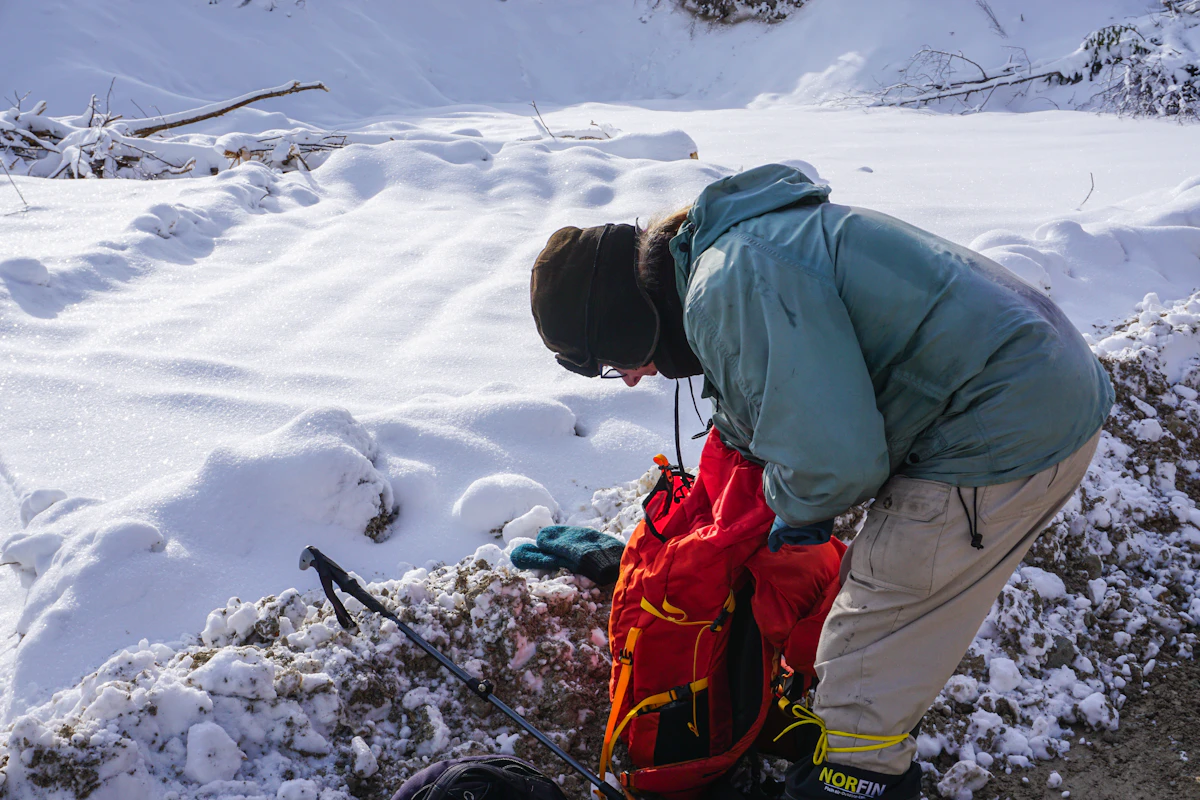
Pack weight over 15 lbs
Heavier packs amplify the load on your knees, especially on descents. Pole-assisted descent reduces compression force exactly where it matters. For backpacking with overnight gear (typically 25-40 lb base weight), poles transition from optional to highly recommended.
Descents over 1,000 vertical feet
Long descents are where poles deliver their biggest benefit. The cumulative impact on knees from descending several thousand feet without poles is real — many hikers experience knee pain that doesn't appear until the descent. Poles brake your descent speed and absorb impact. Trails like Mt. Whitney, Half Dome, and Grand Canyon Bright Angel have descent profiles where poles are strongly recommended.
Existing knee or hip issues
For hikers with arthritis, prior knee surgery, IT band issues, or similar joint problems, poles are nearly mandatory. The 12-25% reduction in compression force translates directly to less pain during the hike and faster recovery after. Many physical therapists recommend trekking poles to patients regardless of whether they hike, they reduce joint load on any walking surface.
Age 50+
Post-50, the protective benefits of poles compound. Joint cartilage is less resilient, balance reflexes are slower, and recovery time is longer. Pole use lets older hikers maintain mileage and difficulty levels they'd otherwise need to scale back. Multiple studies find pole use significantly reduces fall risk on uneven terrain — falls being the leading cause of trail injury in older hikers.
When Poles Are Optional or Counterproductive
Short flat day hikes
Under 5 miles on a flat or rolling trail with a small daypack, poles offer marginal benefit. The 5 minutes to deploy and stow isn't worth it. Many casual day hikers carry poles strapped to their pack for "just in case" and never deploy them — fine, but the weight is dead weight unless used.
Technical scrambling
Routes that require both hands for grabbing rocks, route-finding across boulder fields, or via ferrata-style climbing don't allow pole use. Stowing and deploying repeatedly slows you down more than the poles help. For Class 3 scrambles, ridge traverses, and routes with significant exposure, leave the poles or expect to stow them for hours.
Photography-heavy trips
If you're stopping every 10 minutes to set up shots, trekking poles add friction. Most photographers compromise by carrying one pole and one free hand, or using a chest harness so the camera is always accessible. Pure photography hikes (sunrise/sunset shoots) often skip poles entirely.
Quick Decision Framework
- Day hike under 5 miles, flat or rolling, light pack? Optional. Skip if you don't already own them.
- Day hike with 1,000+ ft descent OR pack over 15 lbs? Strongly recommended.
- Backpacking (overnight pack)? Use poles. Don't debate it.
- Technical scramble or via ferrata? Leave poles or expect to stow them.
- Knee issues, post-injury, or age 50+? Use poles for any meaningful trail.
- Trail running short routes? Skip poles. For ultra-distance running, fastpacking poles are an option.
Frequently Asked Questions
Do you really need trekking poles?
When should you not use trekking poles?
Do trekking poles slow you down?
Can trekking poles damage trails?
Are trekking poles worth it for older hikers?
Are running poles different from hiking poles?
Related Trekking Pole Guides
How to Use Trekking Poles
Sizing, strap technique, ascent/descent form.
Carbon vs Aluminum Poles
Material comparison — weight, durability, cold weather.
How to Choose Trekking Poles
Pillar buying guide — every spec that matters.
Black Diamond vs Leki Poles
Two dominant brands compared.
Best Trekking Poles 2026
Research-vetted picks across price tiers.
Best Trekking Poles Under $50
Budget picks that still deliver.