How Long to Hike 10 Miles? Time Guide
By Peak Gear Guide Editorial Team · Gear research & fact-checking
Quick answer: A 10-mile hike takes 4 to 6 hours on flat to moderate terrain. At an average hiking pace of 2.5 mph, expect around 4 hoursof moving time. Add 30 minutes per 1,000 feet of elevation gain (Naismith’s Rule), 60–90 minutes for a heavy overnight pack, and extra buffer for breaks, rough trail, or slower group members.
Ten miles is the threshold between a casual day hike and a serious full-day outing. It demands proper planning, enough water and food, and a realistic departure time. This guide breaks down exactly what to expect — with time estimates by pace and terrain, what the hike will feel like physically, and everything you need to plan it right. Our estimates build on Naismith’s rule, the time-tested formula for estimating how long a hike will take.
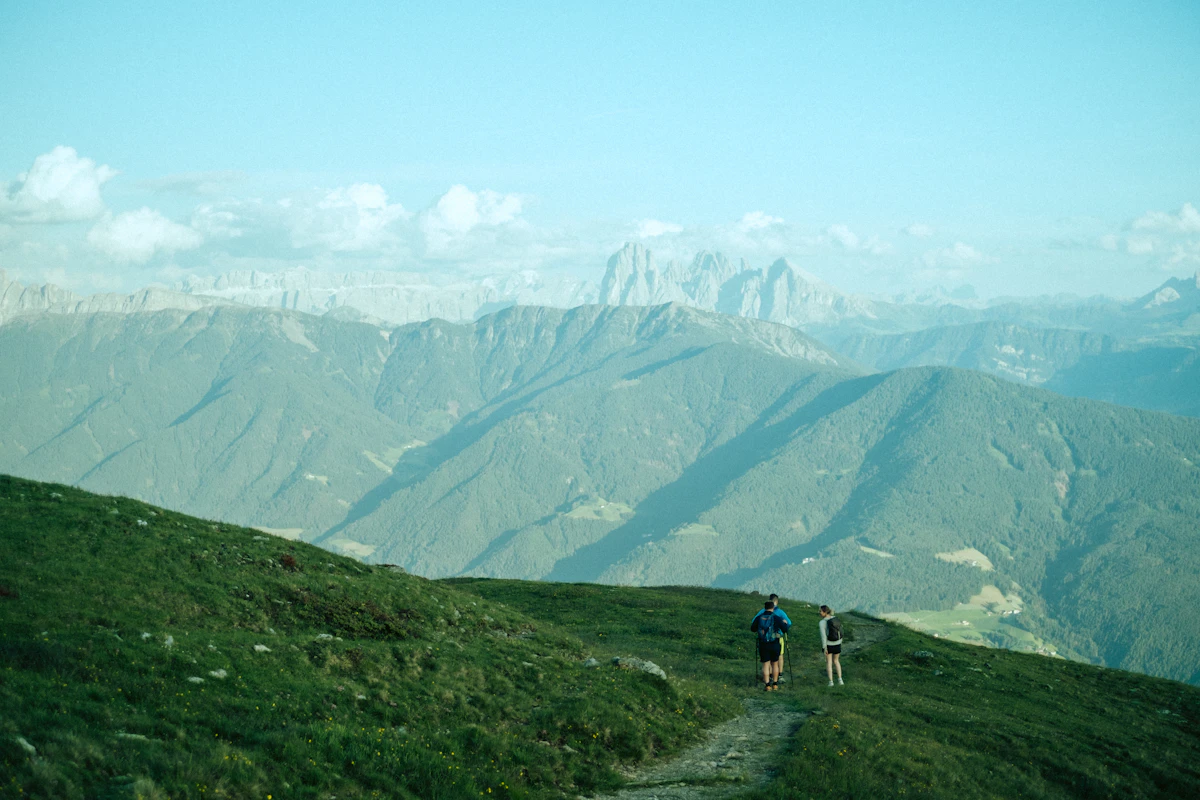
How Long to Hike 10 Miles?
1. Time Estimates by Pace and Terrain
A 10-mile hike is twice the distance of the typical day hike — and that doubles not just the time but also the physical demands on your feet, knees, and cardiovascular system. Pace slows naturally over the second half of any long hike as cumulative fatigue sets in. Use the estimates below as a starting point, then add a 15–20 percent buffer if you are unsure of your pace on that particular terrain.
| Scenario | Estimated Time | Notes |
|---|---|---|
| Slow pace (2 mph) | 5 hr 00 min | Beginner, heavy pack, or rough trail surface |
| Average pace (2.5 mph) | 4 hr 00 min | Fit adult on moderate, well-maintained trail |
| Fast pace (3 mph) | 3 hr 20 min | Experienced hiker, light pack, smooth trail |
| With heavy pack (30+ lbs) | Add 60–90 min | Overnight pack significantly slows pace over 10 miles |
| With 2,000 ft elevation gain | Add 60 min | Naismith's Rule: +30 min per 1,000 ft gain |
| With 4,000 ft elevation gain | Add 2 hr | Serious mountain route — start by 7 AM |
| Winter / snow conditions | 7–10 hr | Microspikes or snowshoes, ~1.5 mph average |
Elevation adjustments are cumulative: add them on top of your base pace time. A 10-mile hike at average pace (4 hrs) with 2,000 ft gain = approximately 5 hrs total moving time.
Using Naismith’s Rule for 10 miles: Start with 10 miles x 30 minutes = 300 minutes (5 hours) base time for a slow-paced hiker. At average pace (2.5 mph) the base drops to 240 minutes (4 hours). Then add 30 minutes per 1,000 feet of elevation gain. A 10-mile hike with 3,000 feet of gain at average pace becomes 240 + 90 = 330 minutes — about 5.5 hours of moving time. Add your lunch break and rest stops on top of that.
The fatigue factor: On any hike over 8 miles, plan for natural pace degradation in the final miles. Most hikers find miles 7–9 are the hardest — legs are tired, the novelty has worn off, and you have not finished yet. Building a 20-minute buffer into your estimate accounts for this reality without forcing you to rush.
2. Is 10 Miles a Hard Hike?
It depends on the terrain and your baseline fitness, but for most people, a 10-mile hike is moderately to significantly challenging. Here is how it breaks down:
For Beginners
Very challenging. A 10-mile hike as your first or second trail experience is likely to result in blistered feet, sore knees, and exhaustion well before the finish. If you are new to hiking, 10 miles should be a goal you work toward over several outings, not a starting point. The good news: with three or four 5-mile hikes under your belt, 10 miles becomes very achievable. The body adapts to trail hiking quickly once you start.
For Moderately Active Adults
Moderately challenging on flat terrain; genuinely demanding with significant elevation. If you exercise regularly and have done a few hikes before, a flat 10-mile trail is a solid full-day outing that you can complete with some effort. Add 2,000+ feet of elevation gain and it becomes a serious workout that will leave your legs sore the next day. The key factors are proper footwear, adequate hydration, and starting early enough to finish comfortably before dark.
For Experienced Hikers
A satisfying but accessible day hike. Experienced hikers who regularly cover 10–15 miles will find a flat 10-mile route well within their comfort zone. A 10-mile route with 3,000– 4,000 feet of gain is where it gets genuinely challenging even for fit hikers — think summit routes or ridge traverses. Proper nutrition, pacing, and hydration strategy still matter at this level; experienced hikers just execute those things habitually.
The one common mistake across all fitness levels: underestimating the time requirement. Even experienced hikers sometimes do this on unfamiliar terrain. Check the elevation profile, calculate your time using Naismith’s Rule, add a buffer, and make sure you have enough daylight to finish safely.
3. Planning a 10-Mile Hike
A 10-mile hike is long enough that planning details matter in a way they do not on a 3-mile trail walk. These are the specific things to get right before you leave the trailhead.
Start No Later Than 8 AM
At average pace, a 10-mile hike takes 4–6 hours moving time plus breaks. If you want to be off the trail before sunset, you need an early start. An 8 AM departure on a 5-hour hike gets you out by 1–2 PM with comfortable margin. A 10 AM start on the same hike has you finishing near dark in winter months or at golden hour in summer — close enough to require a headlamp as backup. For hikes with significant elevation gain, aim for 7 AM or earlier.
Bring 3 Liters of Water Plus Electrolytes
On a 4–6 hour hike, 3 liters covers the minimum requirement at moderate temperatures. In heat or at altitude, 3.5–4 liters is better. Beyond just water, long hikes deplete electrolytes — especially sodium and potassium — which plain water alone does not replace. After 2–3 hours of hiking, add electrolyte tablets or drink a sports drink to prevent cramping and the sluggish, foggy feeling that comes from electrolyte depletion. If the trail passes a reliable water source, a lightweight filter lets you refill and reduce how much you carry.
Pack 400–600 Calories of Trail Food
A 10-mile hike burns 2,000+ calories. You will not replace all of that on the trail, but you need enough fuel to keep your blood sugar stable and your pace consistent through the second half. Aim for 400–600 calories of easy-to-eat trail food: nuts and dried fruit, energy bars, peanut butter packets, or jerky. Eat a small portion every 60–90 minutes rather than waiting for a big sit-down lunch. Eating on a schedule prevents the energy crash that hits most hikers around mile 6–7.
Plan Rest Breaks Every 60–90 Minutes
Short, regular breaks are more effective than infrequent long ones. A 5–10 minute break every 60–90 minutes lets you eat, hydrate, adjust gear, and give your muscles a brief recovery window — without letting your legs stiffen. Use breaks strategically: at the top of a climb, at a viewpoint, or at a water source. Avoid sitting down for more than 15 minutes in the middle of a long hike; muscles tighten quickly and the second half of the hike feels significantly harder.
Use Trekking Poles on Any Elevation
On a 10-mile hike with meaningful elevation, trekking poles are not optional luxury, they are practical insurance against knee pain and fatigue. On the ascent they give you extra propulsion and help distribute effort across your upper body. On the descent — which is when most trail injuries happen — they dramatically reduce the impact load on your knees. Studies show poles can reduce knee joint force on descent by 25 percent. Over 10 miles, that difference compounds into significantly less pain the next day.
4. What to Expect Physically
Understanding what your body goes through on a 10-mile hike helps you pace yourself correctly from the start and troubleshoot when things get hard.
Calorie Burn
The average adult hiking moderate terrain burns 400–700 calories per hour depending on body weight, pack load, and elevation. At 500 cal/hr over a 5-hour hike, you burn 2,500 calories — more than most people eat in an entire day. Your body pulls this energy from stored glycogen first, then fat. When glycogen runs low (typically after 2–3 hours of moderate activity without refueling), energy drops sharply. Eating 100–150 calories every 60–90 minutes keeps glycogen topped up and prevents the bonk.
The Hard Miles: 7–8
For most hikers, miles 7 and 8 of a 10-mile hike are the toughest. The novelty of the trail has faded, fatigue is building, your feet are feeling the accumulated impact, and you still have 2–3 miles to go. This is where pacing at the start pays off: hikers who went out too fast in miles 1–3 hit a wall here. Hikers who started conservatively often find they still have something left. If you know you are entering the hard miles, slow your pace deliberately, eat and drink, and take a 5-minute seated rest if you need it.
Pacing Strategy: Do Not Go Out Too Fast
This is the single most common mistake on a 10-mile hike. Mile 1 feels easy — legs are fresh, the trail is usually flat near the trailhead, and enthusiasm carries you forward faster than intended. Set your pace deliberately by asking: can I hold a full conversation at this effort level? If the answer is no, slow down. The conversational pace rule — running or hiking easy enough to speak in full sentences — is a reliable proxy for aerobic (sustainable) effort. Going anaerobic early will cost you significantly in the final miles.
Your Feet and Joints
Ten miles of trail puts thousands of foot strikes on each foot, with forces 2–3x your body weight on each step on downhill sections. Poorly fitted boots, thin socks, or worn insoles become painful around mile 5–6. If you are prone to blisters, tape any known hot spots before starting. Bring a small blister kit in case. Anti-blister socks (Darn Tough, Smartwool) reduce friction significantly. For knee concerns, trekking poles on descents and a knee brace if you have a prior issue are both smart precautions on 10+ mile routes.
5. Gear Recommendations for a 10-Mile Hike
At 10 miles, gear choices that are “fine” on a short hike can become genuinely painful. Here is what matters most at this distance:
Hiking Backpack (20–30L)
A 20–30 liter daypack is the right size for a 10-mile hike. You need room for 3 liters of water, layers, food, a first aid kit, a headlamp (always on a 10-mile hike), and emergency items. A padded hip belt is important at this distance — it transfers pack weight to your hips and dramatically reduces shoulder fatigue over a 5-hour outing. Look for a ventilated back panel in warm climates.
Hiking Boots
At 10 miles, footwear is the most important gear decision you make. Trail runners work well on smooth, dry singletrack. For any route with significant elevation, wet conditions, or rocky terrain, a proper mid-height or high hiking boot provides the ankle support, sole stiffness, and traction that reduces fatigue and risk over a full day. Make sure they are broken in — never wear new boots for a 10-mile hike.
Water Filter
If your 10-mile route passes any streams, lakes, or springs, a lightweight water filter means you can carry less water from the trailhead and refill along the way. The Sawyer Squeeze (3 oz) and Katadyn BeFree are the most popular options — both filter bacteria and protozoa quickly and pack to almost nothing. On a hot-weather or long-elevation hike, the ability to refill mid-route is a genuine safety margin.
Hiking Socks
Ten miles puts serious mileage on your feet. Cotton socks hold moisture and cause blisters; wool or synthetic hiking socks wick sweat, provide cushioning, and maintain their shape over a full day. Merino wool (Darn Tough, Smartwool) is the gold standard: naturally odor-resistant, temperature-regulating, and durable. Wear the same socks you plan to hike in when you break in your boots.
Trekking Poles
Strongly recommended for any 10-mile hike with elevation. Beyond the knee-protection benefits on descent, poles improve your pace consistency on the uphill by engaging your arms, and they reduce the perceived effort of steep sections by distributing the load. On a full-day hike, the cumulative benefit across 20,000+ steps is significant.
Frequently Asked Questions
Is 10 miles a good hike?
Yes — for fit, regularly active hikers, 10 miles is a satisfying full-day challenge. It is long enough to reach remote destinations unreachable on shorter routes, and it gives you a real sense of accomplishment. For beginners, 10 miles is a significant undertaking that requires preparation. Build up to it with several 5-mile hikes first.
How many calories do you burn hiking 10 miles?
An average-weight hiker (around 160–180 lbs) burns approximately 500 to 700 calories per hour of moderate hiking. A 10-mile hike taking 4–6 hours burns roughly 2,000 to 3,500 calories total. With significant elevation gain, add 15–25 percent. This makes a 10-mile hike one of the highest-calorie outdoor activities you can do.
How much water do I need for a 10-mile hike?
Bring at least 3 liters (about 100 oz) of water for a 10-mile hike in moderate conditions. On hot days, at altitude, or on strenuous terrain, bring 3.5–4 liters. If the trail passes a water source, carry a lightweight filter like a Sawyer Squeeze and refill mid-route.
Is 10 miles too far for a beginner?
Ten miles is a stretch goal for most beginners, not a starting point. If you have never hiked before, start with 2–3 mile flat trails, work up to 5 miles over a few outings, then attempt 10 miles once your feet, legs, and joints have adapted to trail hiking. Attempting 10 miles as your first hike often leads to injury, exhaustion, or both.
How long does it take to hike 10 miles with elevation?
A 10-mile hike with 2,000 feet of elevation gain takes 5 to 7 hours for an average-fit hiker, including short rest stops. With 4,000 feet of gain, a serious mountain route — budget 7 to 10 hours. Use Naismith's Rule: 10 miles x 30 minutes = 300 minutes, plus 30 minutes per 1,000 ft of gain.
Can I hike 10 miles without training?
You can attempt a flat 10-mile hike without specific training if you are reasonably active in daily life. However, your legs and feet will feel it the next day. For a 10-mile hike with meaningful elevation, some preparation, a few 5-mile hikes and some strength work — will make a noticeable difference in how you feel during and after.
Peak Gear Guide Editorial Team
Jake is a lifelong hiker and outdoor gear writer based in Colorado. He has logged over 3,000 trail miles across the Rocky Mountains, Pacific Crest Trail, and Appalachian Trail. He writes about hiking technique, trip planning, and gear selection for Peak Gear Guide.