How Long Does It Take to Hike 5 Miles?
By Peak Gear Guide Editorial Team · Gear research & fact-checking
Quick answer: A 5-mile hike takes 2 to 3.5 hours depending on pace and terrain. On flat, well-maintained trail at an average pace (2.5 mph), expect about 2 hours. Add 30 minutes for every 1,000 feet of elevation gain (Naismith’s Rule), plus extra time for breaks, a heavy pack, or difficult trail conditions.
Five miles is the most popular day-hike distance in the US — long enough to feel like an adventure, short enough for a half-day outing. This guide breaks down exactly how long to expect by pace, fitness level, and trail type, with real-world examples and tips for completing the distance comfortably. The time estimates lean on Naismith’s rule, the classic formula for estimating hiking time from distance and elevation.
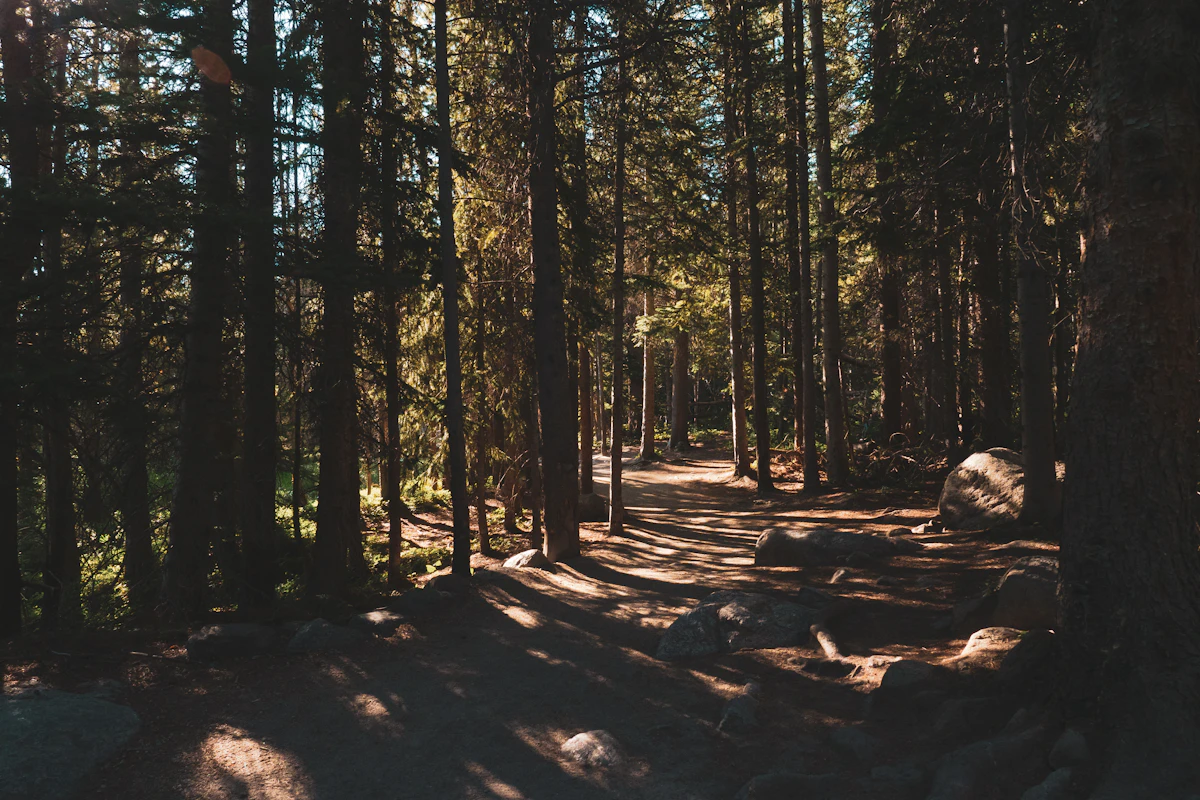
How Long Does It Take to Hike 5 Miles?
1. Time Estimates by Pace and Terrain
The single biggest factor in how long a 5-mile hike takes is your pace — which itself depends on terrain, elevation, pack weight, and fitness. The table below gives realistic estimates for the most common scenarios.
All times below reflect moving time plus natural short pauses. Add extra time if you plan a sit-down lunch, are hiking with children, or are new to the trail.
| Scenario | Estimated Time | Notes |
|---|---|---|
| Slow pace (2 mph) | 2 hr 30 min | Beginner, rocky trail, or frequent stops |
| Average pace (2.5 mph) | 2 hr 00 min | Fit adult on moderate, well-maintained trail |
| Fast pace (3 mph) | 1 hr 40 min | Experienced hiker, light pack, smooth trail |
| With heavy pack (30+ lbs) | Add 30–45 min | Overnight pack on top of any pace above |
| With 1,000 ft elevation gain | Add 30 min | Naismith's Rule: +30 min per 1,000 ft gain |
| With 2,000 ft elevation gain | Add 60 min | E.g. a peak-bagging route with a significant climb |
| Winter / snow conditions | 3 hr 30–4 hr | Post-holing or microspike travel at ~1.5 mph |
Elevation adjustments use Naismith’s Rule: add 30 minutes per 1,000 ft of gain on top of your base pace time.
Why does elevation matter so much?On flat ground, pace is mostly limited by cardiovascular effort. The moment the trail climbs, your muscles have to lift your body weight vertically, and that dramatically increases the energy cost per mile. Most hikers slow by 50 percent or more on steep sections without realizing it. A trail listed as “5 miles with 1,500 ft gain” is not the same as a flat 5-mile walk — budget at least 3 hours and plan your water and food accordingly.
Pack weight adds up too. Carrying a 30+ pound overnight pack on a 5-mile day hike is uncommon, but a loaded hydration pack with layers, snacks, and a first aid kit can reach 15–20 pounds. That alone adds 20–30 minutes compared to a near-empty pack. Keep your pack as light as reasonable without cutting safety essentials.
2. Is 5 Miles a Hard Hike?
The honest answer depends entirely on who is asking. Here is a realistic breakdown:
For Complete Beginners
Five miles is a genuine challenge if you rarely walk more than 2–3 miles at a time in your daily life. By miles 3–4 your feet will ache, your legs will feel heavy, and if there is any elevation involved you will be breathing harder than expected. That is not a reason to avoid it, it is a reason to prepare. Start on flat, well-marked trail. Bring more water than you think you need. Plan for 3+ hours. Build up to it with a few shorter hikes first if possible.
For Moderately Active Adults
If you walk regularly, do light exercise, or have hiked a few times before, a flat 5-mile trail is a comfortable half-day outing. A 5-mile trail with 1,000–1,500 feet of elevation gain becomes a solid workout — expect tired legs afterward but nothing that should stop you from completing the hike. It is the right length for a morning outing that leaves the afternoon free.
For Experienced Hikers
Five miles is a warm-up. Experienced hikers who regularly cover 10–15 miles will knock out a flat 5-mile route in under 2 hours without much effort. The exception is a 5-mile route with heavy elevation gain (2,000+ feet), which is a legitimate workout for anyone. Even skilled hikers should not underestimate a technical 5-mile trail with loose rock or route-finding challenges — technical terrain slows everyone down.
The most important thing is to match the hike to your current fitness level, not your aspirational one. Starting with an honest assessment of what you can handle prevents the most common outcome of underestimating a trail: turning around exhausted halfway through, or worse, finishing in the dark.
3. Example 5-Mile Hikes and Times
Abstract pace numbers only go so far. Here are realistic real-world examples of what a 5-mile hike looks like across different terrain types, so you can gauge where your planned route fits.
Flat / Paved Loop (Central Park Level)
Almost no elevation change, smooth surface, good signage. Think greenway loops, lakeside paths, or flat national park roads. Average adult moving at a comfortable 2.8–3 mph. Suitable for all fitness levels. The full 6-mile Central Park loop, for comparison, takes most walkers about 2 hours.
Moderate Trail with 500 ft Elevation Gain
The most common park and forest trail profile. Rolling terrain with a modest climb — think a ridgeline overlook or waterfall destination. Pace drops to 2–2.5 mph on the ascent but recovers on flat and descent sections. A satisfying half-day outing that leaves room for lunch at the top.
Challenging Trail with 1,500 ft Elevation Gain
A serious 5-mile route. This is the profile of many mountain summit hikes — steep switchbacks, exposed sections, rocky trail. Most of your time is spent on the climb. The descent adds another 45–60 minutes bringing total round-trip to 4+ hours. Fit hikers love this category; beginners should build up to it with a few 2–3 mile routes first.
Winter or Snow Conditions
Snow dramatically slows hiking pace. Post-holing through 6 inches of uncompacted snow cuts speed by 40–50 percent. With microspikes on a packed snow trail you might maintain 1.5 mph. Budget 4 hours minimum for a 5-mile snow hike, start early, and carry emergency layers in case conditions change. Sunset happens fast in winter.
4. Tips to Complete 5 Miles Comfortably
Getting through a 5-mile hike is one thing; finishing feeling good is another. These practical tips make the difference between an exhausting death march and an enjoyable outing.
Start Early
Most problems on the trail are caused by starting too late. A 5-mile hike at average pace takes 2–3 hours, and that is without factoring in slower-than-expected terrain, extended breaks, or a wrong turn. If you want to be off the trail by noon, start by 8 or 9 AM. Starting early also means hiking in cooler temperatures, lighter crowds, and golden-hour light for photos. Late-afternoon starts on trails with significant elevation are where people get caught in the dark.
Bring 2 Liters of Water
For a 5-mile hike at average pace (about 2 hours), bring at least 2 liters of water — more in hot weather, at altitude, or on a strenuous route with significant climbing. Thirst is a lagging indicator: by the time you feel it you are already mildly dehydrated, which affects energy, pace, and mood. Drink before you are thirsty, roughly 500 ml per hour. A hydration bladder in your pack makes sipping on the move easy without stopping.
Pack Light Snacks
You will not need a full meal on a 5-mile hike, but a snack at the halfway point makes a real difference in energy and morale. Trail mix, energy bars, a piece of fruit, or dried mango are ideal: high calorie density, easy to eat without stopping, no preparation required. Avoid heavy or greasy food that sits in your stomach on the ascent. If you are planning a longer outing or want to sit at the summit, pack a proper lunch and add 20–30 minutes to your time estimate.
Use Trekking Poles on Steep Sections
Trekking poles are not just for long hikes. On any 5-mile route with 500+ feet of elevation gain, poles engage your upper body on the ascent and dramatically reduce knee load on the descent — research shows a 20–25 percent reduction in knee joint force. They also improve balance on uneven terrain and serve as a rhythm tool that keeps you moving at a consistent pace. If you do not own poles, they are one of the best value upgrades for regular hikers.
Check the Trail Profile Before You Go
Alltrails, Gaia GPS, and most national park websites show the elevation profile for any trail. Look at the total elevation gain (not just the maximum elevation), and identify where the steepest sections are. If most of the climb happens in the first half, pace yourself accordingly — do not burn out on the ascent. If the trail is a point-to-point with a net loss, your return trip will be harder than you expect. A two-minute check of the elevation profile prevents most pacing mistakes.
5. Gear for a 5-Mile Hike
You do not need much for a 5-mile day hike, but the right gear makes the experience noticeably more comfortable, and the wrong gear (especially footwear) can ruin it. Here are the essentials:
Daypack
A 10–20 liter daypack is the right size for a 5-mile hike. Enough room for 2 liters of water, a layer, snacks, and a first aid kit — without the bulk and weight of a larger bag. Look for a padded hip belt and ventilated back panel if you run hot.
Hiking Boots or Trail Runners
This is the single most important gear choice for any hike. Trail runners are lighter and faster on smooth singletrack. Hiking boots offer more ankle support and traction on rocky, steep, or wet terrain. For a 5-mile hike on a maintained trail, either works. On technical routes with significant elevation, lean toward mid or high hiking boots. Whatever you choose, break them in before putting them on for a 5-mile outing.
Trekking Poles
Optional on flat routes, highly recommended on any 5-mile hike with 500+ feet of gain. They reduce knee stress on descent, engage your upper body on ascent, and help you maintain a consistent cadence. Collapsible poles stow easily in your pack for flat sections.
Water Bottle or Hydration Bladder
A 2-liter hydration bladder or two 1-liter bottles covers the minimum for a 5-mile hike in moderate conditions. Insulated bottles keep water cold on hot days; lightweight soft flasks compress as you drink. If your trail has a water source mid-route, a small filter like a Sawyer Squeeze lets you refill.
Frequently Asked Questions
Is 5 miles a good hike?
Yes. Five miles is one of the most popular day-hike distances for a reason, it is long enough to feel like a real outing and short enough to complete comfortably in half a day. For fit adults it is a moderate warm-up; for beginners it is a meaningful challenge. With 500–1,000 feet of elevation gain it becomes a solid workout for almost anyone.
How long does a 5-mile hike take a beginner?
A beginner should budget 3 to 3.5 hours for a 5-mile hike on flat or gently rolling trail, including short rest breaks. On a trail with 500–1,000 feet of elevation gain, plan for 3.5 to 4.5 hours. Beginners typically hike at around 1.5–2 mph due to slower pace, more frequent rests, and the need to watch their footing on uneven ground.
How much water do I need for a 5-mile hike?
Bring at least 2 liters (about 68 oz) of water for a 5-mile hike. In hot weather or high elevation, bring 2.5–3 liters. The general rule is 0.5 liters per hour of hiking. If the trail has no water sources, carry everything you need from the trailhead.
What should I bring on a 5-mile hike?
For a 5-mile day hike you need: 2 liters of water, a light snack (nuts, bars, or fruit), sun protection (hat, sunscreen), a basic first aid kit, a fully charged phone, and weather-appropriate layers. Trekking poles are optional but helpful on any trail with elevation change. Wear trail-ready footwear, not casual sneakers.
Is 5 miles considered a long hike?
For most adults, 5 miles is a moderate day hike, not short, not long. It sits in the sweet spot between a casual walk and a strenuous all-day effort. Hikers who regularly cover 10–15 miles will consider 5 miles easy. Beginners who have never hiked before may find it challenging, especially with elevation gain.
Can you hike 5 miles in 1 hour?
Hiking 5 miles in one hour would require a pace of 5 mph, that is a fast jog, not a hike. The fastest realistic hiking pace on smooth flat trail is around 3.5–4 mph for a very fit person moving light. For most hikers on any trail with varied terrain, 5 miles takes at least 1 hour 40 minutes at a brisk pace.
Peak Gear Guide Editorial Team
Jake is a lifelong hiker and outdoor gear writer based in Colorado. He has logged over 3,000 trail miles across the Rocky Mountains, Pacific Crest Trail, and Appalachian Trail. He writes about hiking technique, trip planning, and gear selection for Peak Gear Guide.