4-Season Tent Buyer's Guide
How to Choose a 4-Season Tent: 2026 Buyer's Guide
By Peak Gear Guide Editorial Team · Gear research & fact-checking
Snow load, wind ratings, single vs double wall, and the honest answer to whether you actually need a 4-season tent or a robust 3-season will do.
Do You Actually Need a 4-Season Tent?
A 4-season tent is built for sustained winds over 40 mph, accumulating snow load, and alpine exposure. Most weekend winter campers do not need one, a robust 3-season tent with a footprint handles calm winter nights at moderate elevation. Buy a 4-season tent only when you camp above treeline, expect multi-day storms, or do mountaineering above 10,000 feet.
Most camping content treats “4-season” as automatically better. It is not. The solid fabric canopy that makes a 4-season tent weatherproof in winter creates condensation and a sauna effect in milder conditions, and the extra 2-3 pounds matters on backpacking trips. The season-rating framework outlined in REI’s expert advice on tents backs this up. This guide covers when a 4-season tent is genuinely necessary, what to look for in pole structure, snow load rating, and rain fly coverage, and which tradeoffs are worth paying for at each price point.
#Quick Answer: Choosing the Right 4-Season Tent
- 1.Verify the trip type: Calm winter weekends → 3-season tent with a footprint. Alpine, exposed ridges, multi-day storms → true 4-season.
- 2.Choose double-wall for 90% of users — better condensation control and warmer. Single-wall (Dyneema/eVent) only for committed alpine.
- 3.Demand 4+ poles in geodesic or tunnel layout, DAC aluminum, and a documented snow load rating of at least 30 lbs/sq ft.
- 4.Target 6-7 lbs (2P) for backpacking. 8-10 lbs is fine for base camping. Under 5 lbs usually means single-wall and condensation tradeoffs.
- 5.Budget $600-900 for mid-range — covers 95% of recreational winter camping. Entry-level ($400) often skimps on pole strength.
What Actually Makes a Tent “4-Season”?
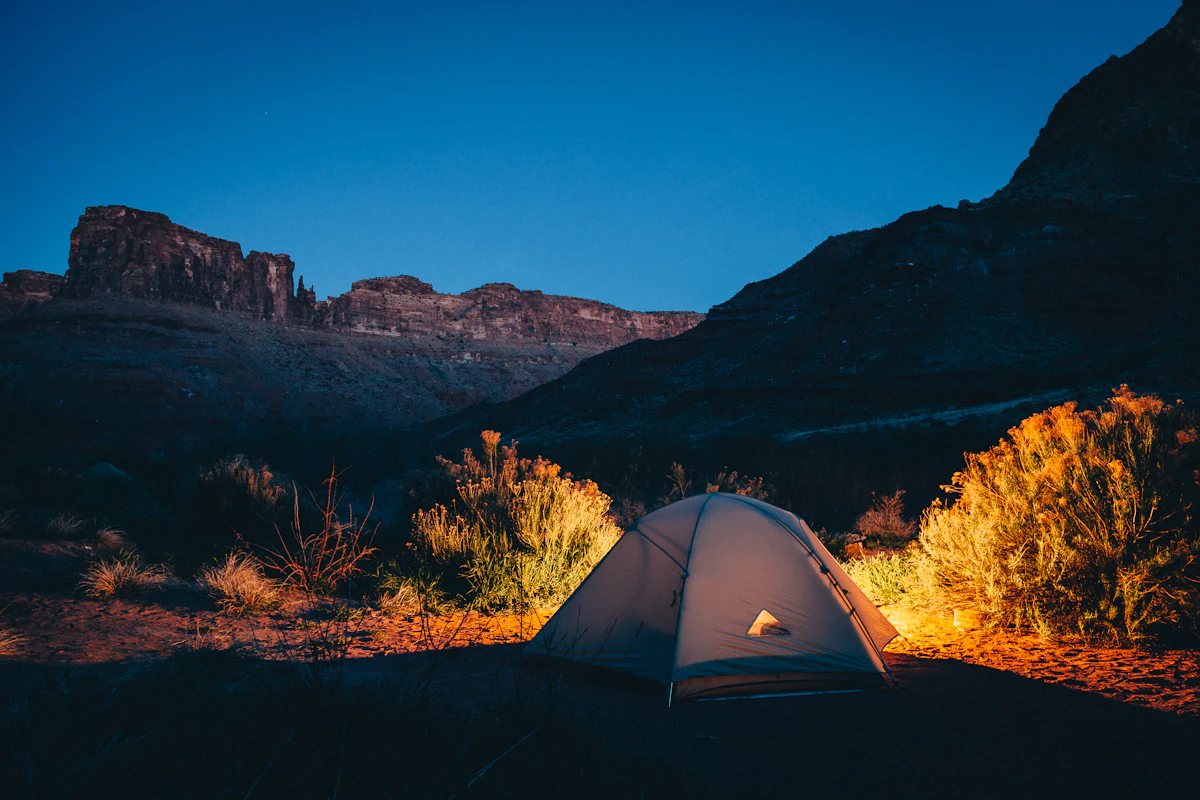
The label “4-season” is loosely regulated — any manufacturer can apply it without standardized testing. Genuine 4-season tents share four engineering features that distinguish them from beefed-up 3-season models:
- --Reinforced pole structure (4-6 poles). Geodesic or tunnel architectures with crossing pole intersections distribute snow and wind load. Single-hub designs found in 3-season tents collapse under sustained pressure.
- --Solid fabric canopy. 3-season tents use 30-50% mesh for ventilation. 4-season tents replace that mesh with solid ripstop nylon to retain heat, block wind-driven snow, and prevent spindrift from entering.
- --Full-coverage rain fly. Extends to ground level on all sides, sealed against wind-driven precipitation. 3-season flies leave 12-18 inches of air gap above ground for ventilation.
- --10+ guy-out points with reinforced webbing. Lets you anchor the tent against gale-force winds. Look for guy-outs sewn directly to seams, not floating loops.
If a tent is marketed as 4-season but lacks any of these four features, treat it as a heavy-duty 3-season instead. Common offenders: tents with 2-3 hubbed poles and a label upgrade for marketing reasons.
3-Season vs 4-Season Tent: Side-by-Side
The honest comparison most retailers won't show you, because it reveals that most campers don't need the more expensive option:
| Feature | 3-Season Tent | 4-Season Tent |
|---|---|---|
| Weight (2P) | 3 - 5 lbs | 5 - 8 lbs |
| Pole count | 2 - 3 (hubbed) | 4 - 6 (geodesic or tunnel) |
| Canopy fabric | 30 - 50% mesh | Solid fabric with vents |
| Rain fly coverage | Partial (12 - 18 in off ground) | Full (touches ground) |
| Wind rating | Up to 30-35 mph sustained | 50+ mph sustained |
| Snow load | Not rated (collapses) | 30 - 80+ lbs/sq ft |
| Price (2P) | $200 - $700 | $400 - $1,800 |
| Best for | Spring through fall, mild winter nights | Alpine, exposed ridges, sustained storms |
For specific tent recommendations, see our best 4-season tents roundup and best 2-person backpacking tents for the 3-season alternatives.
When You Actually Need a 4-Season Tent
Four scenarios where a 4-season tent is genuinely necessary, not just nice-to-have:
1. Alpine and above-treeline camping
Above treeline you have no wind break. Sustained 40-60 mph gusts are routine. A 3-season tent will deform, snap poles, or shred fly material under these conditions.
2. Multi-day winter storms
When you cannot retreat to lower elevation and snow accumulates for 24+ hours, the tent must support the weight without collapse. Snow load rating becomes critical.
3. High-altitude expeditions
Above 10,000 feet, temperatures drop sharply at night and wind exposure increases. Mountaineering tents (Mountain Hardwear Trango, The North Face Mountain 25) are designed for this.
4. Polar or sub-arctic trips
Extended cold below -20°F with potential blizzard conditions requires expedition-grade tents like the Hilleberg Saivo or Keron. These are the only tents proven in genuine polar use.
If your trips don't fall into one of these four categories, a robust 3-season tent paired with a proper high R-value sleeping pad and a 0°F sleeping bag will keep you warm, dry, and safe in 95% of winter conditions encountered by recreational campers.
Snow Load and Wind Rating Explained

These two specs separate genuine 4-season tents from marketing labels. Both are tested in controlled environments, but manufacturers report them inconsistently.
Snow load rating
Measured in pounds per square foot (lbs/sq ft) the canopy can support without pole failure. Manufacturers test by piling weighted bags on the tent in a windless environment. Real-world snow load is dynamic — wind compresses snow into denser drifts, so always reduce the rated number by 30-40% for safety. Mid-range 4-season tents handle 30-50 lbs/sq ft. Expedition-grade tents (Hilleberg Saivo, MSR Stormking) handle 60-80+ lbs/sq ft. In practical terms, 30 lbs/sq ft equals roughly 4-6 inches of dense, compacted snow before clearing becomes mandatory.
Wind rating
Reported as the maximum sustained wind speed the tent withstands when properly guyed out. Mid-range 4-season tents handle 50-60 mph sustained. Expedition tents handle 80-100 mph. Note that gusts up to 1.5x the sustained rating are usually fine, but sustained high-wind exposure causes pole fatigue over time. Always orient the tent with the smaller end into the wind, and use all available guy-out points in storm conditions.
Pro tip:If a tent specification sheet doesn't list a snow load rating or wind rating at all, that's a red flag. Real 4-season manufacturers publish these numbers because they validate the engineering. Look elsewhere.
Single-Wall vs Double-Wall 4-Season Tents
The construction debate that splits the alpine community. Both designs work, the right choice depends on what you optimize for.
Double-wall: the safe default
Separate inner tent (breathable fabric) and outer rain fly. The air gap between them manages condensation by allowing moisture to escape outward through the inner before it hits the cold outer fly. Warmer in cold weather because of the dual-layer insulation effect. More versatile because you can pitch the inner alone in warm weather (tents like the MSR Access allow this). The downside: 1-2 pounds heavier than single-wall, and pitch time is longer. Recommended for 90% of users.
Single-wall: the alpine specialist
One layer of waterproof-breathable fabric (Dyneema Composite, eVent, or proprietary blends) handles both wind protection and breathability. Lighter (1-2 lbs less for a comparable shelter) and pitches in 60-90 seconds, which matters when you need shelter immediately in deteriorating conditions. The tradeoff: significant interior condensation in cold-and-damp conditions because moisture has nowhere to go through the single layer. Single-wall tents are designed for committed alpine use where weight and speed outweigh comfort. Examples: Black Diamond Eldorado, Hilleberg Akto, Hyperlite Mountain Gear Ultamid 4.
Feature Checklist: What to Look For
Use this as your buying checklist. If a tent fails on any “red flag” item, walk away.
| Feature | What to Look For | Red Flag |
|---|---|---|
| Pole structure | 4+ DAC Featherlite or NSL aluminum poles, geodesic or tunnel layout | Fewer than 4 poles, fiberglass material, no documented snow load |
| Fly material | 30D - 70D ripstop nylon, 1500mm+ waterproof rating, full-coverage | 20D or thinner, partial coverage, bathtub floor under 3000mm |
| Vent system | 2+ adjustable canopy vents that work with fly closed | Only door-based ventilation; vents that leak in driving rain |
| Vestibules | 10+ sq ft per side, dual entries on 2P+ tents | Single-side entry, vestibules under 8 sq ft |
| Stake-out points | 10+ guy-out points with reinforced webbing | Fewer than 6 guy-outs; guy-outs not anchored to seam |
| Stove jack (optional) | Reinforced port for hot tent stove if winter base camping | Marketed as 'stove-compatible' without proper port |
Budget Tiers: What You Get at Each Price Point
Entry-level: $400 - $550
ALPS Mountaineering Tasmanian, Black Diamond HiLight. Adequate for light winter use, weekend trips below treeline, and calm conditions. Pole structure is acceptable but not expedition- grade. Skip this tier if you camp above treeline regularly.
Mid-range: $600 - $900 (best value)
MSR Access, Mountain Hardwear Trango 2, The North Face Mountain 25. The sweet spot for 95% of recreational winter campers. Documented snow load and wind ratings, DAC poles, full-coverage flies. Will handle anything except extreme expeditions.
Expedition: $1,000 - $1,800
Hilleberg Nallo, Saivo, Keron. Mountain Hardwear EV3. The highest tier — built for genuine polar use, multi-week expeditions, and conditions where tent failure means evacuation. Overkill for weekend campers. Worth every dollar for the small fraction of users who need them.
5 Common Mistakes When Buying a 4-Season Tent
- 1.Buying based on the “4-season” label alone. Many tents marketed as 4-season are heavy-duty 3-seasons. Verify pole count, snow load rating, and full fly coverage.
- 2.Over-buying for actual conditions. Most weekend winter campers don't need an expedition-grade $1,200 tent. Buying one means carrying 2-3 extra pounds for protection you'll never use.
- 3.Underestimating condensation in single-wall tents. First-time single-wall users frequently wake up with frost inside the tent. Plan for it: ventilate aggressively, wipe down walls before sleep, and use a vapor barrier liner.
- 4.Skipping the field practice. Pitching a 4-season tent in deep snow with mittens on, in wind, at 2 AM is not the time to learn. Practice setup at home in a backyard before your first real cold trip.
- 5.Not pairing with the right sleep system. A premium 4-season tent doesn't keep you warm — your sleeping bag and pad do. Read our sleeping pad R-value guide and winter camping guide before buying.
Frequently Asked Questions
Do I really need a 4-season tent for winter camping?+
What is the difference between a 3-season and 4-season tent?+
What does snow load rating mean for a 4-season tent?+
Single-wall or double-wall 4-season tent: which is better?+
How much does a good 4-season tent cost?+
Are 4-season tents good for summer camping?+
What weight should I expect from a 4-season tent?+
Related Guides
Best 4-Season Tents 2026
Tested picks across budget tiers — apply this guide's framework to specific products.
Winter Camping for Beginners
Complete winter camping skills, from site selection to staying dry in deep snow.
Sleeping Pad R-Value Guide
Match your pad insulation to the temperatures your tent will see, the other half of your sleep system.
How to Stay Warm While Camping
Layering strategy, food, hydration, and sleep system tactics for cold-weather comfort.