MSR vs Jetboil Stoves: Full Comparison
By Peak Gear Guide Editorial Team · Gear research & fact-checking
MSR and Jetboil are the two brands that dominate the backpacking stove category. Both have earned devoted followings, but they have fundamentally different philosophies about what a camp stove should do. The right choice between them is not really about which brand makes a better stove — it's about what kind of cooking you actually do in the backcountry.
If your camp kitchen starts and ends with boiling water for freeze-dried meals and instant coffee, Jetboil's integrated canister systems are extraordinarily efficient and purpose-built for that workflow. If you want to cook real food — sautéed vegetables, one-pot pasta, scrambled eggs. MSR's traditional stove-and-pot system gives you the cooking versatility that Jetboil's FluxRing design cannot match. This guide covers every relevant category so you can make the right call for your trips.
Boil times, fuel-efficiency, and regulator details here are drawn from each maker’s official documentation — MSR publishes specs for the PocketRocket and WindBurner, and Jetboil documents its FluxRing integrated systems. For neutral guidance on choosing a backpacking stove, see REI’s expert-advice library.
In This Guide
System Types Explained
Before comparing specific numbers, it's worth understanding what you're actually comparing. MSR and Jetboil each make two categories of stove, and these categories behave very differently.
Integrated Canister Systems
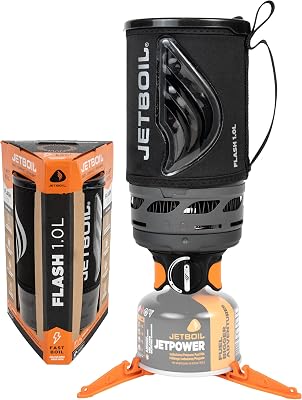
The stove burner, cooking vessel, and fuel canister form a single locked-together unit. The pot has a FluxRing or radiant burner base that dramatically improves heat transfer efficiency. The system is optimized specifically for boiling water with minimal fuel waste and minimal wind loss.
- Jetboil: Flash, MiniMo, Joule, Zip
- MSR: WindBurner Solo, WindBurner Duo
Remote Canister / Traditional Stoves
A compact burner screws onto the top of a canister or connects via a fuel hose (remote canister). It works with any pot or pan. The setup is lighter, more packable, and far more versatile for real cooking, but less efficient for pure boiling and more susceptible to wind.
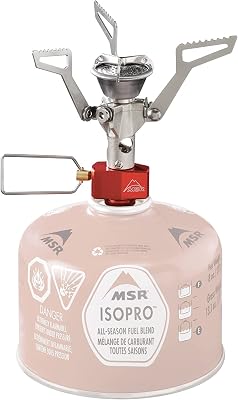
- MSR: PocketRocket 2, PocketRocket Deluxe, WhisperLite
- Jetboil: No equivalent. Jetboil focuses on integrated systems
This asymmetry matters. When people ask "MSR vs Jetboil," they are often comparing the Jetboil Flash (integrated system) against the MSR PocketRocket 2 (traditional stove) — which is not a true apples-to-apples comparison. The MSR WindBurner is the fair integrated-system counterpart to Jetboil. The sections below cover both MSR stove types so you have the full picture.
Boil Times and Fuel Efficiency
Boil time is the standard benchmark for backpacking stoves. These are manufacturer figures measured at sea level in calm conditions — real-world times vary with altitude, wind, water temperature, and canister fill level.
| Stove | Boil Time (1L) | Fuel per Liter | System Type |
|---|---|---|---|
| Jetboil Flash | 2 min 35 sec | ~12g | Integrated |
| MSR WindBurner Solo | 2 min 45 sec | ~11g | Integrated |
| MSR PocketRocket 2 | 3 min 30 sec | ~18g | Traditional |
The Jetboil Flash and MSR WindBurner are extremely close on boil time. The real difference is fuel efficiency: the WindBurner Solo burns approximately 11g per liter versus the Flash's 12g, a slight MSR advantage over a long trip. Both integrated systems dramatically outperform the PocketRocket 2 on fuel efficiency because the FluxRing and radiant burner designs capture heat that would otherwise be lost to the environment.
The PocketRocket 2's slower boil time and higher fuel consumption are not failures, they are the inherent trade-off of an open-flame design that gives you real cooking capability. For a trip where you boil water 3-4 times a day, the difference between 12g and 18g per liter adds up. For a week-long trip with two people boiling twice a day, you might carry an extra 20-25g of fuel with the PocketRocket 2 compared to an integrated system.
MSR or Jetboil — same fuel-sizing question. Our Backpacking Fuel Calculator our fuel calculator factors stove type into the math. Jetboil's flow regulator vs MSR's burner efficiency change canister sizing for the same trip.
Cooking Versatility
This is where MSR's traditional stoves have a clear and decisive advantage. The Jetboil system's FluxRing cookware is engineered for one thing: transferring heat to the base of a tall, narrow pot as fast as possible. That geometry is exactly wrong for real cooking. You cannot use a wide frying pan with a Jetboil burner and get even heat distribution. Simmering is possible on some Jetboil models (the MiniMo has the best simmer control in the lineup) but the tight integrated design makes stirring and handling awkward.
The MSR PocketRocket 2 screws onto a canister and works with any pot, pan, or cookware you choose. You can use a wide titanium frying pan for eggs and sautéed vegetables, a lightweight aluminum pot for pasta, or an ultralight titanium mug for a quick boil. The stove does not care. Flame control is excellent on the PocketRocket 2, with a smooth valve that lets you dial down to a genuine simmer for delicate cooking.
Bottom line on versatility: If you cook actual meals in the backcountry — one-pot dinners, pan-fried fish, breakfast scrambles. MSR's traditional stoves win outright. If your camp food strategy is freeze-dried pouches and instant oatmeal, this distinction is irrelevant and Jetboil's efficiency advantage is a better reason to choose.
MSR does offer the Reactor (not covered here) and windscreens for the PocketRocket for more efficient boiling with traditional stoves, and Jetboil sells a skillet accessory for its system, but neither fully closes the gap. The core cooking philosophy of each system is baked into the hardware.
Cold Weather Performance
All isobutane/propane canister stoves lose performance in cold temperatures because the pressure inside the canister drops as the fuel cools. Below 20–25°F, a standard canister stove will produce a weak flame or stop working entirely. How a stove handles this limitation is one of the most important buying criteria for winter camping, shoulder-season trips, and high-altitude mountaineering.
Jetboil Flash
No pressure regulator. Performance degrades below freezing. Best suited for three-season use. Warm the canister in your sleeping bag on cold mornings.
MSR WindBurner
Pressure-regulated radiant burner. Maintains strong performance well below freezing. The best cold-weather canister stove in either lineup. Designed for alpine conditions.
MSR PocketRocket 2
No pressure regulator. Struggles meaningfully below 25°F. For winter use, upgrade to the PocketRocket Deluxe (pressure regulated) or the WindBurner.
For three-season backpacking — spring through fall at typical elevations — any of these stoves will serve you well and cold-weather performance is a secondary concern. For winter camping, mountaineering, or consistent use above 10,000 feet, prioritize a pressure-regulated stove: the MSR WindBurner is the standout performer, with Jetboil's MiniMo and Joule models as regulated alternatives within the Jetboil lineup.
Weight Comparison
Weight comparisons between stove systems are tricky because the MSR PocketRocket 2 is just a burner, you must also count the pot you carry. Integrated systems include the pot, so their system weights are more directly comparable.
| System | System Weight | Notes |
|---|---|---|
| Jetboil Flash | 13.1 oz (371g) | Includes FluxRing cup, igniter, and lid. No canister. |
| MSR WindBurner Solo | 15.2 oz (431g) | Includes pot, lid, and strainer. No canister. |
| MSR PocketRocket 2 (burner only) | 2.6 oz (74g) | Burner only. Add pot weight separately. |
| MSR PocketRocket 2 + Titanium Pot (750ml) | ~5.5 oz (156g) | Approximate complete cooking system for one person. |
The MSR PocketRocket 2 paired with a lightweight titanium pot is significantly lighter than any integrated canister system. If pack weight is your primary concern, the PocketRocket 2 setup wins by a comfortable margin. The Jetboil Flash at 13.1 oz is lighter than the MSR WindBurner Solo at 15.2 oz, a meaningful difference if you are counting every gram, though both are heavier than a PocketRocket 2 + pot combination chosen for weight.
Price
| Stove | Best For |
|---|---|
| MSR PocketRocket 2 | Best value; versatile cooking |
| Jetboil Flash | Fast boiling; freeze-dried meals |
| MSR WindBurner Solo | Cold weather; high altitude |
| Jetboil MiniMo | Jetboil with real simmer control |
When to Choose Each Stove
Where to Buy
MSR PocketRocket 2
Best for: Versatile cooking, warm-weather trips, weight-conscious hikers
Jetboil Flash
Best for: Boil-only cooking, freeze-dried meals, fast morning starts
MSR WindBurner Solo
Best for: Cold weather, high altitude, wind-exposed campsites
Jetboil MiniMo
Best for: Backpackers who want Jetboil efficiency plus genuine simmering control
Links are affiliate links. Clicking and purchasing helps support Peak Gear Guide at no extra cost to you.
Frequently Asked Questions
Is Jetboil worth it for backpacking?▼
Jetboil is worth it if your cooking style consists mainly of boiling water — for freeze-dried meals, instant coffee, oatmeal, and hot drinks. The integrated canister system is exceptionally efficient at this task, with the Jetboil Flash boiling a liter in about 2 minutes 35 seconds while consuming only around 12g of fuel per liter. Where Jetboil falls short is real cooking: the FluxRing cup design makes simmering and sautéing difficult, and the system is awkward for anything requiring even heat distribution across a wide pan. If 90% of your camp cooking is boiling water, Jetboil is absolutely worth the premium price over a traditional stove setup.
What's the difference between MSR PocketRocket and WindBurner?▼
The MSR PocketRocket 2 is a compact, lightweight canister stove burner that screws onto a standard isobutane canister and works with any pot. It weighs just 2.6 oz (without a pot) and costs around $55 — making it one of the best value backpacking stoves available. Its main limitation is poor cold-weather performance below about 25°F because canister pressure drops in cold temperatures. The MSR WindBurner is an integrated canister system like Jetboil, with a radiant burner design that is far more resistant to wind and cold temperatures. The WindBurner Solo system weighs 15.2 oz and costs around $150, and delivers excellent fuel efficiency (~11g per liter). Choose the PocketRocket for warm-weather trips where real cooking matters; choose the WindBurner for winter trips, exposed ridgelines, or high-altitude where wind and cold are serious concerns.
Can I use a Jetboil at high altitude?▼
Yes, but with caveats. Jetboil stoves use liquid isobutane/propane fuel canisters, and canister pressure decreases as altitude increases and as the canister empties. Jetboil's pressure regulator (available on models like the MiniMo and Joule) helps maintain consistent output at altitude. Without a regulator, boil times will increase and simmering becomes harder at high altitude. The MSR WindBurner also uses a pressure regulator and performs comparably to regulated Jetboil models at elevation. For high-altitude alpine trips, choose a pressure-regulated stove. Jetboil MiniMo, Jetboil Joule, or MSR WindBurner — over the base Jetboil Flash or unregulated stoves.
Are MSR and Jetboil fuel canisters compatible?▼
Yes. Both MSR and Jetboil fuel canisters use the Lindal valve standard, which is the universal thread specification for canister stoves. Any isobutane/propane canister with a Lindal valve. MSR IsoPro, Jetboil JetPower, Primus, GSI, Snow Peak, and others — will thread onto any Lindal-compatible stove burner from either brand. You can use MSR canisters with a Jetboil stove, or Jetboil canisters with an MSR PocketRocket or WindBurner, interchangeably. The only exception is that some integrated systems (like older Gigapower models) use proprietary canister threads, but all current MSR and Jetboil products use the standard Lindal valve.
Which stove boils water fastest?▼
For boiling water, the Jetboil Flash is the fastest commonly available backpacking stove, reaching 1 liter in approximately 2 minutes 35 seconds under ideal conditions. The MSR WindBurner is close behind at about 2 minutes 45 seconds per liter. The MSR PocketRocket 2 takes around 3.5 minutes per liter — meaningfully slower but still fast by absolute standards. In real-world conditions with wind, these figures change significantly: integrated canister systems like the Jetboil Flash and MSR WindBurner maintain their boil times much better in wind than open-flame stoves like the PocketRocket 2, because their design surrounds the flame. If pure boil speed in all conditions is your priority, the Jetboil Flash or MSR WindBurner are your best options.


