Big Agnes Copper Spur Sizing Guide
Copper Spur HV UL: UL1 vs UL2 vs UL3
By Peak Gear Guide Editorial Team · Gear research & fact-checking
The honest sizing guide. Weight, floor space, vestibules, and the one mistake most buyers make when picking between the three Copper Spur sizes.
Which Copper Spur Size Should You Buy?
For most backpackers: the HV UL2 is the right answer regardless of whether you camp solo or with a partner. Solos get usable space and dual vestibules for an 11-ounce penalty over the UL1. Couples get a fits-but-tight 2-person tent. The UL3 is overkill unless you regularly camp with three people or share with a partner plus a dog.
The Big Agnes Copper Spur HV UL is one of the most-shopped ultralight backpacking tents on the market, and the most common mistake buyers make is sizing down to save weight without understanding what they give up. This guide compares all three sizes side-by-side using verified specs from Big Agnes and real-world livability notes from testing all three on multi-night trips. For brand-neutral guidance on matching tent capacity to your trips, REI’s expert-advice library is a useful reference.
#Quick Answer: Pick the Right Size
- 1.Solo + ounce-counter or budget-conscious: HV UL1. 2 lb 0 oz, $450.
- 2.Solo who values space, or couples: HV UL2. 2 lb 11 oz, $550. The right choice for 80% of buyers.
- 3.3 people, families, dog parents, generous-solo seekers: HV UL3. 3 lb 8 oz, $650.
- 4.Worth the price premium? Yes for 30+ nights/year backpackers. No for occasional campers — see the REI Half Dome instead.
Full Spec Comparison: UL1 vs UL2 vs UL3
Verified specs from Big Agnes' current product line. All three models use the same DAC Featherlite NSL pole architecture, double-wall construction, and 1200mm waterproof rating.
| Spec | HV UL1 | HV UL2 | HV UL3 |
|---|---|---|---|
| Capacity | 1 person | 2 person | 3 person |
| Trail weight | 2 lb 0 oz | 2 lb 11 oz | 3 lb 8 oz |
| Packed weight | 2 lb 5 oz | 3 lb 2 oz | 4 lb 0 oz |
| Floor area | 20 sq ft | 29 sq ft | 41 sq ft |
| Floor dimensions | 88 x 38 in | 88 x 52 in | 90 x 70 in |
| Peak height | 38 in | 40 in | 42 in |
| Vestibules | 1 (9 sq ft) | 2 (9 + 9 sq ft) | 2 (9 + 9 sq ft) |
| Doors | 1 | 2 | 2 |
| Packed size | 5.5 x 19 in | 6 x 19.5 in | 6.5 x 21 in |
| MSRP | $450 | $550 | $650 |
| Best for | Solo ultralight thru-hikers, weight-obsessed soloists | Couples, solo with extra space, weekend backpackers | 3-person trips, families, couples + dog, generous solo |
Copper Spur HV UL1: Solo Specialist
The HV UL1 is built for one purpose: getting a single backpacker under shelter at the lowest possible weight while staying fully freestanding. At 2 lb 0 oz trail weight it competes directly with ultralight specialty tents (Zpacks Plex Solo, Tarptent Notch Li) while offering a more conventional double-wall design that forgives condensation mistakes better.
The 88 x 38-inch floor fits one regular-width sleeping pad with room for clothes alongside. The 38-inch peak height is enough to sit upright if you slouch — barely. The single vestibule provides 9 sq ft for boots, pack, and cooking gear, but the single door means you exit the tent through your gear at night.
Honest take: the UL1 is the right buy only if you have a clear ultralight target (sub-12-pound base weight) and are committed to soloing. For everyone else, the 11-ounce upgrade to the UL2 is one of the best value-per-ounce decisions in backpacking gear.
Copper Spur HV UL2: The Default Pick
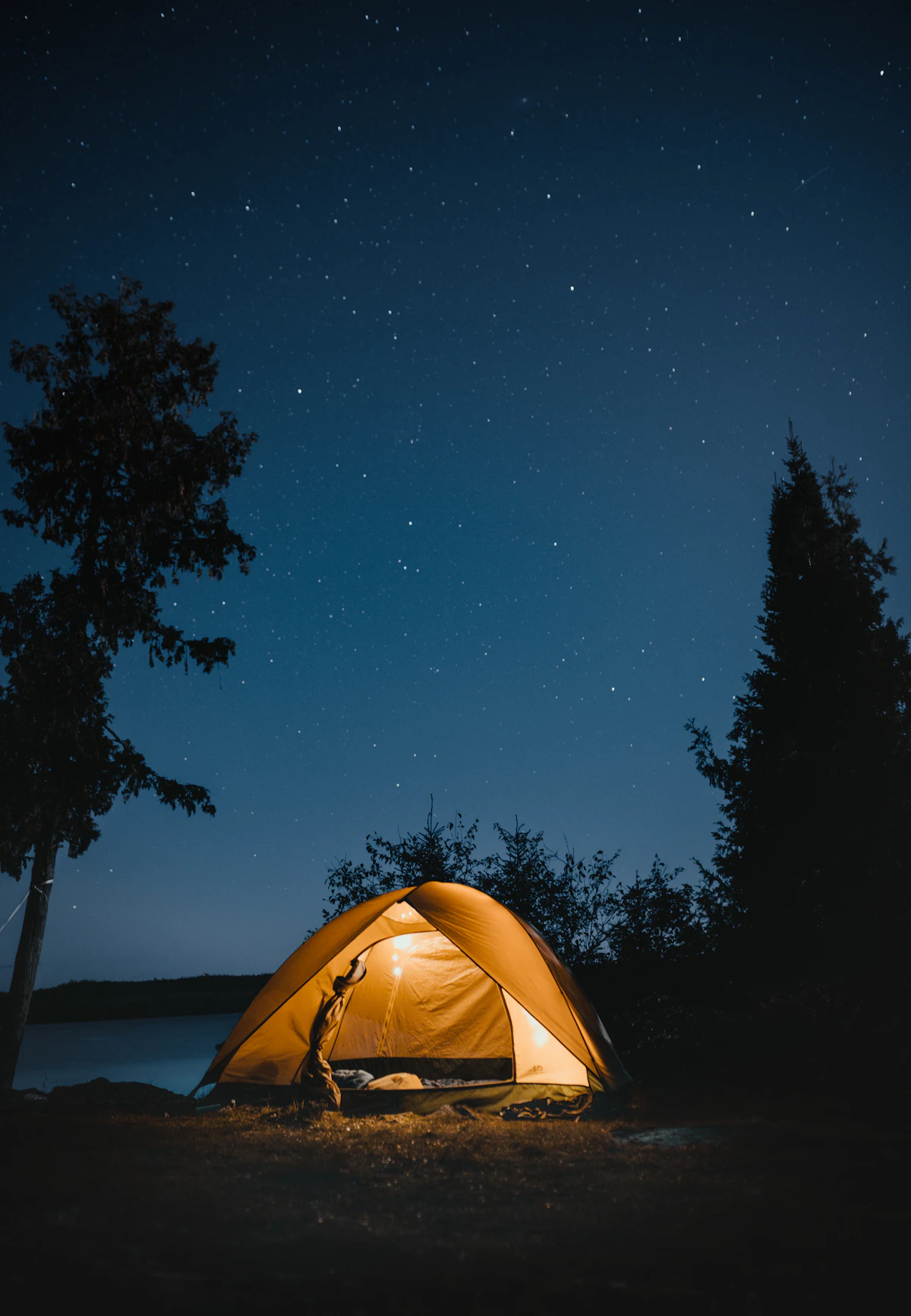
The UL2 is one of the best-selling backpacking tents at any price point because it splits the difference between solo ultralight and couple-friendly perfectly. At 2 lb 11 oz, it adds just 11 ounces over the UL1 while delivering 9 more square feet of floor area, a 2-inch-taller peak, and crucially, dual vestibules and dual doors.
For couples: the 88 x 52-inch floor fits two regular-width pads snugly, with about 4-6 inches of clearance per side. Two adults taller than 6 feet will brush shoulders during the night, but the dual doors mean neither person climbs over the other for middle-of-the-night exits.
For solos using a UL2: you get a roomy single tent with two vestibules — one for gear, one for entry/exit — at the cost of 11 oz over the dedicated UL1. Many experienced solo backpackers prefer this configuration because it eliminates the cramped feel of single-person tents on multi-night trips.
For an in-depth product review of the UL2 specifically, see our Big Agnes Copper Spur HV UL2 review.
Copper Spur HV UL3: 3-Person Capable, 2-Person Generous

The UL3 expands floor area to 41 sq ft (90 x 70 inches) — enough for three regular pads side-by-side with no overlap. Peak height jumps to 42 inches, providing genuinely comfortable sit-up clearance. Trail weight increases to 3 lb 8 oz, which is 13 oz heavier than the UL2 and enough to push the tent out of "true ultralight" territory.
The legitimate 3-person use case is shorter than most buyers expect. Three adults in a UL3 will be comfortable but not luxurious — there's no extra room for gear inside, and the vestibule space (9+9 sq ft) gets crowded with three sets of boots and packs. Three people is doable; four people for short durations works in a pinch but is genuinely tight.
The honest 3-person situations: families with one young child, couples plus a 50+ pound dog, or three small-framed adults. For three adults regularly, look at 3-person tents with explicitly roomier dimensions like the Big Agnes Copper Spur HV UL3 MtnGLO+ (slightly more ventilated) or the Nemo Aurora 3P (more floor area, heavier).
The Sizing Mistake Most Buyers Make
The most common Copper Spur sizing mistake is using "1 person = UL1, 2 people = UL2, 3 people = UL3" as a hard rule. Big Agnes rates capacity by floor space alone, not livability. The actual sizing rule that more experienced backpackers use:
Buy one size up from your group count for any trip longer than 2 nights or any trip where space matters more than ounces.
For a solo backpacker on a thru-hike, the UL2 is the better tent after about night 4 — you're carrying 11 oz of extra weight for the entire trip in exchange for living in a tent that doesn't feel claustrophobic for 100+ nights. For couples on week-plus trips, the UL3 starts to make sense once you've spent enough nights in a UL2 to know that shoulder-brushing during sleep adds up.
The exception: if you're weight-targeted (sub-10-pound base weight, fastpacking, multi-day races), buy the smaller size. Every ounce matters more than livability when you're moving 25+ miles per day.
Who Should Buy Each Size
UL1. Solo Specialist
- •True ultralight target (sub-12-lb base weight)
- •Tight budget — $100 less than UL2
- •Camping on small platforms or constrained sites
- •Trip lengths under 4 nights typically
UL2. The Default
- •Couples on weekend or multi-night trips
- •Solos who value space over weight
- •Most thru-hikers (best balance)
- •Mixed solo + partner use
Recommended for 80% of buyers
UL3. Spacious Group
- •Regular 3-person trips (be honest)
- •Couples + medium-to-large dog
- •Family with one young child
- •Long-trip couples wanting luxury
Frequently Asked Questions
What's the difference between Big Agnes Copper Spur HV UL1, UL2, and UL3?+
Should a solo backpacker buy the Copper Spur UL1 or UL2?+
Is the Copper Spur UL2 actually big enough for two adults?+
When is the UL3 the right choice?+
Is the Copper Spur worth the $550-650 price tag?+
What's the difference between Copper Spur HV UL and the older non-HV models?+
Related Guides
Big Agnes Copper Spur HV UL2 Review
Deep-dive product review of the UL2 with research-vetted performance notes.
Best Ultralight Tents 2026
How the Copper Spur compares to other sub-3-lb ultralight shelters.
1-Person vs 2-Person Tent for Solo Backpacking
The general framework that applies to the UL1-vs-UL2 decision specifically.
How to Choose the Right Tent Size
Sizing rules that apply to any backpacking tent purchase.