Hiking in Hot Weather: Stay Safe and Comfortable (2026)
By Peak Gear Guide Editorial Team · Gear research & fact-checking
Heat is the most underestimated hazard in hiking. Unlike lightning or a rockfall, it builds gradually and the warning signs are easy to miss. Every summer, preventable cases of heat illness happen to prepared, experienced hikers who got the timing or hydration wrong. This guide covers every variable you can control, and the heat-exhaustion versus heat-stroke distinctions here track the guidance in REI’s expert advice on hot-weather hiking.
In This Guide
Best Times to Hike in Heat
Timing is the single most effective tool against heat. Temperatures peak between 1-4pm and are lowest in the two hours before and after sunrise. For serious summer hikes, start at first light (5-6am in most locations) and plan to be back at or near the trailhead by 11am-noon. This window gives you 4-6 hours of hiking in the coolest part of the day.
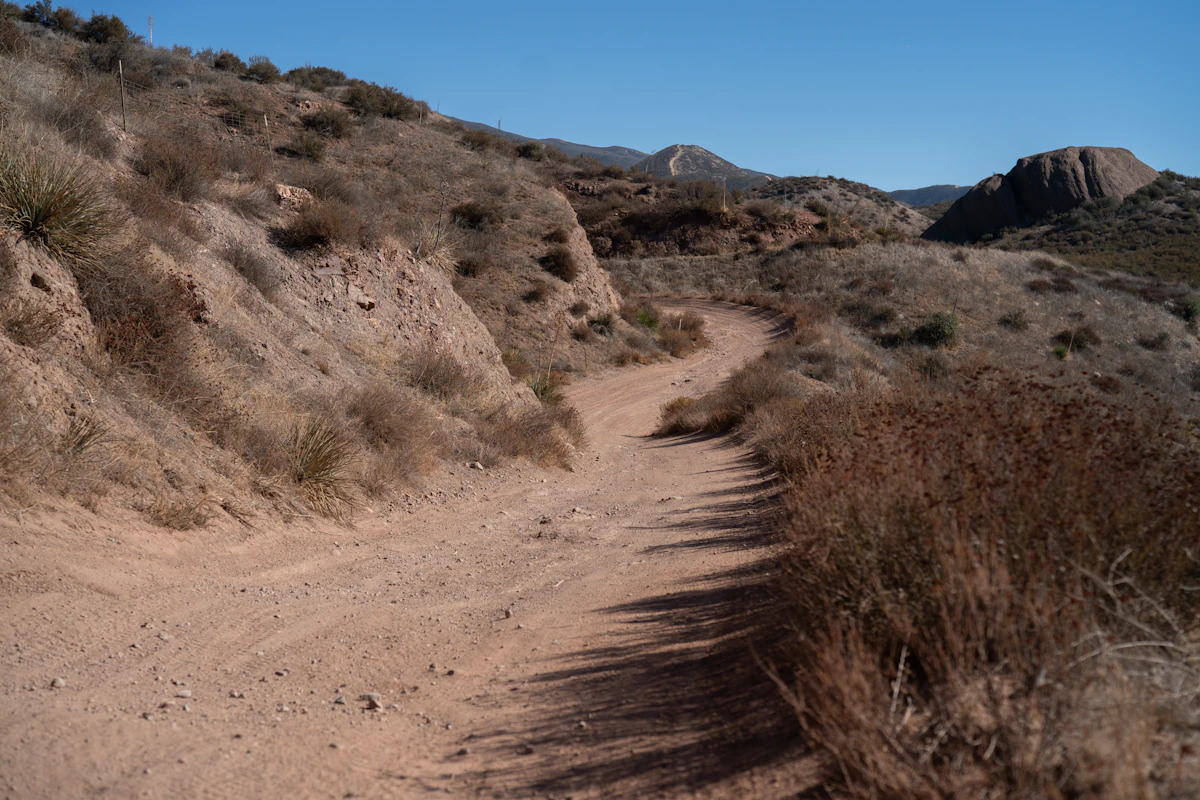
In desert environments, the alpine start is not optional, it is survival strategy. The midday sun at 100-110°F with direct exposure makes sustained hiking genuinely dangerous. Break in the shade during peak heat (10am-4pm), then resume movement in late afternoon. This is exactly how desert search and rescue professionals and experienced desert hikers operate.
What to Wear in Hot Weather
The instinct to wear less in heat is understandable but often wrong. Bare skin in direct sun absorbs radiant heat from the sun and radiates heat from the environment. Lightweight, loose, light-colored long sleeves block direct sun, allow airflow, wick sweat, and reduce UV exposure simultaneously. Modern sun hoodies in UPF 50+ nylon or polyester weigh 4-6 oz and are dramatically more comfortable than bare arms on a sunny exposed ridge.
For the lower body, lightweight nylon hiking pants or shorts with UPF protection are both reasonable. On heavily exposed trails, pants offer more protection. Footwear should breathe well — trail runners over heavy leather boots in summer heat, with moisture-wicking synthetic socks to reduce blisters caused by sweaty feet.
Sun Protection Essentials
A wide-brimmed hat (at least 3-inch brim all around) provides shade for your face, neck, and ears, the areas most likely to burn and most exposed during hiking. Baseball caps leave the neck and ears exposed. For mountain hiking where wind is a factor, a wide-brim sun hat with a chin strap is more practical.
Sunscreen should be SPF 30-50, applied 20 minutes before sun exposure, and reapplied every 2 hours and after sweating. The areas most commonly missed: the back of the neck, the tops of the ears, and the back of the hands. Polarized UV-blocking sunglasses protect eyes and reduce snow and water glare. At high altitude, UV intensity increases roughly 10% per 1,000 feet — what feels mild at sea level can burn severely at 10,000 feet.
Hydration in Heat
In summer heat, double your standard hydration estimate. On a 90°F day with full sun, plan for 1 liter per hour of active hiking. Front-load your hydration — drink 0.5-1 liter before you start, which reduces the deficit you have to manage during the hike.
Replace electrolytes on any day longer than 3 hours, especially in heat. Add electrolyte tablets, powder, or capsules to at least every other liter of water. Signs that you need electrolytes rather than just water: headache that persists despite hydration, nausea, or muscle cramping. Salty snacks (chips, nuts, pretzels) count and help maintain sodium balance during long hot days.
Heat doubles your water budget. Our Water Needs Calculator our water needs calculator scales liters/hour with temperature so you don't under-pack on a 90°F day or over-carry when it cools, and it shows the pack-weight cost of every extra liter.
Heat Exhaustion vs Heat Stroke
| Condition | Key Signs | Response |
|---|---|---|
| Heat exhaustion | Heavy sweating, weakness, nausea, headache, fast pulse | Rest in shade, cool with wet cloths, hydrate |
| Heat stroke | Confusion, hot dry skin, stops sweating, loss of consciousness | Emergency evacuation. Cool aggressively while awaiting help. |
Heat stroke is a life-threatening emergency. Do not wait to see if it improves on its own. Begin active cooling (cold water immersion if available, wet fabric on neck and armpits) and get help immediately.
Cooling Strategies on Trail
Water immersion is the most effective field cooling method. If a stream or lake is available, wade in up to your thighs for 5-10 minutes at rest stops. Wet a bandana or buff and place it on the back of your neck, the skin there has a high density of thermoreceptors and cooling it reduces perceived heat significantly.
Take shade breaks every 60-90 minutes on hot exposed trails. Even a 5-minute stop in the shade with a cool drink drops core temperature measurably. Set a pace that lets you sustain aerobic effort without feeling flushed or breathless — hiking hard in heat accelerates metabolic heat generation faster than your body can shed it.
Trail Selection in Summer
Choose shaded forest trails over exposed ridges on very hot days. North-facing slopes stay cooler than south-facing slopes in the Northern Hemisphere. Riparian corridors (trails along rivers and streams) offer shade, breeze, and water access. Avoid canyon routes in summer where heat gets trapped and radiated from rock walls. High-altitude trails (above 8,000 feet) are consistently cooler than valley trails during summer, a 10,000-foot ridgeline in July is often more comfortable than a 2,000-foot river valley trail in the same weather system.
Hot Weather Hiking Gear
- UPF 50 sun hoodie. The single most impactful hot-weather garment. Blocks UV, wicks sweat, and keeps you cooler than bare skin in direct sun.
- Wide-brim hiking sun hat — 3-4 inch brim for full face and neck coverage. Look for moisture-wicking sweatband and chin strap for windy conditions.
- Cooling towel. Evaporative cooling on rest stops. Wet, wring, and drape on neck or forehead for immediate temperature relief.
Frequently Asked Questions
What temperature is too hot to hike?▼
There is no single temperature cutoff, but hiking becomes significantly riskier above 95°F (35°C), especially combined with direct sun and low humidity. At these temperatures, the body's cooling mechanism (sweating) struggles to keep pace with heat gain. Desert hikers often set personal cutoffs of 100-105°F and avoid midday entirely.
What should I wear hiking in hot weather?▼
Lightweight, loose-fitting, light-colored synthetic or moisture-wicking fabrics. Long sleeves in direct sun actually keep you cooler than bare skin by blocking radiant heat while wicking sweat. A wide-brimmed hat, UV-rated sunglasses, and sunscreen on exposed skin are non-negotiable. Avoid cotton, it holds moisture and gets heavy.
How do I recognize heat exhaustion on the trail?▼
Heat exhaustion signs include heavy sweating, pale or flushed skin, weakness or dizziness, headache, nausea, and a fast, weak pulse. The person is still sweating and usually still conscious. Move them to shade immediately, have them lie down with legs elevated, and cool them with wet cloths and hydration.
What is the difference between heat exhaustion and heat stroke?▼
Heat exhaustion is serious but treatable on the trail. Heat stroke is a medical emergency. The key differentiator is mental status: with heat stroke, the person becomes confused, stops sweating (or has hot, red skin), and may lose consciousness. Heat stroke requires immediate cooling and evacuation — call for emergency help.
Is it safe to hike in the desert in summer?▼
Yes, with the right preparation. Desert hikers start at sunrise or before, are off exposed trails by 10-11am, rest in shade during midday, and resume in late afternoon. Carry significantly more water than you think you need (minimum 1 liter per hour in desert conditions), always tell someone your itinerary, and never hike solo in summer desert conditions.
What are the warning signs of heat exhaustion vs heat stroke?▼
Heat exhaustion is the precursor: heavy sweating, cold or pale skin, fast weak pulse, nausea, dizziness, and muscle cramps. The person is still conscious and sweating. Treatment is to stop hiking immediately, move to shade, drink water, and cool the skin with wet cloths. Heat stroke is a medical emergency: very high body temperature (above 103°F), hot dry or damp skin, rapid strong pulse, confusion, slurred speech, or loss of consciousness. Call for emergency help and aggressively cool the person with any available means — submersion in cold water if possible. Do not give water to an unconscious person. If someone stops sweating in hot weather and becomes confused, assume heat stroke and act immediately.
Related Guides
How to Stay Hydrated Hiking
Hydration strategies and electrolyte tips to stay strong and safe on any trail.
Hiking Layering System
How to build a three-layer system that handles changing conditions on the mountain.
Altitude Sickness Prevention
Acclimatization schedules, AMS symptoms, and when descending is not optional.
Sun Protection for Hiking
Sunscreen, UPF clothing, hats, and sunglasses — a simple sun strategy for summer trails.


