
Therm-a-Rest vs NEMO Sleeping Pads: Full Comparison (2026)
By Peak Gear Guide Editorial Team · Gear research & fact-checking
Therm-a-Rest and NEMO are the two brands that dominate the premium sleeping pad market for serious backpackers. Therm-a-Rest invented the category; NEMO arrived decades later with genuinely innovative designs that solved real problems — particularly pad noise. Both brands make excellent products. The differences are real and matter depending on your sleep style, season, and priorities. This guide compares both brands on every dimension, then goes head-to-head on their key model matchups.
The R-values and weights cited throughout come from each maker’s own specifications — Therm-a-Rest documents the NeoAir line’s ThermaCapture insulation, and Nemo details the Tensor’s Spaceframe baffles. R-values follow the ASTM F3340 standard, and REI’s expert-advice library explains how to match R-value to your conditions.
In This Guide

Brand Overview
Therm-a-Rest was founded in Seattle in 1971 and holds a unique place in outdoor gear history: it invented the self-inflating sleeping pad. That original innovation — open-cell foam bonded inside an airtight shell — defined a product category and remained the dominant pad technology for decades. Therm-a-Rest is now owned by Cascade Designs, the same parent company behind MSR stoves and water filters. Their NeoAir inflatable line, introduced in 2009, brought the brand into the modern era of lightweight inflatable pads and remains the warmth-to-weight benchmark for winter backpacking.
NEMO Equipment was founded in Dover, New Hampshire in 2002. As a newer brand, NEMO entered a market already dominated by Therm-a-Rest and competed through design innovation rather than heritage. Their Tensor sleeping pad introduced Spaceframe baffle technology specifically to address the noise complaints that plagued inflatable pads, a focused product decision that earned them a loyal following among campers who shared tents. NEMO has since expanded their pad lineup to cover foam, self-inflating, and inflatable categories while maintaining a design-forward reputation.
R-Value and Insulation
R-value is the standardized measure of how well a sleeping pad insulates you from cold ground. Since 2020, the ASTM F3340 standard requires that all major brands test and report R-values using the same method — meaning Therm-a-Rest and NEMO ratings are directly comparable. For a full explanation of R-values and how to choose the right rating for your conditions, see our sleeping pad R-value guide.
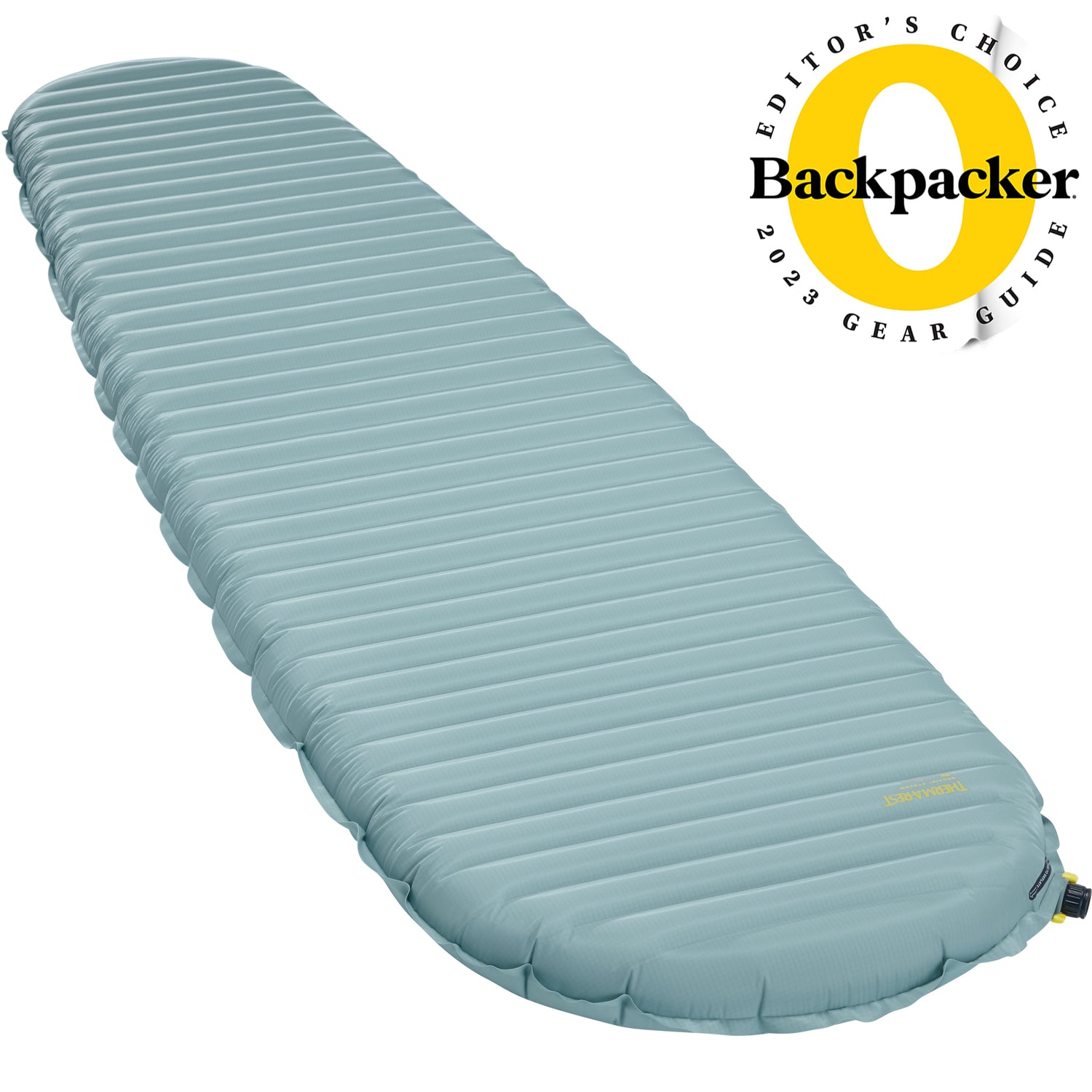
At the top of each lineup, Therm-a-Rest leads on raw insulation. The NeoAir XTherm Max achieves an R-value of 7.3, the highest of any backpacking-weight inflatable pad on the market. It does this through a reflective ThermaCapture technology that traps radiant heat inside the pad's air chambers. The NEMO Tensor Extreme Conditions is NEMO's most insulated inflatable, reaching R 4.5 — competitive for three-season use but not in the same tier as the XTherm for true winter conditions.
For most backpacking use in the R 2–4 range, both brands offer comparable options. The Therm-a-Rest NeoAir Xlite NXT provides R 4.5; the NEMO Tensor Insulated provides R 3.5. Most backpackers operating in three-season conditions will be well served by either brand. The gap opens significantly only at the top of the range, where Therm-a-Rest's XTherm is in a class of its own for winter backpacking and expedition use.
Construction and Durability
Therm-a-Rest's NeoAir inflatables use horizontal welded baffles with laminated film construction, a proven method that maximizes air volume and insulation efficiency within a minimal weight envelope. The laminate films are durable under normal use but can delaminate along weld seams under sustained UV exposure or if stored improperly while damp. Therm-a-Rest's foam pads (Z Lite Sol, Trail Pro) use open-cell or closed-cell foam bonded to outer shells and are essentially indestructible, a major practical advantage for rough conditions.
NEMO's Tensor uses Spaceframe baffle construction: triangulated internal baffles that replace the horizontal welded chambers found in traditional inflatables. The primary purpose is noise reduction, but the structural geometry also distributes stress differently across the pad surface. NEMO has updated the Tensor's face fabric weight in recent versions, addressing earlier puncture complaints from users. The current Tensor uses 30D nylon on the top face and 40D on the bottom — heavier than some competitors but lighter than Therm-a-Rest's most robust options.
Both brands have had documented quality-control issues with their premium inflatables in certain production years. The honest assessment: any backpacking inflatable pad is more fragile than a foam pad. Carry a patch kit. Use a ground cloth or footprint in rocky campsites. Neither brand provides a meaningful durability advantage over the other in current versions.
Noise Levels
This is NEMO's clearest and most unambiguous advantage over Therm-a-Rest. The NeoAir XTherm — despite being the warmth-to-weight leader — produces a distinctive crinkling noise with every movement. The laminate-on-laminate contact inside the horizontal baffles creates audible friction when compressed and released during sleep. For solo backpackers, this is tolerable. For tent partners, it is a genuine source of disruption and a commonly cited reason for switching brands.
The NEMO Tensor is significantly quieter. The Spaceframe baffles keep the internal film surfaces separated by the baffle structure rather than in direct contact, dramatically reducing the crinkle noise. In objective comparisons, the Tensor is described as near-silent relative to the NeoAir. This difference is real in practice, not a marketing claim. If you share a tent and your partner is a light sleeper, the NEMO Tensor is the more considerate choice. It is one of the rare cases in outdoor gear where a specific design innovation solves a specific problem with no meaningful tradeoff in other performance categories.
Weight Comparison
Across their inflatable lineups, Therm-a-Rest and NEMO are closely matched on weight. The NeoAir XTherm (regular) weighs approximately 15 oz; the NEMO Tensor Insulated (regular) weighs approximately 15.5 oz. The NeoAir Xlite NXT weighs approximately 12 oz; the NEMO Tensor (non-insulated, regular) weighs approximately 13 oz. In neither comparison does one brand have a clear weight advantage. Where weight differences appear is at the extremes: Therm-a-Rest's NeoAir UberLite drops to around 8.8 oz, lighter than any comparable NEMO option. For ultralight backpackers targeting sub-10 oz sleeping pads, Therm-a-Rest has more options in that weight range. See our full best sleeping pads roundup for side-by-side weight comparisons across the full market.
Pack Size
Both brands pack to impressively small sizes, a feature of all modern backpacking inflatables compared to foam alternatives. The NEMO Tensor in regular size packs to approximately 4.5 x 9 inches. The Therm-a-Rest NeoAir XTherm packs to approximately 4 x 11 inches. In practice, both pads compress into a stuff sack that fits easily inside a 45L backpack without occupying meaningful volume. The difference between the two is not a meaningful selection factor for most backpackers. Where pack size becomes relevant is in comparing inflatable pads against foam pads in the same lineup, the Therm-a-Rest Z Lite Sol straps externally and the NEMO Switchback is similar, both bulkier than their inflatable counterparts but nearly impossible to puncture.
Head-to-Head Comparison Table
| Category | Therm-a-Rest | NEMO | Winner |
|---|---|---|---|
| Max R-value (inflatable) | 7.3 (NeoAir XTherm) | 4.5 (Tensor Extreme Conditions) | Therm-a-Rest |
| Three-season R-value | R 4.5 (Xlite NXT) | R 3.5 (Tensor Insulated) | Tie |
| Noise level | Noticeable crinkle (NeoAir) | Near-silent (Spaceframe baffles) | NEMO |
| Weight (regular inflatable) | ~12–15 oz | ~13–15.5 oz | Tie |
| Pack size | Excellent — 4 x 11 in | Excellent — 4.5 x 9 in | NEMO (slight) |
| Puncture resistance | Durable laminate film | 30D/40D nylon (updated) | Tie |
| Comfort width (regular) | 20 in (standard) | 20 in / 25 in wide version | NEMO (wide option) |
| Side sleeper comfort | Good on Xlite | Better. Tensor Wide, Roamer | NEMO |
| Price range (premium inflatable) | $200–$250 | $180–$230 | NEMO (slight) |
| Warranty | Limited lifetime | Limited lifetime | Tie |
Model Matchups
Therm-a-Rest NeoAir XTherm vs NEMO Tensor Extreme Conditions (Winter Use)
This is the winter backpacking matchup. Both pads are designed for cold conditions where ground insulation is a survival consideration, not just comfort. The XTherm is the warmer pad by a meaningful margin; the Tensor Extreme Conditions is significantly quieter. For solo winter campers who prioritize maximum warmth, the XTherm is the clear choice. For tent-sharing winter campers, the Tensor Extreme Conditions is worth the warmth tradeoff for the sake of your tent partner's sleep. Consider pairing either pad with quality sleeping bags rated for your target temperature.
Therm-a-Rest NeoAir XTherm
- R-value: 7.3
- Weight (regular): 15 oz
- Packed size: 4 x 11 in
- Thickness: 2.5 in
- Noise level: High (laminate crinkle)
- Price: ~$230
NEMO Tensor Extreme Conditions
- R-value: 4.5
- Weight (regular): 15.5 oz
- Packed size: 4.5 x 9 in
- Thickness: 3 in
- Noise level: Low (Spaceframe baffles)
- Price: ~$200
Verdict: For solo winter camping where maximum warmth is non-negotiable, the NeoAir XTherm wins at R 7.3. For tent-sharing winter use or campers who value sleep quality over maximum insulation margin, the NEMO Tensor Extreme Conditions is the more livable choice. For tips on building a complete warm sleep system, see our guide on staying warm camping.
Therm-a-Rest Z Lite Sol vs NEMO Switchback (Foam Pads)
The foam pad matchup. Both are closed-cell foam pads that strap to the outside of a pack, provide reliable ground insulation without any risk of puncture, and require zero maintenance. These pads appeal to ultralight backpackers who accept slightly lower comfort in exchange for indestructibility and zero inflation effort, and to campers who carry a foam pad as a backup to a primary inflatable. Neither pad is designed for comfort-focused sleeping; both are utility pads optimized for durability and light weight.
Therm-a-Rest Z Lite Sol
- R-value: 2.0
- Weight (regular): 14 oz
- Thickness: 0.75 in
- Style: Accordion fold
- Reflective coating: Yes (Aluminized top)
- Price: ~$55
NEMO Switchback
- R-value: 2.0
- Weight (regular): 14.5 oz
- Thickness: 0.85 in
- Style: Accordion fold
- Reflective coating: Yes (Dual-sided thermal film)
- Price: ~$60
Verdict: These pads are nearly identical in function, weight, and R-value. The Z Lite Sol has a longer track record and is slightly cheaper; the NEMO Switchback is slightly thicker and uses dual-sided reflective film. Either is an excellent choice. Buy whichever is cheaper at the time of purchase or fits your preferred brand ecosystem.
Which Brand to Buy
For a full market comparison including options from other brands, see our best sleeping pads guide.
Frequently Asked Questions
Is NEMO Tensor quieter than Therm-a-Rest NeoAir?▼
Yes — significantly. The NEMO Tensor uses Spaceframe baffles, a construction method that replaces the traditional horizontal welded chambers with triangulated internal baffles. This eliminates the crinkly laminate-on-laminate noise that Therm-a-Rest NeoAir pads are known for. In tent-sharing situations or for light sleepers, the noise difference is a real, practical differentiator. If quiet sleep is a priority, the NEMO Tensor wins this comparison outright. The NeoAir XTherm is exceptional on warmth-to-weight but remains noticeably louder when you shift positions during the night.
Which sleeping pad is warmer. Therm-a-Rest or NEMO?▼
For top-end warmth, the Therm-a-Rest NeoAir XTherm leads the category with an R-value of 7.3, the highest of any backpacking-weight inflatable pad. The NEMO Tensor Extreme Conditions is competitive at R 4.5, but does not match the XTherm for true winter use. Across their broader lineups, the brands are roughly matched for three-season use (R 2–4 range). The key principle: choose your pad by R-value for the conditions you expect, not by brand. See our full sleeping pad R-value guide for a complete breakdown.
Do NEMO pads puncture more easily than Therm-a-Rest?▼
Neither brand has a clean record on puncture resistance — both have received user reports of delamination and pinhole punctures on early production runs of their premium inflatables. NEMO improved the Tensor's fabric weight in recent versions; Therm-a-Rest's NeoAir uses durable laminate films but can delaminate under UV or abrasion over time. In practice, treat both pads with equal care: always use a ground cloth or tent footprint, avoid dragging on rough surfaces, and carry a patch kit regardless of brand. Neither pad is significantly more durable than the other in current versions.
What is R-value and why does it matter?▼
R-value measures thermal resistance — how well a sleeping pad insulates you from cold ground. Ground conducts heat away from your body faster than air, so pad insulation matters as much as your sleeping bag rating on cold nights. The practical guidelines: R 2–3 is adequate for summer camping above freezing; R 4–4.5 is appropriate for three-season use including shoulder-season nights in the 20s°F; R 5.5 and above is recommended for winter camping and sub-zero temperatures. The R-value system was standardized in 2020 (ASTM F3340), so current ratings from Therm-a-Rest and NEMO are directly comparable. Older pads may use manufacturer-specific ratings that are not equivalent.
Which brand is better for side sleepers?▼
NEMO has a meaningful advantage for side sleepers. The NEMO Tensor is available in a wide (25-inch) version and features a slightly higher pad thickness that provides more cushion for hip and shoulder pressure points. The NEMO Roamer is NEMO's most comfort-focused option, a thicker, wider car-camping pad that side sleepers find significantly more comfortable than any standard backpacking inflatable. Therm-a-Rest's LuxuryMap is their comfort-focused alternative but packs larger. For backpacking side sleepers who want to minimize weight, the NEMO Tensor Wide is the most practical option between the two brands.
Are Therm-a-Rest self-inflating pads worth it?▼
Therm-a-Rest invented the self-inflating foam pad (the original Trail Pro design dates to 1971), and their self-inflating pads remain good products, but for backpacking specifically, inflatable pads beat self-inflating designs on both weight and warmth per ounce. A self-inflating pad like the Therm-a-Rest Trail Pro weighs around 2 lbs and provides R 4.4; the NeoAir XTherm weighs 15 oz and provides R 7.3. The weight penalty of self-inflating pads is hard to justify on a backpacking trip. Where self-inflating pads make the most sense is car camping, base camping, and situations where you want a pad that requires minimal inflation effort and is highly puncture-resistant. For those use cases, Therm-a-Rest self-inflating pads are well worth it.


