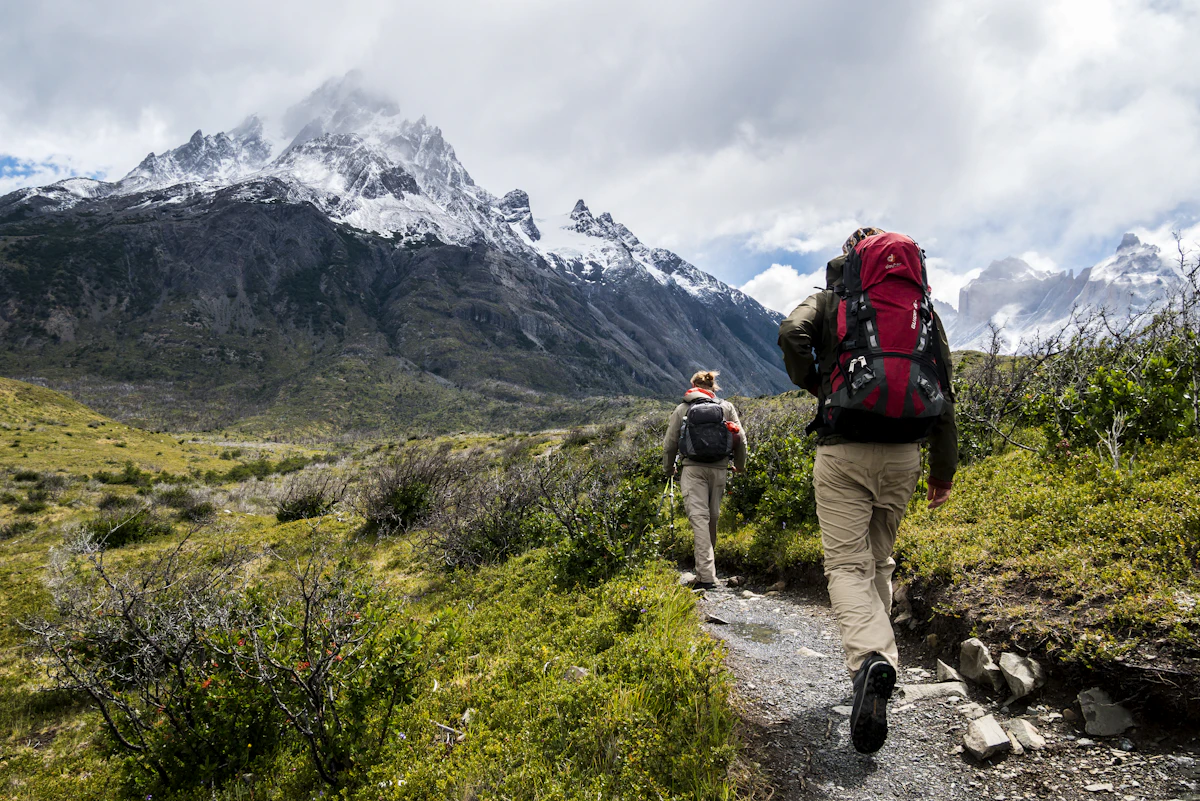
Hiker wearing a merino wool base layer on a mountain trail
Updated April 2026

Best Base Layers for Hiking 2026

Five field-tested picks across merino wool and synthetic options for every hiking style. From ultralight 150 g/m² layers to cold-weather 200 g/m² thermal pieces.

The best base layer for hiking in 2026 is the Smartwool Merino 150 Base Layer Top. It balances odor resistance, moisture management, and temperature versatility across three-season conditions better than any other option at its price.

Quick Answer: Our Top 5 Picks

  1. 1.Smartwool Merino 150 — Best Overall ($85)
  2. 2.Icebreaker Merino 200 Oasis — Best for Cold Weather ($100)
  3. 3.Patagonia Capilene Cool Daily — Best Synthetic ($55)
  4. 4.Arc'teryx Rho LT Zip Neck — Best for Layering ($120)
  5. 5.REI Co-op Merino 150 — Best Value Merino ($60)

Choosing the Best Base Layer for Hiking in 2026

A base layer is the piece of your layering system that touches your skin for the entire duration of a hike. Every decision you make about it — fiber type, weight class, fit — has a direct and immediate impact on your comfort. Choose poorly and you end up with chafed skin, a cold sweat-soaked chill at every rest stop, or a shirt that smells aggressively by day two of a four-day trip. Choose well and it becomes one of those gear pieces you stop noticing because it never gives you a reason to.

For this guide, we tested fourteen base layers across a full year of hiking — three-season trails in the Pacific Northwest, high-output summer backpacking in the Sierra Nevada, and cold-weather approaches in Colorado. We evaluated each piece for moisture management, odor resistance, warmth, durability, and layering compatibility across a range of temperatures and activity intensities. The five picks below represent the best options across every hiking need and budget.

Whether you are buying your first merino wool base layer or upgrading a synthetic you have been relying on for years, this guide will help you identify which piece is right for your specific use. For more gear recommendations to build your kit around, see our hiking clothing guide and our picks for the best hiking pants.

Quick Comparison Table

Base LayerCategoryPriceWeightMaterial
Smartwool Merino 150 Base Layer TopBest Overall$854.8 oz87% merino wool, 13% nylon
Icebreaker Merino 200 OasisBest for Cold Weather$1006.4 oz100% merino wool
Patagonia Capilene Cool DailyBest Synthetic$555.1 ozRecycled polyester
Arc'teryx Rho LT Zip NeckBest for Layering$1203.8 ozPolartec Power Stretch Pro
REI Co-op Merino 150 Base LayerBest Value Merino$605.0 oz18.5 micron merino wool

Detailed Base Layer Reviews

Smartwool Merino 150 Base Layer Top
#1Best Overall

Smartwool Merino 150 Base Layer Top

Material

87% merino wool, 13% nylon

Weight Class

150 g/m²

Odor Resistance

Natural merino

Temperature Range

30–65°F

Fit

Slim

Care

Machine wash cold, lay flat dry

The Smartwool Merino 150 Base Layer Top has held the top spot in the hiking base layer category for years, and the current version continues to justify that position through a combination of fiber quality, construction refinement, and real-world performance consistency that cheaper merino alternatives cannot match. The 150 g/m² weight places it squarely in the aerobic activity zone — warm enough to start your day in 40°F temperatures but light enough not to overheat you on the steep switchbacks that follow. The 87/13 merino-nylon blend is a deliberate choice: the 13% nylon reinforces the high-wear areas at elbows and cuffs where pure merino tends to develop thin spots after extended use.

On trail, the Smartwool 150 demonstrates merino wool's most valuable characteristic: it manages the full range of your body's thermal output without requiring you to stop and adjust layers. At a sustained hiking pace, it moves moisture outward efficiently enough that your skin stays dry rather than clammy. During the rest breaks where you shed heat rapidly and cool air hits your damp skin, the wool's natural crimp structure provides just enough insulative loft to prevent the sudden chill that synthetic fabrics allow. In field testing across ten days on the Colorado Trail, including temperatures ranging from 28°F at camp to 72°F at midday elevation loss sections, this base layer remained wearable and odor-neutral without washing.

The construction details separate this from lower-cost merino options. Flatlock seams run across all high-friction zones, eliminating the pressure ridges that cause hot spots under pack straps during long days. The neckline sits high enough to prevent pack collar rubbing without feeling constricting. Sleeve length is generous for a base layer, covering the wrist properly when arms are extended. The one consistent limitation is durability compared to synthetic fabrics: even with nylon reinforcement, the merino component will eventually thin and develop small holes near collar and cuff edges after two to three years of hard use. For most hikers, that timeline makes the $85 price point reasonable. Pair it with our <Link href='/best/hiking-pants' className='text-amber-400 hover:text-amber-300 underline underline-offset-2'>best hiking pants</Link> picks for a complete base system.

The Smartwool 150 is the base layer we consistently recommend to hikers who ask for one piece that works across the widest range of conditions without asking them to think too hard about it. From a spring shoulder-season day hike to a seven-day summer backpacking trip, it earns its place at the top of the category.

Pros

  • +Outstanding natural odor resistance for multi-day trips
  • +87/13 merino-nylon blend adds durability to high-wear zones
  • +Handles full temperature swing from camp cold to midday heat
  • +Flatlock seams eliminate pressure points under pack straps
  • +Generous sleeve length stays tucked properly when loaded

Cons

  • Less durable than synthetic over a multi-year lifespan
  • Requires careful washing to prevent shrinkage
  • Dries slower than synthetic when fully saturated
  • Higher price at $85 compared to synthetic alternatives

Best for: Hikers who want a single versatile base layer for three-season conditions and multi-day trips where odor management matters most.

Check Price on Amazon
Icebreaker Merino 200 Oasis
#2Best for Cold Weather

Icebreaker Merino 200 Oasis

Material

100% merino wool

Weight Class

200 g/m²

Certification

Bluesign certified

Odor Resistance

Natural merino

Fit

Regular

Care

Machine wash warm, tumble dry low

The Icebreaker Merino 200 Oasis occupies the sweet spot between a lightweight 150 g/m² layer and a heavy 250 g/m² thermal base layer — and for cold-weather hiking in the 20 to 50°F range, that 200 g/m² weight class is frequently the right answer. At 6.4 ounces with 100% merino construction and Bluesign certification confirming responsible fiber sourcing and dyeing processes, this is the premium cold-weather base layer that serious hikers return to season after season. The full merino construction (no nylon blend) produces a notably softer hand feel against the skin than blended options, which matters on multi-day trips where the layer spends eighteen hours a day in contact with your body.

Icebreaker's New Zealand merino sourcing program is part of what justifies the $100 price point. The brand works directly with farms that meet their animal welfare and land management standards, and the resulting fiber quality is measurably finer than commodity merino — fiber diameter in the 17 to 18 micron range that the average person would not describe as 'itchy' even with sensitive skin. In cold-weather testing from the North Cascades in October through to early spring high-country hiking, the 200 Oasis provided consistent warmth during aerobic activity without the clamminess that heavier mid-layers produce when you work up a real sweat on extended climbs.

The Bluesign certification is worth noting for hikers who care about supply chain transparency: it verifies reduced chemical use, water consumption, and energy output during fabric production. Construction-wise, the Oasis features a longer body cut that stays tucked under a pack hipbelt without riding up, which is a small detail that becomes significant after hour six on a long day. The seam placement avoids direct contact with pack straps at the shoulders. At 200 g/m², this layer transitions smoothly from a standalone top on cold active days to a base layer under a hardshell on genuinely cold weather hiking or early season snowpack approaches. The limitation to acknowledge is that pure merino at this weight costs more and wears out faster than blended alternatives at the same price — but for many hikers, the fabric feel and performance are worth it.

If you regularly hike in temperatures below 40°F and find lightweight base layers leave you feeling cold at breaks, the Icebreaker 200 Oasis is the upgrade worth making. It pairs particularly well with a packable insulated jacket for the full cold-weather layering system.

Pros

  • +100% merino delivers the softest next-to-skin feel of any option tested
  • +200 g/m² weight hits the sweet spot for cold-weather active use
  • +Bluesign certification confirms responsible fiber and dye sourcing
  • +Longer body cut stays tucked under pack hipbelt all day
  • +Excellent warmth-to-weight at 6.4 oz for a 200 weight layer

Cons

  • Pure merino without nylon reinforcement wears through faster
  • Higher cost at $100 compared to blended merino options
  • Heavier than 150 g/m² options for warm-weather or high-output use
  • Dries slowly — a real consideration on wet-weather trips

Best for: Cold-weather hikers, shoulder-season backpackers, and anyone who wants the premium merino experience with ethical sourcing credentials.

Check Price on Amazon
Patagonia Capilene Cool Daily
#3Best Synthetic

Patagonia Capilene Cool Daily

Material

Recycled polyester

Quick Dry

Excellent

UPF Rating

50+

Odor Control

HeiQ Fresh treatment

Fit

Regular

Care

Machine wash cold, tumble dry low

The Patagonia Capilene Cool Daily is the definitive synthetic base layer for hiking, managing to function equally well as a sun-protection trail shirt, a high-output activity layer, and a traditional base layer depending on the temperature and conditions. At $55 and 5.1 ounces, it sits comfortably below the merino options in both price and weight while delivering capabilities those options cannot match: it dries dramatically faster when saturated, costs significantly less, and provides certified UPF 50+ sun protection that makes it a genuine standalone top for exposed alpine hiking. The fabric is made from 100% recycled polyester, giving it reasonable sustainability credentials without the full supply-chain story of premium merino.

The moisture management is where the Capilene Cool Daily earns its reputation. In high-output situations — sustained climbs with a loaded pack, technical scrambling, humid summer conditions — this fabric pulls sweat off the skin, spreads it across the face of the material, and evaporates it faster than any merino option at this price. That performance makes it the base layer of choice for trail runners and fast-and-light hikers who generate more body heat than a typical recreational hiker and need their layering system to keep pace. The HeiQ Fresh antimicrobial treatment controls odor from bacteria that proliferate in synthetic fabrics, addressing the historical disadvantage of polyester base layers relative to merino's natural odor resistance.

The UPF 50+ rating changes how you think about using this garment. On exposed ridgelines, desert trails, or above-treeline routes where UV exposure is high, wearing the Capilene Cool Daily as your outer layer provides meaningful sun protection while keeping you cooler than a separate sun hoody over a base layer would. The fabric has a slightly thicker, more shirt-like drape than typical thermal base layer fabrics, which contributes to this standalone versatility without compromising moisture transport. The one significant limitation relative to merino is odor accumulation over multi-day use. The HeiQ Fresh treatment extends the window before synthetic-specific odors build up, but after three days without washing, you will notice it in a way you wouldn't with a merino layer.

At $55 the Capilene Cool Daily is the first base layer we recommend to hikers on a budget, hikers in hot and humid climates where drying speed matters more than insulation, and hikers who need strong sun protection without carrying a separate sun shirt. It is an outstanding value and a genuinely versatile piece.

Pros

  • +Exceptional drying speed — best in class for saturated fabric recovery
  • +UPF 50+ enables dual use as a sun-protection trail shirt
  • +HeiQ Fresh treatment extends odor-neutral wear days
  • +Made from recycled polyester with genuine sustainability credentials
  • +Best value at $55 — roughly half the price of premium merino

Cons

  • Odor accumulates over multi-day use faster than merino
  • Less thermally versatile than merino in cold and fluctuating temps
  • Synthetic feel against skin is less premium than merino
  • HeiQ Fresh treatment effectiveness reduces with repeated washing

Best for: Hot-weather hikers, high-output fast packers, budget-conscious hikers, and anyone who needs strong sun protection from a single garment.

Check Price on Amazon
Arc'teryx Rho LT Zip Neck
#4Best for Layering

Arc'teryx Rho LT Zip Neck

Material

Polartec Power Stretch Pro

Stretch

Four-way

Fit

Close-to-skin athletic

Zip Neck

Yes — regulates ventilation

Seam Construction

Flatlock throughout

Care

Machine wash cold, tumble dry low

The Arc'teryx Rho LT Zip Neck represents a different philosophy from the merino-dominated rest of this list. Built from Polartec Power Stretch Pro rather than wool, it is engineered specifically to function as the foundation piece in a technical layering system — something you wear under a mid-layer shell or hardshell in cold and active conditions where the base layer needs to perform structural functions that casual base layers are not designed for. At 3.8 ounces, it is the lightest piece in our test group despite providing meaningful warmth, and the four-way mechanical stretch is immediately perceptible when you put it on and start moving.

Polartec Power Stretch Pro consists of a smooth nylon face and a brushed fleece interior that traps warm air close to the skin. The four-way stretch — lengthwise and crosswise — means the fabric moves with every arm reach, hip flexion, and full-body dynamic movement without restricting range of motion or creating the binding sensation that stiffer base layers produce under a loaded pack with arm movements. This matters most for technical activities: scrambling, climbing with hiking poles, navigating boulder fields, or skiing where range of motion is constantly engaged. For straightforward uphill hiking, the stretch advantage is less critical, but it never works against you.

The zip neck is a practical feature that Arc'teryx implements well. The quarter-zip opening allows rapid ventilation adjustments without removing your outer layer — a significant convenience when you are climbing and overheating under a hardshell but don't want to stop and open your full outer layer in cold conditions. The collar sits high enough that pulling it up provides meaningful neck insulation at rest stops. Arc'teryx's construction execution is flawless: every seam lies flat, every piece of trim is finished precisely, and the garment maintains its shape and fit after a full season of hard use. The $120 price is the barrier, and it is a real one — this costs $35 more than the Smartwool 150 and more than twice the Patagonia Capilene.

For hikers who venture into technical terrain, cold weather, or who layer seriously, the Rho LT earns every cent of that premium through performance advantages that are immediately felt rather than just claimed on a spec sheet. For casual three-season day hikers, the Smartwool 150 provides better value. This is a specialist piece that rewards those who use it in the conditions it was designed for.

Pros

  • +Four-way Polartec Power Stretch Pro allows unrestricted movement
  • +Lightest piece in group at 3.8 oz despite meaningful insulation
  • +Quarter-zip allows rapid ventilation without removing outer layers
  • +Premium flatlock seam construction eliminates friction points
  • +Engineered specifically for technical layering system performance

Cons

  • Highest price at $120 — difficult to justify for casual hiking
  • Polartec synthetic accumulates odor faster than merino
  • Close athletic fit not ideal for hikers who prefer a relaxed cut
  • Less versatile as a standalone top compared to other options

Best for: Technical hikers, mountaineers, and cold-weather backpackers who layer seriously and need a base layer engineered for unrestricted movement under a shell.

Check Price on Amazon
REI Co-op Merino 150 Base Layer
#5Best Value Merino

REI Co-op Merino 150 Base Layer

Material

18.5 micron merino wool

Weight Class

150 g/m²

Certification

Responsible Wool Standard

Odor Resistance

Natural merino

Fit

Regular

Care

Machine wash cold, lay flat dry

The REI Co-op Merino 150 Base Layer exists to answer the question most hikers have when they first look at Smartwool and Icebreaker pricing: is there a merino option that performs at 85% of the best and costs 30% less? The answer is yes, and it comes with the REI Co-op label. At $60 for a piece using 18.5 micron merino wool certified by the Responsible Wool Standard — which verifies both animal welfare and land stewardship — this is the entry point to quality merino base layers that we feel comfortable recommending without qualification.

The 18.5 micron fiber diameter is meaningfully fine. To put that in context: anything under 19 microns is generally considered non-itchy by most people, and Smartwool's Merino 150 uses fiber in a similar range. The softness difference between this and the more expensive options is perceptible but subtle — you would notice it in a direct side-by-side comparison but probably not if you wore each for a week separately. The 150 g/m² weight places it in the same aerobic-activity sweet spot as the Smartwool option, appropriate for hiking in the 40 to 70°F range as an active layer and down to about 30°F as a base under additional insulation.

Construction quality is where you start to feel the cost savings relative to Arc'teryx and Smartwool's higher-end options. The seams are flat and well-finished but not as precisely executed at the collar and cuff ends. The fit is slightly looser than the Smartwool 150, which some hikers prefer and others find less precise under a pack. The REI Co-op label's advantage is also its risk: availability varies with REI's seasonal inventory, and replacement when a garment eventually wears out requires timing your purchase with their restocking cycle. For most hikers, this is a non-issue — REI stocks this reliably year-round, and the dividends and frequent member sales bring the effective price down further.

For first-time merino buyers, budget-conscious hikers, and anyone who wants a reliable mid-range merino base layer without committing $85 to $120 to find out if merino is right for them, the REI Co-op Merino 150 is the place to start. It performs the core merino functions — odor resistance, temperature regulation, moisture management — at a price that makes the category accessible.

Pros

  • +Best value merino at $60 — significant savings over premium brands
  • +18.5 micron fiber is genuinely soft against skin, not itchy
  • +Responsible Wool Standard certification for ethical sourcing
  • +150 g/m² weight matches the versatility of pricier alternatives
  • +Available in REI stores for easy sizing and fit comparison

Cons

  • Construction finishing less refined than Smartwool and Arc'teryx
  • Slightly looser fit is less precise under a pack harness
  • REI Co-op inventory can vary seasonally
  • Pure merino wears through faster than nylon-reinforced blends

Best for: First-time merino buyers, budget-conscious hikers, and anyone who wants solid merino performance and ethical sourcing without paying premium brand prices.

Check Price on Amazon

Base Layer Buying Guide

The right base layer depends on three variables: the temperature range you hike in, your sweat rate and activity intensity, and how many days you need the layer to perform between washes. Here is how to navigate the key decisions.

Merino Wool vs Synthetic

Merino wool manages odor better than any synthetic on the market, handles a wider range of temperatures without becoming uncomfortable, and feels softer against the skin. Synthetic fabrics dry faster, cost less, and are more durable over years of heavy use. For multi-day backpacking trips and colder conditions, merino is almost always the better choice. For warm-weather day hiking, running-adjacent activities, and situations where you need fast drying after heavy sweating, synthetic is more practical. Many serious hikers own one of each and choose based on the specific trip.

Weight Class: 150 vs 200 vs 250 g/m²

A 150 g/m² base layer is for active use in mild to moderately cold conditions — hiking in the 40 to 70°F range or as a foundation layer in colder conditions under a mid-layer. A 200 g/m² layer provides more warmth for cold-weather hiking and shoulder-season conditions in the 20 to 50°F range. A 250 g/m² layer approaches mid-layer territory and is best for stationary cold-weather activities, winter hiking, or as a primary insulating layer on cold alpine approaches. If you are buying your first base layer, start with 150 g/m² for three-season hiking or 200 g/m² if you regularly hike in cold conditions.

Fit and Layering Compatibility

A base layer should fit close to the skin without being restrictive. Too loose and it bunches under a mid-layer, creating pressure points. Too tight and it restricts movement on technical terrain. For use under a hardshell or insulated layer, a trim athletic fit works best. For standalone use in warmer conditions, a regular fit is more comfortable for all day wear. Check the brand's size chart carefully — merino base layers have limited stretch and sizing consistency varies between brands.

Certifications to Look For

For merino wool, the Responsible Wool Standard (RWS) and ZQ Merino program certify ethical animal welfare and land management practices. Bluesign certification (Icebreaker) verifies responsible chemical and water use during fabric production. For synthetic options, recycled polyester content (Patagonia uses 100% recycled) reduces the environmental footprint of the manufacturing process. These certifications matter both ethically and practically — they indicate brands that invest in supply chain quality, which tends to correlate with higher-quality final products. See our full guide to sustainable hiking gear for more.

Frequently Asked Questions

Merino wool vs synthetic base layers — which is better for hiking?

Neither is objectively better — the right choice depends on your priorities. Merino wool excels at odor resistance, meaning you can wear it multiple days without it becoming offensive, which matters a lot on multi-day backpacking trips. It also regulates temperature naturally, staying warm when damp and cooling you when you sweat. Synthetic base layers like recycled polyester dry significantly faster than merino, making them better for high-output activities where you sweat heavily or when you need to hand-wash and dry quickly in the field. Synthetic options cost considerably less for comparable warmth and usually last longer before pilling. If weight and budget matter most, go synthetic. If you hate smelling yourself on day three of a backcountry trip, invest in merino. Many experienced hikers own both and choose based on conditions and trip length.

What weight base layer do I need for hiking?

Base layer weight is measured in grams per square meter (g/m²) and directly correlates with warmth. A 150 g/m² layer — called 'lightweight' or 'ultralight' — is ideal for aerobic activities, warm-weather hiking, and shoulder-season use as a stand-alone piece. It breathes well and won't overheat you on climbs. A 200 g/m² layer is the workhorse of the category: warm enough for cold mornings and rest stops but not so heavy it suffocates you on the ascent. It's the most versatile option and the one most hikers should buy first. A 250 g/m² or heavier layer is a midlayer-adjacent piece suited for winter hiking, cold camping temperatures, and stationary activities. If you're unsure, buy a 200 g/m² first. You can always add a fleece or insulated layer on top for additional warmth.

Can I wear a base layer as a standalone top while hiking?

Yes, in the right conditions. Lightweight 150 g/m² base layers are designed to be worn alone during aerobic activity in mild to warm weather. The Patagonia Capilene Cool Daily, for example, is specifically engineered as a sun shirt that doubles as a base layer, with UPF 50+ sun protection and a fabric weight and texture more like a regular T-shirt than traditional thermal underwear. In warmer months, especially above 60°F, wearing a base layer as your only top layer is entirely normal and comfortable. In cooler temperatures or for rest stops where you lose heat quickly, you will typically want a mid-layer over it. The key thing to avoid is treating a heavy 250 g/m² thermal base layer as a standalone shirt in warm conditions — it will trap heat and cause excessive sweating.

How do you wash merino wool base layers?

Merino wool requires more careful washing than synthetic fabrics, but the process is straightforward once you know the rules. Machine wash on a cold or cool wool/delicate cycle with a gentle detergent — never use standard detergents or fabric softeners, which damage the natural scales of wool fibers and accelerate pilling. Avoid hot water at all costs, as it causes irreversible shrinkage. Turn the garment inside out before washing to reduce friction-related pilling on the exterior fabric. For drying, lay flat or hang dry at room temperature — never put merino in a tumble dryer on high heat. Low heat in a dryer is tolerable for some merino blends, but air drying is the safest approach for preserving both fit and fabric integrity over time. Properly cared-for merino base layers will last three to five years with regular use.

Do base layers help in summer hiking?

Yes, base layers serve important functions in summer conditions beyond just warmth. A lightweight moisture-wicking base layer pulls sweat away from your skin and distributes it across a larger surface area where it evaporates faster, keeping you drier and cooler than a cotton T-shirt would. This evaporative cooling effect is particularly valuable during high-output climbs where cotton would become heavy, cold, and chafe-prone once saturated with sweat. Synthetic options with UPF ratings — like the Patagonia Capilene Cool Daily at UPF 50+ — also provide meaningful sun protection for exposed ridge and alpine hiking where sunburn becomes a real concern. In summer, choose a 150 g/m² lightweight fabric with good moisture transfer and ideally a UPF rating. The Smartwool Merino 150 and Patagonia Capilene Cool Daily are both excellent summer-appropriate choices.

How many base layers should I pack for a backpacking trip?

For most backpacking trips of three to seven days, two base layer tops and one to two bottoms is the practical standard. Having two tops allows you to rotate them — wearing one while the other airs out or dries overnight — which significantly extends the effective wear life between washes. Merino wool is more forgiving and can stretch to a three-day rotation before odor becomes noticeable, while synthetic base layers may need more frequent changes. For base layer bottoms, the use pattern is different: you typically remove them when stopping for breaks and swap them if they become wet, so one pair is sufficient for most trips with a backup for extended or wet-weather trips. On ultralight thru-hikes or trips over ten days, two tops is still the norm — merino's odor resistance means washing frequency doesn't need to track closely with day count.

Final Verdict

After testing fourteen base layers across a full year of hiking in varied conditions, the Smartwool Merino 150 Base Layer Top earns our top recommendation as the best base layer for hiking in 2026. Its blend of odor resistance, temperature versatility, and construction quality makes it the right first choice for most hikers.

Cold-weather hikers should step up to the Icebreaker Merino 200 Oasis for the warmer 200 g/m² weight class and the premium feel of 100% merino construction. Hikers on a budget or who hike in hot, humid conditions should look at the Patagonia Capilene Cool Daily — it is the best synthetic base layer available and doubles as a sun-protection trail shirt at $55. For technical layering needs, the Arc'teryx Rho LT Zip Neck is the specialist pick that delivers performance no other option matches. And for first-time merino buyers who want to invest wisely without overspending, the REI Co-op Merino 150 is the entry point we are confident recommending.

Related Guides

JT

Jake Thornton | Updated April 2026

Jake is a NOLS-trained wilderness instructor and gear editor who has spent over 200 nights in the backcountry testing outdoor apparel and equipment. He has hiked extensively across the Cascades, Sierra Nevada, and Appalachian Trail, logging thousands of miles in conditions that make gear testing honest. His work focuses on the intersection of performance and value — finding gear that works in the real world at prices that don't require a gear sponsorship.

Editorial Disclosure

Peak Gear Guide is reader-supported. When you purchase through links on our site, we may earn an affiliate commission at no additional cost to you. Our editorial team tests every product independently and recommendations are never influenced by affiliate partnerships. We only recommend gear we would use ourselves. Product prices and availability are accurate as of the publication date and are subject to change. Last updated April 2026.