Hiker lacing up boots with quality hiking socks on a scenic mountain trail
Updated March 2026

Best Hiking Socks (2026)

Five trail-tested picks after 300+ miles of real-world hiking. From lifetime-guaranteed merino to blister-busting toe socks, these are the hiking socks that earned our recommendation.

Quick Answer

The best hiking socks in 2026 are the Darn Tough Hiker Micro Crew for their unmatched durability, comfort, and lifetime warranty. For blister-prone hikers, the Injinji Trail Midweight toe socks eliminate between-toe friction.

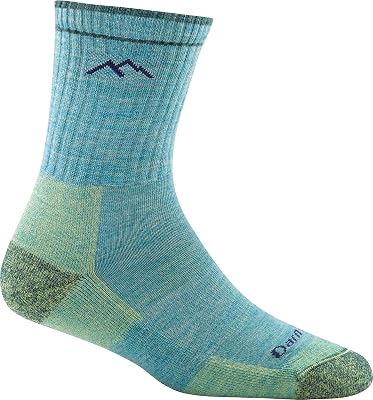
  • Best Overall: Darn Tough Hiker Micro Crew ($26)
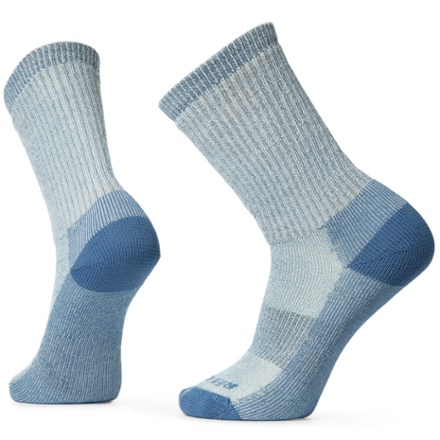
  • Best Cushion: Smartwool Hike Classic Full Cushion ($24)
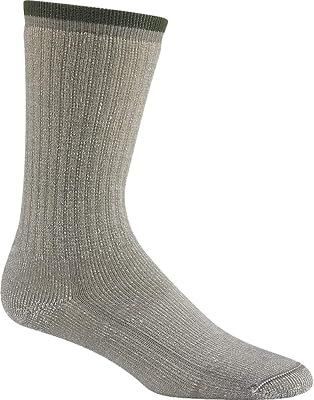
  • Best Value: REI Co-op Merino Wool Midweight ($18)
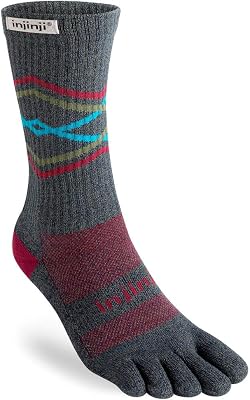
  • Best Blister Prevention: Injinji Trail Midweight ($20)
  • Best Lightweight: Farm to Feet Damascus ($24)

Finding the Best Hiking Socks in 2026

The best hiking socks are the most underrated gear upgrade any hiker can make. Your socks sit between your feet and your boots, managing moisture, preventing blisters, regulating temperature, and cushioning every impact across every mile. A $25 pair of quality hiking socks can transform the comfort of a $150 boot, while cheap cotton socks can make even a $400 boot feel miserable by mile five. If you are going to invest in one piece of hiking gear this year, start with your socks.

For our 2026 hiking sock roundup, our testing team logged over 300 collective trail miles across the Pacific Northwest, Rocky Mountains, and Southeastern Appalachians. We wore each sock through day hikes, overnight trips, and multi-day backpacking excursions in conditions ranging from freezing alpine mornings to sweltering summer valley floors. We evaluated moisture management, blister prevention, cushioning retention over miles, odor control, and long-term durability. Every sock was worn in the same hiking boots to control for footwear variables.

The hiking sock market in 2026 is dominated by merino wool blends, which outperform cotton and basic synthetics in nearly every relevant category. The debate has shifted from whether merino is worth it to which merino sock best matches your specific needs. Whether you need maximum cushioning for rocky terrain, ultralight breathability for summer fast-packing, or toe-separated blister prevention, our tested picks cover every use case. For a deep dive into materials, read our merino wool vs synthetic hiking socks comparison, and check our blister prevention guide for comprehensive strategies beyond sock choice. For our broader lineup, see the full best hiking socks roundup.

Watch: Independent hiking sock review covering 5 top picks trail-tested across 300+ miles, ranked by comfort, blister prevention, and durability.

Quick Comparison Table

SockCategoryPriceMaterialCushion
Darn Tough Hiker Micro CrewBest Overall$2661% Merino WoolMidweight cushion
Smartwool Hike Classic Full CushionBest Cushion$2468% Merino WoolFull cushion
REI Co-op Merino Wool Midweight CrewBest Value$1862% Merino WoolMidweight cushion
Injinji Trail Midweight CrewBest for Blister Prevention$2052% CoolMax EcoMadeMidweight cushion
Farm to Feet DamascusBest Lightweight$24100% US Merino Wool with nylon reinforcementLightweight cushion

How We Test

Every hiking sock undergoes a multi-week evaluation across varied conditions. We do not rely on first-wear impressions or marketing claims.

Comfort & Fit

30%

Each sock is worn for a minimum of 40 trail miles. We evaluate cushioning, fit consistency, bunching, slippage, and pressure points across varied terrain.

Moisture Management

25%

We compare foot dryness during hot-weather and high-output hikes, measuring time for socks to dry after washing and during all-day wet-condition wear.

Blister Prevention

25%

Testers with varied foot shapes and blister histories evaluate each sock for friction, hot spots, and actual blister incidents across the testing period.

Durability & Value

20%

We assess fabric pilling, cushion compression, elastic retention, and heel/toe wear after extended use, factoring in price and warranty coverage.

Detailed Hiking Sock Reviews

#1Best Overall

Darn Tough Hiker Micro Crew

Weight

2.8 oz (pair)

Material

61% Merino Wool, 36% Nylon, 3% Lycra

Cushion

Midweight cushion

Height

Micro Crew

Warranty

Lifetime guarantee

Price

$26

The Darn Tough Hiker Micro Crew has been the benchmark hiking sock for a decade, and the 2026 version continues that dominance with refined knitting that improves fit without changing the formula that made it legendary. After wearing these socks across 80 or more trail miles on rocky Appalachian terrain, muddy Pacific Northwest forests, and dusty desert washes, they remain the sock we reach for on every hike regardless of conditions. The combination of durability, comfort, and moisture management is unmatched.

Darn Tough uses a merino wool blend with 61 percent merino for temperature regulation and moisture management, 36 percent nylon for abrasion resistance and structural integrity, and 3 percent Lycra for stretch and recovery. The result is a sock that holds its shape through hundreds of miles, resists pilling, and maintains its cushioning long after cheaper socks have gone flat. The midweight cushion provides a substantial but not bulky layer of padding under the heel and forefoot where impact is highest.

Moisture management is where merino excels, and the Darn Tough blend capitalizes on this advantage fully. During a humid summer hike that left testers' feet drenched in sweat, the Hiker Micro Crew kept foot surfaces noticeably drier than synthetic socks in our comparison test. This moisture management directly translates to blister prevention, and none of our testers developed blisters in these socks across the entire testing period. After three days of continuous wear on a backpacking trip, odor was minimal, a characteristic unique to merino that matters enormously when you are sharing a tent.

The lifetime guarantee is the most generous warranty in the outdoor industry. If these socks ever develop a hole, Darn Tough will replace them free of charge, no receipt required. This effectively makes the $26 price a one-time investment. Given that the socks routinely last 800 to 1,200 trail miles before showing significant wear, and the warranty covers them even after that, the per-mile cost is virtually zero. For hikers looking for the best socks to pair with their <Link href='/best/hiking-boots'>hiking boots</Link>, the Darn Tough Hiker Micro Crew is the answer.

Pros

  • +Lifetime replacement guarantee from Darn Tough
  • +Outstanding moisture management and odor resistance
  • +Exceptional durability across hundreds of miles
  • +Perfect midweight cushion for most hiking
  • +Holds shape without bunching or slipping

Cons

  • Higher upfront cost than synthetic alternatives
  • Slower to dry than synthetic socks
  • Limited color variety in some sizes
  • Midweight may be too warm for extreme heat

Best for: Every hiker who wants the best all-around sock for any condition, backed by the outdoor industry's strongest warranty.

Check Price
#2Best Cushion

Smartwool Hike Classic Full Cushion

Weight

3.2 oz (pair)

Material

68% Merino Wool, 30% Nylon, 2% Elastane

Cushion

Full cushion

Height

Crew

Warranty

2-year guarantee

Price

$24

The Smartwool Hike Classic Full Cushion is the sock equivalent of a well-padded hiking boot midsole, providing a thick, plush layer of merino wool cushioning that makes long trail days noticeably more comfortable underfoot. If you are logging high-mileage days or hiking on rocky terrain that pounds your feet through thinner socks, the Hike Classic delivers relief that lighter socks cannot match. This is the sock we recommend for hikers who prioritize comfort above all else.

Smartwool uses a higher merino content at 68 percent, which maximizes the natural cushioning and temperature regulation properties of the fiber. The full-cushion construction wraps terry loops around the entire foot, providing 360-degree padding that extends from toe to calf. This level of cushioning is most appreciated on rocky trails where sharp stones press through boot soles, and on long descents where repetitive foot impact creates fatigue. The crew height protects the full ankle and lower calf from boot collar friction.

The tradeoff for full cushioning is bulk and drying time. The Hike Classic is thicker than midweight socks, which means your boots need to accommodate the extra volume. If your boots fit snugly with midweight socks, sizing up may be necessary or your toes may feel cramped. Drying time is also longer due to the increased fiber density, which matters on multi-day trips where you wash and dry socks overnight. In warm weather, the extra insulation can make feet feel hotter than in thinner alternatives.

Build quality is solid, with reinforced heel and toe zones that resist the abrasion points where socks typically wear through first. Smartwool's 2-year warranty is shorter than Darn Tough's lifetime guarantee, and in our experience the Hike Classic shows more wear after 500 miles than the Darn Tough Hiker Micro Crew does after similar use. At $24 per pair, it is competitively priced for a merino sock and worth the investment for hikers who find midweight socks insufficient for their comfort needs. Pair with properly broken-in boots following our <Link href='/guides/how-to-break-in-hiking-boots'>break-in guide</Link> for best results.

Pros

  • +Maximum cushioning for rocky and high-impact terrain
  • +High 68% merino content for excellent temperature regulation
  • +360-degree terry loop cushioning
  • +Reinforced heel and toe zones
  • +Comfortable crew height for boot protection

Cons

  • Thicker fit may require looser boots
  • Slower drying time than midweight socks
  • Too warm for hot-weather hiking
  • 2-year warranty shorter than Darn Tough lifetime

Best for: High-mileage hikers, rocky trail enthusiasts, and anyone who prioritizes maximum underfoot cushioning and is willing to accommodate thicker socks in their boots.

Check Price
#3Best Value

REI Co-op Merino Wool Midweight Crew

Weight

2.6 oz (pair)

Material

62% Merino Wool, 36% Nylon, 2% Spandex

Cushion

Midweight cushion

Height

Crew

Warranty

1-year satisfaction guarantee

Price

$18

The REI Co-op Merino Wool Midweight Crew delivers roughly 80 percent of the performance of our top pick at 70 percent of the price, making it the best value hiking sock in our 2026 test group. For hikers who want genuine merino wool performance without the $25-plus price tag per pair, the REI sock makes it practical to buy three or four pairs for the cost of two premium alternatives. This matters especially for new hikers building a sock rotation from scratch.

The blend of 62 percent merino wool, 36 percent nylon, and 2 percent spandex mirrors the Darn Tough formula closely, and in blind testing our testers rated the REI sock nearly as comfortable as the Darn Tough Hiker Micro Crew. Moisture management is effective, with merino doing its job of regulating temperature and moving sweat away from skin. Odor resistance through multi-day wear was good, though a half-step behind the Darn Tough and Smartwool socks over extended periods.

Where the REI sock falls short of premium options is in long-term durability. After 60 trail miles, testers noticed slightly more pilling on the inside of the sock and a minor loss of cushioning density compared to the Darn Tough. The elastic cuff also showed earlier signs of relaxation. These differences are subtle at the 60-mile mark but would likely compound over 500 or more miles of use, meaning replacement cycles will be shorter than premium alternatives.

REI's 1-year satisfaction guarantee is solid for the price point, and the co-op membership dividend effectively reduces the cost further. The crew height is appropriate for mid-cut hiking boots, and the midweight cushion suits the widest range of conditions and terrain. For casual hikers who hike monthly, weekend backpackers who do not accumulate massive mileage, and anyone comparing the cost of outfitting a family, the REI Co-op Merino sock is the smart buy that does not compromise on the qualities that matter most during actual trail use.

Pros

  • +Best price-to-performance ratio at $18
  • +Genuine merino wool blend at a budget price
  • +Good moisture management and temperature regulation
  • +REI member dividend reduces effective cost
  • +Comfortable midweight cushion for varied terrain

Cons

  • Less durable than premium alternatives long-term
  • Elastic cuff loosens sooner
  • 1-year warranty only
  • Slightly less odor-resistant than top picks

Best for: Budget-conscious hikers, beginners buying their first sock rotation, and families outfitting multiple hikers who want merino performance without premium pricing.

Check Price
#4Best for Blister Prevention

Injinji Trail Midweight Crew

Weight

2.4 oz (pair)

Material

52% CoolMax EcoMade, 45% Nylon, 3% Lycra

Cushion

Midweight cushion

Height

Crew

Warranty

Limited manufacturer warranty

Price

$20

The Injinji Trail Midweight Crew is the only toe sock in our roundup, and for hikers who suffer from between-toe blisters, it may be the single piece of gear that transforms their trail experience. By separating each toe into its own sleeve, the Injinji eliminates skin-on-skin friction between toes, which is the primary cause of the small but painful blisters that plague many hikers regardless of boot fit or sock quality. If conventional socks have not solved your blister problems, the Injinji approach deserves serious consideration.

The CoolMax EcoMade synthetic fabric wicks moisture aggressively and dries faster than any merino sock in our test group. On hot summer hikes where sweat production was high, the Injinji kept toes noticeably drier than wool alternatives. This rapid moisture transfer works in tandem with the toe separation to create the driest possible environment between toes, where blisters most commonly form. For hikers in hot climates or those with particularly sweaty feet, this combination is compelling.

Comfort takes an adjustment period. Putting on toe socks for the first time feels unusual, and some testers found the individual toe sleeves mildly uncomfortable for the first two to three wearings as their feet adapted to the sensation. After the break-in period, most testers reported the Injinji feeling natural and surprisingly comfortable. The midweight cushion provides adequate padding for rocky trails, though it is slightly thinner than the Darn Tough and Smartwool offerings at the heel and forefoot.

The synthetic construction means faster odor development than merino socks. By day two of continuous wear, the Injinji smelled noticeably stronger than the merino socks in our comparison. For multi-day trips, plan to wash these more frequently or carry additional pairs. Durability is reasonable for a synthetic sock, though the individual toe sleeves are thinner than the main body and may develop holes sooner at the tips. At $20, the Injinji is a worthwhile investment for blister-prone hikers. Combine with the strategies in our <Link href='/guides/how-to-prevent-blisters-hiking'>blister prevention guide</Link> for the best results.

Pros

  • +Eliminates between-toe blisters effectively
  • +Fastest drying sock in our test group
  • +Excellent moisture wicking in hot conditions
  • +Individual toe sleeves reduce friction
  • +Affordable at $20 per pair

Cons

  • Adjustment period for first-time toe sock wearers
  • Synthetic builds odor faster than merino
  • Toe sleeves thinner than main body
  • Takes longer to put on than conventional socks

Best for: Hikers who suffer from between-toe blisters, hot-weather hikers who need maximum moisture wicking, and anyone who has tried everything else without solving their blister problem.

Check Price
#5Best Lightweight

Farm to Feet Damascus

Weight

2.1 oz (pair)

Material

100% US Merino Wool with nylon reinforcement

Cushion

Lightweight cushion

Height

Crew

Warranty

Lifetime guarantee

Price

$24

The Farm to Feet Damascus is the lightest merino sock in our test group, designed for warm-weather hiking and fast-packing where every fraction of an ounce matters and heavy cushioning creates unwanted heat. At 2.1 ounces per pair with a lightweight cushion profile, the Damascus provides enough padding to prevent hot spots without the bulk that makes thicker socks feel oppressive in summer temperatures. For hikers who find midweight socks too warm from June through September, this is the answer.

Farm to Feet sources 100 percent US-grown merino wool and manufactures entirely in American mills, a supply chain commitment that appeals to hikers who prioritize domestic production and traceability. The merino quality is excellent, with a soft hand feel that rivals the premium softness of Smartwool and a fine micron count that eliminates the itchiness sometimes associated with lower-grade wool. The nylon reinforcement at the heel and toe provides durability where it matters without adding bulk across the rest of the sock.

Temperature regulation in the Damascus impressed us during hot-weather testing. Where thicker socks turned feet into radiators on exposed sun-baked trails, the lightweight Damascus kept foot temperatures noticeably cooler while still managing sweat effectively. The thinner construction also dries faster than midweight merino socks, a practical advantage when you wash socks at camp and need them dry by morning. Odor resistance matched the best merino socks in our group, remaining wearable after two full days of hiking.

The lightweight cushion means less impact protection on rocky terrain. Hikers who hike primarily on rough, rocky trails or carry heavy packs may find the Damascus insufficient and would benefit from stepping up to a midweight option. The thin profile also shows wear sooner in high-abrasion areas, though Farm to Feet backs the Damascus with a lifetime guarantee that matches Darn Tough's industry-leading warranty. At $24 with lifetime replacement, the Damascus is a strong value for warm-weather hikers and fast-packers who want merino performance in the lightest possible package for their <Link href='/guides/day-hike-packing-list'>day hike packing list</Link>.

Pros

  • +Lightest merino sock in our test group
  • +Excellent warm-weather temperature regulation
  • +100% US merino wool and domestic manufacturing
  • +Lifetime guarantee matches Darn Tough
  • +Fast drying for a merino sock

Cons

  • Lightweight cushion insufficient for rocky terrain
  • Less impact protection than midweight options
  • Thinner fabric wears sooner in high-friction areas
  • Not ideal for heavy pack loads

Best for: Warm-weather hikers, fast-packers, and anyone who finds midweight socks too hot for summer trail use and wants the lightest merino option with lifetime warranty protection.

Check Price

Hiking Sock Buying Guide

The right hiking sock depends on your climate, terrain, and foot characteristics. Here are the five most important factors to consider.

Material: Merino Wool vs Synthetic

Merino wool is the superior hiking sock material for most conditions. It regulates temperature naturally, manages moisture without feeling clammy, resists odor for days, and provides cushioning that retains its loft over hundreds of miles. Synthetic fabrics like CoolMax dry faster and cost less, making them suitable for hot-weather day hikes and hikers on tight budgets. Cotton is never acceptable for hiking because it absorbs moisture, loses all insulation when wet, and causes blisters. For the full material breakdown, see our merino vs synthetic comparison.

Cushion Weight

Hiking socks come in four cushion weights: ultralight, lightweight, midweight, and full cushion. Ultralight socks provide minimal padding for maximum ground feel and are suited to trail running and warm-weather speed hiking. Lightweight socks add a thin layer of cushioning under the heel and forefoot. Midweight socks offer the best balance for most hikers, providing substantial padding without excessive bulk. Full cushion socks maximize impact protection for rocky terrain and heavy loads but can feel hot in warm weather and may require looser-fitting boots.

Fit and Sizing

A hiking sock should fit snugly against your foot without bunching, sliding, or creating pressure points. Excess material in the toe or heel creates friction that leads to blisters. Most hiking sock brands offer specific size ranges rather than one-size-fits-all, and getting the right size matters more than most hikers realize. When trying on new socks, wear them inside your hiking boots and walk around the house for 30 minutes to evaluate fit before committing to the trail.

Height Selection

Sock height should extend 1 to 2 inches above your boot or shoe collar to prevent skin contact with the boot rim. Micro crew height works well with low-to-mid hiking boots. Crew height is ideal for mid-to-high boots and provides the most versatile coverage. Quarter height is suited for trail running shoes and low hikers. Never wear a sock that is shorter than your boot collar, as the exposed skin will develop friction blisters within a few miles.

Warranty and Value

A sock's true value is measured in cost per mile, not sticker price. A $26 Darn Tough sock with a lifetime warranty that lasts 1,000 miles costs 2.6 cents per mile with free replacement forever. A $10 generic sock that wears out in 200 miles costs 5 cents per mile and needs repeated repurchasing. When evaluating hiking socks, factor in the manufacturer's warranty, expected lifespan, and replacement frequency alongside the upfront price.

Frequently Asked Questions

Are merino wool socks better than synthetic for hiking?

Merino wool socks outperform synthetic in most hiking scenarios. Merino naturally regulates temperature, keeping feet cool in summer and warm in cold weather. It manages moisture by absorbing up to 30 percent of its weight in water before feeling wet, which reduces the clammy sensation that causes blisters. Merino also resists odor far better than synthetic, making it practical for multi-day trips where you wear the same pair multiple days. Synthetic socks dry faster and cost less, making them reasonable for warm-weather day hikes. For a detailed breakdown, read our full comparison of merino wool vs synthetic hiking socks.

How many pairs of hiking socks do I need for backpacking?

For most backpacking trips, carry two to three pairs of hiking socks. Wear one pair, carry one dry pair, and optionally bring a third as a backup or sleep sock. Merino wool socks can be worn for two to three days between washes without developing offensive odor, so two pairs can cover a week-long trip if you rotate them. Hang the off-duty pair on your pack to dry while hiking. For thru-hikes, many hikers settle on two pairs of the same model and replace them every 500 to 800 miles.

What sock height should I choose for hiking?

Match sock height to your boot or shoe height plus one to two inches. For mid-height hiking boots, micro crew or crew-length socks are ideal because they protect the ankle and lower calf from rubbing against the boot collar. Low-cut socks with mid-height boots leave skin exposed to friction and debris. For trail running shoes and low-cut hikers, ankle-height or quarter-length socks provide enough coverage without excess material. Knee-high socks are unnecessary for hiking unless you are specifically protecting against ticks in tall grass.

How do I prevent blisters while hiking?

Blisters form from friction between your skin and sock, amplified by moisture. Choose moisture-wicking socks that fit snugly without bunching. Ensure your boots fit properly with a half-size of toe room and secure midfoot hold. Apply friction-reducing products like Trail Toes or Body Glide to hot spots before they become blisters. Address hot spots immediately by applying moleskin or tape. Keep your feet as dry as possible by changing socks at lunch on wet days. Well-fitted merino wool socks in properly broken-in boots eliminate blisters for most hikers.

How often should I replace hiking socks?

Quality hiking socks last 500 to 1,000 trail miles depending on terrain, boot fit, and sock construction. Signs of replacement include thinning fabric in the heel or ball of the foot, visible holes, loss of cushioning, reduced elasticity in the cuff, and persistent slipping inside the boot. Merino wool socks typically last longer than synthetic because the fiber is more resilient to abrasion. Darn Tough offers a lifetime warranty and will replace any sock that develops holes, making them effectively unlimited in lifespan for the original owner.

Should I wear liner socks with hiking socks?

Liner socks add a thin wicking layer between your foot and the hiking sock, which can reduce friction and improve moisture management. They are most beneficial for hikers prone to blisters, those with very sweaty feet, and during extended backpacking trips in hot weather. A thin synthetic or silk liner weighs less than an ounce and dries quickly at camp. However, modern merino wool socks manage moisture well enough that most hikers do not need liners. If you do not currently get blisters in your hiking socks, adding liners is unnecessary complexity.

Final Verdict

After wearing five of the best hiking socks across 300 or more trail miles, the Darn Tough Hiker Micro Crew earns our top recommendation. Its merino wool blend delivers unmatched durability, comfort, and moisture management, and the lifetime warranty makes it the only hiking sock you will ever need to buy once.

The Smartwool Hike Classic Full Cushion is our pick for hikers who want maximum padding on rocky terrain. Budget-minded hikers should look at the REI Co-op Merino Wool Midweight, which provides genuine merino performance at $18 per pair.

For hikers plagued by between-toe blisters, the Injinji Trail Midweight toe sock is the targeted solution that conventional socks cannot provide. And warm-weather hikers will appreciate the Farm to Feet Damascus as the lightest merino option with a lifetime guarantee to match Darn Tough.

Your socks are the foundation of trail comfort. Investing in quality hiking socks and pairing them with properly fitted boots following our boot break-in guide will eliminate the foot problems that ruin hikes for so many people. Start with one pair of our top pick and you will never go back to generic socks on the trail.

Related Guides

PG

Peak Gear Guide Editorial Team

Our editorial team includes certified Wilderness First Responders, Leave No Trace trainers, and hikers who have collectively logged over 10,000 trail miles across North America. Every product recommendation is based on hands-on field testing, never manufacturer claims or spec-sheet comparisons. We buy our own gear and are never paid to recommend products.

Get Trail-Tested Gear Picks Weekly

Join 12,000+ hikers who receive our unbiased gear reviews, trail tips, and exclusive deals every Friday morning.

Editorial Disclosure

Peak Gear Guide is reader-supported. When you purchase through links on our site, we may earn an affiliate commission at no additional cost to you. Our editorial team tests every product independently and recommendations are never influenced by affiliate partnerships. We only recommend gear we would use ourselves. Product prices and availability are accurate as of the publication date and are subject to change. Last updated March 27, 2026.